For centuries, horses have occupied a special place in human history, serving as companions, workers, and symbols of status. Among these noble creatures, those bred specifically for royalty—often referred to as “royal steeds”—have traditionally received specialized training methods befitting their prestigious roles. Today, however, these traditional approaches face scrutiny as modern equestrian science evolves. This article explores the fascinating tension between historical royal training techniques and contemporary equine methodology, examining how heritage practices can either complement or conflict with our modern understanding of horse welfare, performance, and human-equine relationships.
The Historical Significance of Royal Equestrian Traditions

Royal stables throughout history were not merely housing for horses but institutions that developed distinct training methodologies tailored to royal needs. From the Spanish Riding School’s meticulous classical dressage to the elaborate cavalry training of the British Royal Household, these traditions created a legacy of equestrian excellence that continues to influence modern riding. The specialized training of royal steeds often emphasized precision, elegance, and the ability to perform in ceremonial contexts—characteristics that required years of careful development. These historical approaches weren’t simply about performance but represented cultural heritage, diplomatic prestige, and the expression of royal authority through equestrian mastery. The traditions surrounding royal horses have thus contributed significantly to our modern understanding of horse training, even as they come under increased scrutiny.
Defining Royal Steeds in the Modern Context

The term “royal steed” has evolved considerably in contemporary equestrian circles, now encompassing horses with lineages connected to historical royal breeding programs or those trained in traditionally royal disciplines. Today’s royal steeds often include breeds with distinctive royal heritage, such as the Lipizzaner horses of the Spanish Riding School, the Cleveland Bays favored by the British monarchy, or the Marwari horses of Indian royalty. Beyond bloodlines, modern royal steeds may also be identified through their participation in ceremonial state functions or their training in classical equestrian arts preserved from royal traditions. The modern definition has expanded to acknowledge that these horses represent living cultural heritage—animals that embody centuries of selective breeding and specialized knowledge. This broader understanding helps frame discussions about appropriate training approaches for horses that carry such significant historical and cultural importance.
Traditional Training Methods: A Critical Examination

Traditional royal steed training often incorporated techniques that modern equestrians might question from welfare and effectiveness perspectives. Historically, these methods frequently emphasized human dominance through practices like tying horses’ heads in fixed positions, using harsh bits for control, and employing forceful measures to achieve the spectacular movements required for royal ceremonies. Some traditional approaches focused heavily on conforming the horse to human expectations without consideration for natural equine behavior or physical limitations. Royal training traditions also typically involved starting horses much younger than is now considered appropriate, potentially causing long-term physical issues despite producing impressive short-term results. However, it would be inaccurate to characterize all historical royal training as inherently problematic—many royal equestrian traditions also emphasized patience, consistency, and deep understanding of equine psychology, elements that align perfectly with modern best practices.
Modern Equine Science and Ethical Considerations

Contemporary equine science has transformed our understanding of how horses learn, process information, and respond to training stimuli. Research into equine cognition demonstrates that horses possess complex emotional lives, form social attachments, and learn most effectively through consistency and positive reinforcement rather than through fear or punishment. Modern welfare standards now recognize the importance of considering both physical and psychological well-being when developing training programs for any horse, regardless of its heritage or intended purpose. Scientific studies examining biomechanics and physical development have also established clearer guidelines for appropriate training progression that minimizes injury risk while maximizing the horse’s natural abilities. These advances in equine science present both challenges and opportunities for those seeking to maintain royal equestrian traditions while adapting them to align with current ethical standards and scientific understanding.
The Preservation vs. Evolution Debate

At the heart of discussions about royal steed training lies a fundamental tension between preserving cultural heritage and adapting practices to reflect contemporary values and knowledge. Traditionalists argue that certain historical methods represent centuries of accumulated wisdom and artistic expression that could be lost if abandoned entirely in favor of newer approaches. They contend that some traditional techniques, when properly understood and applied with modern sensitivity, remain valuable and effective tools for developing the unique qualities expected in ceremonial or classical performance horses. Reformists, conversely, maintain that tradition alone cannot justify practices now understood to compromise equine welfare or contradict scientific evidence about effective learning. This debate extends beyond training methodology to encompass questions about the very purpose of maintaining royal equestrian traditions in modern democratic societies. The challenge becomes finding a balanced approach that honors historical significance while embracing evidence-based improvements.
Case Study: The Spanish Riding School’s Adaptation
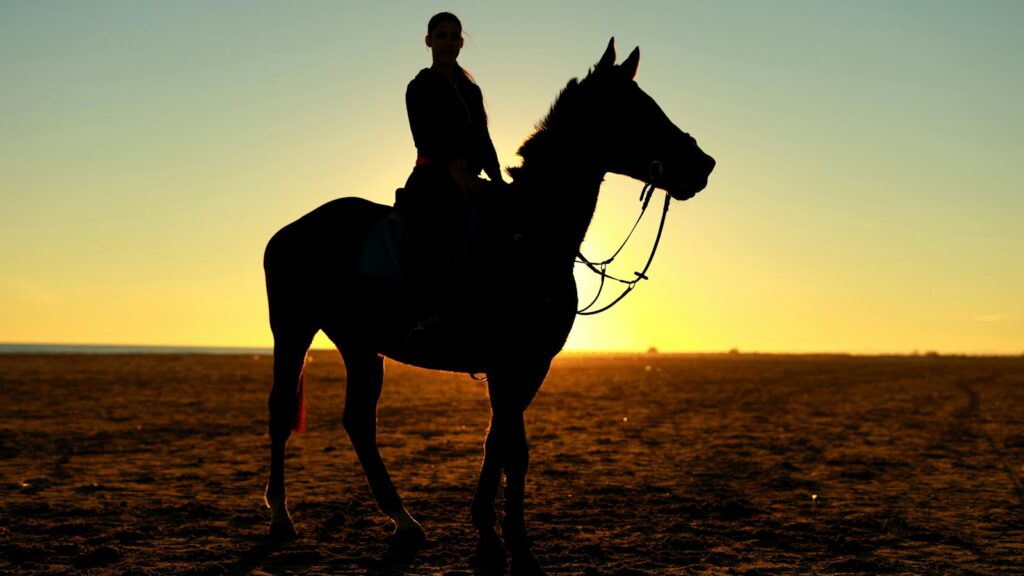
The Spanish Riding School in Vienna offers a compelling example of how a prestigious royal equestrian institution has navigated the challenges of modernizing traditional practices. Founded in 1565 to train imperial horses and riders, the school maintains its commitment to classical horsemanship while continuously refining its approach to reflect contemporary welfare standards. In recent decades, the school has adjusted its training timeline to allow young Lipizzaner stallions more physical development time before beginning intensive work. Training sessions now incorporate longer warm-up periods and more frequent rest intervals based on sports medicine research about equine athletes. The school has also modified certain equipment and training progressions while maintaining the essence of the classical system. Perhaps most significantly, the Spanish Riding School now emphasizes the educational reasoning behind each training step, creating greater transparency and accountability than existed historically. This evolution demonstrates how royal traditions can be preserved in spirit while adapting in practice.
The Role of Technology in Modern Royal Training

Technology has revolutionized many aspects of equestrian training, including approaches to working with horses in traditional royal disciplines. Modern video analysis tools allow trainers to evaluate movement patterns with unprecedented precision, helping identify subtle imbalances or tension that might otherwise go undetected. Pressure-sensing equipment now provides objective data about bit contact, saddle fit, and weight distribution—information that historically relied solely on the trainer’s subjective feel and experience. Biomechanical analysis using motion capture technology helps quantify the effects of different training approaches on the horse’s musculoskeletal system, allowing for evidence-based modifications to traditional exercises. Even genetic testing has entered the equation, helping breeding programs maintain the distinctive characteristics of royal bloodlines while reducing hereditary health issues. These technological advances offer opportunities to refine traditional methods based on objective data rather than simply replacing them with entirely new approaches.
Public Perception and Educational Challenges

Public attitudes toward royal equestrian traditions have evolved significantly, creating both challenges and opportunities for institutions maintaining these practices. Modern audiences often approach historical demonstrations with greater scrutiny regarding animal welfare and may question practices that appear outdated or potentially harmful. Social media has amplified these discussions, sometimes leading to polarized debates where traditional methods are either uncritically defended or categorically condemned without nuanced understanding. This changing public perception creates an imperative for royal equestrian institutions to develop more comprehensive educational programs explaining the historical context, ongoing adaptations, and welfare considerations built into their current practices. Many institutions now offer behind-the-scenes tours, educational seminars, and transparent documentation of their training progression to demonstrate their commitment to both tradition and modern standards. Successfully navigating these public perception challenges requires institutions to become not just preservers of tradition but active educators about responsible evolution.
Finding Middle Ground: Hybrid Training Approaches

Innovative trainers working with horses in royal traditions increasingly adopt hybrid approaches that combine historical techniques with modern methodology. These balanced systems often retain the sequential progression and aesthetic goals of classical methods while incorporating contemporary understanding of learning theory, biomechanics, and welfare considerations. For example, many programs now use positive reinforcement techniques to teach the foundation for movements traditionally achieved through more directive methods. Others maintain classical equipment but modify its application based on modern understanding of pressure and release principles. Some institutions have developed modified versions of historical exercises that achieve similar muscle development and coordination with reduced physical stress. Training schedules have generally evolved to include more variation, appropriate rest periods, and customization based on individual horses’ physical and psychological needs. These hybrid approaches demonstrate that the debate need not be reduced to an either/or proposition between tradition and innovation.
The Economic Realities of Royal Equestrian Programs

Financial considerations significantly influence the evolution of royal equestrian traditions in the modern world. Historical royal stables enjoyed lavish funding and resources that modern institutions—even those with royal patronage—can rarely match. Today’s programs must balance preservation of traditional practices with economic sustainability, often relying on tourism, educational programs, and public performances to support their operations. These financial pressures can create tension between maintaining training excellence and meeting visitor expectations or performance schedules. Additionally, the specialized equipment, facilities, and expertise required for traditional royal training represent significant investments that must be justified in contemporary budgetary contexts. Economic factors also affect breeding programs for traditional royal horse types, which often cannot compete commercially with modern sport horse breeding despite their historical and cultural significance. Successfully navigating these economic challenges requires creative approaches to funding, marketing, and program development that honor tradition while ensuring viability.
Ceremonial Requirements vs. Equine Welfare

Royal horses continue to perform ceremonial functions that sometimes create tension between traditional requirements and modern welfare considerations. State ceremonies, parades, and formal presentations often involve conditions that challenge equine comfort—lengthy stationary periods, unusual environmental stimuli, restrictive formal equipment, and precise movement requirements. Modern training programs must balance preparing horses adequately for these demanding roles while ensuring their psychological and physical well-being throughout both training and performance. This often requires modifications to traditional approaches, such as gradually acclimating horses to ceremonial equipment rather than expecting immediate acceptance, or developing rotation systems that limit individual horses’ exposure to the most demanding aspects of ceremonial work. Many royal institutions now employ equine welfare specialists who work alongside traditional trainers to develop protocols that maintain ceremonial standards while prioritizing the horse’s experience. This balanced approach recognizes that impressive ceremonial performances ultimately depend on physically and mentally sound equine partners.
The Influence of Competition Sport on Traditional Methods

Modern equestrian competition sports have significantly influenced the evolution of traditional royal training approaches. Classical dressage, once exclusively a royal art, has transformed into an Olympic discipline with standardized judging criteria and competitive pressure that sometimes diverges from historical training philosophy. Military riding techniques originally developed for cavalry officers have evolved into eventing and other competitive disciplines with different performance metrics and training needs. This sportification of traditionally royal equestrian arts creates both cross-pollination of ideas and potential conflicts between competition-oriented methods and classical approaches. Royal training programs increasingly incorporate elements from sport science—such as systematic conditioning programs and performance analysis—while attempting to maintain their distinctive traditional identity. Conversely, competitive riders sometimes look to classical training principles to create more sustainable development in their sport horses. This ongoing dialogue between competition approaches and royal traditions represents one of the most dynamic aspects of modern equestrian evolution.
The Future of Royal Equestrian Traditions

The coming decades will likely see continued transformation in how royal equestrian traditions are maintained and practiced around the world. Growing emphasis on transparent welfare standards and evidence-based training will likely accelerate the evolution of traditional methods, particularly as new generations of trainers enter institutions with both respect for heritage and modern educational backgrounds. Digital preservation efforts will increasingly document historical techniques while educational programs explain their context and evolution, helping maintain knowledge that might otherwise be lost. Royal institutions will likely continue developing more collaborative relationships with equine science researchers, creating opportunities to study and refine traditional methods through rigorous assessment. Perhaps most importantly, the definition of “preservation” itself may evolve—focusing less on maintaining specific techniques unchanged and more on honoring the underlying principles and artistic goals of royal equestrian traditions through methods appropriate for contemporary understanding. These traditions will survive not through rigid adherence to historical practice but through thoughtful adaptation that preserves their essence while embracing positive change.
Conclusion

The debate surrounding royal steed training in the modern era ultimately reflects broader questions about how societies balance tradition and progress. The most successful approaches recognize that this need not be a zero-sum proposition—traditional wisdom and modern science can complement each other when integrated thoughtfully. Royal equestrian traditions represent valuable cultural heritage worth preserving, but their preservation is best served through evolution rather than static reproduction. By maintaining open dialogue between traditionalists and reformists, embracing scientific advances while honoring historical knowledge, and prioritizing the horse’s experience within traditional frameworks, these magnificent traditions can continue to inspire and educate future generations while upholding the highest standards of equine partnership.