
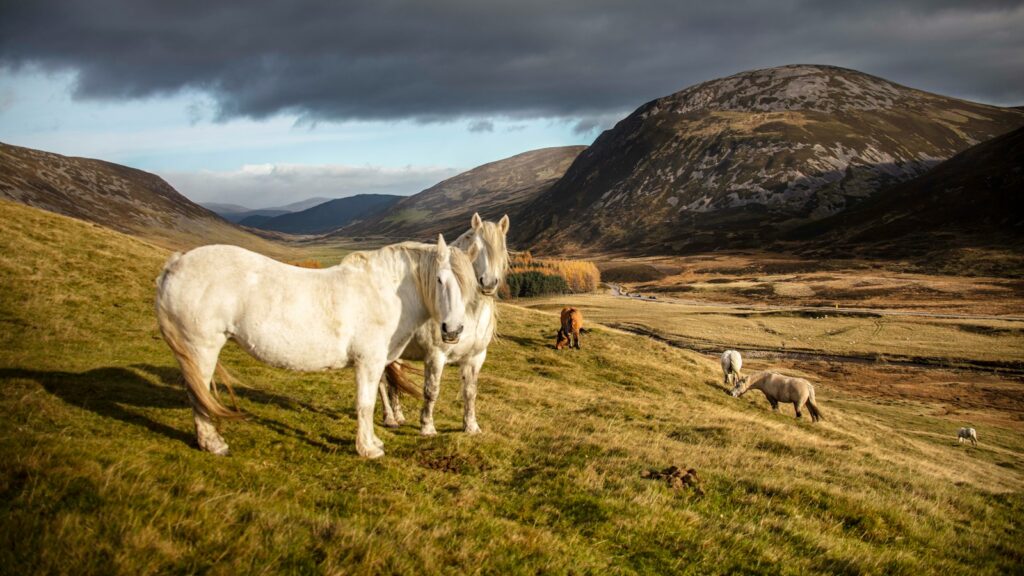
Throughout history, humans have been captivated by horses – their power, grace, and complex social dynamics. Our connection with these majestic creatures has spawned countless legends, myths, and misunderstandings about their behavior. From the fearsome kelpies of Scottish folklore to misconceptions about stallion dominance, our perception of equine behavior often blends fact with fiction. This article explores both mythical horse legends from around the world and the scientific reality of equine behavior, separating fantasy from the fascinating truth about these remarkable animals.
The Origin of Horse Mythology in Ancient Cultures
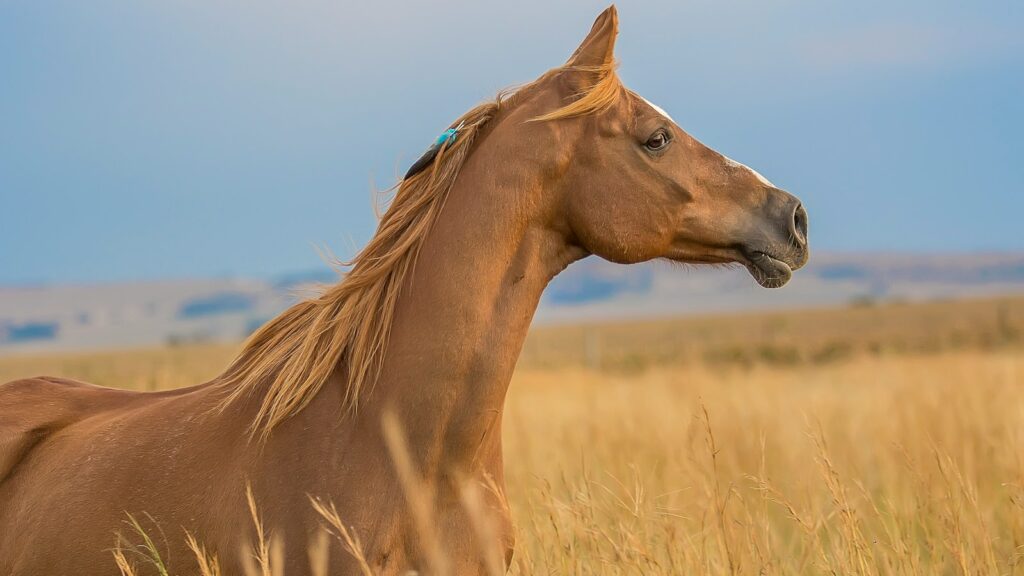
Horses have featured prominently in mythology since humans first domesticated them approximately 6,000 years ago. Ancient cultures from the Greeks to the Norse integrated horses into their cosmology, often attributing supernatural powers to these important working animals. The Greeks gave us Pegasus, the winged horse born from Medusa’s blood, while Norse mythology features Sleipnir, Odin’s eight-legged steed capable of traveling between worlds. These myths weren’t merely entertainment but reflected the genuine reverence people held for horses as crucial partners in warfare, agriculture, and transportation. The horse’s strength, speed, and intelligence made them natural candidates for elevation to mythical status, becoming symbols of freedom, power, and divine connection.
Kelpies: The Shape-Shifting Water Horses of Celtic Lore
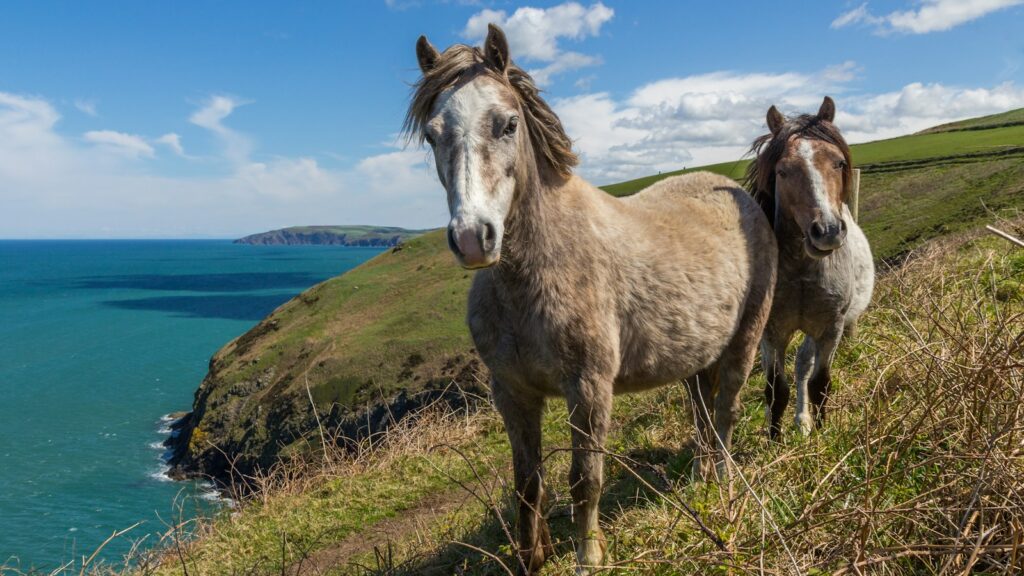
Among the most sinister equine legends are the kelpies of Celtic mythology, particularly from Scottish folklore. These malevolent water spirits typically appeared as beautiful black horses near bodies of water, enticing unwary travelers to mount them. Once a victim climbed aboard, the kelpie’s skin would become adhesive, trapping the rider as the creature plunged into deep water to drown and devour its prey. Some regional variations describe kelpies as shape-shifters who could assume human form, typically appearing as handsome men with seaweed in their hair and wearing dripping wet clothes. The kelpie myths served a practical purpose, warning children to stay away from dangerous bodies of water and cautioning against approaching unfamiliar horses. These legends reflect both our fascination with horses and our recognition of their potential danger.
The Magnificent Unicorn: From Ancient Belief to Modern Symbol
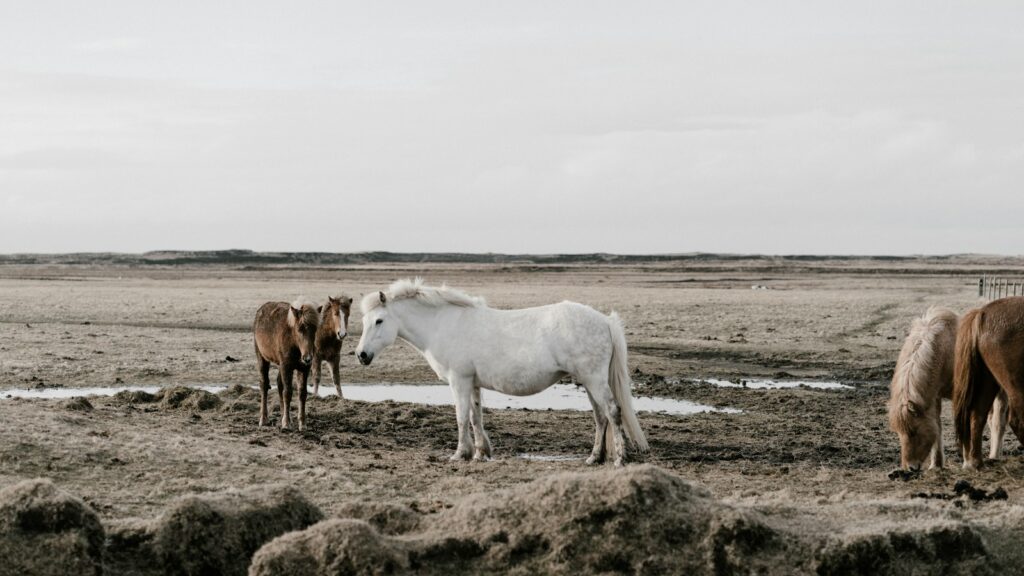
Perhaps no mythical equine has captured human imagination more thoroughly than the unicorn, a horse-like creature with a single horn projecting from its forehead. Early unicorn descriptions date back to ancient Greek natural history texts, where writers like Ctesias described them as wild donkeys with colorful horns possessing medicinal properties. During medieval times, the unicorn became associated with purity, with the popular belief that only a virgin could capture the elusive creature. The unicorn’s horn, called an alicorn, was believed to neutralize poison and was sold as a precious commodity among European nobility – these “horns” were actually narwhal tusks from Arctic waters. Today, the unicorn has transformed from religious symbol to pop culture icon, retaining its association with magic, purity, and wonder while shedding much of its original mythological context.
Sleipnir and the Divine Horses of Norse Mythology
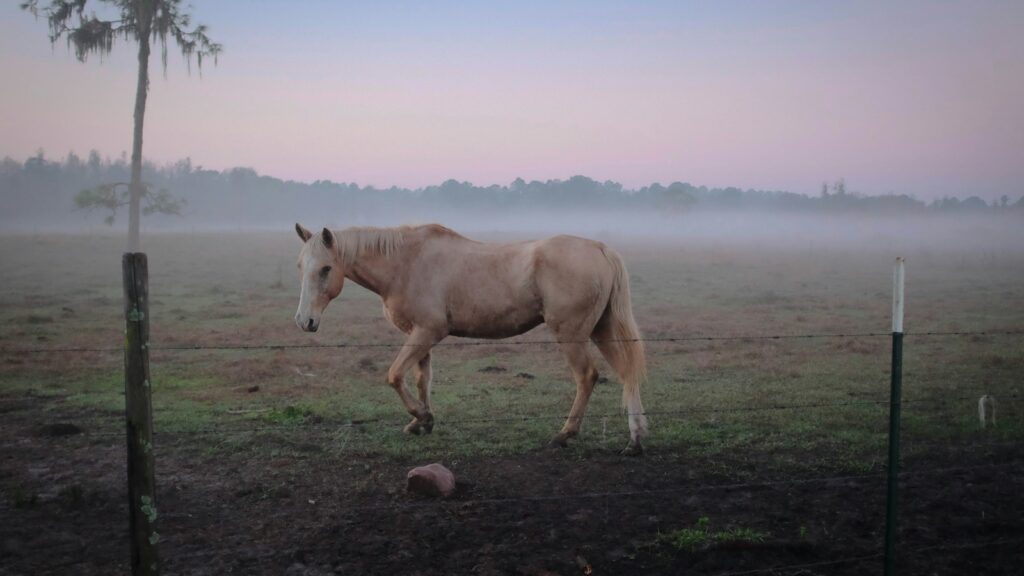
Norse mythology features several remarkable equine figures, with Sleipnir standing out as the most extraordinary. This eight-legged horse belonging to Odin was described as the fastest and most reliable steed in existence, capable of traveling between the nine worlds of Norse cosmology. According to the tales, Sleipnir was born of unusual circumstances – his parent was Loki (in mare form) who became pregnant by the stallion Svaðilfari. Beyond Sleipnir, Norse myths included the horses of other gods, such as Thor’s goat-drawn chariot and the flaming horses that pulled the sun chariot across the sky. These divine steeds reflected the Norse people’s dependence on horses for survival in harsh northern conditions and elevated the horse to a cosmic significance. Archaeological findings show horse burials were common in Norse culture, indicating the animal’s importance extended from mythology into practical religious observance.
Pegasus: The Winged Horse of Greek Legend

In Greek mythology, Pegasus emerged dramatically from the blood of Medusa after Perseus beheaded the Gorgon. This magnificent winged horse became a symbol of poetic inspiration and was associated with the Muses. According to the myths, the hero Bellerophon captured Pegasus with the help of Athena’s golden bridle and rode him in battle against the Chimera and other monsters. Their partnership ended when Bellerophon, filled with hubris, attempted to fly Pegasus to Mount Olympus, prompting Zeus to send a gadfly to sting the horse, causing Bellerophon to fall to his death. Pegasus eventually became a constellation in the night sky, immortalized among the stars. The enduring image of Pegasus represents freedom, imagination, and the bridge between earth and sky—making this mythical equine a perennial favorite in art, literature, and modern media.
The Reality of Horse Social Structure
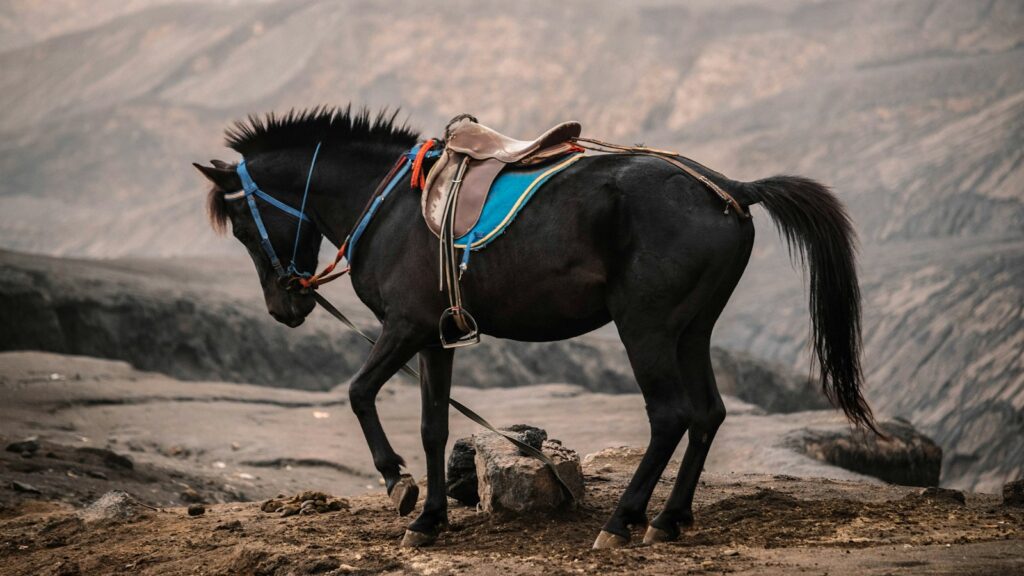
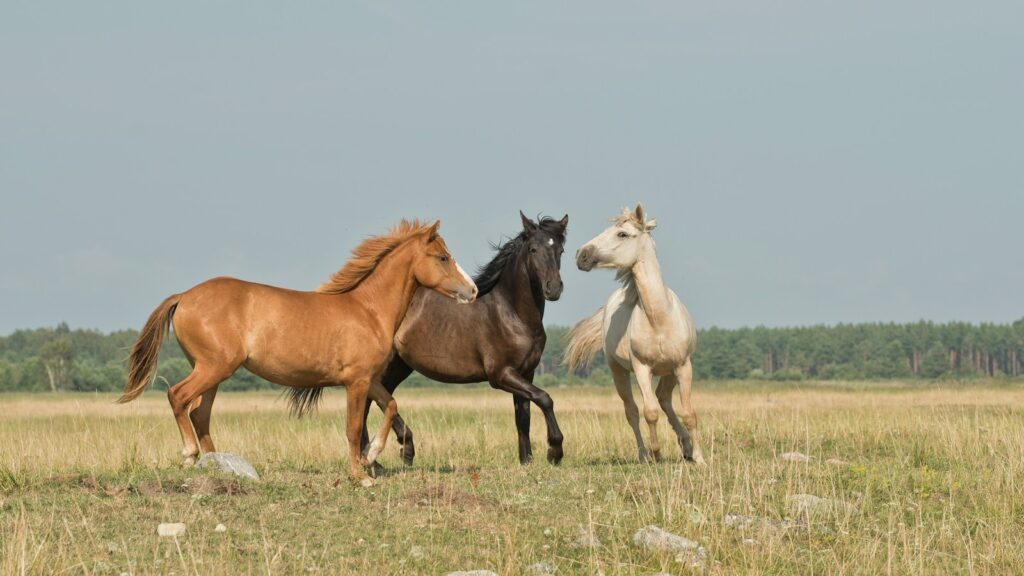
Moving from myth to reality, wild horse social structure differs significantly from popular portrayals. Contrary to the common belief of stallions leading harems of mares, equine social groups are actually matriarchal. Family bands typically consist of one or more mares, their offspring, and sometimes one or more stallions, with the oldest or most experienced mare making decisions about feeding locations and movement patterns. This lead mare determines migration routes and water sources based on her knowledge and experience. Stallions primarily serve protective functions, defending the band from predators and other stallions, but they don’t “rule” the group as often depicted in fiction. Understanding this matriarchal structure challenges our cultural narratives about horse society and offers important insights for those working with domestic horses.
Equine Communication: Beyond Whinnies and Snorts
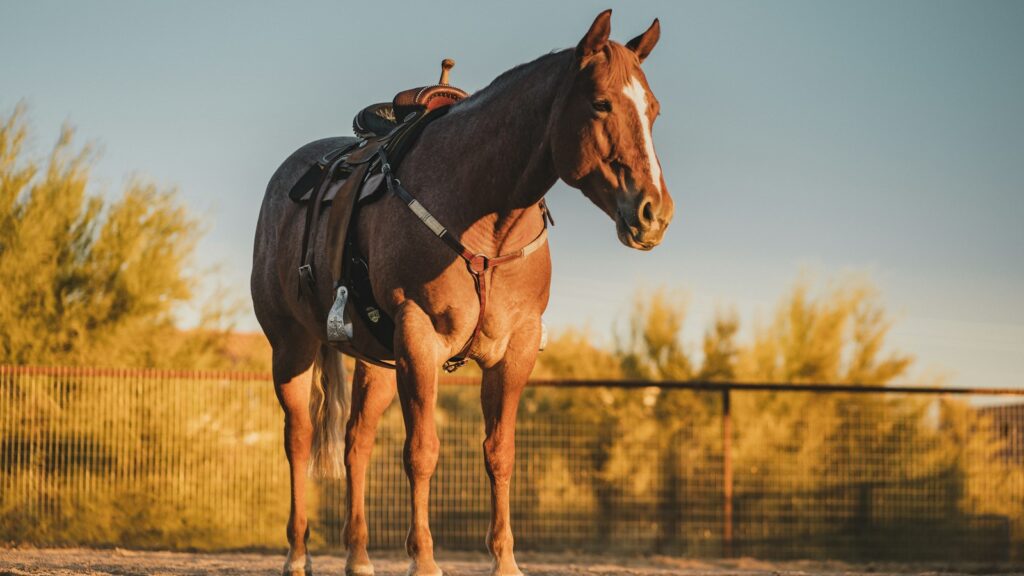
Horses communicate through a sophisticated system of vocalizations, body language, and scent cues that many humans miss or misinterpret. Their communication includes subtle ear positions, tail movements, and muscle tension that indicate emotional states ranging from relaxation to high anxiety. Contrary to popular belief, frequent whinnying or nickering doesn’t necessarily indicate a happy horse; rather, these calls often signal stress or separation anxiety when isolated from the herd. Horses primarily communicate through body language, with approximately 80% of their communication being non-vocal. They can detect minute changes in human body language as well, often responding to unconscious cues from handlers that reveal our true emotional states despite our verbal commands. This sensitivity explains why horses sometimes seem to “read minds” when they’re actually reading subtle physical signals we may not realize we’re sending.
The Misunderstood Mare: Debunking “Mare-ish” Behavior

Mares frequently face unfair stereotyping as moody, difficult, or unpredictable compared to geldings or stallions. This characterization often fails to recognize the biological and evolutionary basis for mare behavior. Mares in the wild lead family groups and must make decisions that ensure herd survival, requiring assertiveness and clear communication. Their hormone cycles do influence behavior, but labeling natural biological processes as “moody” reflects human bias rather than equine reality. Studies indicate that mares often form stronger bonds with particular humans and demonstrate more consistent behavior over time than geldings, once trust is established. The “difficult mare” stereotype can become a self-fulfilling prophecy when handlers approach mares with apprehension or negative expectations, creating tension that the horse then mirrors back.
Natural Horse Behavior vs. Trained Responses
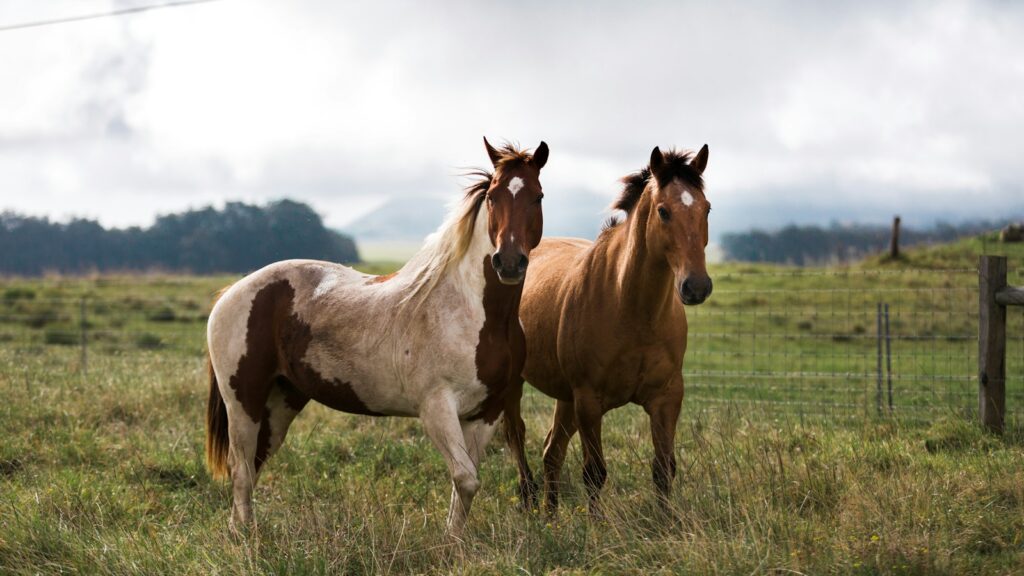
Many behaviors we consider “natural” for domestic horses actually result from training rather than innate equine behavior. Wild horses don’t naturally accept riders, wear bits, or pull carriages – these are learned behaviors developed through human conditioning. Even seemingly basic actions like standing still for mounting or allowing hoof handling are trained responses that contradict a horse’s natural flight instinct when feeling vulnerable. Horses evolved as prey animals with strong self-preservation instincts, making their willingness to cooperate with potentially dangerous predators (humans) remarkable. When horses display “problem behaviors,” they’re often exhibiting normal equine responses to confusing, frightening, or painful situations rather than being stubborn or malicious. Understanding the difference between natural behavior and trained responses helps create more effective, humane training approaches that work with the horse’s nature rather than against it.
Legendary Horses of Historical Record
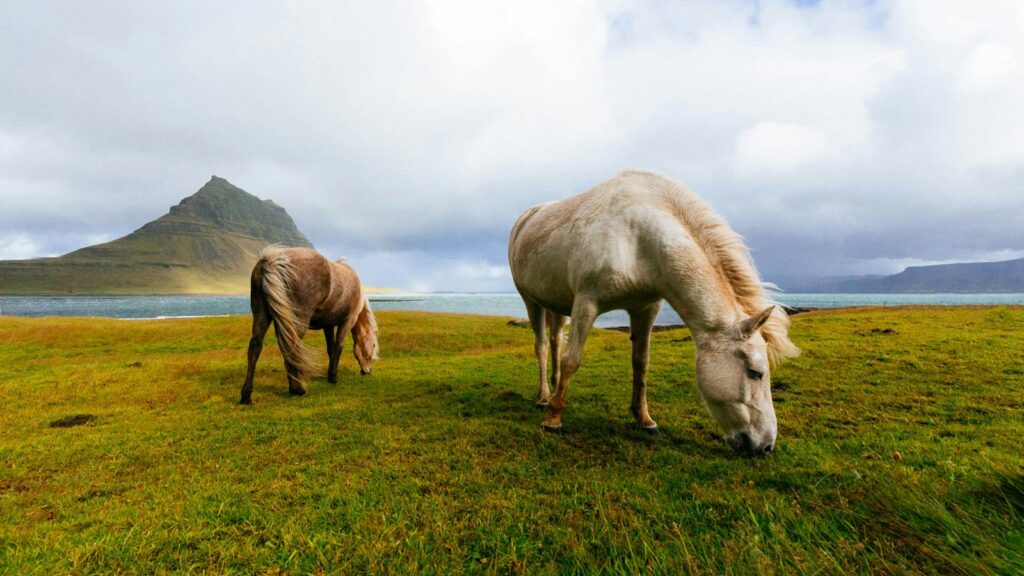
While not mythological, certain historical horses achieved legendary status through their accomplishments and the devotion of their human partners. Alexander the Great’s Bucephalus, reportedly tamed by the young Alexander when no one else could approach the horse, carried the conqueror through numerous battles across Asia. Napoleon’s Marengo, a small gray Arabian stallion, survived multiple wounds in battle and reportedly carried the emperor during the retreat from Moscow. The American Triple Crown winner Secretariat set records in 1973 that remain unbroken today, with a heart discovered during autopsy to be nearly three times normal size. These horses transcended their status as animals to become symbols of human achievement, courage, and partnership. Their stories, though embellished over time, contain enough documented truth to place them in a category between myth and straightforward history.
Cultural Horse Myths: The Black Stallion Effect
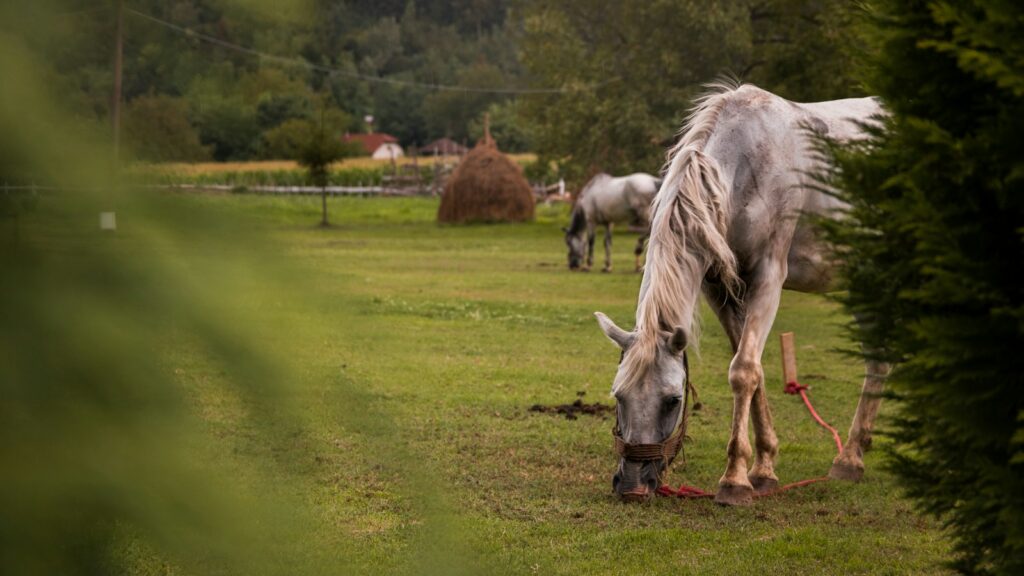
Modern popular culture perpetuates numerous myths about horse behavior, creating what some equine professionals call “the Black Stallion effect.” Named after Walter Farley’s beloved novel, this phenomenon describes the romanticized notion that wild or troubled horses will bond exclusively with one special person, typically through dramatic circumstances. This narrative appears repeatedly in films and books, from “The Horse Whisperer” to “Spirit: Stallion of the Cimarron,” shaping public expectations about horse-human relationships. In reality, while horses do form attachments, they rarely exhibit the exclusive bonding portrayed in fiction. Actual equine behavior is more nuanced, with horses responding primarily to consistent handling rather than mystical connections. These cultural myths, while entertaining, can create unrealistic expectations for new horse owners and sometimes lead to dangerous situations when people attempt to recreate fictional scenarios with real horses.
The Psychological Impact of Horse Myths on Handling Practices
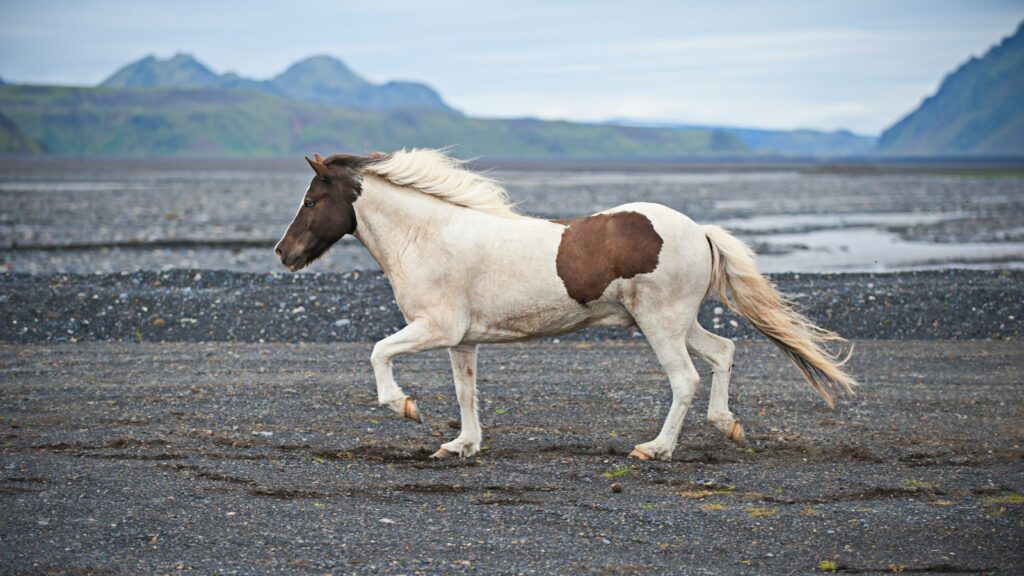
Misconceptions about horse behavior directly influence handling practices, sometimes with negative consequences for both horses and humans. The persistent myth that horses establish dominance through aggression has led to training methods emphasizing human dominance, including techniques that mimic perceived equine aggression. Current research indicates horses maintain social order primarily through spatial relationships and subtle communication rather than the overt aggression these methods try to replicate. Similarly, the belief that certain horse colors indicate specific temperaments (such as “redheads are hot-tempered”) can create bias in how handlers approach different horses. Anthropomorphizing horse behavior—attributing human emotions and motivations to equine actions—further complicates training by misinterpreting natural behaviors as deliberate disobedience. Recognizing how myths shape our understanding helps develop more effective, science-based approaches to horse handling.
Modern Science Meets Ancient Equine Wisdom
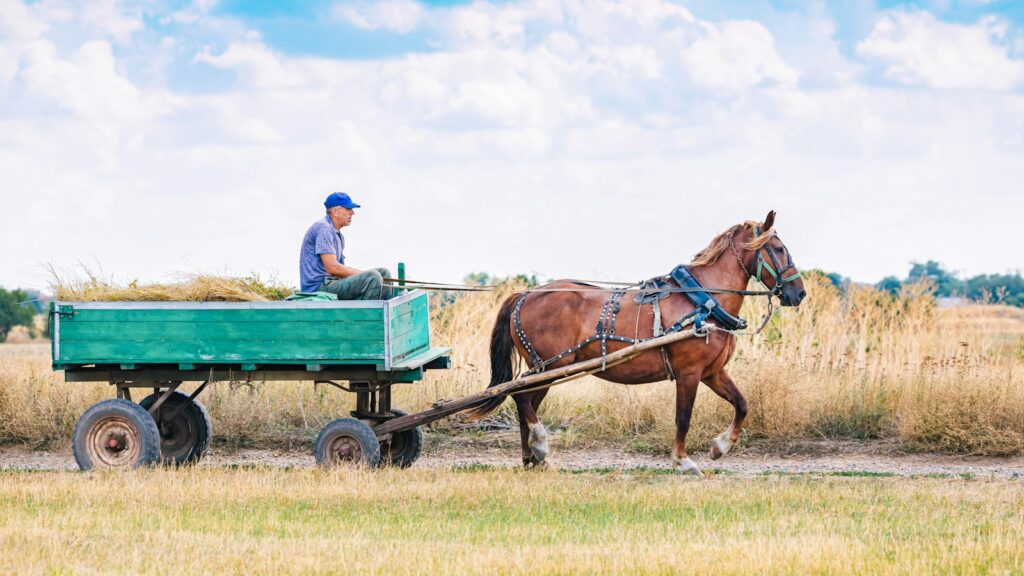
Contemporary equine science is confirming some traditional horsekeeping practices while debunking others, creating a more evidence-based approach to horse management. Recent research on equine cognition reveals horses possess exceptional memory, can solve simple puzzles, and recognize human facial expressions—abilities that experienced horsemen have long claimed but science has only recently validated. Studies of equine stress responses now provide physiological evidence for traditional practices like slow introductions to new environments and consistent handling routines. Conversely, some traditional practices like isolating horses in box stalls contradict research showing horses’ fundamental need for social interaction and movement. The most effective modern horse management integrates scientific understanding with generations of practical knowledge, creating approaches that respect both equine biology and the wisdom of experienced horsemen. This marriage of science and tradition represents the most promising path forward in horse-human relationships.
Preserving Equine Mythology While Respecting Real Horses
There’s value in preserving horse mythology while simultaneously developing accurate understanding of actual equine behavior. Mythological horses connect us to our cultural heritage and express deep human desires for connection with these powerful animals that have shaped civilization. Stories of kelpies, unicorns, and Pegasus enrich our cultural landscape and express metaphorical truths about the human experience even when they diverge from biological reality. However, when working with real horses, separating myth from fact becomes crucial for both human safety and equine welfare. We can appreciate the kelpie legends while recognizing that actual horses aren’t malevolent shapeshifters, just as we can enjoy unicorn imagery while understanding real equines don’t possess magical healing powers. This balanced approach honors both our imaginative traditions and the remarkable reality of horses as they truly are—complex, sensitive beings worthy of understanding on their own terms.
conclusion
Horse mythology represents one of humanity’s oldest and most persistent forms of storytelling, reflecting our enduring fascination with these remarkable animals. From the terrifying kelpies of Scottish lochs to the divine Sleipnir of Norse legend, these stories reveal how thoroughly horses have been woven into human experience. Yet the reality of equine behavior—their sophisticated communication, complex social structures, and genuine cognitive abilities—proves no less fascinating than the myths we’ve created. By understanding both the legends and the science, we develop a richer appreciation for horses in all their dimensions. The truth about horses, both mythical and real, illuminates not just equine nature but also our own enduring connection to these magnificent creatures who have walked alongside humanity throughout our shared history.