
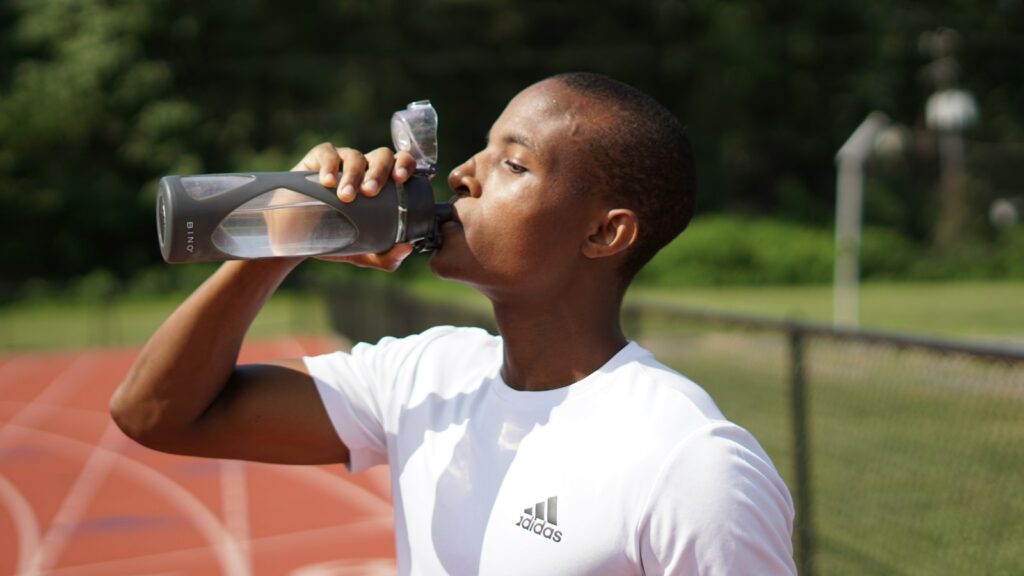
Water is the essence of life, making up approximately 60% of the adult human body and playing a crucial role in nearly every physiological function. Yet despite its importance, maintaining proper hydration remains a challenge for many people. Whether due to busy lifestyles, medical conditions, or simply forgetting to drink enough, inadequate hydration can lead to a cascade of negative health effects. This article explores what happens when your body’s hydration needs aren’t being met, signs to watch for, and practical solutions to help get your hydration back on track.
Understanding Dehydration: More Than Just Thirst

Dehydration occurs when your body loses more fluids than it takes in, disrupting the normal balance of electrolytes needed for optimal functioning. Contrary to popular belief, dehydration isn’t merely characterized by feeling thirsty—it’s a complex condition that affects multiple bodily systems simultaneously. The severity can range from mild to life-threatening, with each stage presenting different symptoms and challenges. Your body is constantly losing water through breathing, sweating, urination, and bowel movements, requiring continual replenishment to maintain homeostasis. Even mild dehydration of 1-2% can begin to impact cognitive function and physical performance, highlighting how sensitive our systems are to hydration status.
The Early Warning Signs of Insufficient Hydration

Your body has evolved sophisticated mechanisms to alert you when hydration levels begin to drop below optimal ranges. The most recognizable signal is thirst, though research suggests this mechanism often activates when you’re already slightly dehydrated. Other early indicators include darker urine color, decreased urination frequency, dry mouth, and lips that feel parched or chapped. You might notice mild fatigue setting in or find it harder to concentrate on tasks requiring sustained attention. Headaches, particularly in the frontal lobe region, often develop as blood volume decreases and oxygen delivery to the brain becomes less efficient. These subtle signs are your body’s way of communicating that your hydration status needs immediate attention.
Cognitive Function and Dehydration: Your Brain on Drought

When hydration refuses to cooperate, your brain is among the first organs to feel the effects. Studies consistently show that even mild dehydration—as little as 1-2% loss of body weight—can impair various aspects of cognitive function. Your ability to concentrate diminishes noticeably, while tasks requiring attention, memory, and psychomotor skills become more challenging. Mood changes are common, with research linking inadequate hydration to increased tension, anxiety, and fatigue while decreasing vigor and alertness. The brain’s tissue is particularly sensitive to changes in water balance, partly because it contains a higher water percentage than most other organs. For students and professionals whose work depends on sharp cognitive function, maintaining hydration isn’t just about physical health—it’s a crucial factor in mental performance.
Physical Performance: When Muscles Lack Moisture

Athletic performance suffers significantly when hydration levels fall below optimal ranges. With insufficient fluid, blood volume decreases, forcing your heart to work harder to deliver oxygen and nutrients to working muscles. This cardiovascular strain translates to reduced endurance capacity, strength, and power output across virtually all sports and exercise modalities. Your muscles’ ability to remove waste products diminishes, accelerating fatigue and increasing recovery time between efforts. Temperature regulation becomes compromised, raising the risk of heat-related illnesses during exercise, particularly in hot environments. Research demonstrates that performance decrements begin at just 2% dehydration, with more severe impacts at higher levels, highlighting how critical proper hydration is for anyone engaging in physical activity.
Digestive Disruption: Constipation and Beyond

Your digestive system relies heavily on adequate hydration to function properly, with water playing essential roles in digestion, nutrient absorption, and waste elimination. When hydration refuses to cooperate, constipation often becomes one of the most noticeable consequences as the body extracts more water from intestinal contents, leaving stools hard and difficult to pass. The digestive tract’s mucous membranes may become less lubricated, potentially increasing susceptibility to irritation and inflammation. Stomach acid becomes more concentrated, potentially worsening symptoms for those with acid reflux or other digestive conditions. Enzyme function throughout the digestive system may become less efficient, potentially impairing the breakdown and absorption of nutrients from food. Maintaining proper hydration is therefore crucial not just for comfortable digestion but for the body’s ability to extract nutrition from what we consume.
Kidney Function and Urinary Health Under Stress

Your kidneys bear a significant burden when hydration levels fall below optimal ranges. These vital organs filter approximately 120-150 quarts of blood daily, requiring adequate fluid to efficiently remove waste products and maintain electrolyte balance. With insufficient hydration, urine becomes more concentrated as the kidneys work to conserve water, appearing darker yellow or amber in color. This concentration creates an environment more conducive to kidney stone formation, as minerals and waste products have greater opportunity to crystallize. The risk of urinary tract infections also increases with inadequate fluid intake, as bacteria aren’t flushed as efficiently from the urinary system. Chronic dehydration places stress on kidney function over time, potentially contributing to long-term renal problems in susceptible individuals.
Skin Manifestations: Your Outer Hydration Indicator

Your skin, the body’s largest organ, often visibly reflects internal hydration status. When fluid levels fall below optimal, skin elasticity diminishes—a phenomenon easily observed by pinching skin on the back of the hand and noting how quickly it returns to normal. Dehydrated skin appears drier, flakier, and more prone to irritation as cellular hydration decreases throughout the epidermis and dermis layers. Fine lines and wrinkles may become temporarily more pronounced due to decreased moisture in skin tissues. Many people experience increased sensitivity or reactivity to skincare products during periods of dehydration, as the skin barrier function becomes somewhat compromised. While topical moisturizers can temporarily improve skin’s appearance, true hydration must come from within through adequate fluid consumption.
Cardiovascular Effects: Your Heart’s Extra Workload

When hydration refuses to cooperate, your cardiovascular system must adapt to maintain adequate circulation with less fluid volume. Blood becomes more concentrated and slightly more viscous, requiring additional cardiac effort to pump throughout the body. This increased workload may manifest as elevated heart rate, particularly noticeable during position changes or physical activity. Blood pressure regulation can become less efficient, potentially causing orthostatic hypotension—dizziness upon standing—as the body struggles to maintain adequate cerebral blood flow with reduced volume. During exercise, the combination of dehydration and increased body temperature creates particularly challenging conditions for the cardiovascular system, significantly increasing perceived exertion even at moderate intensity levels. For individuals with existing heart conditions, maintaining proper hydration becomes even more crucial to avoid unnecessary cardiac stress.
Electrolyte Imbalance: When Minerals Go Awry

Proper bodily function depends on maintaining precise balances of electrolytes—minerals like sodium, potassium, calcium, and magnesium that carry electrical charges in your body. When hydration levels fall, these delicate balances can become disrupted, affecting everything from nerve conduction to muscle function. Symptoms of electrolyte imbalance range from mild muscle cramps and twitches to more severe manifestations like irregular heartbeat in extreme cases. Sodium imbalances are particularly common with dehydration, potentially causing confusion, headaches, and in severe cases, seizures. Athletes and those who sweat heavily face particular challenges, as they lose both water and electrolytes through perspiration, requiring thoughtful replacement strategies. The relationship between hydration and electrolyte balance highlights why simply drinking water isn’t always sufficient—especially after intense exercise or during illness involving fluid losses.
Temperature Regulation Gone Awry

Your body’s sophisticated temperature regulation system relies heavily on adequate hydration to function effectively. Sweating represents your primary cooling mechanism during heat exposure or exercise, but this process becomes compromised when overall hydration is insufficient. With inadequate fluid reserves, sweat production diminishes, reducing evaporative cooling and allowing body temperature to rise more quickly and to higher levels. This impaired thermoregulation significantly increases risk for heat-related illnesses, including heat exhaustion and potentially life-threatening heat stroke. Cold tolerance can also decrease with dehydration, as reduced blood volume affects the body’s ability to redistribute heat from the core to extremities. Children and older adults face particular vulnerability to these thermoregulatory challenges, as their bodies have less efficient temperature regulation mechanisms even under normal hydration conditions.
Severe Dehydration: Recognizing a Medical Emergency

While mild to moderate dehydration can be addressed at home, severe dehydration constitutes a genuine medical emergency requiring immediate intervention. Warning signs that hydration has reached critically dangerous levels include extreme thirst, very little or no urination, severely dry mouth and mucous membranes, and skin that lacks elasticity when pinched. Neurological symptoms often develop, including confusion, irritability, lethargy, or in advanced cases, delirium or unconsciousness. Blood pressure may drop dangerously low while heart rate increases in compensation, creating strain on the cardiovascular system. Severe dehydration carries mortality risks if left untreated, particularly for vulnerable populations like infants, the elderly, and those with chronic medical conditions. If these symptoms develop, emergency medical attention should be sought immediately as intravenous fluid replacement may be necessary.
Rehydration Strategies: Beyond Just Drinking Water

Addressing dehydration requires more nuanced approaches than simply consuming large volumes of water, particularly when dealing with moderate to severe fluid deficits. The rate of rehydration matters significantly—drinking too quickly can overwhelm the kidneys and potentially lead to hyponatremia, a dangerous dilution of blood sodium levels. For mild dehydration, sipping water consistently throughout the day often proves more effective than attempting to consume large amounts at once. Electrolyte-containing beverages become increasingly important as dehydration severity increases, helping restore both fluid volume and mineral balance. Foods with high water content—such as fruits, vegetables, and soups—contribute meaningfully to rehydration while providing nutrients that support recovery. For those with significant electrolyte losses through sweating or illness, specially formulated oral rehydration solutions may provide optimal restoration of both fluid and electrolyte balance.
Building Sustainable Hydration Habits

Creating lasting hydration habits requires understanding your body’s unique needs and developing practical routines that support consistent fluid intake. Individual water requirements vary based on factors including body weight, activity level, climate, and health status, making generic recommendations like “eight glasses daily” insufficient for many people. Strategic approaches include linking hydration to existing habits—drinking water before meals, upon waking, or when arriving at work or returning home. Visual cues play powerful roles in habit formation; keeping water visible in a favorite container increases consumption for many people. Technology can support hydration goals through apps that track intake and provide timely reminders. Perhaps most importantly, understanding your personal hydration status through monitoring urine color, energy levels, and other subtle bodily signals allows for responsive self-regulation rather than rigid adherence to arbitrary targets.
conclusion

Maintaining proper hydration represents one of the most fundamental yet frequently overlooked aspects of health maintenance. When your hydration refuses to cooperate, the cascading effects impact virtually every system in your body, from cognitive function to cardiovascular health. By recognizing early warning signs, understanding your unique hydration needs, and developing sustainable habits, you can transform your relationship with hydration from a constant struggle to a natural, integrated part of your daily routine. Remember that hydration isn’t merely about avoiding the negative consequences of dehydration—it’s about creating the optimal internal environment for your body to thrive.