

Working with horses on a ranch requires patience, skill, and understanding. When your faithful equine partner suddenly refuses to cooperate, it can disrupt daily operations and create significant challenges. Whether you’re an experienced rancher or new to working with these magnificent animals, knowing how to address and resolve cooperation issues is essential for maintaining a productive and harmonious relationship with your ranch horse.
Understanding Ranch Horse Resistance

Ranch horses may refuse to cooperate for numerous reasons that aren’t immediately obvious to their handlers. Physical discomfort, fear, confusion, or past negative experiences can all contribute to a horse’s unwillingness to perform tasks. Before addressing the behavior, it’s crucial to recognize that horses rarely act stubborn without cause—they’re communicating something important about their physical or mental state. Taking time to observe your horse’s body language, including ear position, tail movement, and overall stance, can provide valuable clues about the source of their resistance. Understanding these subtle signals forms the foundation for addressing and resolving cooperation issues effectively.
Physical Pain and Discomfort

One of the most common reasons ranch horses refuse to cooperate is physical pain or discomfort. Issues such as an ill-fitting saddle, dental problems, hoof pain, or muscular soreness can make a previously cooperative horse reluctant to work. Back pain is particularly problematic for working ranch horses, as it directly affects their ability to carry riders and perform essential tasks. Before assuming behavioral issues, arrange for a comprehensive veterinary examination to rule out any physical ailments. Even minor discomfort can significantly impact a horse’s willingness to work, so addressing these physical concerns should always be your first step when cooperation issues arise.
Mental Stress and Burnout

Ranch horses work hard and face mental challenges that can lead to burnout if not properly managed. Signs of mental stress include increased spookiness, resistance to familiar tasks, or a general lack of enthusiasm during work sessions. The monotony of repetitive tasks or pushing a horse beyond its mental capacity can lead to psychological resistance. Providing adequate downtime, varying work routines, and incorporating playful, low-pressure activities can help prevent and address mental burnout. Remember that horses, like humans, need mental stimulation and relaxation to perform at their best, and ignoring signs of mental fatigue will only exacerbate cooperation problems.
Training Gaps and Miscommunication

What appears as defiance may actually be confusion stemming from training gaps or unclear communication. Ranch horses need consistent, progressive training that builds on solid foundational skills. When rushed through training or given conflicting cues, horses naturally become resistant to performing tasks they don’t fully understand. Take time to evaluate whether your horse has received proper training for the tasks you’re asking them to perform. Returning to basics and rebuilding communication through groundwork exercises can resolve many apparent cooperation issues. Patience during this process is essential, as filling training gaps requires time and consistent reinforcement of desired behaviors.
Building Trust Through Groundwork
When a ranch horse refuses to cooperate, returning to groundwork fundamentals can reestablish trust and communication. Basic exercises like leading, yielding hindquarters, backing up, and controlled circling help reassert your leadership while giving the horse confidence in following your directions. Spend 15-20 minutes daily on these exercises, focusing on the horse’s responsiveness to subtle cues rather than forcing compliance. Groundwork creates a foundation of mutual respect that transfers to mounted work, often resolving cooperation issues that seemed insurmountable. The time invested in these fundamental exercises pays dividends in restored cooperation and enhanced performance under saddle.
Addressing Fear-Based Resistance
Fear is a powerful motivator for horses, and fear-based resistance requires a particularly thoughtful approach. A ranch horse may refuse certain tasks due to negative associations or genuine fear of specific environments, objects, or situations. Identifying fear triggers is the first step in addressing this type of resistance. Once identified, systematic desensitization—gradually exposing the horse to the fear trigger in a controlled, positive manner—can help overcome these fears. Pushing a frightened horse too quickly will only reinforce their fear and resistance. Instead, break challenging scenarios into smaller, manageable steps that build the horse’s confidence progressively while maintaining their emotional security.
Nutrition and Energy Levels

A horse’s diet directly impacts their energy levels, focus, and willingness to work. Too much high-energy feed can make horses overly excitable and difficult to handle, while insufficient nutrition can leave them lethargic and unmotivated. Evaluating your ranch horse’s nutritional program is essential when addressing cooperation issues. Consider factors such as the quality of hay, appropriate grain proportions, and access to balanced minerals. Consulting with an equine nutritionist can help develop a feeding regimen tailored to your horse’s specific workload and metabolic needs. Sometimes, simple dietary adjustments can dramatically improve a horse’s attitude and cooperation during work sessions.
Environmental Factors and Distractions
Ranch environments present numerous distractions that can affect a horse’s focus and willingness to cooperate. Other animals, equipment, weather conditions, and unfamiliar surroundings can all contribute to uncooperative behavior. Assess whether environmental factors might be overwhelming your horse’s ability to concentrate on the task at hand. Creating controlled environments for training before exposing horses to full ranch operations can help build their confidence and focus. Gradually introducing potential distractions while maintaining the horse’s attention helps develop the mental resilience needed for reliable ranch work. Remember that horses are naturally vigilant animals, and learning to work through distractions is a skill that requires patient development.
Rest and Recovery Needs

Overworking ranch horses is a common but often overlooked cause of resistance and uncooperative behavior. Horses need adequate rest periods between work sessions to recover both physically and mentally. Signs that your horse needs more rest include decreased performance, reluctance to move forward, irritability, or subtle lameness that improves with rest. Implementing a balanced work schedule that incorporates appropriate recovery time prevents burnout and maintains the horse’s willingness to work. Even the most dedicated ranch horses benefit from regular days off and lighter work periods, which ultimately extends their working lifespan and preserves their cooperative attitude.
Professional Intervention
When persistent resistance issues defy your best efforts, seeking professional help becomes necessary. Experienced trainers can provide objective assessments of both horse and handler, identifying patterns or issues that might be invisible to those closely involved. Professional trainers bring specialized knowledge of equine behavior and can implement systematic approaches to resolving specific cooperation problems. Veterinary specialists like equine chiropractors, massage therapists, or behavioral consultants may also offer valuable insights for particularly challenging cases. Investing in professional guidance can save significant time and frustration while preventing minor issues from developing into entrenched behavioral problems.
Consistent Handling Practices

Inconsistent handling dramatically impacts a ranch horse’s willingness to cooperate, especially when multiple people work with the same horse. Mixed signals, varying expectations, and inconsistent reinforcement create confusion that manifests as resistance. Establishing clear communication protocols among all handlers ensures the horse receives consistent cues and experiences predictable consequences for both desired and undesired behaviors. Regular team meetings to discuss handling approaches and training progress help maintain this consistency. Creating a written handling protocol for each horse, particularly those showing cooperation issues, can standardize interactions and accelerate behavioral improvements through unified training approaches.
Building a Progressive Training Plan

Addressing cooperation issues requires a structured approach rather than random training efforts. Developing a progressive training plan that systematically addresses resistance helps both horse and handler stay focused on improvement. Begin by identifying specific problematic behaviors and their potential causes. Then create measurable training goals with clear, incremental steps toward improvement. Document progress to recognize patterns and refine your approach as needed. Focusing on one or two issues at a time prevents overwhelming the horse and allows for clear reinforcement of desired behaviors. Patience and consistency with this methodical approach typically yields better results than attempting to fix everything at once.
The Power of Positive Reinforcement
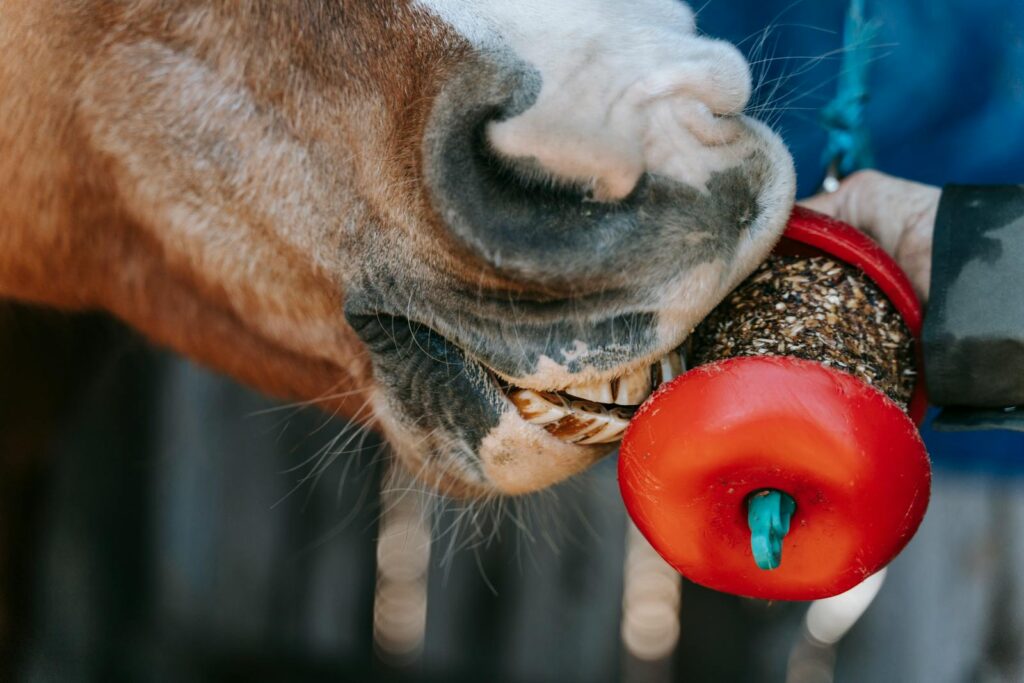
While traditional ranch horse training often relies heavily on pressure-release methods, incorporating positive reinforcement can transform a resistant horse’s attitude. Strategically rewarding desired behaviors—through treats, rest periods, verbal praise, or physical affection—creates a horse that actively seeks to cooperate rather than merely avoiding pressure. This approach is particularly effective with horses that have developed negative associations with certain tasks or environments. Taking time to celebrate small victories creates a more positive working relationship and gradually replaces resistance with enthusiasm. The most effective training programs balance traditional pressure-release techniques with thoughtful positive reinforcement, addressing both sides of the motivation equation.
When to Consider Reassignment
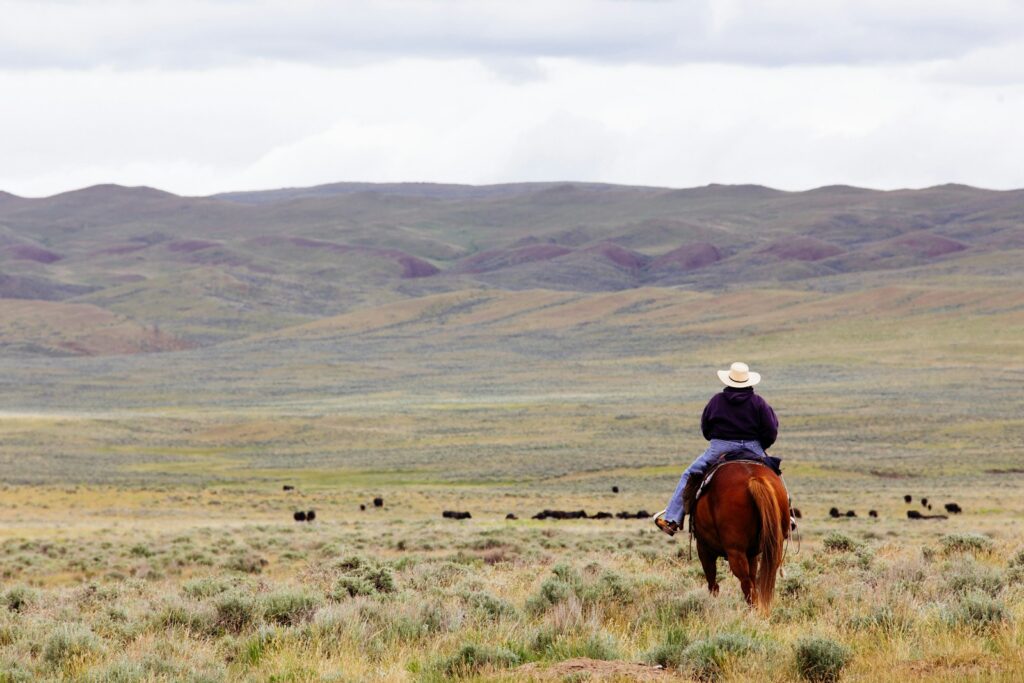
Despite best efforts, some horses may simply be unsuited for particular ranch roles due to temperament, physical limitations, or personal preferences. Recognizing when a horse would be happier and more successful in a different capacity shows wisdom and compassion as a horseman. Consider whether your resistant horse might excel in a different ranch role that better suits their natural abilities and disposition. Some horses that struggle with cattle work might excel at trail riding, while others uncomfortable with roping might thrive in groundwork roles. Making thoughtful reassignments benefits both the operation’s productivity and the horse’s well-being, often resulting in a more cooperative and content animal.
conclusion

When ranch horses refuse to cooperate, it presents an opportunity to deepen your horsemanship skills and understanding of equine behavior. Through methodical assessment of physical, mental, and training factors, most resistance issues can be successfully resolved with patience and appropriate intervention. Remember that uncooperative behavior is rarely simple defiance—it’s communication that deserves attention and thoughtful response. By addressing underlying causes rather than merely suppressing symptoms, you’ll develop a more willing partner who finds satisfaction in their work. The journey to resolving cooperation issues ultimately strengthens the bond between horse and handler, creating more reliable and content ranch horses for years to come.