
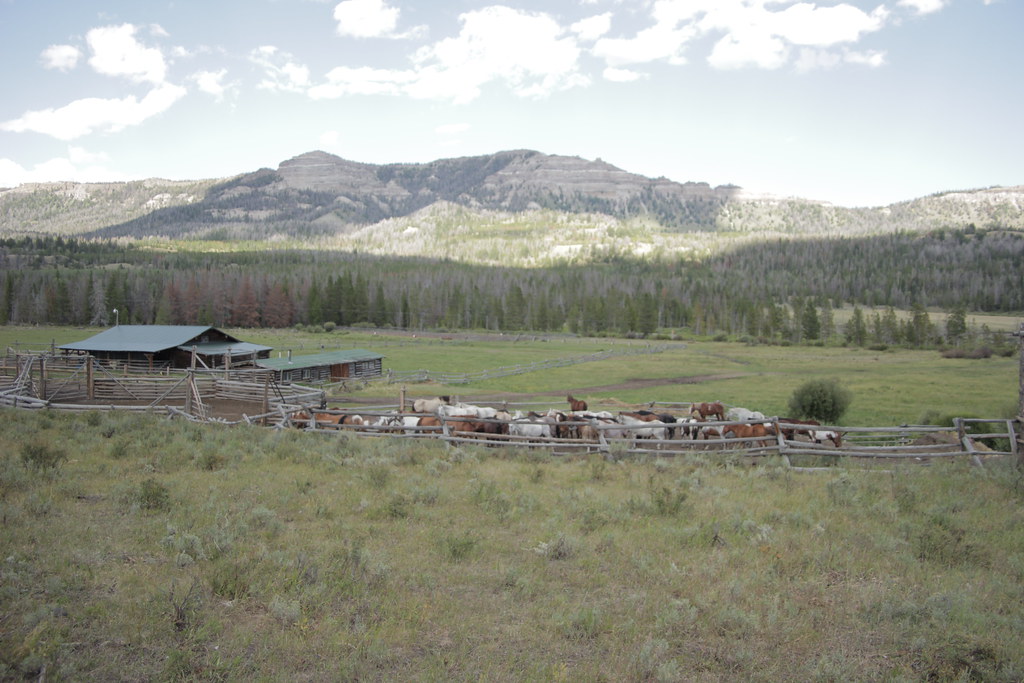
Ranch horses are fascinating creatures that have played a crucial role in American ranching history. These remarkable equines combine athleticism, intelligence, and instinct to perform specialized tasks that have been essential to livestock management for centuries. Understanding ranch horses requires delving into both their working capabilities and their natural behavior patterns. While many misconceptions exist about how horses think and interact, the reality of horse behavior is even more fascinating than the myths. This article explores the authentic nature of ranch horses, their historical significance, their behavioral traits, and what makes them such exceptional working partners.
The Evolution of Ranch Horses in America

Ranch horses in America have a rich history dating back to the Spanish conquistadors who brought the first horses to the continent in the 16th century. These early horses eventually escaped or were released, establishing wild herds that would later be captured and selectively bred by Native Americans and early settlers. Throughout the 18th and 19th centuries, ranchers developed horses with specific traits ideal for working cattle, covering vast distances, and surviving harsh conditions. Different regions developed their own preferred types—from the compact, agile Quarter Horse to the hardy Mustang crosses found throughout the West. This selective breeding created horses with natural “cow sense,” endurance, and level temperaments that could work efficiently in challenging environments.
What Makes a True Ranch Horse?
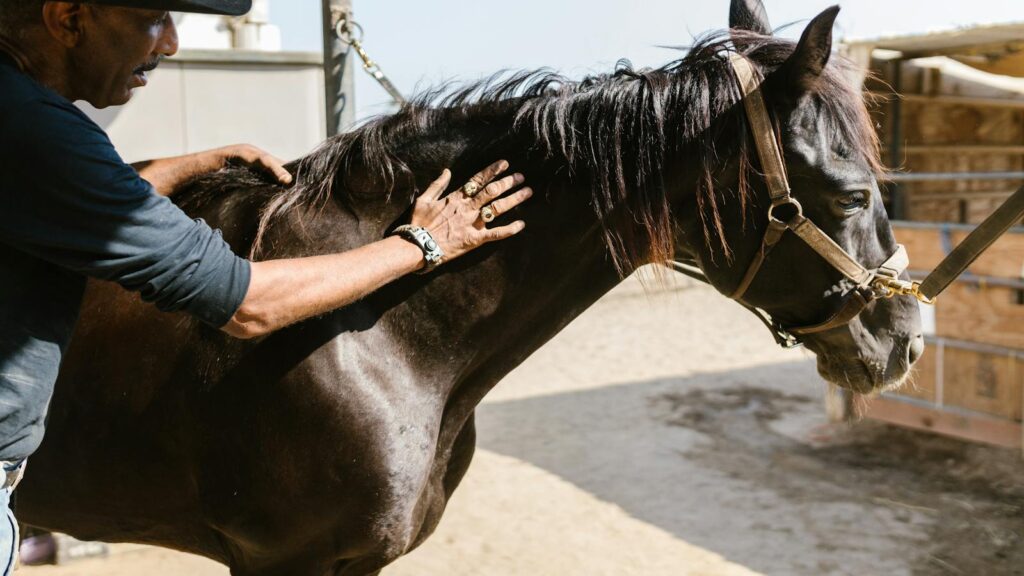
A true ranch horse differs significantly from horses bred for show or recreation, possessing a unique combination of physical and mental attributes. First and foremost, a quality ranch horse displays innate “cow sense”—the ability to read and anticipate cattle movements with minimal guidance from the rider. Physical stamina is equally crucial, as these horses must work long days across varied terrain in all weather conditions. Versatility defines the ideal ranch horse; one day they might need to work cattle in tight spaces, the next they might be required to cover 20 miles checking fence lines. Perhaps most importantly, ranch horses must possess level temperaments—they need to remain calm during chaotic situations while still maintaining the responsiveness to act quickly when needed. These horses aren’t just tools of the trade; they’re working partners whose intelligence and adaptability make ranching possible.
The Science Behind Horse Social Behavior
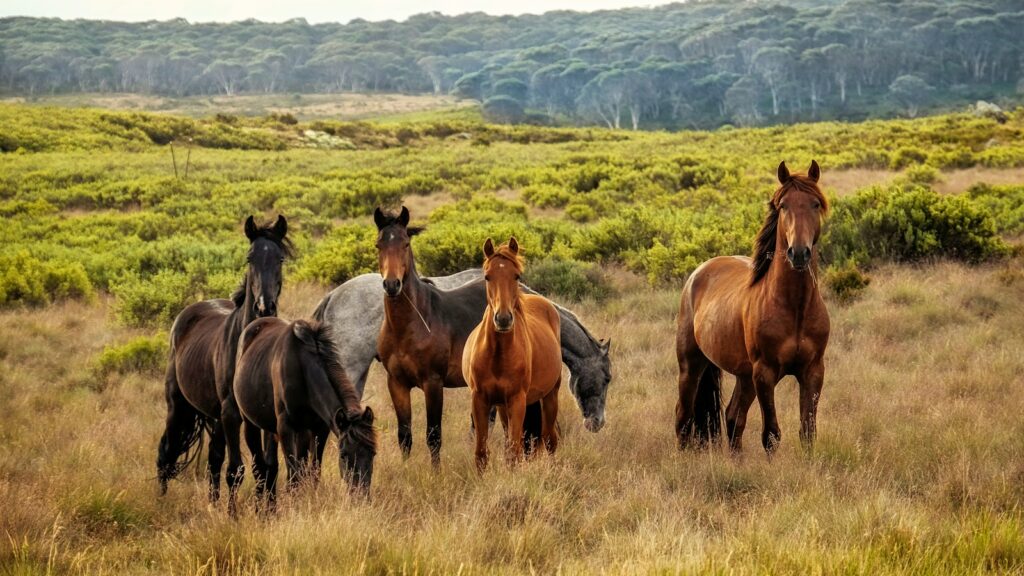
Horses are inherently social animals that have evolved over millions of years to live in structured herds with complex social hierarchies. Within natural horse herds, relationships follow a dominance hierarchy often referred to as a “pecking order,” which reduces conflict and creates stability. Research shows that horses form strong bonds with specific herdmates, engaging in mutual grooming, playing, and providing protection for one another. Their communication system is sophisticated, involving vocalizations, body postures, facial expressions, and subtle ear movements that convey intentions and emotions. Understanding this natural social structure is crucial for properly managing ranch horses, as they perform best when their social needs are respected and accommodated. Even working horses need appropriate socialization to maintain mental well-being and prevent the development of behavioral issues.
Natural Instincts vs. Trained Behaviors
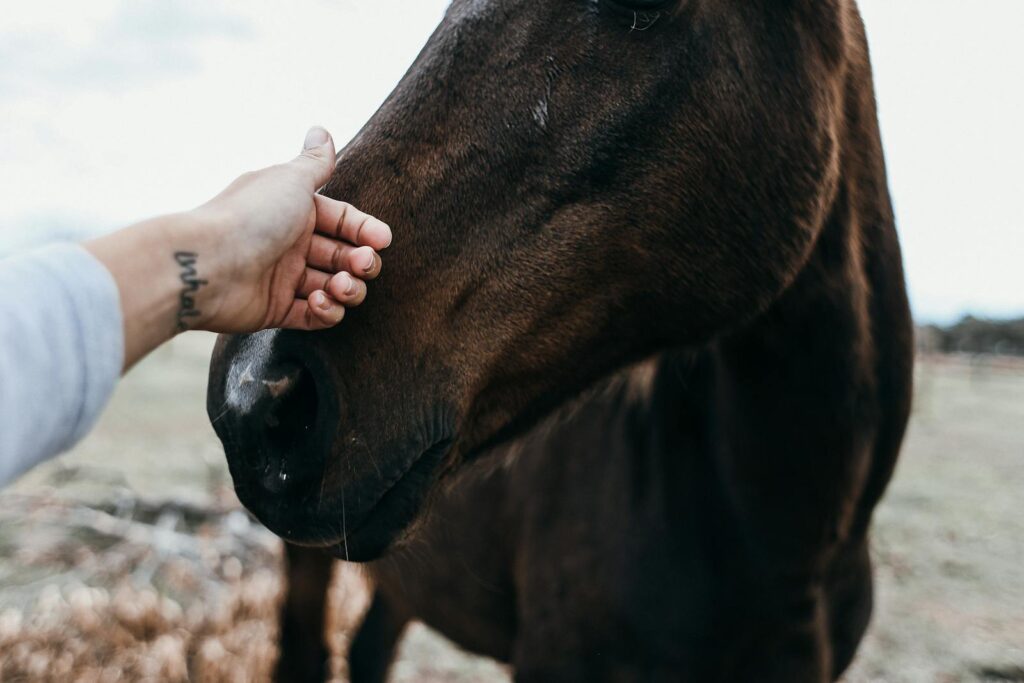
Ranch horses represent a fascinating intersection between natural instincts and carefully developed trained behaviors. As prey animals, horses possess deeply ingrained flight responses and heightened awareness of their surroundings—traits that make them naturally cautious but also attentive working partners. Successful ranch horse training doesn’t suppress these instincts but rather channels them productively. For example, the natural herding instinct that would help horses maintain cohesion in wild herds becomes refined into the “cow sense” that allows ranch horses to anticipate and control cattle movements. A horse’s natural sensitivity to pressure translates into responsiveness to subtle rider cues. The best ranch horse trainers recognize that working with—rather than against—these natural tendencies creates horses that remain calm yet alert, responsive without being reactive, and willing to partner with humans while maintaining their essential “horseness.”
Daily Life and Care of Working Ranch Horses
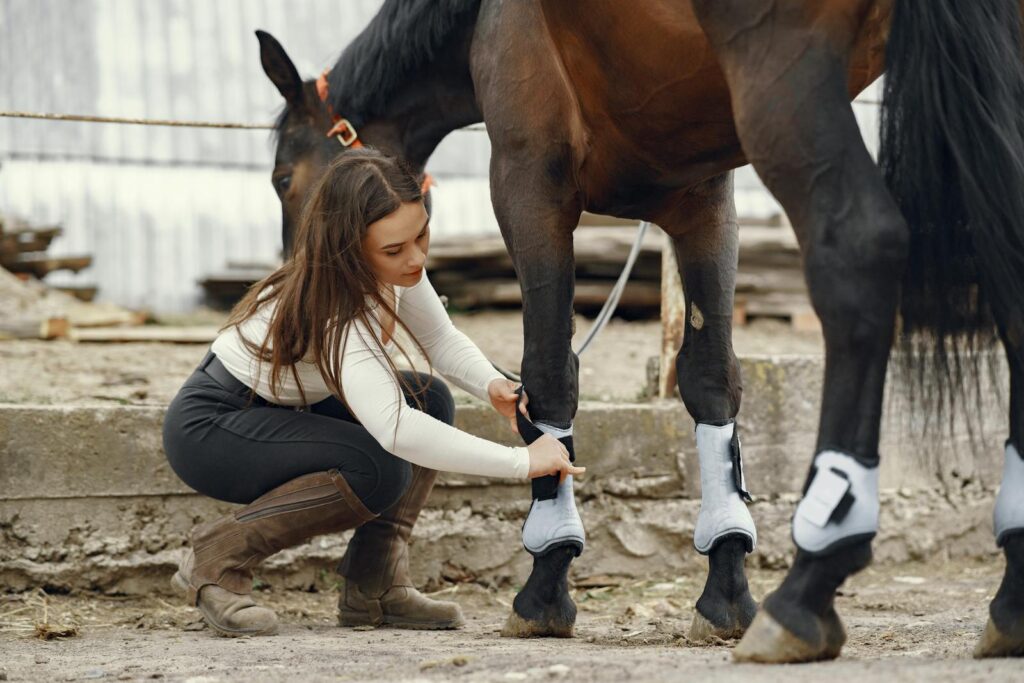
The daily routine for working ranch horses reflects a balance between their working responsibilities and their physiological needs. Most ranch horses begin their day with a substantial morning feeding, typically consisting of quality hay supplemented with grain for additional energy during heavy work periods. Unlike show horses that might be stabled most of the time, many ranch horses live in pastures or large paddocks where they can move freely, which promotes better digestive health and mental well-being. During peak seasons like calving or gathering, these horses might work 8-10 hour days, requiring careful monitoring of their condition and energy levels. Proper care includes regular hoof maintenance, as ranch horses traverse varied terrain that can cause significant wear; appropriate cooling out after hard work; and regular veterinary care tailored to working animals. This practical approach to horse management prioritizes functionality while respecting the horse’s natural needs.
Debunking Common Myths About Horse Behavior
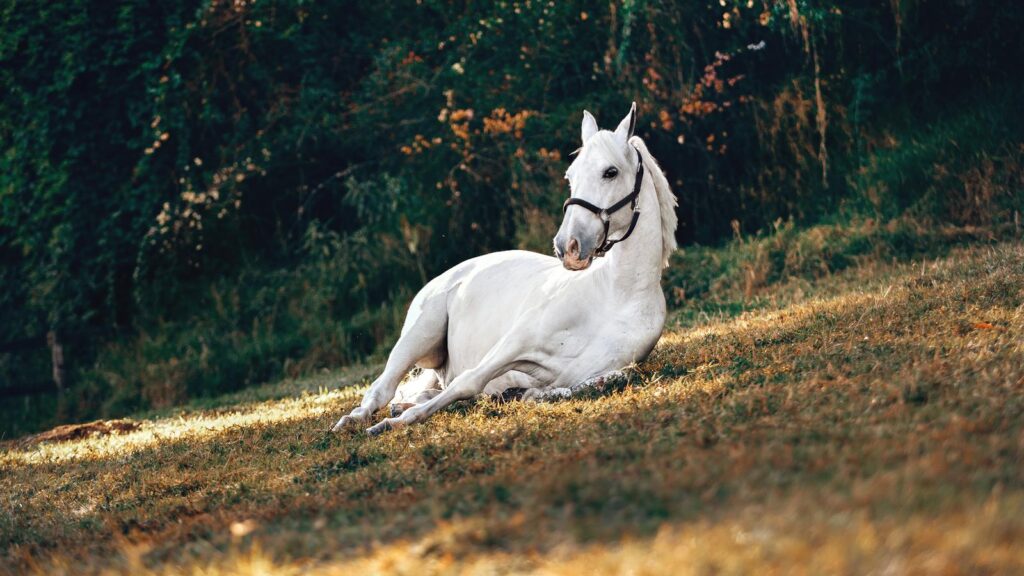
Horse behavior is often misinterpreted through anthropomorphic lenses, leading to widespread misconceptions that can impact how people interact with these animals. Contrary to popular belief, horses don’t “get even” or hold grudges—what appears as vindictive behavior is typically a consistent response to handling patterns or environmental factors that humans have overlooked. Another persistent myth is that horses who display unwanted behaviors are simply “dominant” or “disrespectful,” when in reality, most problematic behaviors stem from fear, confusion, pain, or inadequate training. Many people believe horses must be “shown who’s boss,” but research demonstrates that force-based methods actually increase stress and reduce learning capacity. Perhaps most pervasive is the myth that a good horse “wants to please” its handler—while horses can form strong bonds with humans, their behavior is primarily motivated by comfort, safety, and learned associations rather than a desire to please. Understanding these realities leads to more effective and humane horsemanship.
The Psychology of Effective Ranch Horse Training
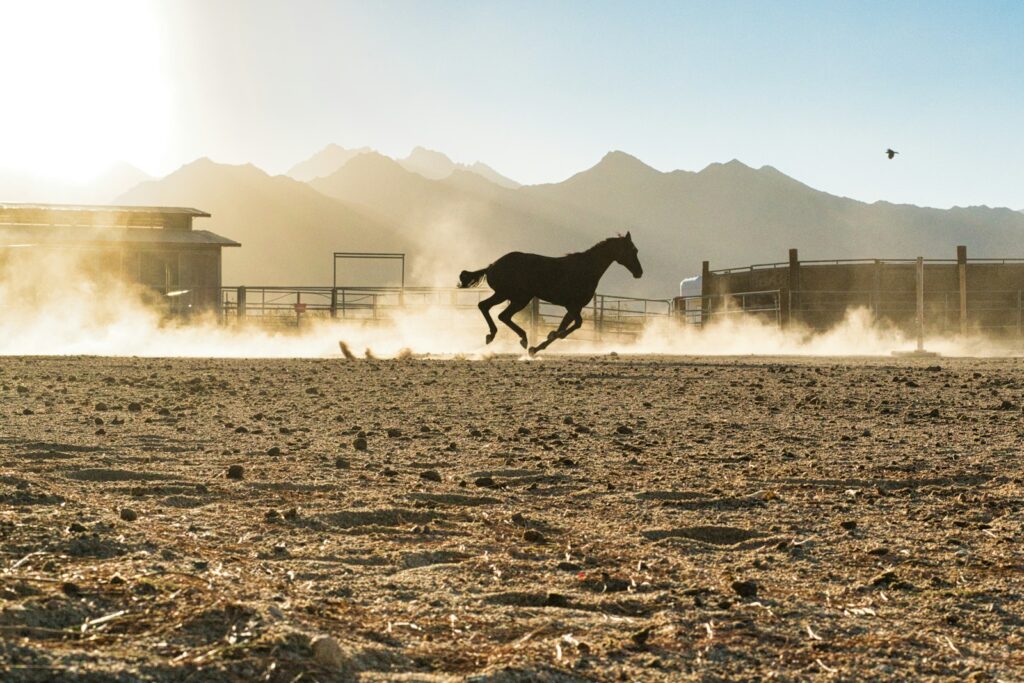
Effective ranch horse training is rooted in understanding equine psychology and learning patterns rather than imposing human expectations. Horses learn primarily through operant conditioning—the association of specific behaviors with either positive outcomes (reinforcement) or the removal of pressure (negative reinforcement). Consistency is paramount; horses thrive when training follows predictable patterns that allow them to understand what’s being asked. Progressive training that builds complexity gradually prevents the overwhelming stress that blocks learning. Modern ranchers increasingly recognize that traditional “breaking” approaches often create resistance, while training methods that work with the horse’s natural thinking process develop willing partners. Timing is perhaps the most crucial element—rewards or releases of pressure must occur within seconds of the desired behavior to create clear associations. The most successful ranch horse trainers demonstrate remarkable feel and timing, communicating with subtlety that matches the horse’s own sensitivity.
Specialized Skills of Cutting and Roping Horses

Among ranch horses, those specialized in cutting and roping demonstrate extraordinary athletic abilities and cognitive skills refined through generations of selective breeding and training. Cutting horses exhibit an almost supernatural ability to “lock onto” a single cow and prevent it from rejoining the herd, making split-second decisions independently while the rider essentially surrenders control during the actual work. These horses develop such specialized skills that top performers can anticipate a cow’s movement before it happens, dropping their center of gravity and performing lightning-quick direction changes that would unseat most riders. Roping horses require different but equally impressive abilities, maintaining the perfect distance from running cattle, responding instantly to the throw, and backing rapidly to maintain rope tension once a catch is made. Both disciplines require horses with exceptional physical attributes—powerful hindquarters, quick reflexes, and agile movements—but equally important is their mental capacity to understand the goal of the work and make independent decisions while remaining responsive to minimal rider input.
How Ranch Horses Communicate with Riders
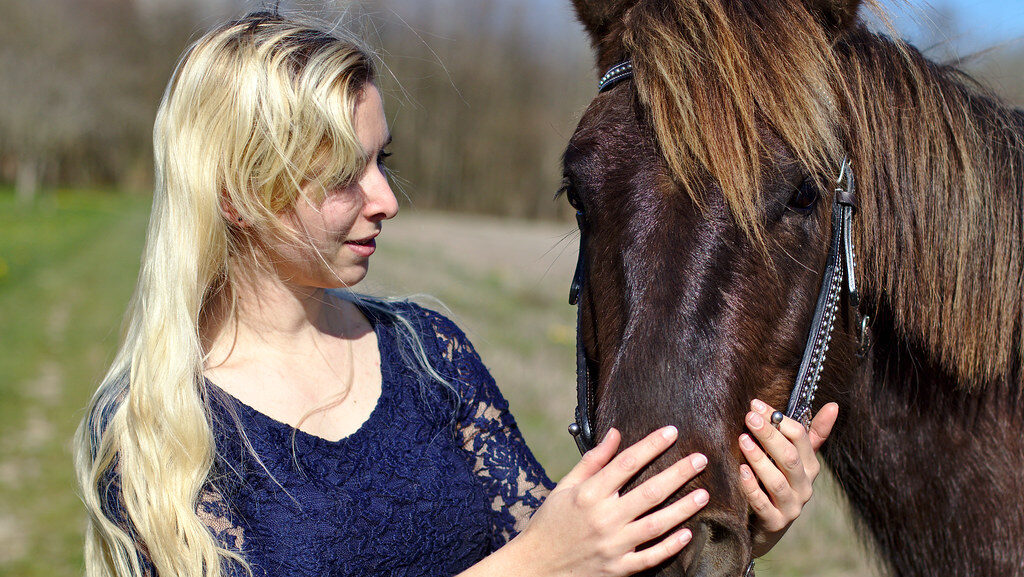
The partnership between ranch horses and their riders represents a sophisticated two-way communication system developed through consistent interaction. Experienced ranch horses often communicate valuable information to their riders through subtle body language cues. For instance, a sudden ear focus might alert a rider to cattle hidden in brush, while tension in the horse’s body can signal dangerous ground conditions ahead. Riders learn to feel minute weight shifts that indicate their horse’s readiness to move or turn, creating a conversation conducted through physical connection. This communication develops over time as horses learn to interpret increasingly subtle rider cues—from obvious leg pressure to nearly imperceptible weight shifts that become refined into what seems like telepathic communication. The best ranch horse partnerships evolve into such harmony that observers often comment that horse and rider appear to function as a single unit. This level of communication requires both parties to remain attentive and responsive to each other, creating a working relationship based on mutual trust.
Stress and Welfare Considerations for Working Horses
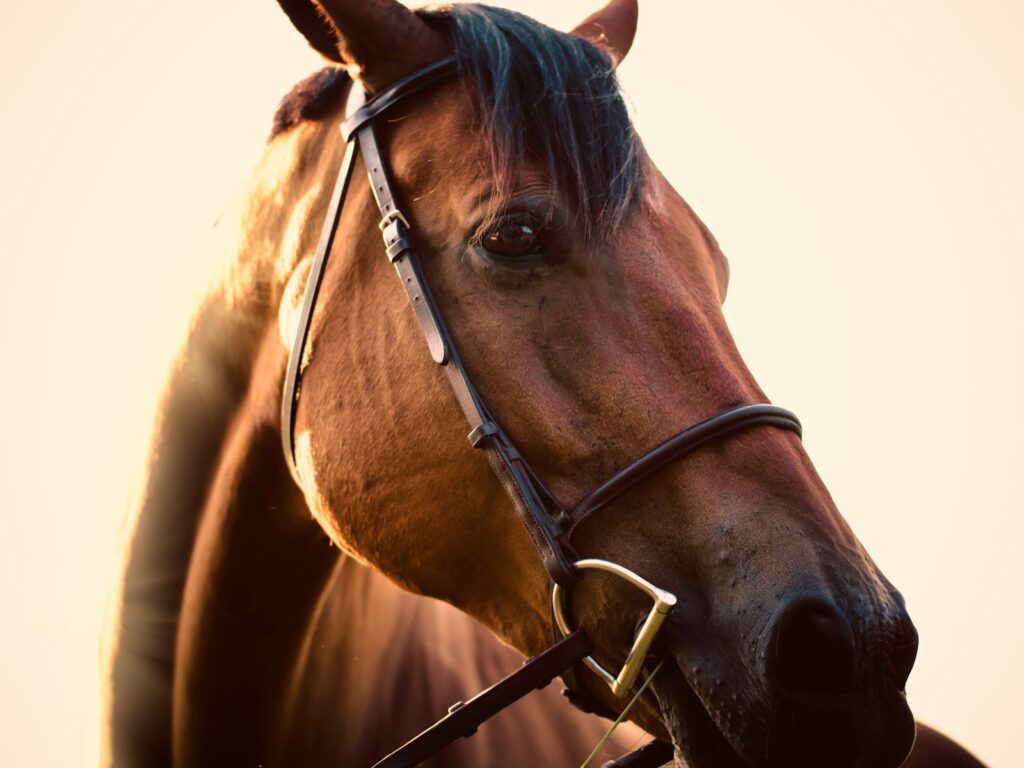
Working ranch horses face unique welfare challenges that require specific attention from responsible owners and managers. The physical demands of ranch work can create particular strain on joints, hooves, and muscles, necessitating appropriate conditioning programs and regular veterinary monitoring. Heat stress is a significant concern during intense summer work, requiring careful scheduling around cooler hours and adequate hydration protocols. Progressive ranchers recognize that psychological stress can be equally damaging, manifesting through behaviors like teeth grinding, tail swishing, or resistant postures that indicate mental overload. Adequate recovery time between working periods is essential for both physical and mental rejuvenation, with research suggesting that horses require significant downtime to process learning and recover physically. Modern welfare standards emphasize the importance of social contact, as isolation creates measurable stress responses even in working horses. Forward-thinking ranch operations increasingly design their horse management systems to accommodate these needs while maintaining the functionality necessary for efficient work.
The Bond Between Ranchers and Their Horses
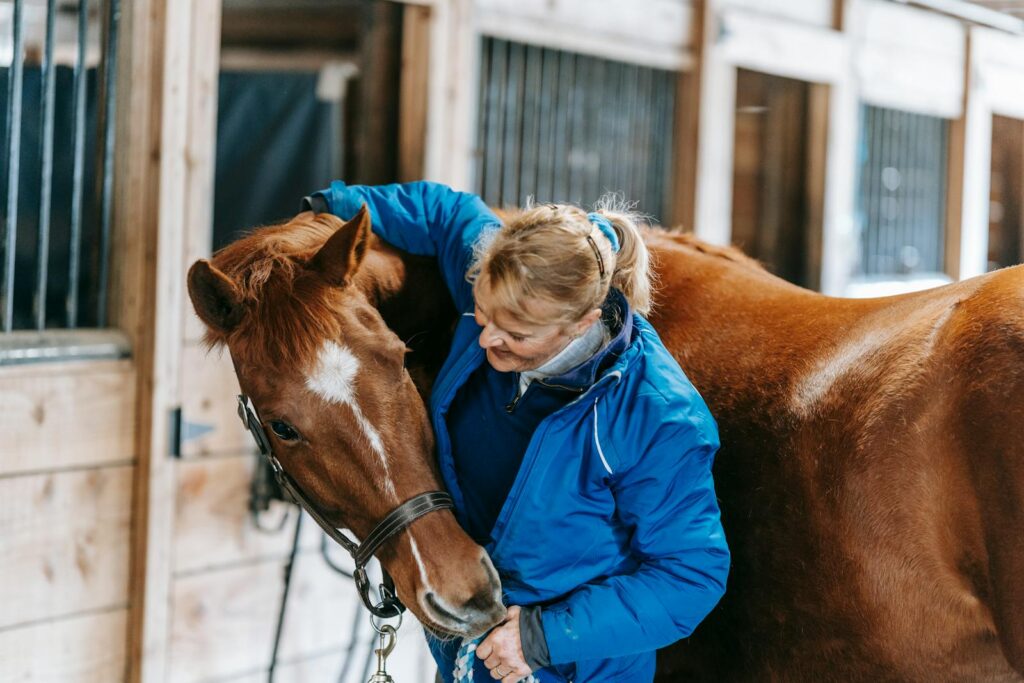
The relationship between ranchers and their horses often transcends the typical owner-animal dynamic, developing into profound partnerships built on mutual trust and countless shared experiences. Many ranchers speak of certain horses with a reverence usually reserved for family members, recounting specific instances where the horse’s intelligence or courage made the critical difference in dangerous situations. This bond develops through daily interactions in challenging circumstances—crossing swollen creeks, navigating treacherous terrain, or handling unpredictable livestock—where each party must rely completely on the other’s competence. Unlike relationships with show or pleasure horses, the ranch horse partnership is forged through functional necessity rather than recreational enjoyment, though deep appreciation certainly exists. Longtime ranch hands often observe that the best working relationship doesn’t develop through treats or affection alone, but through clear communication, consistent handling, and the mutual respect that comes from successfully accomplishing difficult tasks together. This working bond represents a unique human-animal relationship that continues to define Western ranching culture.
Modern Innovations in Ranch Horse Management

Today’s ranch horse management increasingly incorporates scientific knowledge while honoring traditional practices that have proven effective over generations. Nutrition science has revolutionized feeding programs, with many operations utilizing forage analysis and customized supplement programs that optimize performance while preventing common issues like gastric ulcers that affect working horses. Advanced hoof care approaches recognize that barefoot horses often develop stronger hooves suitable for varied terrain, though specialized shoes might be used seasonally for specific conditions. Veterinary care has evolved to include preventative measures like strategic deworming programs and vaccinations tailored to regional disease risks. Technology has entered the field as well, with GPS tracking helping monitor horses on remote range work and thermal imaging identifying subtle injuries before they become serious. Progressive ranchers also implement structured training schedules that include appropriate variety to prevent mental burnout and physical overuse. These modern approaches maintain the ranch horse’s working functionality while enhancing welfare and longevity.
Preserving Ranch Horse Heritage for Future Generations

The knowledge and traditions surrounding ranch horses represent a cultural heritage that requires active preservation in our increasingly mechanized world. Several organizations have emerged dedicated to documenting and maintaining traditional horsemanship skills, including specialized handling techniques, training methods, and the practical wisdom accumulated over generations of working partnerships. Ranch horse competitions have evolved to showcase and reward the versatile skills these horses possess, with events testing abilities in cattle work, roping, trail obstacles, and ranch riding—all reflecting actual working conditions. Breed registries for stock horse types increasingly emphasize preserving the working characteristics that made these horses invaluable on ranches, balancing these traits against show-ring trends that might diminish practical functionality. Perhaps most importantly, mentorship programs connecting experienced ranch hands with younger generations ensure that the subtle knowledge of reading horses and cattle continues to be transmitted directly. This preservation work ensures that the unique relationship between humans and horses that shaped Western ranching culture continues into the future.
conclusion
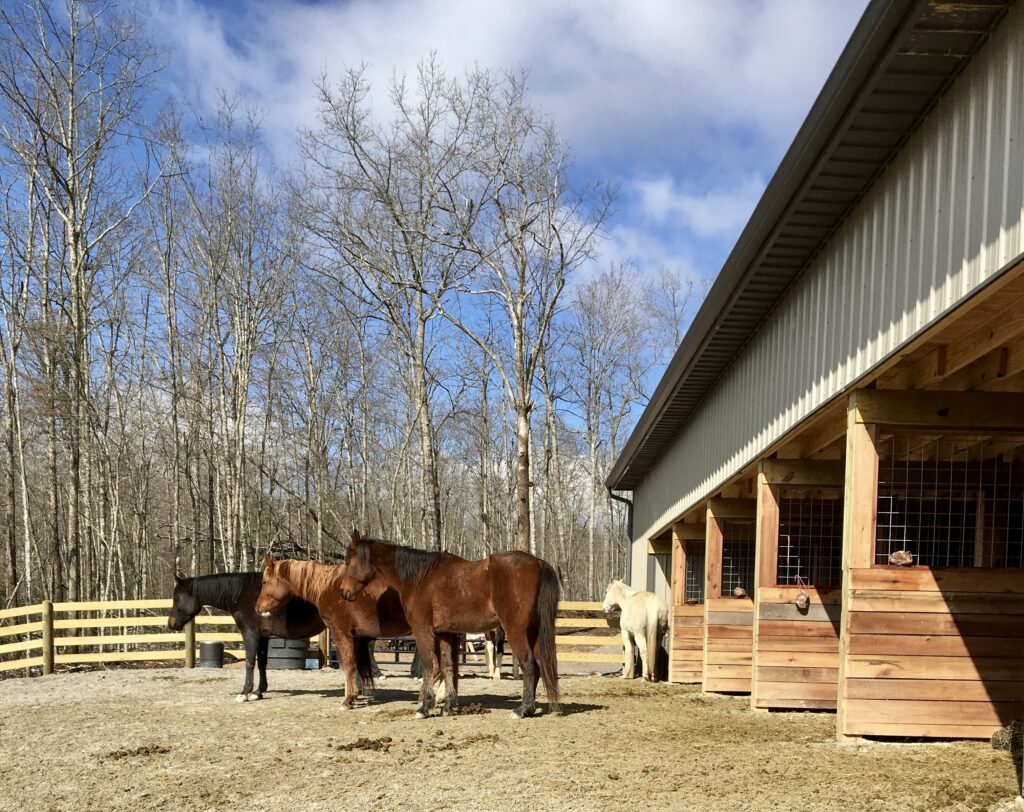
Ranch horses represent a remarkable intersection of natural equine behavior and specialized working ability developed through centuries of careful selection and training. These versatile animals embody the practical partnership between humans and horses at its most functional, combining instinctive capabilities with learned skills to accomplish work that would otherwise be impossible. By understanding the truth about ranch horse behavior—recognizing their social needs, cognitive abilities, and natural communication systems—we gain not only better working partners but also deeper appreciation for these extraordinary animals. As modern ranching evolves, the best practices will continue to honor the horse’s nature while maximizing their working potential, preserving this unique relationship for future generations.