

Traversing trails on horseback represents one of humanity’s oldest forms of travel, combining ancient wisdom with natural instincts that have evolved over millennia. Understanding how horses navigate terrain and respond to environmental cues isn’t just fascinating—it’s essential knowledge for safe and enjoyable trail riding. This relationship between human guidance and equine instinct creates a unique partnership that, when properly understood, allows riders to communicate effectively with their mounts while respecting their natural behaviors. Whether you’re a seasoned equestrian or new to trail riding, appreciating the nuances of how horses perceive and navigate their surroundings can transform your riding experience and deepen your connection with these remarkable animals.
The Evolutionary Basis of Equine Navigation

Horses evolved as prey animals on open plains, developing exceptional navigational abilities to survive in their natural environment. Their brains are hardwired to remember complex routes and identify potential escape paths, a survival mechanism that remains intact in domesticated horses today. This evolutionary heritage explains why horses often remember trail routes better than their human riders, sometimes anticipating turns before receiving cues. Their ability to mentally map terrain stems from thousands of years of evolution during which remembering water sources, safe paths, and home territories meant the difference between life and death for wild equids.
How Horses Perceive Their Environment

Horses experience trails through sensory systems vastly different from our own, contributing to their distinctive navigational approach. Their nearly 360-degree vision provides constant awareness of surroundings, while their highly developed peripheral vision excels at detecting movement—a trait that occasionally leads to spooking at objects in their visual periphery. Their hearing, significantly more acute than human hearing, allows them to detect subtle sounds that may signal danger or influence their trail decisions. Additionally, horses possess an exceptional sense of smell that aids in identifying familiar paths, recognizing other horses and animals, and detecting water sources—all critical elements that inform their navigation preferences during trail rides.
Memory and Trail Familiarity
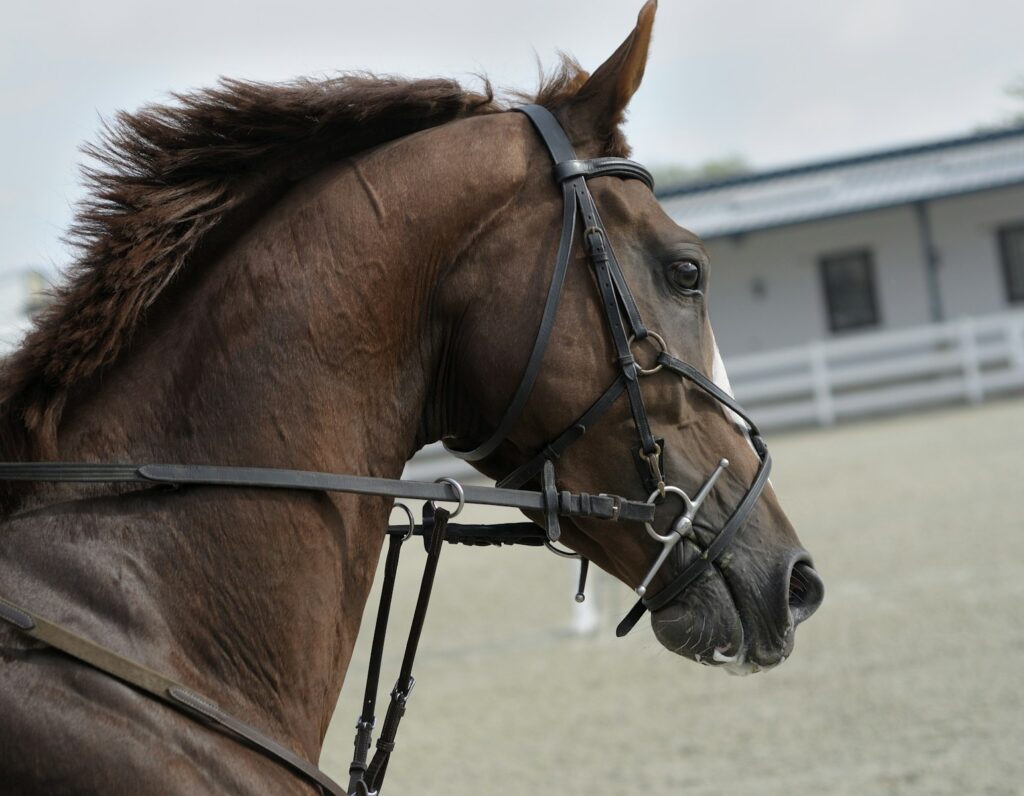
Horses possess remarkable spatial memory that enables them to recall complex trail systems with impressive accuracy. Studies show they can remember routes they’ve traveled only once, sometimes recalling paths years after their initial exposure. This exceptional memory explains the common experience of horses automatically turning toward home or remembering shortcuts without rider input. Their ability to remember specific locations—particularly those associated with positive or negative experiences—informs their behavior on repeated trail rides. This memory system allows experienced trail horses to serve as reliable guides in familiar territory, often compensating for riders who may have become momentarily disoriented.
The Role of Herd Dynamics in Trail Navigation
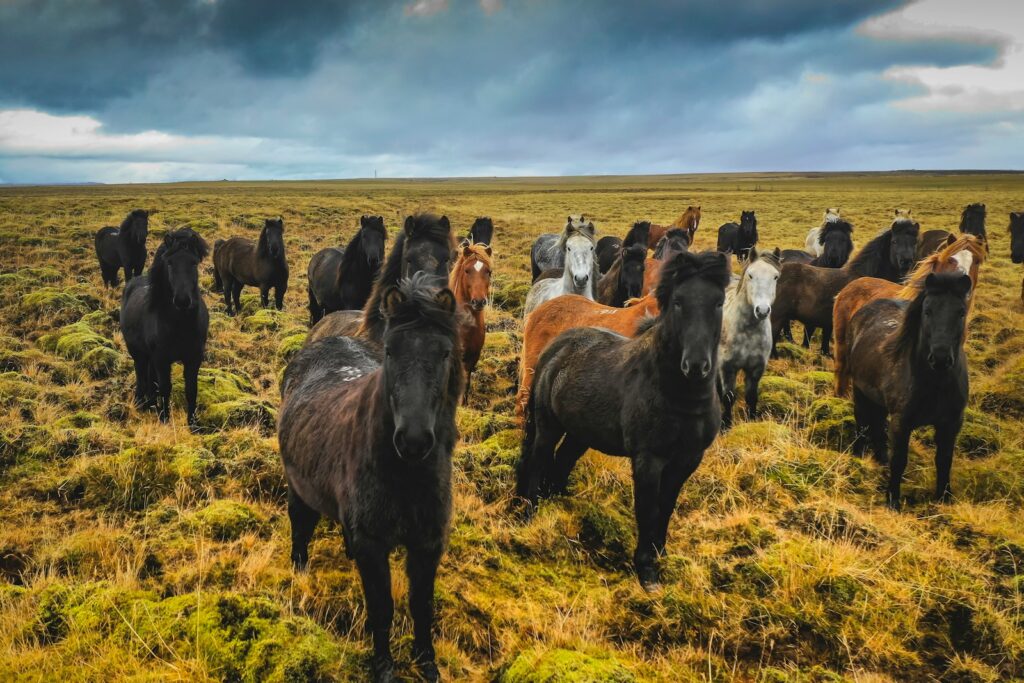
Even when riding solo, horses apply their natural herd instincts to trail navigation, significantly influencing their behavior. The hierarchical structure of equine society means horses instinctively look for leadership, either from their rider or from other horses in a group ride scenario. This explains why inexperienced horses often become more confident following an experienced trail horse, essentially allowing the “herd leader” to make navigational decisions. Understanding these dynamics helps riders anticipate how their horse might behave differently when riding alone versus in a group. This instinctual herd mentality also explains why horses frequently prefer to maintain visual contact with other horses during group trail rides.
Reading Natural Trail Indicators

Horses instinctively read natural trail indicators that many riders might overlook, showcasing their evolutionary adaptations for wilderness navigation. They naturally seek the path of least resistance when given options, often selecting routes based on ground firmness, obstacle presence, and slope grade. This instinct explains why horses sometimes resist rider direction when a seemingly easier path presents itself. Horses also read subtle environmental cues like air movement patterns, scent trails, and distant sounds that inform their navigational preferences. Experienced trail riders learn to trust their horse’s assessment of natural terrain features, particularly in challenging conditions where the animal’s instincts often provide safer passage than human judgment alone.
Trail Obstacles and Horse Psychology
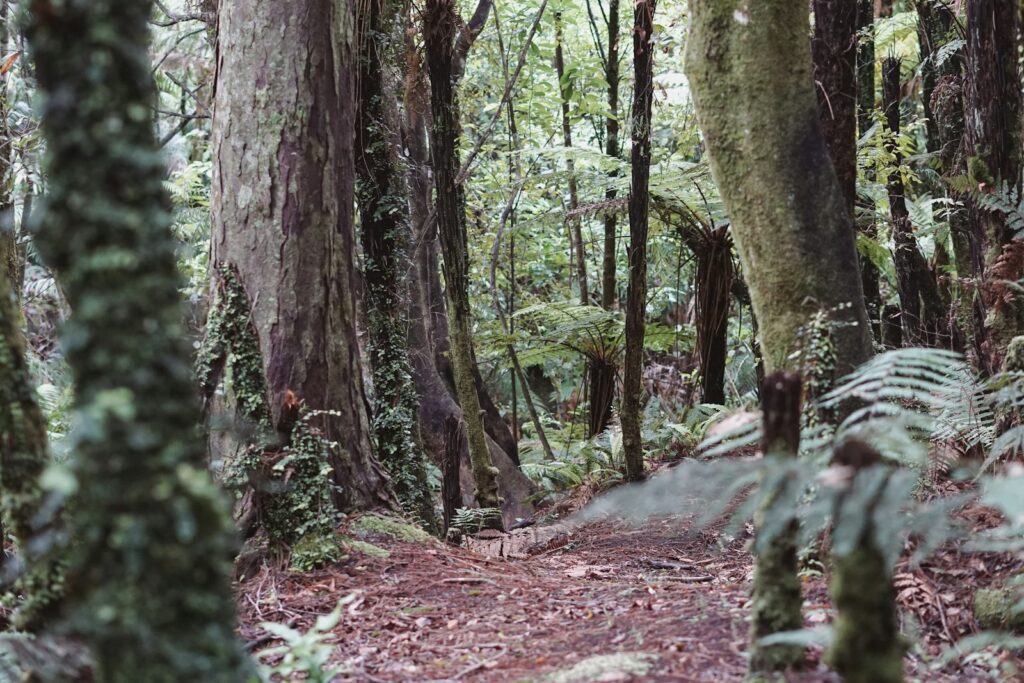
A horse’s reaction to trail obstacles reveals deep insights into equine psychology and natural threat assessment mechanisms. When encountering unfamiliar objects or challenging terrain features, horses typically exhibit a sequence of behaviors: alert observation, tentative approach, and either acceptance or flight response. This behavior pattern stems from their prey animal instincts that prioritize safety through caution and rapid escape when necessary. Understanding this psychology helps riders distinguish between genuine fear responses and simple hesitation or assessment. Patience during these moments allows the horse to process potential threats, which builds confidence for future encounters with similar obstacles and strengthens the trust relationship between horse and rider.
Water Crossings: Special Navigational Challenges
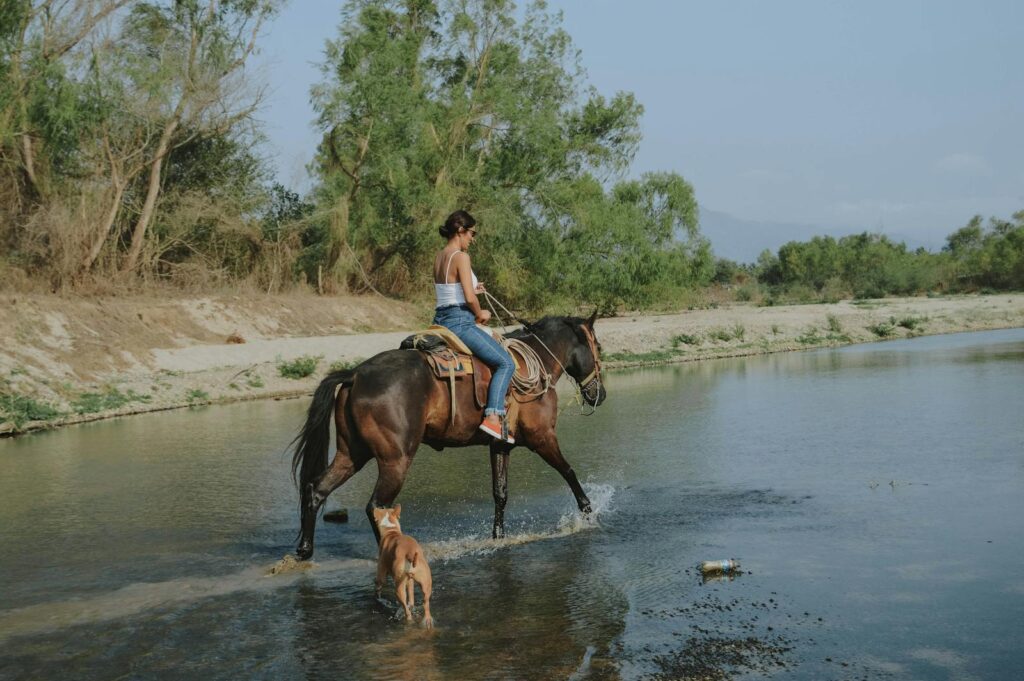
Water crossings present unique navigational challenges that trigger specific behavioral responses in horses, revealing their natural caution toward potentially dangerous terrain. Horses approach water with inherent skepticism because they cannot readily assess depth, current strength, or footing stability—all critical safety factors from an evolutionary perspective. Their reluctance isn’t stubbornness but rather a survival mechanism that has protected their species for millennia. Experienced trail horses often develop specific techniques for evaluating water crossings, including pawing at the water’s edge to test depth and substrate quality. The most successful water crossing training incorporates gradual exposure and positive reinforcement that honors the horse’s legitimate concerns while building confidence through successful experiences.
Elevation Changes and Horse Biomechanics

Ascending and descending terrain requires specialized biomechanical adjustments that influence how horses approach trail navigation on varied topography. When climbing, horses shift their weight backward and engage their powerful hindquarters to propel themselves upward, naturally lowering their head to maintain balance. During descents, they redistribute weight to their hindquarters to serve as “brakes” while extending their front legs carefully to test footing before committing their full weight. These natural biomechanical adaptations explain why horses sometimes hesitate or choose unexpected routes on steep terrain—they’re seeking the path that best accommodates their physical structure. Skilled riders recognize these natural movement patterns and adjust their position and rein contact to support rather than impede their horse’s natural navigational instincts on challenging terrain.
Weather Effects on Trail Behavior

Weather conditions dramatically influence horse behavior and navigational preferences on trails, often in ways that puzzle inexperienced riders. Barometric pressure changes preceding storms can trigger increased alertness and anxiety, making horses appear “spooky” or resistant before weather fronts arrive. Wind particularly affects equine behavior by carrying scents from greater distances and creating moving shadows that trigger prey animal vigilance. Extreme temperatures also modify trail behavior, with horses naturally conserving energy in heat and seeking shelter during cold, windy conditions. These weather-related behavioral changes aren’t random but represent natural adaptive responses that once protected wild horses from environmental threats, explaining why even well-trained horses may behave unpredictably during significant weather shifts.
The Rider’s Role in Trail Navigation
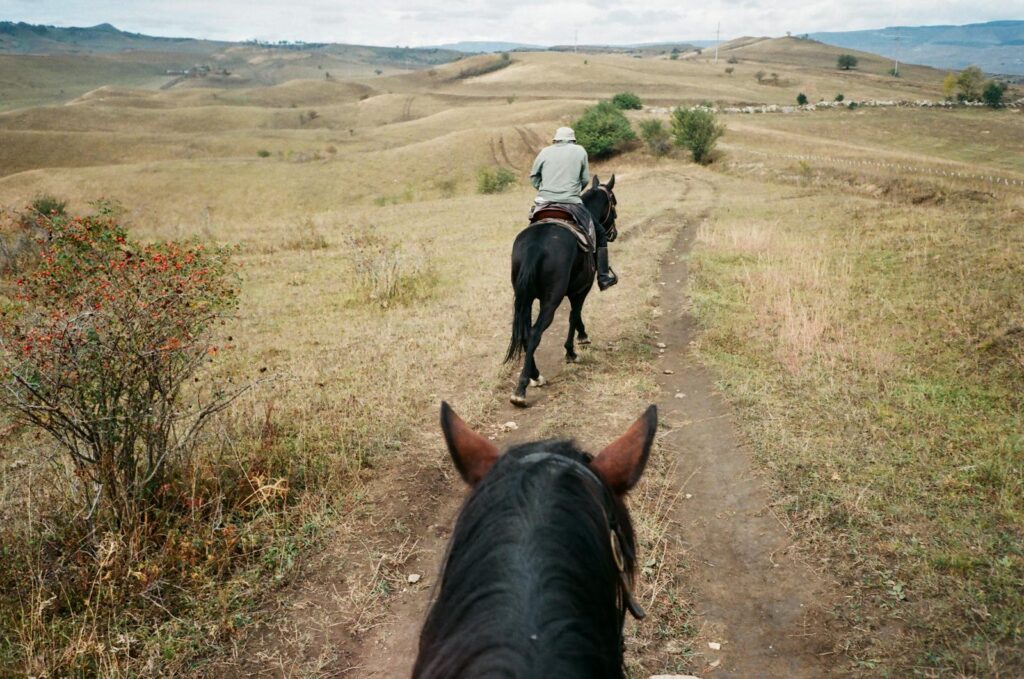
Successful trail navigation emerges from a balanced partnership between horse and rider, not from complete human control or total equine independence. Effective riders learn to communicate clear directional intent through consistent body position, weight distribution, and appropriate rein contact that respects the horse’s need to observe its surroundings. This balanced approach allows horses to utilize their natural navigational abilities while maintaining necessary human guidance. The most effective trail partnerships develop when riders focus on clear communication rather than domination, recognizing that horses contribute valuable input to navigational decisions. Experienced trail riders describe this ideal state as “riding the horse between your legs and hands” while allowing freedom for the horse to participate in the navigational process based on its superior sensory awareness.
Training for Trail Confidence
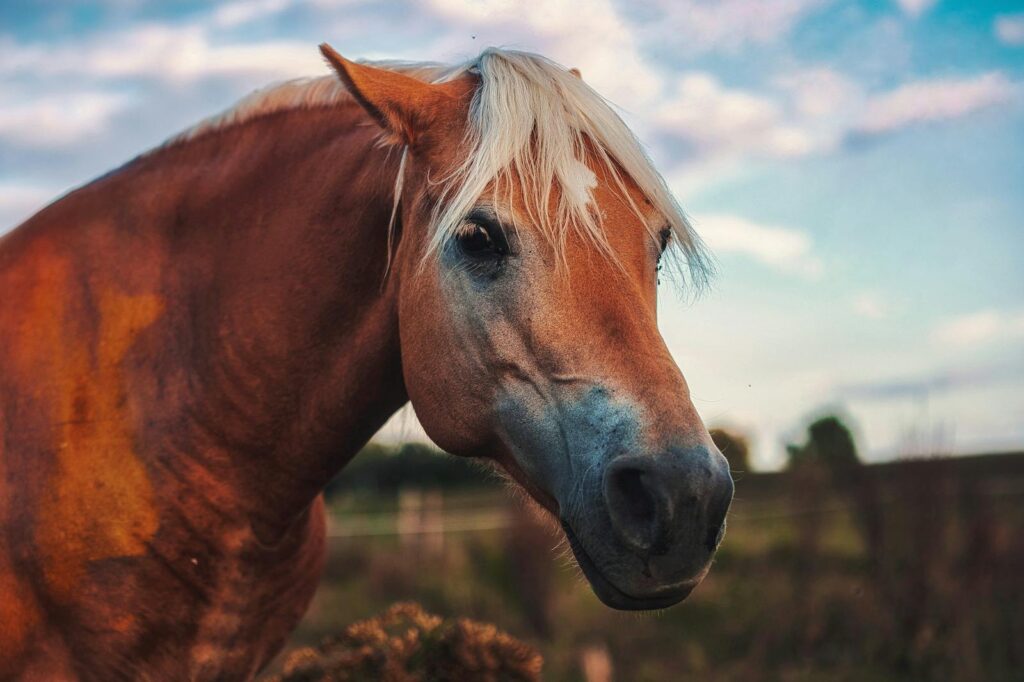
Developing a confident trail horse requires specific training approaches that build upon natural equine navigation abilities while addressing fearful responses. Gradual desensitization to common trail challenges—crossing water, navigating narrow paths, encountering wildlife—creates a foundation of positive experiences that horses reference when facing similar scenarios. Progressive exposure beginning in controlled environments before advancing to natural settings allows horses to develop confidence at their own pace. The most successful trail training incorporates frequent rewards for brave behavior rather than punishment for hesitation, acknowledging that fear responses stem from legitimate survival instincts. This training philosophy creates horses that willingly tackle trail challenges while maintaining appropriate caution, striking the perfect balance between confidence and self-preservation.
Ethics of Trail Riding and Natural Behavior
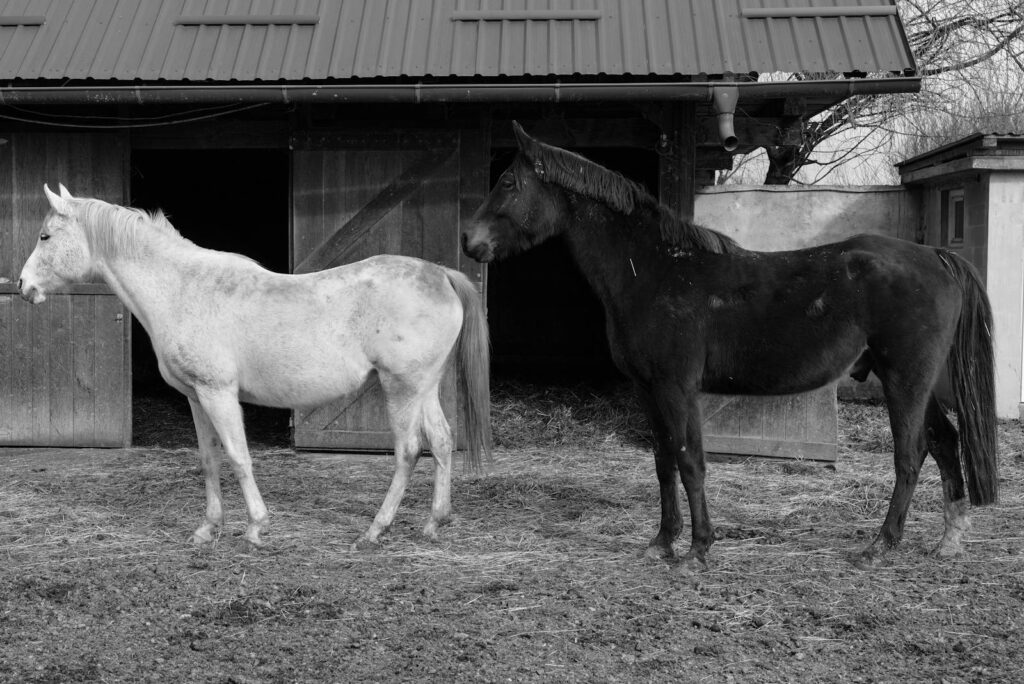
Ethical trail riding requires balancing human recreational goals with respect for horses’ natural behavioral needs and navigational instincts. Forcing horses to override their instinctive caution on genuinely dangerous terrain not only creates stress but potentially endangers both horse and rider. Responsible trail riders learn to distinguish between unreasonable horse fear and legitimate safety concerns, trusting equine judgment when appropriate. This ethical approach means allowing adequate assessment time when horses encounter challenging obstacles and never punishing fear-based responses. Respecting natural equine behavior during trail riding strengthens the human-horse bond while ensuring both species benefit from the experience—the ultimate goal of any ethical equestrian activity.
Technology vs. Instinct in Modern Trail Riding

Modern trail riding presents an interesting intersection between ancient equine instincts and contemporary GPS technology, creating both benefits and potential conflicts. While GPS devices offer riders precise location information and route planning capabilities, excessive reliance on technology can override the valuable navigational instincts horses naturally provide. The most successful trail riders find balance by using technology for general orientation while still respecting their horse’s input on immediate path selection and obstacle navigation. This integration acknowledges that while human technology excels at mapping large-scale geography, horses often make superior micro-level decisions about footing, obstacle assessment, and immediate safety concerns. The future of trail riding likely involves continued technological integration that complements rather than replaces the remarkable navigational abilities horses have developed over millions of years of evolution.
conclusion
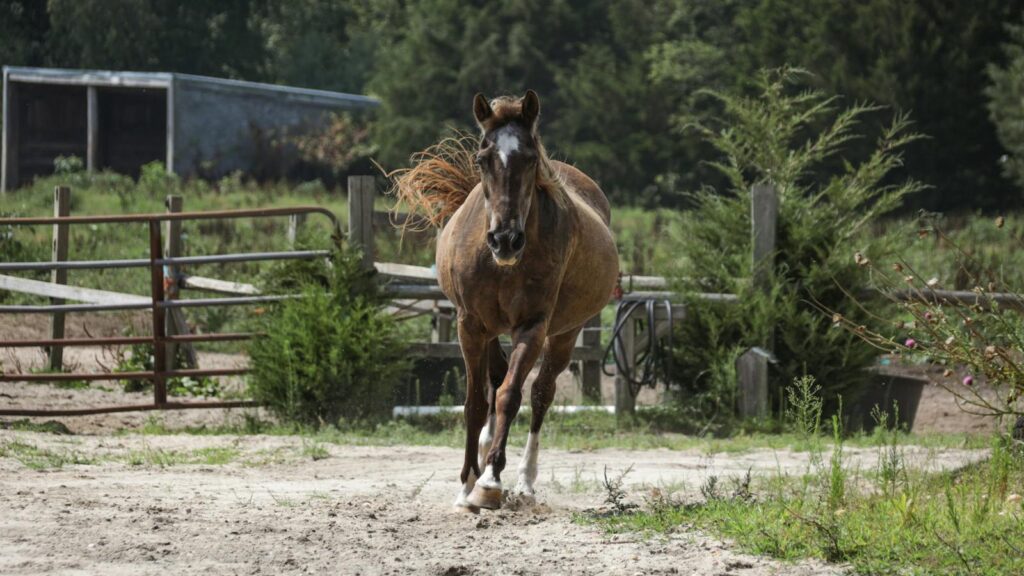
The relationship between trail navigation and horse behavior represents one of the most fascinating aspects of horsemanship, blending ancient animal instincts with human guidance. By understanding how horses naturally perceive and navigate their environment, riders can develop partnerships that honor these remarkable animals’ evolutionary wisdom while ensuring safe and enjoyable trail experiences. The best trail rides occur when humans recognize that navigation isn’t something we impose on horses but rather a collaborative process where both species contribute their unique strengths. This balanced approach not only creates more enjoyable recreational experiences but deepens our appreciation for the intelligence and adaptability of these magnificent animals that have carried humans across landscapes for thousands of years.