Bareback riding—the practice of riding a horse without a saddle—represents one of the most fundamental connections between humans and horses. This ancient form of horsemanship predates the invention of saddles and continues to offer unique benefits for developing balance, sensitivity, and communication with your equine partner. However, riding without the security and structure of a saddle introduces numerous challenges and opportunities for error. Even experienced riders can fall into problematic habits that affect both their safety and their horse’s wellbeing. Understanding the most common bareback riding mistakes can help riders improve their technique, enhance the partnership with their mount, and experience the true freedom this riding style offers. Let’s explore the pitfalls many riders encounter when shedding the saddle, and how to overcome them.
Gripping with the Knees
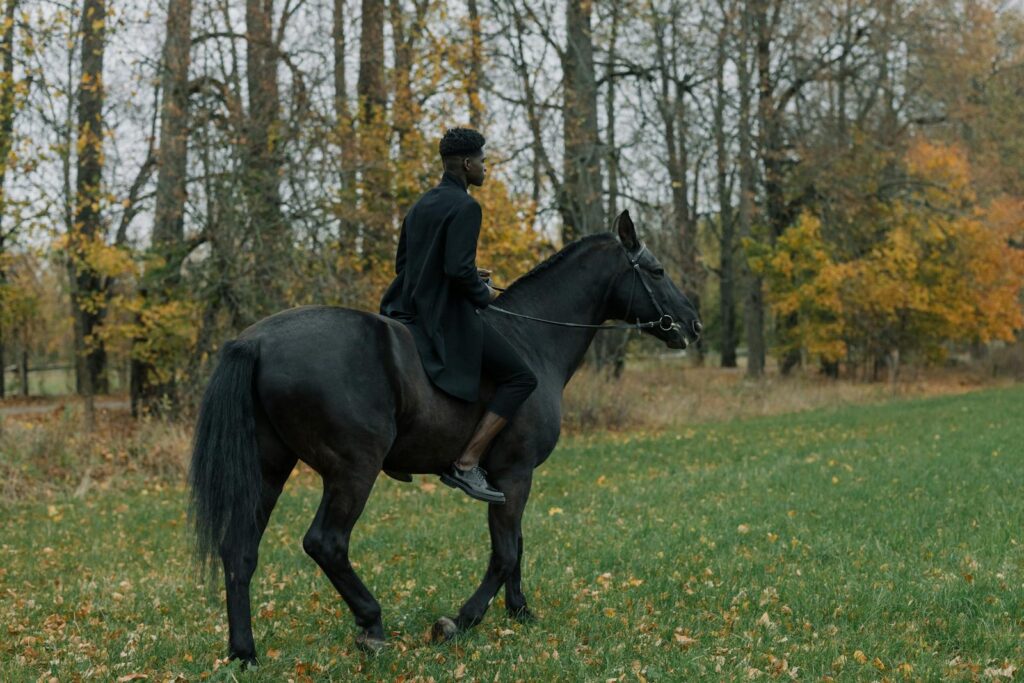
Perhaps the most instinctive yet problematic habit bareback riders develop is clamping tightly with their knees. When feeling unbalanced without a saddle, the natural response is to grip with the knees in an attempt to stay centered on the horse. This creates several issues, including restricting blood flow to your lower legs, making your position rigid, and potentially causing discomfort to your horse’s sides. Instead of this knee-centric approach, riders should focus on maintaining contact through their entire leg, from thigh to calf, while keeping the muscles relaxed yet engaged. This distributed contact provides more stability while allowing for the subtle leg cues necessary for effective communication with your horse.
Hunching Forward to Maintain Balance
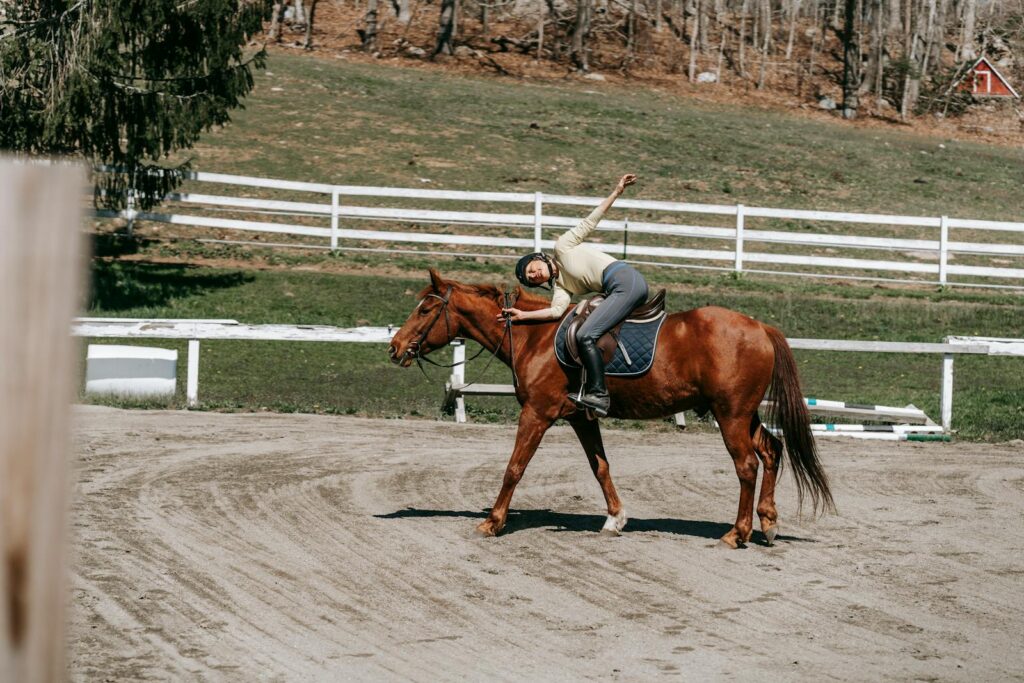
Without a saddle’s security, many riders instinctively lean forward and round their shoulders in an attempt to lower their center of gravity. This hunched position compromises your spinal alignment and shifts too much weight onto the horse’s forehand, making it difficult for the animal to move freely and maintain balance. A forward-leaning position also places undue pressure on the horse’s withers, potentially causing discomfort or pain. Riders should instead focus on sitting with a neutral spine, shoulders relaxed but square, and weight distributed evenly across the seat bones. This upright posture allows the horse to move more freely while giving the rider better stability and control.
Relying Too Heavily on the Hands for Balance
When feeling unstable bareback, riders often unconsciously clutch the reins tighter or grab the horse’s mane for security. This habit creates constant pressure on the horse’s mouth or neck, causing confusion, discomfort, and potentially desensitizing the animal to legitimate rein cues. The hands should remain independent of your balance, allowing for clear, precise communication through the reins. Developing core strength and proper body alignment eliminates the need to balance through your hands. Riders can practice this independence by drills such as briefly extending arms outward while maintaining proper position at slower gaits, gradually building confidence without using hands as balance tools.
Sitting Too Far Forward on the Horse’s Back
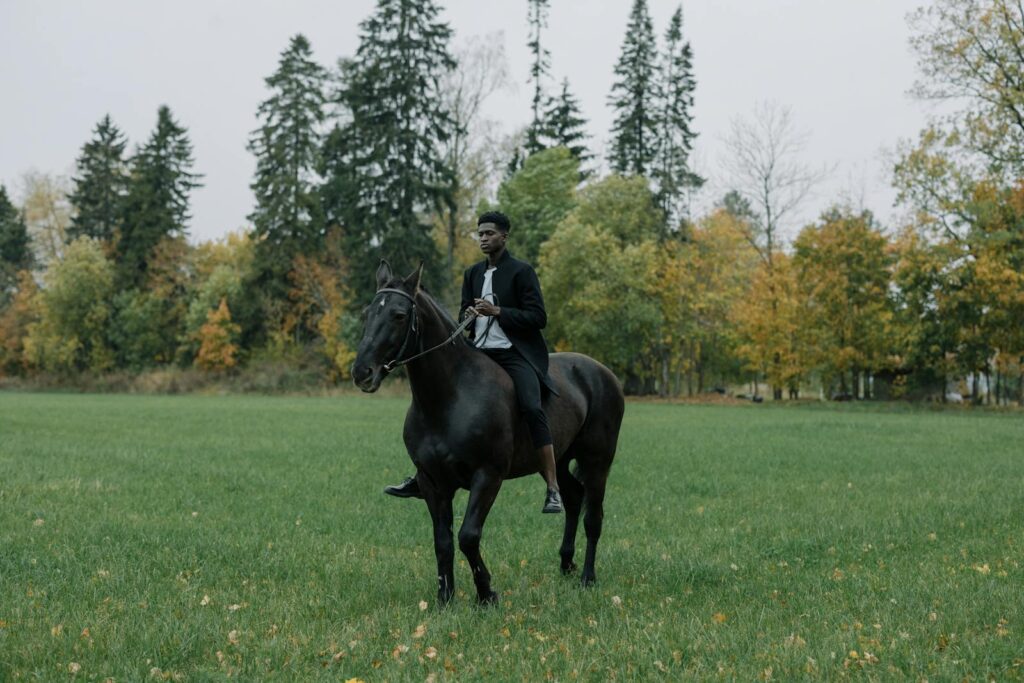
Without a saddle dictating position, many riders inadvertently sit too far forward on the horse’s shoulders or withers. This common error places weight where the horse’s back is least equipped to support it, potentially causing discomfort and limiting the animal’s shoulder movement. The withers area lacks the muscular support present in the middle of the back, making it particularly sensitive to direct pressure. Riders should position themselves in the natural pocket behind the horse’s withers, where the back is designed to carry weight more effectively. This position also places the rider closer to the horse’s center of gravity, providing greater stability and allowing for more effective weight aids.
Tensing the Body from Anxiety
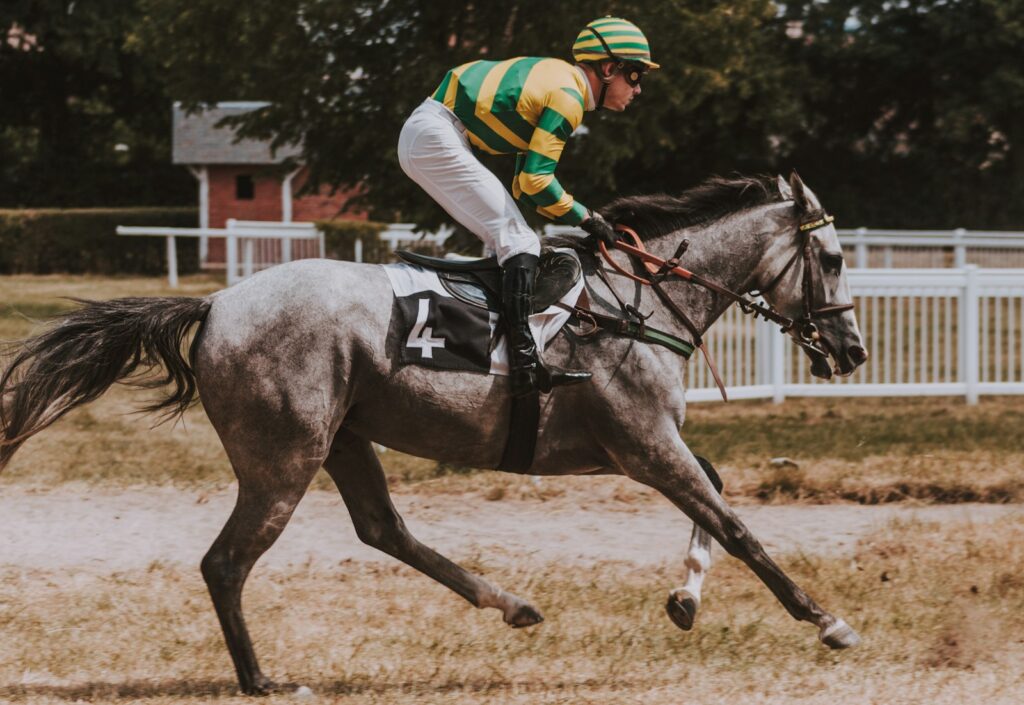
Anxiety about falling or losing balance often manifests as overall body tension when riding bareback. This rigidity counterintuitively makes staying on more difficult, as it prevents the rider from moving fluidly with the horse’s motion. A tense rider creates a cascade of negative effects: restricted breathing, impaired balance, and telegraphed nervousness to the horse, potentially escalating into a cycle of mutual tension. Developing relaxation techniques such as rhythmic breathing, consciously scanning for and releasing tension in specific body parts, and gradually building confidence at lower gaits before progressing can help overcome this problem. Remember that horses are remarkably sensitive to rider tension and typically respond much better to a relaxed, confident partner.
Neglecting Proper Warm-Up Routines
Skipping adequate warm-up time before bareback riding can lead to problems for both horse and rider. Without the padding and weight distribution of a saddle, a cold-backed horse may react more strongly to a rider suddenly plopping onto their spine. Additionally, the rider’s own muscles need preparation for the greater balance challenges of bareback riding. A proper warm-up should include groundwork to establish connection and assess the horse’s mood, followed by initial riding with frequent transitions between walk and halt to allow the horse’s back muscles to warm gradually. This progressive approach helps prevent unexpected reactions while giving the rider time to adjust to the horse’s movement patterns before attempting more challenging gaits.
Failing to Strengthen Core Muscles
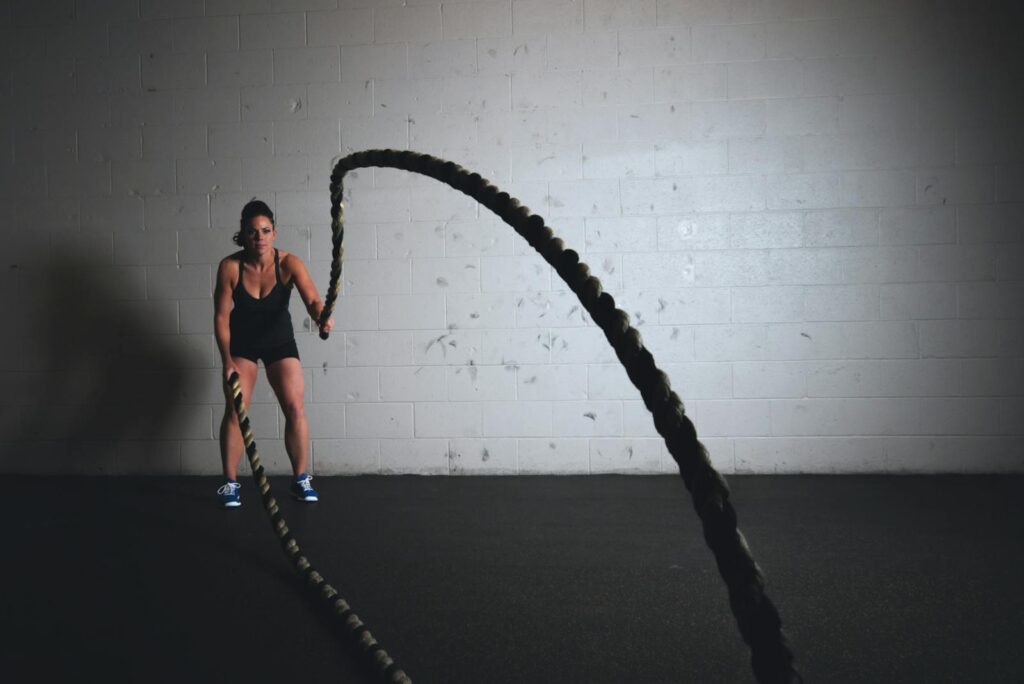
Many bareback riding difficulties stem from insufficient core strength, which is far more crucial without a saddle’s support. The deep abdominal, back, and pelvic floor muscles create the stability necessary for effective bareback riding, yet many riders neglect specific conditioning for these areas. Without adequate core engagement, riders tend to compensate with gripping legs or balancing on the reins. Dedicated off-horse exercises like planks, balance ball work, and yoga can dramatically improve bareback riding capabilities by developing the stabilizing muscles needed for proper position. Even just five minutes of targeted core work daily can yield noticeable improvements in bareback stability within weeks.
Using Inappropriate Horses for Skill Level
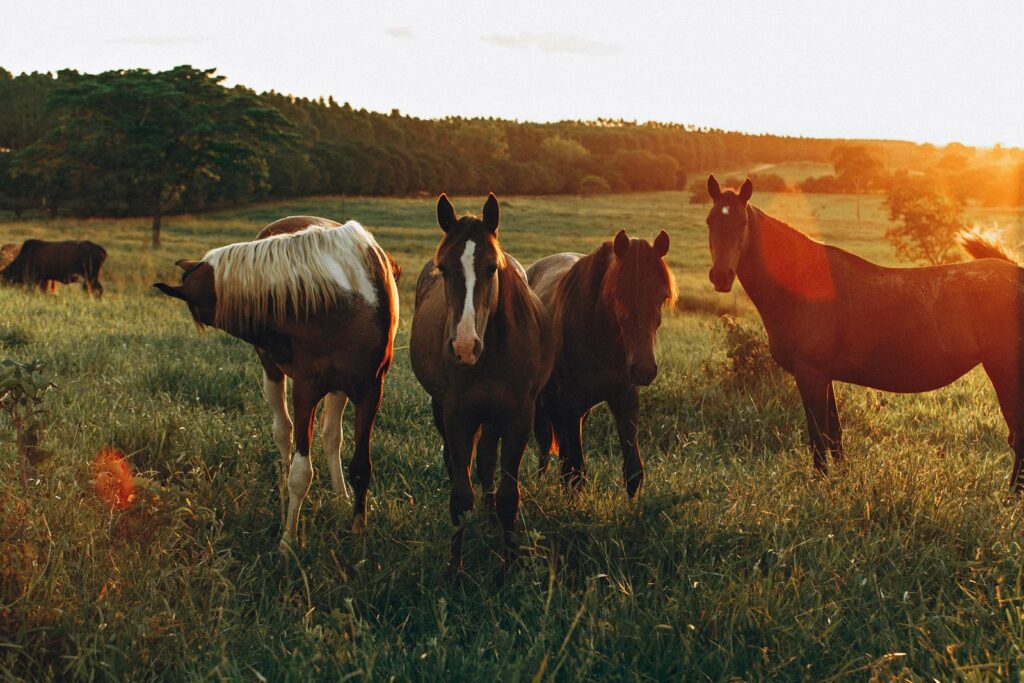
Attempting bareback riding on horses unsuitable for one’s experience level represents a significant and potentially dangerous error. Horses with sharp withers, extremely wide backs, sensitive skin, or unpredictable temperaments create unnecessary challenges for developing bareback skills. Similarly, horses with particularly bouncy gaits or those unaccustomed to bareback riders may react unpredictably to the different weight distribution and leg position. Beginners should start with calm, well-trained horses that have rounded backs, smooth gaits, and tolerant temperaments. The ideal bareback mount should have sufficient back muscle to provide a comfortable seat while being responsive but forgiving of rider balance adjustments and unintentional leg cues.
Neglecting the Horse’s Back Health
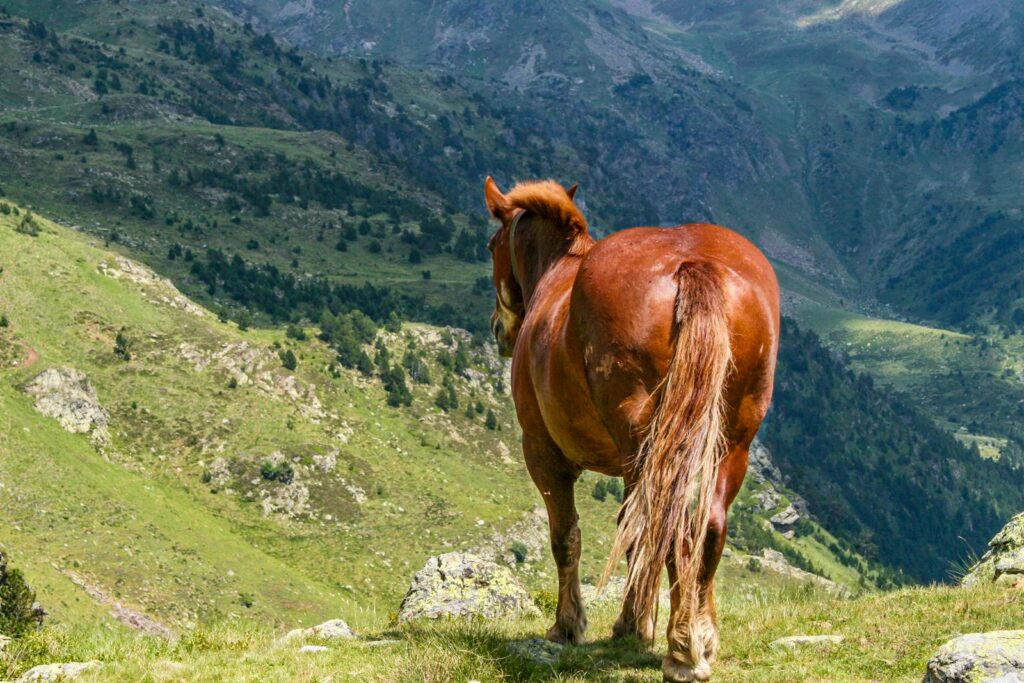
Riding bareback places direct pressure on the horse’s spine and back muscles without the weight-distributing properties of a saddle. Some riders incorrectly assume that bareback riding is always gentler on horses, when in fact it can cause discomfort if done incorrectly or for extended periods. Concentrated pressure from seat bones directly on the spine can potentially cause bruising or soreness, especially in horses with less muscular backs. Responsible bareback riders should limit session duration, particularly when beginning, and monitor their horse for signs of back discomfort such as dipping when mounted, reluctance to move forward, or tail swishing. Regular assessment by equine professionals and appropriate back-strengthening exercises for the horse should be incorporated into any program that includes frequent bareback riding.
Ignoring Proper Mounting Techniques
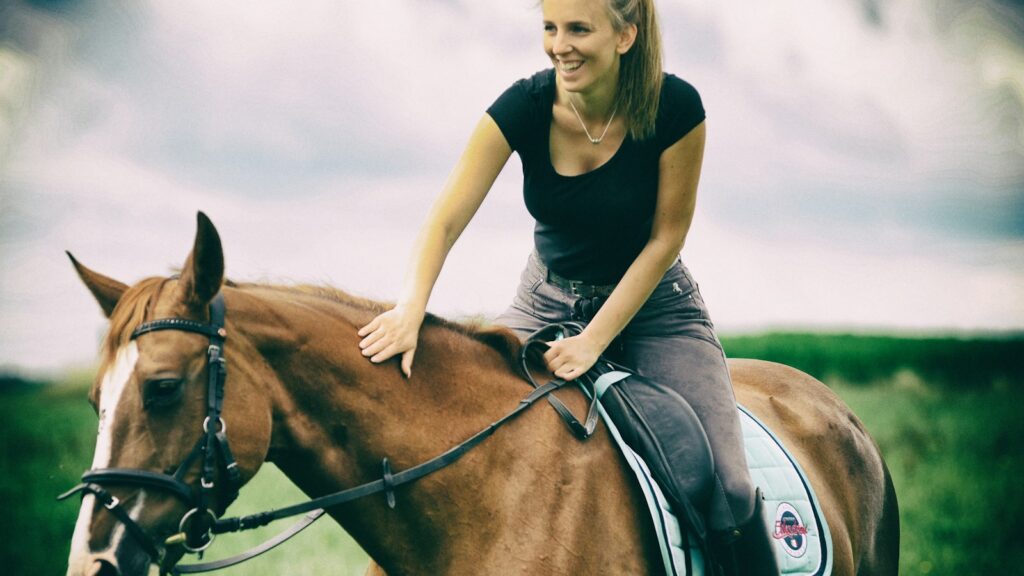
The way riders mount bareback can cause immediate discomfort and set a negative tone for the entire riding session. Common errors include jumping forcefully onto the horse’s back, landing heavily on the spine, or pulling excessively on the mane. These abrupt mounting techniques can startle the horse and potentially cause pain, leading to resistance or behavior issues. Proper bareback mounting should involve using a mounting block to minimize the jumping distance, distributing weight through the hands and arms during the transition, and lowering oneself gently onto the horse’s back rather than dropping heavily. Riders should also position themselves correctly from the start rather than landing and then adjusting, which creates unnecessary friction and movement on sensitive back tissues.
Overlooking the Importance of Bareback Pads
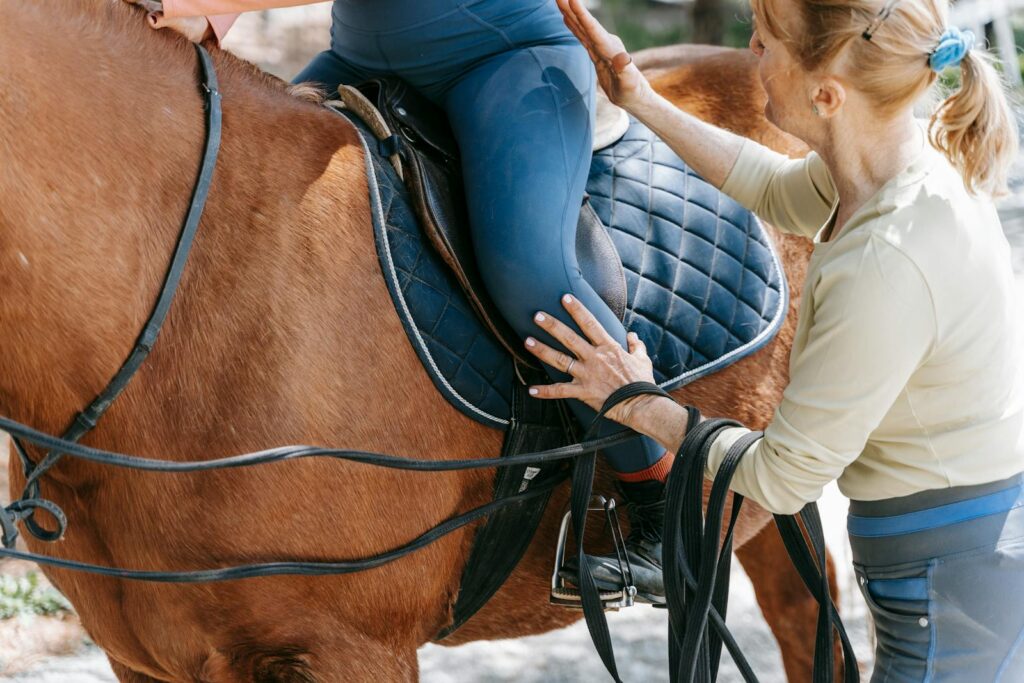
Some purists reject the use of any equipment when riding bareback, but this all-or-nothing approach can limit progress and comfort for both horse and rider. Quality bareback pads provide benefits like reducing slipperiness from sweat, adding minimal cushioning for the horse’s spine, and preventing chafing without significantly diminishing the connection and feedback that make bareback riding valuable. They serve as an excellent transitional tool when moving from saddle to truly bareback riding. When selecting a bareback pad, prioritize those with minimal bulk, proper spine clearance, and secure attachment systems that prevent shifting without restricting the horse’s movement or creating pressure points.
Progressing Too Quickly Through Gaits
Ambitious riders frequently rush advancement to faster gaits before establishing proper balance and security at slower paces. This premature progression often results in gripping, bouncing, and developing compensatory habits that become difficult to correct later. Mastery at each gait creates the foundation for success at the next level of difficulty. Riders should be able to maintain proper position, perform direction changes, and ride basic figures comfortably at the walk before attempting sustained trotting bareback. Similarly, collected and extended variations of the trot, including sitting trot, should be secure before introducing canter work. This methodical approach builds muscle memory, confidence, and the specific strength needed for each increasingly challenging gait.
Undervaluing Supervised Instruction

Many riders attempt to develop bareback skills independently, missing the valuable feedback that qualified instruction provides. Without external observation, riders often remain unaware of position flaws, compensatory habits, or subtle tension patterns that impede progress. Professional instruction specifically focused on bareback riding can dramatically accelerate skill development while preventing the formation of problematic habits. Instructors can provide targeted exercises, offer immediate correction, and create progressive learning plans tailored to individual needs. Even experienced riders benefit from occasional supervised bareback sessions, as subtle position errors can develop unnoticed over time, particularly when transitioning between saddle and bareback riding.
conclusion
Riding bareback offers unparalleled connection with your horse and tremendous benefits for developing an independent seat, enhanced feel, and better balance. However, mastering this ancient art requires awareness of these common pitfalls and dedicated practice to overcome them. By addressing these frequent errors, riders can transform potentially frustrating or uncomfortable experiences into rewarding opportunities for growth. Remember that bareback riding is a progressive skill—patience and proper technique will yield far better results than rushing or pushing beyond current capabilities. Whether you’re exploring bareback riding for better horsemanship, rehabilitation purposes, or simply for the joy of closer connection with your equine partner, mindfulness about these common errors will help you develop a more effective, comfortable, and harmonious bareback riding experience.