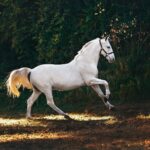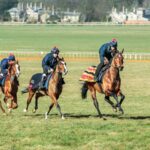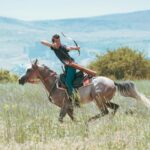

Equestrian sports, with their blend of human skill and equine power, represent one of humanity’s oldest athletic partnerships. From the thundering hooves of racehorses to the precise movements of dressage, these events showcase the remarkable bond between rider and horse. Yet behind the pageantry and competition lies a complex world of horse behavior and training methodologies that many spectators never fully appreciate. Understanding the true nature of horses—their instincts, communication systems, and emotional capacities—provides essential context for evaluating modern equestrian practices. This article explores the fascinating intersection of natural horse behavior and competitive equestrian sports, revealing both the harmonious partnerships and the potential welfare concerns that exist in this storied tradition.
The Evolutionary Background of Horse Behavior
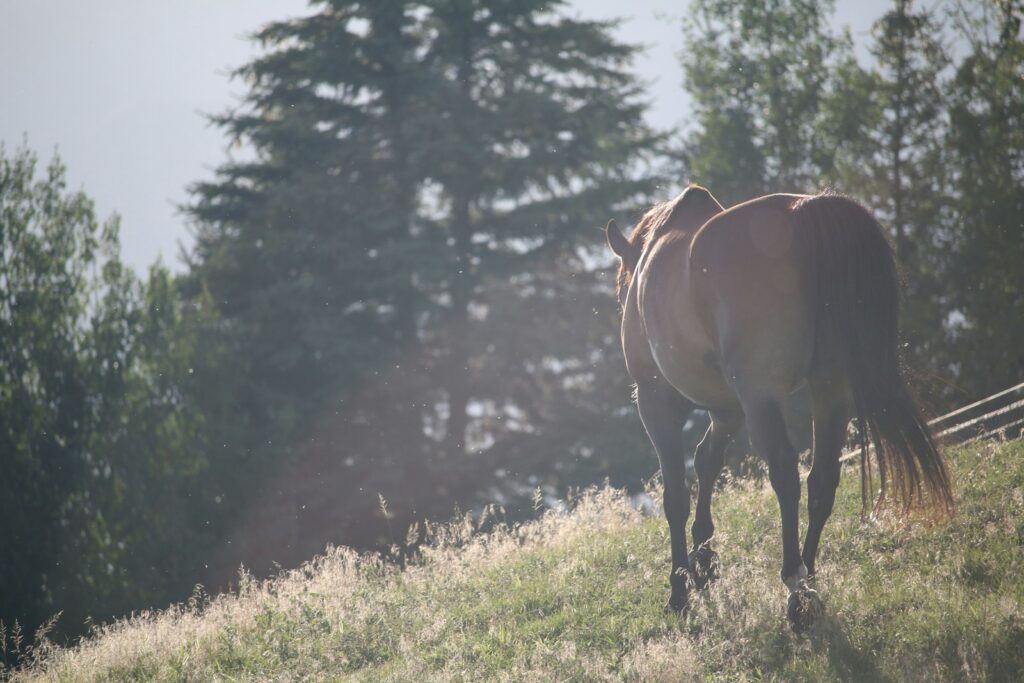
Modern horses evolved as prey animals on open grasslands, developing specific behavioral adaptations that continue to influence their responses in competitive settings. Their primary survival strategy—flight from perceived danger—remains hardwired in domestic horses, explaining why even well-trained equine athletes may spook at unexpected stimuli. These prey animal instincts manifest in heightened sensory awareness, with horses possessing nearly 360-degree vision and extremely sensitive hearing that allows them to detect potential threats long before humans notice anything amiss. Understanding this evolutionary backdrop helps explain why certain equestrian disciplines align more naturally with horse behavior than others, and why training methods must account for these innate tendencies. The horse’s natural inclination toward herd behavior also explains their responsiveness to leadership, a key factor in the rider-horse relationship across all equestrian disciplines.
Herd Dynamics and Their Influence on Training
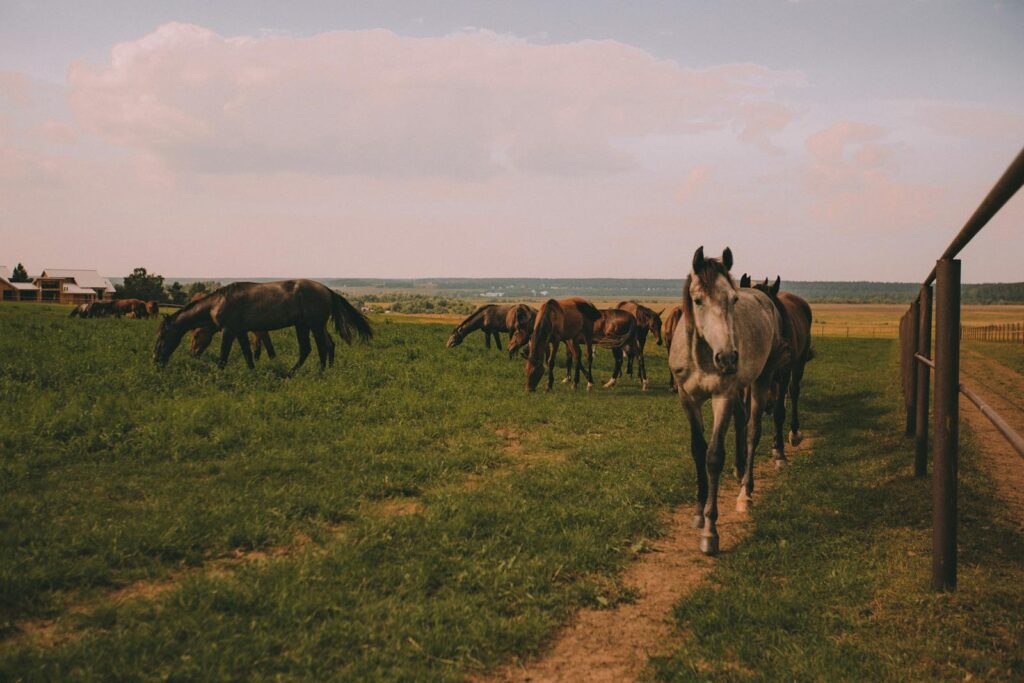
Horses are inherently social creatures that establish clear hierarchies within their herds, a behavioral pattern that directly impacts how they respond to human handlers and riders. The most successful equestrian partnerships typically mirror aspects of natural herd dynamics, with the human assuming the role of a consistent, fair leader rather than a dominator. In natural settings, horses communicate primarily through body language, with subtle shifts in posture and expression conveying complex messages about status, boundaries, and intentions. Elite riders learn to emulate this nuanced communication style, using minimal cues that respect the horse’s intelligence and sensitivity. Understanding herd dynamics also helps explain why some horses perform better in team events—the presence of other horses can provide security and motivation similar to their natural social structures. Competitive pressures that ignore these fundamental social needs can create behavioral problems that manifest as resistance, anxiety, or unpredictable responses during performance.
The Science of Equine Cognition in Sport
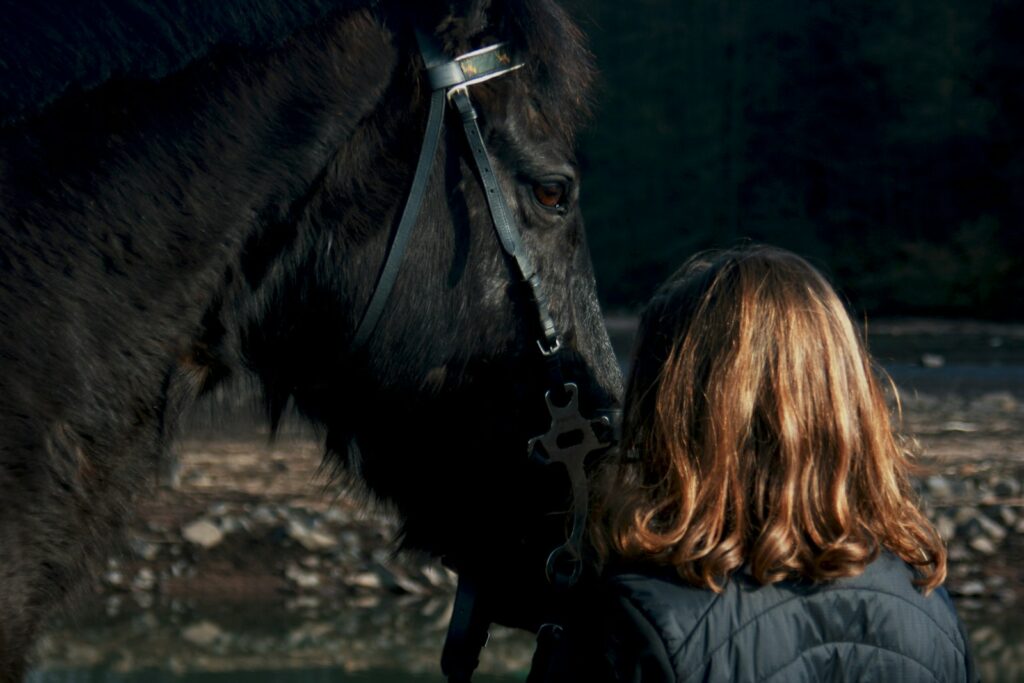
Recent scientific research has transformed our understanding of equine cognitive abilities, challenging outdated notions that horses are merely reactive creatures operating on instinct alone. Studies demonstrate that horses possess excellent long-term memory, particularly for negative experiences, which explains why traumatic training methods can create lasting behavioral issues in competition horses. Their remarkable spatial awareness allows them to navigate complex jumping courses and remember precise dressage patterns, while their ability to recognize human facial expressions and emotional states creates a genuine two-way partnership. Despite these advanced capabilities, horses process information differently than humans—they excel at procedural learning (muscle memory) but can struggle with abstract concepts that seem obvious to riders. This cognitive profile explains why consistent training approaches with clear, incremental steps produce the most reliable competition results, while training systems that attribute human-like reasoning to horses often create confusion and stress.
Natural Movement Versus Competitive Requirements
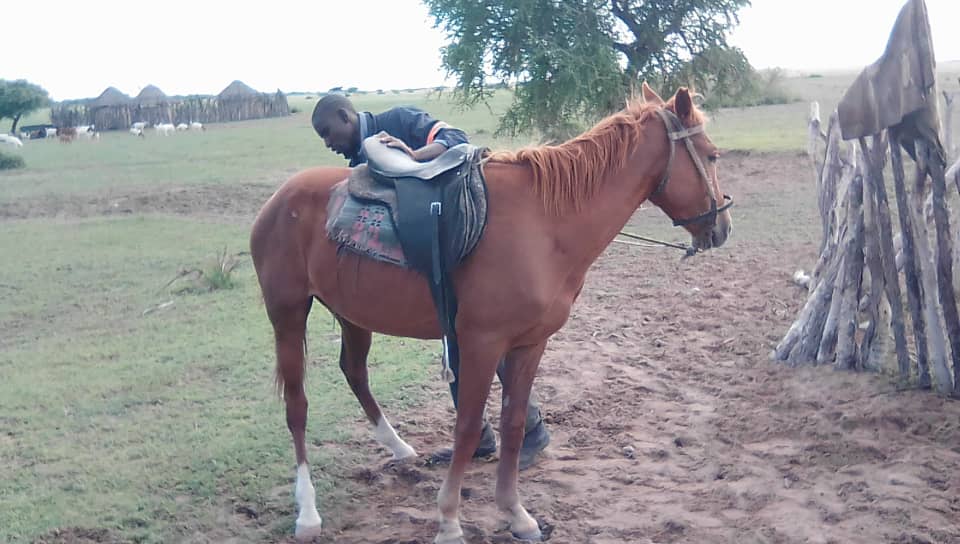
The natural gaits and movement patterns of horses have been selectively enhanced and modified through centuries of breeding and training to create the spectacular performances seen in modern competition. While basic walk, trot, and canter patterns derive from natural movements, many advanced maneuvers required in disciplines like dressage push equine biomechanics into highly collected or extended forms that horses would rarely maintain naturally for extended periods. The ongoing debate about classical versus modern competitive forms centers on whether certain movements represent enhancement of the horse’s natural abilities or potentially harmful distortions. Responsible training approaches acknowledge the physical limitations of equine anatomy and develop the horse’s musculature progressively over years rather than months. The most ethically sound competitions reward movements that demonstrate the horse’s natural athletic potential enhanced through careful development, rather than exaggerated forms achieved through artificial means or excessive force.
Stress Responses in Competition Settings
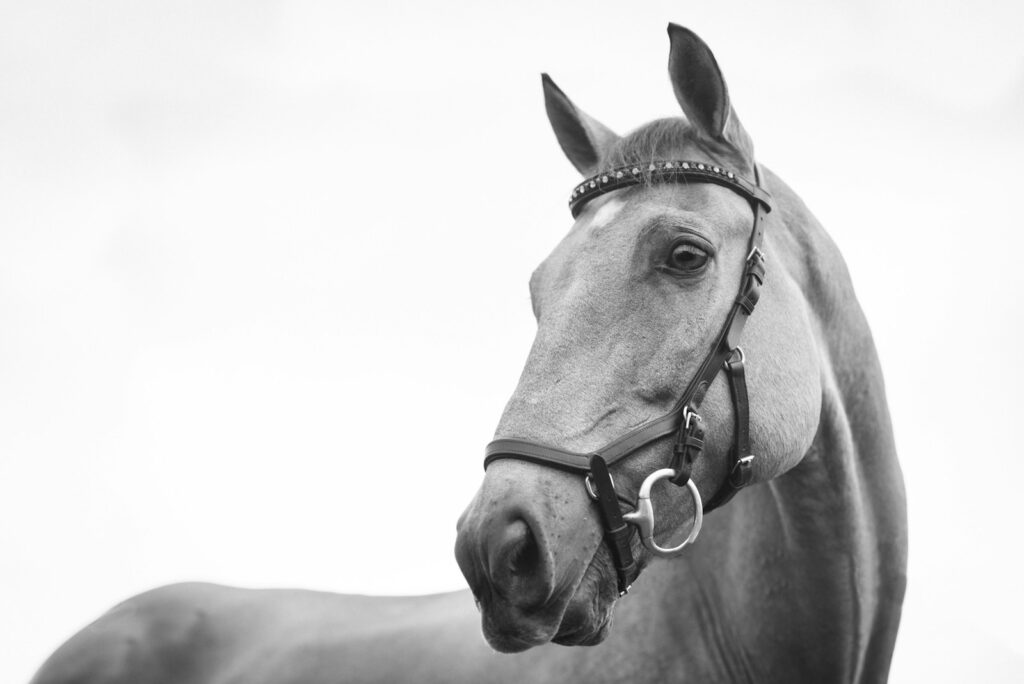
The high-energy environment of equestrian competitions—with crowds, loudspeakers, unfamiliar surroundings, and performance pressure—creates significant potential stress for horses whose evolutionary instincts prepare them to flee from novel stimuli. Physiological indicators of stress including elevated heart rates, cortisol levels, and distinctive behavioral patterns can be measured in competition horses even when they appear outwardly calm to observers. These stress responses vary tremendously between individual horses based on temperament, previous experiences, and the quality of their training preparation. Advanced training methodologies now incorporate systematic desensitization techniques that gradually acclimate horses to competition environments, reducing their stress response while building confidence. The most successful equestrian athletes prioritize their horses’ mental well-being, recognizing that a relaxed, confident horse will ultimately perform better than one competing under psychological duress, regardless of physical conditioning or technical training.
The Evolution of Equestrian Training Methods
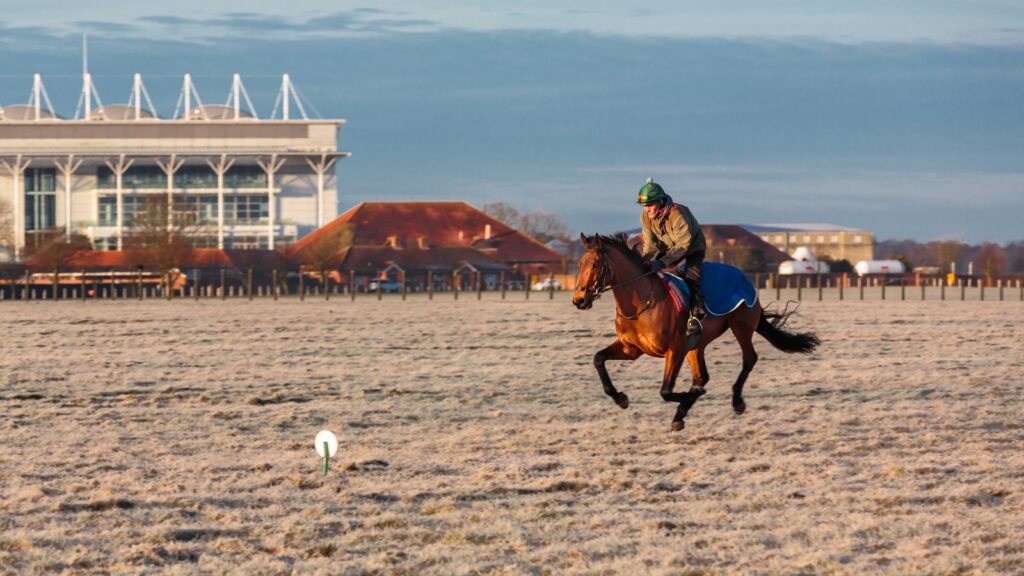
Traditional horse training methods evolved in military and agricultural contexts where efficiency and human dominance often outweighed concerns about equine psychology or welfare. The historical record contains techniques ranging from thoughtful, horse-centered approaches to brutal methods of subjugation that prioritized immediate compliance regardless of psychological impact. Modern equestrian sports have witnessed a significant shift toward evidence-based training that incorporates scientific understanding of learning theory, biomechanics, and equine emotional needs. Progressive trainers employ primarily positive reinforcement alongside carefully applied pressure-release techniques, discovering that willing partnerships produce more consistent, sustainable results than force-based methods. This evolution remains ongoing and uneven across different disciplines and geographical regions, with some traditional sectors maintaining practices that behavior scientists have identified as potentially harmful to equine welfare and performance. The most successful contemporary approaches combine ancient horsemanship wisdom with modern scientific insights, respecting both tradition and evolving knowledge.
Understanding Equine Communication Signals
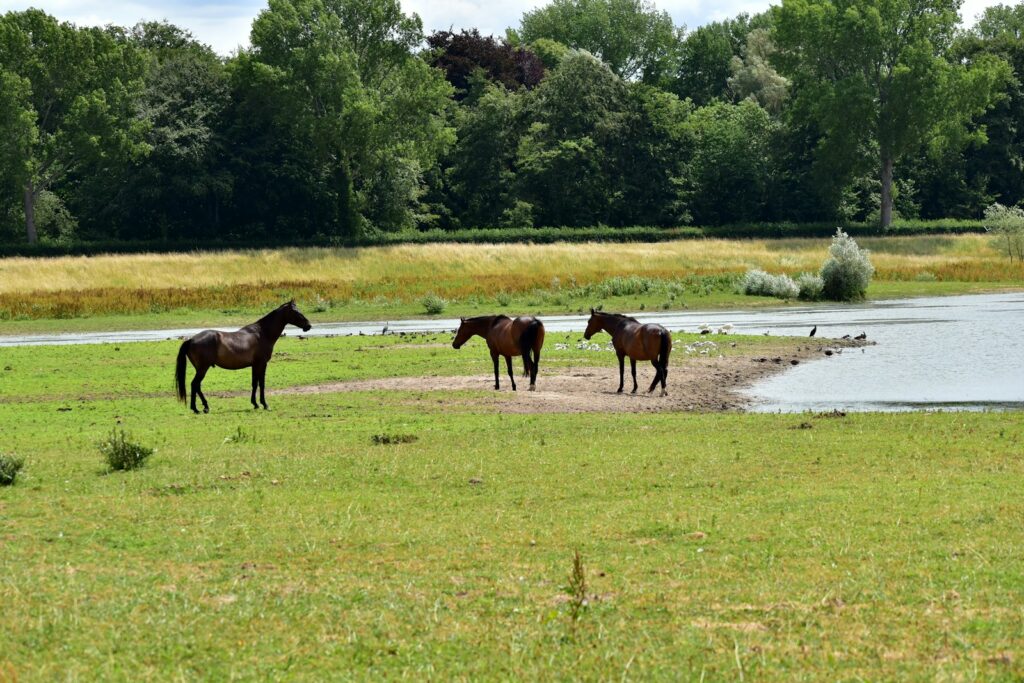
Horses communicate continuously through a sophisticated system of visual, tactile, and auditory signals that experienced horsemen learn to interpret with remarkable accuracy. Ear position serves as one of the most reliable indicators—ears flattened against the neck signal aggression or extreme discomfort, while ears swiveling independently show attention to multiple stimuli in the environment. Facial expressions, particularly around the eyes and muzzle, convey nuanced emotional states that correlate directly with the horse’s acceptance of training requests and competitive demands. Tail movements indicate emotional arousal, with rhythmic swishing often signaling increasing stress or confusion rather than the simple fly-swatting that casual observers might assume. During equestrian competitions, these subtle communication signals provide a running commentary on the horse’s emotional and physical state, allowing knowledgeable spectators to distinguish between willing athletic performance and stressed compliance.
Breeding Practices and Their Impact on Behavior
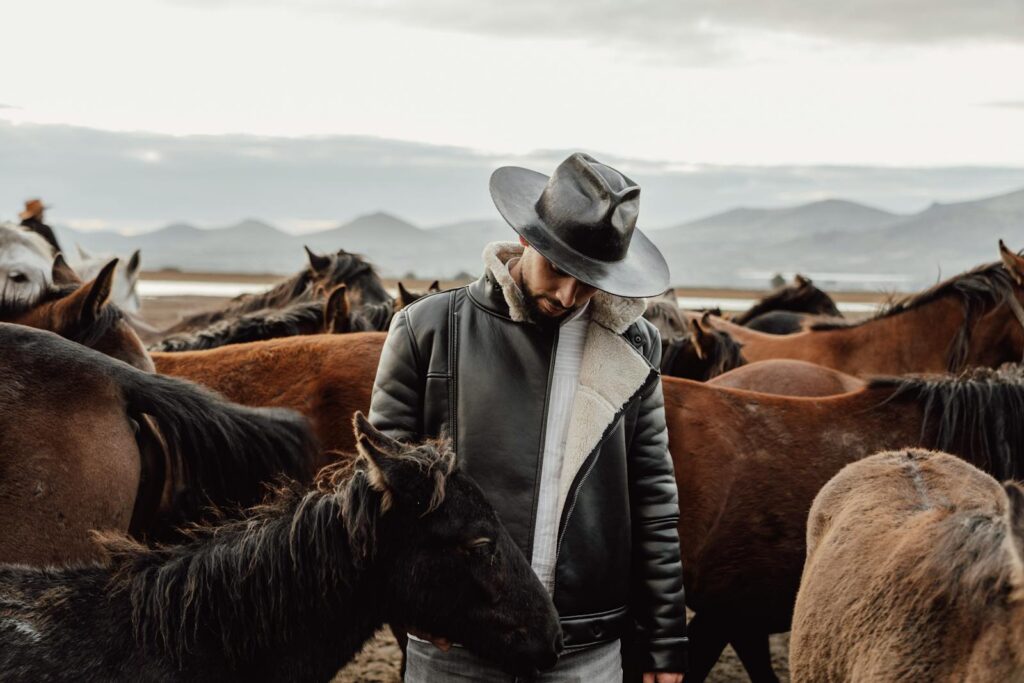
Modern equestrian sports have driven increasingly specialized breeding programs that select for specific physical and temperamental traits, sometimes at the expense of overall equine welfare. The emphasis on early athletic performance has, in some disciplines, created populations of horses with exaggerated physical attributes but compromised behavioral stability or longevity. Warmblood breeding programs for jumping and dressage now routinely incorporate temperament testing alongside physical evaluations, recognizing that mental attributes like trainability and stress resilience are equally important for competitive success. Genetic factors significantly influence behavioral tendencies like reactivity, sociability, and learning style, though environmental factors and training remain equally critical in determining a horse’s competitive potential. The most responsible breeding programs maintain a balanced approach that prioritizes soundness, longevity, and trainable temperaments alongside athletic ability, recognizing that extreme specialization often creates welfare challenges that ultimately limit competitive careers.
Environmental Needs Versus Competitive Management
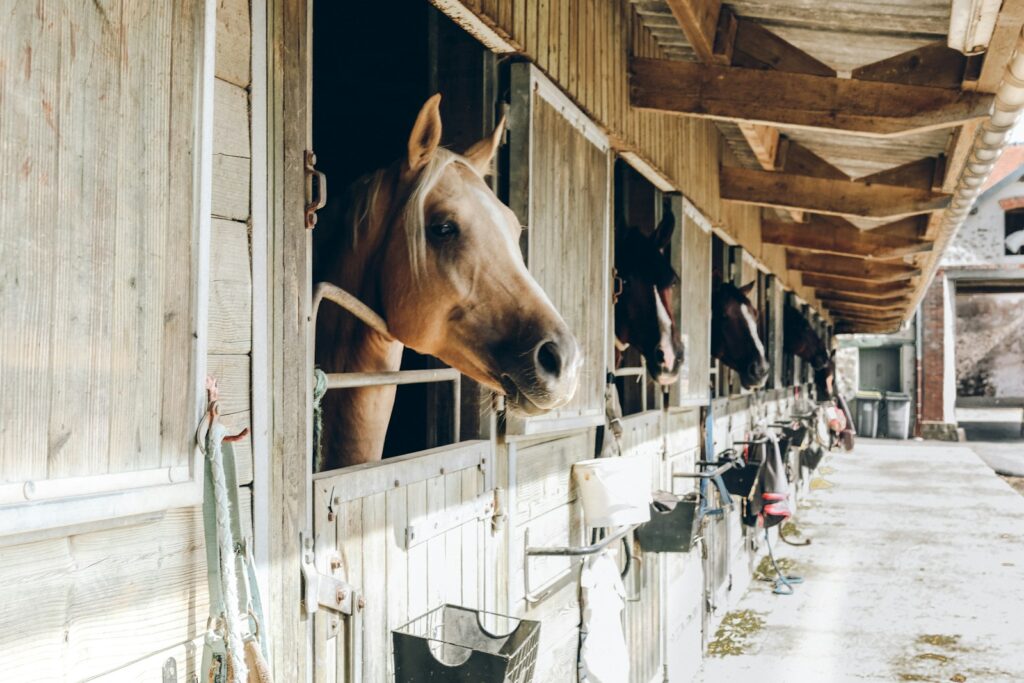
The natural lifestyle of horses involves near-constant movement, social interaction, and foraged nutrition—elements often restricted in high-level competition management systems. Traditional competition stabling frequently isolates horses in confined spaces with limited turnout, creating conditions that directly contradict their evolutionary needs for movement and socialization. Progressive competition yards now implement modified management systems that balance practical competition requirements with essential equine needs, incorporating features like group housing, slow-feed systems, and strategic exercise schedules. Research demonstrates that horses maintained in more natural environmental conditions show reduced stereotypic behaviors, lower injury rates, and often improved performance consistency compared to those kept in conventional intensive stabling. The conflict between natural needs and competition demands represents one of the most significant welfare challenges in equestrian sports, requiring innovative solutions that respect both competitive goals and essential equine nature.
Interpreting Resistance in Performance Horses
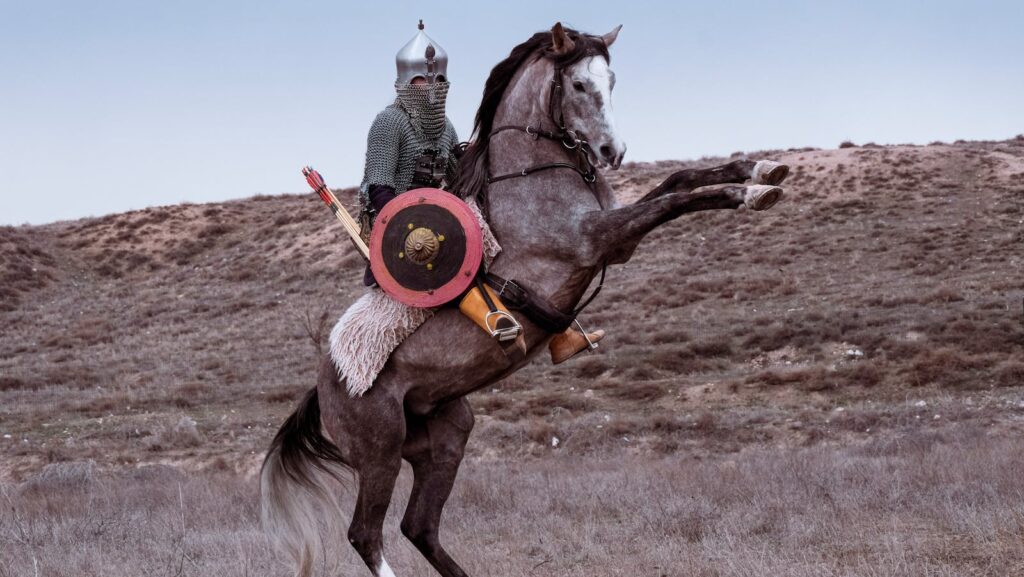
When competition horses display resistance—behaviors like refusing jumps, balking at movement requests, or showing tension in dressage tests—these responses almost invariably communicate legitimate concerns rather than simple disobedience. Physical discomfort from ill-fitting equipment, musculoskeletal pain, or inappropriate training progression often manifests as behavioral resistance that unskilled trainers may misinterpret as willfulness requiring punishment. Psychological factors including confusion about conflicting signals, excessive pressure, or previous negative associations can similarly trigger resistance behaviors that indicate training gaps rather than character flaws. The most skilled riders approach resistance as valuable feedback requiring investigation rather than suppression, recognizing that addressing the root cause produces more reliable long-term performance than forcing compliance. This interpretive approach to equine behavior represents a fundamental shift from traditional perspectives that often attributed resistance to dominance struggles requiring human assertion of control.
Ethical Considerations in Equipment Design

The equipment used in various equestrian disciplines reflects an ongoing balance between competitive advantage, tradition, and welfare considerations. Controversial items like extremely leveraged bits, tight nosebands, and specialized training aids have sparked heated debates about where enhancement ends and coercion begins. Scientific testing now allows for objective measurement of equipment effects, with pressure sensors and biomechanical analysis revealing the physical impact of various tack options on equine comfort and movement. Forward-thinking competition authorities have begun implementing evidence-based equipment regulations that protect horse welfare while maintaining the distinctive character of different disciplines. The most ethical approach recognizes that equipment should enhance communication and refine natural movement rather than restrict, control, or force compliance through physical leverage or discomfort. This principle applies across disciplines from racing to dressage, though specific applications vary according to the particular demands of each sport.
The Future of Horse-Centered Competitive Events
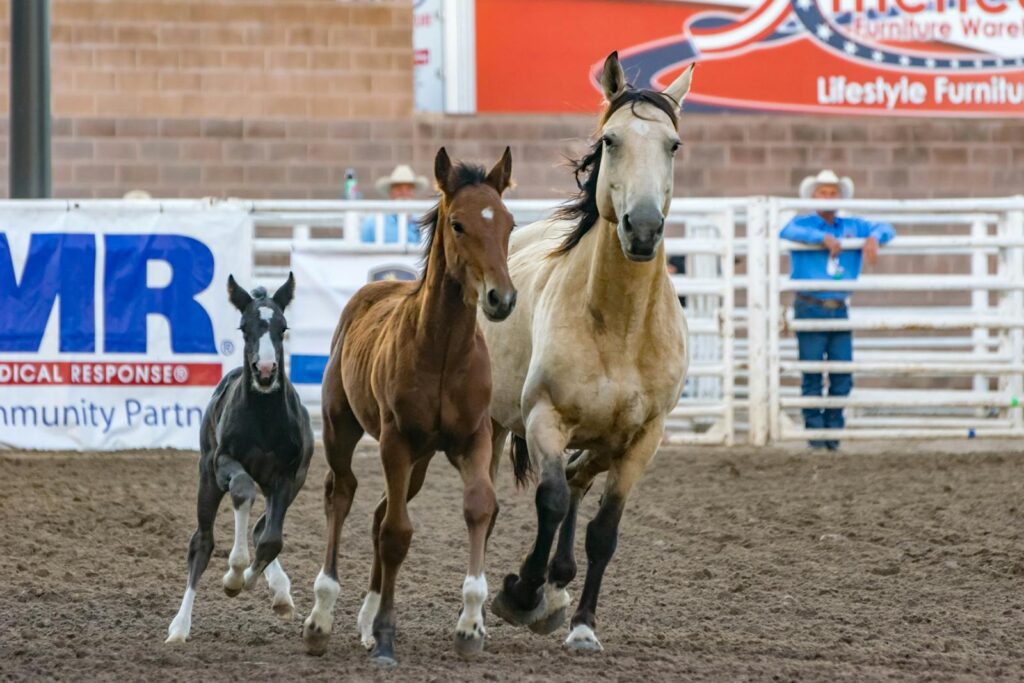
The evolution of equestrian sports continues as scientific knowledge, ethical awareness, and public scrutiny reshape competitive practices and priorities. Emerging disciplines that emphasize harmony with natural horse behavior—such as liberty work, academic art of riding, and working equitation—are gaining popularity alongside traditional Olympic events. Competition formats increasingly incorporate welfare monitoring, with veterinary assessments, behavioral evaluations, and equipment checks becoming standard components of responsible event management. Technology plays a growing role in both training development and welfare protection, with tools like gait analysis, thermal imaging, and pressure mapping providing objective data about the horse’s physical and emotional responses to competitive demands. The most promising direction combines the athletic excellence and spectator appeal of traditional competition with enhanced understanding of equine needs and communication, creating sustainable sports that celebrate genuine partnership rather than human dominance.
Recognizing Signs of Positive Engagement
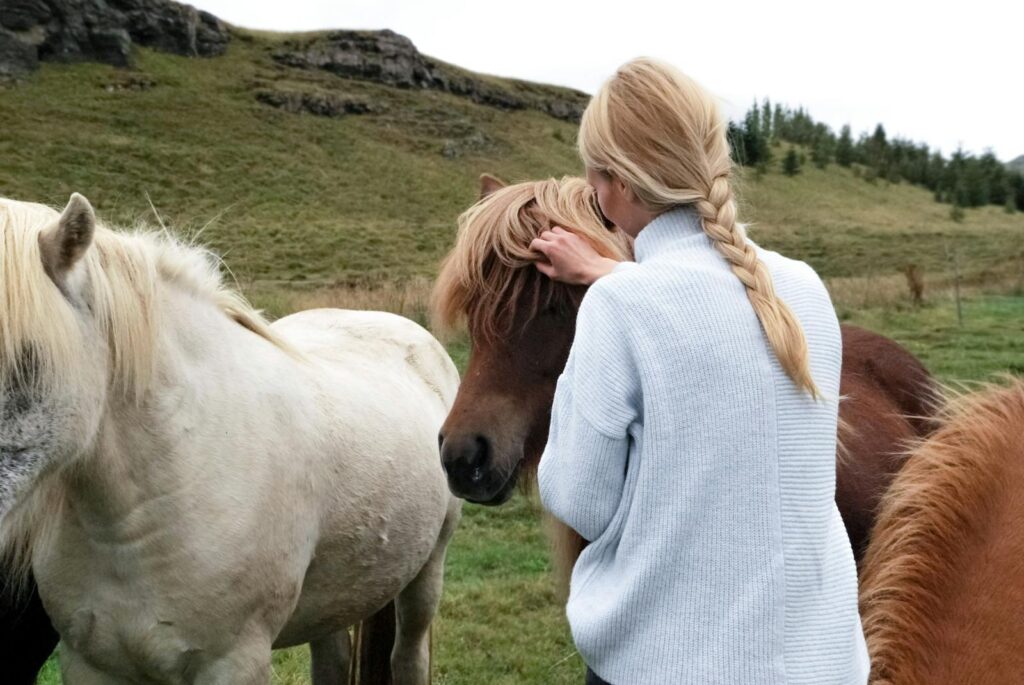
A horse competing in a state of positive mental engagement displays distinctive behavioral markers that knowledgeable observers can recognize. Physical signs include a soft, expressive eye, relaxed jaw and poll, appropriate muscle tone without tension, and a tail that swings naturally with movement rather than clamping or swishing in distress. Behavioral indicators include willing forward movement, responsive but not hypersensitive reactions to aids, and an attentive expression that demonstrates mental presence rather than dissociation. These engaged horses typically recover quickly after exertion, showing normal respiratory patterns and returning to relaxed states following performance. The quality of performance from positively engaged horses generally surpasses that achieved through compliance under pressure, as the horse contributes its own athletic intelligence to the partnership rather than merely executing commands. This positive engagement represents the gold standard for ethical equestrian competition across all disciplines, from western reining to Olympic dressage.
Conclusion
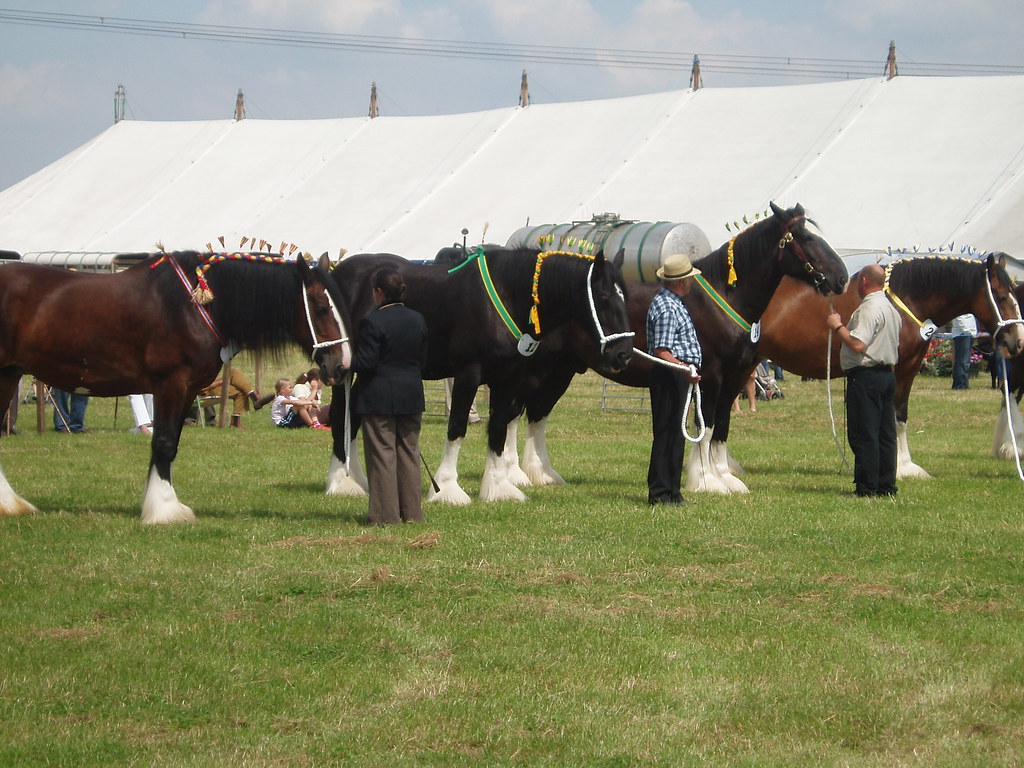
The relationship between natural horse behavior and competitive equestrian events continues to evolve as our understanding of equine psychology deepens. The most promising developments in the sport recognize that peak performance emerges not from dominance but from genuine partnership—a relationship that respects the horse’s nature while developing its athletic potential. The future of equestrian sports lies in this thoughtful integration of traditional skills with contemporary knowledge, creating competitions that showcase human-equine harmony at its finest while protecting the welfare of these remarkable animals. As spectators, participants, and regulators become more educated about equine behavior, equestrian events have the opportunity to transform into celebrations of cross-species communication and cooperation that honor both competitive excellence and the true nature of the horse.