

In the evolving landscape of animal training, few topics generate as much passionate discussion as feeding routines. From traditional scheduled mealtimes to newer methods like free-feeding and work-to-eat strategies, trainers and pet owners find themselves navigating a complex web of contradicting advice. This ongoing debate touches on fundamental questions about animal welfare, behavioral psychology, and the human-animal relationship. As our understanding of animal cognition and behavior deepens, feeding practices have moved beyond simple nutrition to become integral components of comprehensive training methodologies. This article explores the multifaceted debate surrounding feeding routines in modern training approaches, examining the evidence, methodologies, and philosophies that shape current practices across various species.
The Evolution of Feeding Philosophies in Animal Training

Historically, animal feeding routines were primarily determined by human convenience and traditional wisdom passed down through generations. Early animal trainers typically employed rigid scheduled feeding, using food as a simple reward for desired behaviors without much consideration for the psychological implications. By the mid-20th century, as behaviorism gained prominence, trainers began recognizing food’s power as a primary reinforcer in operant conditioning protocols. The subsequent decades witnessed significant evolution as ethology, cognitive science, and welfare studies brought new insights into how feeding routines affect animal behavior beyond simple nutritional requirements. Modern approaches now consider species-specific natural feeding behaviors, individual preferences, and the complex relationship between food, motivation, and psychological well-being—creating a rich but contentious landscape of feeding methodologies.
Scheduled Feeding vs. Free Feeding: Core of the Debate
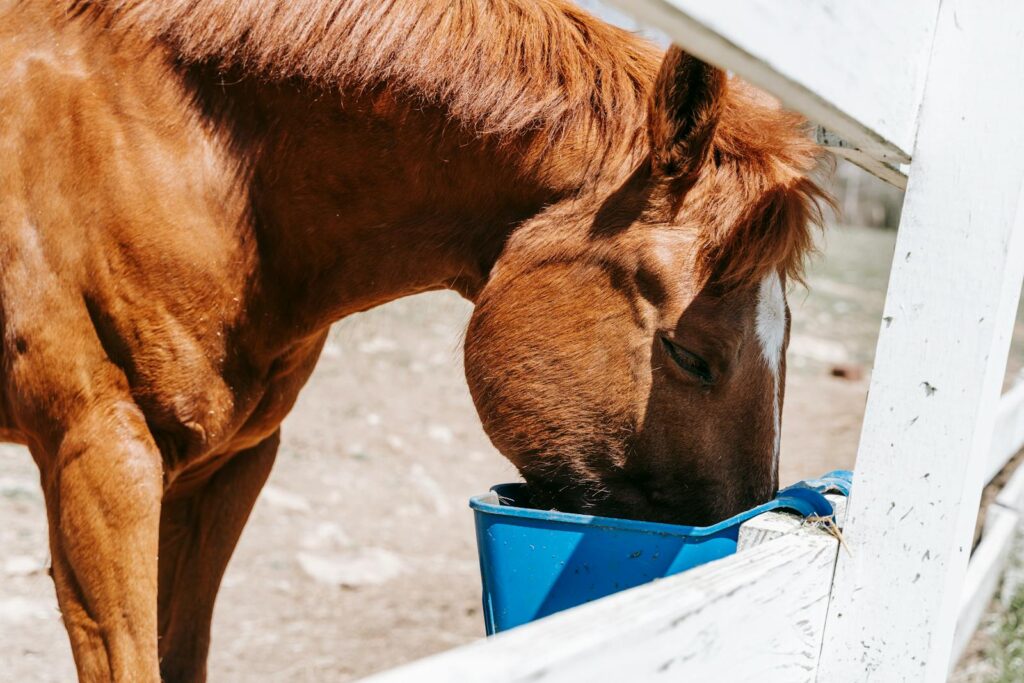
The most fundamental division in feeding philosophy contrasts structured scheduled feeding against free-choice approaches that allow animals to eat at will. Proponents of scheduled feeding argue that it establishes predictable routines that reduce anxiety, creates valuable training opportunities, allows precise monitoring of food intake, and helps maintain healthy weight. On the opposing side, free-feeding advocates contend that constant food access better mimics natural feeding patterns for many species, potentially reducing resource guarding, food obsession, and stress around mealtimes. Research suggests the optimal approach likely varies significantly based on species, individual temperament, and specific training goals. Notably, some trainers now adopt hybrid models that incorporate elements of both approaches, such as multiple small scheduled meals with occasional free-feeding periods.
Food as a Training Tool: Ethical Considerations

Using food in training raises significant ethical questions about whether we should leverage an animal’s biological needs for training purposes. Critics argue that food restriction to increase training motivation constitutes a form of coercion that potentially compromises welfare by exploiting hunger. Training professionals counter that properly implemented food-based training actually enhances welfare by providing mental stimulation, clear communication, and positive associations with human interaction. The ethical debate becomes particularly nuanced when considering working animals whose jobs require reliable performance, creating tension between training efficiency and individual welfare considerations. Modern ethical frameworks increasingly emphasize finding the balance point where training effectiveness meets optimal welfare, using food as a motivator without creating undue stress or deprivation.
The Science of Satiety and Motivation

Understanding the neurobiological mechanisms of hunger, satiety, and motivation has transformed how trainers approach feeding routines. Research reveals that hunger operates on multiple levels, including homeostatic regulation (basic energy needs), hedonic processes (pleasure from eating), and incentive motivation (desire to obtain food). These systems explain why some animals work enthusiastically for food even when not calorically deprived, challenging traditional assumptions about hunger-based training. Studies in various species demonstrate that food quality, novelty, and presentation significantly impact motivation independently of hunger levels. This science has led to sophisticated approaches that distinguish between reducing caloric intake (potentially problematic) and strategically managing feeding contexts to maintain motivation while ensuring nutritional needs are fully met.
Species-Specific Considerations in Feeding Routines

Natural feeding ecology dramatically shapes optimal feeding strategies across different species in training contexts. Canines, evolved from feast-or-famine hunters, often respond well to meal-based feeding that aligns with their evolutionary patterns of gorging followed by periods without food. Contrast this with grazing herbivores like horses, whose digestive systems are adapted for near-constant small-quantity intake, making long food deprivation potentially harmful both physically and psychologically. Exotic animals present even more specialized considerations—reptiles with extremely slow metabolisms may naturally eat infrequently, while many bird species evolved to forage throughout daylight hours. These biological realities mean that training programs must be tailored to match natural feeding patterns, requiring trainers to possess in-depth understanding of species-specific nutritional and behavioral needs.
Work-to-Eat Programs: Merging Enrichment with Feeding

Work-to-eat programs represent one of the most significant innovations in modern feeding philosophy, transforming mealtimes into cognitive challenges that stimulate natural foraging behaviors. These approaches include puzzle feeders, training sessions integrated with mealtimes, and environmental setups that require problem-solving to access food. Zoological institutions have pioneered many of these techniques, demonstrating substantial welfare benefits including reduced stereotypic behaviors, lower stress hormones, and increased natural behavioral diversity. Critics raise valid questions about whether these programs might be frustrating for some animals or could inadvertently reduce total caloric intake for animals that struggle with the challenges. The most successful implementations typically provide graduated difficulty levels and careful monitoring to ensure all animals receive adequate nutrition while benefiting from the mental stimulation.
Individual Variation: The Case for Personalized Approaches
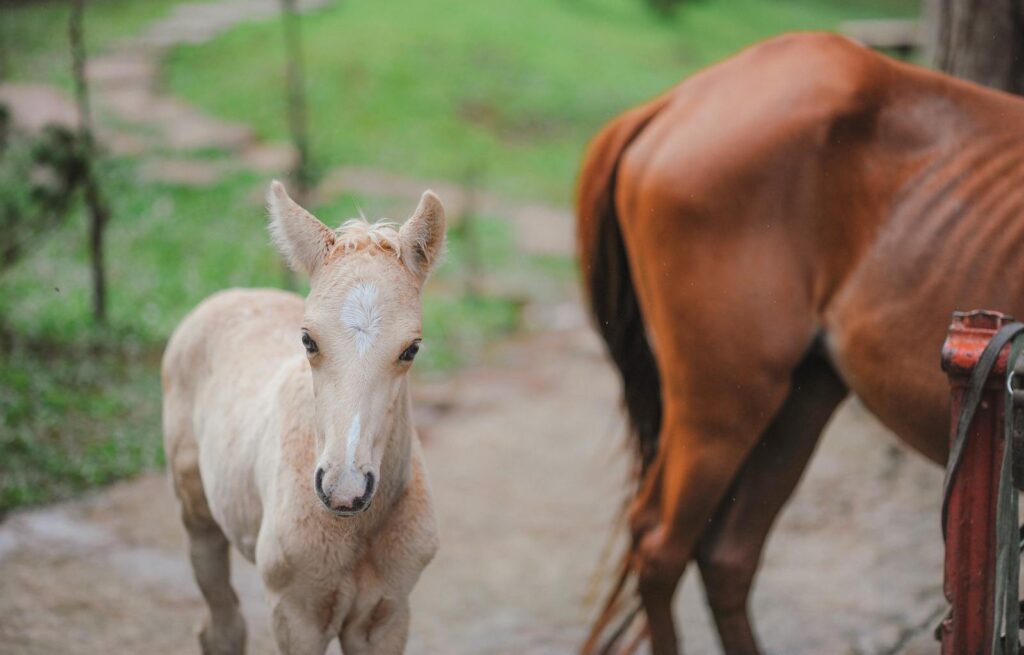
Perhaps the most overlooked aspect of the feeding routine debate is the tremendous variation in individual animal preferences, metabolism, and psychological responses to different feeding strategies. Research increasingly demonstrates that animals within the same species and breed can have dramatically different food motivations, energy requirements, and stress responses to feeding protocols. Age introduces another significant variable, as young animals typically require more frequent feeding while seniors may benefit from specialized timing to accommodate changing metabolism. Medical conditions further complicate the picture, with conditions like diabetes, kidney disease, or gastrointestinal issues necessitating highly specialized feeding schedules. This recognition of individuality has led progressive trainers to reject one-size-fits-all approaches in favor of customized feeding strategies developed through careful observation and adjustment.
Timing Considerations: Maximizing Training Effectiveness

The precise timing of feeding relative to training sessions has emerged as a critical consideration in optimizing both learning and welfare. Traditional advice suggesting training when animals are hungry overlooks the complexity of how satiety affects different cognitive processes. Research indicates that moderate hunger may indeed enhance focus and motivation for simple tasks, but more complex problem-solving and emotional control can actually deteriorate when animals are too hungry. The hormone ghrelin, released during hunger states, appears to affect both motivation and memory formation, suggesting optimal learning may occur during specific windows in the hunger-satiety cycle. Progressive trainers now carefully schedule different types of training relative to feeding times—performing precision work when motivation is high but not overwhelming, while conducting emotional management training when animals are more satiated and less reactive.
Contention Around Training Treats and Caloric Balance
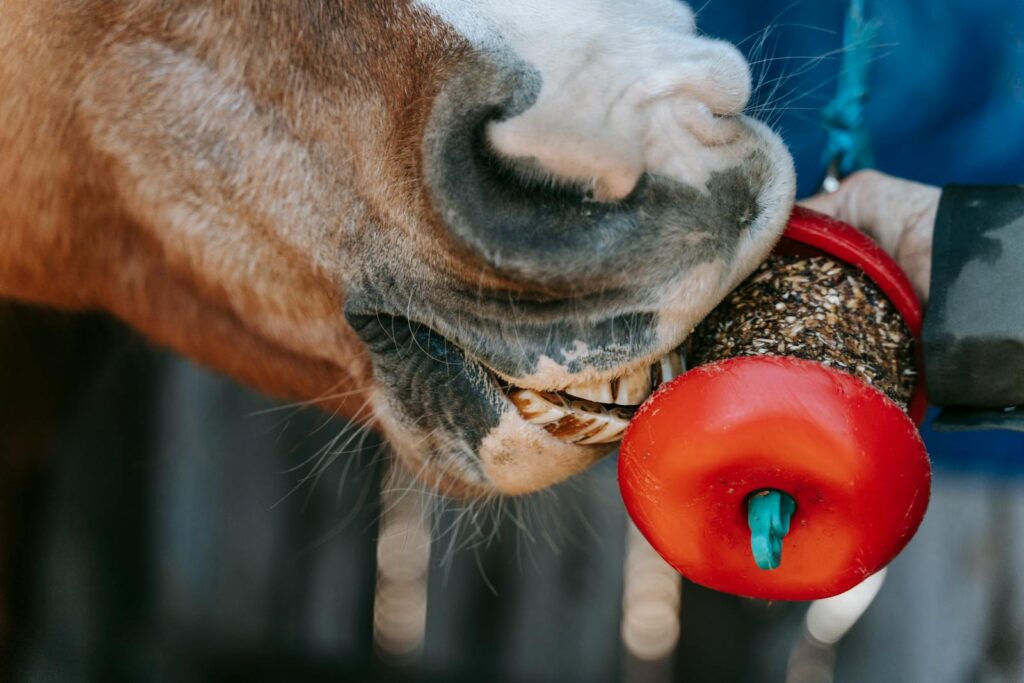
The widespread use of food treats in positive reinforcement training has sparked significant debate about caloric management and nutritional balance. Critics argue that excessive treat rewards can lead to obesity, nutritional imbalances, and potential behavioral issues like begging or resource guarding. Proponents counter that these concerns reflect implementation problems rather than fundamental flaws in treat-based training. Contemporary approaches emphasize calculating treats as part of the animal’s total daily caloric requirements, using portion-controlled meals that account for training calories. Many professionals now advocate for using a portion of the animal’s regular diet as training rewards, supplemented with higher-value treats used strategically for especially challenging tasks. This debate has driven innovation in low-calorie and nutritionally balanced training treat options that minimize health concerns.
Social Feeding Dynamics in Multi-Animal Households

The complexities of feeding routines multiply dramatically in environments housing multiple animals, where social dynamics and resource competition become central concerns. Feeding-related aggression represents a serious welfare and safety issue, particularly in multi-dog households where food guarding can escalate to dangerous levels. Separate feeding locations, structured feeding orders, and careful supervision are commonly recommended management strategies, though their effectiveness varies based on specific group dynamics. Beyond preventing conflict, social feeding arrangements also impact training effectiveness, as animals may become distracted, anxious, or over-aroused when others are eating nearby. Progressive approaches recognize that feeding arrangements must account for both the physical layout of the environment and the established social relationships between animals, often requiring creative customized solutions that evolve as group dynamics change.
Cultural and Philosophical Influences on Feeding Approaches

Feeding routines are rarely determined by scientific evidence alone, as cultural beliefs and philosophical perspectives about human-animal relationships profoundly shape practices. Western individualistic cultures often emphasize control and predictability in animal management, favoring structured feeding schedules, while some Eastern approaches place greater emphasis on natural rhythms and minimal intervention. Humanization trends in pet keeping have led many owners to project human food preferences and eating patterns onto their animals, sometimes at odds with species-specific needs. Even within professional training communities, philosophical divides about whether animals should “work” for their food reflect deeper beliefs about autonomy, care responsibilities, and the proper relationship between humans and animals. These cultural and philosophical factors often operate below the surface of debates that ostensibly focus on effectiveness or welfare.
Future Directions: Technology and Personalization in Feeding Routines

Emerging technologies are poised to revolutionize feeding routines by enabling unprecedented levels of monitoring, automation, and personalization. Automated feeders with biometric identification now allow precise portion control for individual animals in multi-pet households, potentially resolving many social feeding challenges. Wearable activity monitors that track movement patterns throughout the day can help adjust caloric intake to match varying energy expenditure, addressing concerns about maintaining ideal weight. Perhaps most promising are developing systems that can detect subtle behavioral changes indicating hunger, satiety, or stress, potentially allowing truly responsive feeding systems that adapt in real-time to an animal’s changing needs. These technological advances suggest a future where feeding debates may shift from general approaches to sophisticated personalized systems that continuously optimize both nutrition and training effectiveness for each individual animal.
conclusion

The debate around feeding routines in modern training reflects the growing sophistication of our understanding of animal behavior, welfare, and the complex relationship between nutrition and learning. Rather than moving toward a single “correct” approach, the field appears to be evolving toward nuanced, individualized strategies that consider species biology, individual temperament, specific training goals, and ethical considerations. What seems increasingly clear is that rigid adherence to any single feeding philosophy is likely less effective than thoughtful integration of multiple approaches tailored to specific contexts. As research continues to illuminate the intricate connections between feeding, behavior, and welfare, trainers who remain flexible, observant, and willing to adapt their methods to the unique needs of each animal will likely achieve the best outcomes in both training effectiveness and overall well-being.