

When the thundering of hooves fills the air and spectators hold their breath in anticipation, high-speed equestrian events showcase the remarkable athletic abilities that centuries of selective breeding have perfected. From the adrenaline-pumping excitement of barrel racing to the prestigious thoroughbred races that captivate millions worldwide, specific horse breeds consistently demonstrate superior speed, agility, and competitive spirit. These equine athletes represent the pinnacle of speed, endurance, and heart—qualities that make them legends on tracks, courses, and arenas across the globe. This comprehensive guide explores the premier horse breeds that dominate high-velocity competitions, examining their unique characteristics, historical development, and the specialized events where they excel.
Thoroughbreds: The Kings of the Racetrack
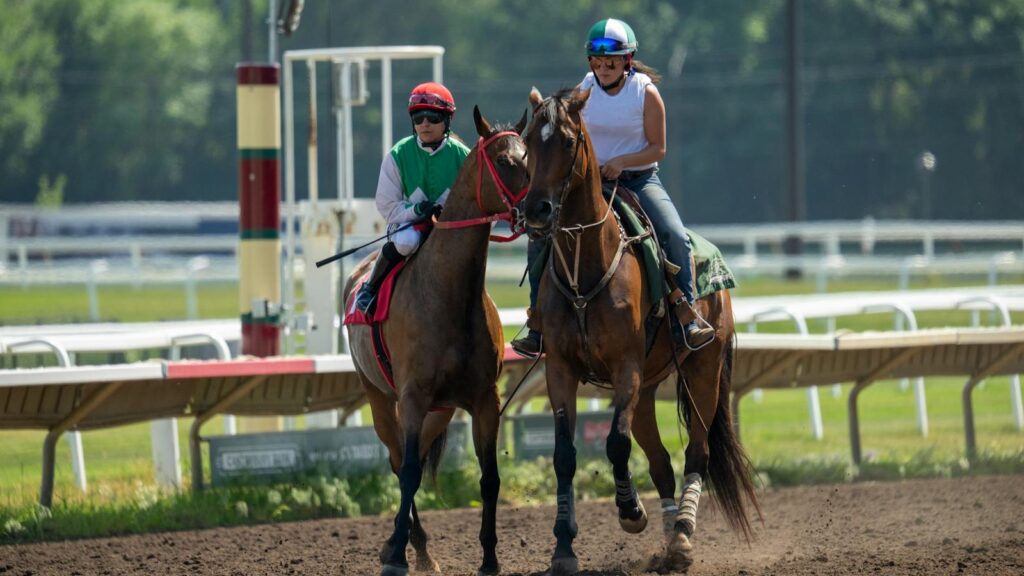
When discussing speed in equines, Thoroughbreds inevitably lead the conversation as the fastest horse breed in the world, capable of reaching speeds up to 45 mph (72.5 km/h). Developed in England during the 17th and 18th centuries from Arabian, Barb, and Turkoman ancestors, these horses were specifically bred for the emerging sport of flat racing. Their slender but powerful build features long legs, deep chest capacity, and lean muscle mass—all physiological adaptations that maximize oxygen utilization and stride efficiency. Beyond their physical attributes, Thoroughbreds possess an innate competitive spirit often described as “heart,” which drives them to push beyond physical limitations during competitive events. Modern Thoroughbred racing represents a multi-billion dollar global industry, with legendary horses like Secretariat, whose 1973 Belmont Stakes victory by 31 lengths remains one of the sport’s most astonishing performances.
Quarter Horses: Explosive Short-Distance Sprinters

American Quarter Horses earned their name from their unparalleled dominance in quarter-mile races, where they can reach speeds up to 55 mph (88.5 km/h) in short bursts—technically making them faster than Thoroughbreds over short distances. Developed in colonial America by crossing English Thoroughbreds with native horses of Spanish descent, these powerful athletes feature heavily muscled hindquarters that generate explosive acceleration from a standing start. Their compact, muscular build contrasts with the leaner Thoroughbred, reflecting their different specializations—Quarter Horses excel in quick bursts while Thoroughbreds maintain high speeds over longer distances. Beyond traditional quarter-mile racing, these versatile speed demons dominate western performance events like barrel racing, pole bending, and roping, where quick acceleration and agility are paramount. The breed’s popularity extends beyond racing into countless western riding disciplines, making it America’s most numerous breed with over five million registered horses.
Arabians: Endurance Speed Machines

When speed must be sustained over long distances, few breeds can match the legendary Arabian horse, whose desert heritage created the ultimate endurance athlete. Developed over thousands of years in the harsh Arabian Peninsula, these elegant horses evolved exceptional cardiovascular efficiency, with larger hearts and lung capacity relative to their body size than most other breeds. Their distinctive physical characteristics—dished face profile, high tail carriage, and compact body—are instantly recognizable, but it’s their internal physiology that makes them endurance powerhouses. Arabians dominate competitive endurance racing, including prestigious events like the Western States Trail Foundation’s Tevis Cup, a grueling 100-mile race completed in a single day across challenging Sierra Nevada terrain. Their dense bone structure, efficient metabolism, and heat tolerance allow them to maintain speeds of 10-15 mph over incredible distances while remaining sound. Arabian bloodlines have influenced nearly every modern light horse breed, particularly those bred for speed and stamina.
Standardbreds: The Harness Racing Specialists
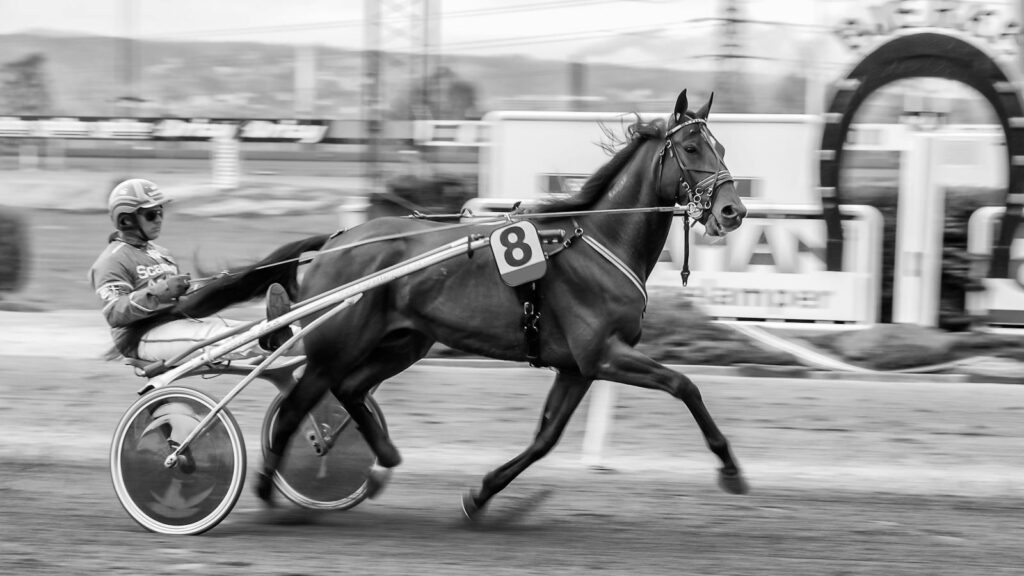
Standardbreds have revolutionized harness racing with their natural ability to maintain high speeds while trotting or pacing rather than galloping. Developed in North America during the 19th century from Thoroughbred, Morgan, and other bloodlines, the breed was named for the “standard” time of 2:30 required to trot a mile. These powerful, muscular horses feature strong shoulders, hindquarters, and gaskins (lower thigh muscles) that enable their distinctive gaits—either diagonal two-beat trotting or lateral two-beat pacing, with the latter generally being faster. Standardbreds excel in sulky racing, where drivers ride in two-wheeled carts behind the horses, with top competitors reaching speeds of 30 mph while maintaining their specialized gait. Their exceptional temperament combines competitive drive with unusual tractability, making them versatile beyond the track and popular for pleasure riding, driving, and even jumping after racing careers end.
Akhal-Tekes: Ancient Speed From the Turkmen Desert

The exotic Akhal-Teke breed from Turkmenistan combines breathtaking speed with otherworldly beauty, including their famous metallic coat sheen resulting from unique hair structure. One of the world’s oldest surviving horse breeds with a history spanning over 3,000 years, these desert-bred horses feature an incredibly distinctive conformation: lean, almost greyhound-like bodies with narrow chests, long backs, and sparse manes and tails—all adaptations for speed and efficiency in harsh conditions. Their extraordinary metabolism allowed them to survive traditional training that included minimal water and food while covering vast distances, developing legendary stamina that still serves them in modern endurance competitions. Although rare globally with fewer than 7,000 purebreds existing worldwide, Akhal-Tekes excel in endurance racing, dressage, and show jumping, demonstrating their versatility beyond pure speed events. Their historical significance includes the famous 1935 Ashkhabad-Moscow endurance ride, where Akhal-Tekes traveled 2,500 miles in 84 days, including crossing 235 miles of desert without water.
Appaloosas: Spotted Speed Demons

Distinguished by their striking spotted coat patterns, Appaloosas combine speed with agility, making them outstanding performers in western speed events. Developed by the Nez Perce Native American tribe in the Pacific Northwest, these horses were selectively bred for intelligence, speed, and stamina—qualities that helped tribe members excel as mounted warriors and hunters. Modern Appaloosas benefit from Thoroughbred, Quarter Horse, and Arabian bloodlines that have enhanced their speed capabilities while maintaining their distinctive appearance and versatile athletic abilities. The breed particularly excels in gaming events like barrel racing and pole bending, where their combination of quick acceleration, tight turning ability, and sustained speed creates a competitive advantage. Beyond their physical capabilities, Appaloosas are prized for their intelligence and problem-solving abilities, often displaying remarkable adaptability to different competition environments and challenges.
Paint Horses: Color and Speed Combined

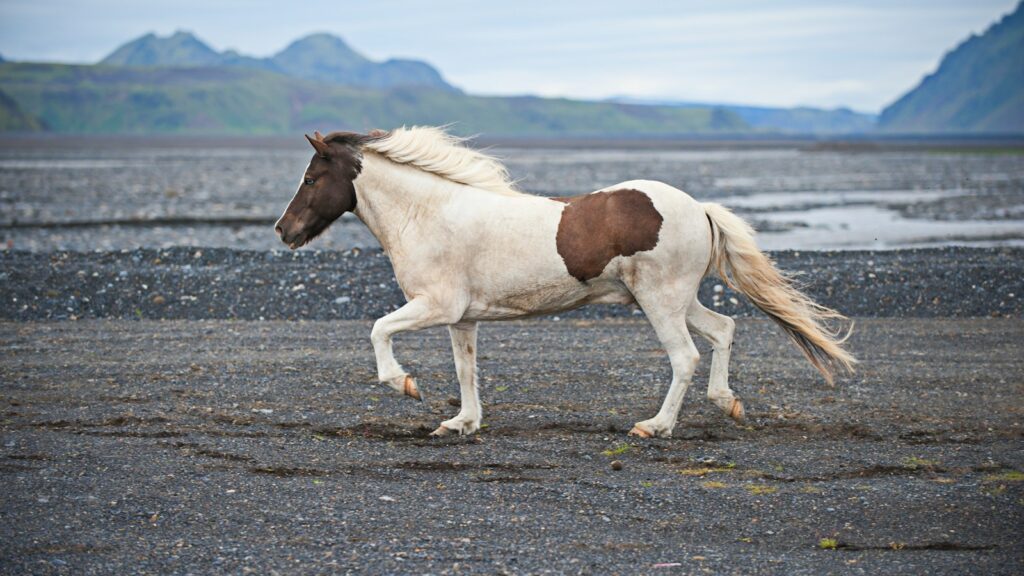
American Paint Horses blend the speed genetics of Quarter Horses and Thoroughbreds with distinctive pinto coloration patterns that make them stand out in both appearance and performance. Officially recognized as a breed in 1962, Paints require specific bloodlines (Quarter Horse or Thoroughbred) along with verifiable pinto coloration—either tobiano, overo, tovero, or sabino patterns that produce their signature white patches on a base coat. Their muscular build resembles the Quarter Horse, featuring powerful hindquarters that generate exceptional acceleration and speed for sprint events. Paint Horses have become increasingly dominant in barrel racing, with several world champions in recent years demonstrating the breed’s elite speed and agility capabilities. Their combination of flashy appearance and athletic ability makes them particularly popular in western speed events, where they attract attention both for their distinctive looks and competitive performance.
Morgan Horses: Versatile Speed Athletes

One of America’s oldest breeds, Morgan horses trace their lineage to a single foundation sire named Figure (later called Justin Morgan) who lived in Vermont during the late 18th century and passed his remarkable speed, strength, and stamina to his descendants. These compact, powerful horses typically stand 14.1 to 15.2 hands tall and feature strong legs, an arched neck, and a distinctive proud carriage that contributes to their athletic ability. While not specialized sprinters like some breeds, Morgans excel in harness racing and combined driving events, where their balanced conformation, endurance, and willing attitude give them competitive advantages. Their natural collection and balanced movement make them particularly well-suited for timed events that require both speed and precision, including show jumping and cross-country competitions. The breed’s versatility extends to nearly every equestrian discipline, but their natural athleticism particularly shines in events that combine speed with technical skills.
Anglo-Arabians: Blending Elite Speed Genetics
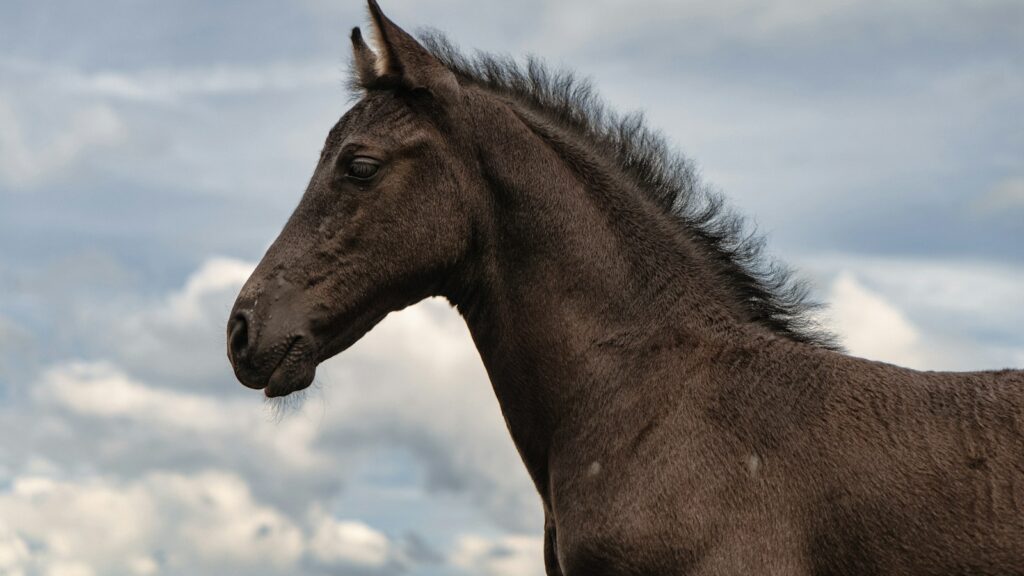
Anglo-Arabian horses represent a sophisticated crossbreeding program combining the speed and scope of Thoroughbreds with the endurance and refinement of Arabians, creating superior athletes for various speed disciplines. Officially developed in France during the 19th century, these horses must have between 25% and 75% Arabian blood mixed with Thoroughbred genetics to qualify for registry, with the exact percentage influencing their appearance and capabilities. Their balanced conformation typically features the Arabian’s refined head and high tail carriage combined with the Thoroughbred’s longer legs and more substantial build, creating an elegant yet powerful athlete. Anglo-Arabians excel particularly in eventing and show jumping, where their speed must be combined with precision and courage to navigate technical courses. The cross consistently produces horses with more endurance than pure Thoroughbreds but greater speed than pure Arabians, making them ideal for disciplines requiring sustained energy over challenging courses.
Appendix Quarter Horses: First-Generation Speed Hybrids
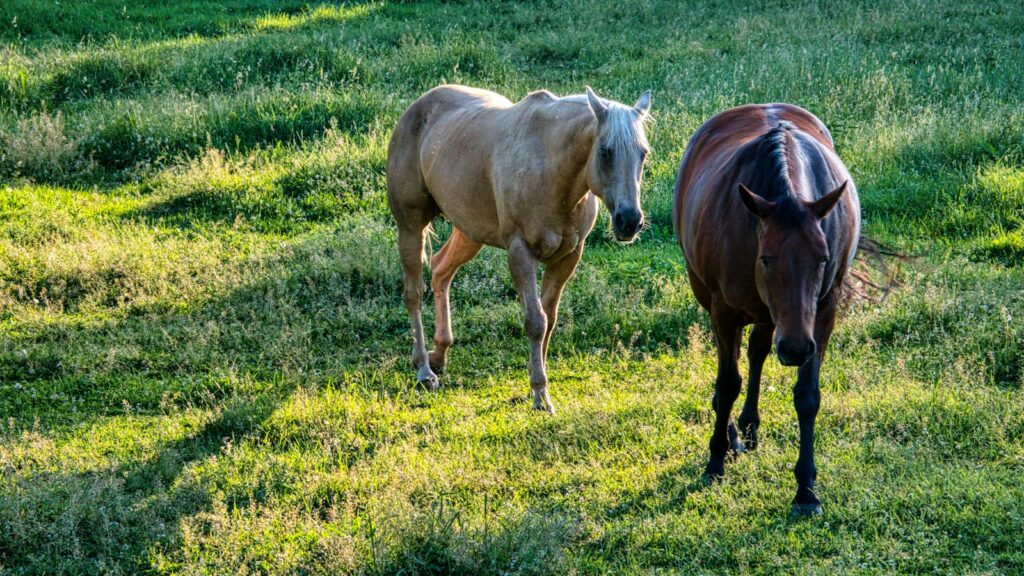
Appendix Quarter Horses result from the first-generation cross between registered Thoroughbreds and Quarter Horses, creating athletes that often excel in speed events by combining the best traits of both parent breeds. These horses are registered in a special “appendix” section of the American Quarter Horse Association stud book, with performance requirements that allow exceptional individuals to advance to the regular registry if they prove their merit. Physically, Appendix horses typically stand taller than traditional Quarter Horses and display a leaner build that reflects their Thoroughbred heritage, often reaching 16 hands or more compared to the more compact foundation Quarter Horse. Their hybrid vigor frequently produces exceptional athletes with the acceleration and agility of Quarter Horses combined with the sustained speed and stride length of Thoroughbreds. Many top competitors in barrel racing, pole bending, and other western speed events are Appendix Quarter Horses, demonstrating how this carefully managed crossbreeding produces superior speed athletes.
Warm Blood Sport Horses: Technical Speed Masters
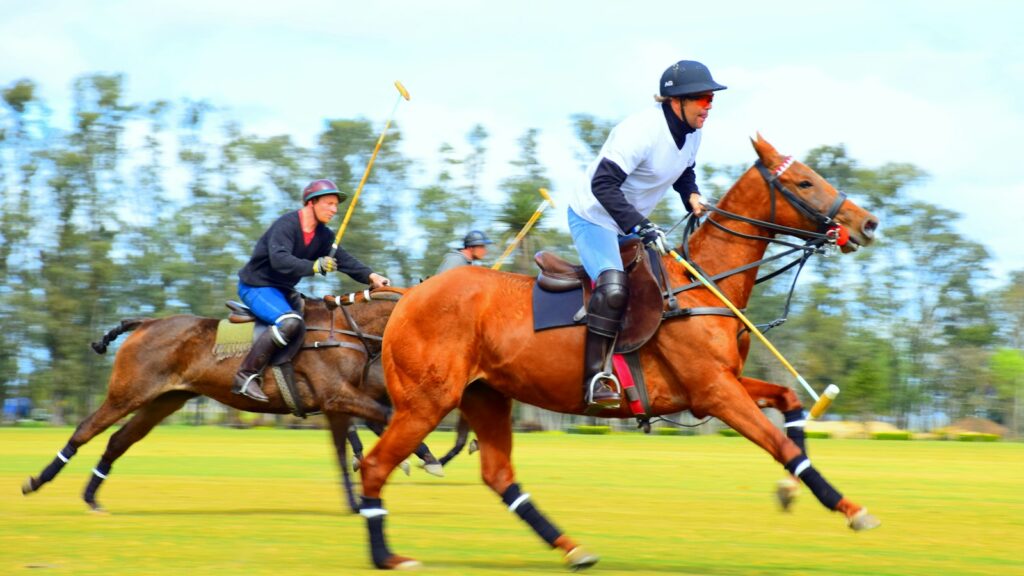
While not traditional sprinters, modern European Warmblood breeds like the Hanoverian, Holsteiner, and Dutch Warmblood excel in technical speed events such as show jumping and cross-country phases of eventing. Developed through systematic breeding programs that blend the refinement and speed of “hot-blooded” breeds (primarily Thoroughbreds and Arabians) with the strength and trainability of “cold-blooded” draft horses, these athletes demonstrate remarkable controlled speed. Their larger frames (typically 16-17 hands) and substantial bone structure support powerful musculature that generates both explosive jumping ability and sustained galloping speed. In advanced show jumping competitions, these horses navigate complex courses at speeds of 350-400 meters per minute while precisely clearing obstacles up to 1.60 meters high, requiring an exceptional combination of speed, power, and technical ability. The continued infusion of Thoroughbred blood keeps these breeds competitive at the highest levels of international competition, where fractions of a second determine winners in timed events.
Event-Specific Breeding Programs and Future Trends

The pursuit of specialized speed athletes has led to increasingly sophisticated breeding programs targeting specific high-velocity events with scientifically selected genetic traits. Advanced reproductive technologies including artificial insemination, embryo transfer, and CRISPR gene editing research are expanding possibilities for developing horses with enhanced speed capabilities while maintaining soundness and welfare standards. Performance testing has become increasingly high-tech, with GPS tracking, heart rate monitoring, and gait analysis allowing breeders to make more informed decisions about which speed traits to select for in breeding programs. Climate change considerations are also influencing breeding directions, with increased focus on heat tolerance and metabolic efficiency as competitive environments become increasingly challenging. The future will likely see greater emphasis on sustainable speed—horses bred not just for maximum velocity but for longevity in competitive careers through improved structural soundness and metabolic efficiency.
Training Considerations for High-Speed Equine Athletes
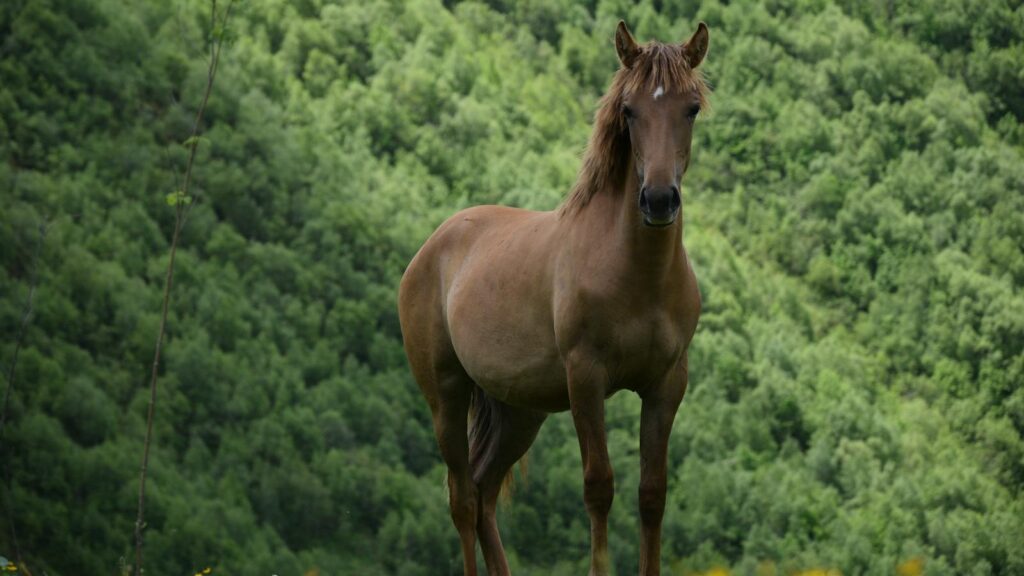
Developing elite speed in horses requires sophisticated training regimens that build physical capabilities while protecting long-term soundness and mental well-being. Interval training methodologies adapted from human athletics have revolutionized conditioning for speed horses, involving carefully timed work periods at various intensities interspersed with recovery phases to build both anaerobic and aerobic capacity. Footing quality has gained increased importance, with specialized surfaces engineered to optimize traction and cushioning that allows horses to reach maximum speeds with reduced injury risk. Cross-training programs incorporate diverse activities including swimming, treadmill work, and hill training to build cardiovascular fitness and muscular strength without the repetitive impact stress of traditional speed work. Sophisticated rehabilitation techniques including cold therapy, equine massage, chiropractic adjustment, and therapeutic ultrasound help speed horses recover between competitions and extend their competitive careers at the highest levels of performance.
conclusion
The pursuit of equine speed has driven selective breeding for centuries, resulting in specialized athletes that excel in various high-velocity disciplines. From the thundering sprints of Thoroughbreds and Quarter Horses to the sustained speed of Arabians and Akhal-Tekes, each breed represents generations of careful selection for specific performance traits. As equestrian sports continue to evolve, breeding programs increasingly focus on creating balanced athletes that combine raw speed with durability, trainability, and sound conformation. The perfect speed horse ultimately blends genetic potential with proper development, training, and management—creating the thrilling athletes that captivate our imagination and push the boundaries of equine performance.