
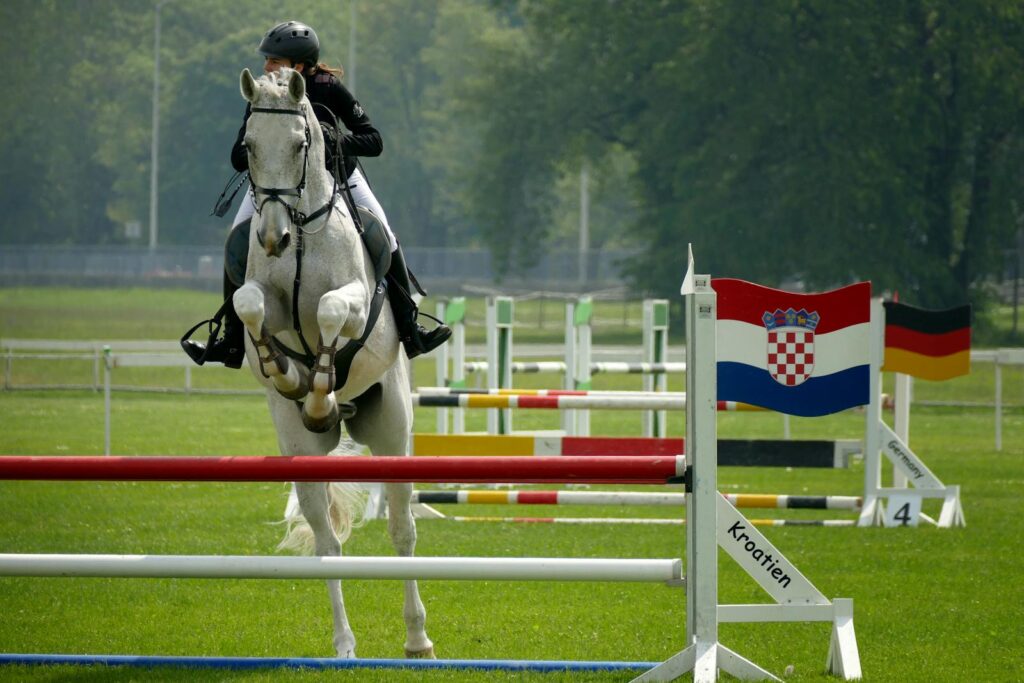
The equestrian world has always been a blend of tradition and innovation, with riding techniques evolving through centuries of practice and research. In recent years, we’ve witnessed significant advancements in how riders approach jumping, potentially revolutionizing this fundamental aspect of equestrian sports. From biomechanics-based training to technology-assisted learning, the future of jumping technique presents exciting possibilities that could enhance performance while prioritizing horse welfare. This article explores emerging trends, scientific insights, and innovative approaches that may shape how riders tackle obstacles in the coming years.
The Evolution of Traditional Jumping Techniques
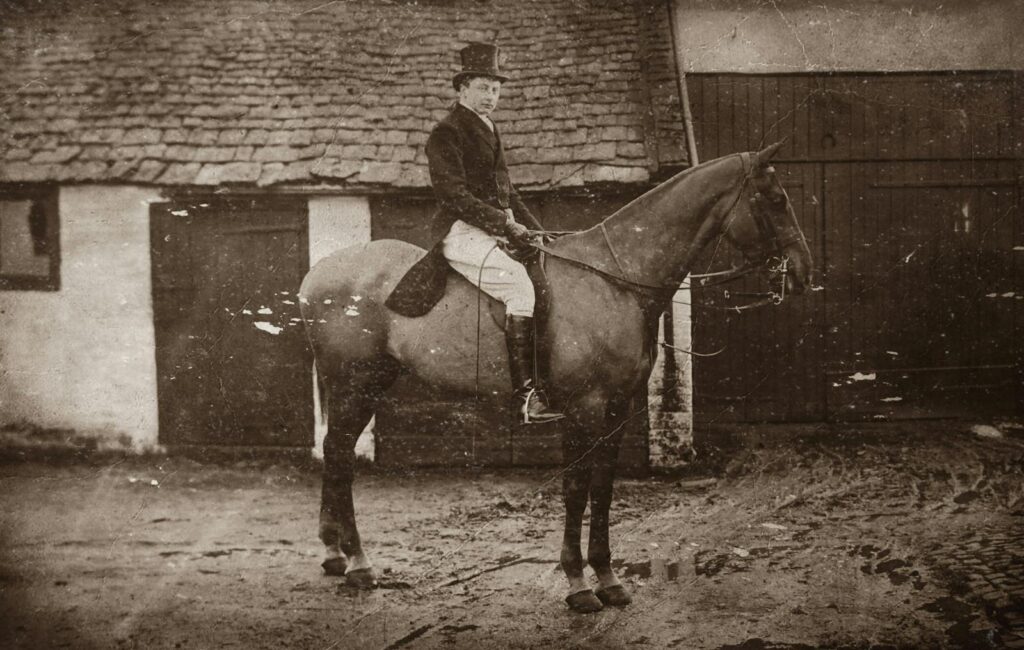
Jumping techniques in horseback riding have undergone remarkable transformations since the formalization of show jumping as a competitive sport in the late 19th century. From the forward seat pioneered by Federico Caprilli to the balanced seat advocated by modern trainers, each era has contributed valuable insights to the art of clearing obstacles. Traditional methods emphasized rider position, timing, and the development of an independent seat that allowed the horse freedom over fences. These foundational principles remained relatively consistent for decades, with refinements rather than radical changes defining progress in the discipline. The historical progression reveals how jumping technique has always been a delicate balance between control and allowing the horse’s natural athletic ability to shine through, a philosophy that continues to influence even the most cutting-edge approaches today.
Biomechanics-Based Approach to Jumping
Scientific understanding of equine and human biomechanics is revolutionizing jumping technique in unprecedented ways. Researchers are now able to analyze precise joint angles, weight distribution, and muscle activation patterns to determine optimal positions for both horse and rider during different phases of the jump. This data-driven approach has challenged some long-held assumptions about correct form, revealing that slight variations in technique may better accommodate different horse conformations and jumping styles. Advanced motion capture technology allows trainers to identify inefficiencies in real-time, helping riders make micro-adjustments that significantly impact performance and reduce injury risk. The biomechanics revolution extends beyond the moment of jumping itself to include approach strategies, landing mechanics, and recovery patterns that maximize athletic potential while minimizing physical stress.
The Rise of Minimalist Interference Techniques

A growing philosophy in advanced jumping instruction centers around minimalist rider interference, allowing horses greater autonomy over fences. This approach, sometimes called “invisible riding,” emphasizes creating perfect balance and alignment before the jump, then remaining neutrally supportive through the arc of the obstacle. Elite riders demonstrate how subtle weight shifts and minimal rein contact can replace more traditional, directive aids, resulting in more confident, athletic jumping from their mounts. Training for this technique involves extensive flatwork focused on developing the horse’s natural balance and self-carriage, ultimately creating jumpers who think for themselves rather than depending on constant rider input. Research suggests horses jumped in this manner show reduced stress markers and better performance over technical courses, potentially signaling a major shift away from more controlling traditional methods.
Technology’s Role in Perfecting Jumping Form
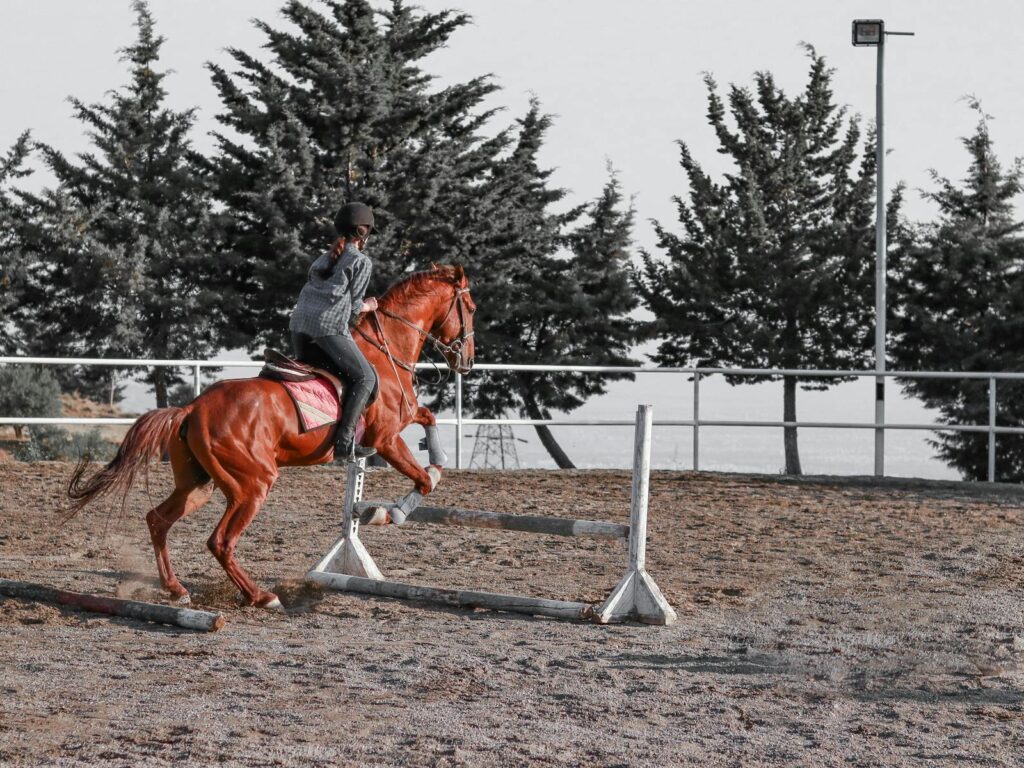
Technological innovations are transforming how riders analyze and improve their jumping technique in ways previously unimaginable. Wearable sensors can now track rider position down to the millimeter, providing instant feedback about leg position, upper body alignment, and hand stability throughout the jumping phase. Virtual reality simulators allow riders to practice timing and position without physical fatigue to horse or rider, creating thousands of repetitions that build muscle memory more efficiently than traditional training alone. Some cutting-edge training facilities utilize pressure-mapping saddle pads that reveal exactly how rider weight distribution affects the horse’s movement and jumping ability. These technological advances are particularly revolutionary for developing riders, as they provide objective measurements rather than relying solely on trainer observation, potentially accelerating the learning curve for mastering advanced jumping techniques.
Psychological Preparation: The Mental Game of Jumping

The future of jumping technique increasingly acknowledges the crucial role of psychological preparation in achieving optimal performance. Sports psychologists specializing in equestrian disciplines now work alongside technical coaches to develop riders’ mental skills specifically tailored to jumping challenges. Techniques such as visualization, controlled breathing exercises, and situation-specific mindfulness practices are being integrated into training programs at all levels. Research demonstrates that riders trained in these psychological techniques show measurably improved focus, reduced anxiety responses, and better decision-making when navigating complex jumping courses. The psychological dimension extends to understanding horse cognition as well, with trainers developing approaches that consider how horses perceive obstacles and process rider cues, creating more harmonious partnerships that produce consistent jumping results even under high-pressure competition scenarios.
Cross-Discipline Influence on Jumping Techniques
The future of jumping technique is increasingly shaped by cross-disciplinary influences that bring fresh perspectives to traditional approaches. Elements from dressage, such as collection techniques and lateral work, are being specifically adapted to enhance jumping performance by improving adjustability and balance during approach and landing phases. Natural horsemanship principles have influenced the development of liberty jumping exercises that help horses understand jumping concepts without rider weight, potentially creating more confident, willing jumpers. Even disciplines like gymnastics and ballet are contributing insights about core strength, proprioception, and balanced movement that translate remarkably well to equestrian jumping. This cross-pollination of ideas represents a significant departure from the historically isolated development of jumping technique, creating a richer, more nuanced approach that draws from diverse expertise to solve common jumping challenges.
Customization Based on Horse Type and Conformation

The future of jumping technique rejects one-size-fits-all approaches in favor of highly customized methods based on equine biomechanics and individual horse characteristics. Advanced trainers now analyze factors such as back length, hock angle, and natural balance tendencies to develop jumping techniques specifically optimized for each horse’s physical structure. This customization extends to jump approach strategies, with trainers adjusting stride length requirements, takeoff distances, and even jump design to complement different horses’ natural movement patterns. Technology plays a crucial role in this personalization, with high-speed cameras and gait analysis software providing objective measurements of each horse’s jumping mechanics. Research indicates that horses trained with conformation-appropriate techniques show significantly reduced injury rates and extended competitive careers, suggesting that this customized approach represents not just performance enhancement but also an important welfare advancement.
Innovative Equipment Influencing Technique Development
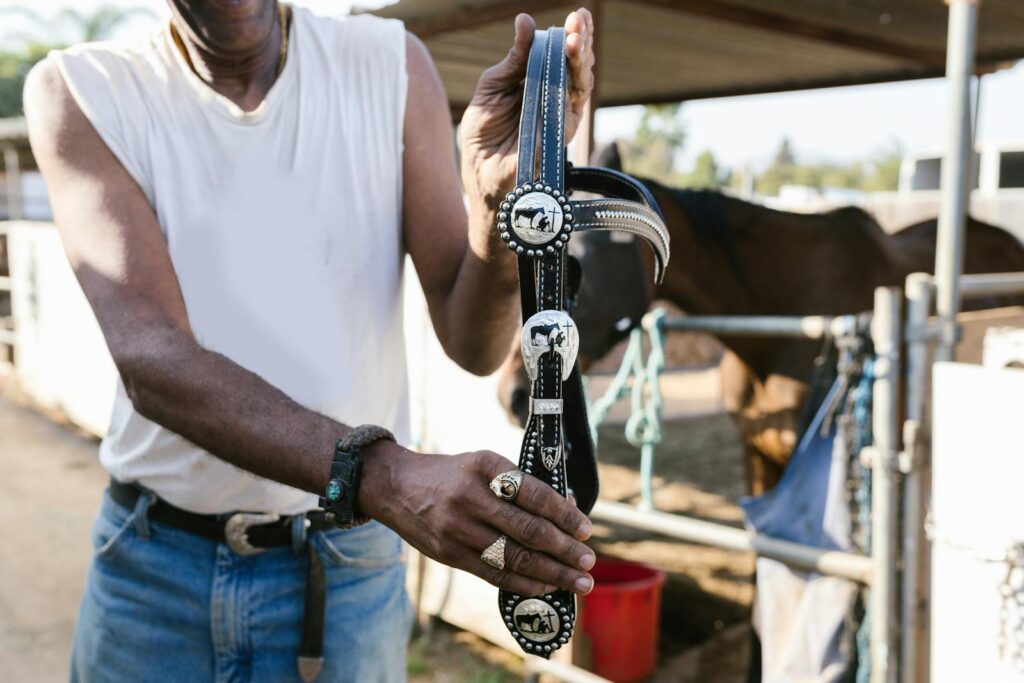
Equipment innovations are significantly shaping the evolution of jumping techniques, with new designs enabling approaches that were previously impossible. Cutting-edge saddle designs featuring adjustable panels and flexible trees allow riders to maintain more stable positions without restricting horse movement during takeoff and landing phases. Advanced bit technology and bitless bridle designs provide more precise communication with minimal mouth pressure, facilitating the development of jumping techniques that rely less on rein contact for control. Even seemingly minor innovations like specialized stirrup designs that promote proper foot position and shock-absorbing properties are enabling riders to maintain more consistent technique through challenging jumping sequences. These equipment advances represent a fascinating intersection of materials science and equestrian technique, with each innovation opening new possibilities for how riders approach the fundamental challenges of jumping.
The Impact of Video Analysis on Technique Refinement

Sophisticated video analysis has become an indispensable tool in the development of advanced jumping techniques, revolutionizing how riders understand and improve their performance. High-definition, multi-angle recording systems now capture every nuance of horse and rider movement at frames per second rates that allow for examination of the smallest technical details previously invisible to the naked eye. Specialized software can overlay ideal position templates or compare sequential jumps side-by-side to identify inconsistencies in technique that would otherwise go unnoticed. Remote coaching has become increasingly viable, with elite trainers able to provide detailed technical feedback to riders anywhere in the world based on submitted video footage analyzed through dedicated platforms. This technology democratizes access to expertise, potentially accelerating the global evolution of jumping technique by making advanced analytical tools available to riders at all levels and in all geographic regions.
Sustainable Training Methods for Long-Term Development

The future of jumping technique places increasing emphasis on sustainable training approaches that prioritize horse longevity and wellbeing alongside competitive success. Progressive training methodologies now incorporate carefully calibrated rest periods and varied exercise types to prevent the physical and mental fatigue associated with traditional repetitive jumping drills. Low-impact alternatives such as cavaletti work, gymnastic groundlines, and simulated jumping exercises allow for technique development without the concussive stress of frequent jumping. Modern training programs increasingly monitor biomarkers of stress and physical strain, adjusting training intensity based on objective measurements rather than predetermined schedules. This sustainable approach represents a significant philosophical shift, acknowledging that the development of advanced jumping technique must occur within a framework that preserves the horse’s physical soundness and mental engagement throughout a longer competitive career.
The Influence of International Competition on Technique Trends

Global competition continues to be a powerful catalyst for evolution in jumping techniques, with international success often validating innovative approaches. The technical demands of Olympic and World Championship courses have steadily increased in complexity, requiring adaptive techniques that allow for greater precision and versatility over challenging combinations. Cultural differences in training philosophy become apparent at the highest levels, with distinctive national “styles” cross-pollinating as riders observe and adopt elements that prove successful in competition. Course designers play a significant role in this evolution, creating tests that sometimes require specific technical approaches, effectively steering the development of jumping technique in response to competitive challenges. The shortened format of modern international competition has also influenced technique development, with emphasis shifting toward approaches that conserve horse energy while maintaining competitive speed, a balance that continues to inspire technical innovation.
Future Predictions: Where Jumping Technique Is Headed

Looking forward, jumping technique appears poised for further transformation driven by several convergent factors. Artificial intelligence analysis of thousands of successful jumping rounds may soon generate predictive models for optimal technique in specific scenarios, creating a more scientific foundation for training decisions. Genetic insights into equine athletic potential may allow for earlier specialization and more targeted technique development suited to individual horses’ inherent strengths. Environmental considerations will likely influence jumping technique as well, with indoor competition on synthetic surfaces potentially requiring adaptations different from traditional outdoor formats. Perhaps most significantly, the growing emphasis on transparent horse welfare may accelerate the adoption of techniques that demonstrably reduce physical stress and extend competitive longevity, potentially rendering certain traditional approaches obsolet
CONCLUSION

The future of jumping technique in riding represents an exciting fusion of time-honored horsemanship principles with cutting-edge science and technology. The most promising developments maintain respect for the horse’s natural abilities while leveraging human innovation to enhance communication, efficiency, and welfare. As equestrians navigate this evolving landscape, the techniques that gain widespread adoption will likely be those that successfully balance competitive advantage with sustainable training practices. What remains consistent across these innovations is the fundamental partnership between horse and rider – a relationship that, despite all technological advancements, remains the true heart of successful jumping. The future may bring remarkable new approaches, but the essence of this magnificent sport continues to be the harmonious collaboration between two athletes working as one.