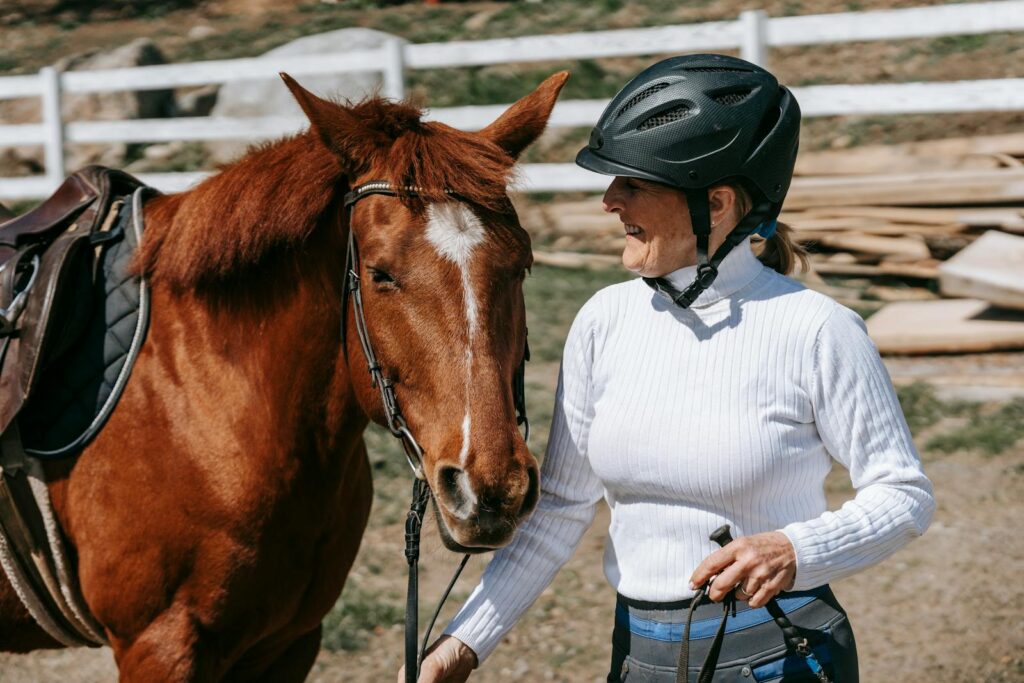
Groundwork forms the foundation of a harmonious relationship between horse and handler. Before ever sitting in the saddle, establishing clear communication and respect through ground-based exercises sets the stage for successful riding experiences. These fundamentals not only create safety for both horse and human but also build the horse’s confidence, responsiveness, and trust. For newcomers to the equine world, understanding proper groundwork techniques is essential—these skills will inform every aspect of your horsemanship journey. This guide will walk you through the essential principles, exercises, and progression of groundwork, helping you develop a stronger connection with your equine partner from the ground up.
Understanding the Purpose of Groundwork
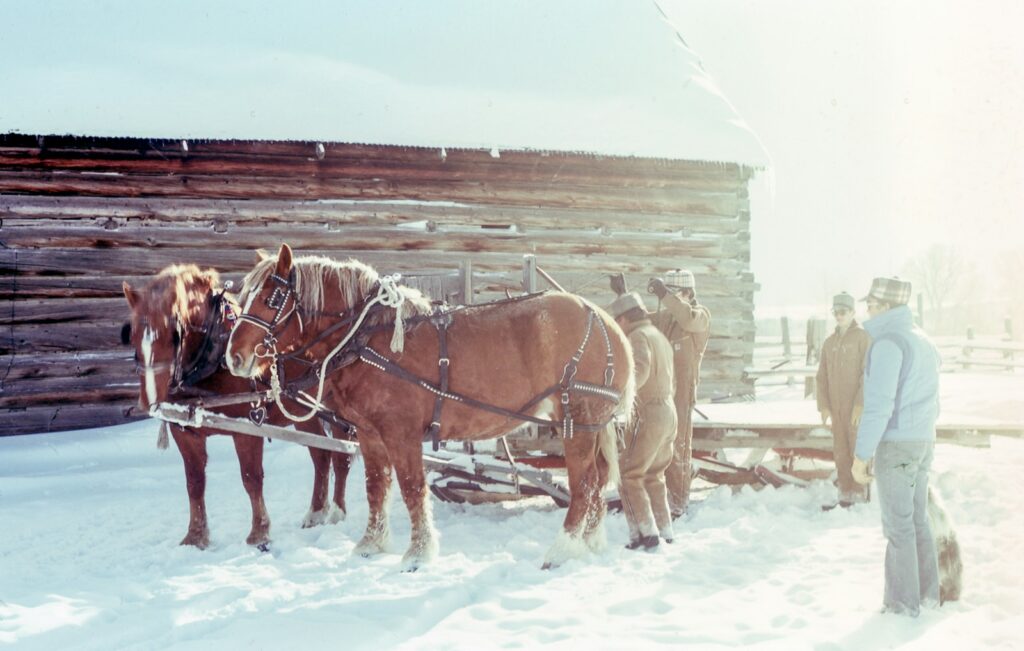
Groundwork serves as the critical foundation for all horse training, creating the framework for communication between handler and horse without the complications of riding. Through groundwork, horses learn to respect personal space, respond to human cues, and develop the mental focus needed for more advanced training. This ground-based work also provides handlers the opportunity to observe their horse’s behavior patterns, physical capabilities, and emotional responses in a controlled environment. Perhaps most importantly, groundwork establishes you as the leader in the relationship—not through dominance or force, but through clear, consistent communication and boundary setting that the horse can understand and trust.
Essential Equipment for Groundwork
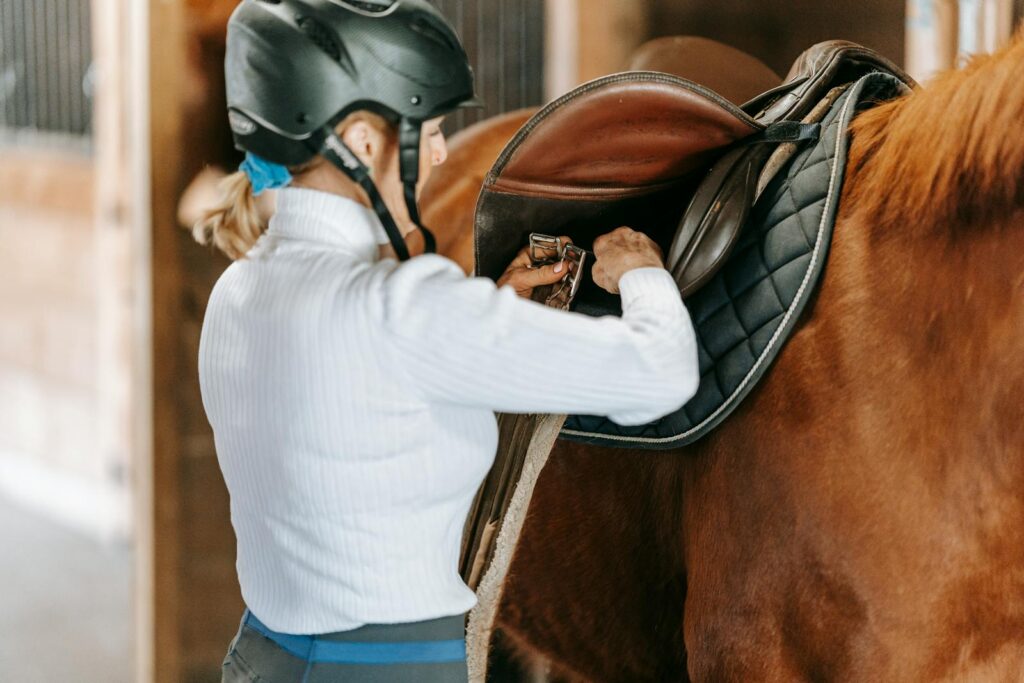
Before beginning groundwork sessions, assemble the proper tools to ensure safety and effectiveness. At minimum, you’ll need a well-fitted halter, a lead rope of adequate length (typically 8-10 feet), and sturdy gloves to protect your hands. Consider investing in a training stick or lunge whip, which serves as an extension of your arm for directing movement and providing clearer signals to your horse. Proper footwear with closed toes and minimal tread that won’t catch in uneven ground is non-negotiable for your safety. For more advanced groundwork, you might eventually incorporate items such as flag training tools, ground poles, or even tarps for desensitization work—but begin with the basics until both you and your horse develop confidence.
Creating the Right Environment
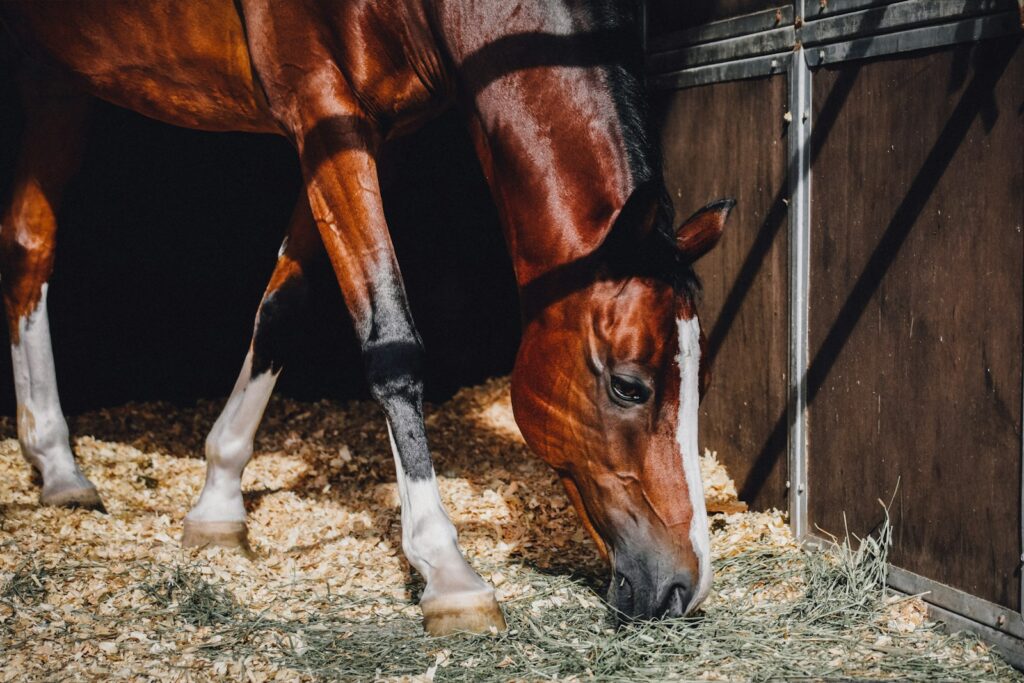
The setting for your groundwork sessions significantly impacts both safety and learning outcomes. Ideally, begin in an enclosed space like a round pen or small paddock with good footing that offers secure boundaries without distractions. Ensure the area is free of hazards such as protruding objects, holes, or slippery surfaces that could cause injury during movement exercises. Consider the time of day as well—horses often focus better during cooler hours when they’re not battling heat, insects, or hunger. Initially, work in an environment where your horse feels comfortable rather than introducing both new exercises and a new location simultaneously. As your horse progresses, gradually introduce new environments to help generalize the learned behaviors across different settings.
Reading Your Horse’s Body Language
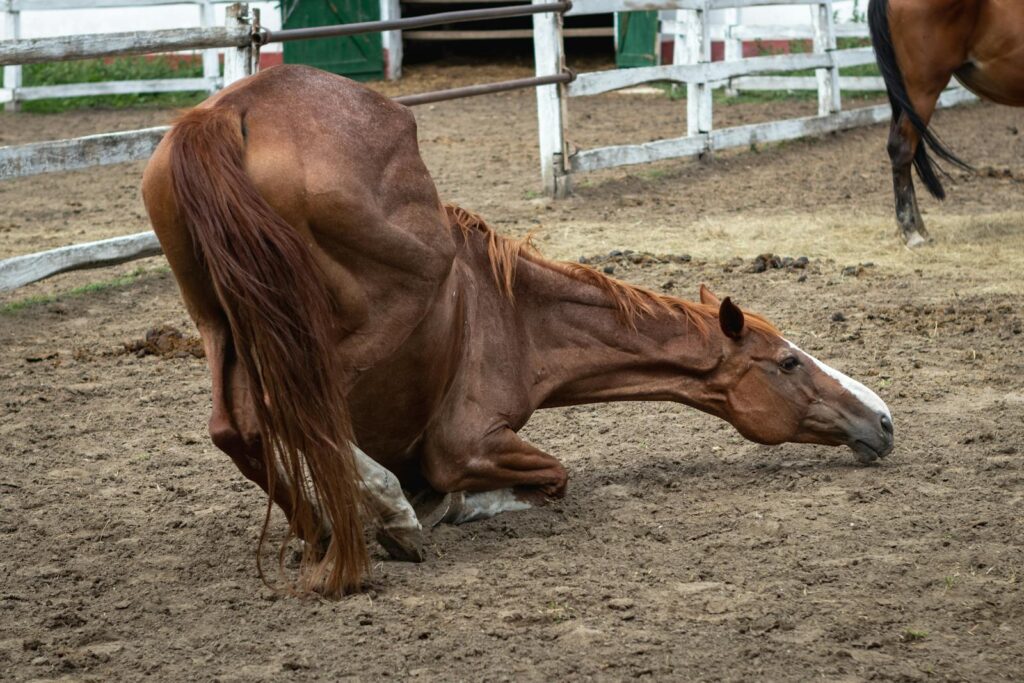
Developing sensitivity to equine communication is fundamental to effective groundwork and overall horsemanship. Horses communicate primarily through body language, expressing their emotions and intentions through ear position, eye expression, tail movement, and overall body tension. Forward ears generally indicate interest and engagement, while pinned ears signal irritation or discomfort that requires immediate attention. Similarly, a swishing tail might indicate fly irritation or growing frustration with your requests. Watch for subtle weight shifts, as horses will often lean away from pressure or anticipated discomfort before more obvious resistance appears. Becoming fluent in these physical communications allows you to adjust your approach before minor issues escalate, creating a more responsive training partnership based on mutual understanding.
Establishing Personal Space
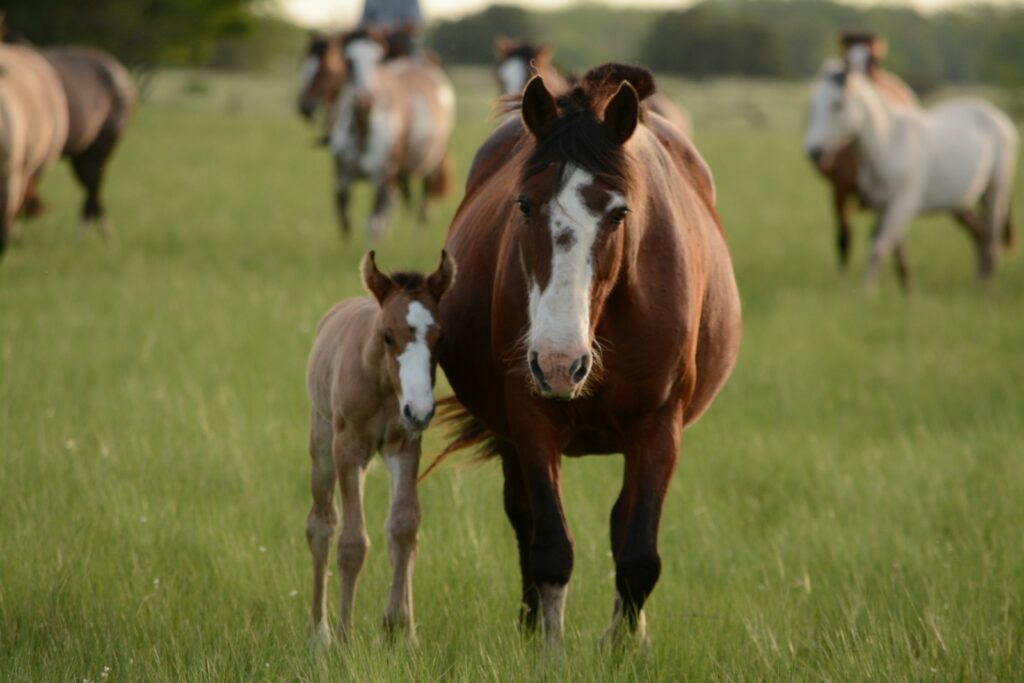
One of the first and most critical groundwork lessons involves teaching your horse to respect your personal space and boundaries. Horses naturally establish hierarchies through control of movement and space, making this lesson particularly meaningful in their understanding of leadership. Begin by defining a bubble of approximately 3-4 feet around you that your horse should not enter without invitation. When your horse invades this space, use deliberate body language, energy increase, and if necessary, a gentle but firm physical cue to ask them to step back. Consistency is absolutely essential—allowing breaches of this boundary in some instances but not others creates confusion and potentially dangerous habits. Remember to reward your horse with relaxation of pressure, verbal praise, and sometimes gentle touches when they correctly honor your space, reinforcing this foundational respect.
Leading with Confidence and Purpose
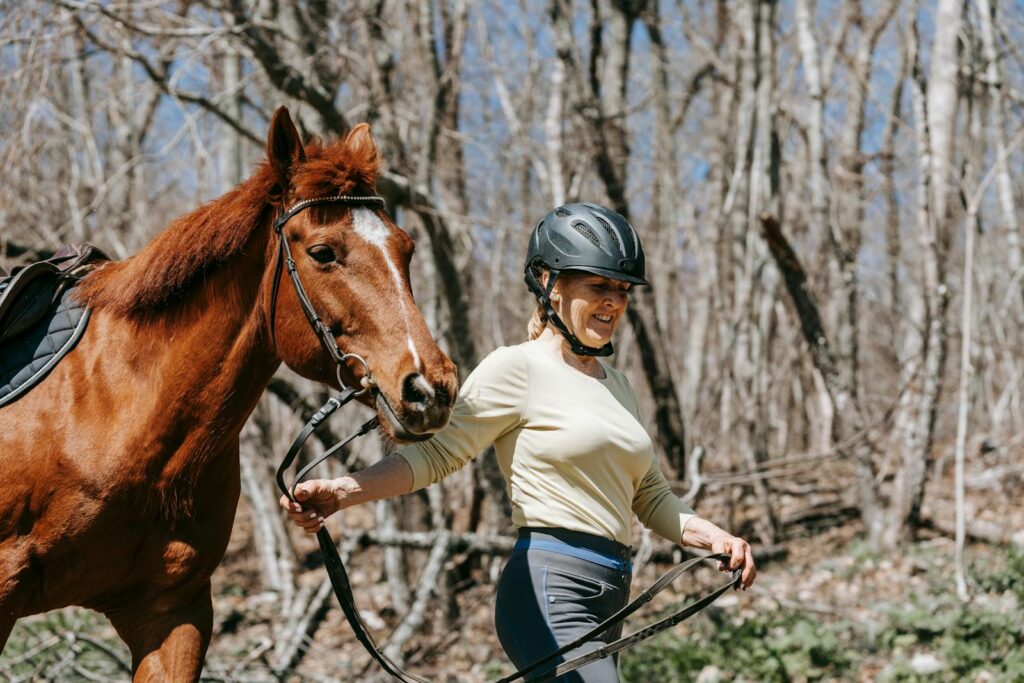
Leading might seem simple, but proper leading technique establishes critical patterns of responsiveness and attention that influence all other aspects of the horse-human relationship. When leading, position yourself beside your horse’s shoulder—not ahead (which encourages pulling) or behind (which creates vulnerability to kicks). Maintain a loose but ready lead rope that allows freedom but can quickly communicate if needed. Your horse should match your pace, stopping when you stop and moving when you move without leaning on the rope or rushing ahead. Practice frequent transitions between walking, stopping, and backing up, focusing on your horse’s prompt response to subtle cues rather than relying on rope pressure. Your body language should precede rope cues—look where you’re going, initiate movement with your energy first, and use the lead rope as refinement rather than the primary communication tool.
Mastering the Basics of Lunging
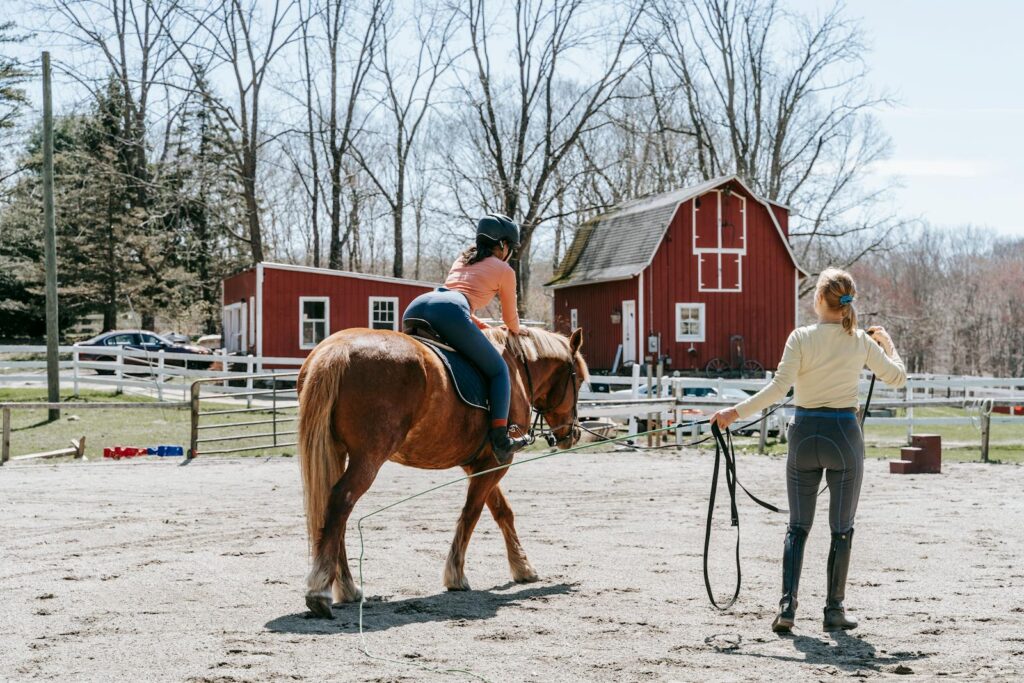
Lunging provides valuable exercise and training opportunities when done correctly, though it’s frequently misunderstood as simply running a horse in circles. Proper lunging begins with teaching your horse to move away from gentle pressure while maintaining respectful attention toward you as the center point. Start with a circle approximately 15-20 meters in diameter, using clear body positioning with your shoulders parallel to your horse’s shoulders to send them forward. Your inside hand manages the lunge line while your outside hand and a lunge whip provide directional guidance, not punishment. Focus on transitions between gaits and maintaining a consistent rhythm rather than speed or duration. Watch for signs of balanced movement, appropriate bend toward the circle’s center, and mental engagement rather than mechanical circling—a properly lunged horse should demonstrate attentiveness to your body position and vocal cues even while moving on the circle.
Desensitization Techniques
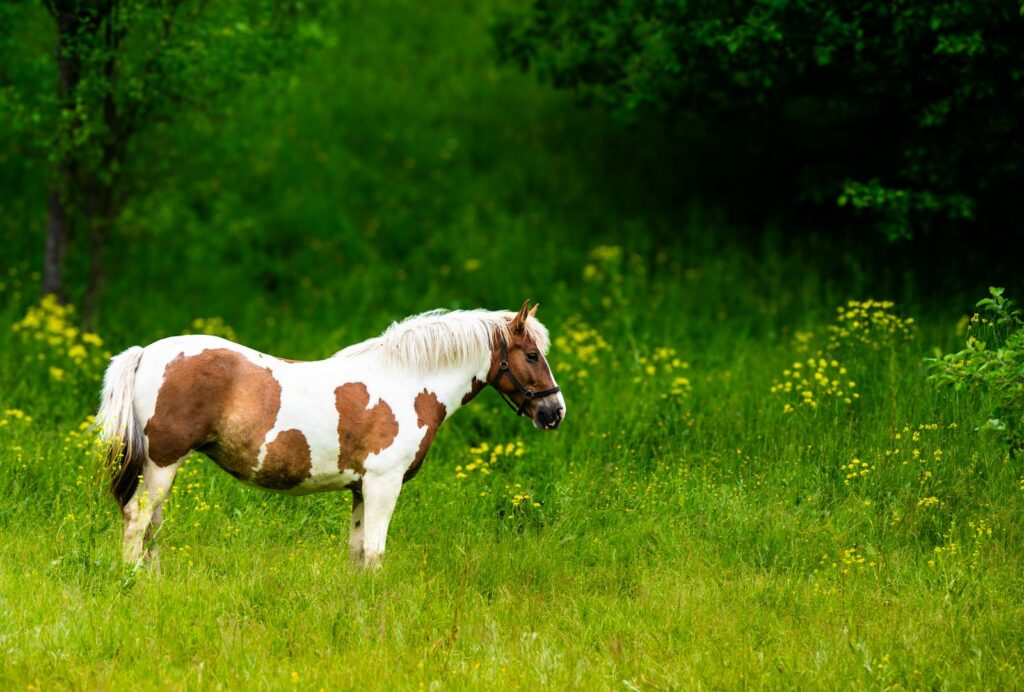
Systematic desensitization helps your horse develop confidence when encountering new objects, sounds, or situations—a crucial skill for a reliable equine partner. Begin with introducing minimally threatening items like soft brushes or folded blankets, allowing your horse to investigate in their own time before gently touching their least sensitive areas like the shoulder or neck. The core principle involves presenting the stimulus, allowing investigation, and removing it before your horse shows significant stress, gradually increasing exposure as comfort grows. Apply the approach-retreat method by bringing the scary object closer until you notice tension, then removing it as a reward when your horse shows even slight relaxation. Consistent desensitization sessions built into regular groundwork develop a horse that thinks through challenges rather than reacting with flight responses, ultimately creating greater safety and partnership in all environments.
Teaching Yielding to Pressure
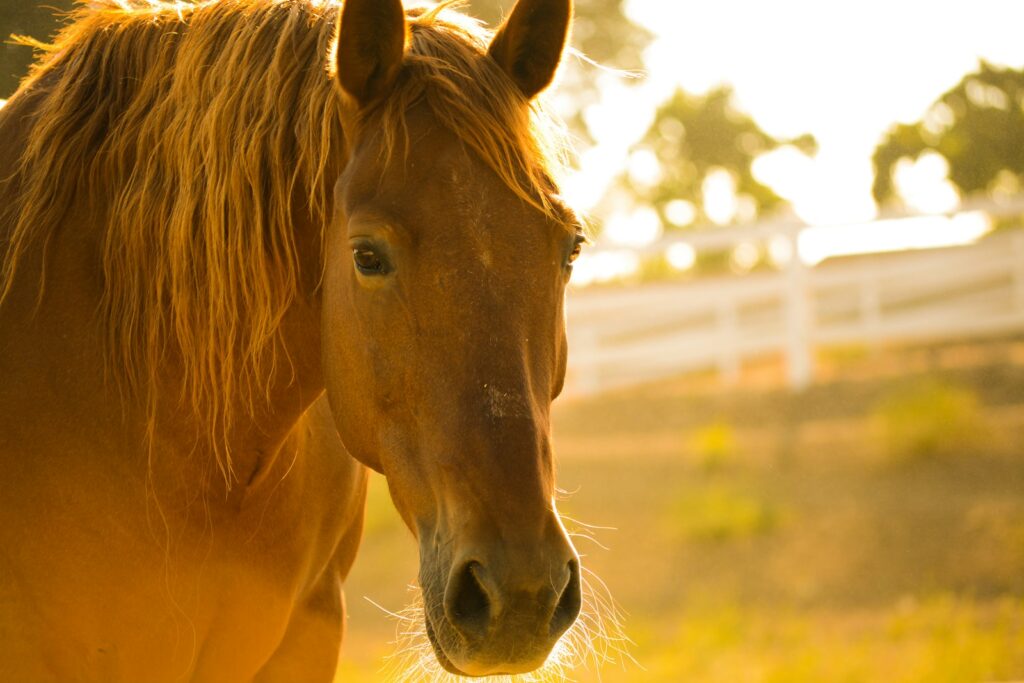
Yielding to pressure forms the foundation of virtually all horse training, translating directly to riding aids and handling safety. This concept teaches horses to move away from applied pressure rather than pushing against it, whether that pressure comes from a lead rope, your hand, or eventually leg aids when riding. Start with teaching your horse to yield the hindquarters by applying light pressure near the flank area and immediately releasing when they take even a small step away with their hind legs. Similarly, work on yielding the forehand by applying gentle pressure near the shoulder until your horse steps sideways with their front feet. The timing of release is crucial—the instant your horse makes the correct movement, all pressure must stop, reinforcing the desired response. Progress through these exercises by requesting more steps, quicker responses, and lighter pressure cues as your horse begins to understand the patterns of request and response.
Developing Balance and Coordination
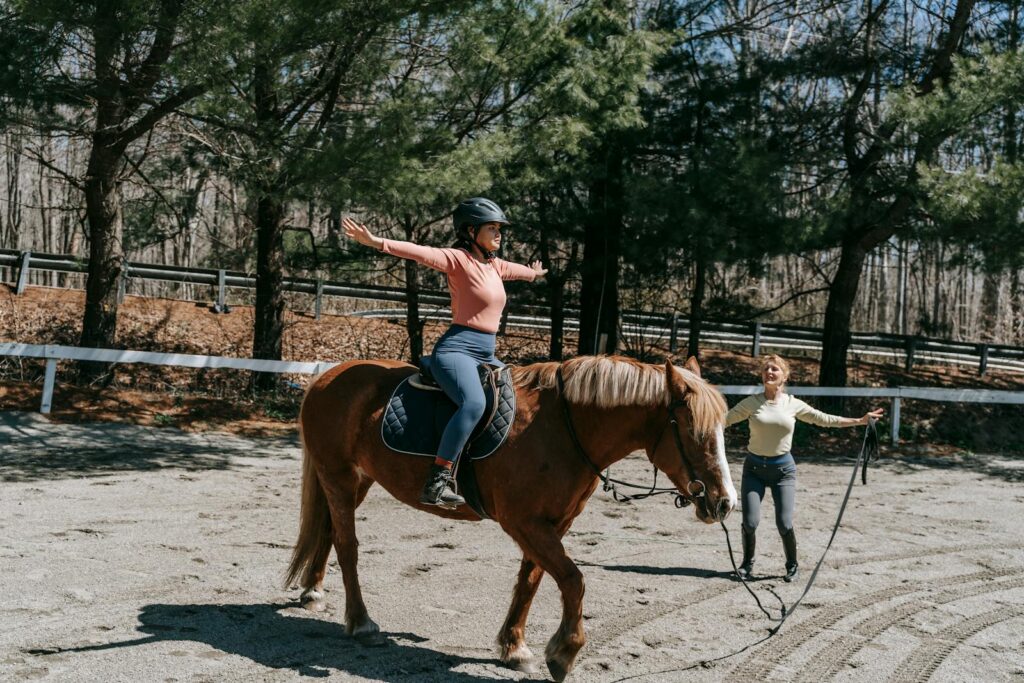
Groundwork offers excellent opportunities to develop your horse’s physical abilities without the added complexity of carrying a rider. Incorporate ground poles into your sessions, beginning with a single pole to step over and eventually creating patterns that require your horse to pay attention to foot placement. Walking over poles helps horses develop proprioception—awareness of where their feet are in space—while building core strength and improving coordination. Backing up through obstacles presents another valuable coordination challenge, as horses naturally struggle with precise backward movement. Simple pattern work, such as weaving between cones or navigating small obstacles while being led, enhances your horse’s flexibility, balance, and responsiveness to directional cues. These exercises not only develop physical capabilities but also encourage mental focus as your horse learns to navigate spatial challenges.
Building Duration and Focus
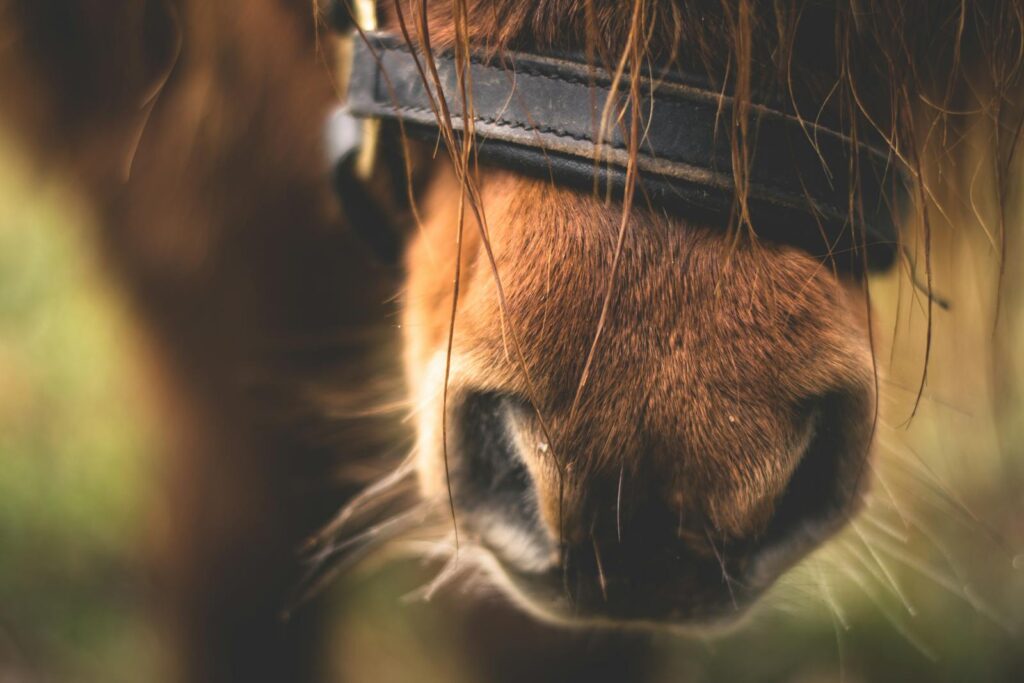
As your groundwork skills advance, systematically build your horse’s ability to maintain focus for longer periods and through increasing distractions. Begin with short, successful sessions of 15-20 minutes, focusing on quality rather than quantity of time spent. Gradually introduce mild distractions during familiar exercises, such as having a friend quietly walk around your work area while you practice established patterns. Incorporate frequent changes between exercises to develop your horse’s mental adaptability—perhaps alternating between yielding exercises and leading work within a single session. Watch for signs of mental fatigue such as increased fidgeting, diminished responsiveness, or frustration, and end sessions before these behaviors escalate. Remember that building a horse’s mental stamina requires the same progressive approach as building physical strength—consistent, incremental challenges with adequate recovery time.
Troubleshooting Common Challenges
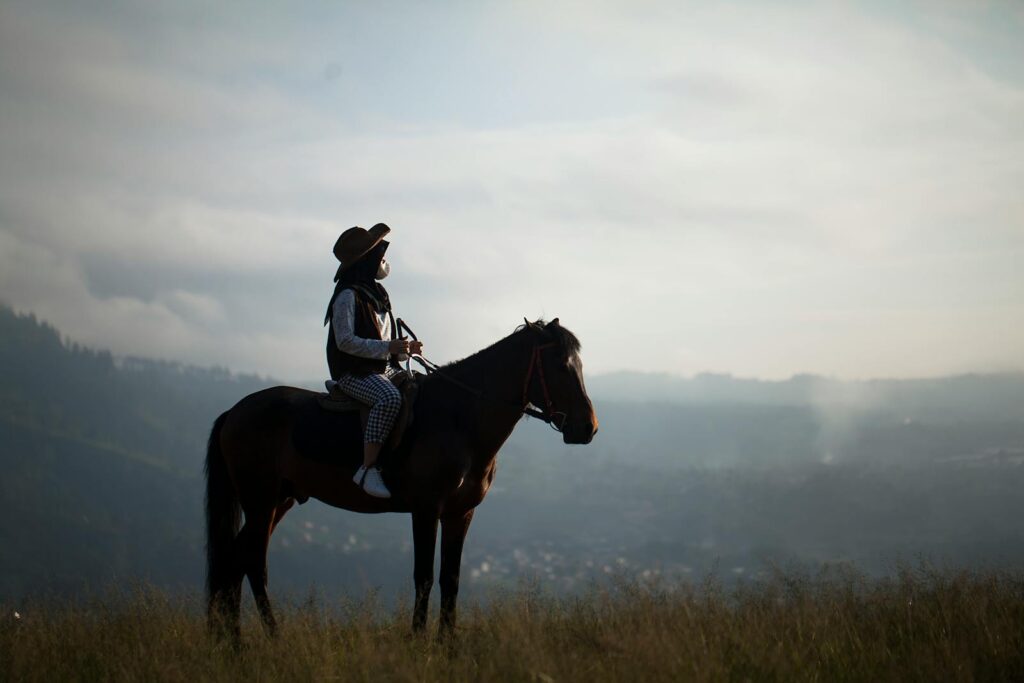
Even the most methodical groundwork progressions encounter obstacles that require thoughtful problem-solving. For horses that crowd your space persistently, examine whether you’re inadvertently rewarding this behavior through treats, scratches, or attention at inappropriate times, and implement more consistent boundary reinforcement. If your horse becomes overly excited during lunging, reduce the circle size temporarily, incorporate frequent direction changes, and focus on downward transitions to re-establish mental connection. For horses resistant to yielding exercises, break the request into smaller components, using clearer positioning and ensuring you release pressure at the slightest try rather than waiting for the complete movement. When addressing fear-based responses, identify specific triggers and design targeted desensitization protocols rather than forcing your horse through frightening situations. Remember that behavioral challenges often reflect gaps in understanding rather than deliberate disobedience—your job is to clarify communication, not escalate pressure.
Transitioning from Groundwork to Riding
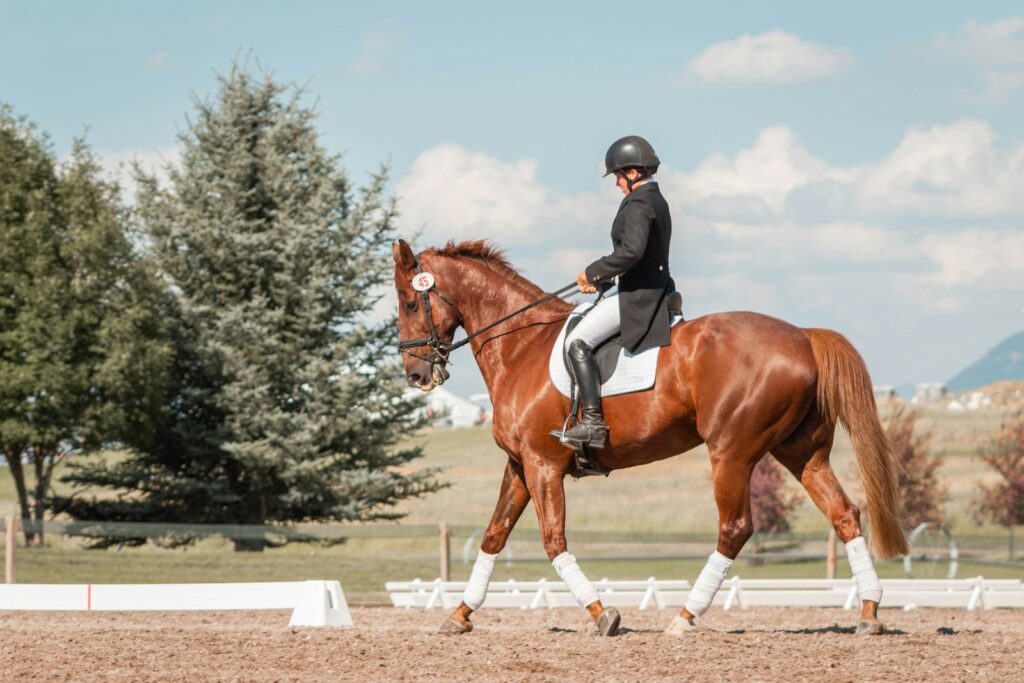
Effective groundwork creates a seamless pathway to successful riding experiences when the connections between ground-based and mounted cues are clearly established. Before mounting, ensure your horse responds reliably to voice commands for walk, trot, canter, whoa, and back while lunging or during liberty work. Practice ground-driving if possible, which introduces the concept of rein pressure from behind the horse before you’re in the vulnerable mounted position. When beginning mounted work, have an assistant initially lead your horse through the same exercises you’ve established from the ground, helping your horse understand that the same cues apply despite your new position. Maintain consistency in your expectations, asking for the same quality of response under saddle that you’ve established during groundwork sessions. This methodical transition honors the foundation you’ve built together and prevents confusion that can lead to resistance or unsafe situations when riding.
Maintaining Groundwork Throughout Your Horse’s Career
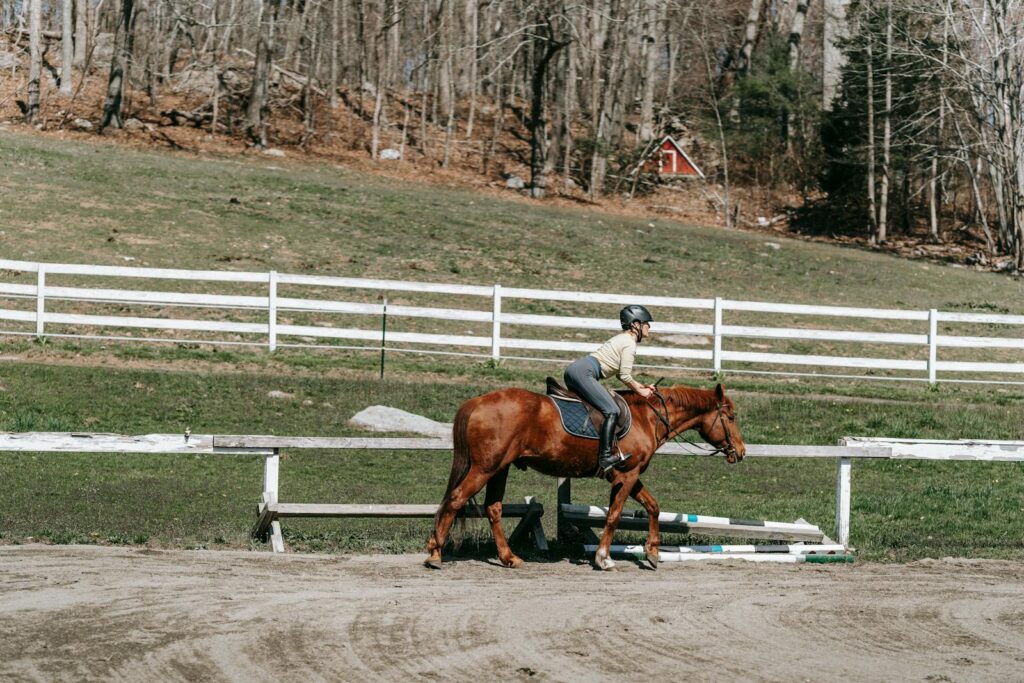
Even as your riding progresses to advanced levels, regular groundwork sessions remain valuable for maintaining and refining your horse’s responsiveness and your relationship. Top equestrians across disciplines incorporate groundwork into their training routines, recognizing its benefits for mental engagement, physical conditioning, and problem-solving specific issues. Schedule brief groundwork sessions before riding to establish focus and assess your horse’s physical and mental state that day. Use targeted groundwork to address specific challenges that appear under saddle—for instance, if shoulder yielding becomes sticky while riding, return to perfecting it from the ground where communication can be clearer. Consider groundwork as complementary rather than preliminary to riding, offering different perspectives on the same training concepts that enrich your horse’s understanding and your communication skills throughout your partnership.
conclusion
Groundwork represents far more than preliminary training—it establishes the communication system, boundaries, and mutual respect that define your entire relationship with your horse. By investing time in these foundational exercises, you create a language that translates to every interaction, whether on the ground or under saddle. Remember that progression should follow your horse’s understanding rather than a rigid timeline, with each step building naturally upon established skills. The patience and consistency you demonstrate during groundwork sessions speak volumes to your horse about your leadership and trustworthiness. As you develop these skills together, you’ll discover that the quality of your groundwork directly reflects in your horse’s confidence, responsiveness, and willingness in all aspects of your partnership.