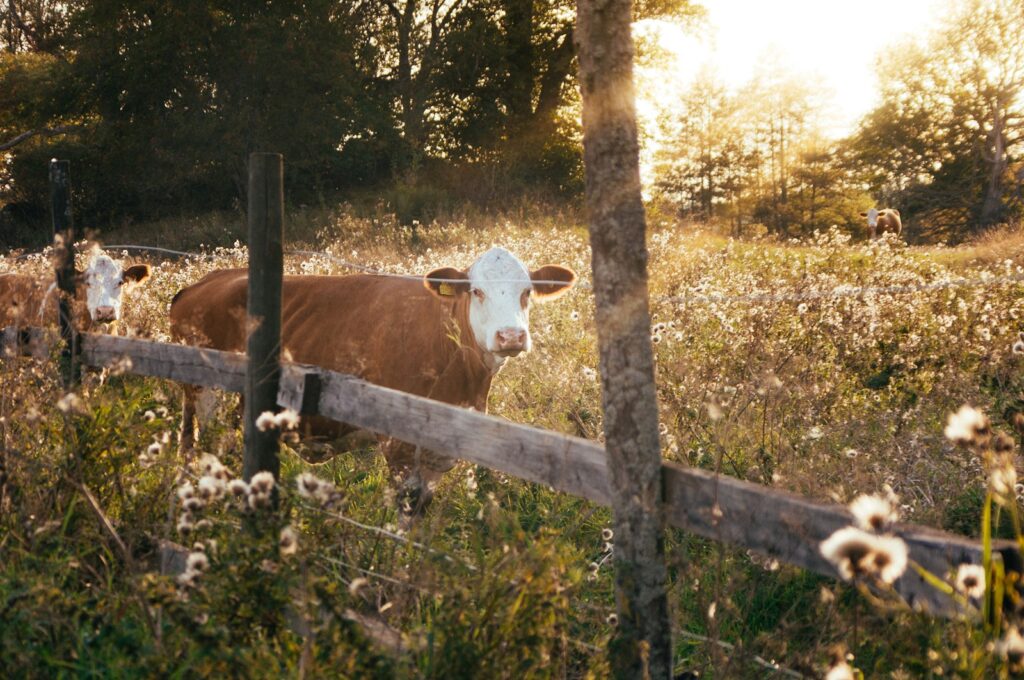
The legendary cattle drives of the American West have been immortalized in countless books, movies, and television shows, yet many fascinating aspects of these historical events remain unknown to the general public. Beyond the familiar image of dusty cowboys herding longhorns across vast plains lies a rich tapestry of surprising details, unexpected challenges, and forgotten cattle breeds that played crucial roles in American history. These massive movements of livestock shaped economies, created cultural phenomena, and established patterns of land use that continue to influence ranching today. The following revelations about cattle drives and obscure breeds will transform your understanding of this pivotal chapter in agricultural history and the development of the American frontier.
The Unexpected Origins of American Cattle Drives
While most people associate cattle drives with post-Civil War America, the practice actually began much earlier with Spanish colonists in Mexico. The first significant cattle drives occurred in the early 1700s when Spanish ranchers moved herds from missions in Texas to markets in Louisiana. These early drives established routes that would later become famous trails like the Chisholm and Western. Contrary to popular belief, many of the techniques used during the golden age of cattle drives (1866-1886) were adaptations of Mexican vaquero practices, not original American innovations. The Spanish influence extended to terminology as well, with words like “lasso,” “rodeo,” and “corral” all deriving from Spanish ranching vocabulary that became integrated into American cowboy culture.
Florida Cracker Cattle: The Forgotten First American Breed
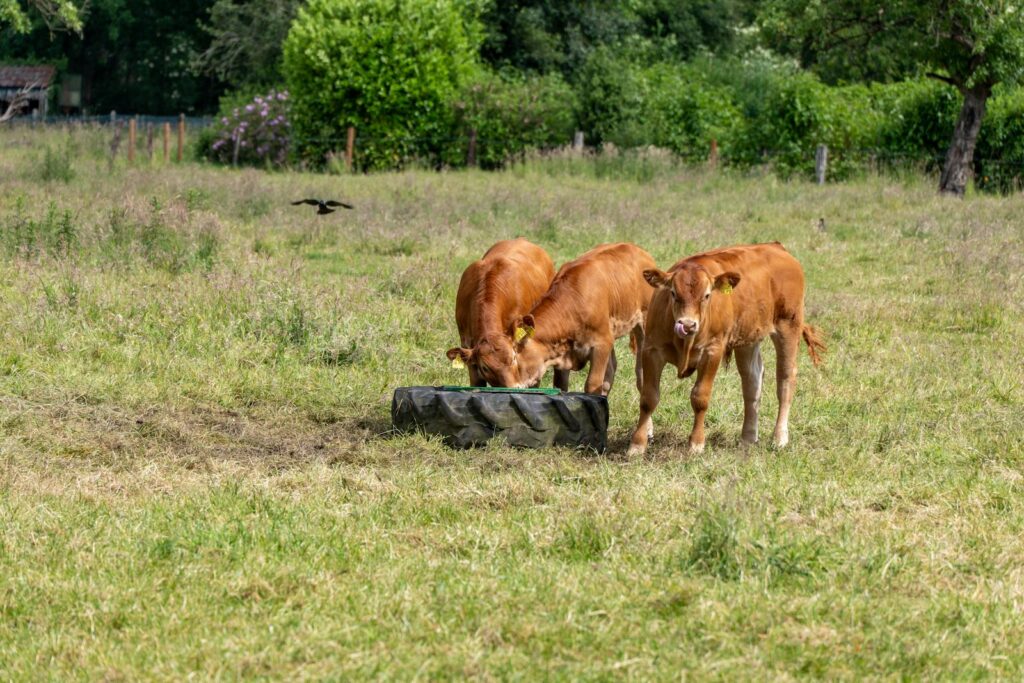
Long before Texas Longhorns became the iconic cattle of American drives, Florida Cracker cattle were thriving in the southeastern United States. Descended from Spanish cattle brought to Florida in the early 1500s by explorers like Ponce de León, these hardy animals developed through natural selection to withstand the harsh conditions of the Florida scrubland. Florida Crackers are distinguished by their smaller size, varied coloration, and impressive heat tolerance, making them perfectly adapted to the subtropical environment. The breed’s name comes from the Florida “cracker” cowboys who herded them using whips that made a distinctive cracking sound, a technique necessitated by the densely vegetated terrain that made traditional roping difficult. Though rarely included in the narrative of American cattle history, these animals participated in smaller regional drives and represent America’s first true cattle breed.
The Surprising Demographics of Cattle Drive Cowboys

The iconic American cowboy depicted in Hollywood films has been heavily whitewashed compared to historical reality. Approximately one-third of all cowboys participating in the major cattle drives were Black, many of them recently freed slaves who found opportunity in the post-Civil War cattle industry. Another quarter were Mexican vaqueros, who brought generations of cattle-handling expertise to the profession. Native Americans, particularly from the Cherokee, Choctaw, and Creek nations, also played significant roles in cattle drives, especially in Indian Territory (now Oklahoma). Additionally, contrary to the typical portrayal of cowboys as young men, many drovers were in their 40s and 50s, valued for their experience and judgment in handling the immense responsibility of moving valuable herds across dangerous territory. This diverse workforce created a unique melting pot of techniques, terminology, and traditions that defined cowboy culture.
Pineywoods Cattle: The Gulf Coast Survivors
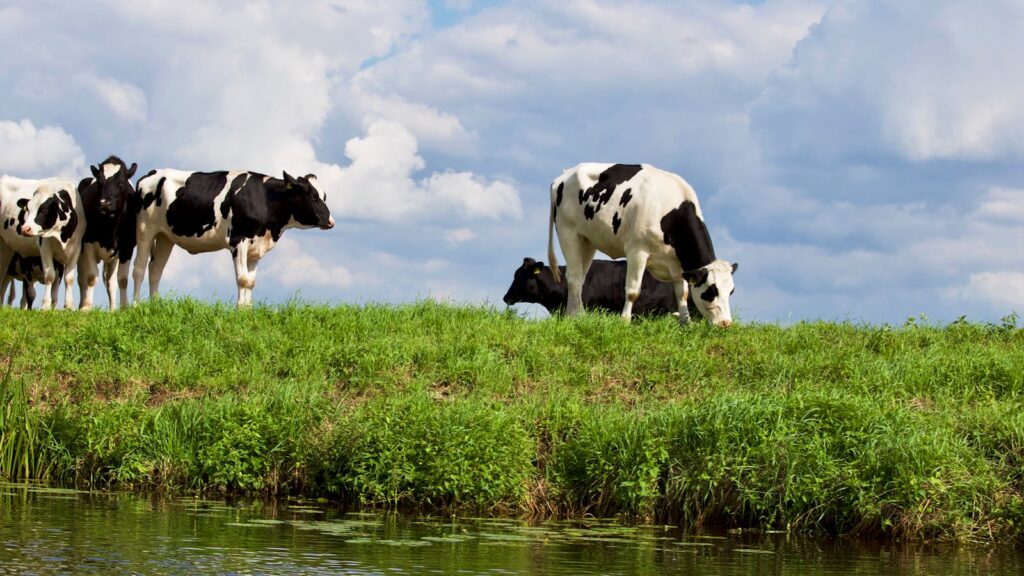
The Pineywoods breed represents one of America’s oldest and most endangered cattle varieties, yet its story remains largely untold. Descended from Spanish stock brought to the Gulf Coast region in the 1500s, these cattle adapted to the dense pine forests and humid conditions of states like Mississippi, Alabama, and Georgia. Pineywoods cattle developed remarkable disease resistance, particularly to parasites and blood-borne illnesses that devastated other breeds in the region. Their diverse coloration patterns include unusual spotted, speckled, and brindled varieties rarely seen in common commercial breeds. Though they participated in smaller regional drives to ports along the Gulf Coast rather than the famous western routes, Pineywoods cattle were economically significant in the development of the southeastern United States and provided crucial genetics for heat tolerance that would later be incorporated into other American breeds.
The Astronomical Scale of Historic Cattle Drives
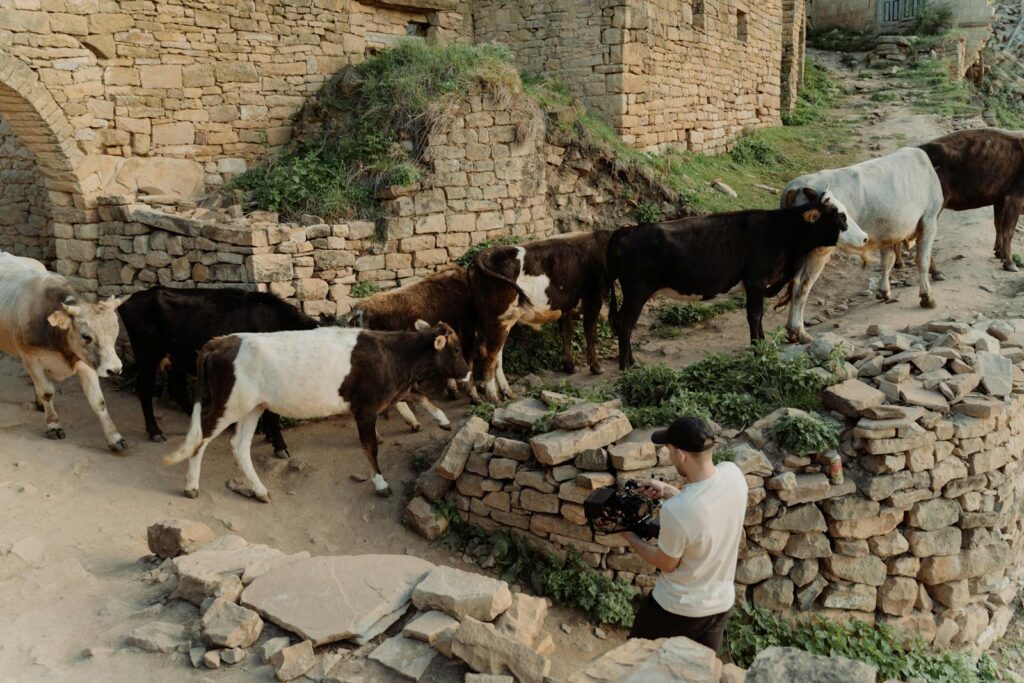
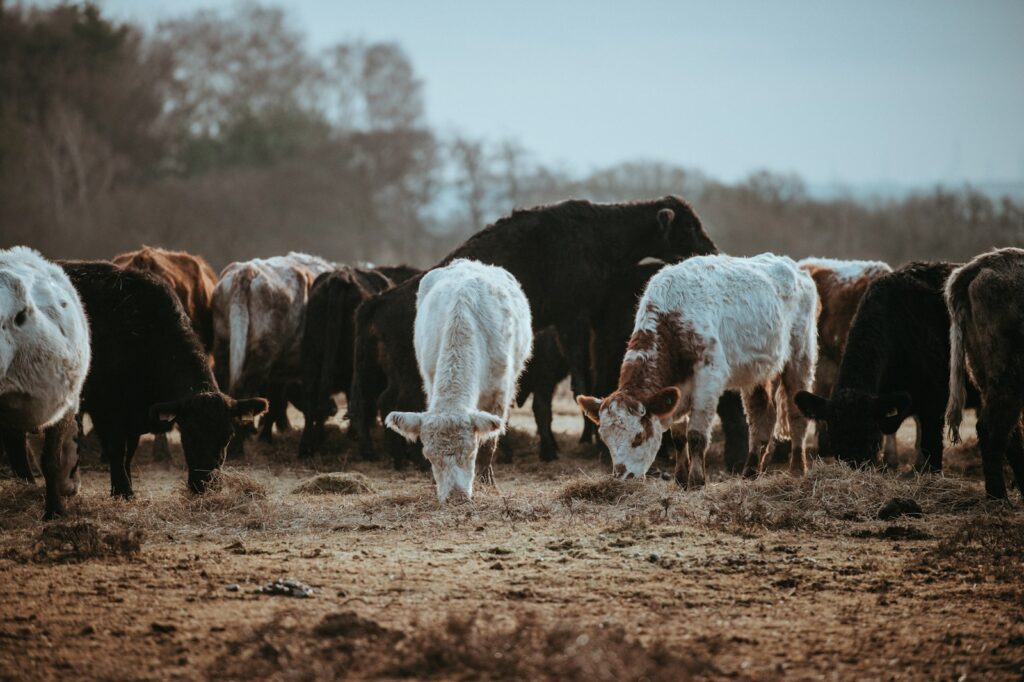
The sheer magnitude of the great cattle drives far exceeds what most people imagine, with some individual drives moving more than 15,000 head of cattle at once. During the peak years between 1866 and 1885, more than 10 million cattle were moved from Texas to railheads in Kansas, Missouri, and Wyoming, constituting the largest planned movement of livestock in human history. A typical drive covered 15-25 miles per day, with the entire journey from South Texas to railheads in Kansas taking approximately two months under good conditions. The economic impact was staggering, with Texas herds purchased for $5-10 per head selling for $30-40 at northern markets, creating numerous cattle fortunes and helping capitalize western development. This massive movement of animals reshaped the American landscape, establishing trail towns, spurring railroad development, and contributing to conflicts with farmers and Native American tribes over land use.
Randall Linebacks: The American Colonial Cattle
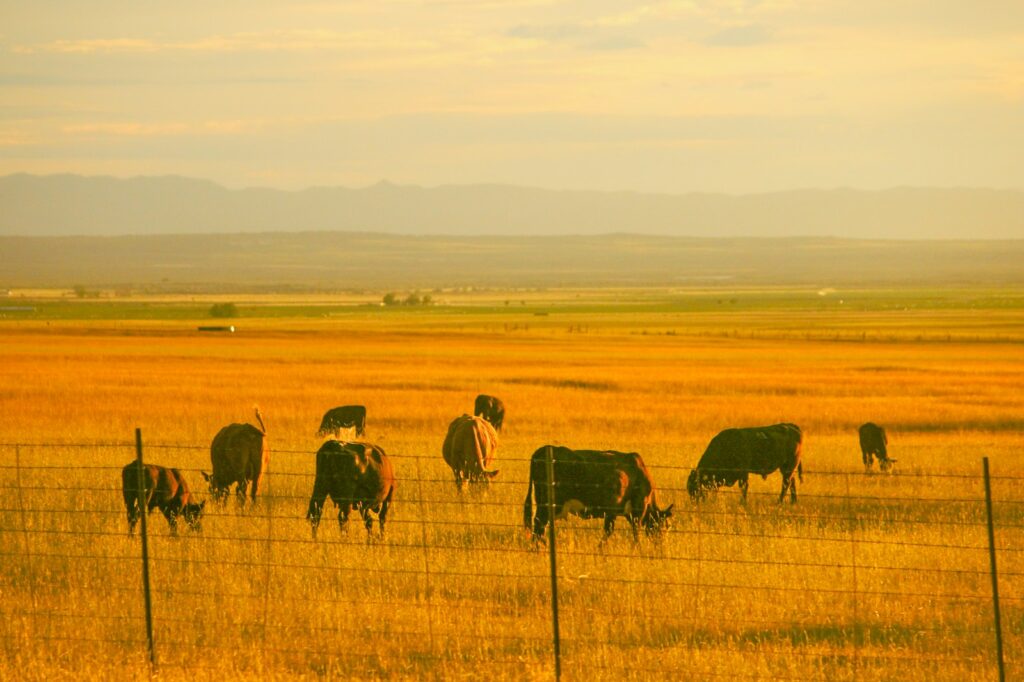
While Texas Longhorns get most of the attention, Randall Linebacks represent one of America’s oldest and rarest heritage breeds with a direct connection to colonial-era farming. These distinctive blue-black and white spotted cattle descend directly from the multipurpose animals brought by early European settlers to New England in the 1600s. The breed nearly went extinct in the mid-20th century, with the entire population reduced to a single Vermont farm owned by the Randall family who preserved them when all other farmers had switched to specialized modern breeds. Randall Linebacks served as the quintessential “triple-purpose” cattle, providing meat, milk, and draft power to early American farms, making them essential to colonial survival. Though not participants in western cattle drives, these rare animals represent an important parallel history of cattle in America, showcasing the diverse roles bovines played in different regions of the developing nation.
The Dangerous Water Crossings of Cattle Drives
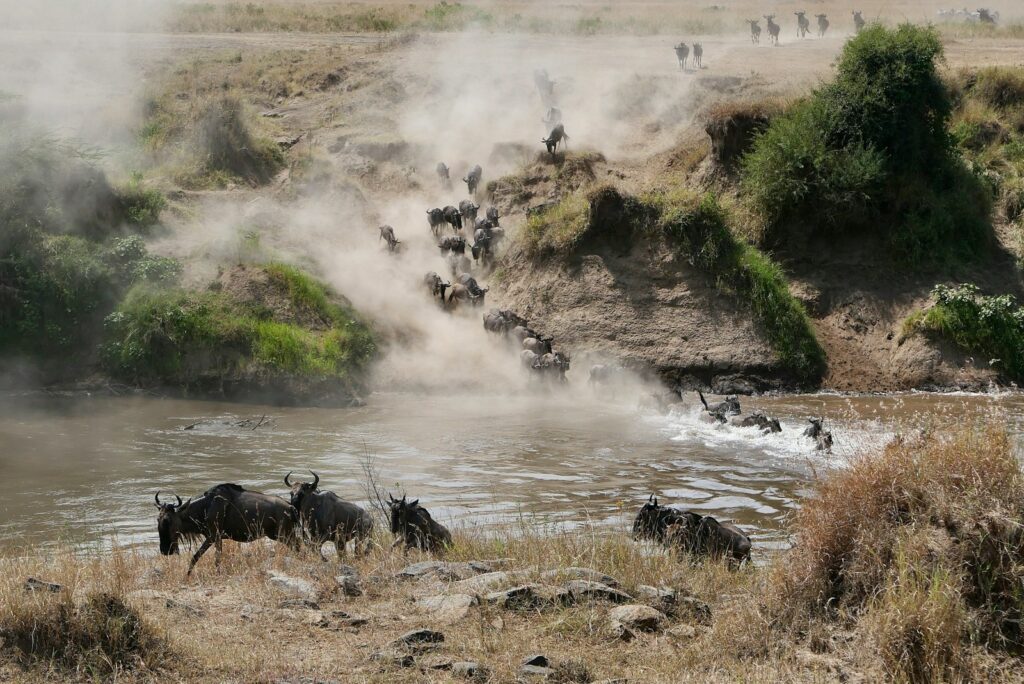
River crossings represented the most perilous segments of any cattle drive, with dramatically higher mortality rates than any other phase of the journey. Major rivers like the Brazos, Red, Canadian, Arkansas, and Platte could become deadly obstacles, particularly during spring when melting snow created raging currents capable of drowning hundreds of cattle in minutes. The psychological challenge was as significant as the physical one, as trail bosses had to convince the lead cattle to enter the water first, often using specific calm animals known as “lead steers” trained for this purpose. Stampedes frequently occurred at river crossings when cattle panicked in the water, creating chaotic scenes where both livestock and cowboys could be trampled or drowned. Experienced trail bosses developed innovative techniques like crossing at dawn when cattle were more docile, creating floating bridges of brush to disguise the water’s surface, or even floating a cowhide “lead steer” on a raft to trick reluctant herds into following.
Texas Longhorn: A Breed Nearly Lost to History
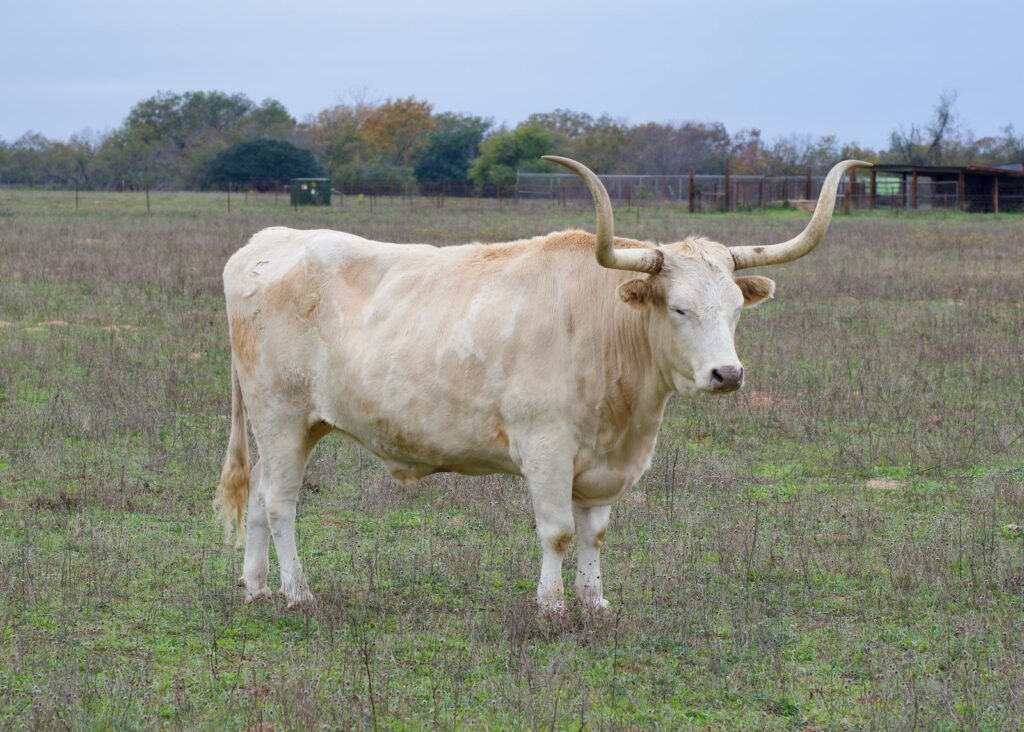
Despite being the quintessential cattle drive animal, the Texas Longhorn breed came remarkably close to extinction in the early 20th century. After dominating the cattle industry for decades, Longhorns fell rapidly out of favor as British breeds like Herefords and Angus gained popularity for their faster weight gain and more compact frames. By the 1920s, pure Longhorns were so rare that the U.S. Forest Service had to establish a conservation herd in the Wichita Mountains Wildlife Refuge to prevent the breed’s complete disappearance. These resilient animals, which had once numbered in the millions across Texas, were reduced to fewer than 1,500 individuals when a formal preservation program began in 1927. The breed’s rescue represents one of America’s earliest livestock conservation success stories, preserving not just a biological resource but a living symbol of western heritage that had adapted through natural selection to thrive in the challenging environments of the American Southwest.
The Complex Trail Boss Role Beyond Hollywood Portrayals
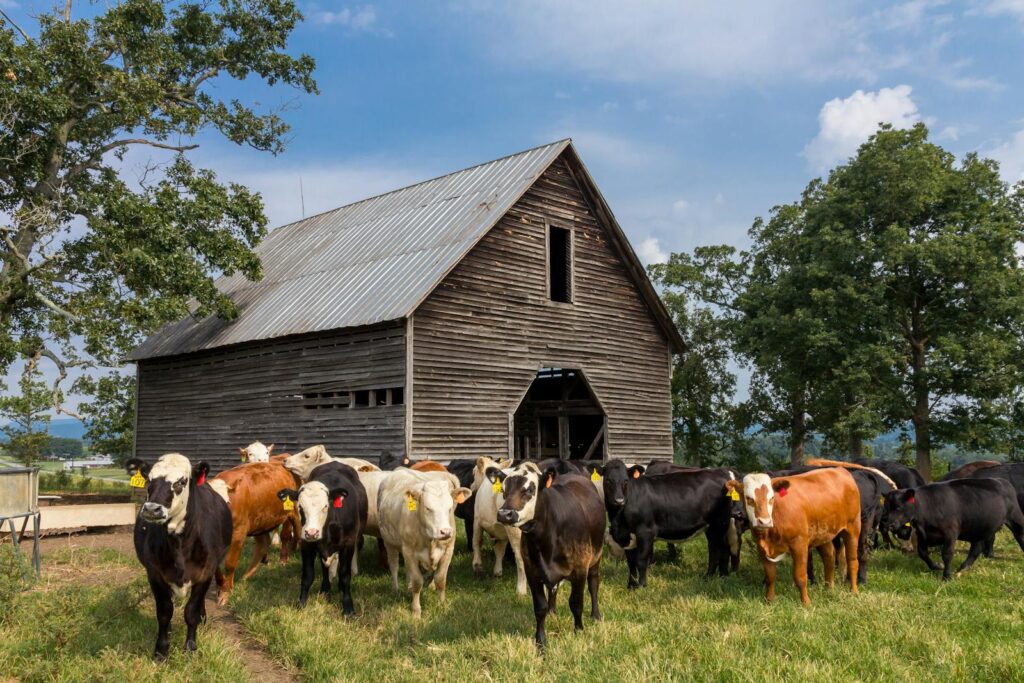
The trail boss position on cattle drives entailed far more sophisticated responsibilities than typically depicted in western entertainment. Beyond simply leading the herd, these individuals functioned as combination CEO, navigator, meteorologist, diplomat, and medical director for the entire operation. Trail bosses needed intimate knowledge of geography to locate water sources, avoid quicksand, and find passable terrain across thousands of miles of largely unmapped territory. They served as financial managers, typically carrying thousands of dollars in gold to cover expenses and pay the crew upon completion of the drive. Their diplomatic skills were constantly tested through negotiations with Native American tribes for safe passage, interactions with territorial officials, and mediating conflicts between crew members from diverse backgrounds. Perhaps most impressively, experienced trail bosses developed the ability to read subtle environmental signs to predict weather patterns, a critical skill in an era before meteorological forecasting that could mean the difference between success and disaster.
Highland Cattle: The Unexpected Winter Drive Specialists
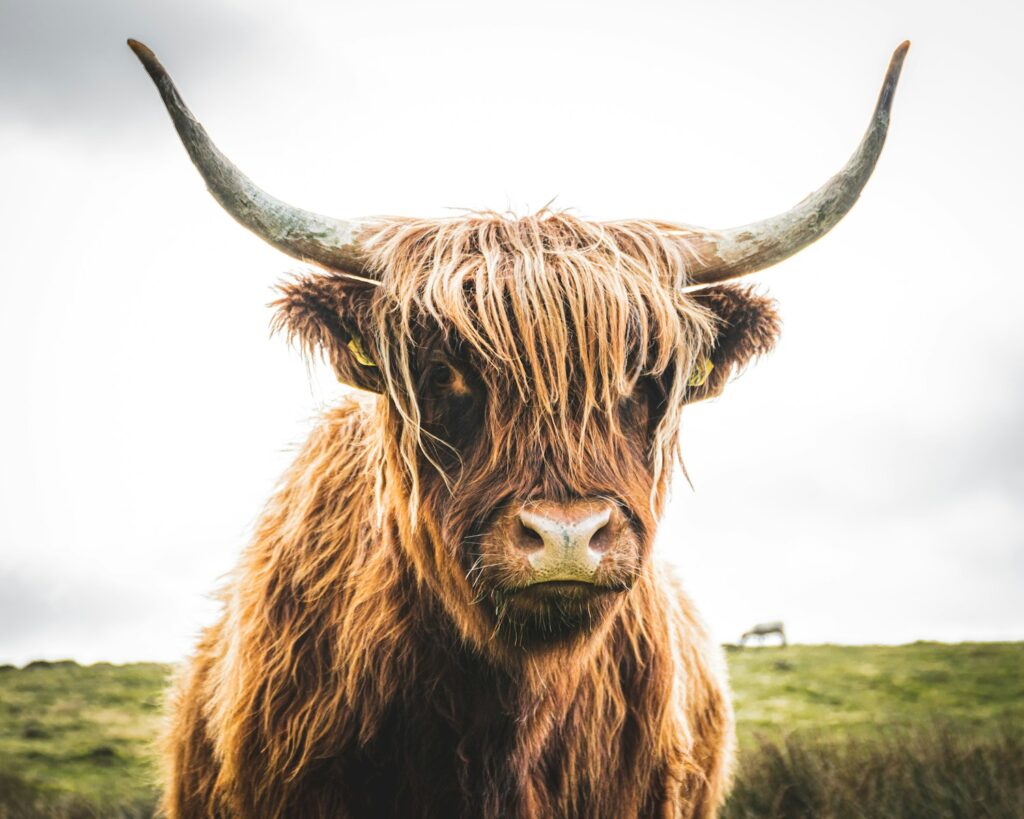
While seldom associated with American cattle drives, Scottish Highland cattle played a surprising role in specialized winter drives in the northern states and territories. First imported to Canada and the northern United States in the 1880s, these shaggy, long-horned cattle with their distinctive double coat could withstand temperatures far below zero that would kill other breeds. Ranchers in Montana, Wyoming, and the Dakotas discovered that Highlands could be moved during winter months when other breeds required shelter, creating an opportunity for off-season market access. Their sure-footed nature made them particularly valuable for drives through mountainous regions where ice and snow created treacherous conditions. Though never numerically significant compared to mainstream breeds, these hardy Scottish imports filled an important niche in the cattle industry’s northern expansion and contributed cold-weather genetics that would later be incorporated into crossbreeding programs developing cattle suited to the extreme conditions of the American High Plains.
The Sophisticated Cattle Drive Diet and Chuck Wagon Innovation
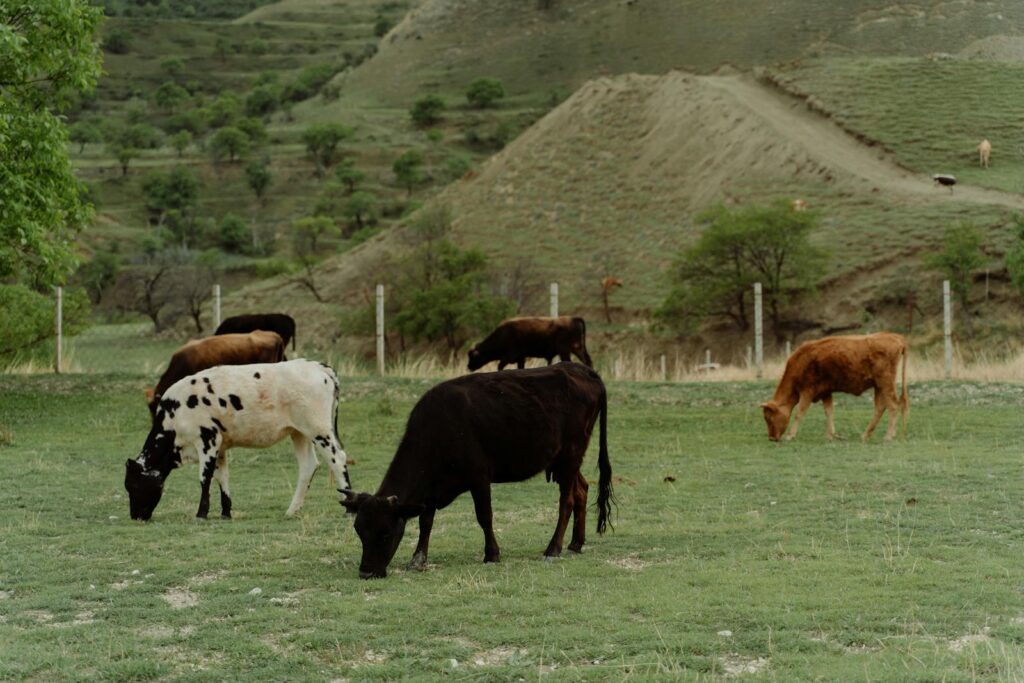
The chuck wagon represents one of the most significant technological innovations to emerge from the cattle drive era, essentially creating the world’s first mobile restaurant and commissary system. Invented by Texas rancher Charles Goodnight in 1866, these specialized wagons contained remarkably complex kitchens with dutch ovens, coffee grinders, medical supplies, and organizational systems that could efficiently feed crews of 10-15 men for months. Contrary to stereotypical portrayals of cowboys eating nothing but beans, the trail diet was surprisingly varied and nutritionally balanced, typically featuring fresh-baked bread, dried fruits, pickled vegetables, and multiple protein sources beyond beef. The cook (known as “cookie”) was second in authority only to the trail boss, typically earning twice the salary of regular cowboys due to the critical nature of keeping the crew properly fed. The chuck wagon concept proved so effective that its basic design principles influenced military field kitchens, camping equipment, and even modern food trucks more than a century later.
Devon Cattle: America’s Original Working Breed
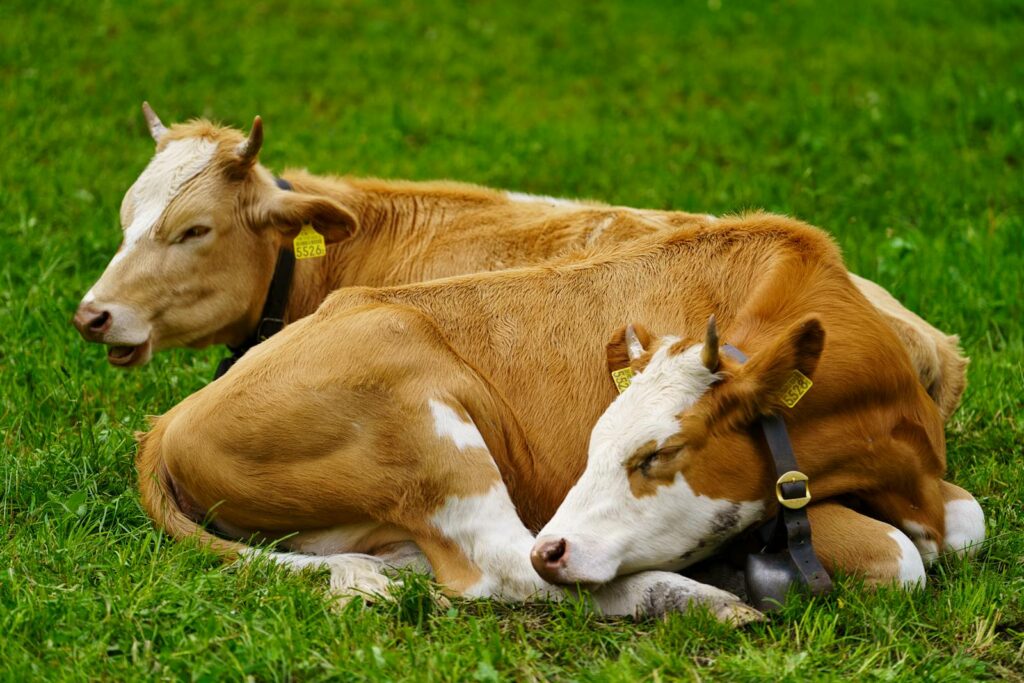
Though rarely mentioned in cattle drive histories, the deep red Devon breed represents America’s first significant cattle import and played a crucial role in the eastern cattle industry. Brought to Plymouth Colony by the Pilgrims in the 1620s, these medium-sized, multi-purpose animals were valued for their drafting ability, milk production, and meat quality. Devons participated extensively in smaller eastern cattle drives, particularly along the Great Philadelphia Wagon Road that moved livestock from Appalachian regions to eastern markets. Their remarkable endurance and ability to maintain condition while walking long distances made them ideal for drives in the hilly, forested eastern territories where conditions differed dramatically from the open plains of the West. The breed’s history intertwined with America’s development, with George Washington personally importing Devon cattle to Mount Vernon and Thomas Jefferson maintaining a herd at Monticello, recognizing their importance to the agricultural foundation of the new republic.
The Environmental Legacy of Historic Cattle Drives
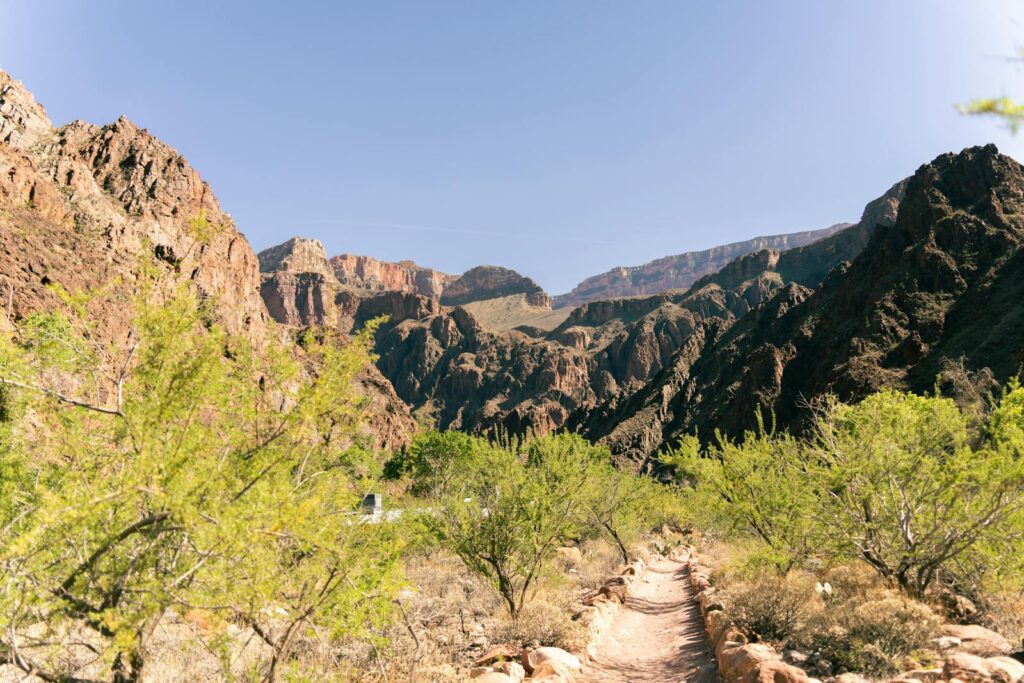
The environmental impact of cattle drives extended far beyond their economic significance, physically reshaping the American landscape in ways still visible today. Major cattle trails became so deeply eroded by the passage of millions of hooves that their paths remain detectable from satellite imagery more than 150 years later, particularly in parts of Oklahoma and Kansas. The drives contributed significantly to the spread of invasive plant species, as seeds caught in cattle hair were transported across ecological boundaries that would have otherwise contained them. Trampling at river crossings altered riparian zones and stream morphology, creating wider, shallower waterways with different aquatic ecosystems. Perhaps most significantly, the success of cattle drives encouraged the subsequent fencing and conversion of the Great Plains from native grassland to ranching operations, representing one of the largest rapid habitat conversions in North American history. This transformation fundamentally altered regional hydrology, soil composition, and native species distribution in ways that continue to influence conservation efforts in the 21st century.
conclusion
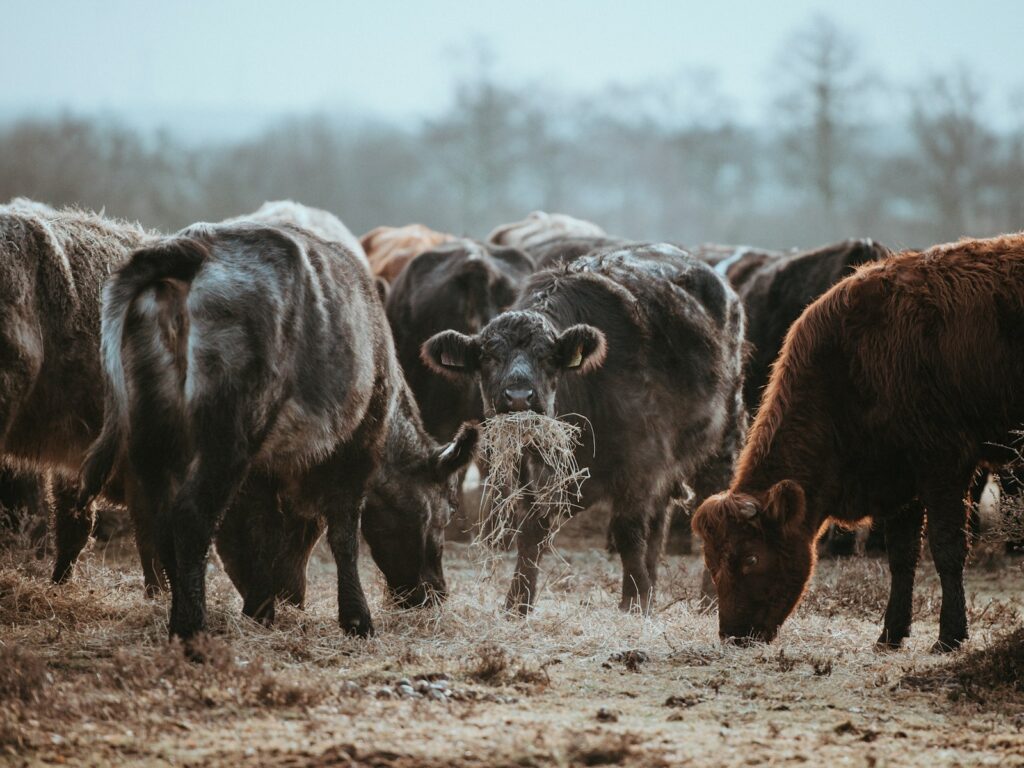
The legacy of cattle drives extends far beyond the romanticized images portrayed in western films. These massive undertakings represented complex logistical operations involving diverse participants, specialized knowledge, and a variety of cattle breeds suited to different environmental challenges. From the forgotten Florida Crackers and Pineywoods cattle of the southeast to the hardy Highlands of northern drives, the story of American cattle encompasses far more than just Texas Longhorns. Understanding the true complexity of this historical phenomenon provides insight not only into agricultural development but also into the environmental transformation of the American landscape and the multicultural foundations of western identity. As we continue to explore this rich history, we gain a deeper appreciation for the ingenuity, diversity, and resilience that characterized this defining chapter in America’s relationship with the land and its animals.