Barn chores are as much a part of equestrian life as riding itself, creating a clear dividing line between those who embrace the work and those who view it as a necessary evil. From the meditative rhythm of mucking stalls to the satisfying order of a freshly swept aisle, barn work can be either therapeutic or tedious depending on who you ask. This fascinating split in the horse community reveals much about different personality types, priorities, and even approaches to horsemanship itself. While some riders eagerly arrive early to tackle their chore list before riding, others might schedule their barn time specifically to avoid work sessions or gladly pay extra for full-care boarding. Let’s explore the psychology, practical considerations, and personal factors that determine which camp a rider falls into—and why neither perspective is necessarily wrong.
The Meditation of Mucking: Finding Zen in Dirty Work
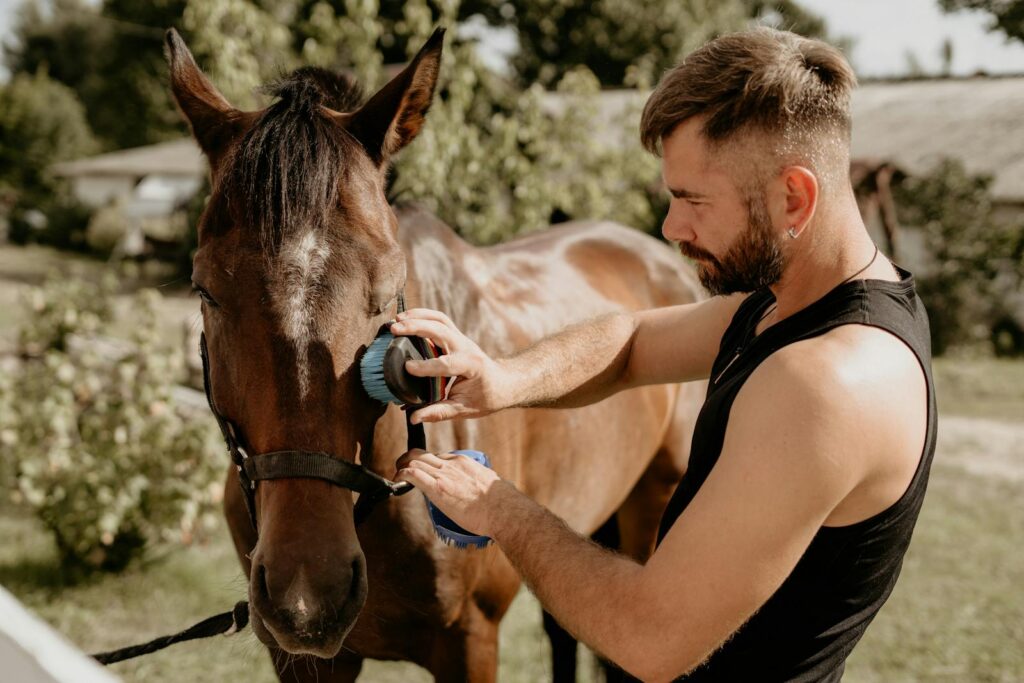
For many riders, there’s an undeniable therapeutic quality to barn chores that transforms mundane tasks into moments of mindfulness. The rhythmic scrape of a pitchfork against stable matting creates a predictable pattern that allows the mind to settle into an almost meditative state. This repetitive physical work provides a rare opportunity in our digitally-dominated lives to disconnect from screens and reconnect with our bodies through purposeful movement. Many chore-loving equestrians report that mucking stalls or sweeping aisles gives them valuable “thinking time” where creative solutions to problems often emerge organically. As one professional rider explained, “Some of my best training insights have come while cleaning stalls—there’s something about the physical work that frees my mind to process challenges I’m having with certain horses.”
Time Constraints: The Reality of Modern Equestrian Life

For those in the anti-chore camp, the primary obstacle is often simply a matter of time. In today’s fast-paced world, many equestrians balance riding with demanding careers, family responsibilities, and other commitments that leave precious little time for the stable. When someone has managed to carve out just one hour in their busy day for horse time, the prospect of spending 40 minutes on chores leaves barely enough time to ride, much less enjoy the experience. The time pressure becomes even more acute for parents who must coordinate childcare during their barn visits or professionals who squeeze in riding during lunch breaks. For these riders, paying extra for full-care boarding represents not laziness but a practical solution that allows them to maximize their limited horse time, focusing on the aspects of equestrianism they value most.
The Satisfaction of Visible Results

Chore enthusiasts often point to the immediate visual feedback and sense of accomplishment that comes with barn work. Unlike many modern professional tasks with intangible or delayed outcomes, mucking a stall transforms a messy space into a clean one in under 15 minutes—providing instant gratification and visible proof of effort. This concrete sense of accomplishment can be particularly rewarding for those whose primary work involves abstract thinking, digital creation, or long-term projects where progress is difficult to measure. The before-and-after contrast of a freshly bedded stall, a neatly organized tack room, or a thoroughly swept barn aisle offers a satisfying completion that many find deeply fulfilling. As one amateur rider who works in software development explained, “After staring at code all day where I might work for hours without seeing clear progress, there’s something incredibly satisfying about looking at a spotless stall and knowing I did that.”
Physical Limitations and Pain Considerations
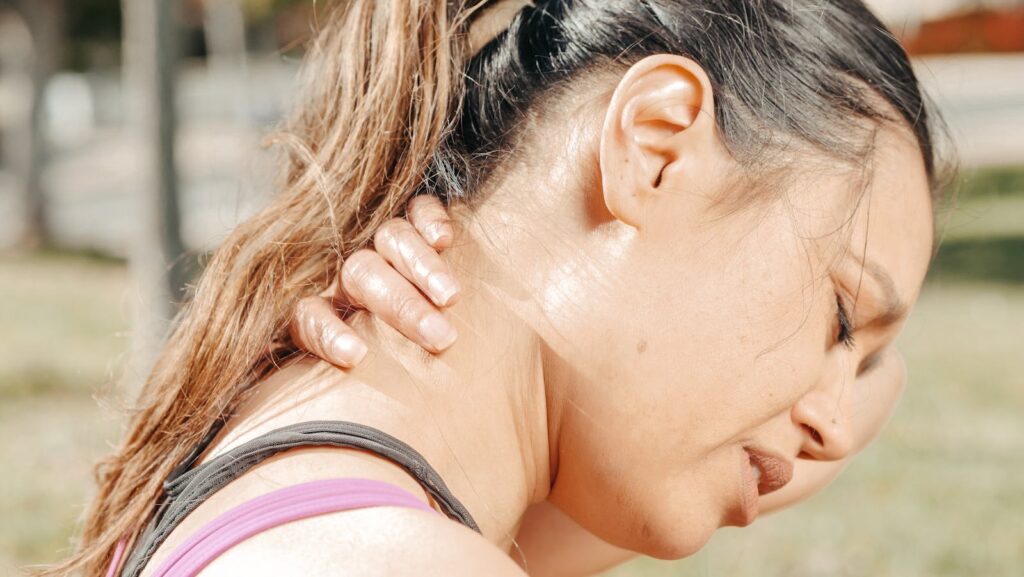
For some riders, the aversion to barn chores stems not from attitude but physical reality. Conditions like arthritis, back problems, old injuries, or other physical limitations can make the repetitive bending, lifting, and twisting of barn work genuinely painful or even impossible. Many older riders who had previously embraced all aspects of horse care find themselves reluctantly shifting to full-care boarding arrangements as physical limitations progress with age. Similarly, riders managing chronic pain conditions may need to carefully ration their physical capacity, choosing to spend their limited pain-free time in the saddle rather than completing chores. For these equestrians, avoiding certain barn tasks isn’t about preference but preservation—acknowledging their bodies’ limitations while finding ways to maintain their connection with horses.
The Connection Between Care and Horsemanship
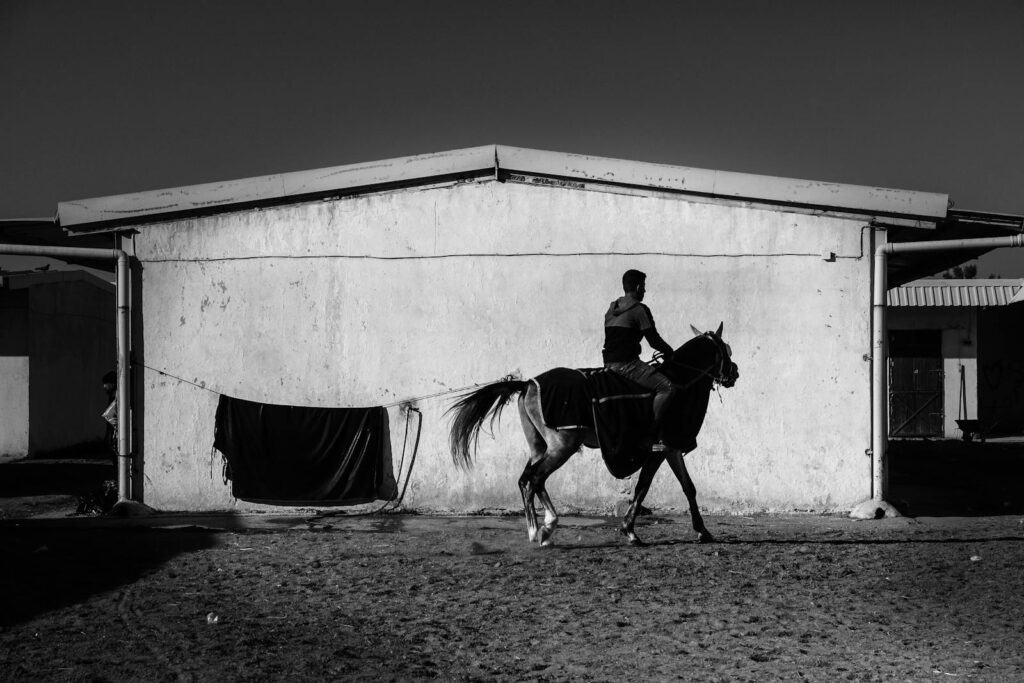
Many traditional horsemen and women view ground care as fundamentally inseparable from good horsemanship, believing that daily maintenance creates an essential bond between horse and human. This perspective holds that mucking stalls, grooming, and other care tasks provide critical opportunities to observe subtle changes in a horse’s behavior, appetite, manure quality, and overall well-being that might otherwise go unnoticed. The intimate knowledge gained through daily care often allows experienced horse people to catch potential health issues days before obvious symptoms appear. Proponents of this view sometimes express concern that riders who avoid care tasks may develop a more superficial relationship with their horses, missing the deeper understanding that comes from comprehensive care. As one lifelong horseman put it, “You can learn more about a horse by cleaning his stall for a week than by riding him for a month.”
The Farm Kid Factor: How Upbringing Shapes Attitudes

Early exposure to farm work often strongly influences adult attitudes toward barn chores, creating a noticeable divide between those raised in agricultural settings and those who came to horses later in life. People who grew up on farms or rural properties typically internalized chores as a natural, expected part of daily life from childhood, developing both the physical stamina and mental attitude that makes barn work seem unremarkable. These “farm kids” often approach chores with efficiency born from years of experience, completing tasks in half the time it might take someone without that background. In contrast, those who discovered horses as adults or through formal lesson programs might never have developed the same matter-of-fact relationship with manual labor, making the transition to stable chores more challenging. This upbringing difference often persists regardless of current lifestyle, with former farm kids maintaining their comfort with barn work even after decades in urban environments.
The Social Experience of Shared Barn Work
For many riders, barn chores represent valuable social time that builds camaraderie and strengthens the barn community through shared effort. The collaborative nature of maintaining a stable creates natural opportunities for conversation, mentorship, and friendship development that might not occur in more structured riding contexts. Working side by side often breaks down barriers between riders of different experience levels or disciplines, fostering connections based on mutual support rather than competitive comparison. This social dimension can be particularly meaningful for riders who otherwise lead isolated professional lives or those seeking authentic connections outside of digital social networks. As one boarding barn owner observed, “Some of our deepest barn friendships form during weekend chore days—there’s something about sweating together that builds trust faster than any icebreaker activity could.”
The Personality Divide: Order-Seekers vs. Experience-Focused
Personality differences play a significant role in determining how equestrians respond to barn chores, with particularly clear patterns emerging between those with order-seeking versus experience-focused temperaments. Order-seeking personalities often find deep satisfaction in the systematic nature of barn maintenance, appreciating the predictable routines and the control they have over creating organized, clean environments. These individuals typically derive genuine pleasure from perfectly aligned saddle racks, meticulously labeled feed bins, and immaculately swept aisles. In contrast, experience-focused riders tend to prioritize the emotional and physical aspects of riding itself, viewing barn care as time that could be spent deepening their connection with their horse through riding or training. Neither approach is inherently superior, but these fundamental personality differences often create misunderstandings when riders with opposing perspectives share barn space.
Financial Considerations and Value Equations

Economic reality plays an undeniable role in many riders’ relationship with barn chores, creating a complex value equation that varies widely based on individual circumstances. For riders on tight budgets, work-board arrangements that exchange labor for reduced board costs make horse ownership financially possible, transforming chores from a choice to a necessity. Others make calculated decisions about the monetary value of their time—professionals who can earn significantly more per hour in their careers than the cost difference between full-care and partial-care boarding often make the rational economic choice to pay for services. This financial calculation can change throughout a rider’s life as income fluctuates, family responsibilities shift, or professional demands evolve. The privilege of choosing whether to embrace or avoid barn work is itself a significant factor, as many young riders or those with limited resources simply don’t have the luxury of this decision.
The Seasonal Effect on Chore Enthusiasm
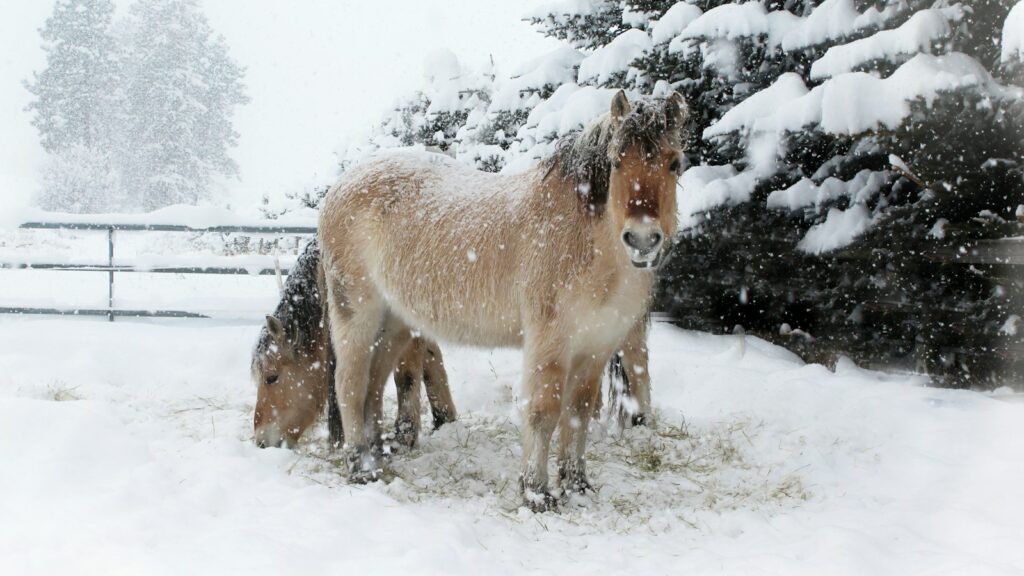
Even the most dedicated chore enthusiasts often experience significant fluctuations in their attitude toward barn work as seasonal conditions change throughout the year. Spring cleaning in pleasant weather with open barn doors and fresh breezes creates a fundamentally different experience than breaking frozen water buckets in sub-zero temperatures or dragging heavy hoses during sweltering summer heat waves. Many riders report seasonal patterns in their chore motivation, embracing the work during moderate weather months while struggling to maintain enthusiasm during extreme conditions. This variability explains why some barns see noticeable shifts in volunteer participation for group work days depending on the season. Weather-related challenges also affect physical comfort during chores—arthritis sufferers may find winter barn work particularly difficult, while those sensitive to heat might struggle most during summer, adding another layer to the seasonal motivation equation.
Control and Perfectionism: The DIY Horse Keepers
A subset of chore-loving equestrians are motivated primarily by control and perfectionism, preferring to handle barn tasks personally to ensure they meet exacting standards. These detail-oriented horse owners often have specific preferences about everything from bedding depth to hay arrangement, manure removal techniques, and even the precise angle of water bucket placement. Their desire to perform chores themselves stems not primarily from enjoyment of the work but from concern that others might not execute tasks according to their precise specifications. This perfectionist approach can be beneficial for horses receiving meticulous care but can also create challenges in boarding situations where barn staff may feel micromanaged. Many perfectionists ultimately solve this tension by moving their horses to private properties where they can maintain complete control over every aspect of care, accepting the increased workload as the price of peace of mind.
Finding Your Personal Balance
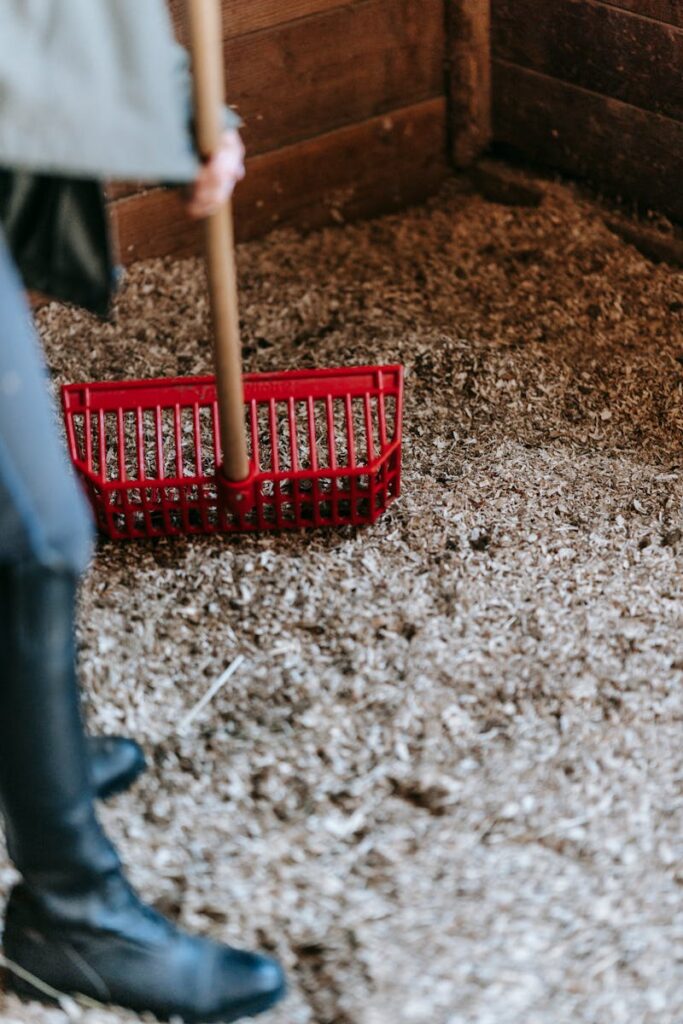
The healthiest approach to barn chores ultimately comes down to honest self-assessment and finding arrangements that align with individual values, circumstances, and priorities. Rather than judging other equestrians’ choices, the horse community benefits when riders recognize the validity of different approaches based on each person’s unique situation. Some may find the perfect balance in self-care arrangements where they handle all aspects of horse keeping, while others might thrive with hybrid models that allow them to participate in certain chores while delegating others. Many riders discover their attitudes toward barn work evolve throughout different life stages—the young rider who eagerly volunteered for extra barn duties might later need full-care services during intensive career years, then return to embracing chores during retirement. The key is recognizing that barn work preferences exist on a spectrum where multiple positions can represent thoughtful, horse-centered approaches to equestrian life.
CONCLUSION
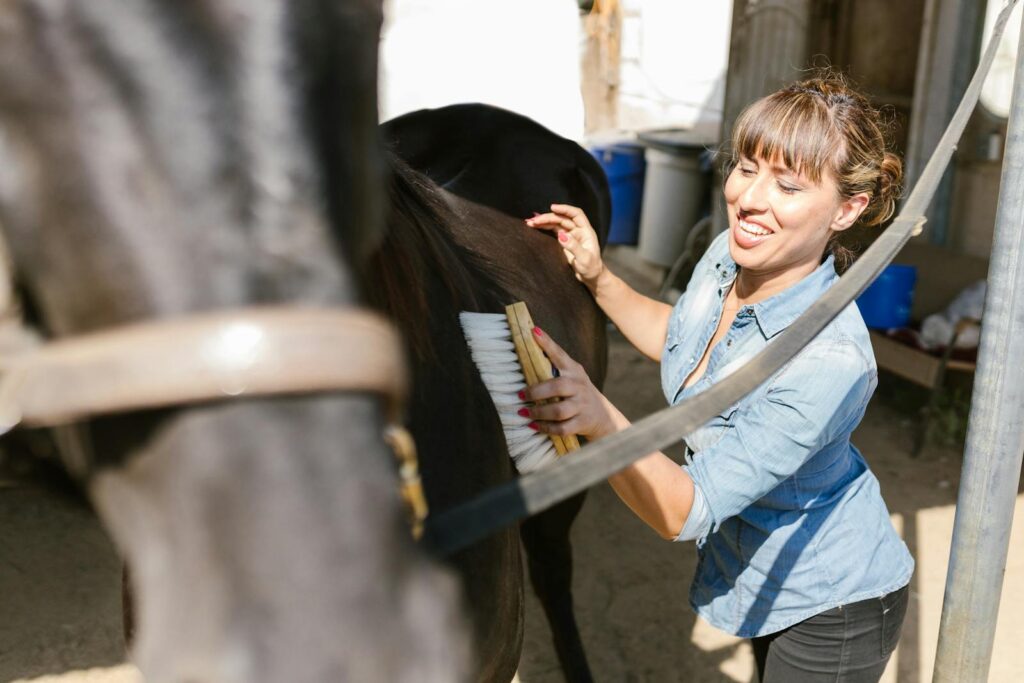
Ultimately, whether you’re someone who finds joy in the rhythm of daily barn tasks or someone who prefers to maximize saddle time, what matters most is honesty about your preferences and creating arrangements that support both your wellbeing and your horse’s needs. The beautiful diversity of the equestrian community means there’s room for both the rider who arrives an hour early to meticulously prepare their horse’s environment and the one who arranges professional care to support their limited barn time. Rather than dividing us, these differences in approach to barn chores reflect the wonderful variety of paths people take to pursue their passion for horses—each valid, each valuable, and each contributing to the rich tapestry of equestrian culture.