

The heart of any working ranch isn’t the sprawling pasture or even the main house—it’s the stable. These agricultural structures serve as the operational headquarters for livestock care, equipment storage, and daily ranch activities. While many might envision rustic wooden buildings with limited amenities when thinking of ranch stables, the reality is far more sophisticated and purposeful. Today’s ranch stables represent centuries of evolved design knowledge, combining traditional wisdom with modern innovations to create functional spaces that prioritize animal welfare, operational efficiency, and even environmental sustainability. From temperature regulation systems to specialized flooring materials, every element serves a specific purpose that many outside the ranching community might find surprising. Let’s explore the fascinating world of stable design and uncover truths that reveal just how intricate these seemingly simple structures truly are.
The Historical Evolution of Stable Design
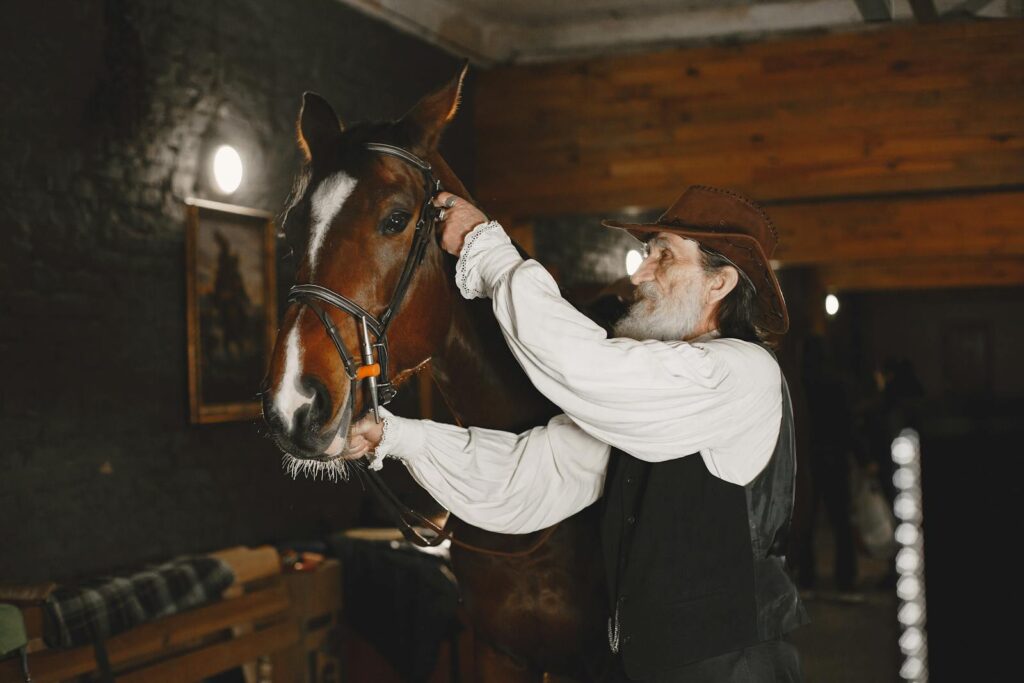
Ranch stables have undergone remarkable transformations since the early days of American ranching in the 19th century. The earliest structures were often crude shelters built with whatever materials were locally available—typically rough-hewn logs or stone with dirt floors and minimal ventilation. As ranching operations grew more sophisticated, so did their stable designs, incorporating specialized areas for different functions and livestock needs. By the early 20th century, many working ranches had adopted more permanent structures with dedicated stalls, tack rooms, and feed storage areas. Perhaps most surprising is how many of today’s design principles actually originated in ancient Rome and medieval Europe, where equine care was elevated to an art form among nobility. These historical influences continue to shape modern stable design, showing how deeply rooted these agricultural traditions truly are.
Ventilation: The Most Overlooked Crucial Element
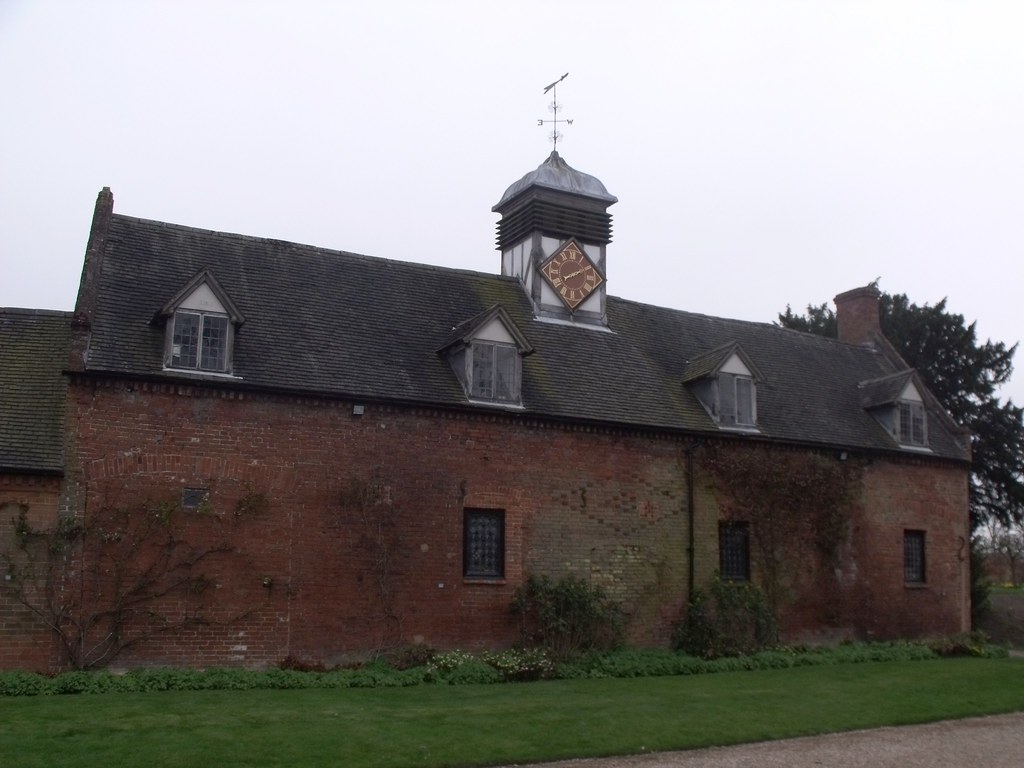
Many people assume temperature is the primary environmental concern in stable design, but experienced ranchers know that proper ventilation actually takes precedence. A well-ventilated stable prevents respiratory issues in livestock by removing ammonia fumes, excess moisture, and airborne pathogens that can lead to serious health complications. Surprisingly, even in cold climates, adequate airflow remains more important than maximum heat retention, as animals can adapt to consistent cool temperatures but suffer greatly in poorly ventilated environments. Modern stable designs incorporate sophisticated systems including ridge vents, cupolas, adjustable windows, and sometimes mechanical ventilation that creates vertical air movement without drafts. This careful balance of airflow represents one of the most scientifically considered aspects of stable design, despite being virtually invisible to casual observers.
The Science Behind Stable Flooring
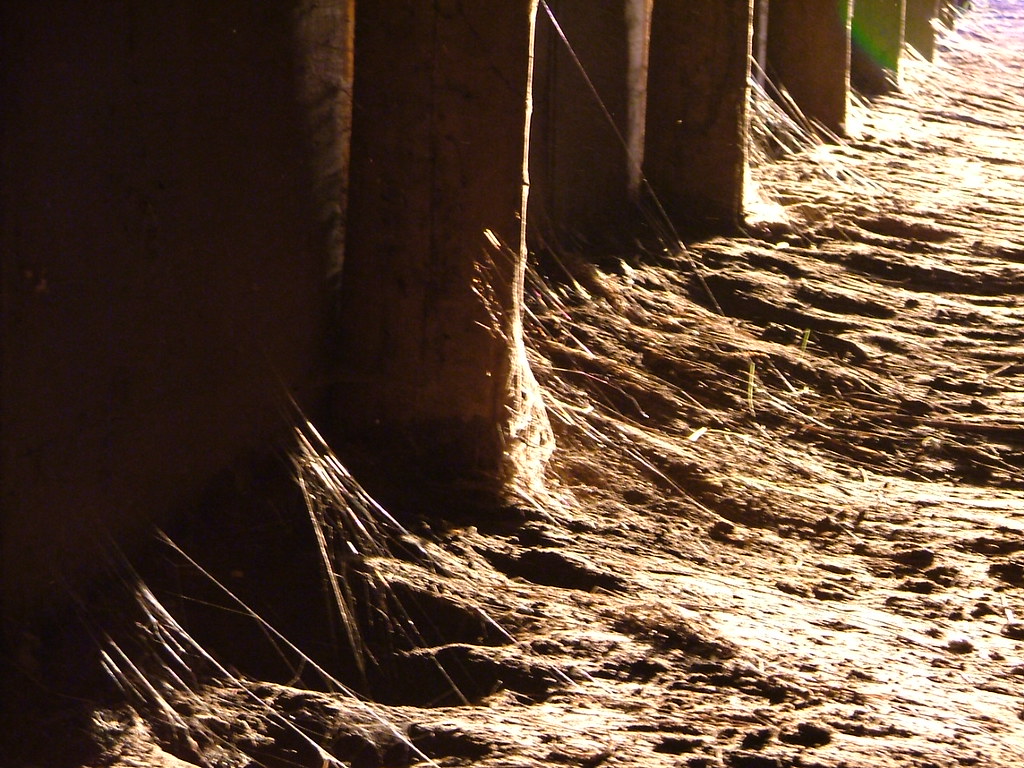
The flooring in a ranch stable is far more sophisticated than many realize, often involving multiple layers designed for specific functions. The ideal stable floor provides drainage, shock absorption, traction, durability, and ease of cleaning—a complex set of requirements that has led to numerous specialized systems. Many modern stables use a foundation of compacted stone or concrete topped with rubber mats or specialized equine flooring materials that cost thousands of dollars. Some high-end operations even install radiant heating systems beneath stall floors to maintain comfortable temperatures during harsh winters. The slope of the floor is precisely calculated as well, typically at a 1-2% grade to ensure proper drainage without creating unsafe footing for the animals. This attention to flooring detail reflects the understanding that proper support for standing animals directly impacts their long-term joint health and overall well-being.
Strategic Lighting Beyond Simple Illumination
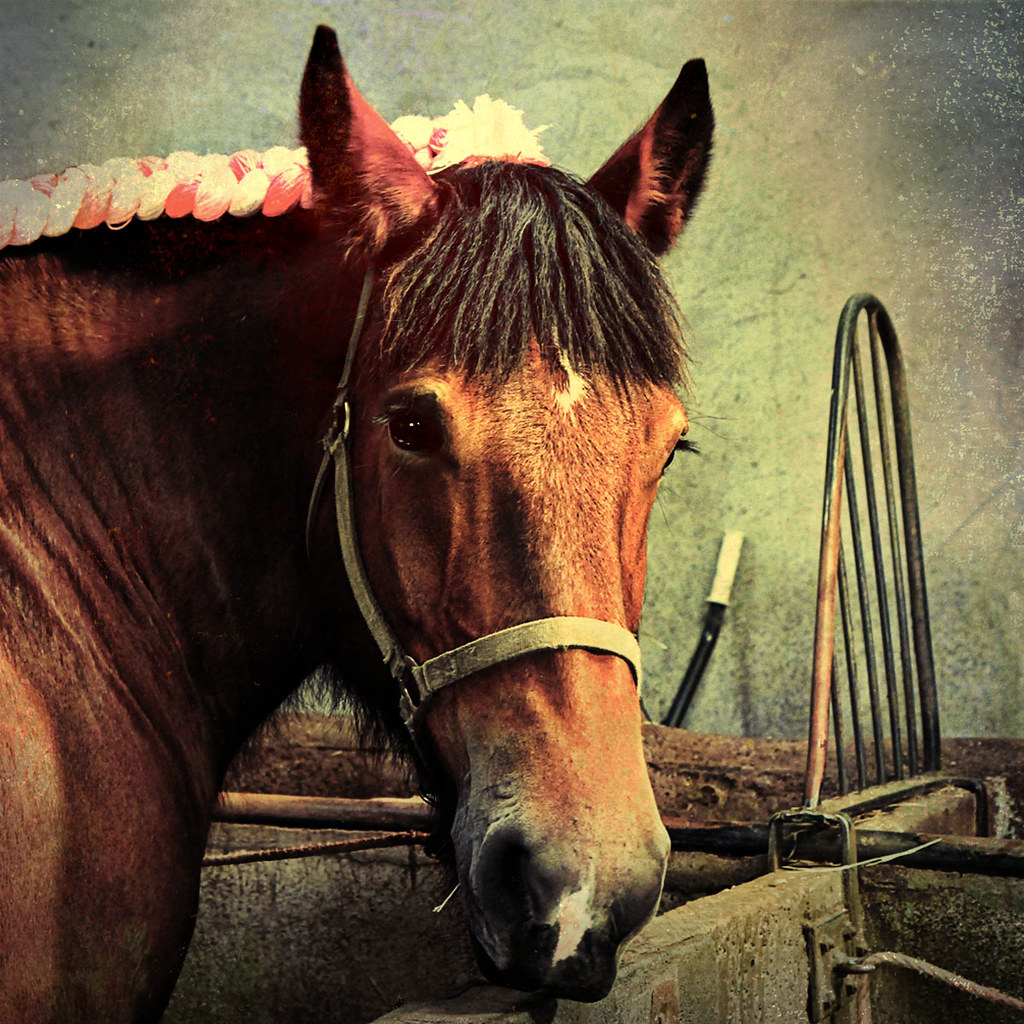
Lighting in ranch stables serves purposes far beyond mere visibility, influencing everything from animal reproductive cycles to worker safety. Research has shown that proper lighting exposure can regulate horses’ breeding patterns, with 16 hours of light followed by 8 hours of darkness stimulating reproductive hormones during off-season breeding programs. The type of lighting matters significantly as well—natural light through skylights and windows provides vitamin D benefits, while certain LED spectrums can reduce stress in livestock. Many modern stables incorporate both task lighting for specific work areas and ambient lighting to maintain animal comfort, with automatic timers to simulate natural day-night cycles. Perhaps most surprising is how stable lighting designs now consider the specific vision patterns of different livestock species, accounting for their unique color perception and sensitivity to brightness changes.
Temperature Regulation Beyond Conventional Heating
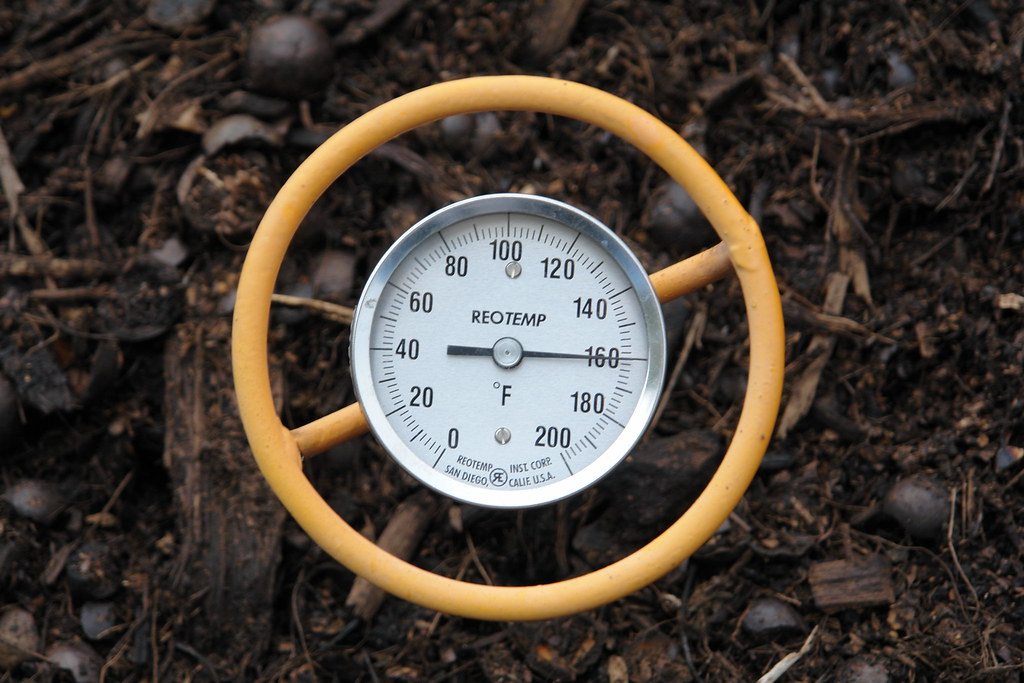
The approach to temperature management in ranch stables differs dramatically from residential buildings, focusing on consistency rather than human comfort levels. While humans might prefer 70-72°F environments, horses and cattle actually thrive in cooler temperatures, typically between 45-65°F, with consistency being more important than the exact temperature. Modern stables utilize passive design elements like strategic orientation to capture winter sun while blocking summer heat, thick insulated walls that moderate temperature swings, and sometimes thermal mass features that absorb daytime heat for nighttime release. Contrary to popular belief, blankets and extensive heating systems are generally unnecessary and sometimes harmful for healthy livestock accustomed to outdoor living. The most sophisticated stables now incorporate climate zones with different temperature profiles for animals with varying needs, such as separate areas for pregnant mares or animals recovering from illness.
The Critical Importance of Stall Size and Design
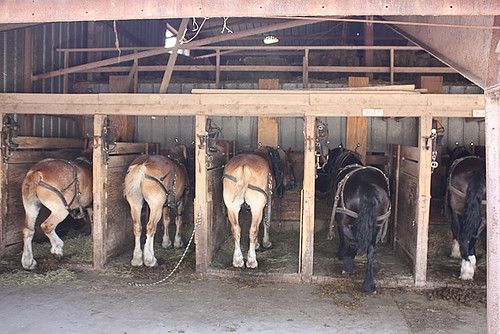
Stall dimensions in a properly designed stable are calculated with mathematical precision based on scientific research rather than tradition or convenience. For horses, the standard minimum size has expanded from the historical 10×10 feet to at least 12×12 feet for average-sized horses, with larger breeds requiring up to 14×14 feet of space. These dimensions allow animals to lie down comfortably, turn around freely, and maintain psychological well-being. Stall design extends beyond simple square footage to include wall height (typically at least 8 feet), door width (minimum 4 feet), and even corner design, with rounded corners preventing injuries during rolling. The most innovative stables now feature removable dividing walls that can convert individual stalls into larger spaces for foaling, medical treatment, or temporary group housing. This flexibility represents a significant advancement over historical designs that treated stall configuration as permanent and unchangeable.
Feed Storage Systems and Their Surprising Complexity
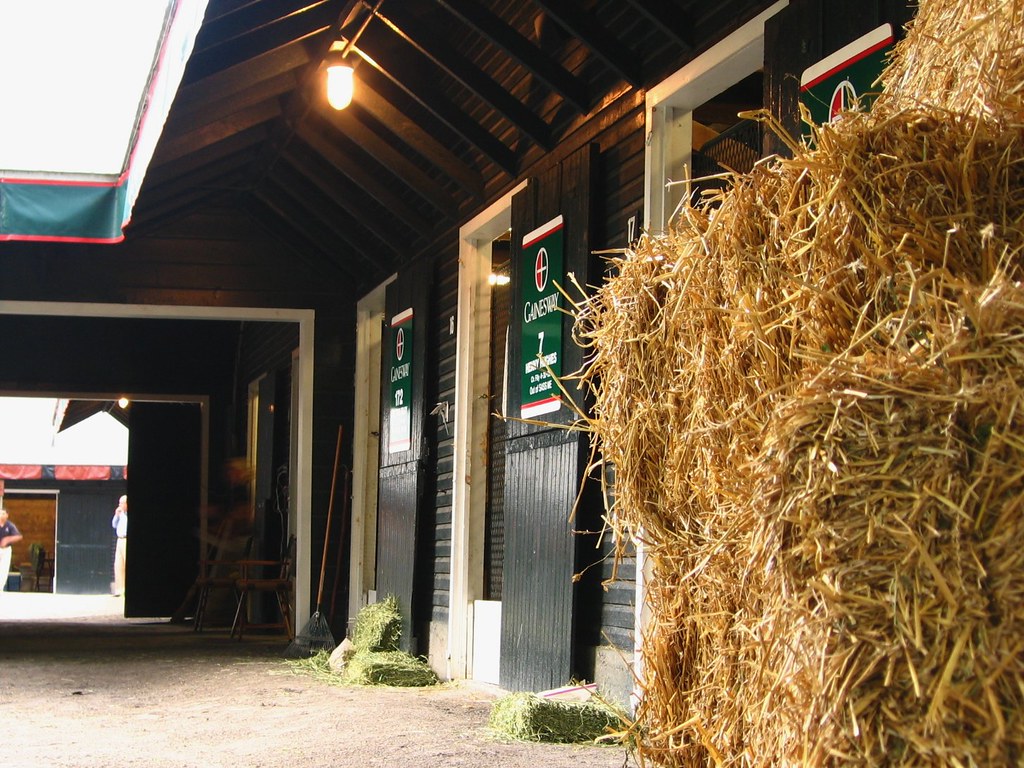
Feed storage areas in ranch stables represent sophisticated systems designed to preserve nutritional quality while preventing contamination and waste. Modern feed rooms feature specialized bins with airtight seals to prevent moisture intrusion, insect infestation, and rodent access—problems that can quickly ruin expensive feed supplies. Temperature and humidity control systems maintain optimal conditions for different types of feed, with hay stored separately from grains to prevent cross-contamination and reduce fire hazards. Many operations now utilize automated feed delivery systems that measure precise rations based on each animal’s nutritional requirements, representing a dramatic departure from the traditional “scoop and bucket” approach. Perhaps most surprising is the level of biosecurity implemented in modern feed storage, with dedicated clothing, footwear, and even air locks in some high-end operations to prevent the introduction of pathogens that could spread through feed to the entire herd.
Water Systems: The Unsung Heroes of Stable Design
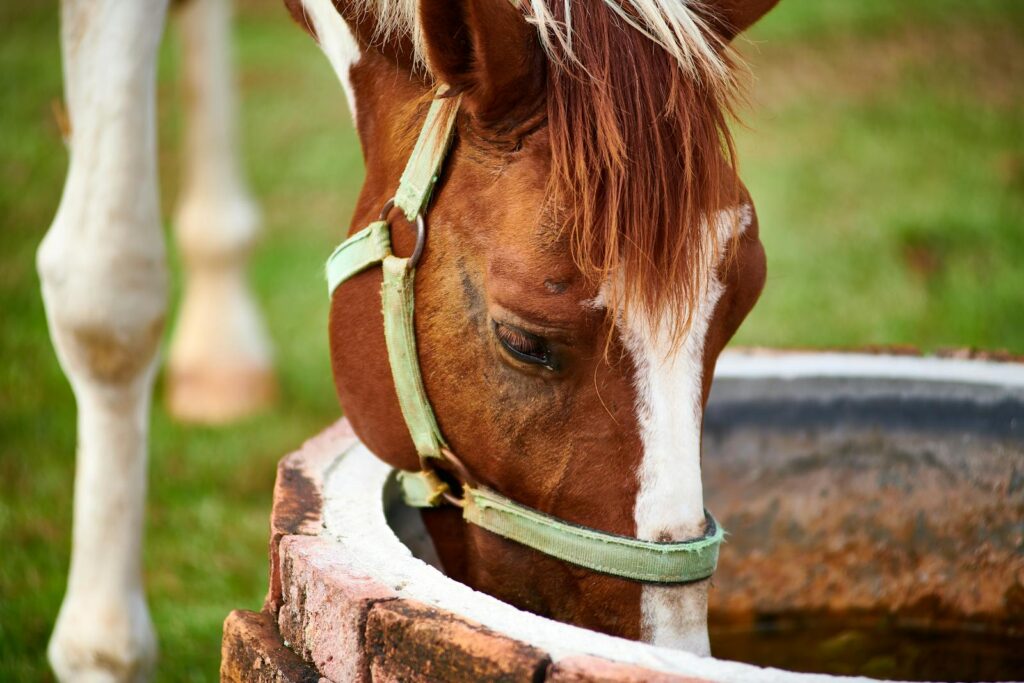
The water delivery systems in modern ranch stables are engineering marvels that often go unnoticed but represent critical infrastructure for animal health. Automatic waterers have largely replaced manual bucket filling, with sophisticated systems that maintain consistent water levels, prevent freezing in winter, and filter impurities. These systems typically include pressure regulators, backup power sources, and monitoring capabilities that alert ranchers to malfunctions or flow disruptions. The placement of watering points follows careful planning to encourage movement throughout the stall or paddock, promoting exercise and reducing boredom behaviors. Many high-end operations now incorporate water quality monitoring systems that test for bacterial content, mineral composition, and pH levels—variables that significantly impact animal health but remain invisible to casual observation. This attention to water system design reflects the understanding that hydration is perhaps the single most important factor in maintaining livestock health.
Modular Design for Adaptable Ranch Operations
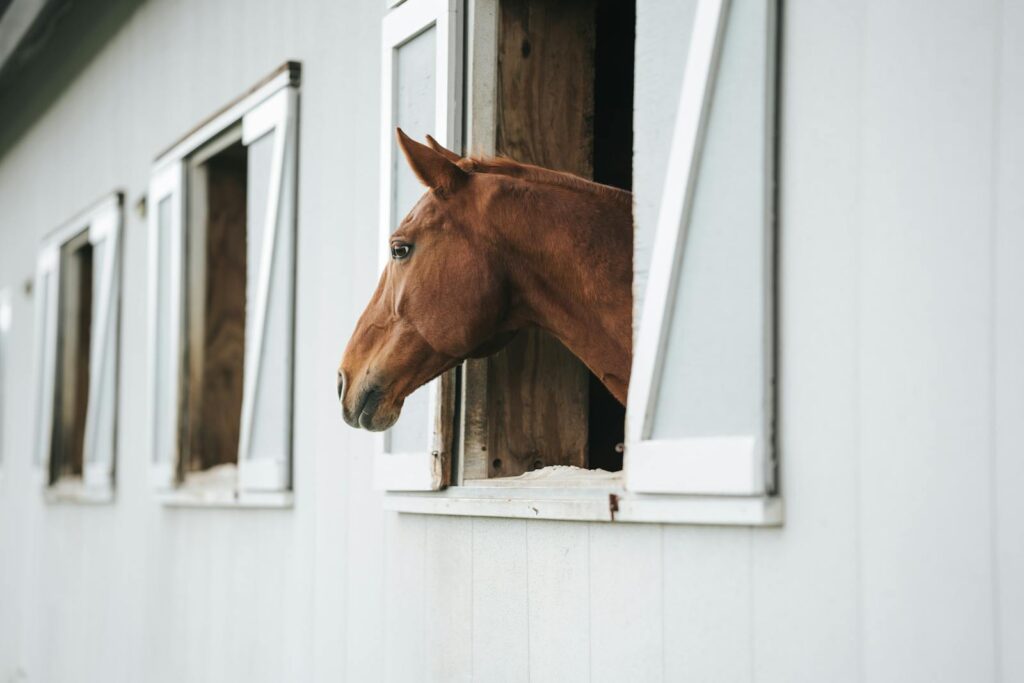
The concept of modularity has revolutionized ranch stable design, creating flexible spaces that can evolve alongside changing operational needs. Unlike the permanent structures of previous generations, today’s leading stable designs incorporate movable walls, adjustable stall fronts, and interchangeable components that allow ranchers to reconfigure spaces without major renovations. These adaptable designs accommodate seasonal changes in livestock populations, transitioning from foaling season to training operations to winter housing with minimal disruption. The practical benefits extend to maintenance as well, with modular components allowing for replacement of damaged sections without affecting the entire structure. This approach represents a significant philosophical shift in ranch architecture, acknowledging that agricultural operations must adapt to changing markets, climate conditions, and business models—a level of forward-thinking that contradicts the stereotypical image of ranching as resistant to change.
Biosecurity Features Hidden in Plain Sight

Modern ranch stables incorporate numerous biosecurity features that remain invisible to untrained observers but represent critical protections against disease transmission. Quarantine stalls, typically positioned at the perimeter of the stable complex, provide isolation spaces for new arrivals or potentially ill animals before they join the general population. Foot baths containing disinfectant solutions are strategically placed at entrances to prevent the tracking of pathogens between different areas. Many facilities now include dedicated washing stations for vehicles and equipment, complete with drainage systems that prevent contaminated water from reaching livestock areas. Perhaps most sophisticated are the air handling systems in premium facilities, which maintain positive pressure in certain areas to prevent airborne pathogens from entering clean spaces. These biosecurity measures reflect the growing understanding that disease prevention represents one of the most cost-effective investments in long-term ranch sustainability.
Psychological Considerations in Stable Layout
The psychological needs of livestock influence modern stable design in ways that might surprise those outside the ranching community. Sociable herd animals like horses experience significant stress when deprived of visual contact with other animals, leading to design features like stall fronts with vertical bars that allow animals to see and interact with neighbors. Strategic placement of stalls considers established herd hierarchies, sometimes positioning dominant and submissive animals away from direct contact to reduce stress behaviors. The most progressive designs incorporate enrichment features like multiple feeding stations that encourage natural foraging behaviors, scratching posts positioned at preferred heights, and even specialized toys designed for specific species. Some research-based designs now include designated “social spaces” where carefully selected groups of compatible animals can interact under supervision, addressing the isolation that traditional stabling sometimes imposes—a consideration that would have seemed unnecessary to previous generations of ranchers.
Sustainability Innovations Reshaping Ranch Architecture
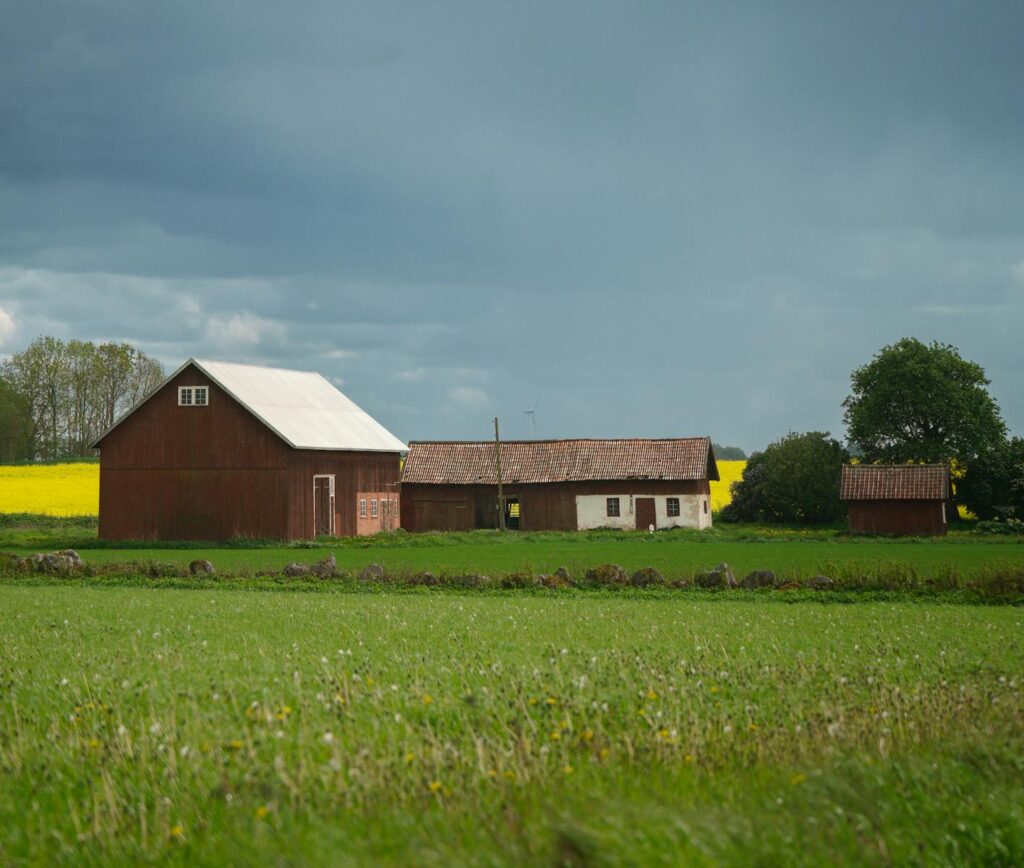
Environmental sustainability has transformed ranch stable design with innovations that reduce resource consumption while improving operational efficiency. Rainwater harvesting systems collect precipitation from large stable roofs, storing it in underground cisterns for irrigation, washing, and sometimes livestock drinking water after proper filtration. Solar panels now appear on many stable roofs, generating power for electric fencing, lighting, water pumps, and climate control systems—particularly valuable for remote operations far from reliable power grids. Composting systems transform animal waste and bedding into valuable soil amendments while reducing disposal costs and environmental impact. Perhaps most impressive are the passive heating and cooling designs that utilize earth-berming, thermal mass, and natural ventilation to maintain comfortable conditions with minimal energy input. These sustainability features represent not just environmental consciousness but practical economics, as they typically reduce long-term operational costs while increasing resilience against utility disruptions.
The Integration of Technology in Modern Stable Management

Technology has quietly revolutionized stable management with systems that would astonish ranchers from previous generations. Automated feeding systems dispense precise nutrition portions on programmable schedules, reducing labor while ensuring consistent care. Environmental monitoring devices track temperature, humidity, and air quality, sending alerts to ranchers’ smartphones when conditions fall outside optimal ranges. Security systems with motion-activated cameras provide 24/7 surveillance viewable from anywhere with internet access, allowing remote monitoring of valuable livestock and equipment. Perhaps most transformative are the biometric monitoring technologies that track individual animal vital signs, activity levels, and even feeding behaviors, identifying potential health issues before obvious symptoms appear. This technological integration represents a significant departure from the image of ranching as low-tech or traditional, revealing an industry that readily adopts innovations that improve animal welfare and operational efficiency.
conclusion
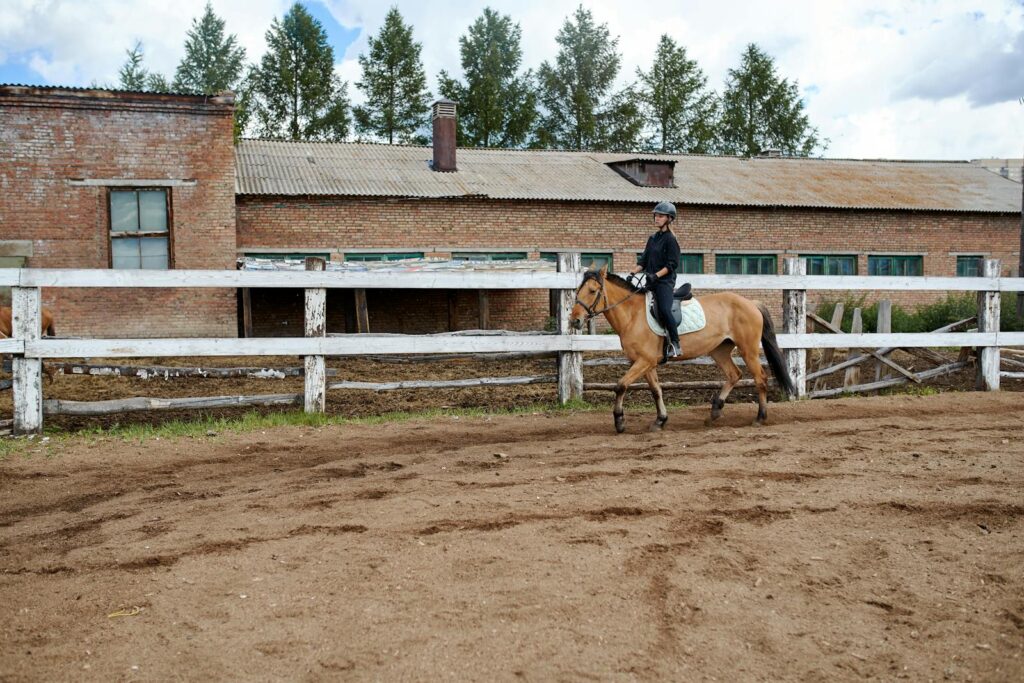
The evolution of stable design in ranch life reveals how deeply science, animal welfare, and operational efficiency have transformed these essential agricultural structures. Far from the simple shelters of popular imagination, today’s ranch stables represent sophisticated systems designed with precise attention to ventilation, lighting, temperature regulation, and animal psychology. The integration of modular components, sustainable features, and digital technology demonstrates the forward-thinking approach of modern ranchers, who balance traditional knowledge with continuous innovation. As agriculture faces increasing challenges from climate change, market fluctuations, and resource limitations, these advancements in stable design will continue to play a crucial role in maintaining viable ranch operations. The seemingly simple stable stands as testament to ranching’s blend of practical wisdom and scientific progress—a living example of how rural traditions evolve rather than disappear in our rapidly changing world.