
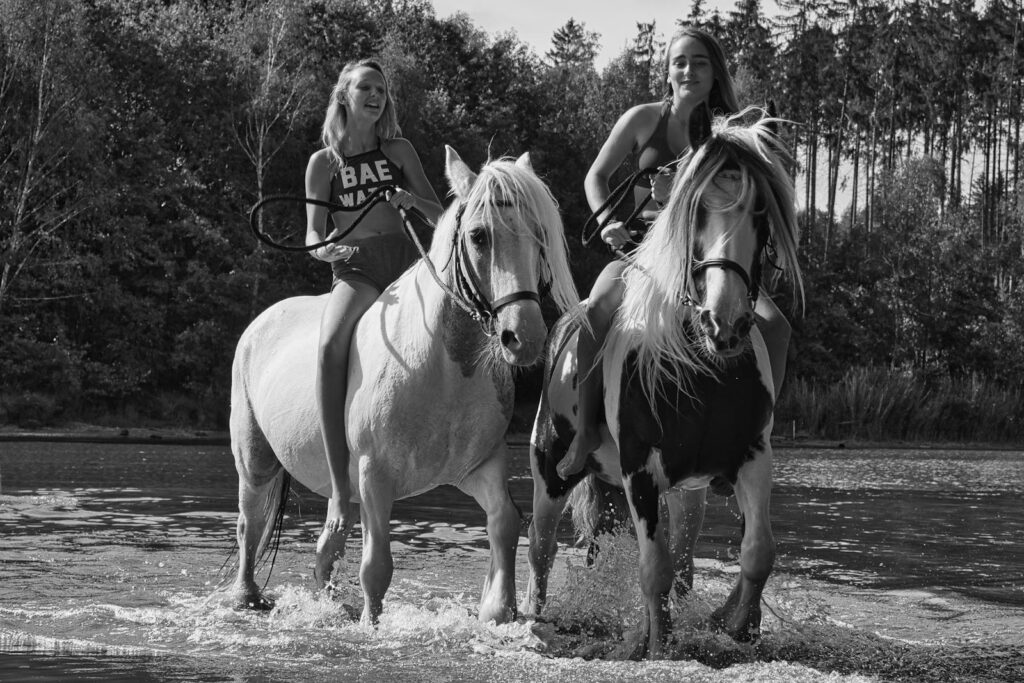
Bareback riding offers a unique connection with your horse that’s both exhilarating and challenging, especially when navigating trails. Without the security of a saddle, riders must develop exceptional balance, communication skills, and trust with their equine partners. Trail navigation while riding bareback adds another layer of complexity to this experience, requiring specialized knowledge and techniques to ensure both safety and enjoyment. Whether you’re a seasoned bareback rider looking to enhance your trail skills or a newcomer eager to explore natural settings without traditional tack, mastering these navigation principles will significantly improve your riding experience. This guide explores the top ten essential trail navigation techniques specifically tailored for bareback riding enthusiasts, combining practical advice with safety considerations to help you and your horse confidently traverse any terrain.
Understanding Your Horse’s Natural Navigation Abilities
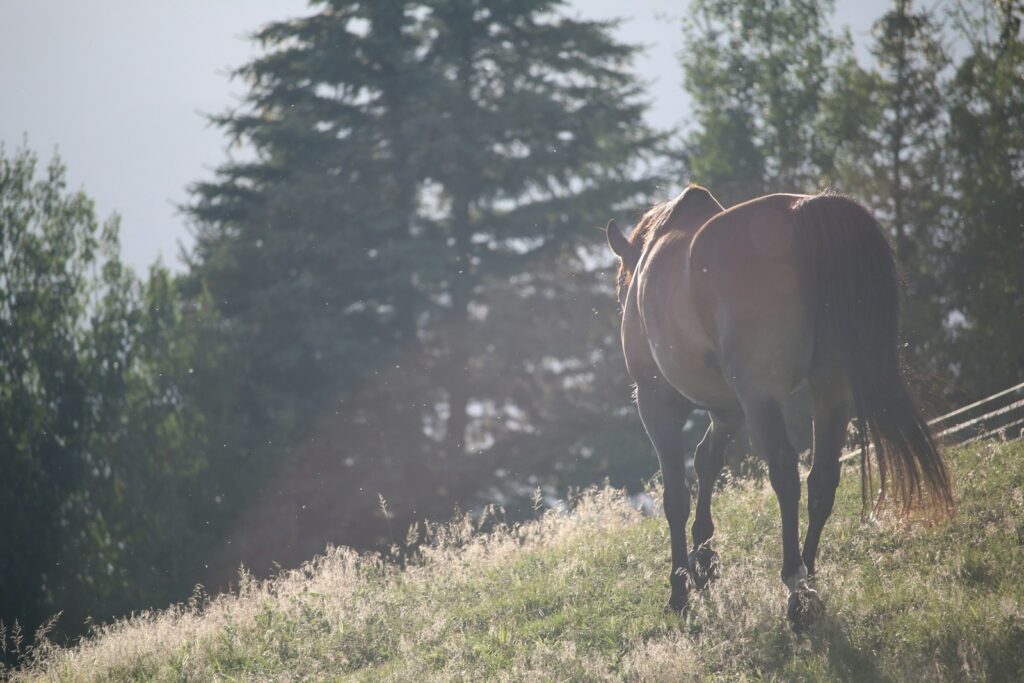
Horses possess remarkable natural navigation instincts that bareback riders can leverage on the trail. These animals have evolved with a 340-degree field of vision and exceptional night vision, allowing them to detect potential hazards long before humans can perceive them. Their acute hearing—with independently rotating ears capable of capturing sounds from various directions—provides additional environmental awareness that riders can trust when navigating unfamiliar territory. Many experienced trail horses will instinctively choose the safest path through difficult terrain if given the opportunity, making them valuable partners in navigation. When riding bareback, maintaining a relaxed seat and light contact allows you to better sense these natural navigational cues from your horse, creating a more intuitive riding partnership on the trail.
Mastering Balance for Effective Trail Navigation
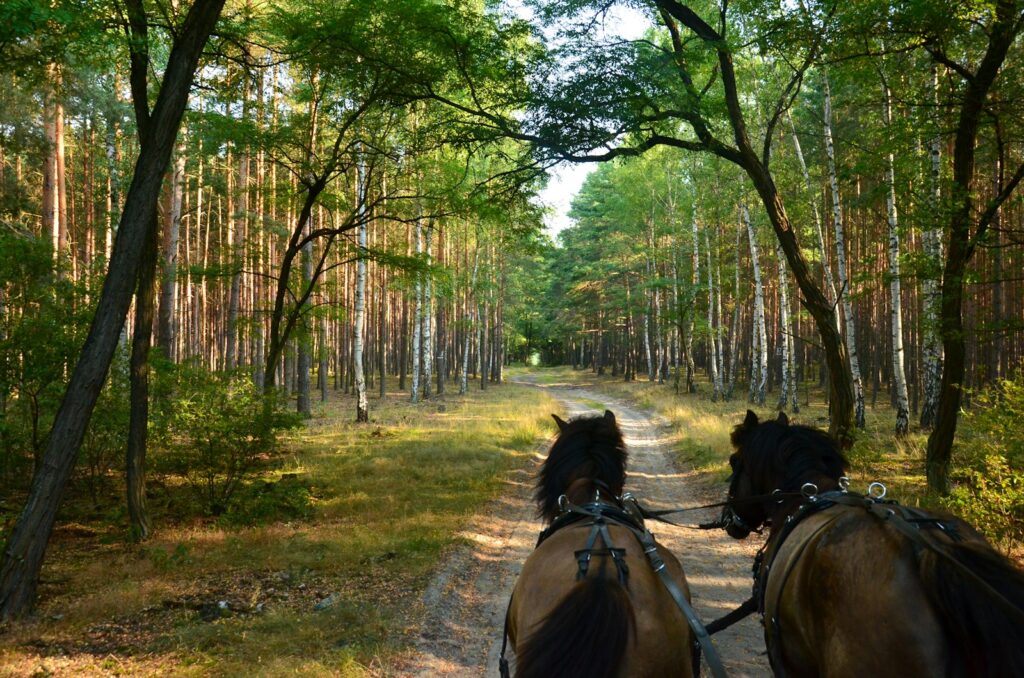
Balance is the cornerstone of successful bareback trail riding and directly impacts your ability to navigate effectively. Unlike riding with a saddle, bareback riding requires a deeper core engagement and greater leg stability to maintain position while traversing uneven terrain. Developing this balance begins with proper posture—keeping your shoulders aligned with your hips and allowing your spine to absorb movement naturally without stiffening. Practice riding on flat ground without stirrups or reins to build the necessary muscle memory before attempting challenging trails with elevation changes. When approaching obstacles like fallen logs or water crossings, slightly shift your weight forward when climbing and backward when descending, all while keeping your center of gravity closely aligned with your horse’s movement. Remember that your balance directly affects your horse’s balance, making it essential to remain centered and fluid, especially when navigating technical trail sections.
Choosing the Right Trail for Bareback Navigation

Selecting appropriate trails is crucial for successful bareback navigation, particularly for riders still developing their skills. Begin with well-maintained trails featuring moderate terrain, clearly marked paths, and minimal technical challenges that allow you to focus on your bareback position rather than difficult navigation decisions. Consider the trail’s width, as narrower paths may require more precise navigation and can present challenges when encountering other trail users. Weather conditions significantly impact trail suitability—muddy, slippery trails that might be manageable with a saddle become considerably more challenging without one. Research trails thoroughly before setting out, consulting land management agencies, local riding clubs, and online resources that specifically note trail conditions and difficulty ratings. Gradually progress to more challenging trails as your bareback navigation confidence increases, always prioritizing both your safety and your horse’s comfort.
Essential Communication Techniques for Trail Direction
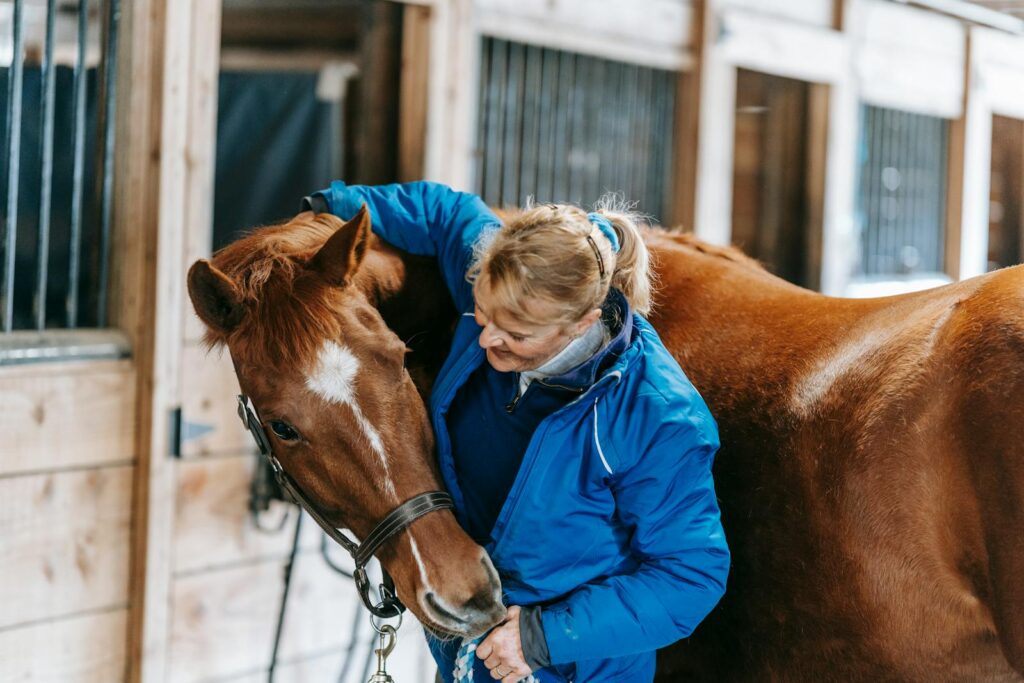
Without a saddle, clear communication with your horse becomes even more vital for effective trail navigation. Refine your seat aids to communicate direction changes through subtle weight shifts and core engagement—a skill that requires consistent practice but ultimately creates more responsive navigation without relying heavily on rein pressure. Develop clear leg cues that your horse understands, using gentle pressure to indicate direction rather than the more secure leg position available with stirrups. Voice commands serve as valuable supplements to physical cues, especially when approaching challenging terrain where your horse might need additional reassurance or guidance. Practice these communication techniques in controlled environments before applying them on actual trails, ensuring your horse clearly understands your directional requests before facing more complex navigation scenarios. Remember that bareback riding allows for more direct contact with your horse’s back, potentially enabling more subtle communication once mastered.
Trail Reading Skills for Bareback Riders
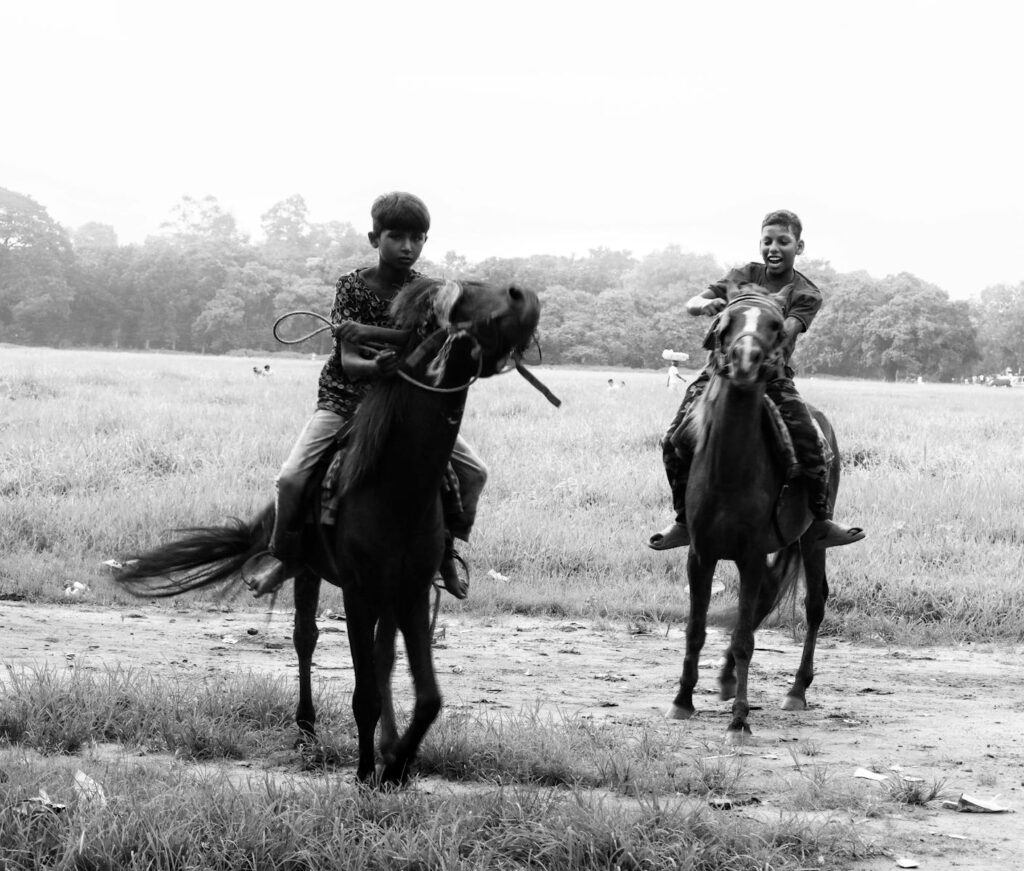
Developing strong trail reading abilities is particularly important for bareback riders who need to anticipate terrain changes before they occur. Learn to scan the trail several yards ahead, identifying potential obstacles such as rocks, roots, and elevation changes that might require adjustment to your position or pace. Understand how different soil types and conditions affect traction—vital knowledge when riding without the security of a saddle and stirrups. Recognize natural trail indicators like game paths, water flow patterns, and vegetation changes that can help you navigate when trail markings are unclear or during unexpected detours. Weather effects on trails require special attention; areas that appear solid might conceal mud pockets or unstable ground that could compromise your bareback stability. With practice, you’ll develop an instinctive ability to read trails efficiently while maintaining your bareback position, allowing for smoother navigation and fewer unexpected challenges.
Navigational Tools and Technology for Trail Riding
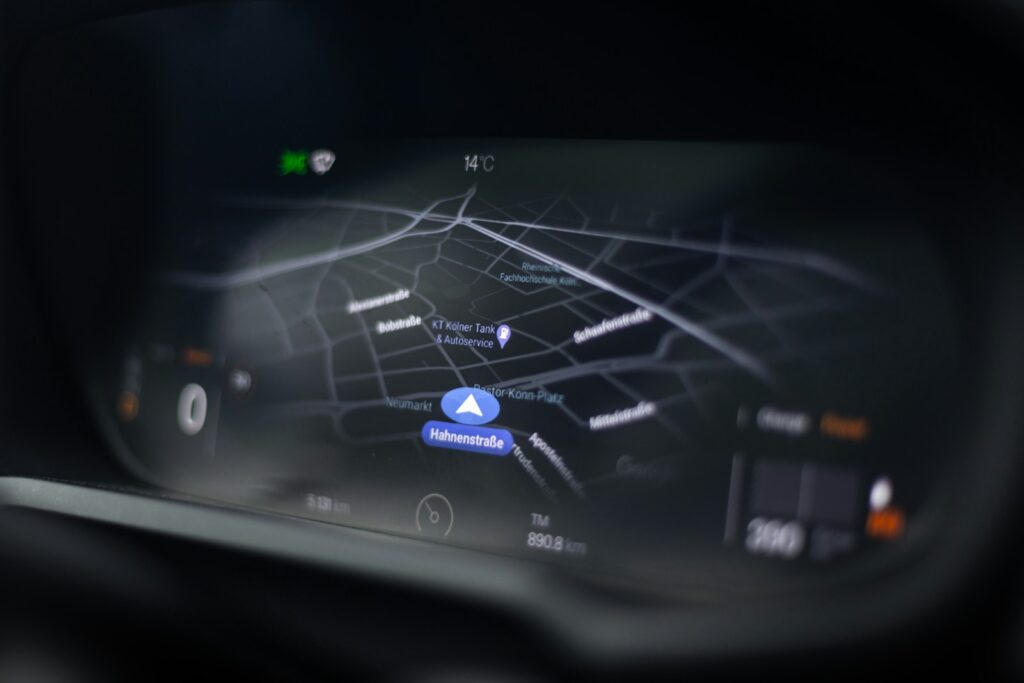
Modern navigational tools can significantly enhance bareback trail riding safety and confidence when used appropriately. Smartphone GPS applications designed specifically for equestrians allow hands-free navigation through voice directions, leaving your hands free to maintain balance—a critical consideration for bareback riders navigating complex trails. Traditional compasses and waterproof paper maps remain essential backup tools that don’t require battery power and can be accessed quickly even with limited dexterity while riding. Consider mounting phone holders to your horse’s breast collar or using arm-mounted cases that allow quick glances at navigation information without compromising your position. Satellite communication devices provide an additional safety layer for remote trail riding, enabling emergency communication even in areas without cellular coverage. Whichever technology you choose, practice using it while bareback riding in familiar settings before relying on it in unknown territory.
Handling Challenging Terrain Bareback

Navigating difficult terrain without a saddle requires specialized techniques that maintain both safety and communication with your horse. When ascending steep inclines bareback, lean slightly forward and grip with your upper thighs rather than your calves, keeping your center of gravity aligned with your horse while allowing their hindquarters freedom of movement. For descents, resist the urge to lean back dramatically as you might with a saddle—instead, maintain a neutral spine while engaging your core muscles and allowing your hips to follow the horse’s motion. Water crossings present unique challenges when riding bareback; focus on maintaining a centered position while giving your horse freedom to choose secure footing. Rocky terrain requires relaxed legs that can absorb motion rather than stiff gripping that might unbalance both you and your horse. Practice these techniques progressively, starting with mild terrain variations before attempting more significant challenges.
Weather Considerations for Bareback Trail Navigation
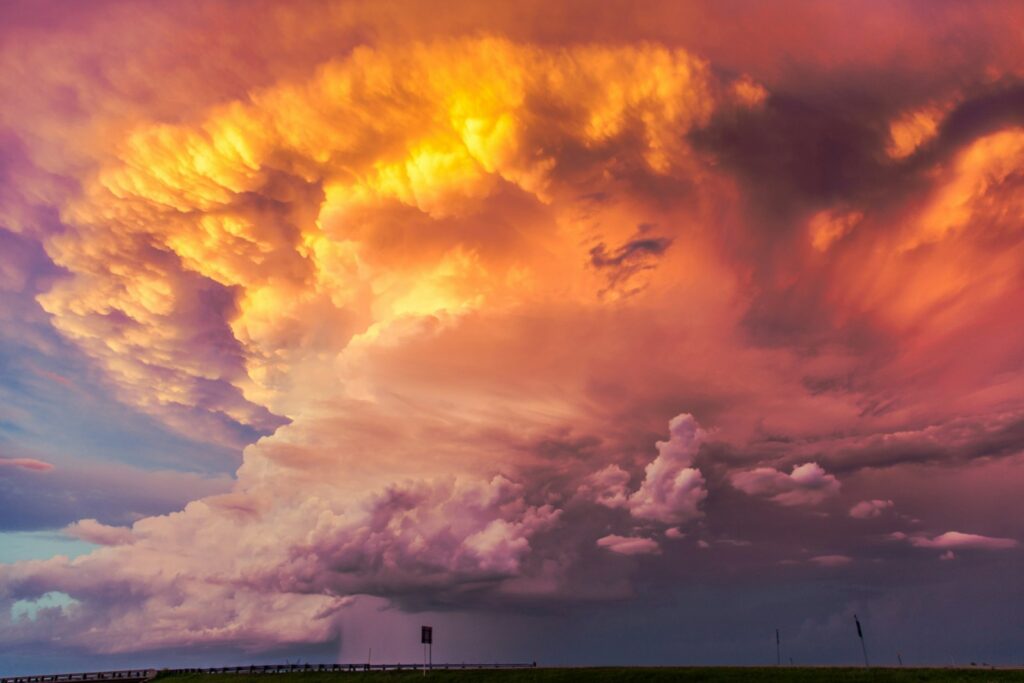
Weather conditions dramatically impact bareback trail navigation, requiring additional preparation and awareness. Wind can affect both your balance and your horse’s focus, making it advisable to adjust your route to avoid ridge lines and open areas during particularly gusty conditions. Rain creates multiple challenges—not only does the slick coat of your horse become more difficult to sit securely, but trail conditions deteriorate quickly, requiring more careful navigation and possibly alternate routes. Temperature extremes affect both rider concentration and horse behavior; excessive heat may necessitate more frequent breaks and access to water sources, while cold weather might require frequent dismounting to warm up—both scenarios complicating bareback navigation. Develop the habit of checking detailed weather forecasts specifically for your trail area before setting out, and always have contingency plans for unexpected weather changes that might compromise your bareback stability or trail conditions.
Group Navigation Strategies When Riding Bareback
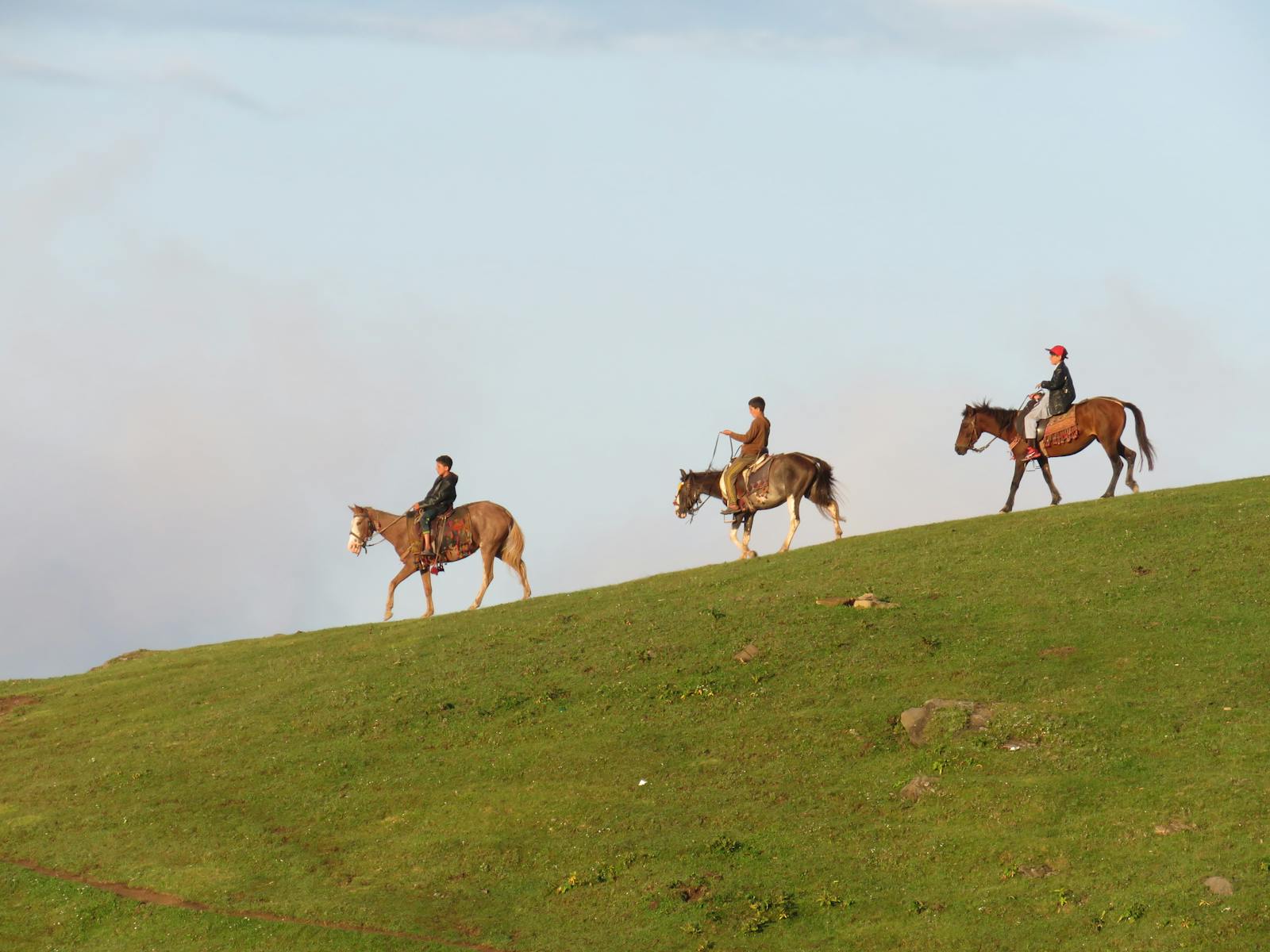
Group trail riding while bareback requires additional coordination to ensure everyone navigates safely without the security of saddles. Establish clear communication signals within your group before setting out, including hand gestures that can quickly convey information about upcoming terrain challenges or necessary pace changes. Position the most experienced bareback riders at the front and rear of the group, creating a supportive structure for less confident riders who may need occasional guidance with navigation decisions. Maintain consistent spacing between horses—closer than with saddle riding can be dangerous as bareback riders may need more time to regain balance after unexpected movements, while excessive distance can fragment the group on complex trails. When navigating technical terrain, consider dismounting as a group and leading horses through particularly challenging sections rather than risking falls that could injure multiple riders. Remember that group dynamics change when riding bareback, often requiring slower overall pace and more frequent rest stops to maintain navigation precision.
Night and Low-Light Navigation Techniques
Navigating trails in low-light conditions while riding bareback presents unique challenges that require specialized preparation and techniques. Trust your horse’s superior night vision by maintaining a looser rein contact that allows them to choose safe footing while you focus on maintaining your bareback position securely. Carry multiple light sources—headlamps that leave your hands free are particularly valuable for bareback riders who need both hands for balance in challenging situations. Reflective gear becomes essential for both safety and navigation, making it easier to keep track of riding companions and enhancing visibility to other trail users. Memorize key trail features before darkness falls, creating mental markers that will help with navigation when visibility decreases. Consider that your balance perception changes in low light, potentially making bareback riding more challenging, so reduce your pace accordingly and be especially mindful of maintaining proper position over your horse’s center of gravity.
Emergency Navigation When Plans Change
Bareback riders must be especially prepared for emergency navigation scenarios when typical trail plans must be altered unexpectedly. Develop the skill of identifying natural navigation markers such as distinctive trees, rock formations, or distant landmarks that can guide you back to familiar territory if you become disoriented. Always carry emergency supplies in a secure pack that won’t interfere with your bareback position—including a space blanket, water purification method, and high-energy snacks that could sustain you during an unplanned extended trail experience. Practice emergency dismounts from your bareback position so you can quickly and safely exit your horse if trail conditions suddenly deteriorate or other dangers present themselves. Share your detailed ride plan with someone not in your riding party, including expected return times and trail routes, providing a safety net should navigation challenges prevent your timely return. Remember that bareback riding may require more conservative decision-making in emergency situations since you lack the security and attachment points that a saddle provides.
Building Progressive Trail Navigation Skills

Developing bareback trail navigation abilities requires a methodical approach that builds skills progressively rather than tackling challenging routes prematurely. Begin with familiar, well-marked trails where you can focus entirely on maintaining proper bareback position while navigating basic terrain features like gentle slopes and simple turns. Gradually introduce more complex navigation challenges such as water crossings, moderate elevation changes, and varied footing while continuing to reinforce your core bareback riding techniques. Set specific navigation skill goals for each trail ride—perhaps successfully navigating a particular type of terrain or accurately following a mapped route without assistance. Seek feedback from experienced bareback trail riders who can observe your navigation techniques and offer constructive suggestions for improvement. Remember that proficient bareback trail navigation develops through consistent practice over time, with each ride building both your physical capabilities and your horse’s confidence in your leadership through varying terrain.
conclusion
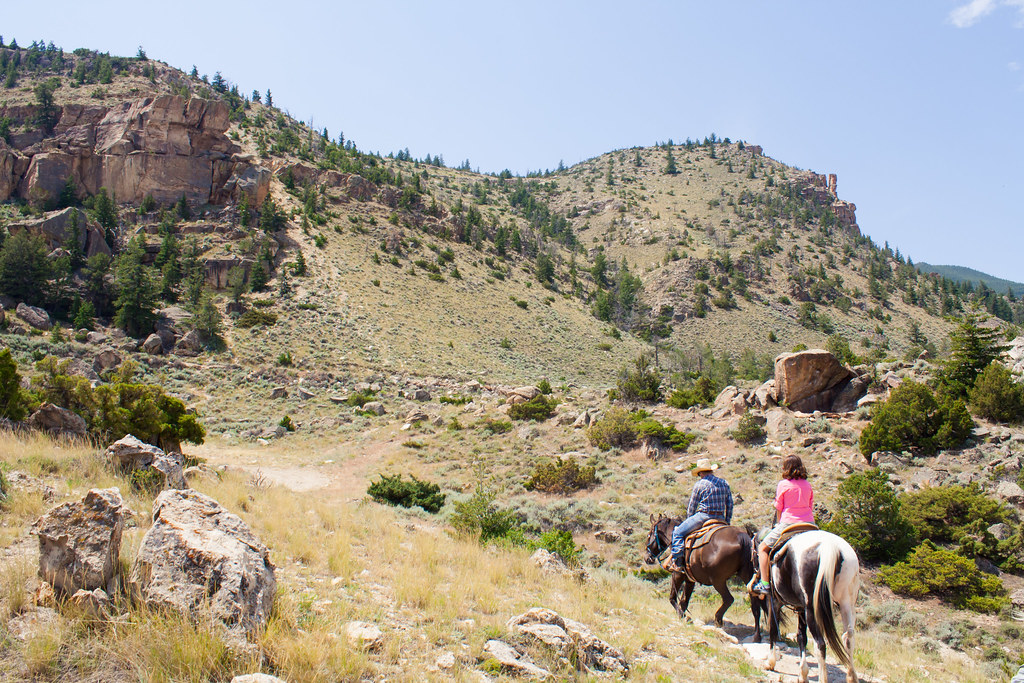
Mastering bareback trail navigation represents the beautiful intersection of horsemanship, outdoor skills, and physical ability. The techniques covered in this guide—from understanding your horse’s natural navigational instincts to handling emergency situations—create a foundation for safe and enjoyable bareback trail experiences. What makes bareback trail riding particularly rewarding is the profound connection it fosters with your horse; without tack between you, navigation becomes a seamless partnership where communication flows through subtle body language and mutual trust. As you develop these skills progressively, you’ll discover a freedom and awareness on the trail that traditional riding can’t quite match. Remember that patience with yourself and your horse during this learning process is essential—each trail successfully navigated bareback builds confidence for the next adventure. Armed with these navigation principles, you’re well-equipped to experience the trails in their most authentic form, connected directly to your horse and the natural world around you.