

Barn chores—those necessary but often tedious tasks that come with horse ownership—have long been viewed as the less glamorous side of equestrian life. From mucking stalls to hauling hay, these tasks require dedication, physical strength, and consistent effort regardless of weather or personal motivation. But what if these essential chores could be transformed from drudgery into something enjoyable, even fun? This article explores innovative approaches, mindset shifts, and practical strategies that can revolutionize how we approach barn work, potentially making it the most enjoyable part of horse care rather than the most dreaded.
The Psychology Behind Chore Enjoyment

Our perception of barn chores is heavily influenced by our mindset and approach. Research in positive psychology suggests that activities we frame as “have to do” versus “get to do” significantly affect our enjoyment levels. When we view barn chores as a privilege—an opportunity to care for animals we love—our brain releases different neurochemicals than when we view them as burdensome obligations. This shift isn’t merely semantic; it creates genuine biological changes in how we experience the work. Studies show that people who find meaning in routine tasks report higher levels of life satisfaction and reduced stress, suggesting that reframing barn work could have benefits extending far beyond the stable.
Transforming Mucking Into Movement Therapy
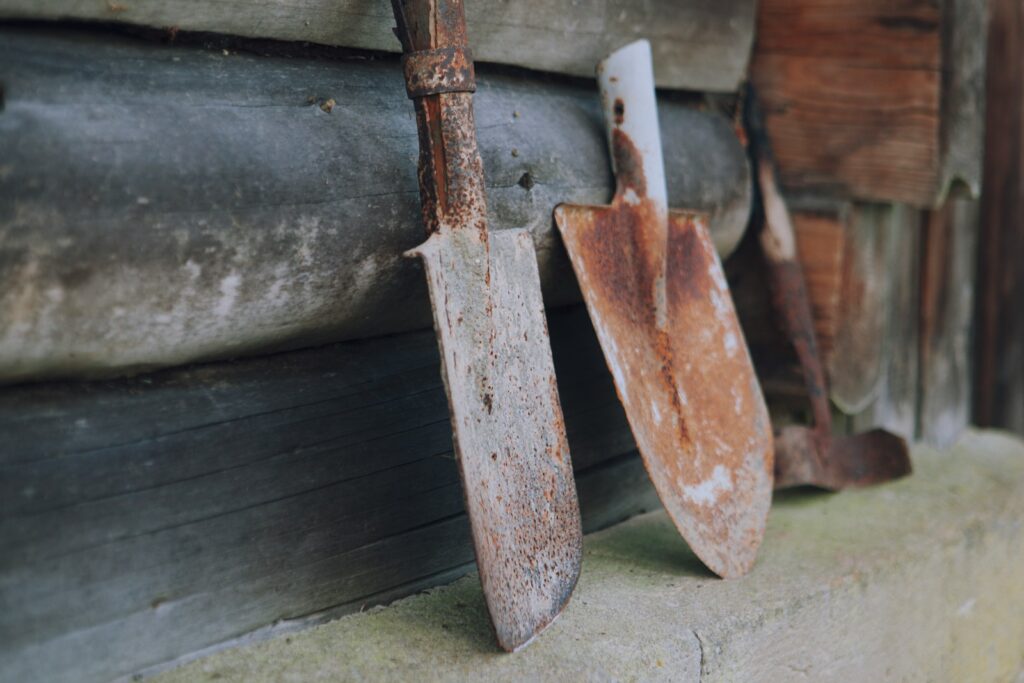
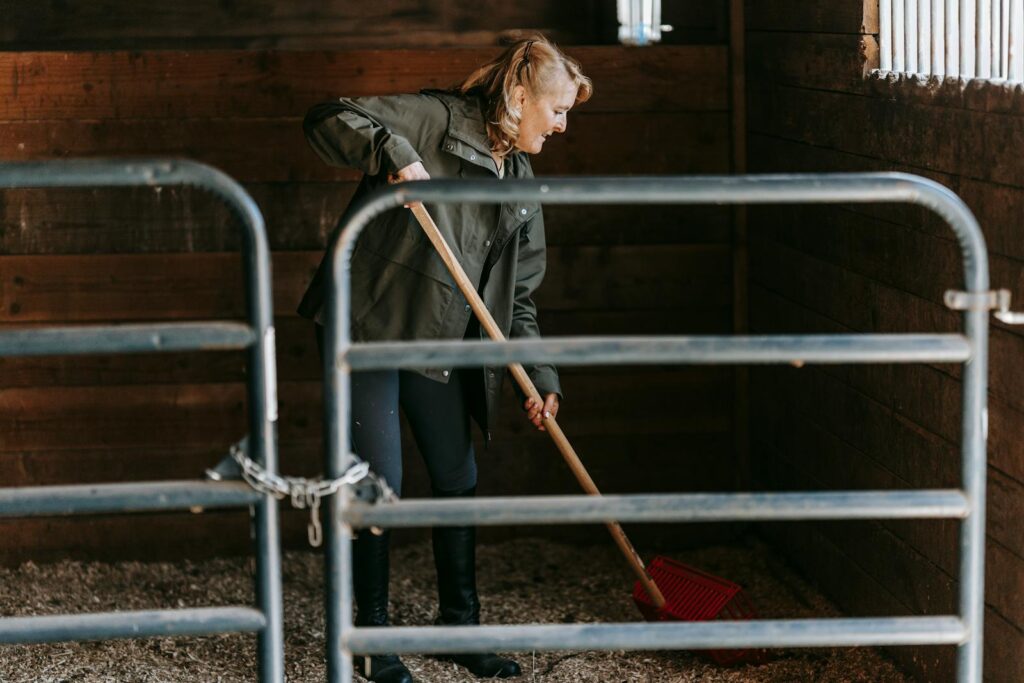
Mucking stalls, perhaps the most notorious barn chore, can be reconceptualized as functional fitness training rather than dirty drudgery. The repeated motions of scooping, lifting, and pushing a wheelbarrow engage multiple muscle groups in ways similar to expensive functional movement classes. Many equestrians have begun treating mucking sessions as intentional exercise, tracking steps, monitoring heart rates, and even timing their “mucking workouts” to optimize fitness benefits. This perspective shift transforms what many consider the worst chore into free cross-training that builds exactly the strength riders need for effective horsemanship. The physical benefits are complemented by the satisfaction of seeing immediate, tangible results of your labor—a clean stall representing a concrete accomplishment.
Technology: Making Chores Interactive and Rewarding

Modern technology offers numerous ways to make barn work more engaging through gamification and tracking systems. Several smartphone apps now exist specifically for equestrians, allowing them to track completed chores, set goals, and even earn virtual rewards for consistency. Barn managers have reported success implementing systems where team members compete for points earned through chore completion, with real rewards for top performers. Wearable technology like fitness trackers can quantify the substantial caloric burn and activity levels during barn work, providing concrete evidence of the health benefits. Some tech-savvy barns have even installed Bluetooth speakers with waterproof controls, allowing workers to control music or podcasts without removing gloves or interrupting their workflow.
Social Chores: The Barn Work Party Revolution
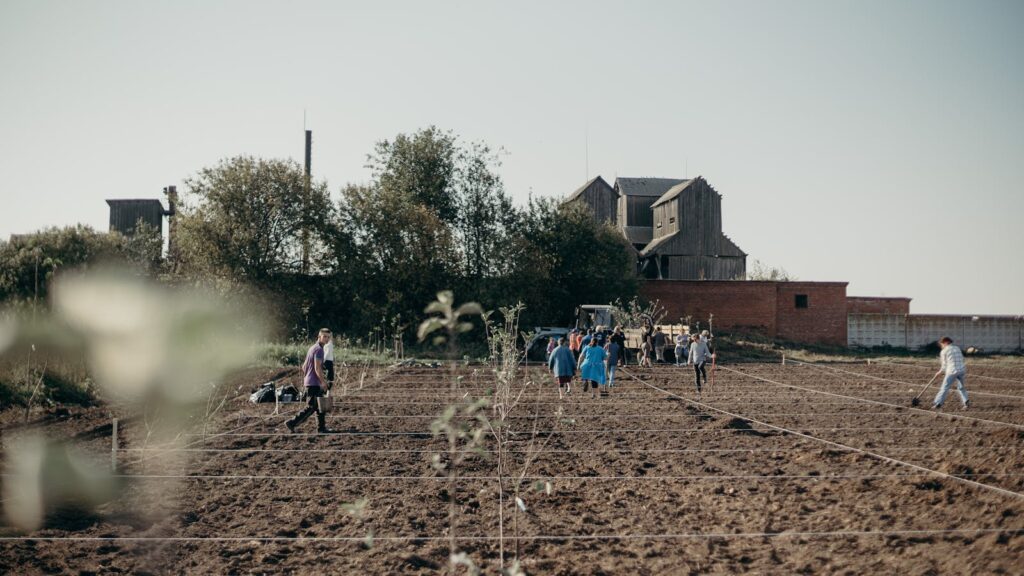
The old saying “many hands make light work” proves especially true in barn settings, where chore parties can transform overwhelming tasks into social events. Innovative barn owners are scheduling monthly “deep clean parties” where boarders gather for a focused few hours of collective effort, often followed by shared meals or riding time. These events build community while accomplishing necessary maintenance that might otherwise be neglected. The psychological benefits of working alongside others include increased motivation, reduced perception of effort, and strengthened social bonds among barn members. Some facilities report that these community work sessions have significantly improved barn culture, reducing conflicts and creating more supportive environments for all members.
Mindfulness in Mucking: Finding Zen in Repetitive Tasks

The repetitive nature of many barn chores makes them ideal candidates for mindfulness practice, potentially transforming them into meditative experiences. The rhythmic scraping of a stall fork, the methodical filling of water buckets, or the careful measuring of feed can become grounding rituals that offer a respite from digital distractions and mental chatter. Equestrians who practice mindful awareness during chores report experiencing a state of flow—complete immersion in the present moment—that leaves them feeling refreshed rather than depleted. This approach aligns with traditional Zen philosophies that find spiritual value in mundane tasks, suggesting that the humble act of cleaning a stall can become a form of moving meditation when approached with the right mindset.
Music and Podcasts: The Audio Revolution in Barn Work

The strategic use of audio content has transformed barn chores for countless equestrians who now view chore time as valuable learning or entertainment opportunity. Waterproof Bluetooth speakers have become essential barn equipment, allowing workers to enjoy music, audiobooks, or educational podcasts while completing tasks. Many report that this simple addition makes them actually look forward to barn time as a chance to catch up on favorite shows or learn new equestrian concepts. The psychology behind this effect relates to what researchers call “temptation bundling”—pairing necessary activities with pleasurable ones to increase motivation. Barn managers note that workers with access to audio entertainment typically spend more time in the barn and report higher satisfaction with chores.
Efficient Systems: Working Smarter, Not Harder

Creating efficient systems can dramatically reduce the time and effort required for barn maintenance while increasing satisfaction with the process. Thoughtfully designed barns with strategic placement of tools, feed, and waste disposal areas can save countless steps and reduce frustration. Innovations like central vacuum systems for stalls, automatic waterers with easy-clean designs, and ergonomic tools specifically designed for barn work have revolutionized efficiency at forward-thinking facilities. These investments pay dividends not just in time saved but in reduced physical strain and injury risk. Equestrians who implement systems thinking—considering how tasks flow together—report spending up to 30% less time on routine chores while maintaining higher standards of cleanliness and care.
Equine Participation: When Horses Help With Chores
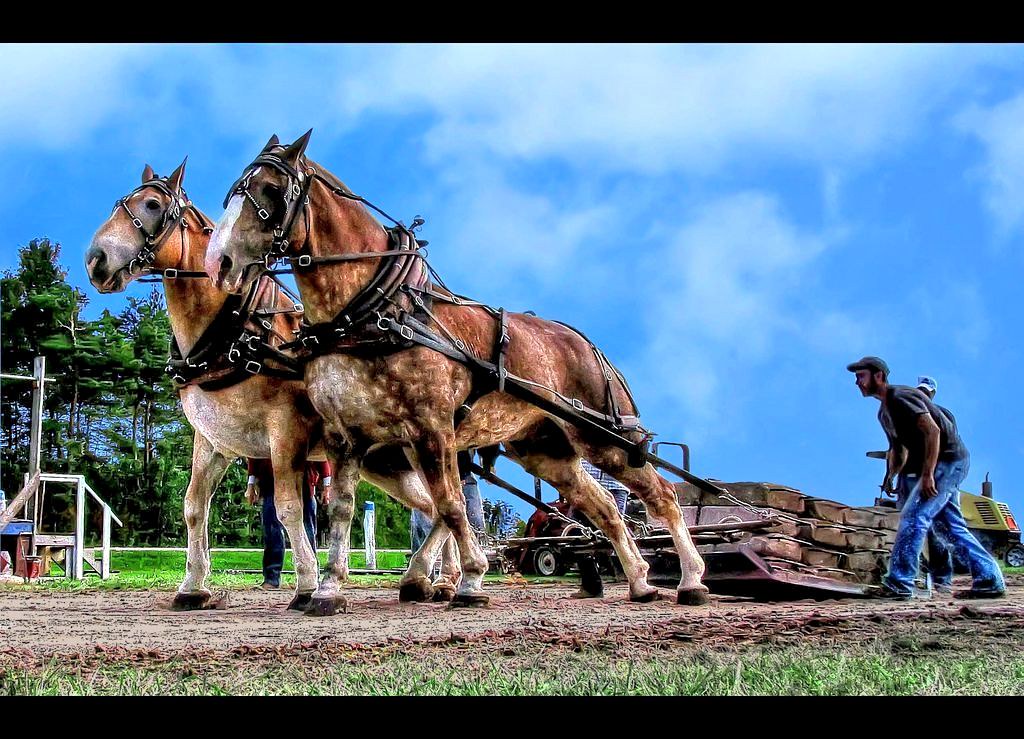
Including horses as active participants rather than passive recipients of care creates a whole new dimension of enjoyment in barn work. Liberty-trained horses can be taught to move between paddocks and stalls on verbal cue, dramatically simplifying turnout routines that typically require haltering and leading each animal. Some innovative handlers have trained their horses to position themselves for grooming, pick up dropped items, or even push cleaning equipment around their stalls. Beyond the practical time savings, this cooperation transforms chore time into relationship-building training sessions that deepen the human-equine bond. The collaborative approach shifts the fundamental dynamic from humans serving horses to a partnership where both species contribute to maintaining their shared environment.
Children and Chores: Building Future Equestrians
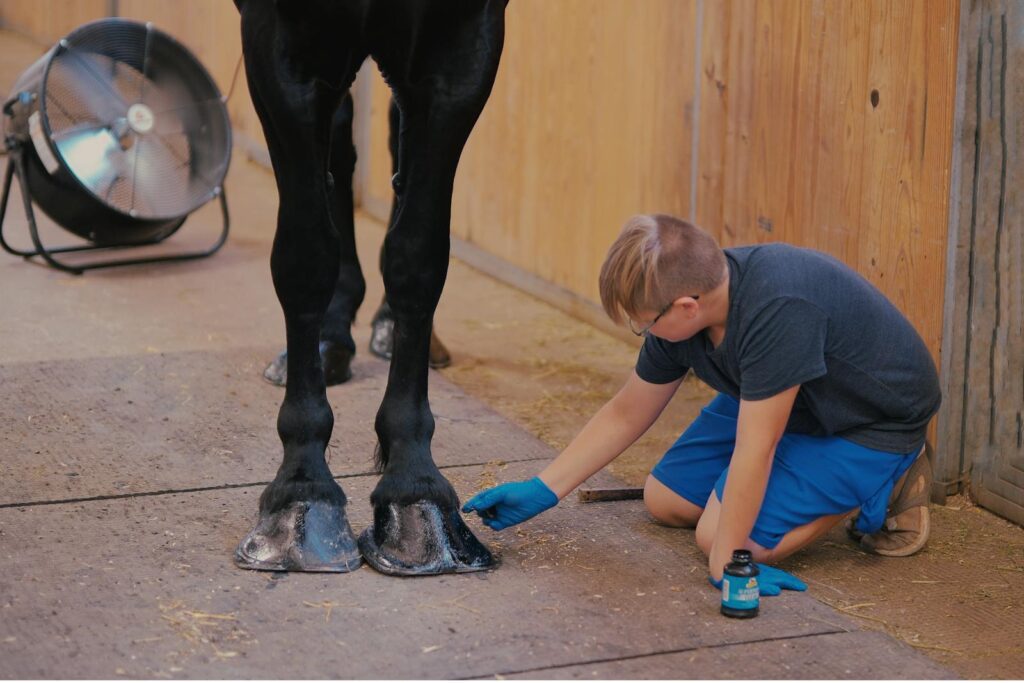
For families with children, barn chores offer invaluable opportunities for developing responsibility, work ethic, and horsemanship skills. Successful barns create age-appropriate task systems where even very young children can contribute meaningfully through simple jobs like filling water buckets or sweeping aisles. These early experiences lay the groundwork for lifelong capabilities in animal care and facility management. Programs that create visual charts, achievement systems, and recognition for completed work report higher engagement and enthusiasm from young participants. The skills developed through consistent barn chores—time management, attention to detail, physical capability, and empathy for animals—transfer to other areas of life, making barn work an educational experience that extends far beyond equestrian knowledge.
Seasonal Variety: Embracing the Changing Chore Landscape

The seasonal nature of equestrian care provides natural variety that keeps barn work interesting throughout the year. Embracing these seasonal shifts—rather than resisting them—can transform potentially frustrating changes into welcome variations that prevent monotony. Spring cleaning becomes an opportunity for renewal, summer management focuses on heat and fly prevention, fall preparations build toward winter comfort, and winter care creates cozy moments of connection with horses in the quiet cold months. This cyclical approach aligns with natural rhythms and allows barn workers to develop specialized expertise for each season. Many report that this perspective shift helps them appreciate the unique pleasures of each season rather than dreading challenging weather conditions.
Environmental Innovations: Making Chores Eco-Friendly

Incorporating environmental sustainability into barn management adds purpose and meaning to routine tasks while potentially reducing costs and labor. Composting systems transform waste management from a disposal problem into a soil-creation opportunity, with some barns producing valuable garden amendments or even generating income from compost sales. Rainwater collection systems reduce dependence on municipal water while providing cleaner water for horses. Energy-efficient lighting, solar installations, and passive heating/cooling designs not only reduce environmental impact but often create more pleasant working conditions. These environmental considerations attract eco-conscious equestrians who find deeper satisfaction in barn work that aligns with their values regarding planetary stewardship.
Rewarding Yourself: Creating Positive Reinforcement

Establishing personal reward systems transforms barn work from obligation to opportunity by leveraging the power of positive reinforcement. Many equestrians create explicit connections between completed chores and earned privileges, such as riding time, special activities with their horses, or personal treats like coffee from their favorite shop. This approach recognizes the psychological principle that behaviors followed by rewards are more likely to be repeated enthusiastically. Some riders have formalized this system through apps or journals where they track completed tasks and plan corresponding rewards. The anticipation of the reward creates dopamine release that makes the work itself more enjoyable, while the satisfaction of earning each privilege increases overall enjoyment of equestrian life.
conclusion
Barn chores, far from being the necessary evil of horse ownership, have the potential to become enriching aspects of equestrian life when approached with creativity, purpose, and proper systems. By reimagining these tasks through lenses of fitness, mindfulness, social connection, and efficiency, the daily routines of horse care can transform from burdensome obligations into meaningful rituals that enhance our relationship with our horses and ourselves. The most successful equestrians often find that these seemingly mundane moments of care ultimately provide as much fulfillment as the riding experiences they enable. Perhaps the secret to lasting satisfaction in horse ownership isn’t finding ways to minimize chores but discovering how to maximize the joy we find in them.