

When we envision Vikings, we typically picture fierce warriors on longships, crossing treacherous seas with their distinctive dragon-headed vessels. However, horses played an equally critical role in Viking military success and exploration efforts that often goes underappreciated. These magnificent animals weren’t merely transportation – they were integral to Viking culture, warfare tactics, and the expansion of Norse influence throughout Europe and beyond. From battlefield charges to overland expeditions, horses enabled the Viking Age to become one of history’s most impactful periods of conquest and cultural exchange.
The Viking Horse: Norse Steeds of War and Work
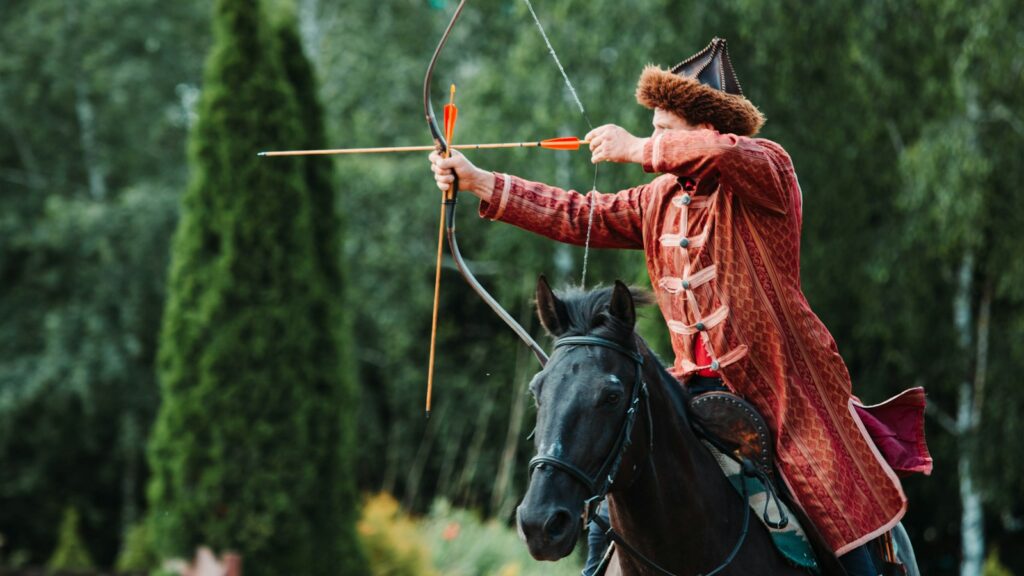
Viking horses were distinctly different from today’s modern breeds, being notably smaller yet remarkably hardy creatures. Archaeological evidence suggests most Norse horses stood between 12 and 14 hands high (48-56 inches at the shoulder), similar in size to modern ponies but with tremendous stamina and resilience. These animals evolved to withstand the harsh Scandinavian climate, developing thick winter coats and the ability to survive on minimal forage. Their smaller stature made them ideal for transport on Viking ships when necessary, though they weren’t regularly seafaring animals. Horse remains found at Viking archaeological sites reveal selective breeding programs that emphasized endurance, strength, and adaptability over speed or size.
Equine Transportation in Viking Society
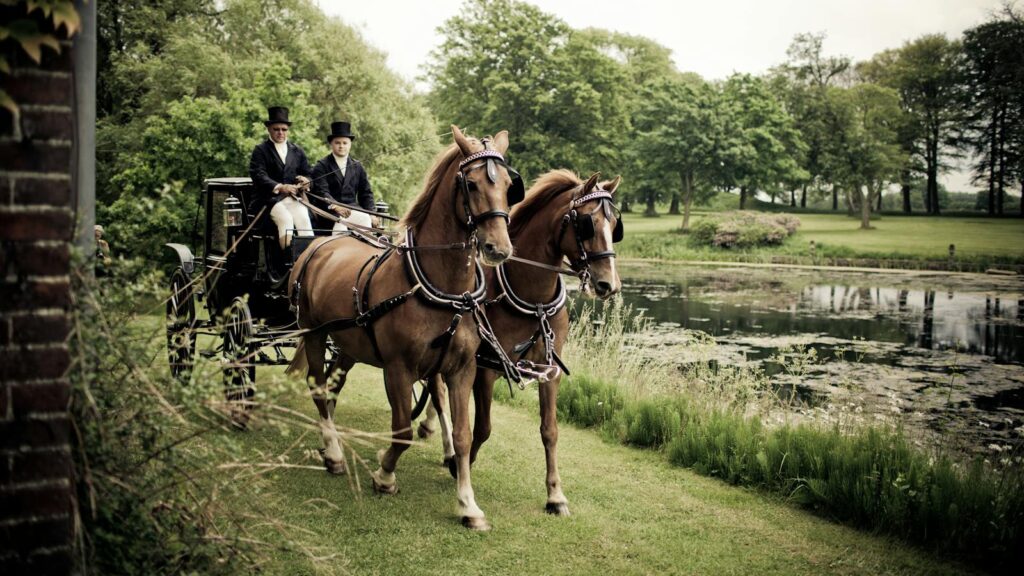
Horses represented significant wealth in Viking society and were essential for everyday transportation across the Scandinavian landscape. Archaeological evidence shows elaborate horse harnesses and riding equipment, indicating their cultural importance beyond mere utility. For common Vikings, horses facilitated trade routes and connected communities across difficult terrain that would have been challenging to navigate on foot. The Norse sagas frequently mention horses as prized possessions, with specialized roles for work horses, riding horses, and war horses. Year-round mobility provided by horses allowed Vikings to maintain territorial control and social connections across vast distances, particularly during harsh winter months when ships couldn’t navigate frozen waterways.
The Logistics of Horse Transport on Viking Ships
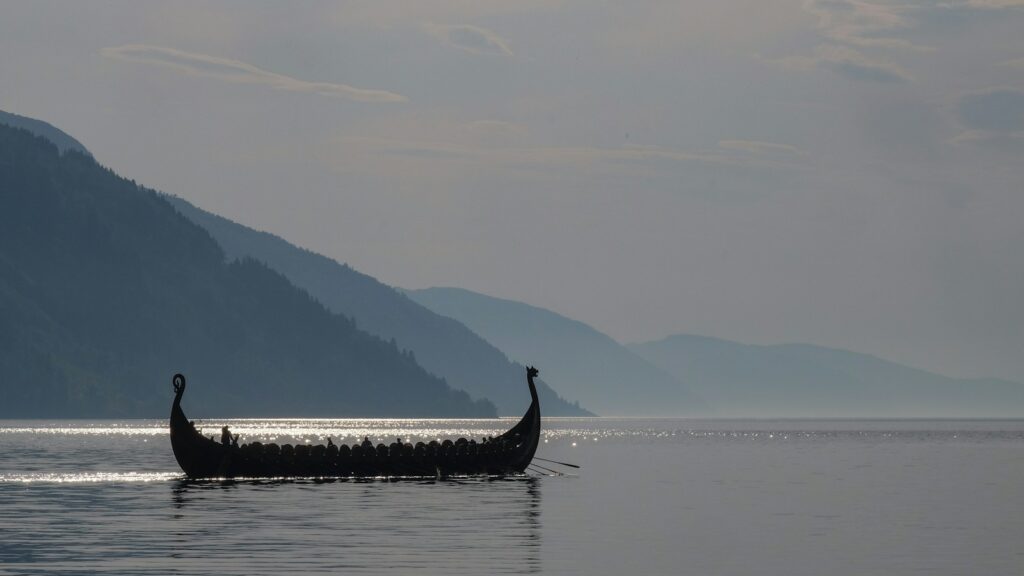
Contrary to popular depictions, Vikings rarely transported horses on their standard raiding vessels. Longships were streamlined for speed and maneuverability, with little space for large animals. However, specialized vessels called knarrs—wider, deeper merchant ships with substantial cargo capacity—could transport horses for colonization efforts and extended campaigns. Loading and unloading horses from ships presented significant challenges, often requiring custom-built ramps and calm waters. Archaeological evidence from Viking harbors shows specialized docking facilities that may have facilitated horse embarkation. For most raids, Vikings typically acquired horses locally upon landing rather than bringing them from Scandinavia, a practice documented in numerous historical accounts.
Horses as Tactical Advantages in Raids
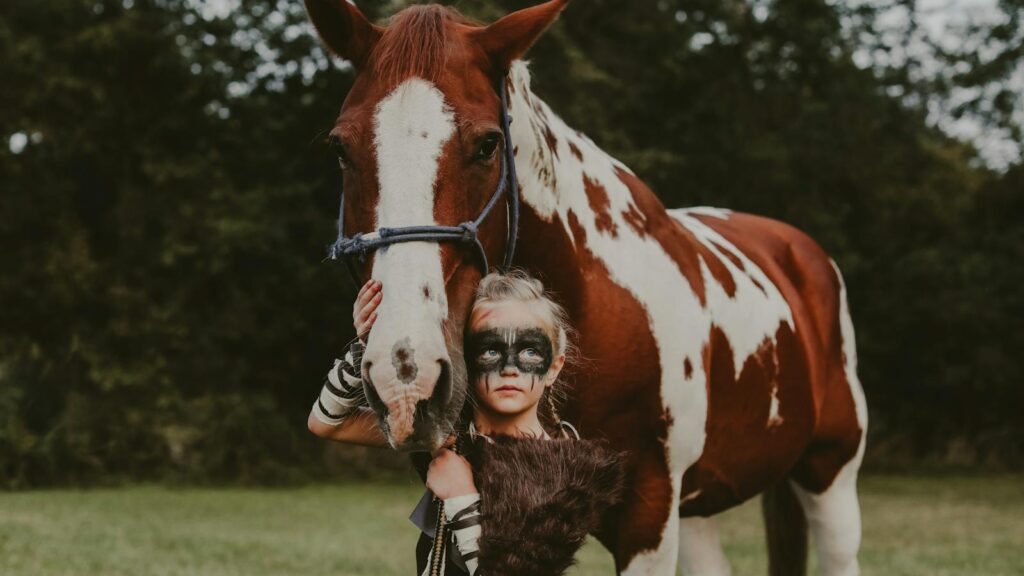
The acquisition of local horses transformed Viking raiding capabilities dramatically. After landing their ships, Vikings would conduct horse raids on nearby settlements, immediately increasing their mobility and strike range. This tactical approach allowed raiding parties to penetrate much deeper inland than would have been possible on foot, reaching wealthy targets that previously considered themselves safe from seaborne attackers. Historical accounts describe Vikings covering astonishing distances on horseback during raids, sometimes traveling 30-40 miles inland within a single day. The psychological impact of mounted Viking warriors also shouldn’t be underestimated—the speed and intimidation factor of horseback raiders significantly amplified the terror that characterized Viking incursions.
Cavalry Tactics in Viking Warfare

While Vikings weren’t primarily known as cavalry forces like their Frankish contemporaries, they adapted horseback combat techniques when advantageous. Archaeological evidence shows specialized Viking weapons modified for mounted combat, including longer spears and specialized sword designs that worked effectively from horseback. In many battles, Vikings used horses for rapid deployment rather than direct cavalry charges, dismounting to fight on foot while maintaining the mobility advantages horses provided. The Anglo-Saxon Chronicle records several instances where Viking forces used sophisticated horse-based flanking maneuvers that demonstrated considerable tactical awareness. As Viking armies evolved from raiding parties into conquering forces, their incorporation of horseback combat techniques became increasingly sophisticated, particularly in their campaigns across England and France.
Horse Breeding and Selection for Viking Expeditions
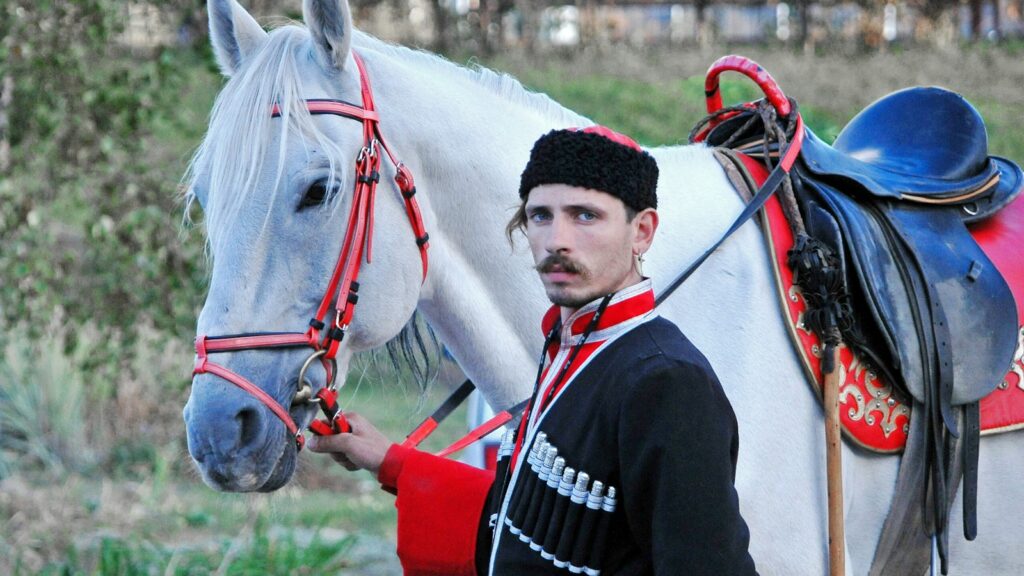
Vikings demonstrated remarkable knowledge of horse breeding, selecting animals with specific traits suited for their intended purposes. Archaeological evidence from Viking settlements reveals specialized paddocks and stabling arrangements that indicate careful management of breeding stock. Norse horses needed exceptional hardiness for the demanding conditions of raids and exploration, with emphasis on endurance over raw speed. Historical records indicate Vikings valued horses with calm temperaments that could withstand the chaos of battle without panicking. Genetic studies of horse remains from Viking sites suggest deliberate selection for traits like sure-footedness on difficult terrain and the ability to thrive on minimal forage—crucial attributes for long-distance campaigns.
Horses in Viking Colonization Efforts

When Vikings transitioned from raiding to colonization, horses became essential components of establishing sustainable settlements. Icelandic historical records document the deliberate transportation of breeding stock to new colonies, establishing genetic foundations that persist in modern Icelandic horses. In colonization contexts, horses performed crucial agricultural roles, from plowing fields to transporting building materials for new settlements. The Landnámabók (Book of Settlements) specifically mentions the importance of horses in establishing Viking homesteads across Iceland. Archaeological evidence from Viking settlements in Greenland, the Faroe Islands, and North America all indicate the presence of horses, underscoring their critical role in expanding and maintaining Norse territorial holdings.
The Cultural and Religious Significance of Horses
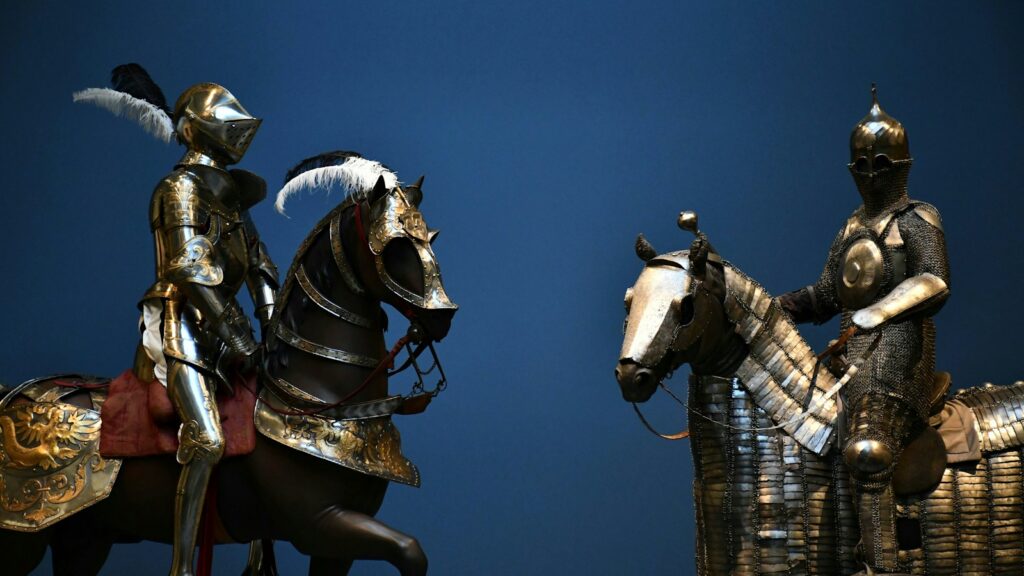
Horses transcended mere utility in Viking culture, occupying profound spiritual and symbolic roles. Norse mythology features prominent horse figures, most notably Sleipnir, Odin’s eight-legged steed who could traverse between worlds. Archaeological evidence shows horses were frequently included in burial rituals, with high-status Vikings often interred with their prized horses as companions for the afterlife. The famous Oseberg ship burial contained multiple horse sacrifices, demonstrating their central importance in funerary practices. Horse sacrifices were also conducted at religious sites like Uppsala in Sweden, where animals were ritually killed and hung from sacred trees as offerings to the gods, emphasizing the deep connection between horses and Norse spirituality.
Horse Armor and Equipment Innovations
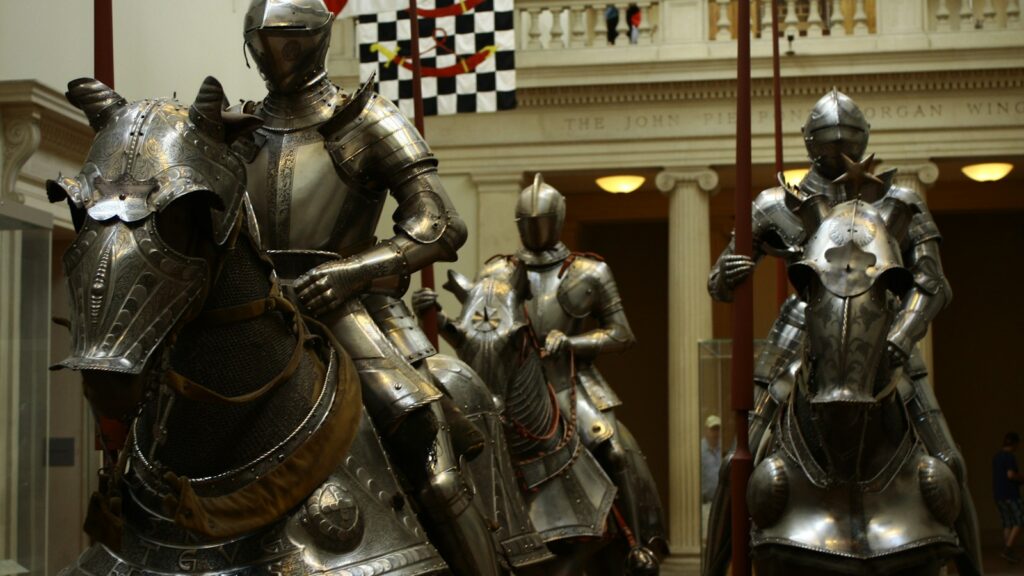
Vikings developed specialized equipment that enhanced horses’ effectiveness in both warfare and exploration. Archaeological finds include intricately crafted stirrups that provided riders with greater stability and leverage during combat situations. Viking saddles featured high pommels and cantles designed to secure riders during rapid maneuvers while distributing weight to minimize horse fatigue on long journeys. Excavations have uncovered elaborate bridle fittings and decorative harness elements, often featuring mythological motifs that connected riders to divine protection. The functionality of Viking horse equipment represented significant technological innovations, with designs that efficiently transferred the rider’s weight and maximized the horse’s endurance—crucial factors in the success of extended campaigns.
Horses in the Conquest of England and Normandy

The Great Heathen Army that invaded England in 865 CE utilized horses extensively, transforming from a raiding force into a sophisticated conquering army. Historical records describe how Vikings requisitioned horses from conquered territories, gradually building substantial mounted forces that could rapidly respond to Anglo-Saxon counterattacks. The mobility provided by horses allowed Vikings to outmaneuver defending forces, striking at multiple locations faster than news of their movements could spread. In Normandy, settled Vikings (who became known as Normans) developed increasingly sophisticated cavalry traditions that ultimately culminated in the Norman conquest of England in 1066—representing the evolution of Viking horse warfare taken to its logical conclusion. The Bayeux Tapestry vividly illustrates how these Norse descendants had transformed into a formidable cavalry force, their Viking heritage evident in their tactics but their horse warfare evolved far beyond their ancestors’ approaches.
Horses in Viking Trade Networks
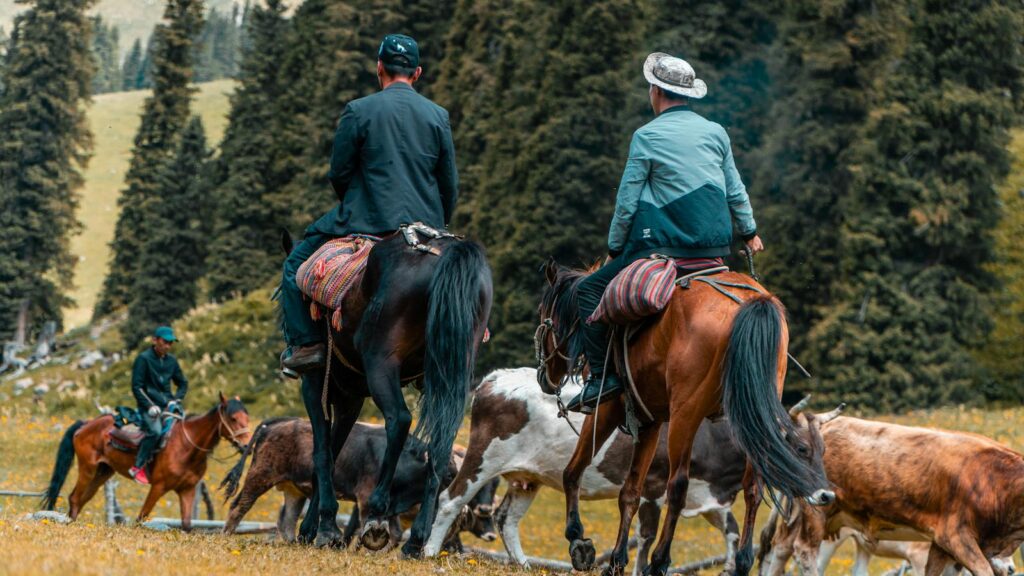
Beyond warfare, horses facilitated the expansive trade networks that formed the economic backbone of Viking society. Pack horses transported valuable goods across overland trade routes that connected waterways throughout Europe and Asia. Archaeological evidence shows specialized horse equipment designed for carrying trade goods, including distinctive pack saddles and harness configurations. The mobility provided by horses allowed Vikings to establish trade outposts deep in continental territories, far from their coastal bases. Historical records mention Viking horse traders operating throughout Eastern Europe and as far as Constantinople, dealing in specialized breeding stock as well as using horses to transport other valuable commodities like furs, amber, and slaves.
The Legacy of Viking Horse Practices
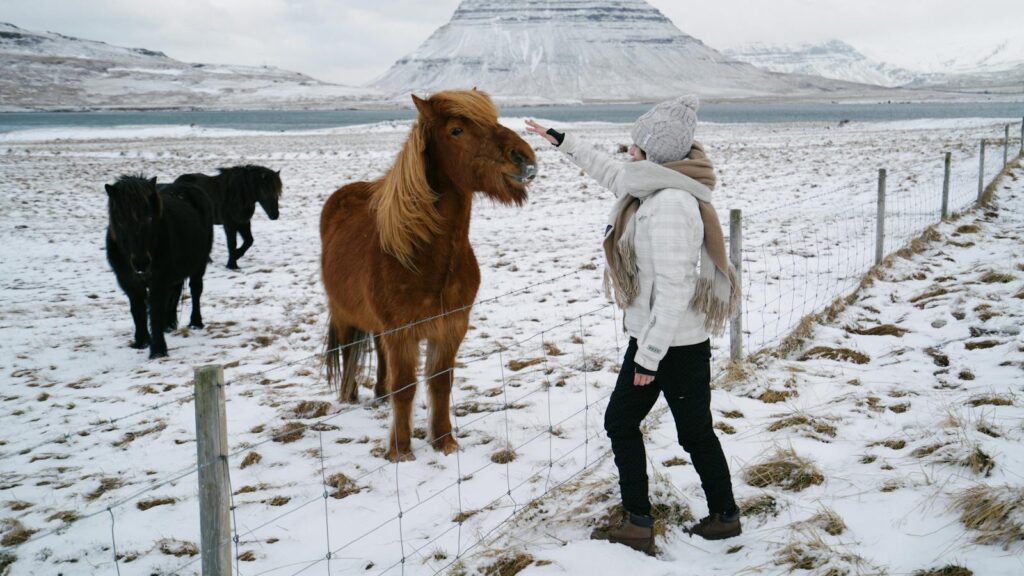
The breeding programs established by Vikings created distinct horse lineages that survive to the present day. The Icelandic horse, with its distinctive gait called the tölt, represents the most direct descendant of Viking horses, preserved through isolated breeding for over a thousand years. Archaeological evidence from Viking settlements reveals innovative horse management techniques that influenced medieval European practices in subsequent centuries. The Norse emphasis on horse hardiness over size fundamentally shaped northern European horse breeding traditions for generations. Modern genetic studies have traced how Viking horse-trading activities spread distinctive genetic markers throughout European horse populations, creating a biological legacy that persists in regional breeds from Scotland to Russia.
Rediscovering the Viking Horse through Archaeology
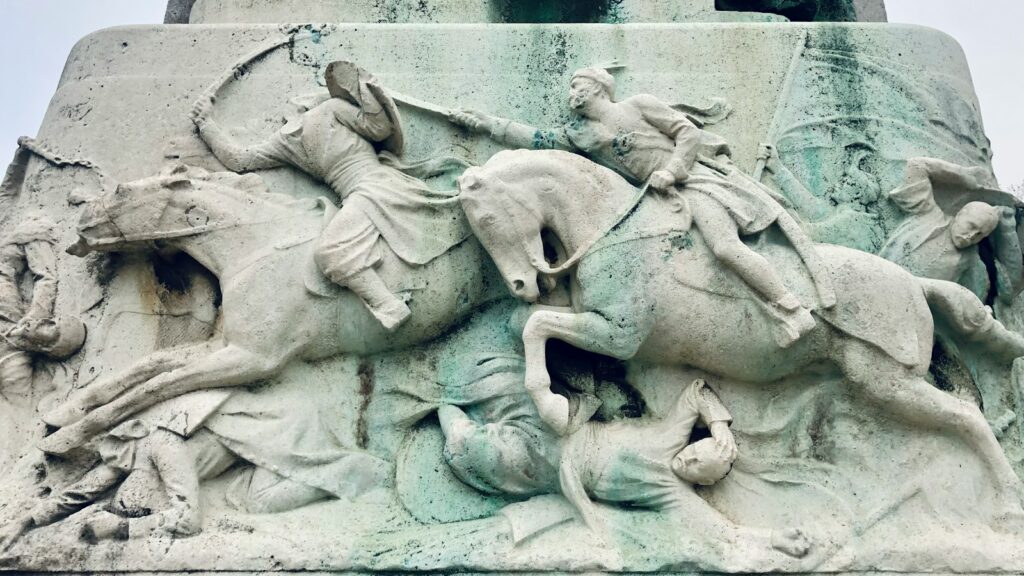
Modern archaeological techniques have revolutionized our understanding of horses in Viking society. Recent excavations using advanced DNA analysis have identified specific breeding patterns and the genetic profiles of Viking horses, revealing sophisticated selective breeding practices. Isotope analysis of horse remains allows archaeologists to determine where horses originated, tracking their movement across Viking territories and trading networks. Experimental archaeology projects have reconstructed Viking riding techniques and equipment, demonstrating the practical effectiveness of Norse horse management approaches. Battlefield archaeology at sites of Viking conflicts increasingly reveals evidence of horse involvement, challenging older assumptions about Viking warfare being exclusively infantry-based or ship-focused.
conclusion
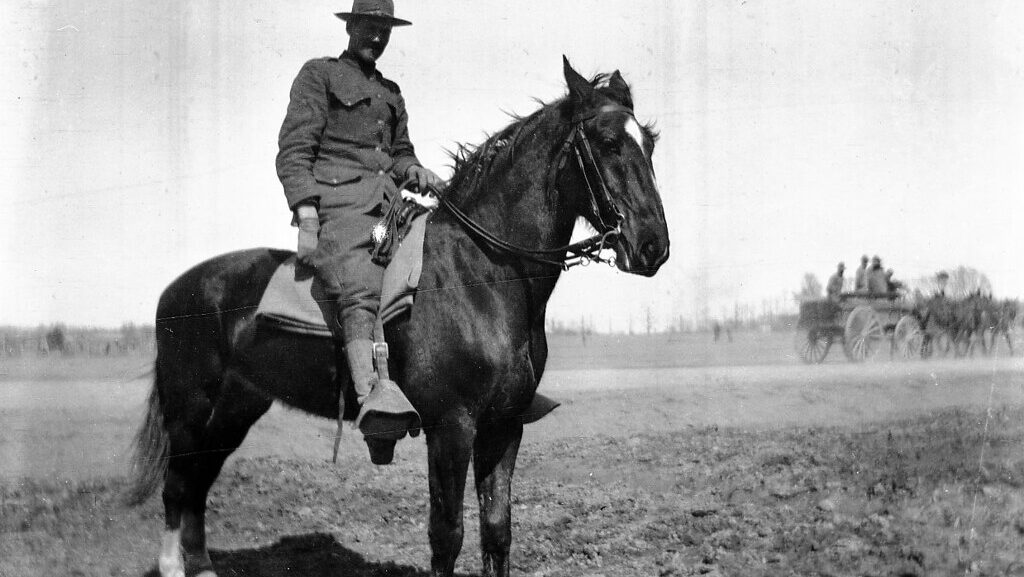
The role of horses in Viking raids and exploration represents a crucial but often overlooked aspect of Norse expansion. These hardy animals extended Viking reach far beyond coastal areas, transformed their military capabilities, and facilitated trade networks that enriched Scandinavian society. The archaeological evidence increasingly reveals sophisticated horse management practices that belie the simplistic “barbarian” stereotype often associated with Vikings. From battlefield charges to colonization efforts, horses served as critical partners in the Norse saga of conquest and exploration. Their legacy lives on not only in historical accounts and archaeological remains but in the distinctive horse breeds and equestrian traditions that continue to this day – a living connection to those formidable mounted warriors who helped shape the course of European history.