

Across the vast continent of Africa, horses have galloped through the narrative landscape of folktales and legends for centuries, carrying with them profound cultural symbolism and meaning. While not indigenous to all regions of Africa, these majestic creatures have nonetheless become embedded in the oral traditions of numerous African societies, particularly in regions where horses were introduced through trade, conquest, or migration. From the savannas of West Africa to the highlands of Ethiopia, horses in African folklore represent far more than mere animals—they embody power, status, spiritual connection, and the complex interplay between human communities and the natural world. This exploration delves into the multifaceted presence of horses in African storytelling traditions, revealing how these animals have been woven into the fabric of cultural identity, historical memory, and moral instruction across diverse African communities.
The Historical Context of Horses in Africa
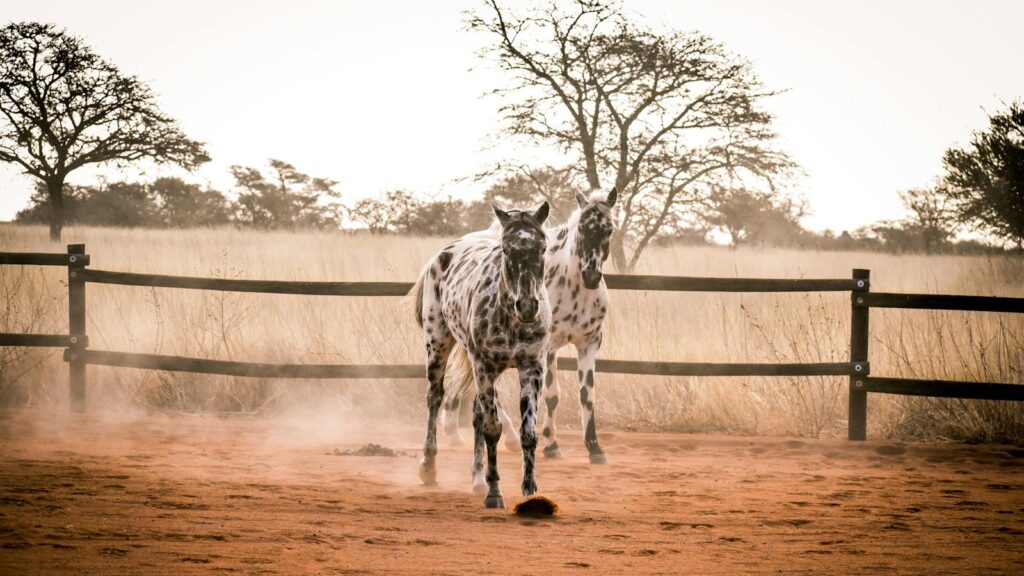
To understand the significance of horses in African folktales, one must first appreciate the historical relationship between horses and African societies. Horses were not native to most parts of sub-Saharan Africa but were introduced to North Africa by the Phoenicians and later spread southward across the Sahara Desert through Arab and Berber traders. The arrival of horses transformed warfare, transportation, and social hierarchies in many regions, particularly in the Western Sudanic kingdoms like Ghana, Mali, and Songhai. In these societies, horses became precious commodities, often worth more than ten slaves, and their ownership was frequently restricted to royalty and nobility. This historical reality informed the portrayal of horses in folktales as symbols of wealth, authority, and otherworldly power, establishing a foundation for their prominent role in narrative traditions.
Horses as Symbols of Power and Kingship
Throughout many African folktales, horses consistently represent political power and royal authority. In Hausa legends from Nigeria and Niger, kings and chiefs are almost invariably portrayed mounted on magnificent steeds, underscoring the inseparable connection between equestrian mastery and legitimate rule. The Bambara people of Mali tell tales of founding heroes who established dynasties while riding supernatural horses capable of understanding human speech and predicting danger. Among the Wolof of Senegal, oral narratives describe how possession of a particular white horse confirmed divine approval of a ruler’s reign. These stories reinforced social hierarchies while acknowledging the transformative impact horses had on military capability, with mounted warriors able to project power across distances previously unimaginable in the pre-horse era.
Supernatural Horses in African Mythology
The supernatural horse emerges as a compelling figure across various African mythological systems, particularly in regions with strong Islamic influences. In Ethiopian folklore, legendary horses possess wings, the ability to fly between worlds, or extraordinary intelligence that surpasses human understanding. The Somali tradition speaks of Barar, a mythical horse said to have belonged to the ancestors, capable of traversing vast distances in single bounds and warning its rider of impending calamity. Among the Fulani people spread across West Africa, certain tales describe horses born from lightning strikes or formed from morning mist, serving as intermediaries between the human and spirit realms. These supernatural equines often act as psychopomps—guides for heroes journeying between the world of the living and the domains of ancestors or spirits—demonstrating the horse’s liminal position in African cosmological understanding.
Horses in Heroic Epics and Warrior Tales
The horse features prominently in heroic narratives and warrior epics across the African continent, particularly in societies with strong cavalry traditions. The epic of Sundiata Keita, founder of the Mali Empire, includes his acquisition of a powerful war horse as a crucial element in his journey from exiled prince to emperor, symbolizing his transition to full manhood and warrior status. In the Mwindo epic from the Democratic Republic of Congo, the hero’s supernatural abilities are often compared to a horse’s speed and power, even in regions where actual horses were rare. Among the Somali, the poetic tradition of gabay frequently celebrates the exploits of warrior-heroes and their inseparable equine companions, describing in detail the special bonds formed between men and their war horses. These narratives reinforce cultural values of courage, loyalty, and martial prowess while acknowledging the revolutionary impact cavalry had on African warfare and politics.
The Horse as Mediator Between Worlds
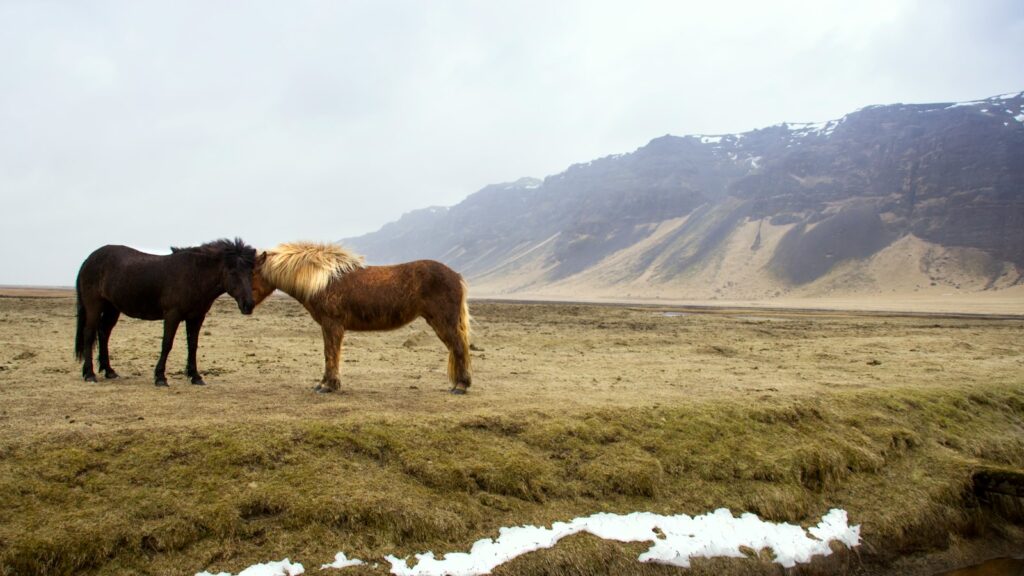
In numerous African spiritual traditions, horses serve as mediators between the human world and the divine or supernatural realms. This symbolic role is particularly evident in the traditions of the Yoruba people of Nigeria, where the horse imagery appears in divination systems and as a metaphor for spirit possession—when an orisha (deity) “mounts” a devotee, the person is said to become the “horse” of the god. Similar concepts appear in Dahomean (Fon) folktales, where magical horses carry protagonists between the visible world and invisible domains inhabited by spirits and ancestors. In Sudanic traditions influenced by Islamic mysticism, tales speak of al-Buraq, the miraculous steed that carried Prophet Muhammad to heaven, inspiring local stories of horses that transport holy men to spiritual revelations. These narratives reflect the horse’s liminal status as a creature that bridges ordinary reality and sacred dimensions, capable of traversing boundaries that humans alone cannot cross.
Trickster Tales and Clever Horses
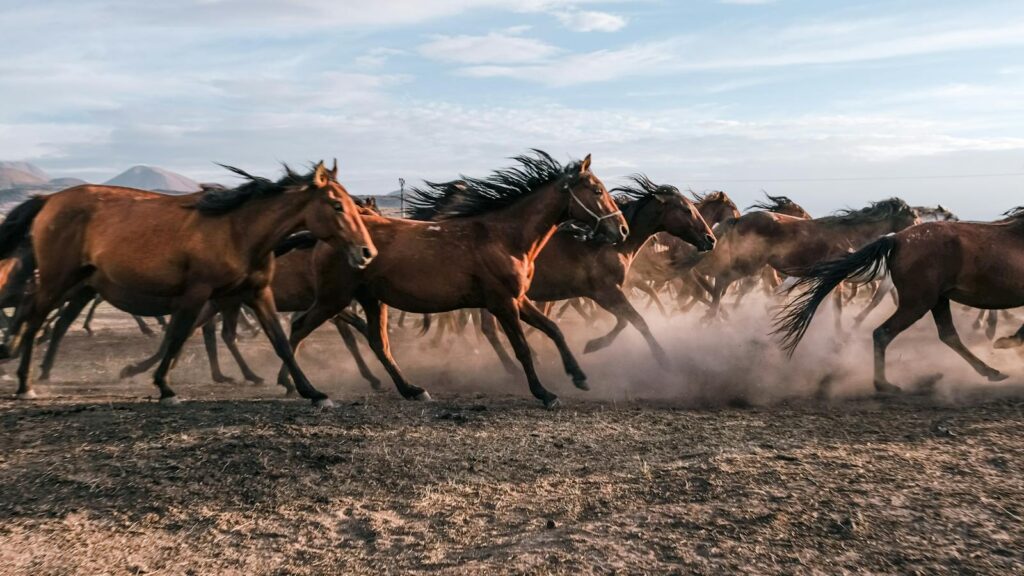
Not all equine figures in African folklore represent power and majesty; some appear in trickster tales as either clever allies or foils to human schemes. Among the Ashanti of Ghana, stories tell of ordinary horses that outsmart their human masters, teaching lessons about underestimating the intelligence of animals. The Hausa trickster figure Gizo sometimes disguises himself as a horse to infiltrate royal courts or escape pursuing enemies, utilizing the horse’s status to achieve his mischievous ends. In some Moroccan Berber tales, horses possess the ability to speak and often serve as ethical commentators, pointing out human folly and hypocrisy while remaining loyal to deserving masters. These more lighthearted portrayals of horses reveal a nuanced understanding of human-animal relationships in traditional African thought, acknowledging both the practical value of horses and their place in a moral universe where animals might possess wisdom humans lack.
Regional Variations in Horse Folklore
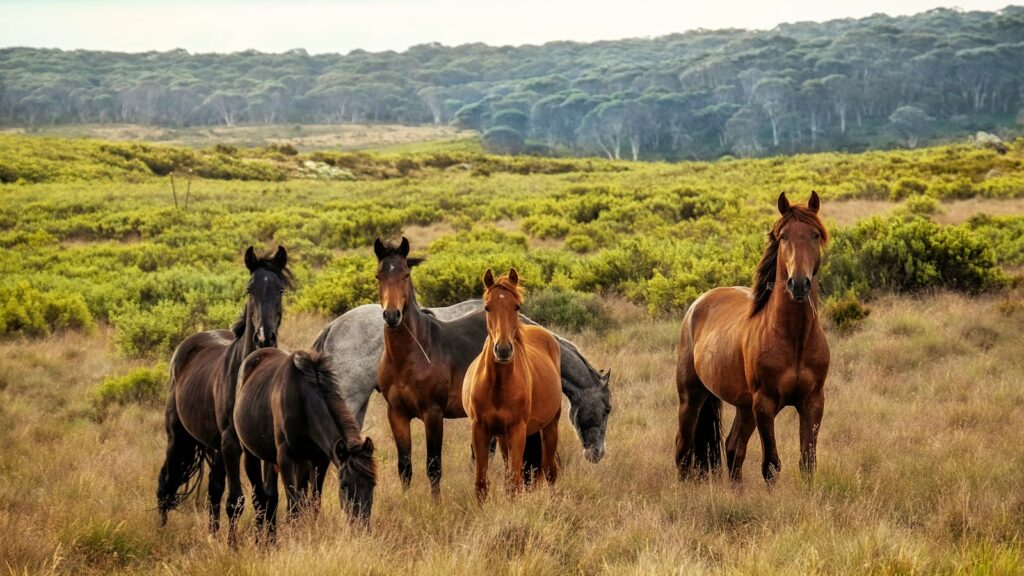
The portrayal of horses in folklore varies significantly across different African regions, reflecting diverse historical experiences with these animals. In North Africa, where horses have been present since ancient times, folktales often treat them as noble but ordinary creatures, distinguished mainly by their quality and breeding. Throughout the Sahel region—stretching from Senegal to Sudan—horses in folktales frequently possess magical abilities, reflecting their transformative impact when first introduced to these societies. In Central African forest regions, where tsetse flies prevented widespread horse-keeping, horses in folklore appear as almost mythical beings associated with distant powers and foreign invaders. East African pastoral communities like the Maasai, who historically viewed horses with suspicion due to their association with colonial forces, developed tales portraying horses as beautiful but potentially dangerous creatures requiring careful handling. These regional variations demonstrate how ecological conditions, historical circumstances, and cultural encounters shaped the symbolic meaning of horses in different storytelling traditions.
Color Symbolism of Horses in African Tales
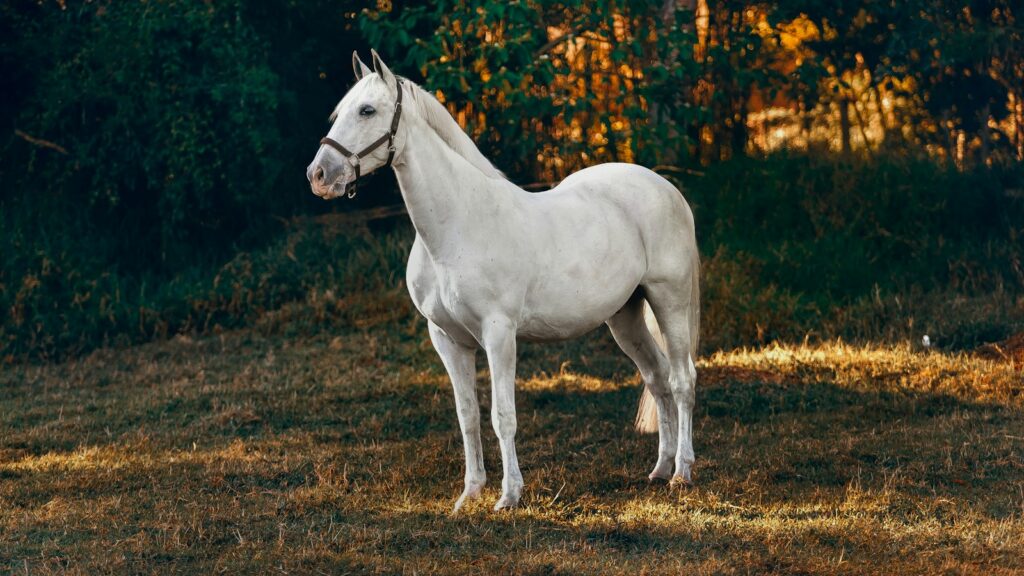
The color of horses in African folktales often carries specific symbolic meanings that enhance narrative themes and character development. White horses frequently represent spiritual purity, divine favor, or connection to the ancestral realm, appearing in tales across the continent as mounts for revered figures or as manifestations of spiritual power. In Fulani traditions, red or chestnut horses symbolize war and bloodshed, often appearing in stories of conflict and warrior exploits. The Wolof of Senegal tell tales where black horses represent mystery and potential danger, sometimes serving supernatural masters or carrying protagonists to perilous destinations. Among the Tuareg people of the Sahara, blue-gray horses (known as “horses the color of the sky”) feature in legends as mounts for culture heroes who bring rain and fertility to drought-stricken lands. These color associations create visual shorthands that help storytellers convey complex themes while connecting narratives to broader symbolic systems within their cultural contexts.
Horses in African Creation Myths
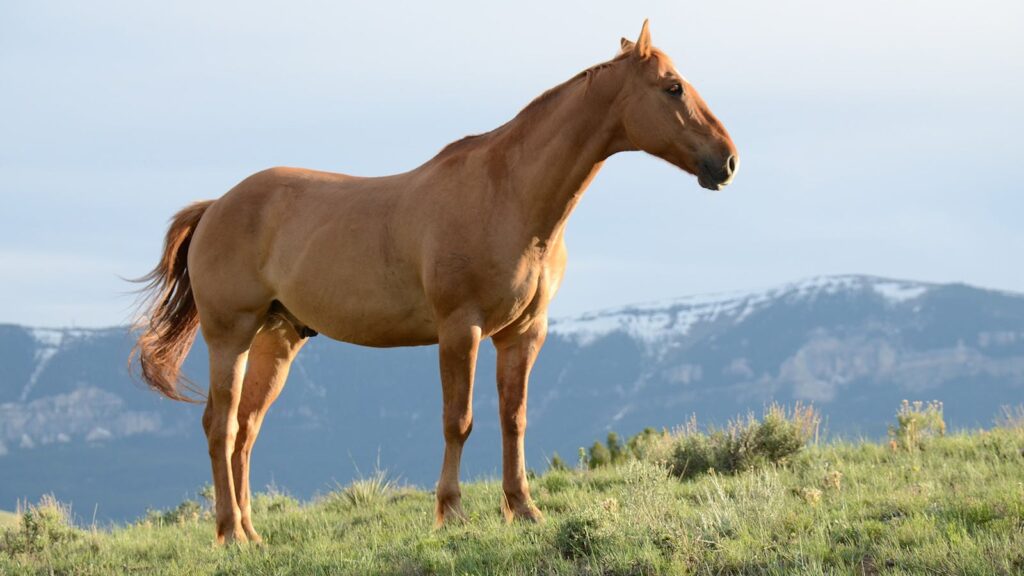
While less common than in some other mythological systems, horses occasionally appear in African creation narratives, particularly in regions with long histories of horse husbandry. Among some Berber communities in North Africa, stories describe how the first horse emerged from the sea foam at the dawn of time, created by divine forces to serve as humanity’s noblest companion. Certain Nubian traditions recount how the creator deity fashioned horses from wind and fire, explaining their speed and spirited temperament. In parts of Ethiopia influenced by both indigenous beliefs and Coptic Christianity, folk creation accounts tell how horses were created as intermediaries between humans and angels, possessing qualities of both earthly and celestial beings. These creation myths elevate the horse’s status beyond mere utility, suggesting a divine purpose in their existence and a special relationship with human communities established at the foundation of the world.
The Horse in African Proverbs and Wisdom Literature
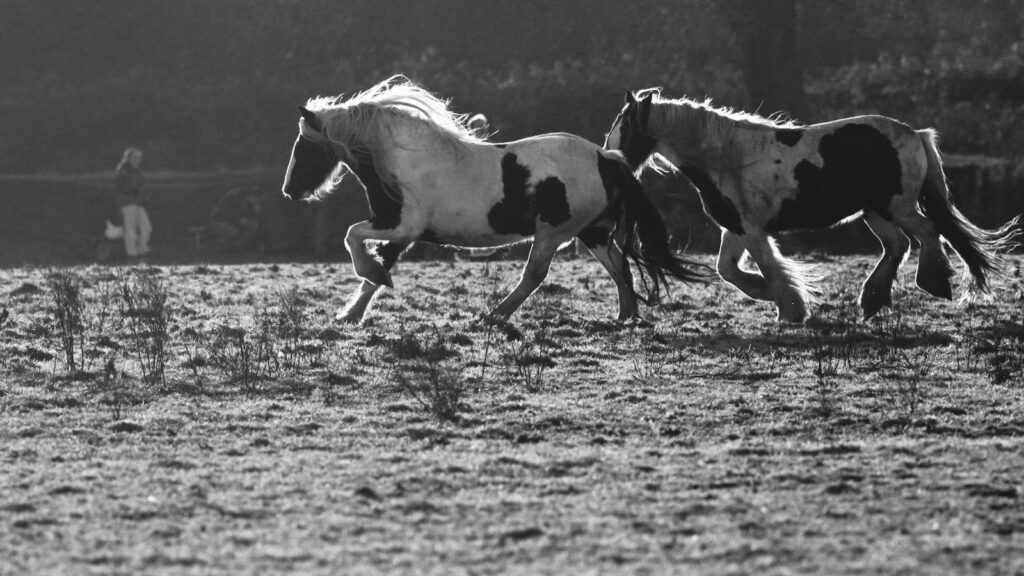
Horses gallop through the rich landscape of African proverbial wisdom, appearing in pithy sayings that distill cultural values and practical knowledge. Among the Hausa, the proverb “A good horse is known by its teeth, not by its decoration” teaches the value of substance over appearance in evaluating character. Wolof wisdom includes the saying “The horse may carry the king, but it does not share his thoughts,” a reminder about the limitations of proximity to power. Throughout Mali, elders cite the proverb “A horse has four legs but still stumbles,” acknowledging that even the most capable individuals make mistakes. The Amharic proverb from Ethiopia, “First learn to ride an ass before mounting a horse,” counsels the importance of mastering fundamentals before attempting more complex challenges. These sayings demonstrate how horses have been integrated into ethical frameworks and pedagogical tools across diverse African cultures, their behaviors and attributes serving as accessible metaphors for human situations.
Horses in Divination and Spiritual Practices
In several African spiritual traditions, horses feature prominently in divination systems and rituals connecting human communities to supernatural forces. The Fon of Benin incorporate horse imagery in Fa divination, where certain patterns of sacred palm nuts are interpreted as “the horse of destiny” carrying messages from divine realms. Among some Sudanese communities influenced by indigenous beliefs and Sufi Islam, horse hair and horseshoes are used in protective amulets, believed to channel the animal’s strength and speed into spiritual defenses against malevolent forces. In traditional Dogon rituals from Mali, dancers wearing stylized horse headpieces perform movements mimicking equine behavior, embodying the spiritual power associated with these animals during community ceremonies. Across West Africa, the “spirit-horse” concept appears in various ritual contexts, representing the vehicle through which ancestors and deities interact with the living world, demonstrating the horse’s importance not just in narrative traditions but in active spiritual practice.
Contemporary Adaptations of Horse Folklore
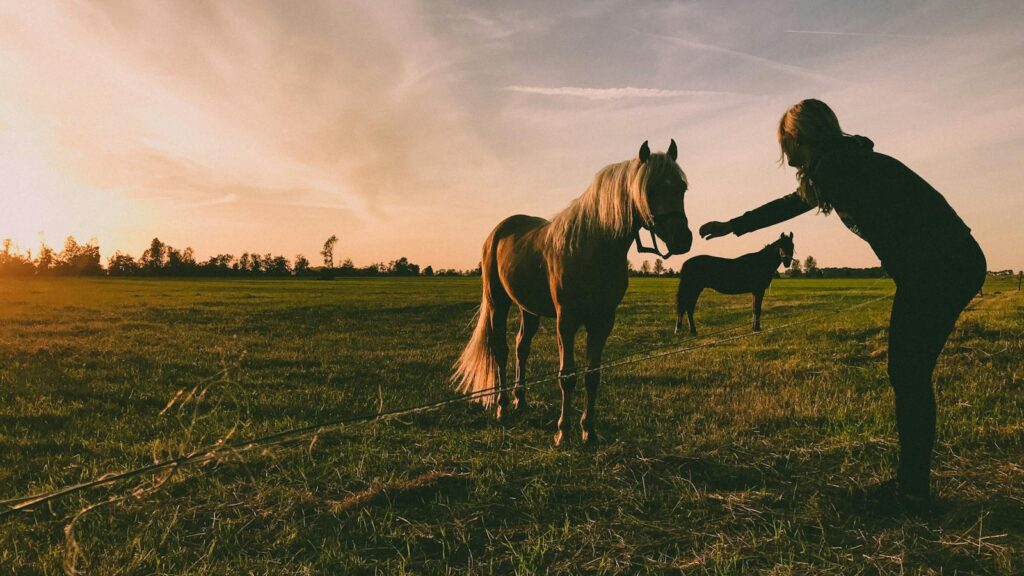
The powerful imagery of horses in African folktales continues to evolve in contemporary creative expressions, finding new relevance in literature, art, film, and music. Modern African novelists like Chimamanda Ngozi Adichie and Ben Okri have incorporated traditional horse symbolism into magical realist narratives, using these ancient archetypes to address contemporary issues of power, identity, and spiritual alienation. Visual artists across the continent draw inspiration from folkloric horses, with Ethiopian painter Wosene Worke Kosrof incorporating abstracted horse forms derived from traditional tales into his modernist compositions. In Mali and Senegal, contemporary filmmakers have adapted epic horse-centered narratives like Sundiata for screen, preserving oral traditions while making them accessible to younger generations. These contemporary adaptations demonstrate the enduring resonance of equine symbolism in African cultural expression, as artists continue to harness the mythic power of horses to explore both historical legacies and present-day challenges.
The Legacy of Equine Folklore in African Identity
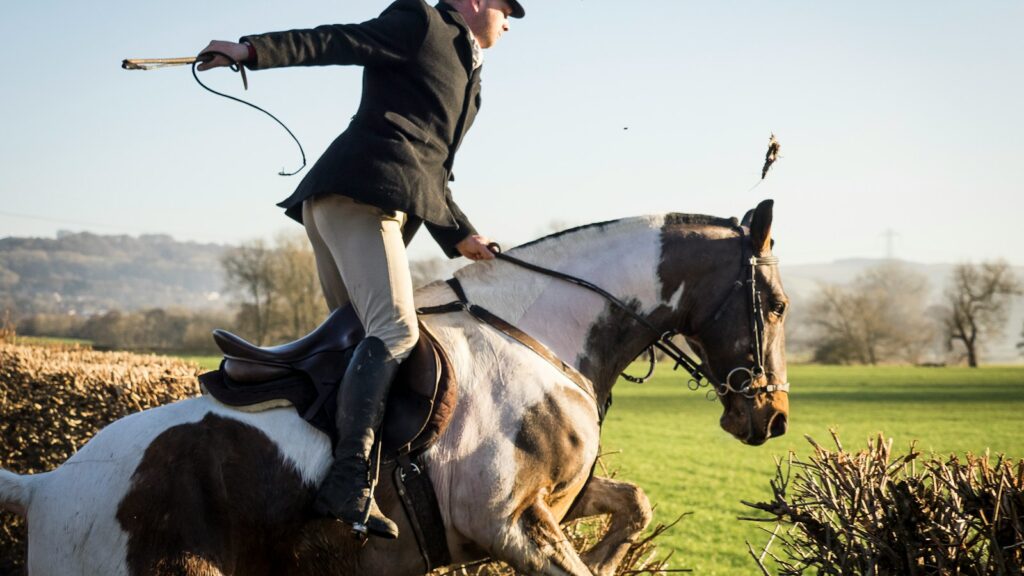
The persistence of horse imagery in African cultural expression speaks to its profound importance in shaping collective identity and historical memory. In regions like northern Nigeria, annual Durbar festivals featuring elaborately decorated horses and skilled riders explicitly connect contemporary communities to historical traditions and folktales celebrating equestrian culture. The horse motif appears on everything from corporate logos in Senegal to national currency in Sudan, demonstrating how these folkloric associations have been incorporated into modern national identities. For diaspora communities, horse folktales serve as vehicles for cultural continuity, with storytellers in the Americas and Europe preserving narratives that originated in ancestral African societies. Even in rapidly urbanizing African contexts where direct contact with horses has diminished, the symbolic power of the horse in folklore continues to inform cultural values, aesthetic preferences, and conceptual frameworks, demonstrating the remarkable adaptability of these traditions across changing historical circumstances.
Mythic Horses in African Folklore
The horse in African folktales and legends represents far more than simply an animal or means of transportation—it embodies a complex matrix of historical experiences, cultural values, and spiritual beliefs that have shaped diverse African societies for centuries. From the supernatural steeds of warrior-heroes to the speaking horses of trickster tales, these equine figures populate narrative landscapes that both reflect and transcend historical realities. As vehicles for moral instruction, symbols of power relationships, and mediators between worlds, folkloric horses continue to resonate in African cultural expressions, demonstrating the remarkable persistence of traditional symbolism even as societies undergo profound transformations. In their ongoing journey through the landscapes of African imagination, these mythic horses carry with them not just the stories of the past but the creative potential to inspire new generations of storytellers, artists, and cultural custodians across the continent and throughout the global African diaspora.