

The world of equestrian sports encompasses various disciplines, each with its own unique challenges and requirements. Among these, endurance riding stands as one of the most demanding, testing both horse and rider over distances that can exceed 100 miles in a single day. This discipline has evolved significantly over decades, but recent years have seen intensifying debates around training methods, welfare concerns, and competitive practices. The conversation surrounding endurance horses reflects broader shifts in our understanding of equine physiology, ethics in animal sports, and the balance between competitive achievement and animal welfare. As international governing bodies implement stricter regulations and as scientific research advances our understanding of equine capabilities, stakeholders across the endurance community find themselves navigating complex questions about what constitutes appropriate training and competition for these remarkable athletes.
The Evolution of Endurance Riding as a Sport

Endurance riding’s roots can be traced back to military cavalry tests and practical transportation needs, evolving from necessity to organized competition throughout the 20th century. The formal establishment of organizations like the American Endurance Ride Conference (AERC) in 1972 and the inclusion of endurance as an FEI-recognized discipline in 1982 marked significant milestones in the sport’s development. Initially focused on completing courses safely with healthy horses, the competitive element gradually intensified as the sport gained international popularity. Today’s endurance events range from introductory 25-mile rides to championship 100-mile competitions that attract elite riders from around the globe, representing a remarkable transformation from the sport’s humble utilitarian beginnings.
Physiological Demands on Endurance Horses
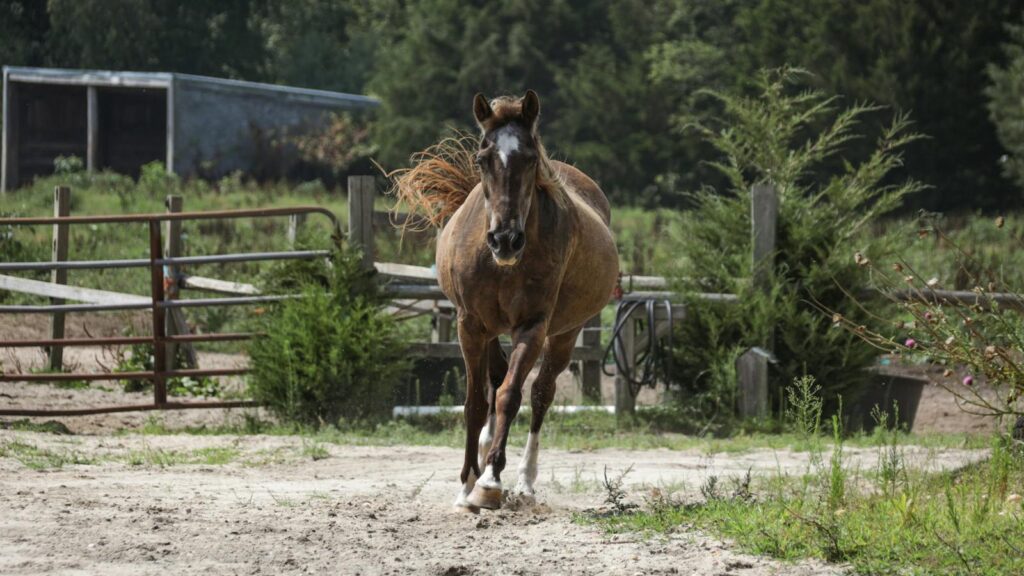
The extraordinary physiological demands placed on endurance horses distinguish them from athletes in virtually any other equestrian discipline. These horses must sustain moderate speeds over many hours while efficiently metabolizing energy, maintaining hydration, and regulating body temperature across varied terrain and weather conditions. Their cardiovascular systems adapt to provide exceptional oxygen delivery capacity, with elite endurance horses developing heart rates that can recover to below 60 beats per minute within minutes of intense exertion. Musculoskeletal adaptations are equally important, as these horses develop musculature and bone density capable of withstanding repeated concussion over vast distances. The physiological capabilities of endurance horses represent one of the most impressive adaptations in domestic animal athletics, requiring years of careful conditioning to develop safely.
Traditional vs. Contemporary Training Approaches
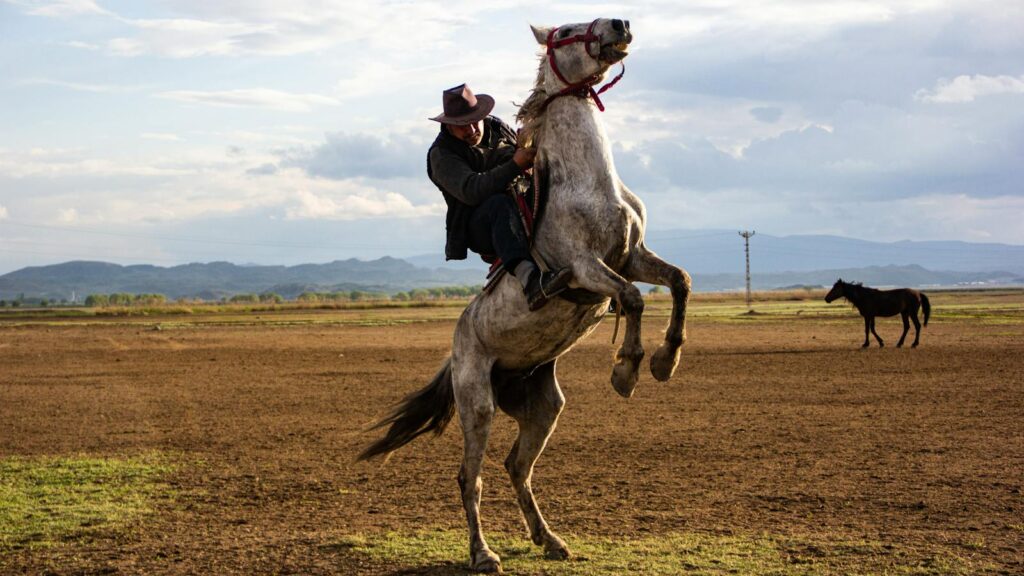
Traditional endurance training emerged from practices that emphasized long, slow distance work to build aerobic capacity and physical durability over extended timeframes. These methods typically involved lengthy conditioning periods, often spanning years, with gradual progression through distance levels to allow for physiological adaptation. Contemporary approaches have increasingly incorporated scientific principles of periodization, heart rate monitoring, and more sophisticated interval training protocols that aim to achieve fitness more efficiently. Some modern trainers utilize techniques from human sports science, including cross-training, active recovery protocols, and nutrition periodization to prepare horses for competition. The tension between traditional wisdom and newer methodologies represents a significant point of debate, with advocates on both sides pointing to success stories and cautionary tales to support their preferred approaches.
The Middle Eastern Influence and Controversy

The emergence of Middle Eastern nations, particularly the United Arab Emirates, as dominant forces in international endurance has fundamentally transformed the sport over the past two decades. Backed by substantial financial resources and royal patronage, teams from these countries introduced training and competitive approaches that emphasized speed over traditional endurance values, shifting the sport’s center of gravity. Controversies emerged surrounding alleged horse welfare violations, including excessive speed, medication violations, and horse substitution scandals that prompted FEI interventions. The cultural and philosophical differences between Middle Eastern racing-style endurance and the traditional European and American “to finish is to win” approach have created profound tensions within the international community. These disagreements have prompted important questions about whether differing interpretations of the sport can coexist under a single regulatory framework.
Scientific Advances in Understanding Equine Exercise Physiology

Scientific research has dramatically advanced our understanding of how equine athletes respond to the demands of endurance competition and training. Modern studies employ sophisticated techniques including muscle biopsies, blood lactate analysis, GPS tracking, and heart rate variability measurement to quantify training adaptations with unprecedented precision. Researchers have identified optimal heart rate zones for different phases of conditioning, allowing for more targeted training protocols that maximize adaptation while minimizing injury risk. Longitudinal studies tracking horses throughout their careers have provided insights into how progressive loading affects musculoskeletal development and cardiovascular capacity over time. These scientific advances have begun bridging the gap between traditional horsemanship knowledge and evidence-based training methodologies, though implementing these findings consistently across the sport remains challenging.
Welfare Concerns: Pushing Physical Boundaries
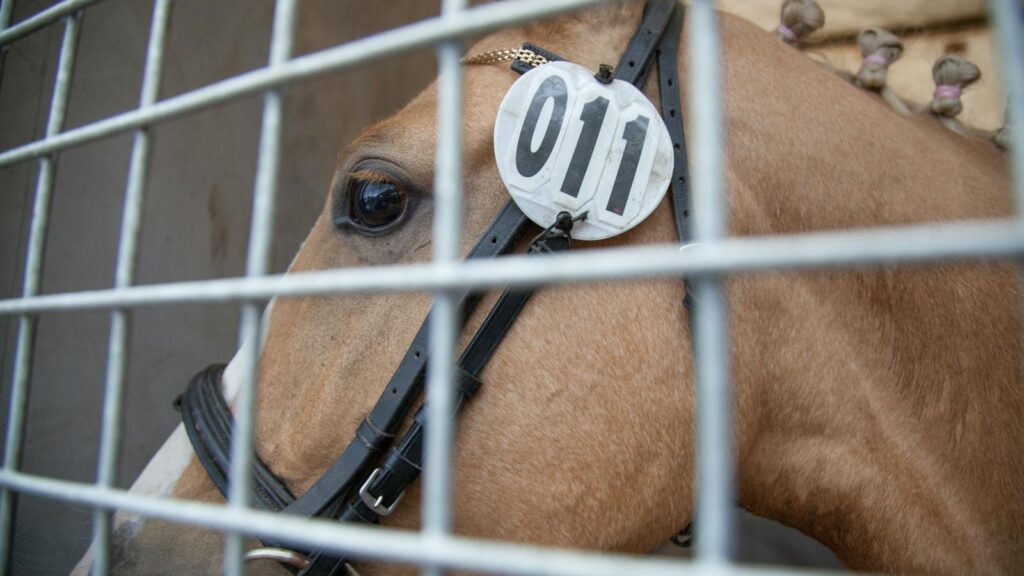
The fundamental welfare question in endurance riding centers on determining where legitimate athletic challenge ends and exploitation begins. Critics point to troubling statistics in some competitions, where completion rates have fallen below 40% in extreme cases, raising questions about whether horses are being adequately prepared for the demands they face. Metabolic issues including dehydration, electrolyte imbalances, and exhaustion represent immediate welfare concerns during competition, while long-term effects of repeated extreme exertion remain insufficiently studied. The competitive pressure to maintain faster speeds has prompted some trainers to push boundaries of equine capability, with catastrophic breakdowns in high-profile events drawing negative attention to the sport. These incidents have prompted soul-searching within the endurance community about whether competition formats and qualification standards adequately protect horses from excessive demands.
Regulatory Responses and Rule Evolution

Governing bodies have responded to welfare concerns by implementing increasingly stringent rules designed to protect horse welfare while preserving competitive integrity. The introduction of mandatory rest periods between competitions, more frequent veterinary inspections during events, and stricter qualification requirements for championship events represent significant regulatory developments. Heart rate recovery parameters have been refined to better identify horses under physiological stress, with modern competitions requiring horses to achieve specific recovery metrics before continuing. Technology now supports these efforts, with electronic timing systems, microchipping, and GPS tracking helping officials monitor competition more effectively. Despite these advances, enforcement challenges persist, particularly in remote locations or where financial interests create pressure to circumvent regulations designed to protect equine welfare.
The Age Factor: Young Horses in Competition

The appropriate age for horses to begin endurance training and competition remains one of the most contentious issues in the discipline. Traditional approaches emphasized waiting until horses reached physical maturity around 5-6 years before beginning serious distance work, allowing skeletal structures to fully develop before facing competitive stresses. Some contemporary training programs, however, introduce horses to endurance competition as young as 4 years old, with preliminary conditioning beginning even earlier. Research on growth plate closure and skeletal maturation suggests that certain structures, particularly in the vertebral column, may not completely mature until age 6 or beyond in some horses. This physiological reality has prompted calls from veterinary experts for more conservative age restrictions, particularly for longer distances that place greater demands on developing bodies.
Technological Interventions in Training and Monitoring
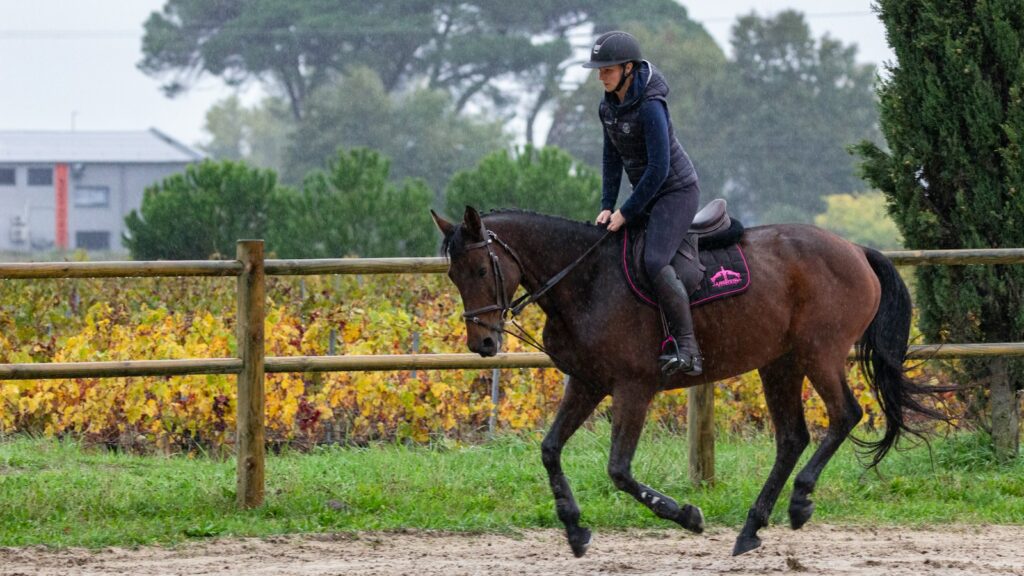
Technology has revolutionized how trainers prepare and monitor endurance horses, introducing precision previously impossible in traditional training approaches. Wearable devices now capture real-time data on heart rate, speed, stride characteristics, and even sweat composition, allowing for highly individualized training programs tailored to each horse’s physiological responses. GPS tracking enables detailed analysis of training routes, helping trainers manage terrain exposure and competition preparation with unprecedented specificity. Advanced diagnostic tools like infrared thermography and portable ultrasound provide early warning signs of developing issues before they become clinically apparent. While these technologies offer substantial benefits for horse welfare when used appropriately, critics worry that over-reliance on data may diminish the importance of hands-on horsemanship and intuitive understanding of individual animals.
Alternative Conditioning Methods and Cross-Training
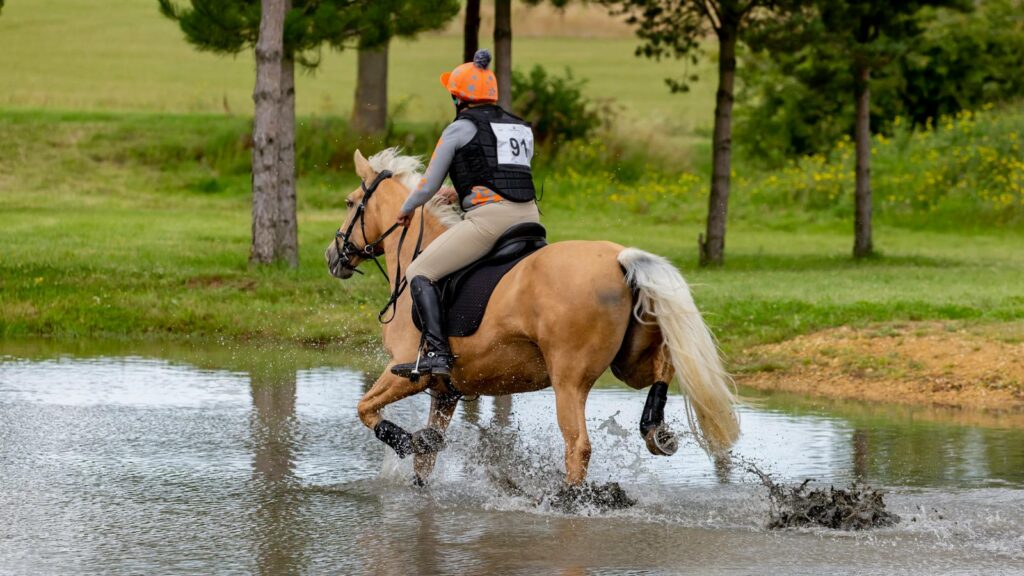
Progressive trainers have incorporated diverse conditioning methods beyond traditional trail riding to develop more well-rounded equine athletes. Controlled work on varied surfaces including deep sand, hills, and water crossings develops specific muscle groups and proprioceptive abilities that contribute to overall soundness and performance. Techniques borrowed from human sports science, such as interval training and heart rate-based conditioning zones, have been adapted for equine applications with promising results for both performance and welfare. Some programs incorporate non-riding activities like swimming, water treadmill work, and liberty exercise to maintain cardiovascular fitness while reducing concussive stress on limbs. These varied approaches reflect growing recognition that endurance horses benefit from diversified physical challenges rather than monotonous distance work alone.
Nutritional Science and Feeding Strategies

Nutrition represents a critical and evolving aspect of endurance horse management, with significant implications for both performance and welfare. Modern nutritional approaches emphasize forage-based diets supplemented strategically with concentrated feeds designed to support the extraordinary energy demands of distance work. Specialized research has identified optimal electrolyte supplementation protocols to address the massive losses that occur during prolonged exercise, particularly in hot conditions. Fat adaptation through dietary manipulation has gained traction as trainers seek to maximize efficient energy utilization during long-distance efforts. Individualized feeding programs based on each horse’s metabolic efficiency, sweat composition, and body type have replaced one-size-fits-all approaches, allowing for more precise nutritional support that matches each animal’s unique physiological needs.
The Psychological Dimension of Endurance Training

Beyond physical conditioning, the mental preparation of endurance horses has emerged as a crucial but often overlooked aspect of training. Successful endurance horses develop exceptional mental resilience, maintaining forward motivation and appetite for work even when fatigued or facing challenging conditions. Training approaches that gradually expose horses to varied environments, changing companionship, and unpredictable circumstances help develop the adaptability needed for competition scenarios. The horse-rider relationship takes on special significance in endurance, with the most successful partnerships characterized by extraordinary trust and communication developed through countless hours together. Recognition of the psychological dimension has prompted some trainers to incorporate specific mental conditioning exercises designed to build confidence and reduce competition stress, treating mental preparation as seriously as physical conditioning.
Finding Balance: The Future of Endurance Horse Training
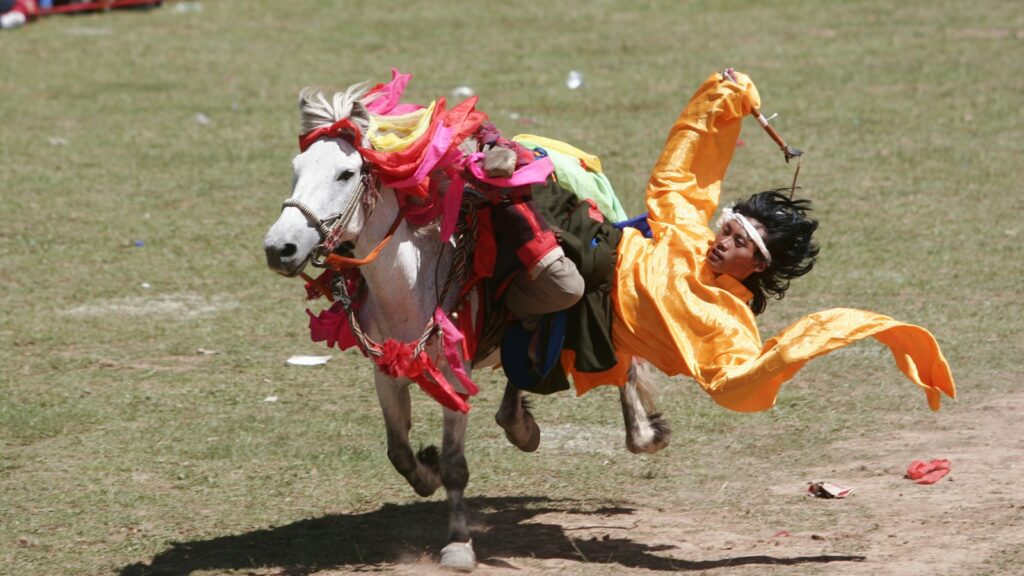
The ongoing debate around endurance horse training ultimately centers on finding sustainable balance between competitive achievement and equine welfare. Progressive voices advocate for training approaches that prioritize long-term soundness over short-term results, recognizing that careers spanning a decade or more represent the true success stories of the discipline. Scientific research continues to refine our understanding of how horses adapt to endurance demands, providing an increasingly solid foundation for evidence-based training protocols. Governing bodies face the challenge of crafting regulations that encourage responsible horsemanship while accommodating the sport’s global diversity. As public scrutiny of all equestrian sports intensifies, the endurance community’s willingness to engage in honest self-examination and adapt practices based on evolving knowledge will likely determine the discipline’s future viability. The most promising path forward appears to integrate the best of traditional horsemanship wisdom with scientific advances and technological tools, always keeping the horse’s long-term welfare at the center of the training philosophy.
conclusion

The debate surrounding endurance horse training reflects broader questions facing many equestrian disciplines in the 21st century. As competitive pressures intensify and scientific knowledge expands, finding the right balance between performance and welfare becomes increasingly complex. The endurance community continues to grapple with these challenges, driven by genuine love for both the sport and the remarkable horses that make it possible. While perspectives differ on specific training methodologies, most stakeholders share common ground in wanting to see horses thrive throughout long, healthy careers. The future of endurance riding will likely be shaped by those who can successfully integrate traditional horsemanship wisdom with evidence-based approaches, creating training systems that produce competitive athletes without compromising their physical or mental wellbeing. Through ongoing dialogue, research, and regulatory refinement, the sport has an opportunity to model responsible stewardship of equine athletes while preserving the adventure and partnership that draw people to endurance riding in the first place.