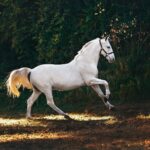

In the frosty embrace of winter landscapes, where snowflakes dance upon frozen ground and temperatures plummet to bone-chilling levels, certain horse breeds stand resilient, their bodies and temperaments specially adapted to thrive in harsh cold climates. These magnificent equines have evolved unique characteristics that enable them to work efficiently in snowy conditions, from dense winter coats and substantial hooves to calm dispositions and remarkable endurance. Whether pulling sleighs through snow-covered forests, working on remote ranches in mountainous regions, or simply living comfortably in northern climates, cold-weather horse breeds represent centuries of natural and selective breeding that prioritize hardiness, strength, and cold tolerance. This exploration of the best horse breeds for frigid environments unveils the remarkable adaptations and qualities that make these animals indispensable partners in some of Earth’s most challenging landscapes.
Icelandic Horses: The Ancient Cold-Weather Specialists

Developed in isolation for over a thousand years on the harsh volcanic island of Iceland, the Icelandic horse has perfected cold weather adaptation. These compact equines grow an exceptionally thick double coat during winter months, with a dense woolly undercoat providing superior insulation against even the most bitter Arctic winds. Beyond their impressive cold tolerance, Icelandics are renowned for their unique five-gait ability, including the remarkably smooth tölt that allows riders comfortable transportation even across rough, snowy terrain. Their small yet powerful build, typically standing 13-14 hands tall, gives them excellent stability in deep snow with a lower center of gravity than taller breeds. Centuries of natural selection have produced an astonishingly hardy breed that requires minimal shelter and can easily forage through snow, making them ideal companions for those living in remote northern regions.
Fjord Horses: Norway’s Cold-Weather Workhorses

The Norwegian Fjord, with its distinctive dun coloring and primitive markings, represents one of the world’s oldest and purest breeds, having been selectively bred for cold climate work for over 4,000 years. Their powerful, muscular build combines with a relatively short stature (typically 13.2-14.2 hands) to create an exceptionally strong draft horse in a compact package, perfect for navigating snowy terrain while pulling substantial loads. A unique characteristic of Fjords is their thick, crescent-shaped mane, traditionally trimmed to stand upright, which serves as natural protection against harsh weather by directing rain and snow away from their neck. Their broad, strong hooves provide excellent traction in snow and ice, while their calm, sensible temperament makes them reliable partners during challenging winter conditions. Fjords maintain impressive heat conservation through their thick winter coat and substantial body mass, allowing them to work comfortably in temperatures that would stress other breeds.
Canadian Horse: The “Little Iron Horse” of the North

Often called “Le Petit Cheval de Fer” (the little iron horse), the Canadian Horse developed remarkable cold-weather hardiness through centuries of adaptation to the harsh climate of Quebec. Descended from French horses sent to the new world in the 17th century, this breed evolved through natural selection, with only the strongest and most cold-tolerant individuals surviving the brutal Canadian winters. Canadian Horses possess exceptional strength for their size (typically 14-16 hands), with thick manes and tails and hooves renowned for their durability even when navigating icy conditions. Their muscular build retains heat efficiently, while their thick winter coat provides excellent insulation against subzero temperatures. Perhaps most valuable for snow work is their willing temperament and remarkable endurance, allowing them to pull sleighs or work in deep snow for extended periods without fatigue.
Yakutian Horses: Masters of Extreme Cold Survival

No discussion of cold-weather horse breeds would be complete without acknowledging the extraordinary Yakutian horse, native to the Sakha Republic (Yakutia) in Russia, where winter temperatures regularly plunge below -40°F (-40°C). These remarkable equines have developed perhaps the most extreme cold-weather adaptations of any domestic horse breed, including an incredibly dense, shaggy winter coat that can grow up to 10 centimeters long. Yakutian horses possess unique metabolic adaptations that allow them to extract maximum nutrition from sparse winter forage, while their compact, rounded bodies with relatively short limbs minimize heat loss. Perhaps most impressive is their ability to lower their metabolic rate during extreme cold, conserving energy while maintaining core body temperature. These horses can actually shrink the size of their body surface during winter by up to 30% as a cold-adaptation strategy, demonstrating the remarkable evolutionary solutions that make them unparalleled in extreme winter conditions.
Haflinger: Alpine Snow Specialists

Developed in the mountainous regions of Austria and northern Italy, Haflingers have evolved to thrive in snowy Alpine conditions with their distinctive chestnut coloring and flaxen mane and tail. Their medium build (typically 13.2-15 hands) combines surprising strength with the agility needed to navigate steep, snow-covered mountain trails safely. Haflingers develop a particularly thick winter coat with excellent insulating properties, while their strong, well-formed hooves provide reliable traction on slippery surfaces. The breed’s intelligent, willing temperament makes them exceptionally trainable for specialized snow work like sleigh pulling, skijoring, or winter logging operations. Haflingers’ efficient metabolism allows them to maintain healthy weight and energy levels even when quality forage becomes limited during harsh mountain winters, making them practical choices for remote winter environments.
Draft Breeds: Power in Snowy Conditions

Traditional heavy draft breeds like the Percheron, Belgian, and Clydesdale offer exceptional advantages for serious snow work requiring substantial pulling power. Their immense body mass serves as natural insulation, while their powerful muscles generate significant body heat even in frigid conditions. These gentle giants typically develop thick winter coats, with breeds like the Clydesdale featuring additional “feathering” – the long hair on their lower legs that provides extra protection in wet, snowy conditions. Draft horses’ broad, large hooves function similarly to natural snowshoes, distributing their substantial weight across a wider surface area and preventing them from sinking too deeply in snow. Their calm, steady temperaments and willingness to pull heavy loads make them ideal for clearing snow-covered roads, hauling winter supplies, or pulling large sleighs and wagons through challenging winter conditions.
Highland Pony: Scotland’s Winter-Hardy Mountain Horse

The Highland Pony developed in the harsh, exposed mountains of Scotland, where winter brings relentless cold, wind, and precipitation, creating one of Europe’s most naturally winter-adapted equines. Their thick, double-layered coat grows remarkably dense in winter, with a waterproof outer layer that sheds precipitation effectively while the woolly undercoat traps warm air against the body. Highlands typically grow substantial “tufts” – long protective hair inside their ears – and heavy feathering on their lower legs that protects vital tendons and joints from winter weather. Their strong, durable hooves rarely require shoeing even in rough terrain, providing natural traction on slippery surfaces. The Highland’s exceptionally efficient metabolism allows them to maintain condition on minimal forage, a critical adaptation for winter survival when they can extract maximum nutrition from even poor-quality hay or natural vegetation poking through snow.
Morgan Horse: America’s Versatile Cold-Weather Performer

The Morgan horse, America’s first native breed, developed remarkable cold-weather adaptability through generations in New England’s harsh winter climate. Their compact, muscular bodies with relatively short limbs create efficient heat conservation, while they typically grow substantial winter coats with excellent insulating properties. Morgans are renowned for their exceptional intelligence and willing attitude, making them highly trainable for specialized winter work like pulling sleighs or working cattle on snowy ranches. Their remarkable soundness and durability, with naturally strong hooves and legs, allows them to work confidently across icy or uneven winter terrain. Perhaps most valuable is the Morgan’s legendary endurance, enabling them to work for extended periods in challenging cold conditions without undue fatigue or stress.
Bashkir Curly: Cold-Resistant with Hypoallergenic Appeal

The Bashkir Curly horse offers a unique combination of extreme cold tolerance and distinctive curled hair that makes them stand out among winter-adapted breeds. Their unusual coat features tight curls that create exceptional insulation through increased density of hair per square inch, trapping warm air more effectively than straight-haired breeds. These remarkable horses often develop curly hair inside their ears and even curly eyelashes that offer additional protection against driving snow and ice. Beyond their cold-weather capabilities, Curly horses produce less of the protein in their dander that typically triggers allergic reactions, making them one of the only hypoallergenic horse options for sensitive owners. The breed has demonstrated exceptional hardiness in frigid North American winters, with many Curlies comfortable living without blankets or even shelters in temperatures well below freezing.
Mustangs: Natural Selection’s Winter Survivors

Wild and feral Mustang populations, particularly those from northern ranges in states like Wyoming, Montana and Idaho, have undergone intense natural selection for cold-weather survival, creating exceptionally hardy domestic partners when gentled and trained. These horses have developed remarkable metabolic efficiency, enabling them to maintain healthy body condition on minimal winter forage while generating sufficient internal heat to withstand severe temperature drops. Northern Mustangs typically grow extremely dense winter coats with excellent wind and water resistance, while their tough, naturally trimmed hooves provide superior traction on varied winter terrain. The Mustang’s legendary “survival intelligence” translates to domestic settings, where they demonstrate remarkable problem-solving abilities in challenging winter conditions, from finding paths through deep snow to locating shelter during storms. Their natural hardiness often means reduced winter care requirements, as they rarely need the extensive blanketing or supplemental feeding that more refined breeds might require.
Mongolian Horse: Survival Specialists of the Steppes

The Mongolian horse has perfected cold-weather adaptation through thousands of years living semi-wild on the harsh Central Asian steppes, where winter temperatures regularly plunge to -40°F (-40°C) accompanied by fierce winds. These compact, sturdy horses develop an extraordinarily thick winter coat that can grow up to 10 centimeters long, creating exceptional insulation even in the most extreme conditions. Mongolian horses possess specialized blood circulation patterns that minimize heat loss through their extremities, along with a remarkable ability to reduce their metabolic rate during extreme cold to conserve energy. Their exceptional foraging skills allow them to dig through snow to access vegetation, while their tough digestive systems efficiently process frozen forage that would cause colic in more delicate breeds. Perhaps most impressive is their ability to survive with minimal human intervention, often living year-round without blankets, supplements, or even shelters in conditions that would be fatal to most domestic horses.
Caring for Horses in Extreme Cold: Special Considerations

Even with naturally cold-adapted breeds, responsible winter horse keeping requires understanding several critical factors that impact equine cold tolerance. Adequate nutrition becomes particularly crucial in winter, as horses may require up to 25% more calories in extreme cold for maintaining body temperature, with high-quality forage being especially important for generating internal heat through digestion. Access to unfrozen water is absolutely essential, as dehydration drastically reduces a horse’s ability to regulate body temperature and process winter feed efficiently. While cold-adapted breeds typically need minimal blanketing, proper shelter from wind and precipitation remains important, as wet conditions can compromise even the most waterproof natural coat. Owners should monitor body condition closely throughout winter, as heavy winter coats can sometimes mask unhealthy weight loss, and adjust feeding programs accordingly. Proper hoof care takes on additional importance during snowy conditions, with regular cleaning to prevent packed snow and ice balls that can cause dangerous instability and potential injuries.
Conclusion

The remarkable cold-adapted horse breeds highlighted in this exploration represent nature’s ingenious solutions to the challenges of life in frigid environments. From the diminutive yet mighty Icelandic to the impressively shaggy Yakutian, these equines demonstrate that successful cold-weather adaptation comes in many forms. Their specialized physiological traits—dense coats, efficient metabolisms, and compact builds—combine with temperaments suited to winter work, creating ideal partners for humans in snow-covered landscapes. While each breed offers distinct advantages, all share the remarkable resilience that has made horses invaluable companions throughout human history, helping us not merely survive but thrive in some of Earth’s most challenging environments. For those living and working in cold climates, these specialized breeds offer not just practical assistance but a profound connection to generations of human-equine partnerships that have weathered winter’s challenges together.