Transitioning a horse to new feed is a delicate process that requires patience, careful observation, and gradual implementation. Whether you’re changing feeds due to seasonal availability, nutritional needs, or a move to a new facility, the way you handle this transition can significantly impact your horse’s health and wellbeing. Abrupt changes to a horse’s diet can lead to digestive upset, colic, or even laminitis—potentially life-threatening conditions. This comprehensive guide will walk you through the process of safely introducing new feed to your equine companion, ensuring their digestive system has time to adapt and thrive with the dietary changes.
Understanding Your Horse’s Digestive System
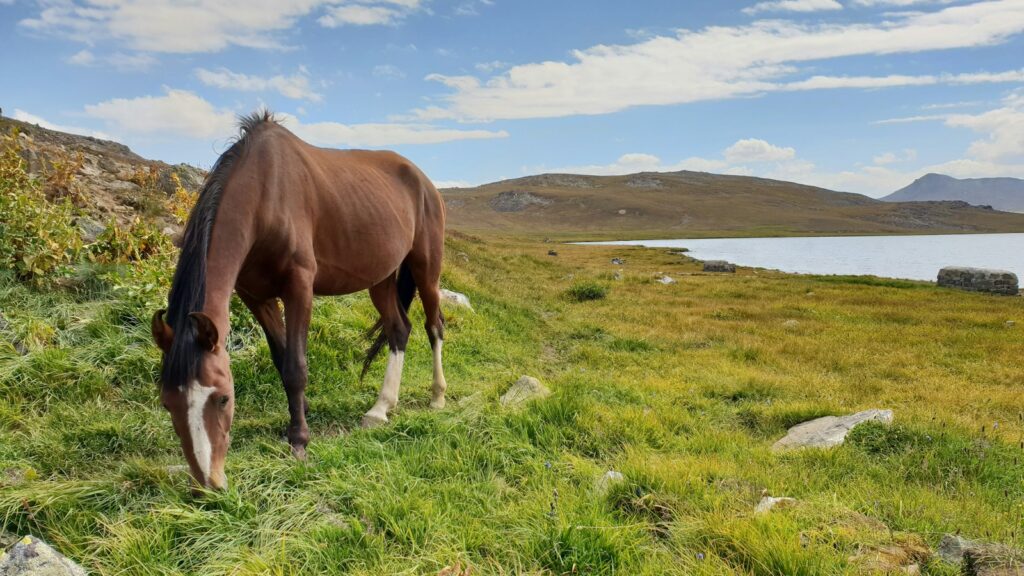
Horses have evolved as continuous grazers with digestive systems designed to process small amounts of fibrous food throughout the day. Unlike humans, horses have relatively small stomachs but extensive hindgut fermentation chambers where beneficial bacteria break down fiber. These microorganisms are specifically adapted to the horse’s current diet and require time to adjust when new feeds are introduced. Any rapid change disrupts this delicate microbial balance, potentially causing the death of beneficial bacteria and allowing harmful bacteria to proliferate. This understanding forms the foundation of why gradual feed transitions are absolutely essential for maintaining your horse’s digestive health and preventing painful conditions like colic.
Planning the Transition Timeline
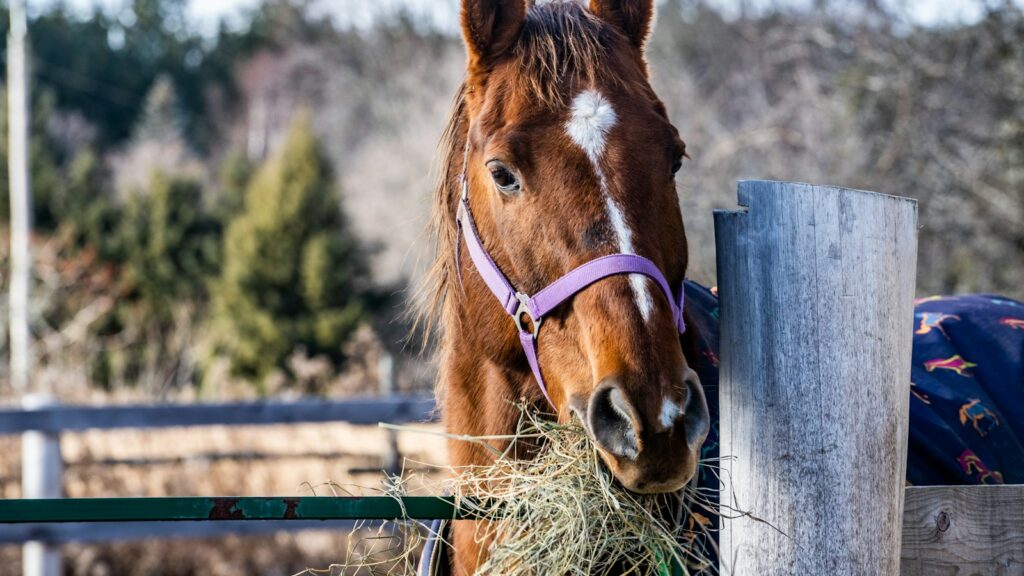
Before beginning any feed change, establish a clear timeline spanning at least 10-14 days for a complete transition. More sensitive horses or significant diet changes (such as moving from a primarily hay diet to one including considerable grain) may require longer transitions of up to three or four weeks. Mark your calendar with specific incremental changes to ensure consistency throughout the process. Creating a written schedule helps maintain discipline in the transition process, especially if multiple people are involved in feeding your horse. Remember that rushing this timeline to save time or money often results in costly veterinary bills later, making patience during the transition period both medically and economically wise.
Gathering Baseline Information
Before initiating any dietary change, document your horse’s current condition to establish a clear baseline for comparison. Note weight (using a weight tape if a scale isn’t available), body condition score, coat quality, energy levels, and manure consistency. Take clear photographs from multiple angles to help detect subtle changes that might occur during the transition. Monitor vital signs like heart rate, respiratory rate, and temperature at rest to establish normal parameters. This baseline information becomes invaluable for detecting early warning signs of digestive upset or intolerance to the new feed, allowing you to slow or pause the transition if necessary.
Starting With Minimal Amounts
Begin the transition by introducing just a small handful of the new feed, mixed thoroughly with the current feed. This minimal introduction allows the horse’s digestive microbes to begin adapting to the new feed without overwhelming the system. For many horses, starting with approximately 10% new feed and 90% old feed creates a safe initial ratio. Observe your horse closely after this first introduction, watching for any signs of reluctance to eat, changes in manure consistency, or behavioral indications of discomfort. If the horse accepts this minimal amount without issue for two consecutive days, you can proceed to the next step in the transition plan.
Implementing the Gradual Replacement Method
The most effective approach to feed transition involves gradually replacing portions of the old feed with the new feed while maintaining consistent total volume. For a standard 10-14 day transition, increase the new feed percentage by approximately 10% every 1-2 days while correspondingly decreasing the old feed. For example, day one might be 90% old feed/10% new feed, then 80%/20% on day three, continuing until you reach 100% new feed by the end of the transition period. This methodical replacement allows the digestive microbiome to adapt progressively without shock to the system. For horses with sensitive digestive systems or previous history of colic, consider extending this timeline by increasing in 5% increments instead of 10%, effectively doubling the transition duration.
Monitoring Manure as a Diagnostic Tool
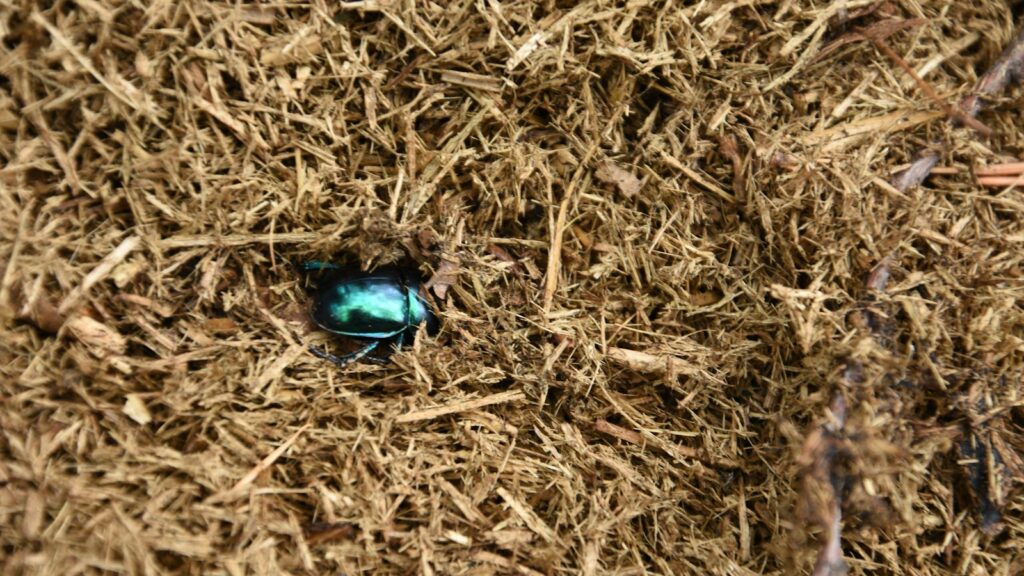
Your horse’s manure provides one of the most immediate and reliable indicators of digestive health during a feed transition. Healthy equine manure should form well-formed balls that hold their shape but aren’t excessively dry or hard. During feed transitions, watch for warning signs such as manure that becomes looser, more watery, contains undigested feed particles, develops an unusual odor, or changes significantly in volume. Diarrhea, significantly drier manure, or a reduction in manure production are all clear signals to slow or temporarily pause the transition. Document any changes in manure appearance with photographs to help track patterns throughout the transition process and share with your veterinarian if concerns arise.
Transitioning Between Different Feed Types
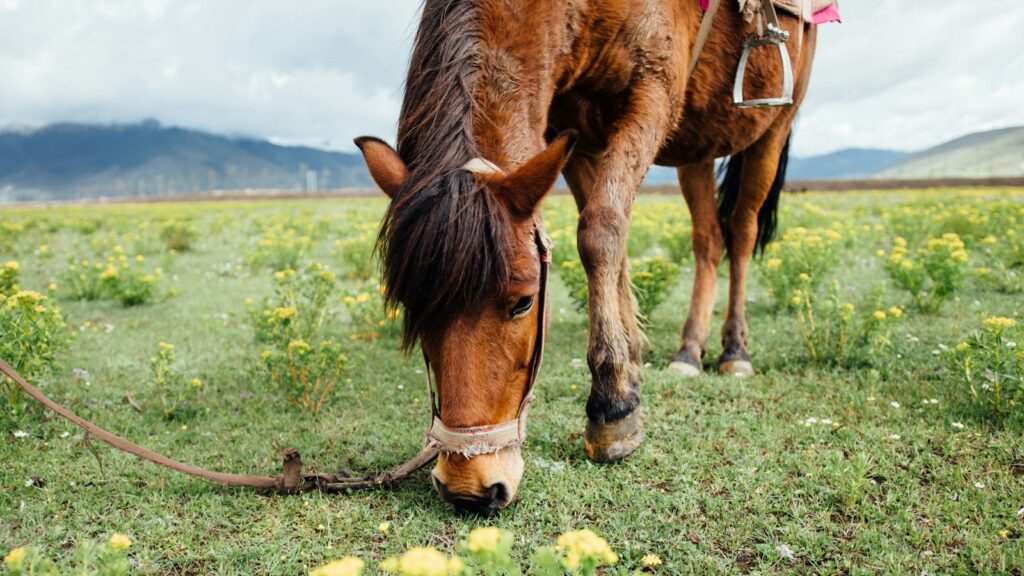
Different feed transitions require varying levels of caution based on the nutritional profile of both the original and new feeds. Transitioning between similar hay types (such as from one grass hay to another) typically presents less risk than moving from a forage-based diet to one with significant concentrates or grains. Introducing feeds high in starches and sugars requires particular caution, as these can cause rapid fermentation and pH changes in the hindgut. Changing from dry hay to lush pasture represents another high-risk transition that should be managed with extreme care, often requiring several weeks of gradually increased grazing time. Consider working with an equine nutritionist when planning major nutritional shifts, especially when dealing with performance horses or those with existing health conditions.
Maintaining Consistent Feeding Routines
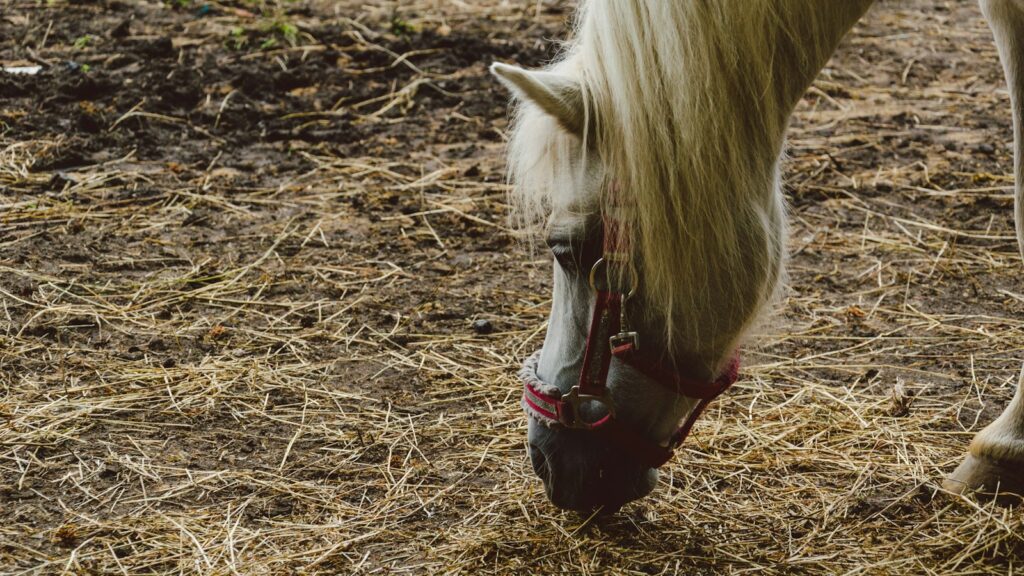
During any feed transition, maintain strict consistency in all other aspects of your horse’s feeding routine. Feed at the same times each day to minimize stress and support digestive regularity. Keep feeding locations consistent, as horses can become anxious when their environment changes simultaneously with their feed. Measure feed by weight rather than volume to ensure accurate proportions, since different feeds have different densities. If possible, avoid making other significant changes to your horse’s routine during the feed transition period, such as moving to a new barn, changing exercise intensity, or introducing new herd members, as cumulative stressors can impact digestive health and complicate the transition process.
Using Supportive Supplements During Transitions
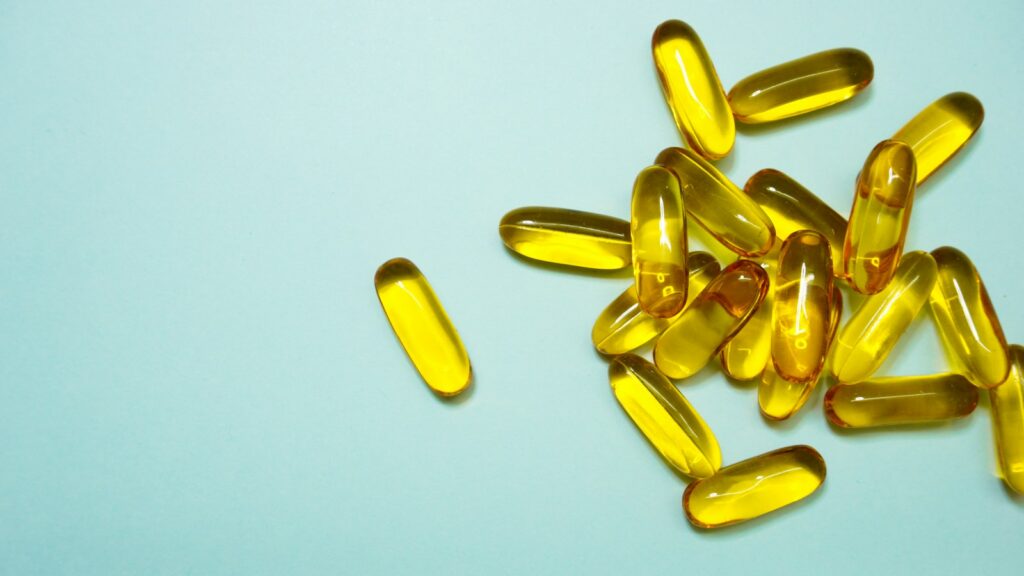
Consider incorporating digestive support supplements during feed transitions to help maintain gut health and microbial balance. Prebiotic and probiotic supplements can help support beneficial gut bacteria during the adaptation period. Certain yeast cultures have been shown to stabilize hindgut fermentation and may be particularly beneficial during transitions to higher-grain diets. Psyllium husk can provide gentle intestinal support through added soluble fiber. Some horses may benefit from intestinal protectants like slippery elm bark during transitions, particularly those with histories of gastric ulcers or hindgut sensitivity. Always consult with your veterinarian before adding supplements to ensure they’re appropriate for your horse’s specific needs and won’t interact negatively with existing conditions or medications.
Addressing Palatability Challenges
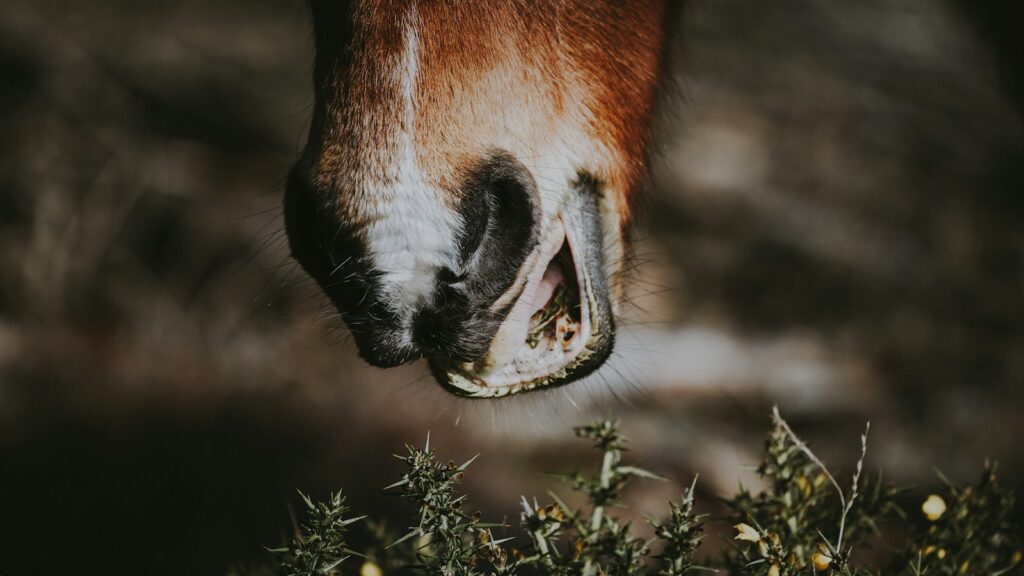
Some horses may resist new feeds due to taste or texture differences rather than digestive issues. If your horse shows reluctance to eat the new feed, try incorporating small amounts of flavor enhancers that your horse enjoys, such as a sprinkle of dried mint, a drizzle of molasses, or a splash of apple juice to increase palatability during the transition. Thoroughly mixing the new feed with particularly appetizing components of the old diet can help overcome initial resistance. Warming the feed slightly during cold weather can enhance aroma and appeal for picky eaters. For extremely resistant horses, sometimes slowing the transition even further and starting with tiny amounts can eventually lead to acceptance as they gradually become accustomed to the new flavors and textures.
Managing Special Considerations for Senior Horses
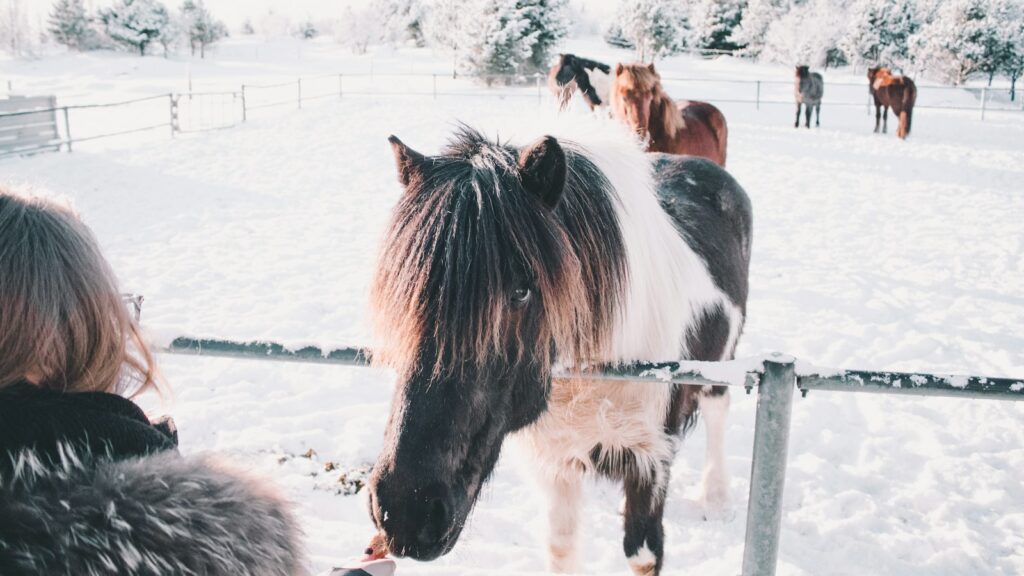
Senior horses often require extra care during feed transitions due to age-related changes in their digestive efficiency. Older horses may have dental issues that affect their ability to chew certain feeds properly, making careful selection of appropriate feed textures essential. Their digestive systems typically have less microbial resilience, necessitating even more gradual transitions—often extending to three or four weeks instead of the standard two. Monitoring weight and body condition becomes particularly important for seniors during transitions, as they may lose condition more quickly if the new feed doesn’t meet their nutritional needs. Consider incorporating easily digestible feed options specifically formulated for senior horses, which often contain higher quality protein sources and added digestive enzymes to support their aging systems.
Recognizing Warning Signs of Transition Problems
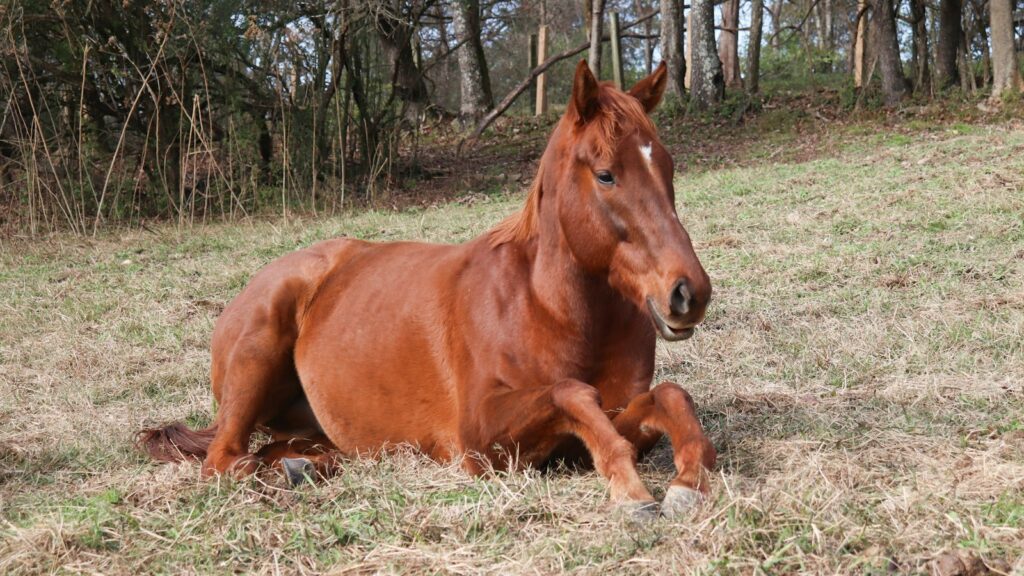
Even with careful planning, some horses may struggle with feed transitions. Learn to recognize early warning signs that indicate a need to slow down or pause the process. Mild colic symptoms like pawing, looking at the flanks, or reduced interest in feed should trigger immediate attention and potential veterinary consultation. Behavioral changes such as increased irritability, lethargy, or depression can indicate digestive discomfort before obvious physical symptoms appear. Developing a fever, especially when combined with reduced manure output, warrants immediate veterinary attention. If your horse shows signs of feed intolerance, temporarily revert to the previous feeding ratio that didn’t cause problems, then proceed more gradually once symptoms resolve completely.
Transitioning During Seasonal Changes
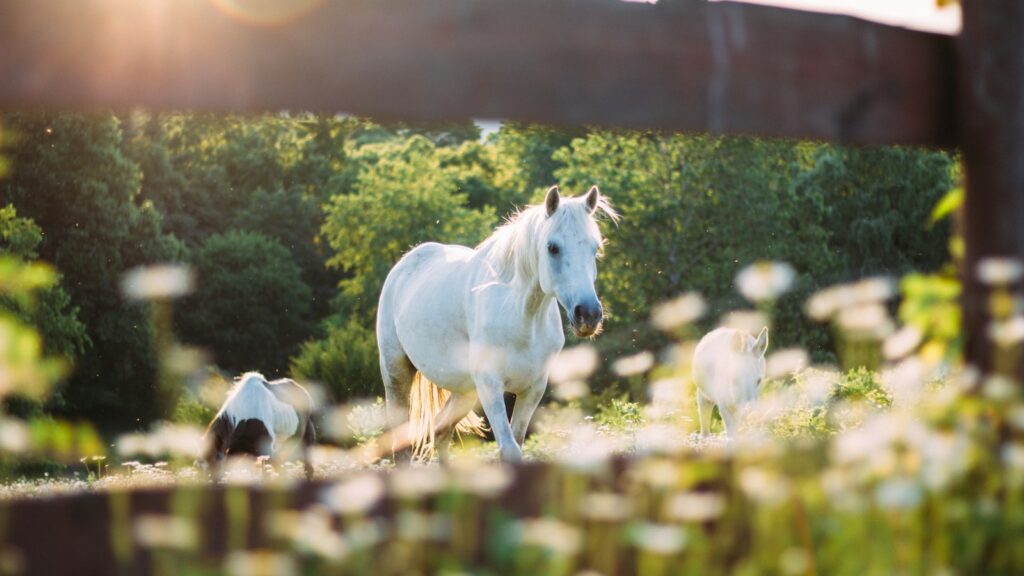
Seasonal transitions often necessitate feed changes as forage quality and availability fluctuate throughout the year. Plan ahead for predictable seasonal transitions, such as moving from summer pasture to winter hay, by beginning the transition before it becomes absolutely necessary. This foresight prevents rushed transitions due to sudden weather changes or depleted forage supplies. When transitioning from dry winter hay to spring pasture, be particularly cautious due to the high sugar content in rapidly growing grasses, which can trigger laminitis in susceptible horses. Consider analyzing both your current and new seasonal feeds to understand the nutritional differences and adjust supplementation accordingly. Remember that horses’ nutritional needs also change seasonally with variations in temperature, coat growth, and often activity levels, making seasonal transitions an opportunity to reassess the entire feeding program.
Documenting the Transition Process
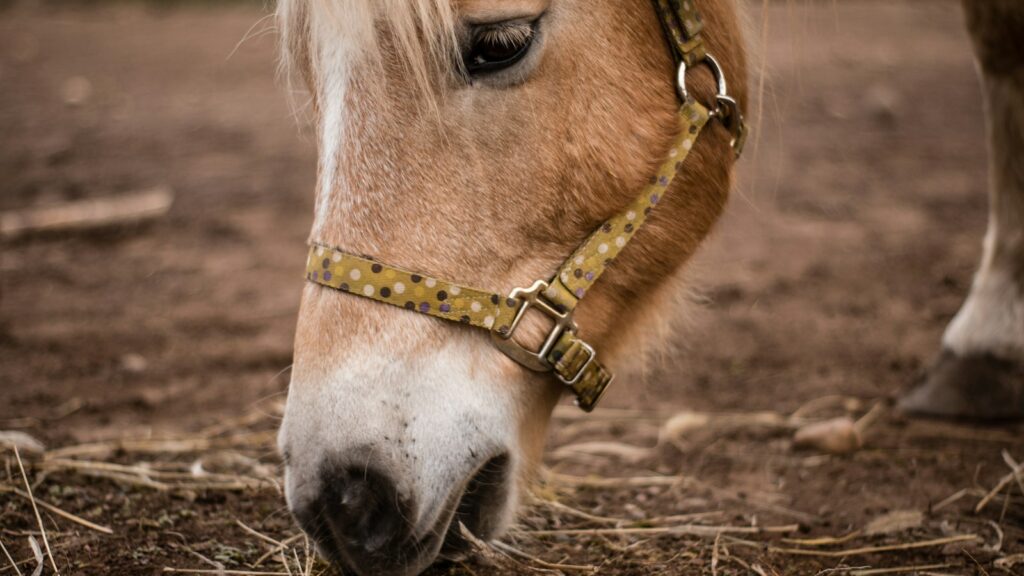
Maintaining detailed records throughout any feed transition creates valuable reference information for future dietary changes. Record daily observations of your horse’s response to the new feed, including appetite, manure quality, energy levels, and any behavioral changes. Track the exact proportions of old and new feed at each step of the transition to identify any thresholds that might trigger sensitivity. Take weekly photographs to document body condition throughout the transition period. This documentation becomes particularly valuable if you need to consult with your veterinarian about concerns, and it creates a personalized protocol for your specific horse that can guide future transitions more effectively, potentially preventing complications before they occur.
Conclusion
Successfully transitioning your horse to a new feed requires patience, careful observation, and a methodical approach. By understanding your horse’s digestive physiology and implementing a gradual transition plan, you can minimize health risks while maximizing nutritional benefits. Remember that each horse is an individual—some may adapt quickly while others require extended transitions. The investment of time and attention during this process pays dividends in your horse’s long-term health and performance. By following these guidelines and remaining attentive to your horse’s responses throughout the process, you can navigate feed changes safely and set your equine companion up for digestive success with their new nutrition program.