
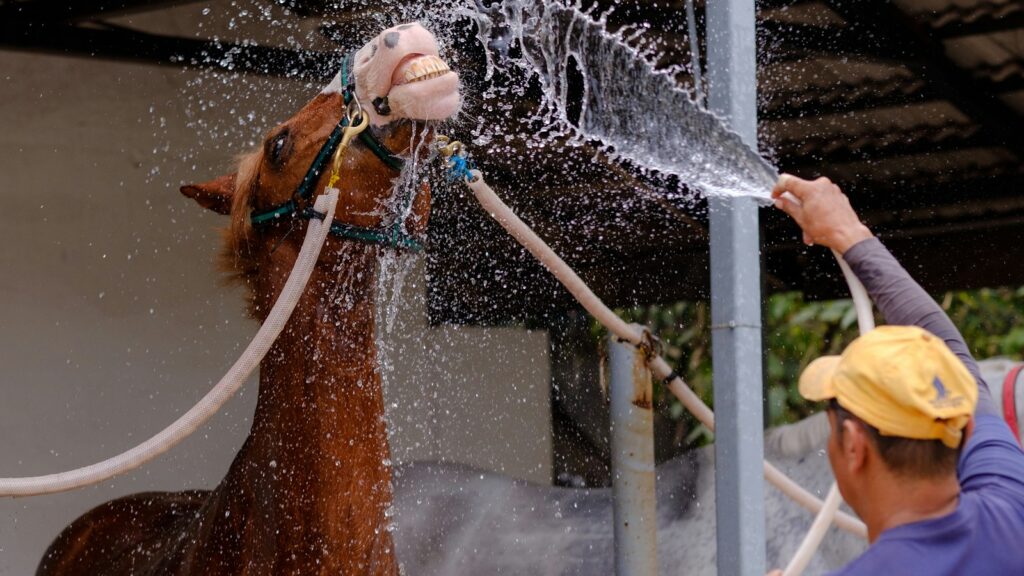
Water hoses are an essential tool in horse care, used for everything from filling water troughs to bathing and cooling your equine partner. Unfortunately, many horses find hoses intimidating due to their snake-like appearance, the unexpected noise they make, and the sensation of water spray. The good news is that with patience and consistent training, most horses can learn to accept—and even enjoy—being around water hoses. This comprehensive guide will walk you through the process of desensitizing your horse to water hoses, creating a more relaxed bathing routine and reducing stress for both you and your equine companion.
Understanding Your Horse’s Fear Response
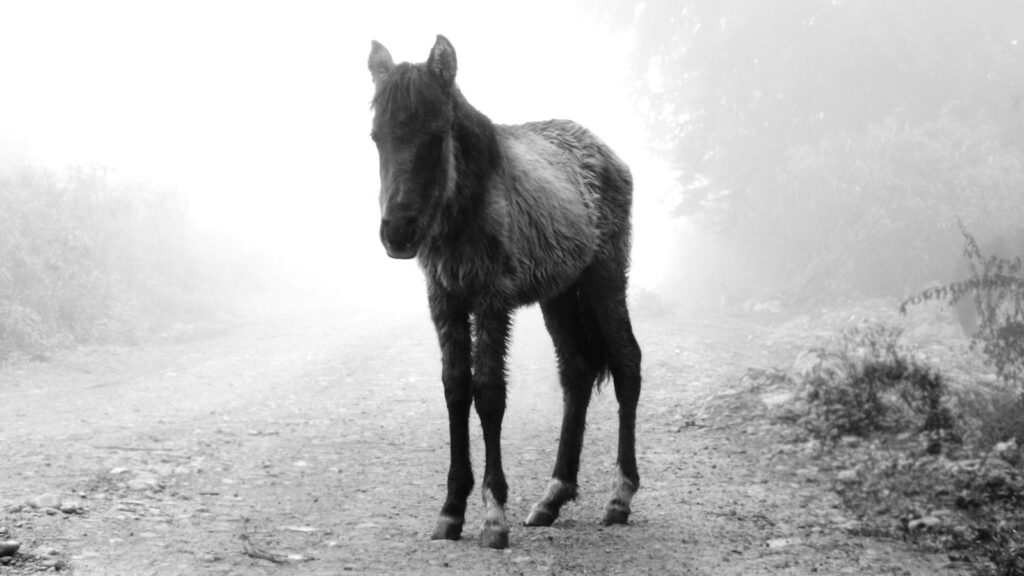
Before beginning any desensitization training, it’s important to understand why horses might fear water hoses in the first place. Horses are prey animals with a deeply ingrained flight response to anything they perceive as threatening. The coiled shape of a hose resembles a snake, a natural predator, while the sudden movement, noise of running water, and unexpected spray can trigger their survival instincts. Additionally, if your horse has had negative experiences with hoses in the past, such as being sprayed unexpectedly or being restrained forcefully during bathing, they may have developed a learned fear response. Recognizing these natural and learned responses will help you approach training with empathy and appropriate expectations for your horse’s progress.
Gathering the Right Equipment

Success in hose training begins with assembling the proper equipment. Start with a hose that’s an appropriate length—too short and you’ll be constantly moving it, creating more unpredictable movement; too long and it becomes difficult to manage. A nozzle with adjustable spray settings is essential, allowing you to begin with a gentle trickle before gradually introducing stronger spray patterns. Consider using a hose with a neutral color that won’t stand out dramatically against the ground, as bright colors may add to your horse’s apprehension. You’ll also need a secure halter and lead rope for safety, and plenty of small treats or rewards to reinforce positive behavior during training sessions. Finally, ensure you’re working in an enclosed area with good footing to prevent slipping if your horse becomes anxious.
Creating a Safe Training Environment
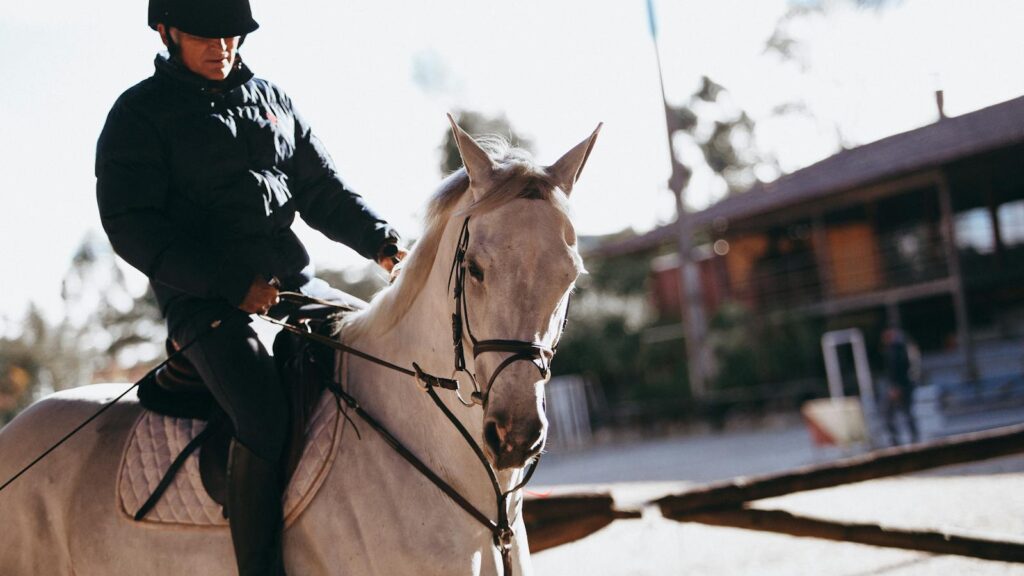
The environment where you introduce your horse to the water hose plays a significant role in training success. Choose a familiar area where your horse already feels comfortable, ideally a quiet space with minimal distractions. Ensure the footing is non-slip and provides good traction, as wet surfaces can become slippery and dangerous if your horse becomes startled. Always begin training in an enclosed area such as a round pen or small paddock where your horse can’t bolt if frightened. The training area should also have good drainage to prevent puddles from forming which might make your horse uncomfortable standing in water. Additionally, consider the timing of your training sessions—working during a calm part of the day rather than during feeding time or when other horses are being turned out will help your horse focus better on the task at hand.
Starting with Basic Desensitization
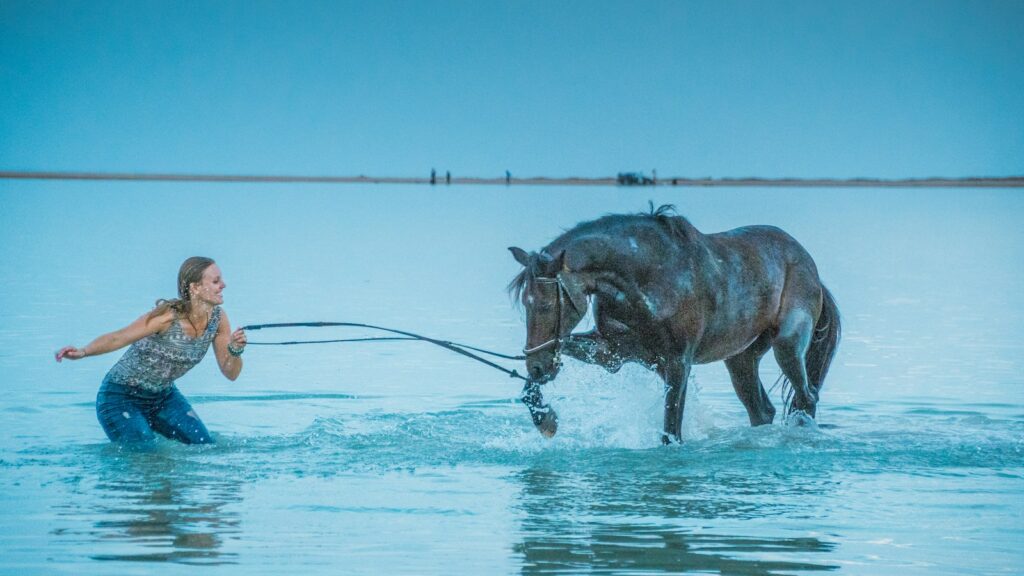
Desensitization should begin with the hose in its least threatening state before any water is involved. Start by simply introducing the coiled hose in your horse’s environment, placed at a distance where they show curiosity but not fear. Allow your horse to investigate the hose at their own pace, rewarding calm behavior with treats, praise, or scratches in their favorite spot. Over several sessions, gradually move the hose closer to your horse, always respecting their comfort zone and never forcing interaction. Once your horse is comfortable with the hose’s presence, begin gently moving it around on the ground, mimicking its natural movement but in a controlled manner. This preliminary desensitization may take anywhere from a few days to several weeks, depending on your horse’s temperament and previous experiences—patience is absolutely essential during this foundation phase.
Introducing the Sound of Running Water
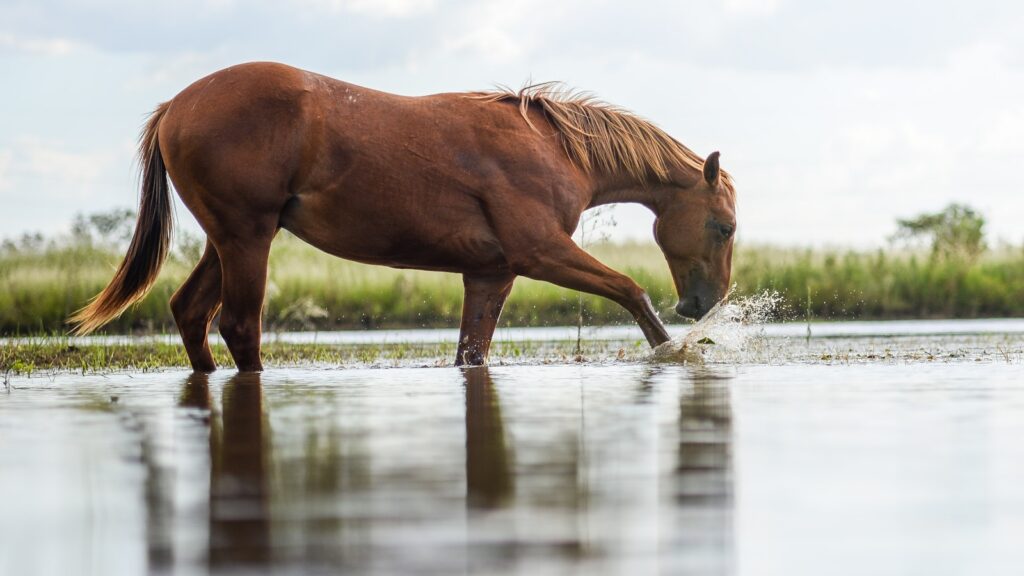
Once your horse is comfortable with the presence and movement of the hose, it’s time to introduce the sound of running water. Begin by turning on the water at a distance from your horse, keeping the flow gentle and the hose pointed away from them. Observe their reaction carefully—if they show signs of anxiety such as raised head, flared nostrils, or attempting to move away, turn off the water and return to the previous step for more practice. As your horse grows accustomed to the sound, gradually decrease the distance between them and the running hose, always rewarding calm behavior. You can also try turning the water on and off intermittently so they become familiar with the changing sounds. Some horses find the sound less threatening if they can see the water flowing, so consider using a transparent hose or ensuring they can see the water exit point during this phase of training.
The First Contact with Water
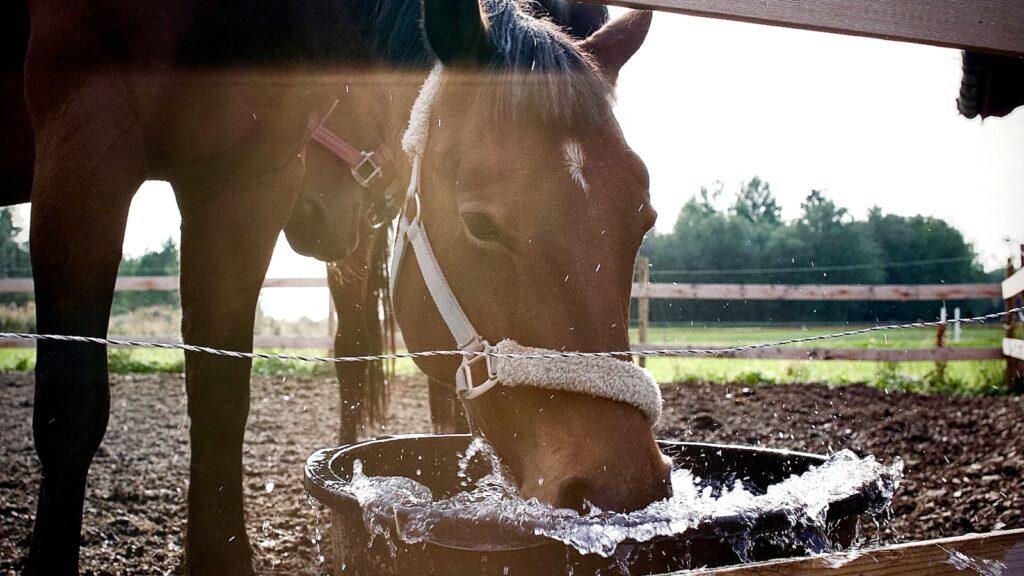
The moment of first water contact requires careful planning and execution. Choose a warm day when being wet won’t cause your horse discomfort, and begin with just a gentle trickle of water. Start by letting water flow near but not touching your horse, perhaps creating a small puddle on the ground for them to investigate. When ready to make first contact, target a less sensitive area of the horse’s body, usually the shoulder or hindquarter, rather than legs or face which tend to be more reactive. Use your free hand to stroke and reassure your horse while directing a very gentle stream of water onto their body. Keep initial contact brief—just a few seconds—then remove the water and reward abundantly for any sign of acceptance. This positive association is crucial for building trust and willingness to accept the water sensation in future sessions.
Gradual Exposure to Different Spray Patterns
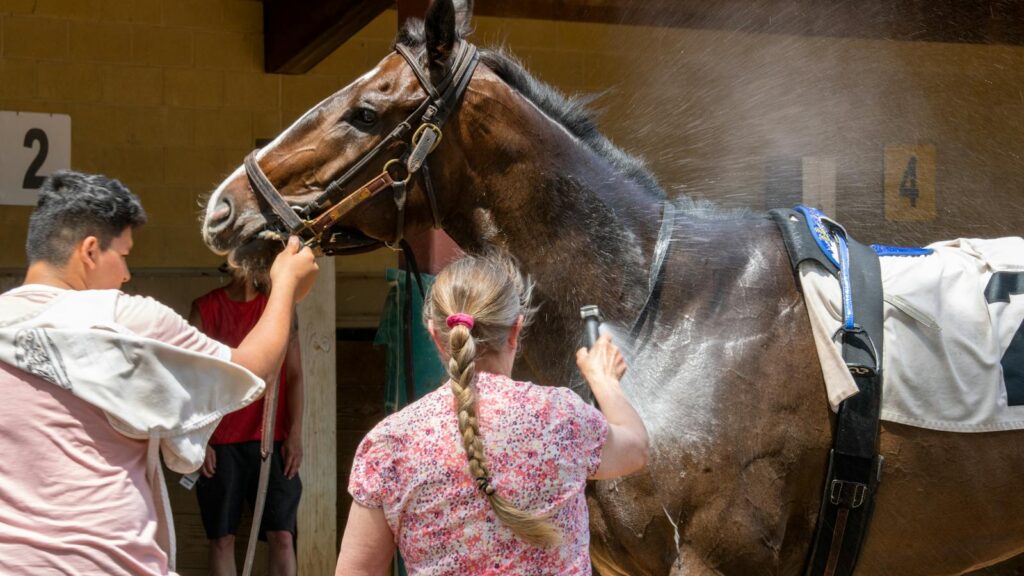
As your horse becomes comfortable with gentle water contact, you can begin introducing different spray patterns and water pressures. This progression should happen incrementally, moving from a light trickle to a soft shower, and eventually to stronger spray patterns only as your horse demonstrates comfort at each stage. Pay close attention to your horse’s body language during this process—pinned ears, raised tail, or tension in their body are signals to reduce intensity immediately. When introducing a new spray pattern, always start on less sensitive areas of the body before moving to areas like the legs, belly, and face. Some horses may accept certain spray patterns more readily than others; for instance, many horses prefer a rain-like shower to a direct stream. Customize your approach based on your individual horse’s preferences while gradually expanding their comfort zone.
Addressing Specific Problem Areas
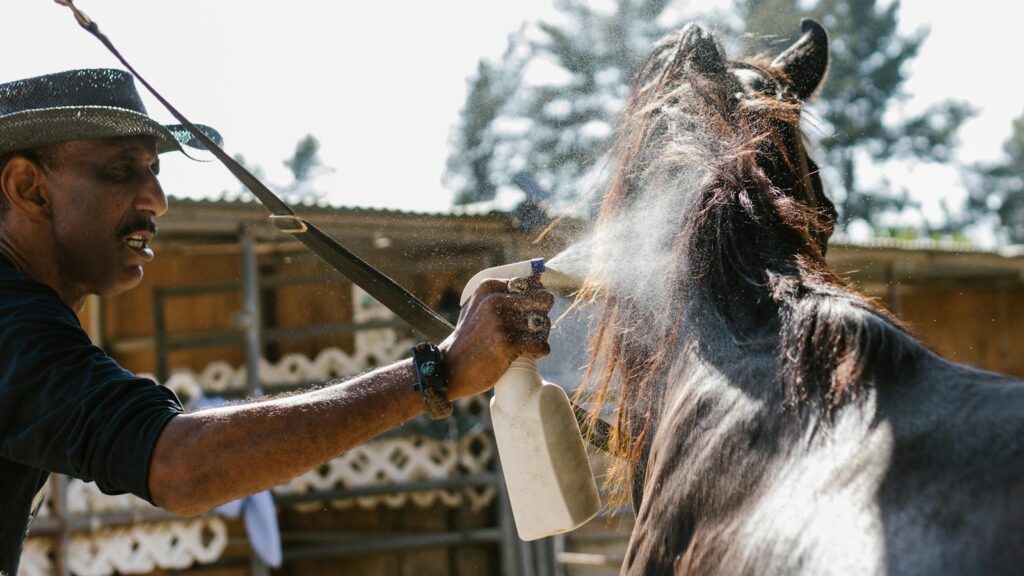
Most horses develop particular sensitivities around certain body parts when it comes to water contact. The face, ears, legs, and underside are commonly problematic areas that require special attention during training. For facial desensitization, try using a damp sponge initially before graduating to very low pressure water, always approaching from below rather than spraying downward over the face. When working with legs, start by running water over the ground near their hooves before making contact, allowing them to feel the sensation gradually move up their limbs. For sensitive areas like the belly and flank, use a side approach rather than spraying directly underneath, which can feel threatening. Remember that forward progress may occur at different rates for different body parts—your horse might readily accept water on their back while still needing considerable time to accept it on their face or legs.
Using Positive Reinforcement Effectively
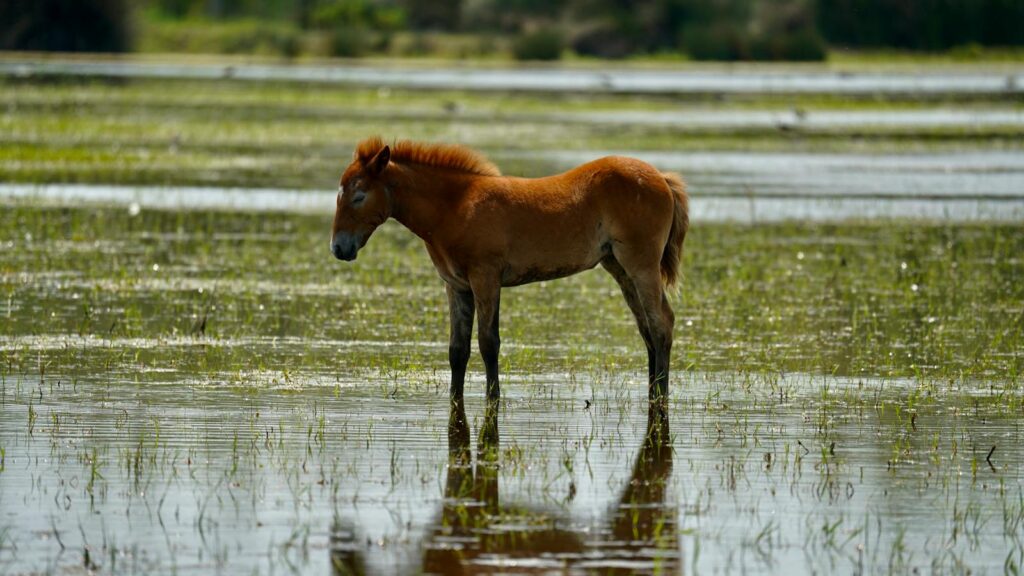
Positive reinforcement is your most powerful tool when teaching hose acceptance, creating associations between water exposure and pleasant outcomes. Timing is crucial—the reward must come immediately after your horse shows acceptance of the hose or water to create the correct association. Rewards can include food treats, but don’t overlook the value of release pressure, verbal praise, scratches in favorite spots, or short breaks from training as effective reinforcers. Many trainers find clicker training particularly effective for hose desensitization, as the distinct sound marks the exact moment of desired behavior. Develop a consistent vocabulary of praise words that your horse learns to recognize as signals of correct behavior. The goal is to shift your horse’s emotional response to the hose from fear or anxiety to positive anticipation through these consistent rewards.
Managing Setbacks and Challenging Situations

Even with careful training, setbacks can occur when teaching hose acceptance. A sudden increase in water pressure, unexpected movement of the hose, or environmental factors like cold weather can temporarily reverse progress. When facing a setback, resist the urge to force the issue—immediately return to the last level where your horse was comfortable and rebuild confidence from there. Avoid expressing frustration or anxiety yourself, as horses readily pick up on handler emotions. If your horse shows extreme fear responses such as rearing or attempting to flee, consider consulting with a professional trainer who specializes in behavior modification. Sometimes, taking a break from hose training for a week or two and focusing on other positive experiences can reset a negative pattern and allow for fresh progress when you resume training.
Moving Beyond Basic Acceptance
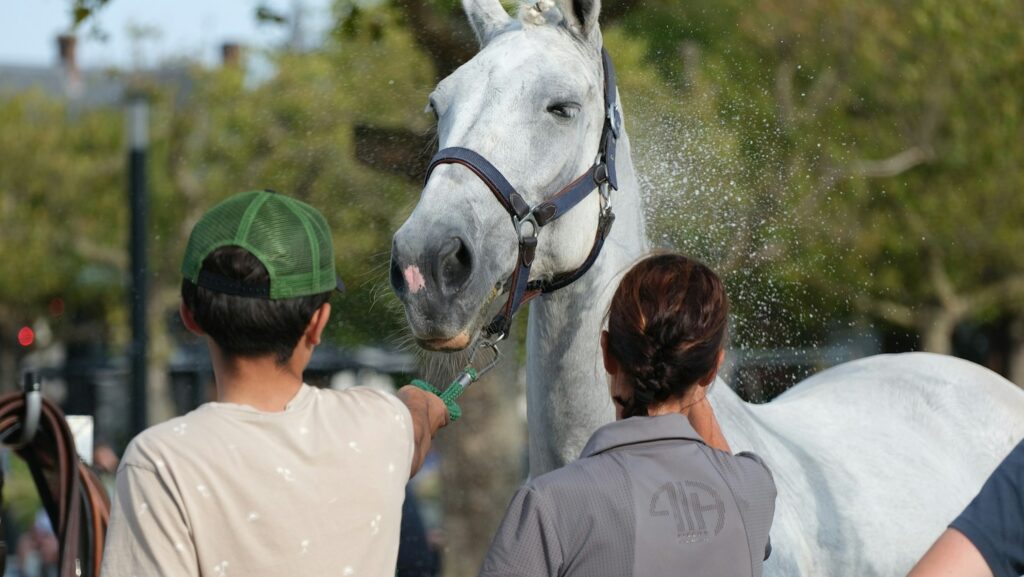
Once your horse demonstrates consistent comfort with basic hose exposure, you can progress to more advanced scenarios. Practice using the hose in different locations around your property, as horses may need to generalize their learning to new environments. Introduce the concept of hose movement while water is flowing, which initially may require two people—one to handle the horse and another to manage the hose. Gradually work toward your horse standing ground-tied or completely loose while being hosed down, building toward the ideal of a horse who willingly approaches the hose area for bathing. Advanced acceptance might include your horse allowing water on all body parts, tolerating different water temperatures, and remaining calm if the water pressure varies. These higher-level skills may take months to develop fully, but represent valuable achievements in your horse’s overall training.
Maintaining and Reinforcing Training
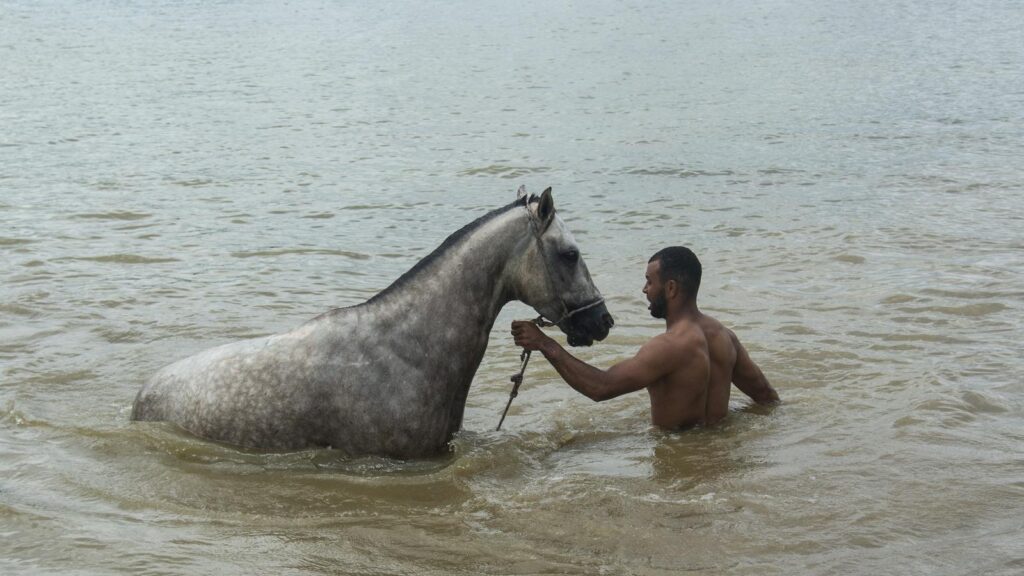
After achieving hose acceptance, regular maintenance ensures the behavior remains consistent over time. Schedule brief refresher sessions even during seasons when you’re not regularly using the hose for bathing, perhaps incorporating the hose into grooming routines year-round. These maintenance sessions don’t need to be lengthy—even a minute or two of positive experience with the water hose every few days can help preserve training. Watch for subtle signs of regression, such as increased tension when the hose appears, and address these immediately before they develop into larger problems. Many experienced horse owners find that incorporating something enjoyable immediately after hose work, such as hand-grazing or a favorite activity, helps maintain positive associations long-term. Remember that consistent handling techniques among all people who work with your horse is crucial for maintaining training success.
Special Considerations for Different Types of Horses
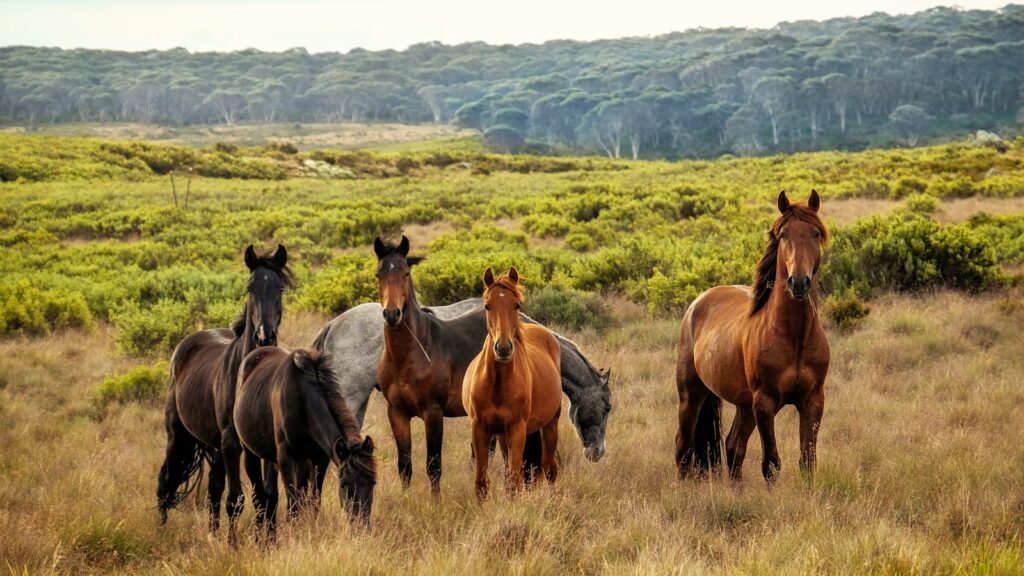
Different horses may require customized approaches to hose training based on their age, breed tendencies, and individual personalities. Young horses often accept new experiences more readily than older ones but may have shorter attention spans requiring briefer training sessions. Particularly sensitive breeds like Arabians or Thoroughbreds might need more gradual desensitization steps and greater patience during the process. Horses with past trauma related to water or hoses require especially careful handling, sometimes benefiting from the presence of a calm companion horse during initial training. Senior horses may have physical limitations or ingrained habits that affect training—for example, arthritis might make certain standing positions uncomfortable during hosing. Whatever your horse’s particular characteristics, the fundamental principles of patience, consistency, and positive reinforcement remain your best strategy for successful hose training.
Practical Applications Beyond Bathing
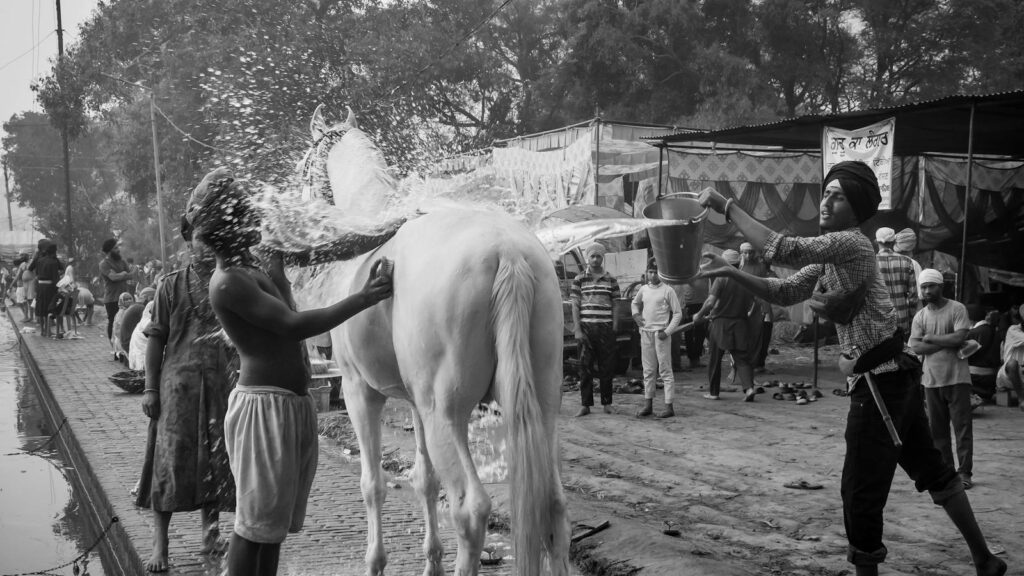
The benefits of hose training extend well beyond routine bathing and cooling. A horse comfortable with hoses will be much easier to manage during medical emergencies requiring wound irrigation or cooling of an injury. These horses typically adapt more quickly to other water-related scenarios such as crossing streams on trail rides or loading onto a trailer during rainy weather. Their overall stress levels during barn management activities like cleaning water troughs or spraying for flies will be reduced. Perhaps most importantly, horses who learn that initially frightening objects can become non-threatening through careful introduction develop greater adaptability and trust in their handlers across all types of training. This foundation of trust becomes invaluable as you introduce new challenges throughout your horse’s life, making hose acceptance training an investment that pays dividends far beyond basic grooming routines.
conclusion
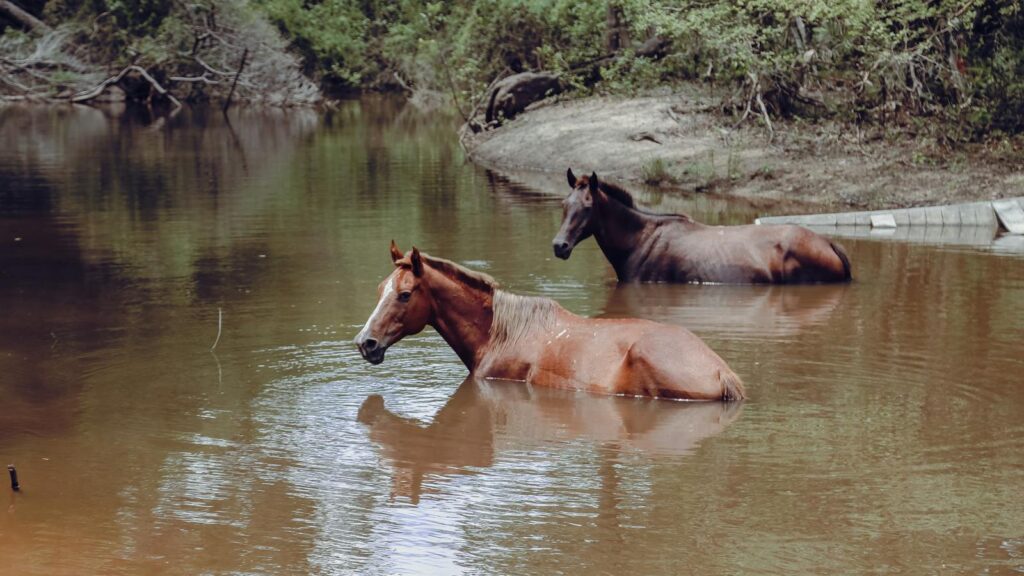
Water hose training represents a perfect microcosm of effective horsemanship—requiring patience, empathy, consistency, and clear communication. By taking the time to properly introduce your horse to this common barn tool, you’re not only making daily care routines more pleasant but also strengthening your overall relationship and building your horse’s confidence. Remember that the journey is often as important as the destination; the process of teaching hose acceptance provides valuable insights into your horse’s learning style and builds mutual trust that transfers to countless other training scenarios. With the right approach, even the most hose-shy horse can learn to stand calmly for bathing, cooling, and other essential water-based care, making life easier and safer for both of you.