
Introducing a stallion to a new environment requires careful planning, patience, and an understanding of equine behavior. Unlike mares or geldings, stallions present unique challenges due to their natural reproductive instincts and often more territorial nature. Whether you’re a professional horse handler or a private owner, properly acclimating a stallion to a new barn is crucial for the safety of the stallion, other horses, and humans. This comprehensive guide will walk you through the essential steps and considerations to ensure a smooth transition that minimizes stress and potential dangers for everyone involved.
Understanding Stallion Psychology
Stallions are naturally driven by hormones that influence their behavior in ways significantly different from mares and geldings. Their territorial instincts and breeding drive can create challenges when introducing them to new environments where other horses are present. A stallion may perceive other horses—particularly mares or competing stallions—as either breeding opportunities or threats to their dominance. Understanding that these behaviors aren’t signs of aggression or “bad training” but rather natural biological responses helps set realistic expectations. This awareness allows handlers to implement appropriate management strategies that work with the stallion’s nature rather than against it, creating a foundation for successful integration into the new barn environment.
Preparation Before Arrival
Thorough preparation before your stallion arrives can significantly impact the success of the transition. Begin by selecting appropriate housing that provides security, visual barriers if needed, and sufficient distance from mares and other stallions. The stall should be thoroughly inspected for potential hazards such as protruding nails, weak boards, or gaps that could cause injury if the stallion becomes excited. Communicate clearly with barn management and all staff about the incoming stallion, ensuring everyone understands the special handling requirements and safety protocols. Creating a detailed schedule for the stallion’s first few days, including feeding times, turnout plans, and exercise routines, helps establish consistency during a naturally stressful period for the horse.
Creating an Appropriate Housing Setup
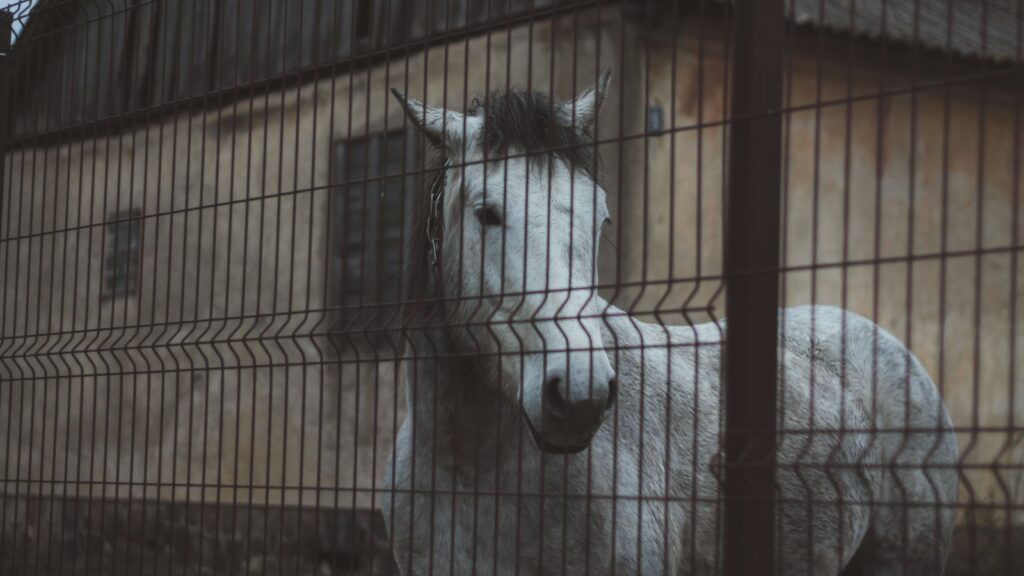
A stallion’s housing requires special considerations beyond those of other horses. The stall should be sturdy, with reinforced walls at least eight feet high to prevent jumping or reaching over to adjacent stalls. Doors should have secure, stallion-proof latches that cannot be manipulated by an intelligent and persistent horse. Consider the location within the barn—end stalls often work best as they limit the number of neighboring horses and provide more privacy. Proper ventilation is crucial for all horses but particularly for stallions who may become more agitated in stuffy conditions. The flooring should provide excellent traction to prevent slipping during any excited movements, with rubber mats under bedding being an ideal option for safety and comfort.
Managing First Impressions
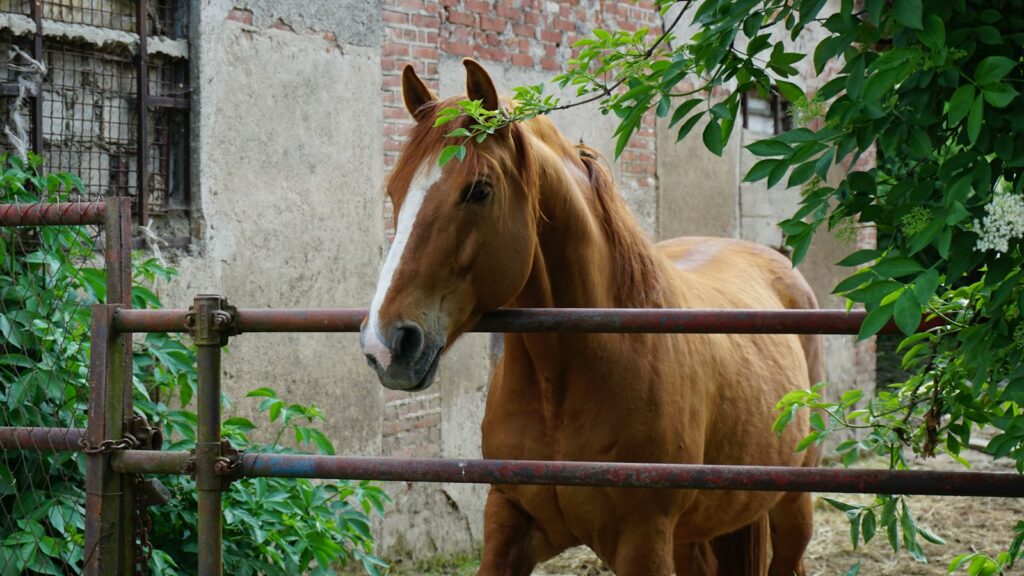
The initial introduction to the new barn should be carefully orchestrated to minimize stress and overstimulation. Ideally, schedule the arrival during a quiet time when barn activity is minimal, avoiding feeding times or busy lesson periods. Have experienced handlers present who understand stallion behavior and can remain calm and confident. Allow the stallion to first observe his new surroundings from the safety of a trailer or quiet holding area before bringing him into the main barn. Pay close attention to his body language—ears, eye focus, tension in the body—to gauge his stress level and adjust your approach accordingly. Taking these first impressions slowly can prevent the formation of negative associations that might be difficult to overcome later.
Establishing a Quarantine Protocol
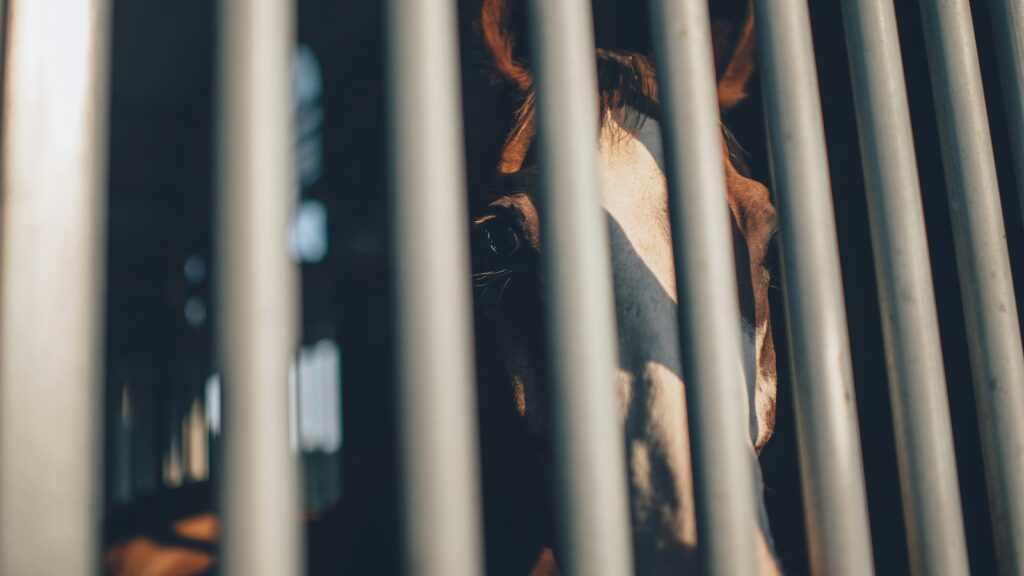
Quarantine procedures serve dual purposes when introducing a stallion: they protect the existing herd from potential diseases and provide the new horse with a gradual adjustment period. Ideally, maintain physical separation from other horses for at least 14-21 days, monitoring for any signs of illness that might have been triggered by the stress of relocation. Use dedicated equipment such as buckets, grooming tools, and tack to prevent cross-contamination. During this period, establish a consistent care routine that will continue after quarantine ends, helping the stallion develop a sense of security through predictability. The quarantine stall should still allow for visual contact with other horses at a safe distance, beginning the socialization process without physical interaction.
Controlling Initial Horse-to-Horse Introductions
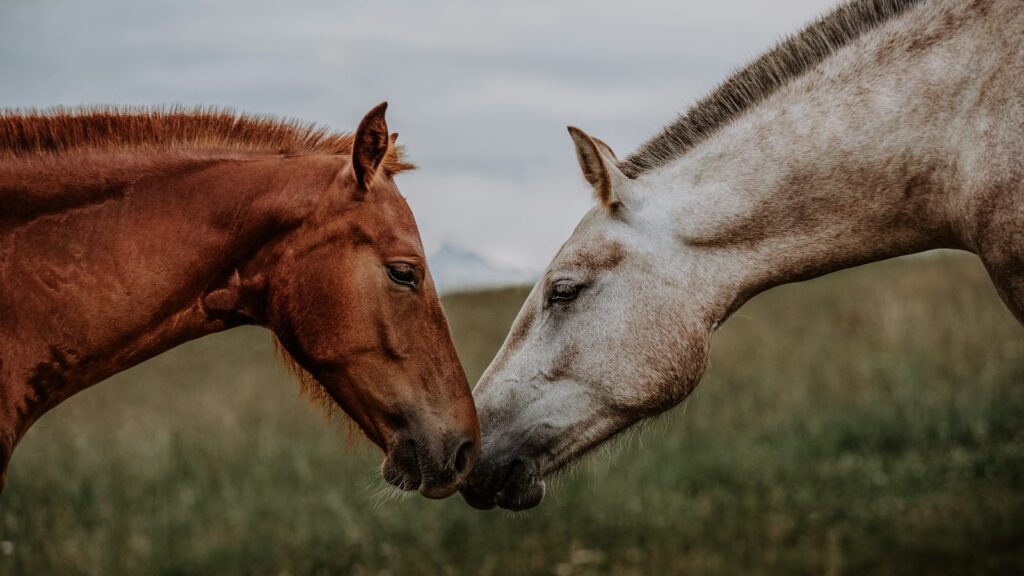
After the quarantine period, begin introducing the stallion to other horses in a methodical, controlled manner. Start with visual introductions across a safe distance, observing how the stallion responds to seeing other horses from afar. Gradually decrease the distance over several days, always maintaining sturdy barriers between horses. Choose the first direct-contact introduction carefully—a calm, confident gelding often makes the best first acquaintance rather than a mare or another stallion. This initial meeting should occur in a spacious, secure area with handlers present for both horses, ready to intervene if necessary. Keep these initial meetings brief, gradually extending their duration as the horses demonstrate increasing comfort with each other.
Implementing Safe Turnout Practices
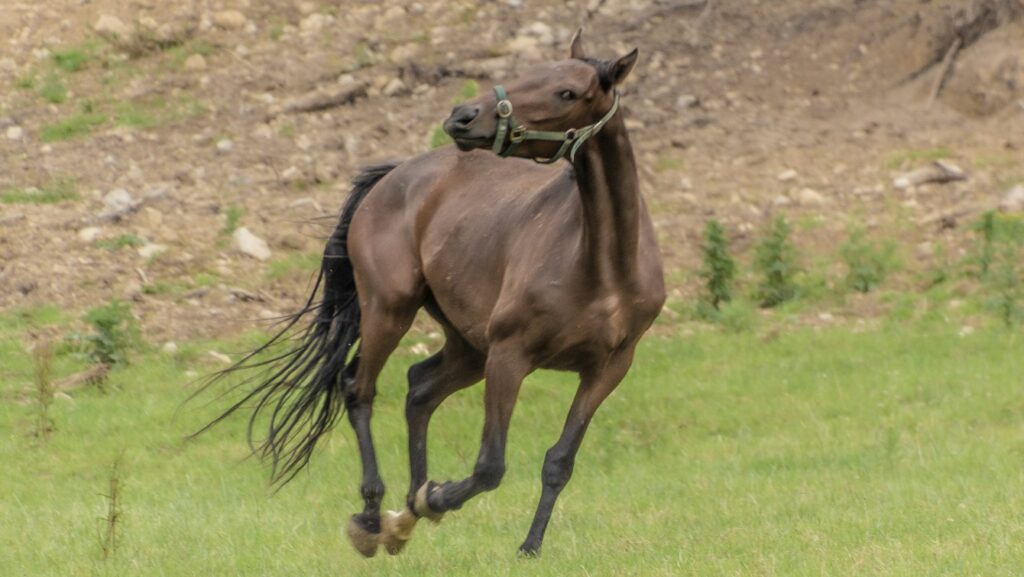
Turnout is essential for a stallion’s physical and mental health, but requires careful management to ensure safety. The turnout area must have secure fencing at least six feet high, preferably with no visual access to mares to prevent frustration and fence-line pacing. Double fencing with a buffer zone between paddocks provides an extra safety margin if your stallion will be turned out adjacent to other horses. Establish a consistent turnout schedule that avoids having mares in neighboring paddocks during the stallion’s outdoor time. Some stallions benefit from turnout with a compatible gelding after proper introduction, providing social interaction while minimizing reproductive behaviors. Always inspect the turnout area before each use, checking for fence damage or hazards that could cause injury during play or excitement.
Daily Management Considerations
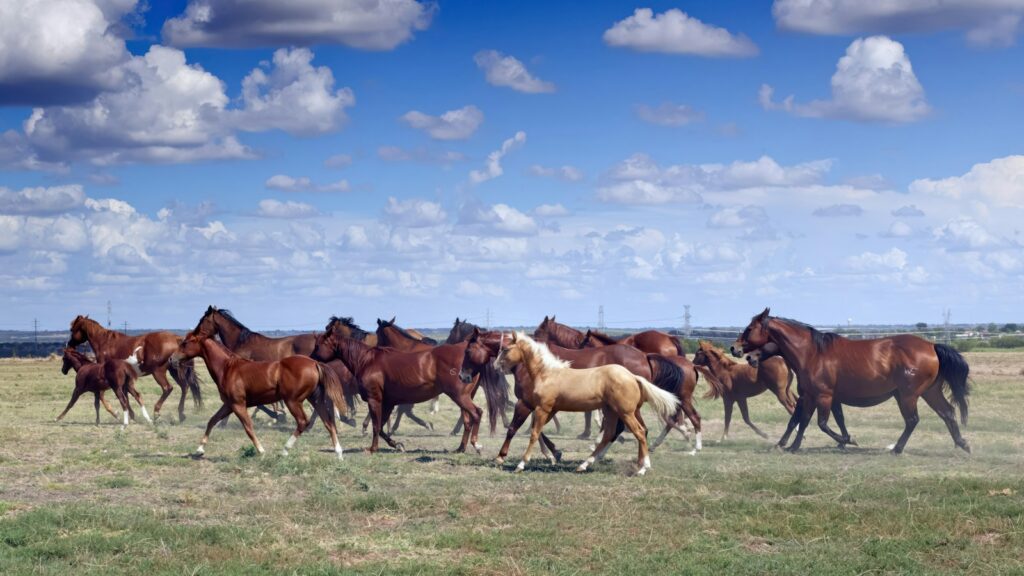
Consistent daily management helps a stallion understand boundaries and expectations in his new environment. Establish regular feeding, turnout, exercise, and handling schedules to provide structure and predictability. Stallions often thrive with more frequent, smaller meals throughout the day to prevent boredom and associated behavioral issues. Incorporate a robust exercise program that provides appropriate physical outlets for the stallion’s energy—regular riding, lunging, or free exercise in a round pen can significantly improve behavior and focus. Consider environmental enrichment such as stallion-safe toys, varied riding environments, and training challenges to keep his mind engaged. Monitor weight and body condition closely, as some stallions may initially lose weight due to stress or increased activity in a new environment.
Training and Handling Protocols
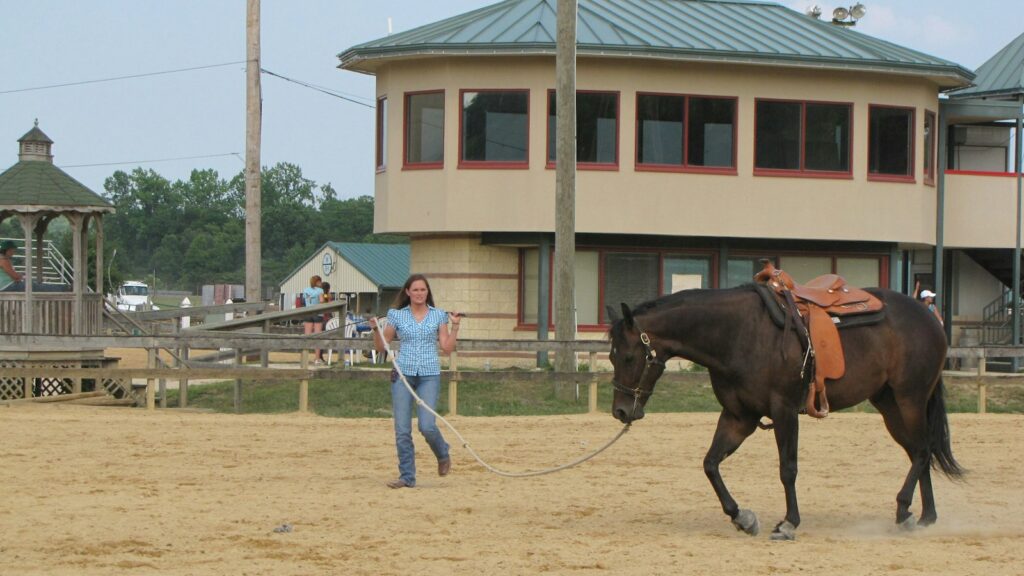
Consistent handling protocols are crucial for maintaining a well-behaved stallion in a barn environment. Establish clear rules for all handlers, ensuring everyone uses the same cues and has appropriate experience with stallions. Always use proper safety equipment when handling, including sturdy leather gloves, appropriate footwear, and possibly a helmet during ground training sessions. Implement regular refresher training focusing on basics like yielding to pressure, standing quietly during grooming, and maintaining personal space. Consider working with a trainer experienced in stallion behavior to address any specific challenges that arise during the transition. Remember that firmness without aggression is key—stallions respond well to clear, consistent boundaries established through fair and predictable handling.
Managing Breeding Behaviors in a Mixed Barn
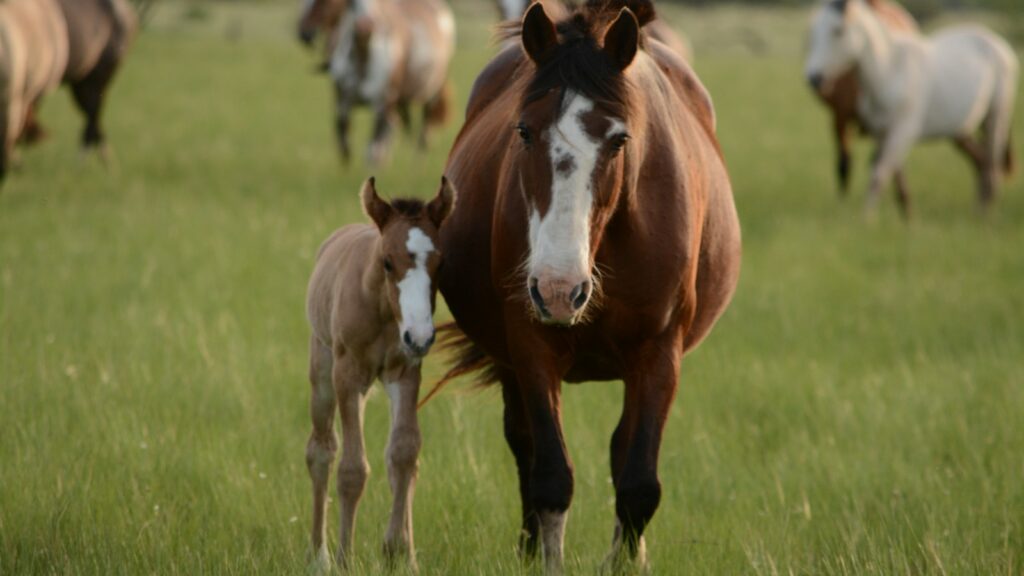
If your stallion resides in a facility with mares, additional management strategies are necessary to minimize disruptive breeding behaviors. Schedule stallion activities when mares are indoors or in distant paddocks to reduce visual and olfactory stimulation. Be especially vigilant during mare heat cycles, as stallions can detect these hormonal changes and become more reactive. Consider using stallion guards or screens in strategic locations to block sightlines between the stallion and mares. Some owners find that specialized nutrition programs that reduce certain nutrients may help moderate hormonal behaviors without affecting overall health. For stallions used in breeding programs, establishing clear separation between breeding sessions and regular handling helps them understand when breeding behavior is appropriate and when it is not.
Communication with Barn Staff and Boarders
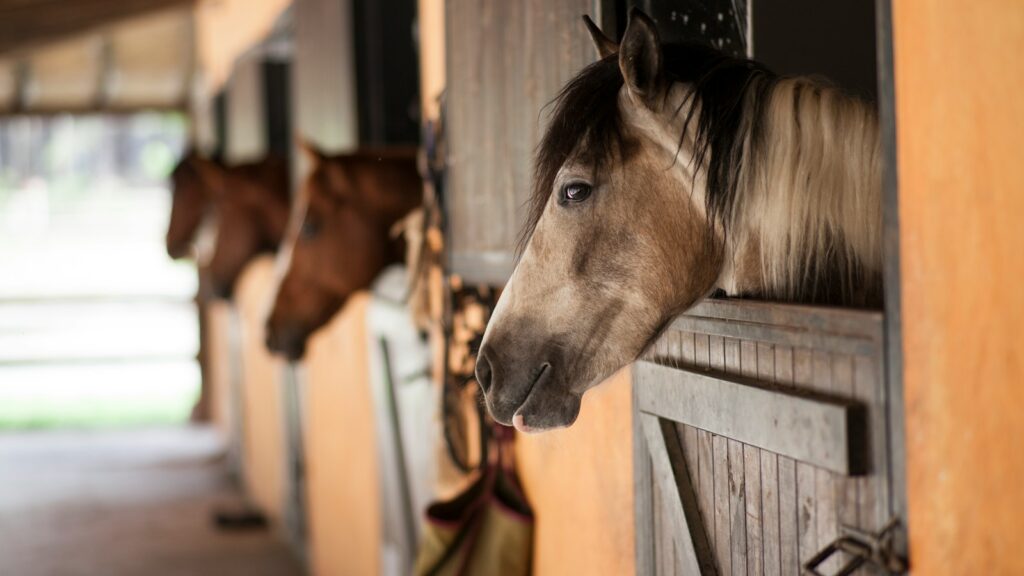
Open communication with everyone at the facility is essential for successfully integrating a stallion. Hold a meeting with all barn staff and regular boarders to explain the stallion’s routines, handling requirements, and safety protocols. Post clear signage on the stallion’s stall indicating specific handling instructions and any precautions visitors should take. Establish protocols for emergency situations, ensuring everyone knows what to do if the stallion gets loose or becomes overly agitated. Create a system for reporting any concerning behaviors or potential problems to the stallion owner or barn manager promptly. Fostering an environment of mutual respect and cooperation helps ensure that everyone contributes to the stallion’s successful adjustment while maintaining safety for all.
Recognizing and Addressing Stress Behaviors
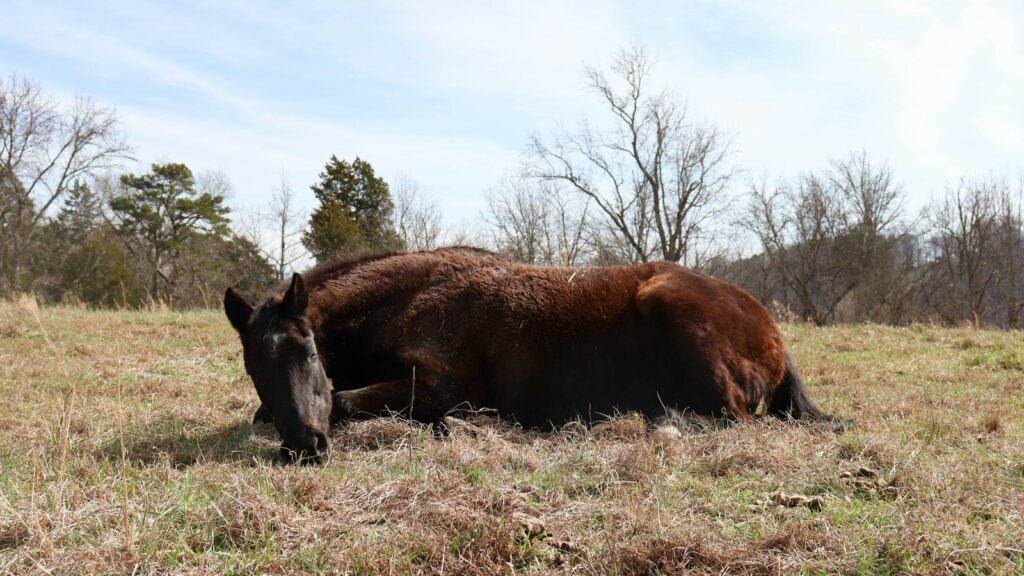
Stallions may display various stress behaviors during the transition to a new environment, and recognizing these early is crucial for intervention. Watch for signs such as decreased appetite, excessive vocalization, stall walking, pawing, sweating without physical exertion, or aggressive displays toward handlers or other horses. Implement stress-reduction strategies such as increased turnout if safe, additional exercise, or environmental modifications to address specific triggers. Some stallions benefit from the companionship of a calm gelding or even a goat as a stall neighbor to reduce isolation stress. Consider consulting with an equine behaviorist if stress behaviors persist beyond the initial adjustment period. Remember that most stress behaviors are the stallion’s attempt to cope with change rather than deliberate misbehavior, and responding with patience rather than punishment yields better long-term results.
Long-term Integration Strategies
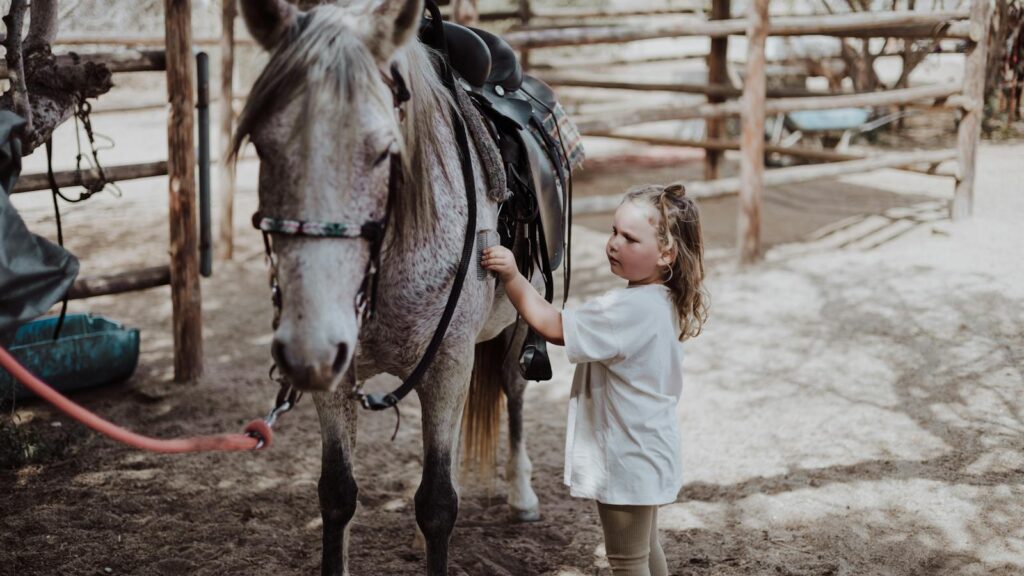
Successful long-term integration extends beyond the initial introduction period, requiring ongoing attention to the stallion’s changing needs. Regularly reassess housing, turnout, and handling protocols as the stallion settles in, making adjustments as needed based on his behavior and response. Gradually increase social opportunities as appropriate, potentially working toward controlled interaction with select geldings under supervision. Maintain consistent training that reinforces respectful behavior while providing mental stimulation through varied activities and environments. Establish a regular health monitoring program that accounts for stallion-specific concerns such as increased muscle development and potential for injury during excited states. With patience and appropriate management, most stallions can become well-adjusted members of a mixed barn environment, maintaining their natural behaviors within safe boundaries.
Conclusion
Successfully introducing a stallion to a new barn environment represents a significant commitment to careful management and understanding of equine behavior. The process requires patience, consistency, and attention to detail, but the rewards of a well-adjusted stallion are substantial. By following these guidelines and remaining flexible to adjust strategies based on your individual horse’s response, you create an environment where your stallion can thrive physically and mentally while maintaining safety for all involved. Remember that the goal isn’t to suppress natural stallion behaviors entirely, but rather to channel them appropriately while establishing clear boundaries that allow for harmonious integration into the barn community.