
Competitive riding demands extraordinary physical prowess, mental fortitude, and emotional resilience. Whether show jumping, dressage, eventing, or racing, riders face immense pressure to perform at their peak while maintaining complex partnerships with their equine athletes. This high-pressure environment creates fertile ground for emotional burnout—a state of chronic physical and emotional exhaustion that can derail careers and harm both rider and horse welfare. Recognizing the early warning signs of burnout is essential for competitive riders to maintain their passion for the sport and preserve their wellbeing. This article explores the key indicators of emotional burnout in competitive riders and offers guidance on addressing these challenges before they escalate into serious mental health concerns.
Understanding Rider Burnout: More Than Just Fatigue
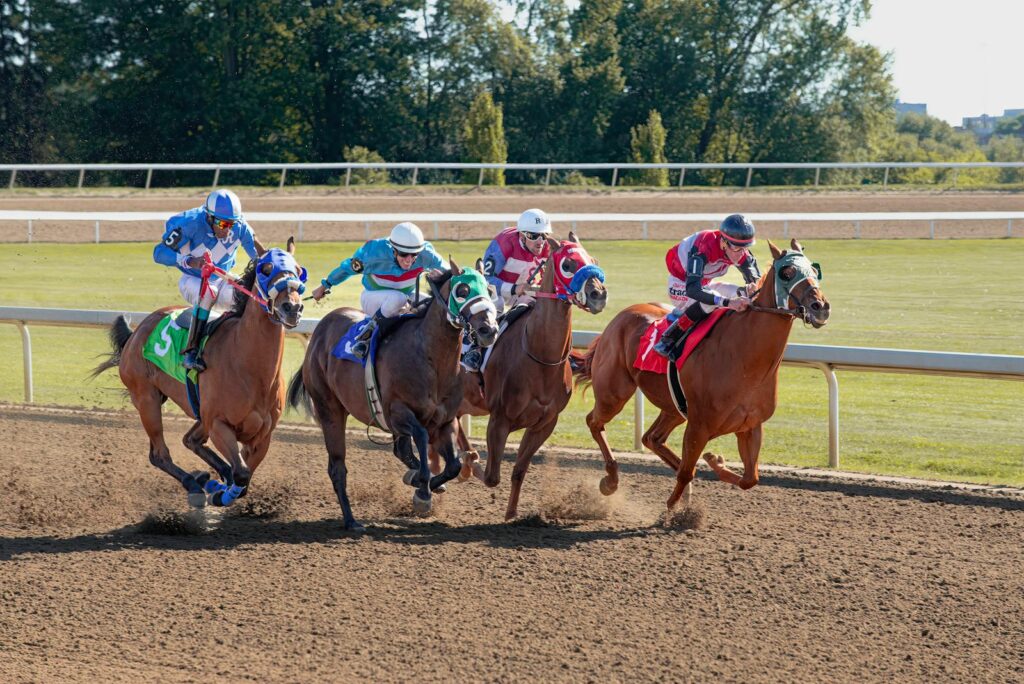
Emotional burnout in competitive riders goes far beyond normal tiredness after a long day at the barn or the physical exhaustion following an intense competition. It represents a state of complete mental, physical, and emotional depletion resulting from prolonged stress and pressure within the competitive riding environment. Unlike simple fatigue that resolves with adequate rest, burnout involves a profound disconnection from one’s passion, persistent negative emotions, and a sense that one’s efforts are futile regardless of outcomes. This condition develops gradually, often over months or years, making it particularly dangerous as many riders fail to recognize the symptoms until they’ve reached a crisis point. Understanding that burnout is a legitimate psychological condition—not a character flaw or sign of weakness—is the first step toward identifying and addressing this serious issue.
The Unique Pressures Facing Competitive Riders
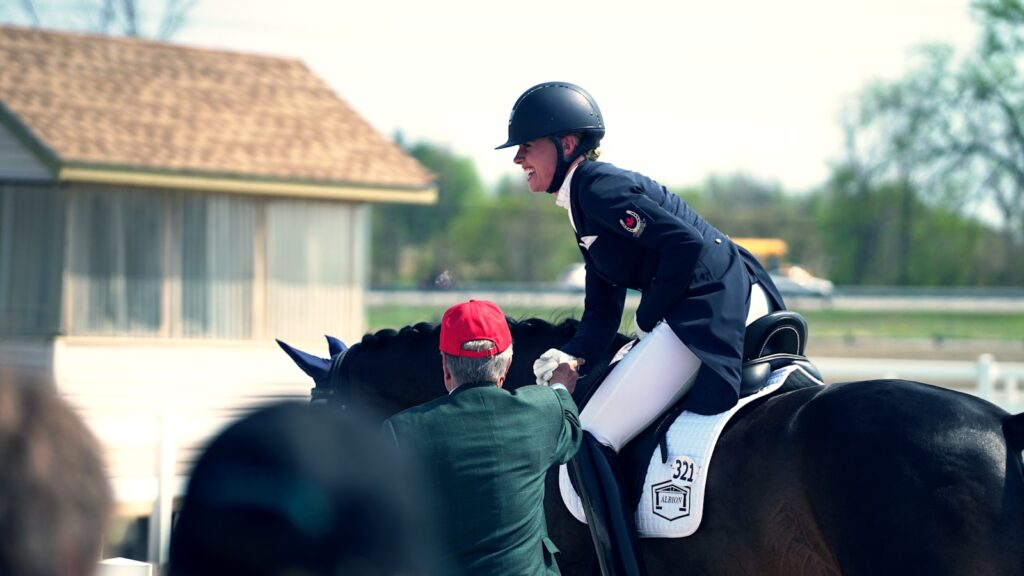
Competitive riders face distinctive pressures that can accelerate burnout compared to other athletes. Unlike team sports, where responsibility is shared among members, equestrians shoulder full responsibility not only for their own performance but also for the welfare, training, and competitive readiness of another living being—their horse. This dual responsibility creates an extraordinary mental burden, particularly when things aren’t going well. Additionally, the financial investment in competitive riding exceeds many other sports, with costs for quality horses, training, veterinary care, transportation, and competition fees creating significant financial stress. Many riders also struggle with the tension between pursuing excellence and maintaining their horse’s welfare, especially when coaches, owners, or sponsors apply pressure for results. These unique aspects of equestrian sport create multiple avenues for stress that can compound over time and lead to burnout if not properly managed.
Physical Warning Signs of Emotional Burnout
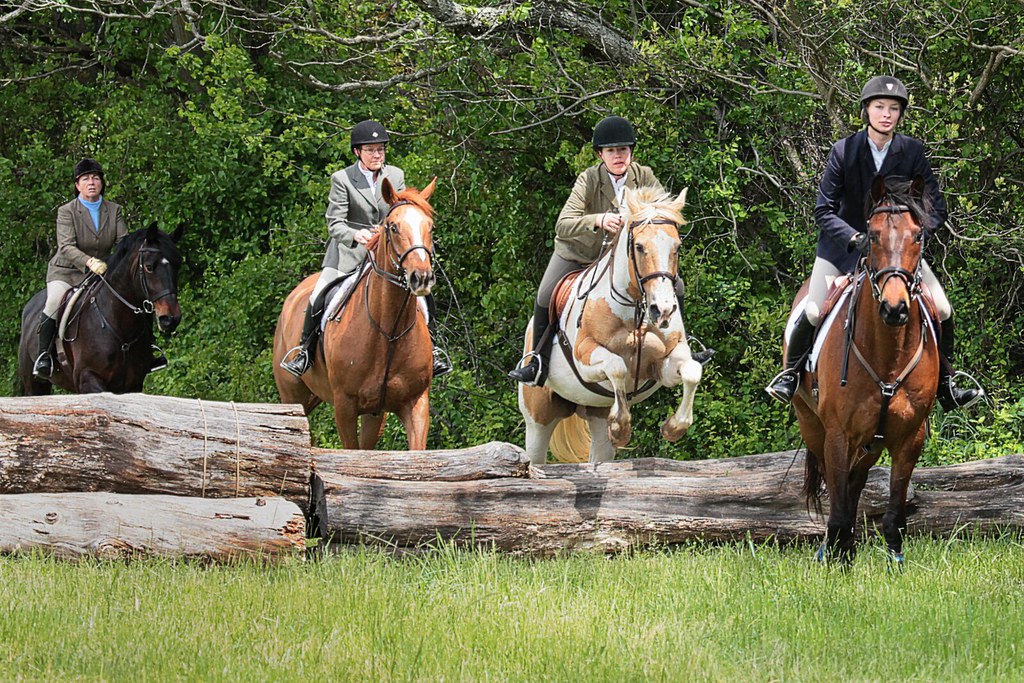
Emotional burnout invariably manifests through physical symptoms that competitive riders should vigilantly monitor. Persistent fatigue that doesn’t improve with rest often appears as one of the earliest warning signs, with riders feeling exhausted even before mounting their horse. Sleep disturbances, either difficulty falling asleep despite physical tiredness or waking frequently with racing thoughts about riding concerns, frequently accompany burnout progression. Many riders also experience unexplained physical ailments such as frequent headaches, digestive issues, muscle tension, or a weakened immune system resulting in recurring illnesses. Perhaps most alarming for competitive riders is a noticeable decrease in physical performance and coordination, with previously automatic riding skills requiring conscious effort and feeling awkward or unnatural. Recognizing these physical manifestations early can provide critical intervention opportunities before burnout becomes severe.
Emotional Red Flags to Monitor
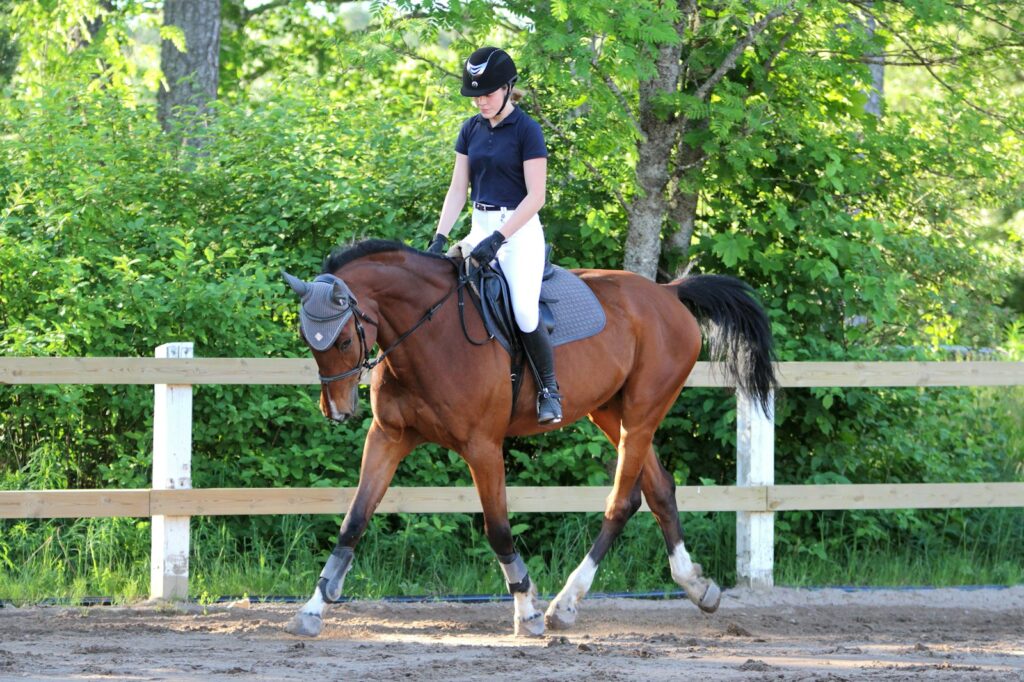
The emotional dimension of burnout often presents through a progression of increasingly concerning feelings that transform a rider’s relationship with their sport. Many riders report experiencing growing cynicism about competitions, training, or the equestrian community, replacing their former enthusiasm with skepticism or even contempt. Heightened irritability becomes common, with riders finding themselves uncharacteristically short-tempered with their horses, trainers, family members, or fellow competitors over minor issues. A profound sense of emotional numbness frequently develops, where previously exciting achievements like clearing a difficult jump or mastering a complex dressage movement no longer generate joy or satisfaction. Perhaps most telling is the emergence of dread regarding activities that were once pleasurable—when the thought of going to the barn or attending a competition triggers anxiety rather than anticipation, burnout has likely taken hold. These emotional indicators, while sometimes difficult to acknowledge, provide crucial insight into a rider’s psychological state.
Cognitive Changes That Signal Burnout
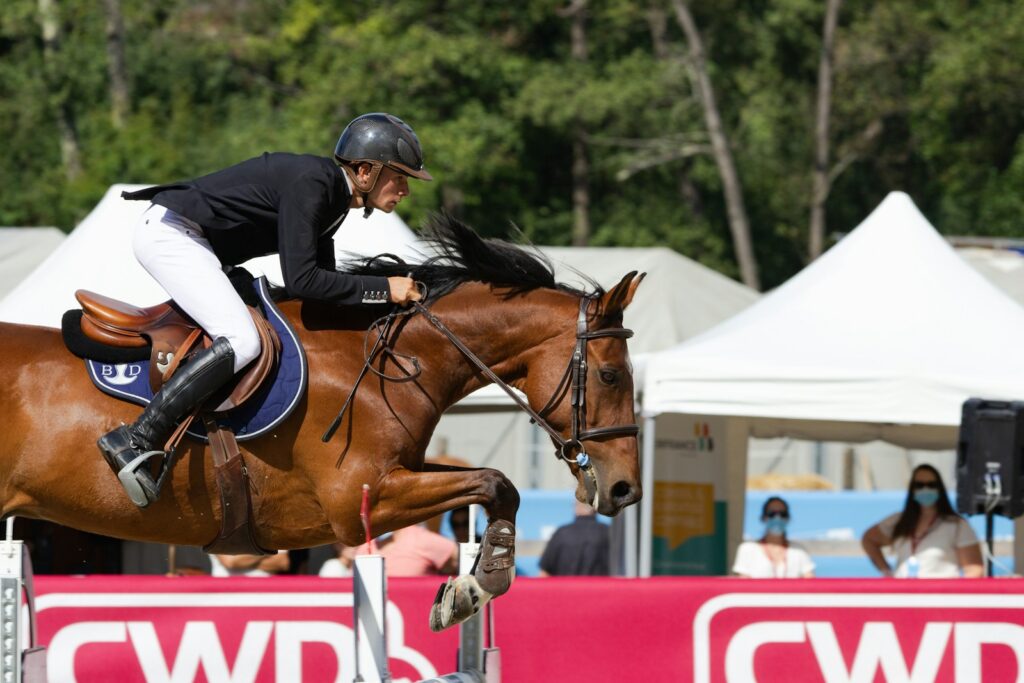
As burnout progresses, competitive riders often experience significant cognitive changes that impact both their riding performance and general mental functioning. Concentration difficulties become increasingly problematic, with riders struggling to maintain focus during lessons or finding their minds wandering at critical moments during competition. Decision-making abilities frequently deteriorate, with riders second-guessing routine choices about training approaches or competition strategies that previously came naturally. Many burned-out riders report persistent negative thought patterns characterized by catastrophizing (assuming the worst possible outcome), overgeneralizing failures, or engaging in harsh self-criticism that far exceeds the actual circumstances. Memory lapses also become common, with riders forgetting dressage tests, jump courses, or important care details for their horses—mistakes that further fuel frustration and self-doubt. These cognitive symptoms create a dangerous feedback loop, as diminished mental performance leads to poor riding outcomes that intensify the burnout experience.
Behavioral Changes in Burned-Out Riders

Observable changes in behavior often provide the clearest external evidence of emotional burnout in competitive riders. Many riders experiencing burnout begin withdrawing from the equestrian community, avoiding barn social events, turning down opportunities to watch other riders’ lessons, or limiting their interactions with trainers and fellow competitors. Training habits frequently change dramatically, either through obsessive overtraining as riders desperately push themselves to break through performance plateaus or through avoidance behaviors where riders invent excuses to minimize time in the saddle. Increasing reliance on unhealthy coping mechanisms becomes common, with some riders turning to alcohol, excessive eating, or other substances to manage stress or to temporarily escape from the pressures they feel. Perhaps most concerning is when riders begin making uncharacteristic errors in horse care or safety protocols, potentially putting themselves and their equine partners at risk due to diminished attention and emotional resources. These behavioral shifts often alarm trainers and barn friends before the rider themselves fully recognizes their significance.
The Connection Between Perfectionism and Rider Burnout

The perfectionist tendencies that help many riders excel in their sport frequently become liabilities when they contribute to emotional burnout. Competitive riders often develop an all-or-nothing mentality where anything less than flawless performance feels like complete failure, creating impossible standards that guarantee chronic disappointment. This perfectionism typically manifests as an inability to celebrate genuine progress, with riders dismissing significant achievements because they focus exclusively on minor flaws or comparing themselves unfavorably to elite competitors regardless of their own experience level. Many perfectionist riders also struggle with accepting the inherent unpredictability of working with horses, becoming disproportionately frustrated when their equine partners don’t perform exactly as expected despite being sensitive living creatures rather than mechanical vehicles. Perfectionism frequently leads riders to continue pushing themselves even when clear warning signs of burnout appear, believing that their exhaustion represents a character weakness rather than a legitimate need for recovery and recalibration. Recognizing and moderating perfectionist tendencies can substantially reduce burnout risk in competitive equestrian environments.
How Burnout Affects Horse-Rider Relationships
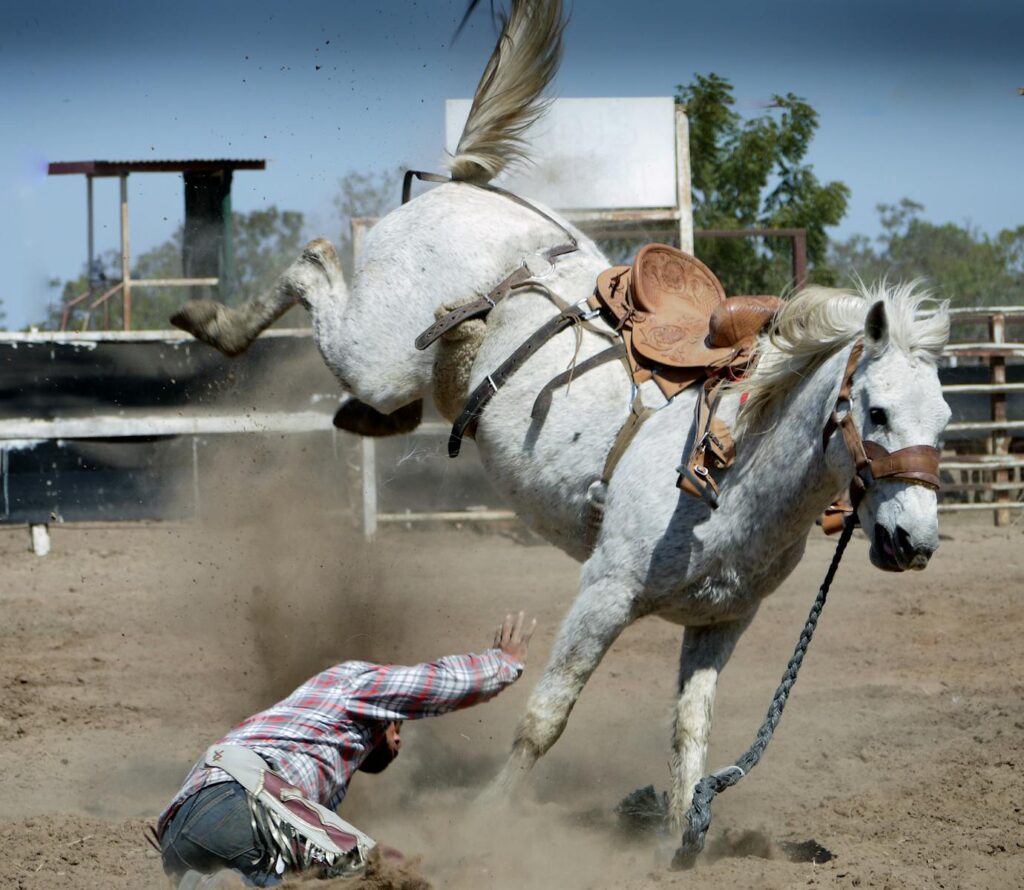
Perhaps the most poignant consequence of rider burnout is its detrimental effect on the sacred partnership between horse and rider. As emotional depletion progresses, riders often lose the patience and emotional presence necessary to communicate effectively with their equine partners, leading to training sessions characterized by frustration rather than collaboration. Horses, being exquisitely attuned to their riders’ emotional states, frequently respond to their riders’ burnout with increased anxiety, resistance, or confusion, creating performance problems that further exacerbate the rider’s stress. Many burned-out riders report feeling disconnected from their horses—the profound joy of working in harmony with their animals replaced by mechanical interactions focused solely on technical execution. This deterioration in the horse-rider bond can become cyclical, as diminished performance creates additional pressure that intensifies burnout symptoms. Paradoxically, while horses often contribute to the pressure riders feel, they can also become unintended casualties of their riders’ psychological struggles, making burnout prevention essential for equine welfare as well as human health.
The Role of External Expectations in Fueling Burnout
External expectations from trainers, sponsors, parents, or peers frequently accelerate emotional burnout in competitive riders who feel unable to establish healthy boundaries. Many riders, particularly those who received early success or special recognition for their talents, internalize the high expectations of others and feel trapped in a performance identity where their worth becomes inseparable from their competitive achievements. Financial pressures intensify this dynamic, with riders who have sponsors or financial backers feeling obligated to deliver results regardless of their mental or physical readiness. The public nature of equestrian competition amplifies these pressures, as performances are evaluated openly and results are permanently recorded, creating a sense that one is always being judged not just on current rides but against their entire competitive history. Social media has further complicated this landscape, with many riders feeling compelled to project an image of constant progress and success online while privately struggling with insecurity or exhaustion. Recognizing how these external expectations contribute to burnout allows riders to develop strategies for managing outside pressures while preserving their emotional wellbeing.
Financial Stressors and Competitive Riding Burnout
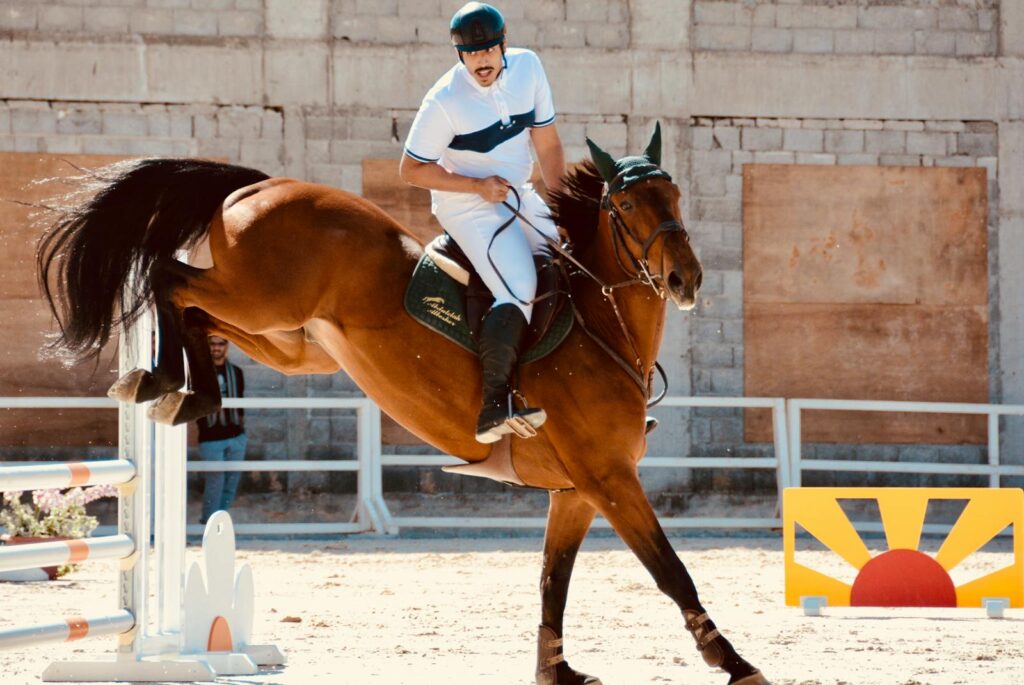
The extraordinary financial demands of competitive riding create a unique burnout pathway that affects riders across disciplines and experience levels. Many riders work additional jobs or make significant sacrifices to afford their competitive pursuits, creating chronic fatigue as they balance work responsibilities with the physical demands of riding and horse care. The pressure to maximize every training session and competition opportunity intensifies when each lesson, clinic, or show entry represents a significant financial investment, preventing riders from taking breaks even when their mental health requires it. Riders often experience profound anxiety about the financial consequences of horse health issues, with unexpected veterinary emergencies threatening not just competition plans but potentially their entire equestrian lifestyle. For professional riders whose income depends on training, competing, or selling horses, financial pressures become even more acute, as taking necessary mental health breaks directly impacts their livelihood. This financial dimension of equestrian sports creates a burnout trap where riders feel unable to step back even when showing clear signs of emotional exhaustion.
Physical Training Imbalances That Accelerate Burnout

Imbalanced physical training approaches frequently accelerate emotional burnout among competitive riders who neglect holistic fitness in favor of singular focus on riding. Many equestrians fail to develop sufficient strength training routines to support the asymmetrical physical demands of riding, creating chronic pain and overuse injuries that contribute to mental fatigue and diminished performance. Cardiovascular fitness deficits leave many riders physically unprepared for the intense energy expenditure required during competitions, particularly in demanding disciplines like eventing or show jumping where riders must maintain precise control while under significant physical stress. Sleep deficits compound these issues, with early morning barn schedules and late-night competition preparations disrupting healthy sleep patterns that are essential for both physical recovery and emotional regulation. Perhaps most problematic is the tendency for riders to continue training through injuries or exhaustion due to competition deadlines or fear of falling behind, creating a cycle where physical depletion accelerates emotional burnout. Developing a more balanced approach to rider fitness can provide substantial protection against the physical contributors to emotional depletion.
Recognizing Burnout in Junior and Young Riders
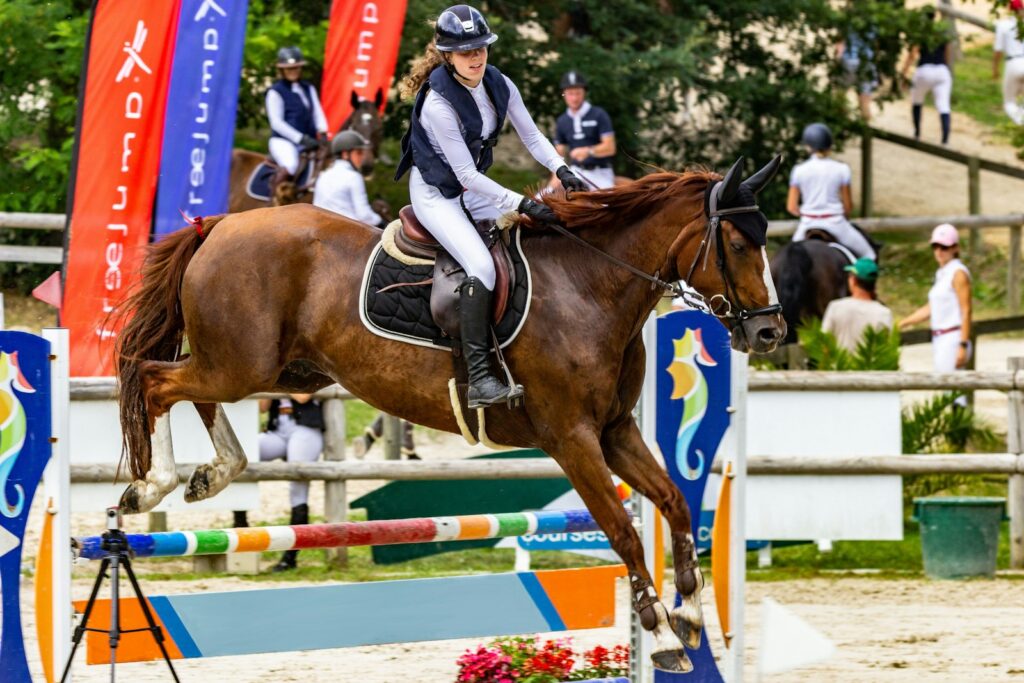
Emotional burnout presents unique challenges when affecting junior and young competitive riders who lack the life experience and emotional vocabulary to articulate their struggles. Young riders often display burnout through sudden behavioral changes, including uncharacteristic emotional outbursts, withdrawal from previously enjoyed barn activities, or expressed desire to quit riding despite years of demonstrated passion for horses. School performance frequently suffers as young riders experiencing burnout struggle to balance academic demands with their equestrian commitments, resulting in falling grades or increased anxiety about schoolwork. Many juniors experiencing burnout develop somatic complaints before competitions, including stomach aches, headaches, or fatigue that have no clear medical cause but conveniently prevent participation in pressure-filled events. Parents and trainers should be particularly alert when formerly enthusiastic young riders begin making excuses to avoid riding or appear visibly anxious when preparing for lessons that previously brought them joy. Early intervention is especially critical for junior riders, as negative experiences with burnout during formative years can create lasting associations that affect their relationship with horses and competition well into adulthood.
When to Seek Professional Help for Rider Burnout

While mild burnout symptoms may respond to self-care strategies, certain warning signs indicate that professional mental health support has become necessary for competitive riders. Any expressions of hopelessness or thoughts about self-harm require immediate professional intervention, as severe burnout can sometimes progress to clinical depression with serious safety implications. When riders find their emotional symptoms affecting relationships outside the equestrian environment—creating conflicts with family members, diminishing work performance, or isolating them from non-horse friends—professional help can provide essential perspective and coping strategies. Riders who have attempted multiple self-help approaches without improvement, particularly those who have taken breaks from competition but still feel emotionally depleted upon return, often benefit from professional guidance to address deeper patterns. Sports psychologists with equestrian experience offer particularly valuable support, as they understand the unique pressures of the sport while providing evidence-based techniques for performance anxiety, perfectionism, and competitive stress. Seeking professional help should be viewed not as admission of weakness but as a strategic decision to protect both riding career longevity and overall quality of life.
Recovery Strategies for Burned-Out Riders
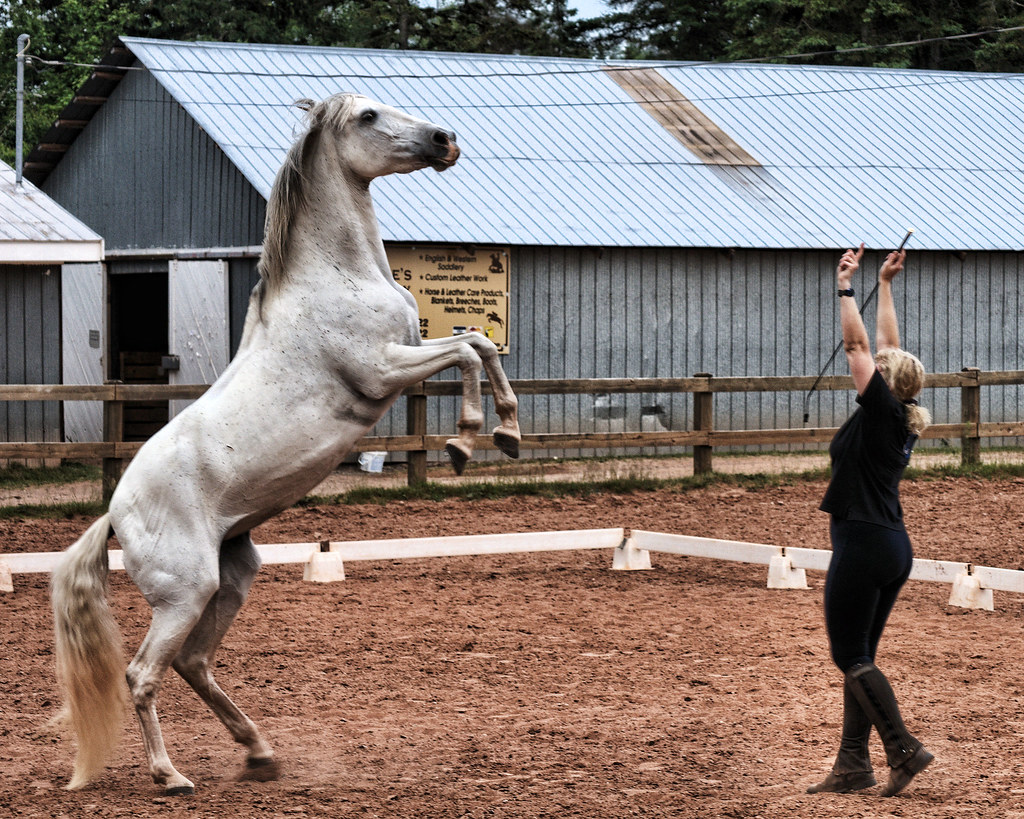
Recovery from emotional burnout requires a multifaceted approach that addresses both the immediate symptoms and the underlying causes of a rider’s depleted state. Establishing firm boundaries around riding commitments represents an essential first step, with many riders needing to temporarily reduce training schedules, competition calendars, or additional barn responsibilities to create space for recovery. Reconnecting with the joy of horses outside competitive contexts often proves transformative, with burned-out riders benefiting from unstructured trail rides, liberty work, or simply spending quiet time grooming and connecting with their horses without performance demands. Many riders find tremendous relief in developing identity sources beyond their equestrian accomplishments, whether through other hobbies, professional achievements, or relationship roles that remind them their worth isn’t determined solely by competitive results. Physical recovery strategies—including adequate sleep, proper nutrition, and appropriate exercise—complement mental approaches by rebuilding the physical resilience needed for emotional stability. While full recovery from severe burnout may require months, riders who commit to comprehensive recovery strategies often report returning to their sport with renewed passion, improved perspective, and greater emotional sustainability.
Conclusion
Emotional burnout represents one of the greatest hidden threats to competitive riders, capable of transforming a lifelong passion into a source of dread and disconnection. By learning to recognize the physical, emotional, cognitive, and behavioral warning signs of burnout, riders can intervene before reaching crisis points that jeopardize both their wellbeing and their relationships with their horses. The competitive equestrian community would benefit from greater openness about burnout experiences, reducing stigma and creating environments where riders can acknowledge struggles without fear of judgment. Ultimately, addressing burnout isn’t just about preserving competitive careers—it’s about protecting the profound joy that draws riders to horses in the first place. With awareness, preventative measures, and appropriate intervention when needed, riders can maintain healthy, sustainable relationships with their sport for decades rather than burning brightly but briefly in the competitive arena.