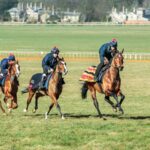
Introducing a young horse to the show environment represents a milestone in their training journey. The first show experience can shape a horse’s attitude toward future competitions, making proper preparation essential for success. A well-prepared young equine will handle the stress of a new environment with confidence, allowing their true potential to shine through. This comprehensive guide outlines the steps to effectively prepare your young horse for their debut in the show ring, setting a foundation for a rewarding competitive partnership.
Understanding Your Horse’s Developmental Readiness
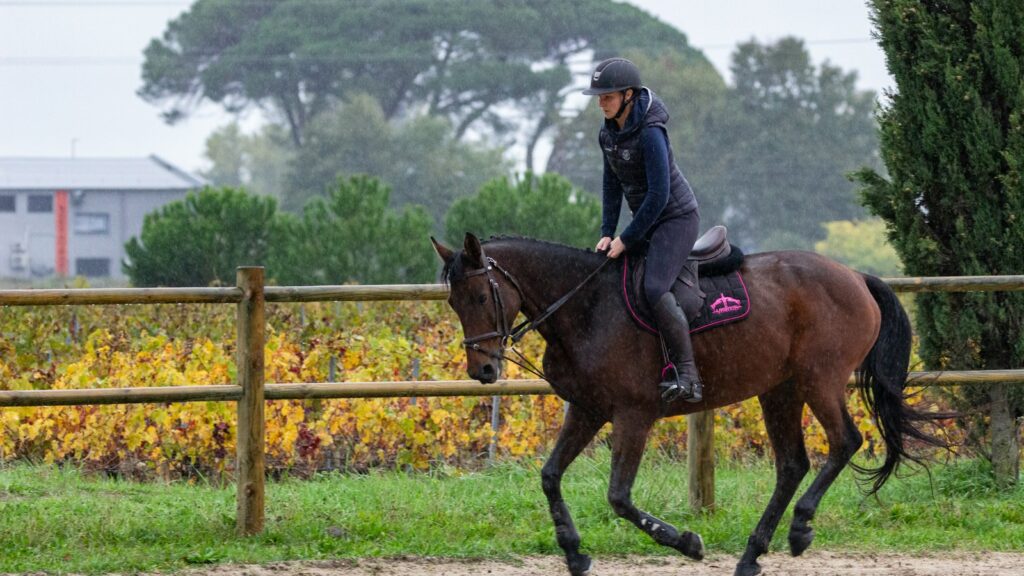
Before considering a show debut, it’s crucial to assess whether your young horse is mentally and physically ready for the challenge. Most trainers recommend waiting until a horse is at least three years old before introducing them to the show environment, though this varies by discipline and individual development. Physical readiness involves having the proper muscular development to perform the required movements without strain or compensation patterns. Mental readiness is equally important—your horse should demonstrate the ability to focus on tasks despite minor distractions and recover quickly from startling stimuli. Remember that pushing a horse into competition before they’re developmentally ready can create long-term behavioral issues and potentially cause physical harm.
Establishing Solid Groundwork Fundamentals
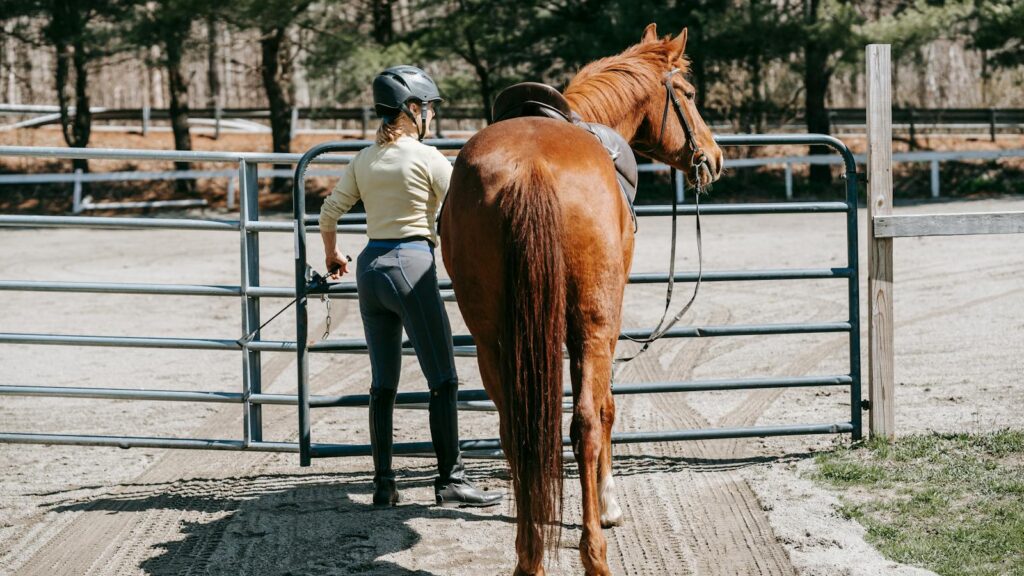
Comprehensive groundwork creates the foundation for all future training and greatly influences how your horse will handle show environments. Focus on developing consistent, respectful responses to basic cues like yielding to pressure, stopping, backing up, and moving each part of the body independently. A young horse should be confident leading in various environments, stand quietly for grooming and tacking, and demonstrate self-control around new people and horses. Practice these basics in progressively more challenging environments—what works at home must translate to busier settings. Don’t rush this step, as groundwork mastery provides the communication framework you’ll rely on when navigating the heightened stimulation of a show ground.
Mastering Trailering and Transportation
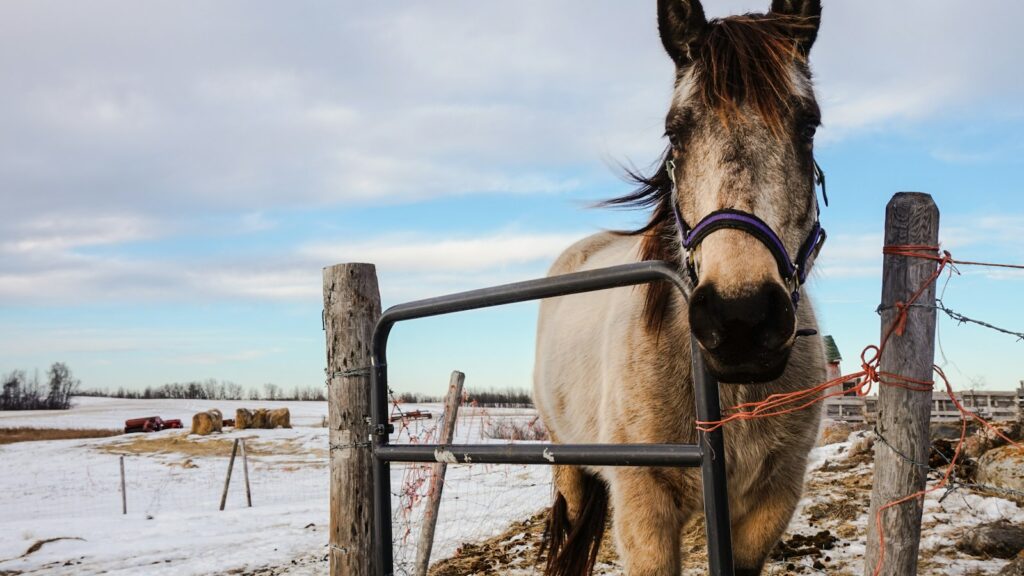
Show day success begins with the journey, making trailering experience essential preparation for young horses. Start by introducing your horse to the trailer in a pressure-free environment, allowing them to investigate at their own pace while receiving positive reinforcement. Once comfortable loading, practice short trips around your property, gradually extending to quiet road journeys and eventually mimicking the actual show commute duration. Pay attention to how your horse handles unloading at new locations, as this can be especially challenging for inexperienced equines. Implement a consistent routine for trailering that includes safety equipment, proper ventilation considerations, and behavioral expectations to establish security through predictability. Remember that a stressful trailering experience can deplete your horse’s mental energy before you even arrive at the competition.
Creating a Strategic Training Timeline
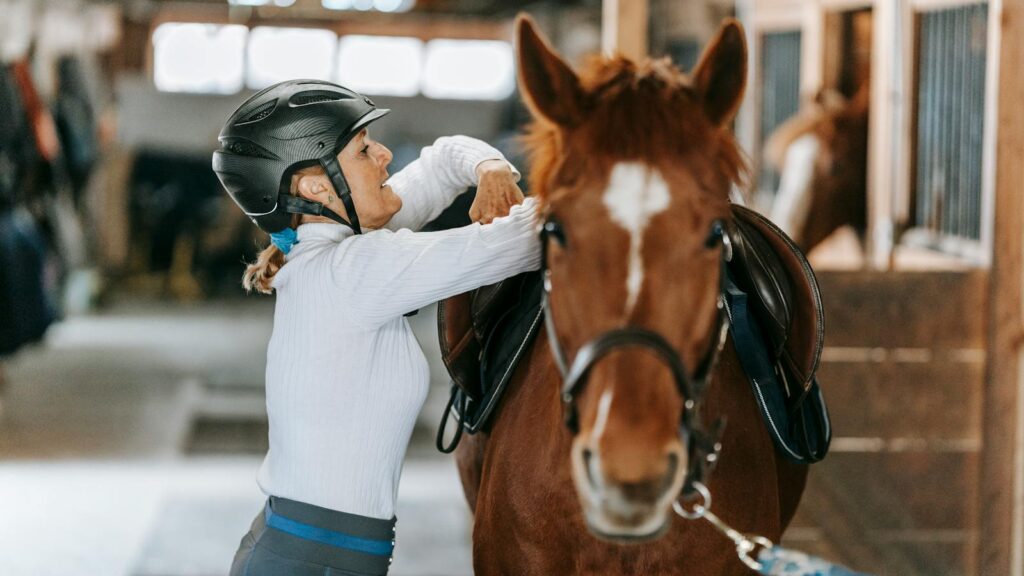
A well-structured preparation timeline prevents the common mistake of overwhelming your horse with too much information too quickly. Begin preparation at least three to four months before the targeted show date, allowing ample time for gradual skill development and confidence building. The first month should focus on consistent basic work with periodic introductions to potential show elements like loudspeakers, banners, or judges’ stands. During the second month, incorporate more specific skill training relevant to your chosen discipline while increasing environmental challenges. The third month should include practice runs that mimic actual show conditions, complete with proper attire and full show preparation routines. The final weeks before the show should involve maintenance of established skills rather than introducing new challenges, allowing your horse to build confidence in what they already know.
Simulating Show Conditions at Home
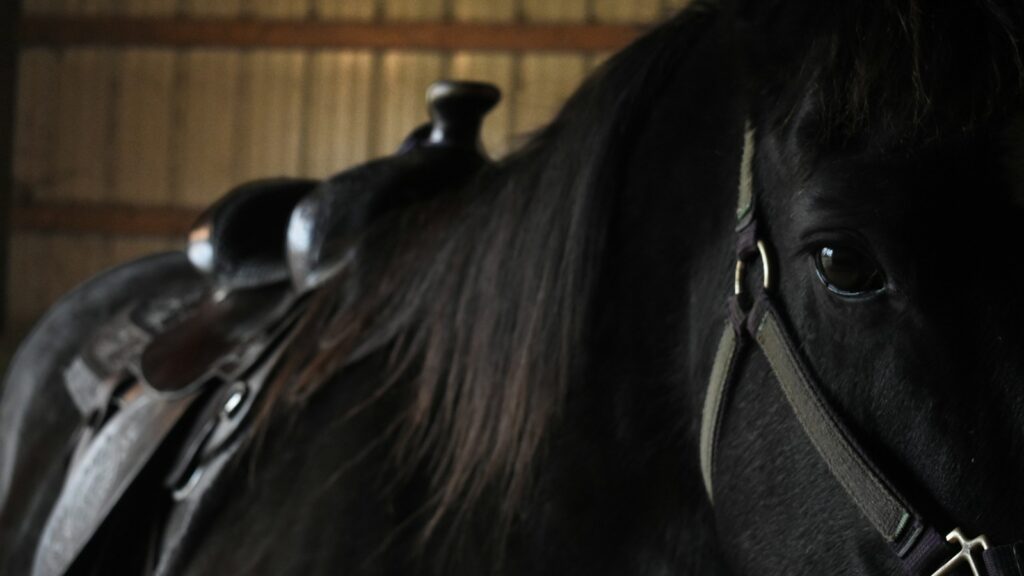
One of the most effective preparations involves recreating show elements in familiar surroundings before experiencing them in competition. Set up a practice ring that mimics show dimensions and includes visual elements like flowers, banners, or boundary markers that your horse will encounter at competitions. Use a portable speaker to play recorded announcements, music, and applause at increasing volumes during training sessions. Invite friends with horses to join practice sessions, creating the experience of working alongside unfamiliar equines. Implement dress rehearsals where you and your support team dress in show attire, follow precise time schedules, and execute every element of your show-day routine from grooming to cool-down. These simulations build adaptive responses that transfer to the actual competition environment, reducing the “newness” factor that often overwhelms young horses.
Developing Environmental Confidence
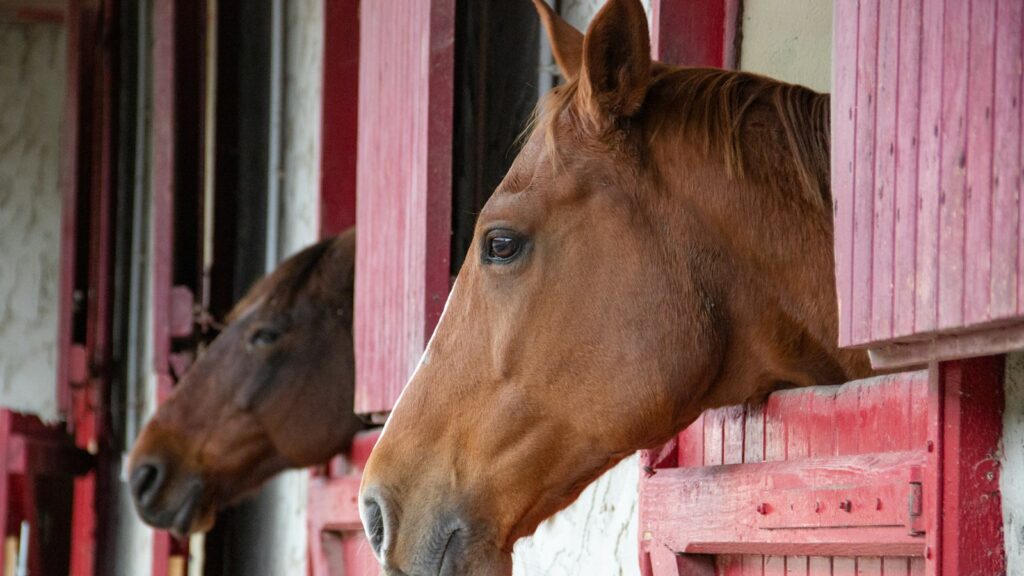
Environmental confidence requires systematic exposure to novel stimuli in controlled settings that allow learning without overwhelming your horse. Create an “obstacle course” of potentially frightening show elements like flapping flags, umbrellas, plastic bags, and unusual ground surfaces, allowing your horse to investigate each at liberty before asking for work around these items. Practice loading and unloading from trailers at different locations, working briefly, and then returning home to create positive associations with new environments. Arrange to visit the actual show grounds before the competition date if possible, or venues with similar layouts, focusing on relaxed exploration rather than intense training. When introducing challenging elements, remain calm and matter-of-fact, as horses quickly detect and mirror handler anxiety, potentially transforming minor concerns into significant fears.
Selecting the Right First Show Experience
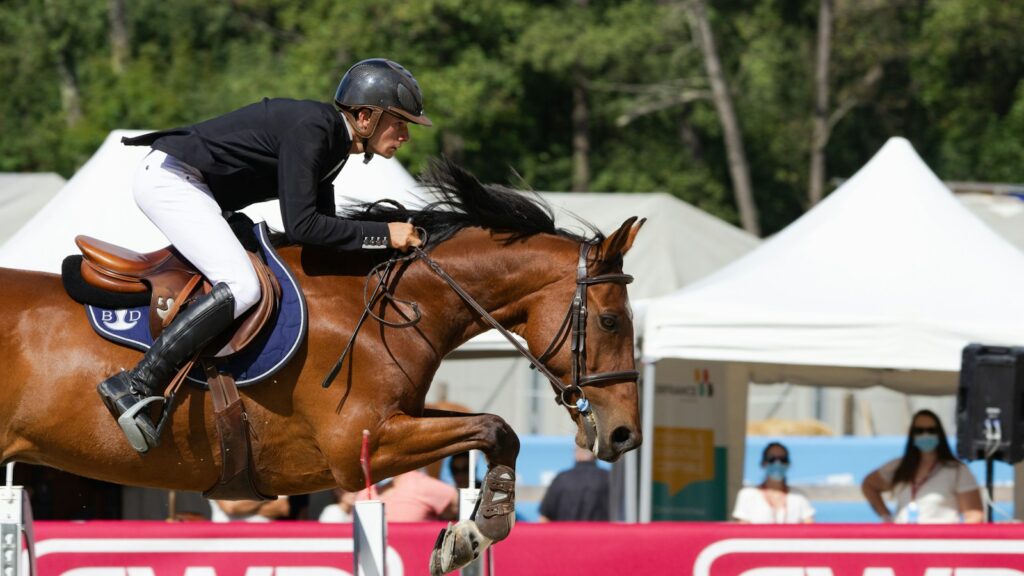
Not all competitions provide suitable environments for a young horse’s debut, making careful selection essential for a positive first experience. Prioritize small, local schooling shows with relaxed atmospheres and less competitive pressure over large, busy events with intense energy. Look for venues with ample warm-up space that won’t force your horse to work in crowded conditions with limited room to process new experiences. Research the judging standards and select shows where officials are known for their understanding approach to young horses and educational feedback. Consider shows that offer in-hand or suitability classes specifically designed for greener horses, which typically have modified expectations and more forgiving scoring. Remember that your primary goal should be creating a positive learning experience rather than winning ribbons, as this first impression will shape your horse’s future attitude toward competition environments.
Pre-Show Health Preparations
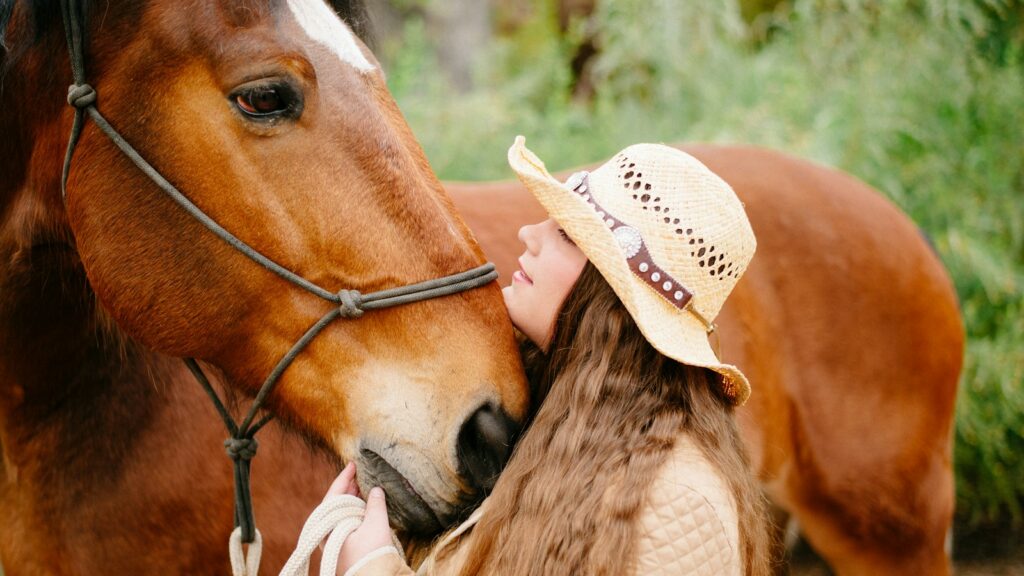
Optimal health is fundamental to your young horse’s ability to handle the physical and mental demands of competition. Schedule a veterinary examination approximately one month before the show to ensure your horse is sound, current on vaccinations, and free from underlying health concerns that could be exacerbated by the stress of competition. Develop a strategic deworming and nutritional program that supports immune function, consulting with your veterinarian about appropriate supplements that might assist with stress management or electrolyte balance. Implement a consistent exercise regimen that gradually builds fitness appropriate to your discipline’s demands without overtraining, which can lead to mental burnout or physical strain. Familiarize yourself with the health documentation required by the show facility, including Coggins tests and health certificates, arranging these well in advance to avoid last-minute complications.
Grooming and Presentation Skills
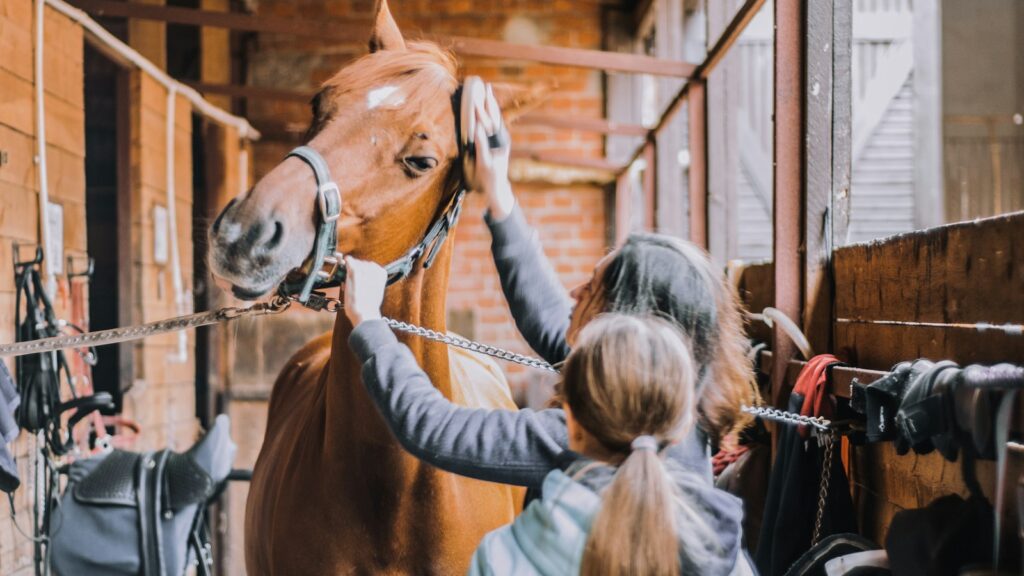
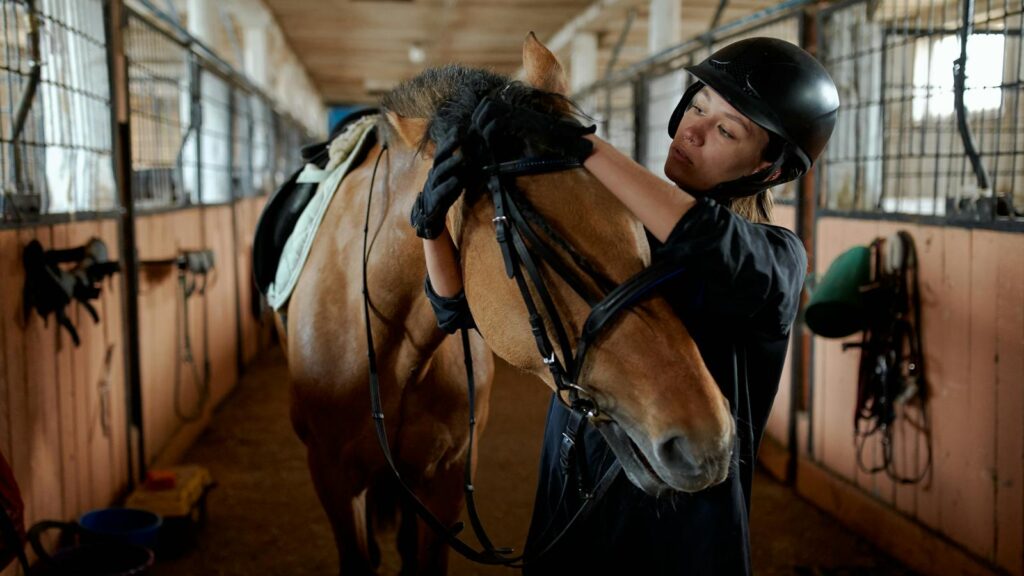
Effective grooming practices should be established well before show day to ensure your horse is comfortable with the procedures required for competition presentation. Introduce specialized grooming tools gradually, particularly those creating unusual sensations like clippers, pulling combs, or body brushes with firm bristles. Practice full show preparations multiple times, including bathing, mane pulling or braiding, bridle path clipping, and application of coat enhancers if permitted in your discipline. Create opportunities for your horse to stand quietly for extended grooming sessions, developing patience for the meticulous attention they’ll receive on show day. Remember that rushed or uncomfortable grooming experiences immediately before competition can create unnecessary tension, so ensure these skills are thoroughly established during your preparation phase.
Managing Show Day Nutrition and Hydration
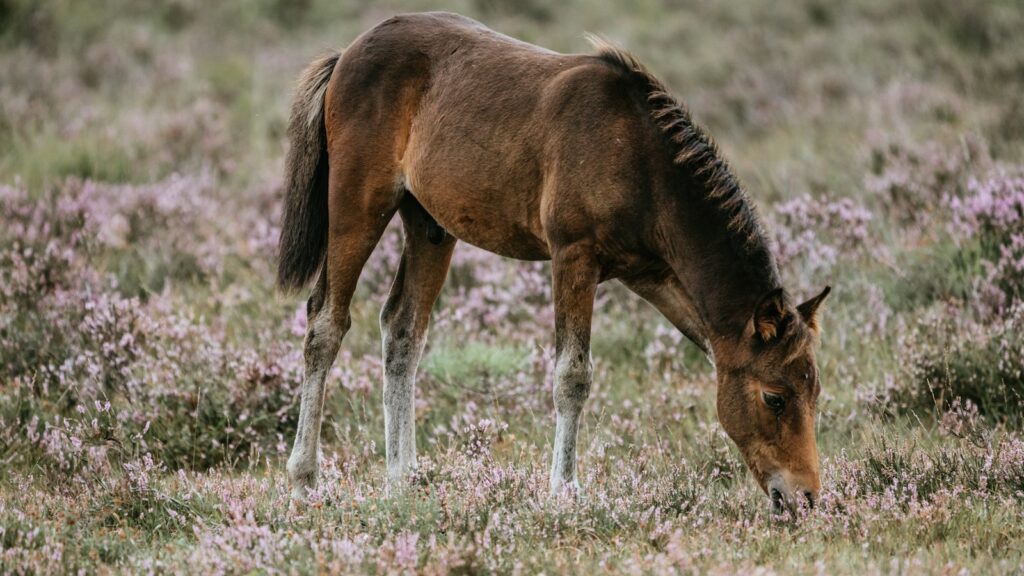
A thoughtful nutritional strategy helps maintain your horse’s energy and digestive health during the stress of competition day. Avoid making significant feed changes in the weeks before a show, maintaining consistency in both type and timing of meals to prevent digestive upset. Consider reducing concentrated feeds slightly the day before and the morning of competition if your horse tends toward excess energy, while ensuring adequate forage to support gut motility and mental comfort. Bring familiar water from home or use flavor additives consistently for several weeks before the show to encourage drinking in unfamiliar surroundings. Pack sufficient hay for the entire day plus extra hours in case of delays, offering small portions frequently to maintain gut activity and provide comforting familiarity during waiting periods. Electrolyte supplementation may be beneficial, depending on weather conditions and your veterinarian’s recommendations, particularly for competitions occurring during hot weather.
Crafting a Detailed Show Day Schedule
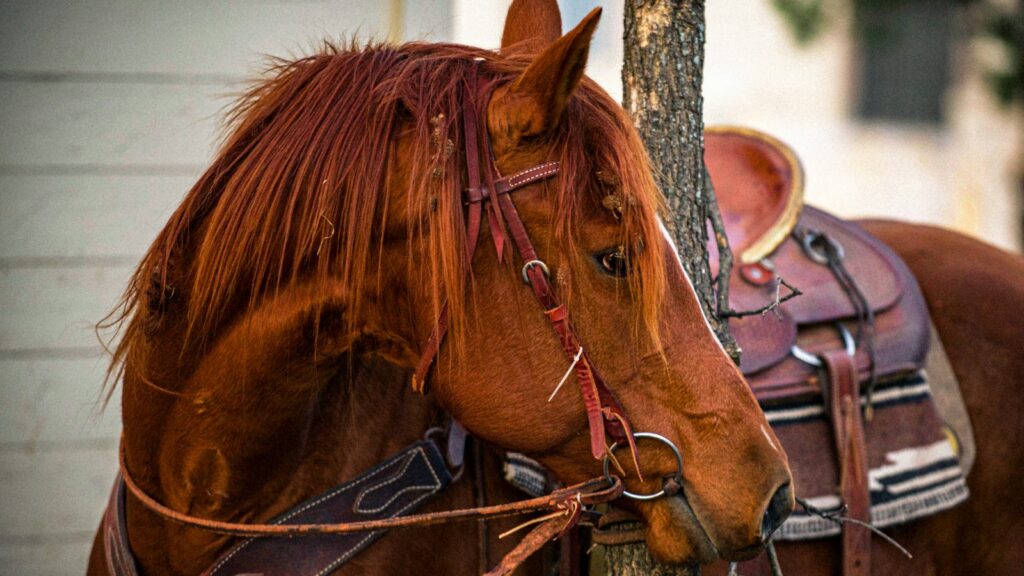
A precise timeline eliminates last-minute pressure that can transfer stress to your young horse. Create a backward-planning schedule starting from your assigned competition time, allocating realistic periods for each preparation phase including feeding, grooming, warming up, and transit between areas. Build in extra buffer time for unexpected delays or your horse needing an additional adjustment period to new surroundings. Consider weather factors that might impact preparation times, such as additional grooming needed during muddy conditions or extended cool-down periods in hot weather. Share this schedule with anyone assisting you on show day, ensuring everyone understands their responsibilities and timing. Remember that young horses particularly benefit from unhurried preparation, making generous time allowances one of the most valuable stress-reduction strategies you can implement.
Developing an Effective Warm-Up Strategy
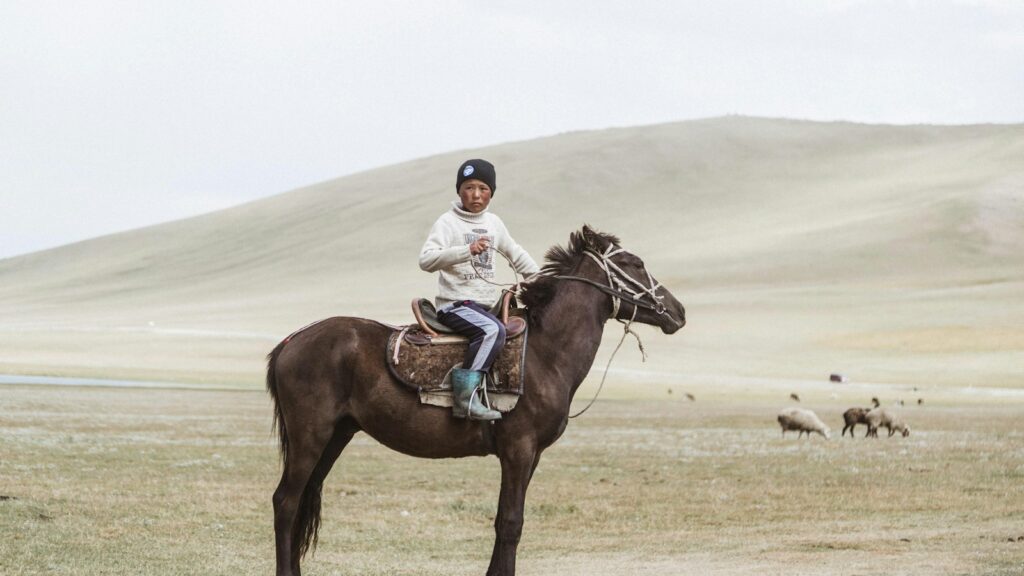
The warm-up period represents a crucial transition between arriving at the show and performing, requiring thoughtful planning tailored to your horse’s specific needs. Begin with an assessment phase where you simply observe your horse’s reaction to the environment, allowing them time to process visual stimuli before asking for focused work. Incorporate familiar exercises that your horse performs confidently at home, using these as opportunities to establish communication and responsiveness before attempting more challenging movements. Keep your warm-up progression consistent with your regular training sequence rather than drilling specific movements, which can create anxiety or dullness. Prepare alternative warm-up plans for different scenarios—if the designated area is overcrowded, if weather conditions change, or if your horse shows unexpected tension or lethargy. Remember that young horses typically benefit from longer, lower-intensity warm-ups that gradually build focus rather than short, intense sessions that might overwhelm their coping capacity.
Post-Show Evaluation and Future Planning
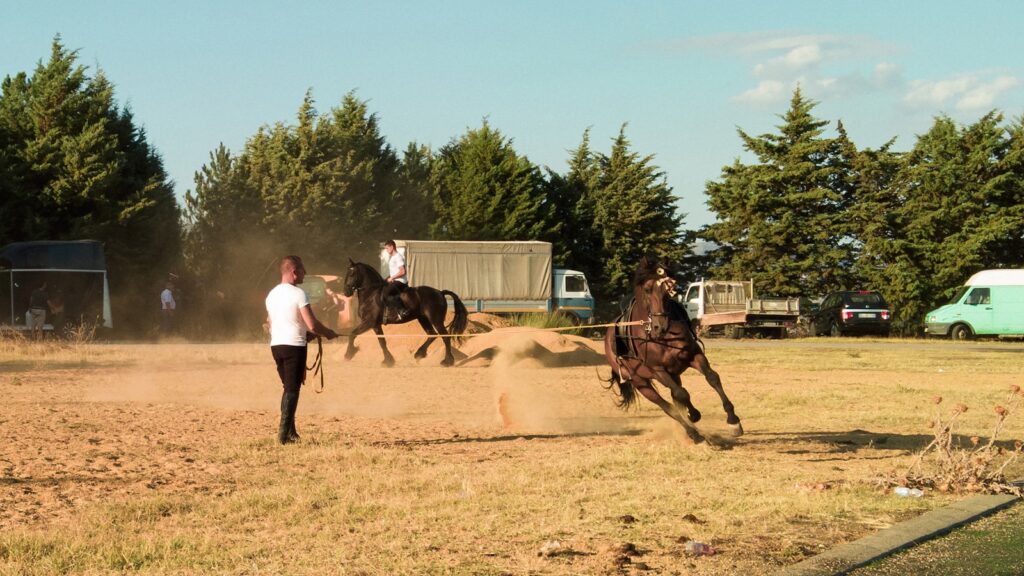
Thoughtful reflection after your horse’s first show experience provides valuable insights for future competition preparation. Document specific aspects of the day that went well and challenges that arose, noting your horse’s reactions to different environmental elements, handling procedures, and performance requirements. Review any feedback provided by judges, trainers, or experienced competitors who have observed your horse, considering how this information might influence your future training focus. Assess whether the competitive environment is appropriate for your horse’s current development stage, and use this information to select suitable future competitions. Create a graduated plan for subsequent shows that strategically introduces more challenging elements based on your horse’s demonstrated comfort level. Remember that progress with young horses is rarely linear—celebrate the successful elements of the experience while viewing challenges as valuable information rather than failures.
Building a Supportive Show Team
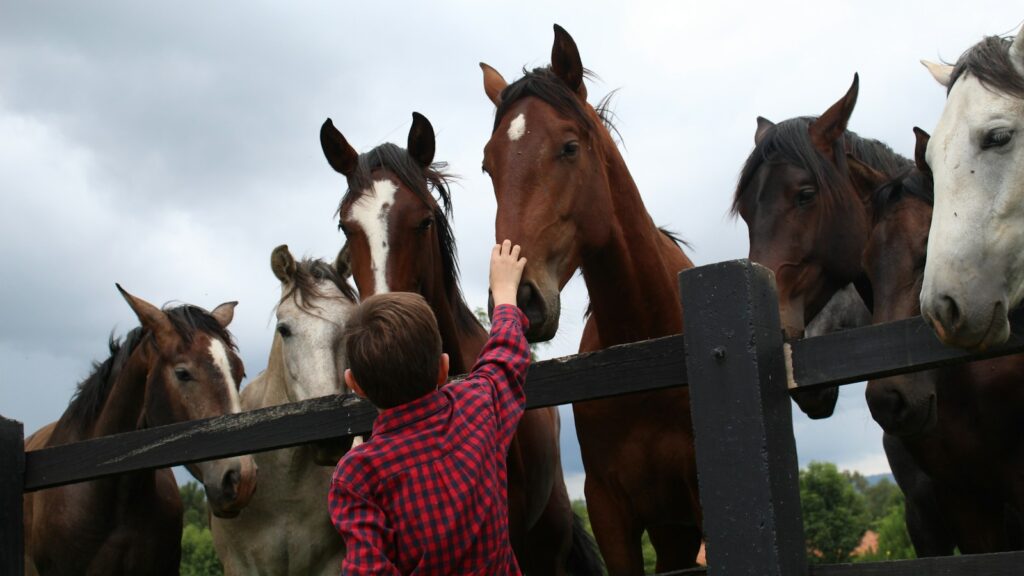
The people surrounding you and your young horse significantly impact the quality of your first show experience. Select an experienced coach or mentor who understands young horse development and can provide calm guidance throughout the preparation and competition process. Arrange for dedicated assistance from handlers familiar with your horse who can help with practical tasks like holding your horse during tack adjustments or managing equipment. Consider bringing in an objective observer who can provide feedback about your horse’s behavior and performance from a perspective outside your immediate experience. Brief everyone on your horse’s specific needs, potential triggers, and the goals for this first competition experience—emphasizing that educational exposure takes priority over competitive success. A cohesive support team creates a buffer of expertise and assistance that allows you to focus on your horse’s needs throughout the day.
First Show Prep: Patience and Partnership
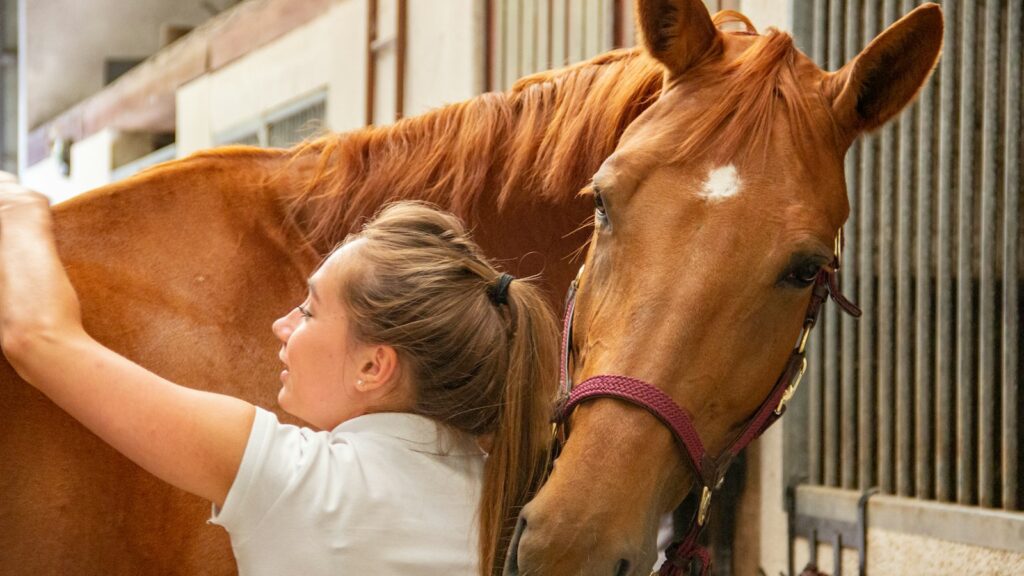
The journey to prepare a young horse for their first show involves patience, systematic training, and attention to detail. By prioritizing your horse’s confidence and understanding over competitive outcomes, you establish a foundation for future success. Remember that each horse progresses at their own pace—respecting their individual development builds trust in your partnership. A positive first show experience creates a willing attitude toward future competitions, while rushing the process risks creating long-term anxiety or resistance. With proper preparation, your young horse’s first competition becomes not just a performance opportunity but a valuable step in developing a poised, adaptable equine partner ready to thrive in the show environment.