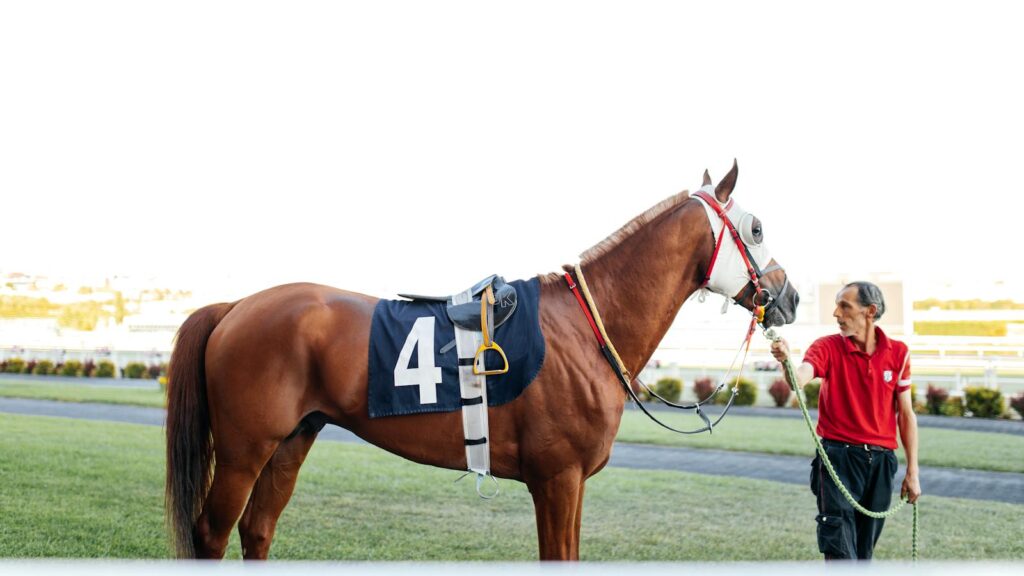
Standing tied is a fundamental skill for any well-trained horse, yet it’s common for equines to resist this essential behavior. Whether due to fear, impatience, or improper training, a horse that refuses to stand tied can present serious safety concerns for both the animal and handler. Learning to address this challenge effectively requires understanding the root causes, implementing proper training techniques, and maintaining consistent expectations. This comprehensive guide will help horse owners and handlers develop practical strategies to overcome tie-standing issues and foster a safer, more cooperative relationship with their equine companion.
Understanding Why Horses Resist Standing Tied
Horses may refuse to stand tied for numerous reasons, and identifying the specific cause is crucial for addressing the problem effectively. Previous traumatic experiences, such as breaking free or falling while tied, can create long-lasting fear associations that make horses anxious when restrained. Insufficient or inconsistent training is another common culprit, as horses that haven’t been properly introduced to standing tied may never have developed the patience or understanding required. Physical discomfort, including pain from ill-fitting equipment or medical conditions, might also contribute to resistance. Lastly, some horses simply haven’t learned to manage their natural flight response when restricted, causing them to panic when they can’t move freely in response to perceived threats.
Safety Considerations Before Training
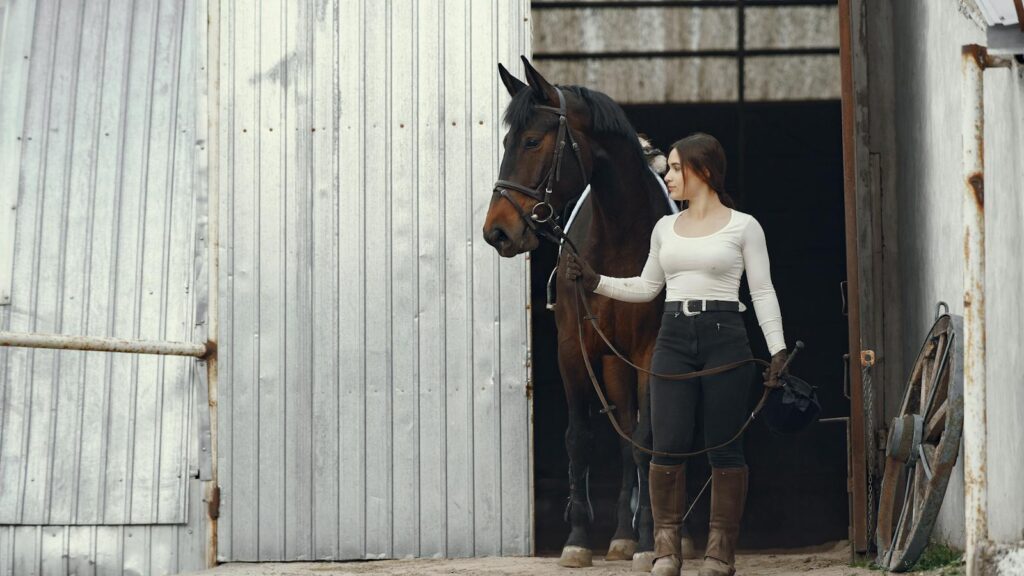
Before attempting to train a horse to stand tied, ensuring proper safety measures is paramount to preventing injuries to both horse and handler. Always work in a controlled environment with good footing and minimal distractions, particularly when first addressing tie-standing issues. Use appropriate equipment, including a well-fitted halter (never a bridle), a quick-release knot or safety tie, and ideally a breakaway system for emergencies. Have an experienced helper present when working with particularly resistant horses, as an extra pair of hands can be invaluable if things go awry. Never leave a horse that’s learning to stand tied unattended, as problems typically escalate quickly and require immediate intervention to prevent the horse from developing worse habits or sustaining injuries.
Starting With Ground Manners Basics
Before focusing specifically on tie training, ensure your horse has mastered fundamental ground manners, as these form the foundation for successful tie-standing. Your horse should respond reliably to halter pressure, understanding how to yield rather than pull against it when guided forward, backward, and to either side. Establish consistent personal space boundaries and teach your horse to stand quietly beside you without fidgeting or crowding. Practice having your horse stand still on command in various environments without being tied, gradually increasing the duration until the horse remains stationary for several minutes. These preliminary skills significantly enhance your chances of success when you begin formal tie training, as they help the horse understand basic concepts of restraint and patience.
The Importance of Proper Equipment
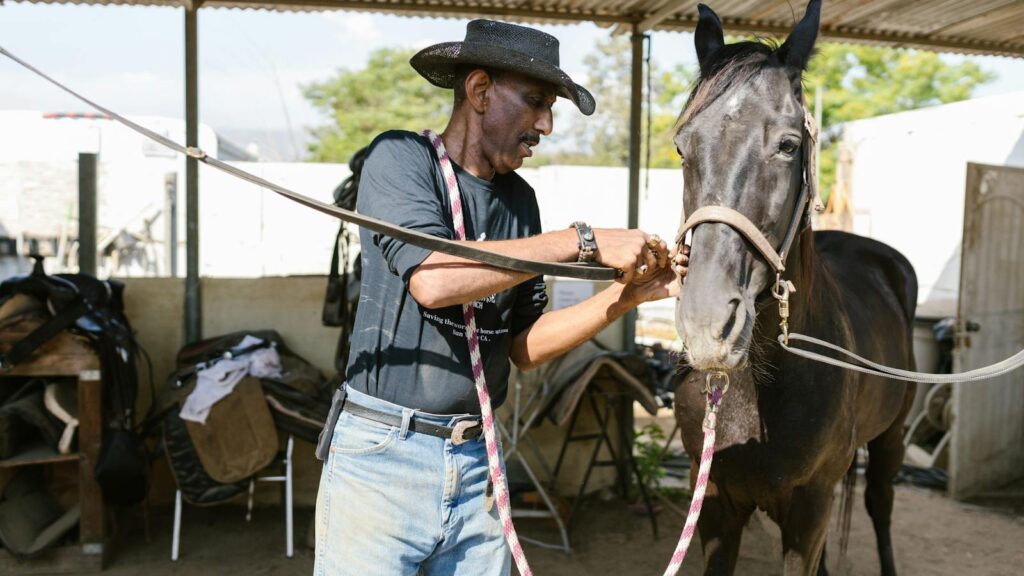
Using the right equipment is crucial when teaching a horse to stand tied, as improper gear can contribute to resistance or even cause injury. Select a sturdy halter made of nylon or leather that fits properly, neither too loose nor too tight, ensuring it won’t break under pressure but also won’t cause discomfort. Choose lead ropes constructed of high-quality materials—cotton, nylon, or yachting rope—that provide sufficient strength without being abrasive to your hands. Implement specialized training tools when appropriate, such as tie blocker rings or bungee ties, which can provide gradual resistance rather than rigid restraint. Remember that equipment is only as effective as the trainer using it; even the best gear requires proper technique and consistent handling to achieve positive results.
Introducing the Concept of Yielding to Pressure
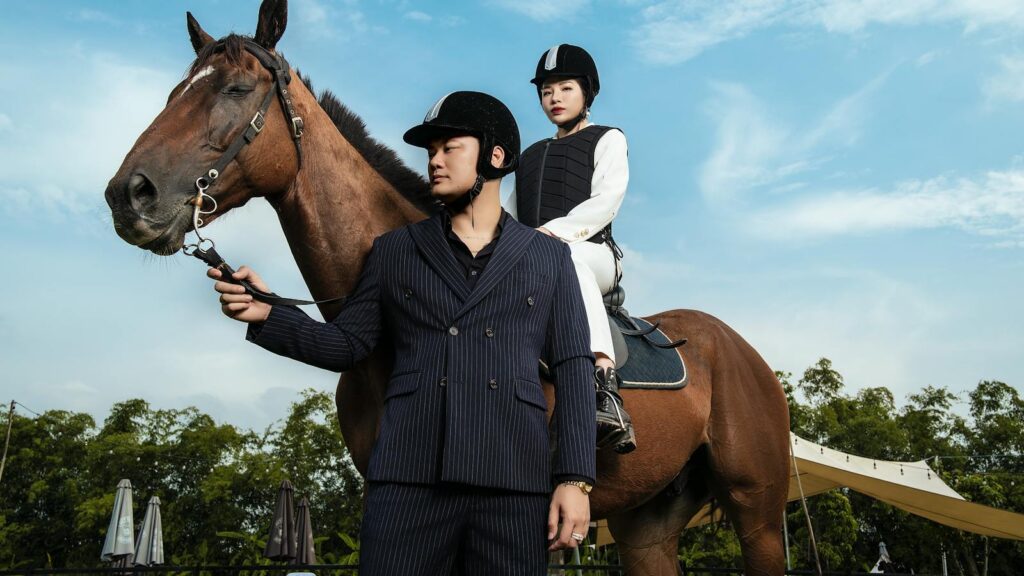
Teaching a horse to yield to pressure is the cornerstone of developing a horse that stands tied willingly. Begin by applying light pressure on the lead rope and immediately releasing when the horse takes even a small step in the desired direction, reinforcing the concept that yielding brings relief. Practice this from various angles—forward, backward, and to each side—until the horse consistently moves away from rather than against pressure. Gradually increase the duration of pressure before release, helping the horse understand that sometimes it needs to be patient rather than immediate movement being rewarded. This fundamental concept directly translates to tie training, as a horse that understands pressure dynamics is less likely to panic and pull when feeling resistance from being tied.
The Patience Post Method
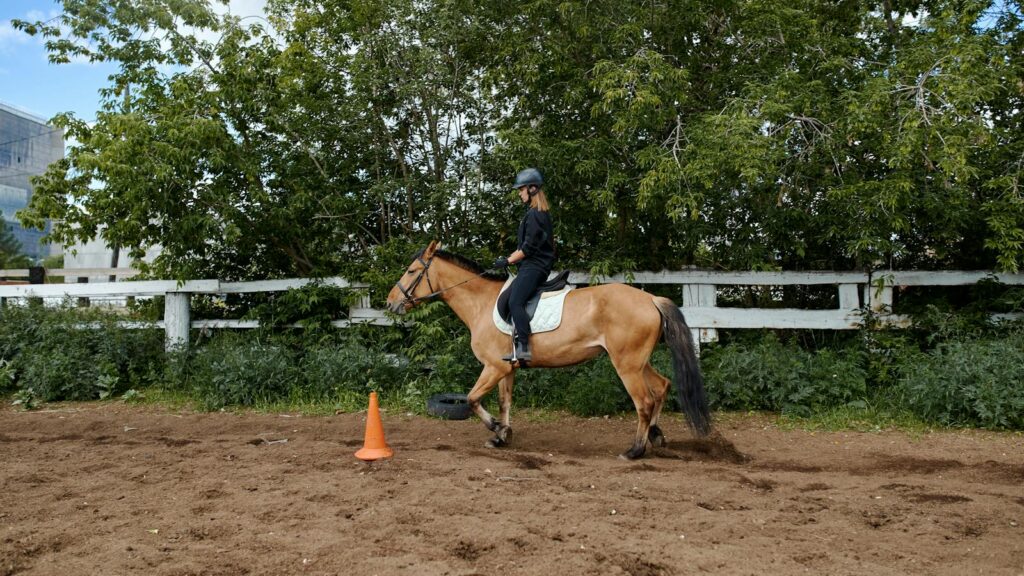
The patience post method offers a controlled introduction to standing tied without forcing the issue or creating negative experiences. Begin by standing near a sturdy post or fence, holding your horse’s lead rope without tying it, and ask the horse to stand quietly beside you. If the horse moves, use the rope to guide it back to the original position, rewarding periods of stillness with verbal praise and perhaps treats. Gradually transition to briefly wrapping the rope around the post while still maintaining hold of the end, simulating the tied experience while retaining complete control. As the horse becomes comfortable, increase the duration and decrease your active management, eventually progressing to momentarily “tying” the horse while remaining within immediate reach. This method builds confidence while preventing the negative learning that occurs if a horse successfully breaks free.
Implementing Progressive Tie Training
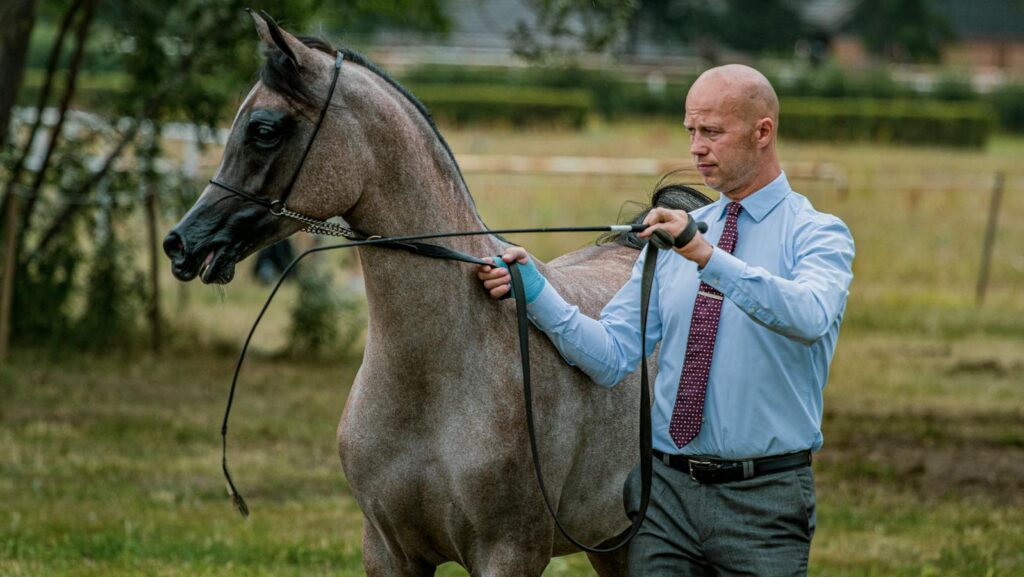
Progressive tie training gradually builds a horse’s confidence and understanding through carefully structured sessions of increasing difficulty. Start with extremely short sessions—perhaps just 30 seconds to a minute—of actual tying, using a quick-release knot at chest height to a sturdy, smooth post. Remain present and actively observe your horse during these initial tied periods, immediately addressing any signs of anxiety before they escalate. Incrementally extend the duration as the horse demonstrates comfort, noting that consistency matters more than length—five successful two-minute sessions teach more than one failed 10-minute attempt. Strategically vary the environment over time, starting in the quietest, most familiar location before gradually introducing more challenging settings with increased distractions. This methodical approach builds reliable tie-standing behavior without overwhelming the horse’s ability to cope.
Using Distraction Techniques
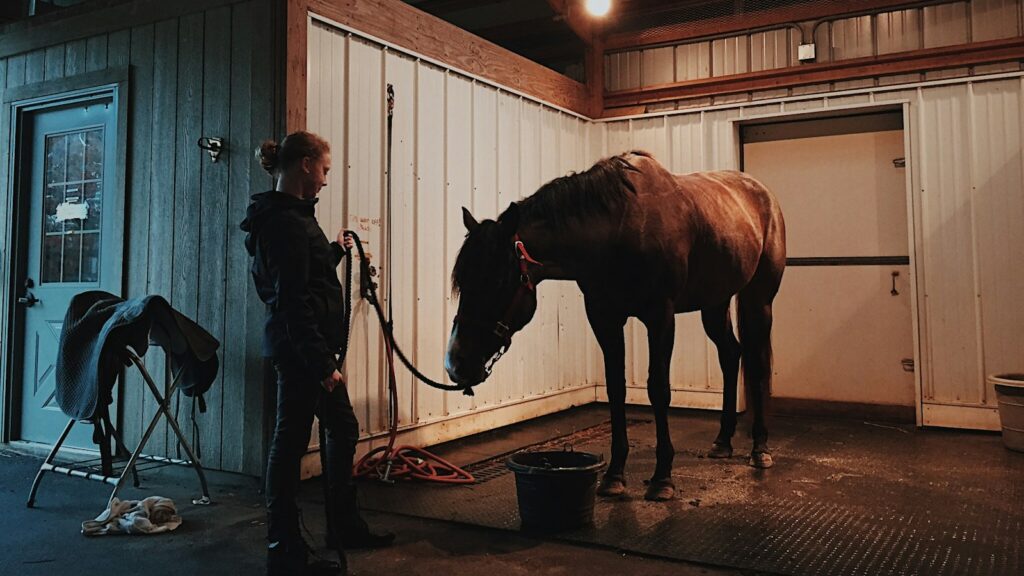
Strategic distraction can be a valuable tool when teaching horses to stand tied, as it redirects their mental focus away from the restraint itself. Consider providing a small amount of hay or a treat ball that dispenses food slowly, giving the horse something positive and engaging to concentrate on during tied sessions. Groom your horse while tied, which not only offers distraction but also associates the tied experience with pleasant physical contact and attention. For particularly fidgety horses, try randomly approaching and briefly interacting before walking away again, which prevents the horse from fixating on your absence. Remember that distractions should supplement rather than replace proper training—the goal is to develop a horse that stands quietly even without entertainment, but distractions can ease the learning process considerably.
Addressing Pulling and Panic Behaviors
When a horse pulls back or panics while tied, the handler’s response critically influences whether the behavior improves or worsens over time. Never punish a frightened horse, as this only confirms their fear and damages trust; instead, stay calm and work to defuse the situation safely. For horses that pull back, specialized equipment like blocker ties or bungee systems can prevent the “win” of breaking free while providing enough give to avoid injury or further panic. If a horse does break free, immediately return to groundwork basics rather than attempting to re-tie, rebuilding the foundation that was clearly inadequate. In cases of severe panic or consistently dangerous behavior, consult with a professional trainer who specializes in problem behaviors, as improper handling of these situations can rapidly create deeply ingrained problems that become increasingly difficult to resolve.
Advanced Training for Problem Cases
Horses with entrenched tie-standing issues may require more specialized approaches to overcome their resistance. Consider implementing cross-ties in a controlled environment, which prevent the horse from turning around while providing resistance from two directions rather than one. The “high line” method, where the rope is attached to points above the horse’s head, can be effective for horses that have learned to throw their weight backward. Some professional trainers utilize desensitization techniques where mild pulling pressure is deliberately created and maintained until the horse yields, though this approach requires significant experience to implement safely. For horses that paw or fidget rather than pull, try teaching incompatible behaviors like holding a specific foot position or maintaining particular head carriage, effectively replacing the unwanted behavior with something mutually exclusive.
Creating Positive Associations
Developing positive associations with being tied significantly improves a horse’s willingness to stand quietly, transforming what might be perceived as a restrictive experience into a neutral or even pleasant one. Make a habit of providing small treats or favorite scratches when the horse is standing calmly, reinforcing the desired behavior with rewards that matter to the individual animal. Perform enjoyable grooming during brief tied sessions, focusing on areas the horse particularly appreciates having touched. Schedule feeding times to coincide with periods when the horse is tied, creating a powerful positive connection between restraint and satisfying hunger. Over time, these positive experiences build a psychological foundation where being tied predicts good things rather than limitation or discomfort, fundamentally changing the horse’s emotional response to the situation.
Maintaining Consistency in Training
Consistency forms the cornerstone of successful tie training, as horses learn primarily through the establishment of clear patterns and reliable consequences. Establish and enforce the same expectations each time your horse is tied, avoiding the temptation to excuse poor behavior under certain circumstances, which only teaches the horse that rules are situational. Use identical commands, equipment, and techniques across training sessions to prevent confusion and accelerate learning through predictability. Ensure that all handlers who work with your horse understand and implement the same protocols, as inconsistency between people creates training conflicts that horses cannot reasonably resolve. Remember that consistency extends to duration as well—brief, regular sessions over weeks or months generally produce better results than sporadic intensive training followed by long gaps without reinforcement.
When to Seek Professional Help
While many tie-standing issues can be resolved through patient training by knowledgeable owners, certain situations warrant professional intervention. Consider consulting a professional trainer if your horse has developed dangerous behaviors like violent pulling, rearing, or throwing itself down when tied, as these behaviors pose significant safety risks. Persistent problems that haven’t improved despite several weeks of consistent training efforts may indicate issues that require specialized expertise to address effectively. Horses with suspected trauma histories related to being tied benefit from professional guidance, as inappropriate approaches could reinforce rather than resolve deep-seated fears. Remember that seeking help isn’t an admission of failure but rather a responsible choice that prioritizes both safety and the horse’s psychological well-being, potentially saving considerable time and preventing thereinforcement of problematic behaviors.
Conclusion
Teaching a horse to stand tied reliably requires patience, consistency, and a thorough understanding of equine psychology. By addressing the root causes of resistance, implementing progressive training techniques, and maintaining clear expectations, most horses can learn this essential skill. Remember that successful tie training builds on a foundation of solid ground manners and respect, developing gradually through positive experiences rather than through force or punishment. Whether working through minor fidgeting or addressing serious pulling behaviors, the time invested in proper tie training pays dividends in safety and convenience throughout the horse’s life, creating an animal that confidently accepts necessary restraint in any environment.