

Equine-assisted therapy (EAT) represents a powerful therapeutic approach that harnesses the unique bond between humans and horses to promote healing and growth. Unlike traditional talk therapy confined to office settings, equine therapy takes place in barns, paddocks, and riding arenas where the presence of horses creates a dynamic therapeutic environment. These majestic animals bring a special quality to therapy sessions – they respond honestly to human emotions, providing immediate and unbiased feedback that can reveal patterns and challenges in ways words alone cannot. For centuries, humans have recognized the healing potential of horses, but only in recent decades has this connection been formalized into structured therapeutic programs addressing physical disabilities, emotional challenges, behavioral issues, and psychological conditions. Today, equine-assisted therapy has evolved into a respected complementary treatment modality supported by growing clinical evidence and countless success stories across diverse populations.
The Historical Evolution of Equine Therapy

The therapeutic use of horses dates back to ancient Greece, where riding was prescribed for the “improvement of morale” for those considered incurable. However, the formal development of equine therapy as we know it today began in the 1950s after Liz Hartel, a Danish equestrian who had polio, won a silver medal in dressage at the 1952 Helsinki Olympics, demonstrating the physical benefits of horseback riding for rehabilitation. This watershed moment sparked worldwide interest in therapeutic riding, leading to the establishment of formal programs across Europe and North America. By the 1960s, the first therapeutic riding centers were established in the United States, focusing primarily on physical rehabilitation and what would later be called hippotherapy. The field expanded dramatically in the 1990s and early 2000s as mental health professionals began recognizing the psychological benefits of working with horses beyond physical rehabilitation, giving rise to specialized approaches like Equine-Facilitated Psychotherapy (EFP) and Equine-Facilitated Learning (EFL).
Types of Equine-Assisted Interventions
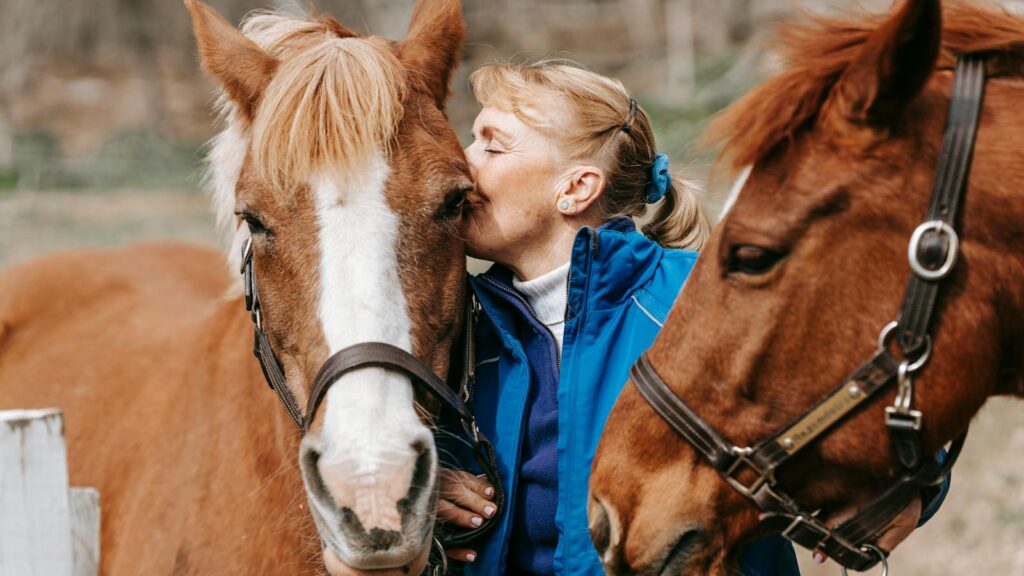
Equine-assisted therapy encompasses several distinct modalities, each with specific goals and approaches. Hippotherapy, conducted by licensed physical, occupational, or speech therapists, uses the horse’s rhythmic movement as a treatment tool to improve neuromuscular function, balance, coordination, and speech. Therapeutic riding focuses on teaching horsemanship skills to individuals with disabilities, emphasizing recreational benefits while simultaneously addressing physical, cognitive, and emotional goals. Equine-Facilitated Psychotherapy (EFP) involves mental health professionals using horses as co-therapists to address psychological and emotional issues through groundwork, riding, and interaction with horses. Equine-Facilitated Learning (EFL) applies horse-human interaction to educational, personal growth, and corporate development contexts, focusing on experiential learning rather than clinical treatment. Additionally, adaptive riding provides customized riding lessons for people with disabilities who want to learn equestrian skills for recreational purposes rather than therapy.
The Unique Qualities of Horses as Therapeutic Partners
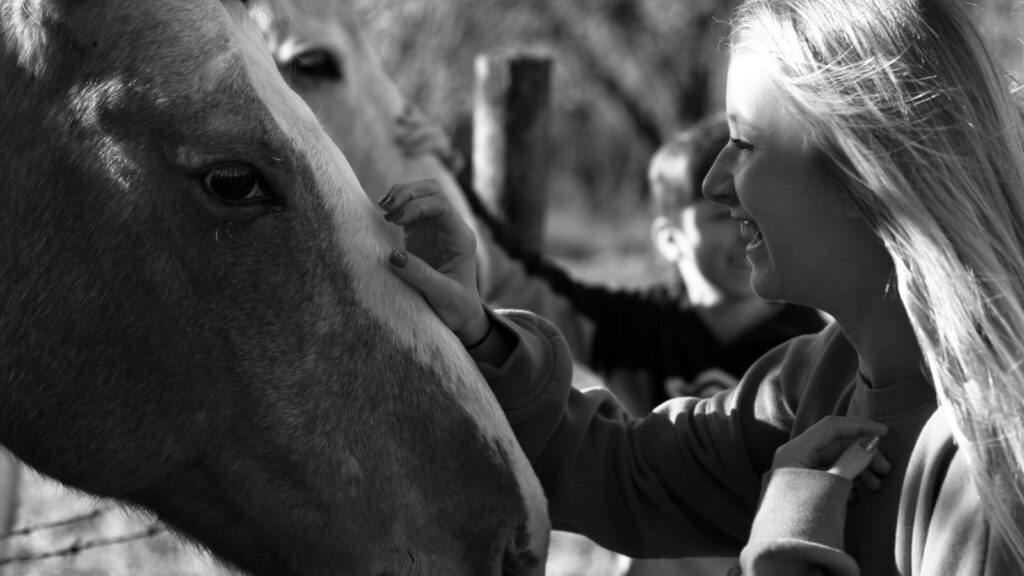
Horses possess several distinctive characteristics that make them exceptionally effective therapeutic partners. As prey animals, horses have evolved highly sensitive awareness to subtle changes in their environment, including human emotions and body language, allowing them to provide immediate, honest feedback to clients without judgment or agenda. Their large size and inherent power create natural opportunities for clients to confront fears, build confidence, and experience empowerment when successfully communicating with and directing an animal many times their size. Horses are social herd animals with complex communication systems that mirror human social dynamics, making them natural metaphors for exploring relationship patterns, boundaries, and communication styles. Additionally, horses live in the present moment and respond to people based on current behavior rather than past history, offering clients a rare opportunity to experience themselves differently and practice new ways of being without the baggage of human preconceptions. The rhythmic movement of horses also provides simultaneous sensory stimulation to multiple body systems that cannot be replicated in traditional clinical settings, creating a uniquely immersive therapeutic experience.
Physical Benefits of Equine-Assisted Therapy
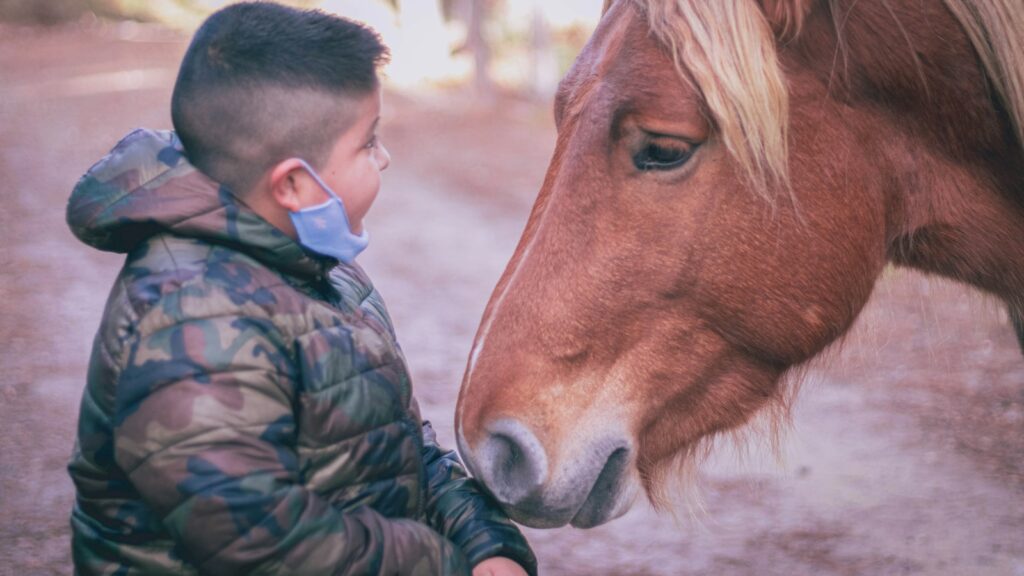
The physical benefits of equine therapy are substantial, particularly for individuals with neuromuscular conditions or physical disabilities. The three-dimensional movement of a horse’s gait closely resembles human walking, gently mobilizing the rider’s pelvis, spine, and hip joints while stimulating core muscle groups that may otherwise be difficult to engage through conventional therapy. For individuals with cerebral palsy, multiple sclerosis, stroke, or spinal cord injuries, regular hippotherapy sessions can significantly improve balance, posture, muscle symmetry, and overall functional mobility. Children with developmental delays often experience accelerated gross and fine motor skill development, enhanced spatial awareness, and improved bilateral coordination through structured equine activities. The rhythmic movement also stimulates proprioceptive input (awareness of body position) and vestibular stimulation (balance sense), helping to regulate sensory processing issues common in conditions like autism. Additionally, the physical demands of grooming, tacking up, and working around horses build strength, flexibility, and endurance in ways that feel more like engaging activities than traditional exercise, increasing motivation and treatment compliance.
Psychological and Emotional Benefits

The psychological impact of equine therapy extends across a remarkable range of conditions and challenges. For individuals with trauma histories, the opportunity to build trust with a powerful yet gentle animal can restore a sense of safety and control that trauma often disrupts, creating a bridge to healing human relationships. Horses require clear, congruent communication and emotional regulation, naturally teaching clients with anxiety, depression, or emotional dysregulation to be mindful of their internal states and develop self-regulation skills. The immediate, honest feedback horses provide about a person’s emotional state creates powerful therapeutic moments that bypass intellectual defenses, making equine therapy particularly effective for clients who struggle with traditional talk therapy. For those dealing with addiction recovery, horses mirror the principles of successful sobriety—living in the present, maintaining healthy boundaries, and building authentic relationships based on trust rather than manipulation. The sense of accomplishment from successfully connecting with and caring for such a magnificent animal also naturally boosts self-esteem, self-efficacy, and confidence that transfer to other life challenges.
Equine Therapy for Children with Autism Spectrum Disorders

Equine-assisted activities have shown particularly promising results for children with autism spectrum disorders (ASD), addressing many core challenges associated with the condition. The predictable, rhythmic movement of horseback riding helps organize sensory input for children who struggle with sensory processing issues, often resulting in improved attention, decreased tactile defensiveness, and better overall regulation. Many children with ASD who are minimally verbal or non-verbal show increased vocalization and communication attempts during and after equine therapy sessions, motivated by the natural desire to connect with the horse. The structured routines of grooming, tacking up, and riding lessons provide natural opportunities to practice sequencing, following multi-step directions, and transitioning between activities—skills that often challenge children with autism. Additionally, the horse becomes a powerful social mediator, creating a non-threatening entry point for social interaction as therapists and volunteers engage the child around shared horse-centered activities, gradually building social skills and reciprocity that may generalize to other settings.
Supporting Mental Health Through Equine Therapy

Mental health conditions respond particularly well to equine-assisted approaches due to the unique therapeutic environment horses create. For individuals with depression, the physical activity, outdoor setting, and genuine connection with an animal can activate natural mood-enhancing neurochemicals while breaking patterns of isolation and rumination. Those with anxiety disorders benefit from the horse’s requirement for present-moment awareness and calm leadership, naturally guiding clients toward mindfulness practices and emotional regulation. Veterans and others with PTSD often find that horses provide a safe way to rebuild trust and process trauma, as the animals’ hypervigilance mirrors their own heightened alertness but in a non-threatening context that validates their experiences. For adolescents struggling with behavioral issues or substance abuse, horses cut through defenses and confrontational dynamics that often derail traditional therapy, creating breakthrough moments of insight when the horse responds authentically to the teen’s actual emotional state rather than their verbal posturing. The metaphorical aspects of working with horses also provide rich therapeutic material, as herd dynamics and horse behavior create natural parallels to human relationship patterns, family systems, and workplace challenges.
Special Considerations for Therapy Horses

Not every horse is suitable for therapeutic work, as the demands of this specialized role require specific temperamental and physical qualities. Ideal therapy horses demonstrate exceptional emotional stability, maintaining calm reactions even when clients exhibit unpredictable movements, sudden noises, or emotional outbursts that might startle typical horses. Physical soundness is crucial, as therapy horses must carry unbalanced riders, accommodate adaptive equipment, and stand patiently during mounting procedures that take longer than in conventional riding. Most successful therapy horses are mature animals (typically 8-20 years old) with significant prior training and life experience that gives them the confidence to handle novel situations with equanimity. The selection process for therapy horses typically involves extensive evaluation periods, including exposure to simulated therapy situations, assessment with different handler types, and testing for responses to various sensory challenges they might encounter in therapeutic settings. Once accepted into a program, therapy horses receive specialized training to prepare them for unique aspects of therapeutic work, including desensitization to medical equipment, tolerance for multiple handlers, and comfort with unusual mounting and dismounting procedures.
Training and Certification for Equine Therapy Professionals
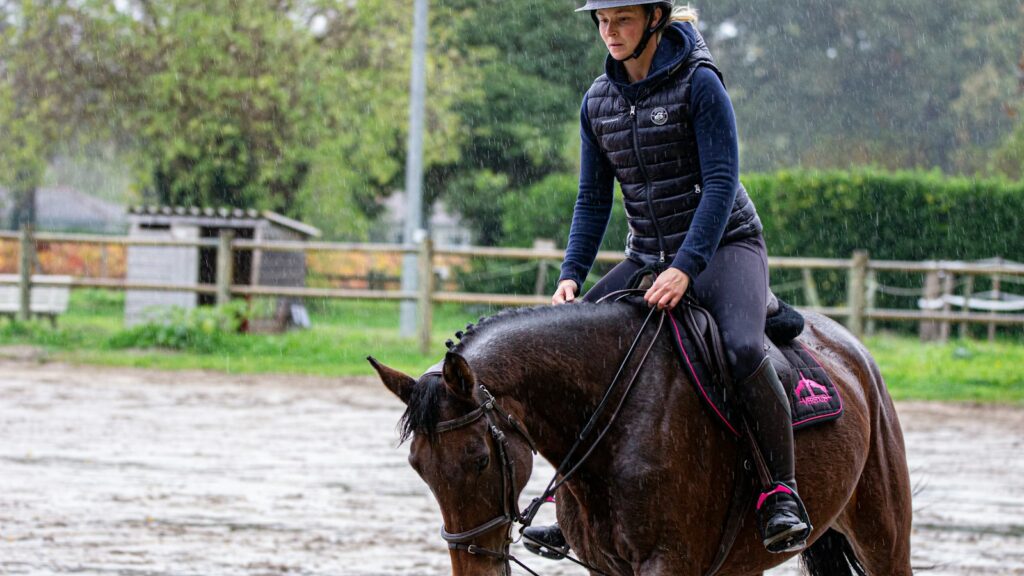
The field of equine-assisted therapy encompasses multiple professional disciplines, each with distinct training pathways and certification requirements. Clinical professionals such as physical therapists, occupational therapists, speech-language pathologists, psychologists, and social workers must first complete their traditional professional degrees and licensure before pursuing specialized training in equine-assisted approaches through organizations like the American Hippotherapy Association or Equine-Assisted Mental Health Association. Therapeutic riding instructors typically pursue certification through the Professional Association of Therapeutic Horsemanship International (PATH Intl.), completing extensive coursework in adapted riding techniques, disabilities knowledge, teaching methodology, and equine management, followed by supervised teaching hours and skills verification. Equine specialists who focus on horse handling, safety, and behavior interpretation within therapy teams often combine traditional horsemanship training with specialized certifications in equine-assisted activities. Many programs employ a transdisciplinary team approach, bringing together clinical professionals, equine specialists, and trained volunteers who each contribute specific expertise to create comprehensive therapeutic experiences for clients.
The Role of Groundwork in Equine Therapy

While mounted activities receive significant attention, groundwork (non-riding interactions) forms an equally important component of many equine therapy programs. Groundwork exercises like leading a horse through obstacles, grooming, or liberty work (directing the horse without physical contact) provide accessible entry points for clients who cannot ride due to physical limitations, fear, or therapeutic goals that don’t require mounting. These activities create powerful opportunities to practice assertiveness, clear communication, boundary-setting, and emotional regulation as clients learn to move a half-ton animal willingly through space using body language and energy rather than force. For trauma survivors or clients with anxiety, groundwork often serves as a gentler introduction to horse interaction, allowing them to establish safety and build confidence before considering the more vulnerable position of being mounted. The metaphorical potential of groundwork is particularly rich for addressing relationship dynamics and life challenges, as therapists can create scenarios that mirror client’s real-world situations—like navigating obstacles representing life challenges or experiencing the difference between pushing versus leading a horse, just as one might experience in human relationships.
Research and Evidence Supporting Equine Therapy

The evidence base for equine-assisted therapy has grown substantially in recent decades, though methodological challenges persist in this complex field. Meta-analyses of hippotherapy research show statistically significant improvements in gross motor function, balance, and functional mobility for children with cerebral palsy and similar neuromuscular conditions, supported by biomechanical studies demonstrating how the horse’s movement patterns systematically engage the rider’s core stabilizing muscles. Psychological research has documented significant improvements in anxiety symptoms, PTSD severity, emotional regulation, and social functioning across diverse populations including veterans, at-risk youth, and trauma survivors participating in structured equine-assisted mental health interventions. Neuroimaging studies have begun exploring the neurobiological mechanisms behind these benefits, with preliminary findings suggesting that horse-human interaction may positively influence stress hormone regulation, stimulate mirror neuron engagement, and activate parasympathetic nervous system responses associated with safety and social connection. While more rigorously controlled studies are needed, particularly for newer applications of equine-assisted approaches, the growing body of evidence has led to increased acceptance of these interventions by healthcare systems, insurance providers, and mainstream clinical practice.
Accessing and Funding Equine-Assisted Therapy
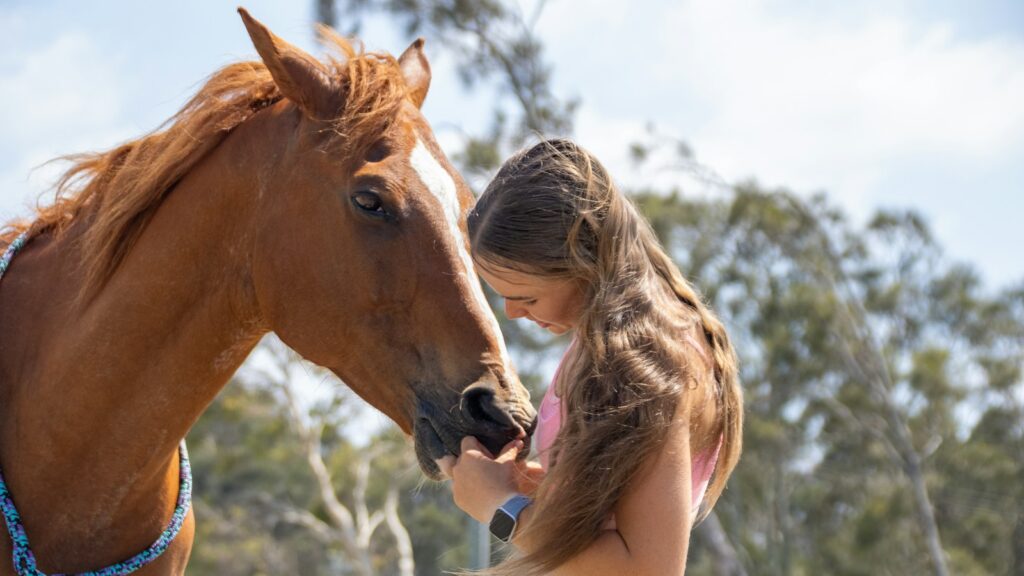
Despite its benefits, equine-assisted therapy presents unique accessibility challenges stemming from its specialized nature and resource requirements. Most equine therapy services are provided through dedicated centers or programs rather than traditional healthcare facilities, requiring clients to locate appropriate services which may be limited in many geographic areas. The cost of equine therapy typically exceeds conventional treatments due to the expenses associated with horse care, facility maintenance, specialized equipment, and professional staffing, creating financial barriers for many potential clients. Insurance coverage varies widely, with hippotherapy sometimes covered as a legitimate physical, occupational, or speech therapy treatment when provided by licensed healthcare professionals, while psychological applications often face greater reimbursement challenges. Many programs rely on grants, donations, and sliding-scale fees to make services more accessible, with organizations like PATH Intl. maintaining directories of accredited centers that can help prospective clients locate reputable programs. For families seeking support for children with disabilities, therapeutic riding may sometimes qualify for funding through educational accommodations, developmental disability waivers, or specialized healthcare programs depending on state regulations and individual diagnoses.
Future Directions in Equine-Assisted Therapy
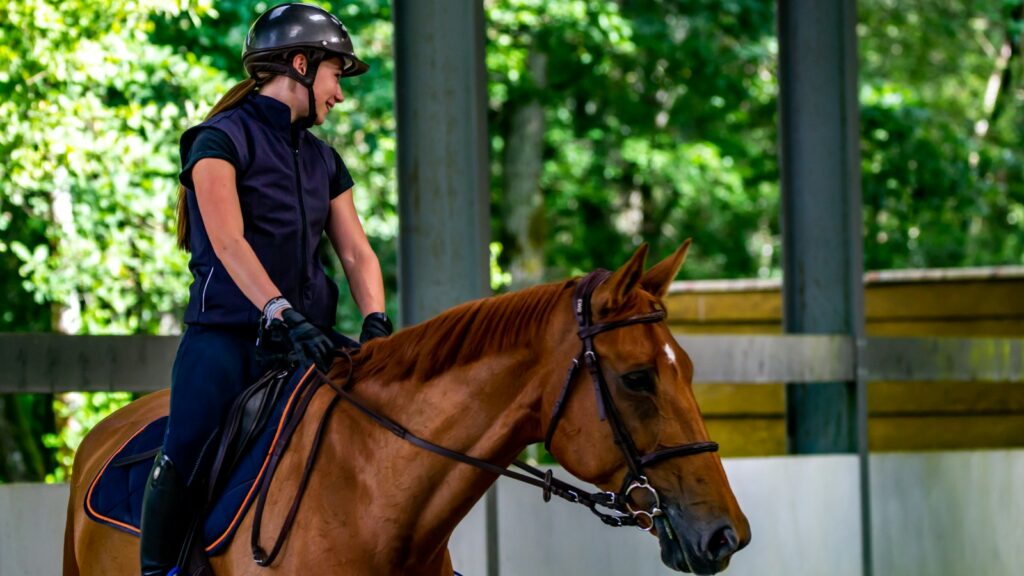
The field of equine-assisted therapy continues to evolve through innovation, research, and expanding applications. Emerging technology integration is creating new possibilities, including the development of sophisticated mechanical horse simulators that can provide hippotherapy movement patterns in clinical settings, expanding access to clients who cannot travel to equine facilities or who need preparatory experience before working with live horses. Specialized applications for specific conditions are growing, with tailored protocols being developed for populations such as individuals with dementia, eating disorders, and chronic pain conditions based on promising pilot studies. The integration of neuroscience is enhancing clinical understanding, as researchers utilize tools like heart rate variability monitoring, EEG, and cortisol sampling to document the physiological mechanisms underlying the benefits observed in equine interactions. International collaboration has accelerated as therapeutic riding and equine-assisted programs expand globally, creating opportunities for cross-cultural research and methodology exchange that enriches the field. Additionally, professional standards continue to advance through the development of more rigorous certification processes, ethics guidelines, and competency requirements that elevate the quality of care and credibility of equine-assisted interventions within healthcare systems.
Conclusion

The therapeutic partnership between humans and horses represents one of the most unique and powerful healing modalities available today. Equine-assisted therapy bridges ancient wisdom about the horse-human bond with contemporary understanding of neurology, psychology, and physical rehabilitation. The multisensory experience of working with these sensitive, powerful animals creates therapeutic opportunities that simply cannot be replicated in conventional clinical settings. As research continues to validate what practitioners and participants have long observed, equine-assisted therapy is increasingly taking its place as a legitimate, evidence-informed intervention across healthcare disciplines. For those fortunate enough to experience it, equine therapy often becomes more than just a treatment—it represents a profound connection to another species that can open doors to healing long considered closed, reminding us of the remarkable potential that exists when humans and horses come together with therapeutic intent.