
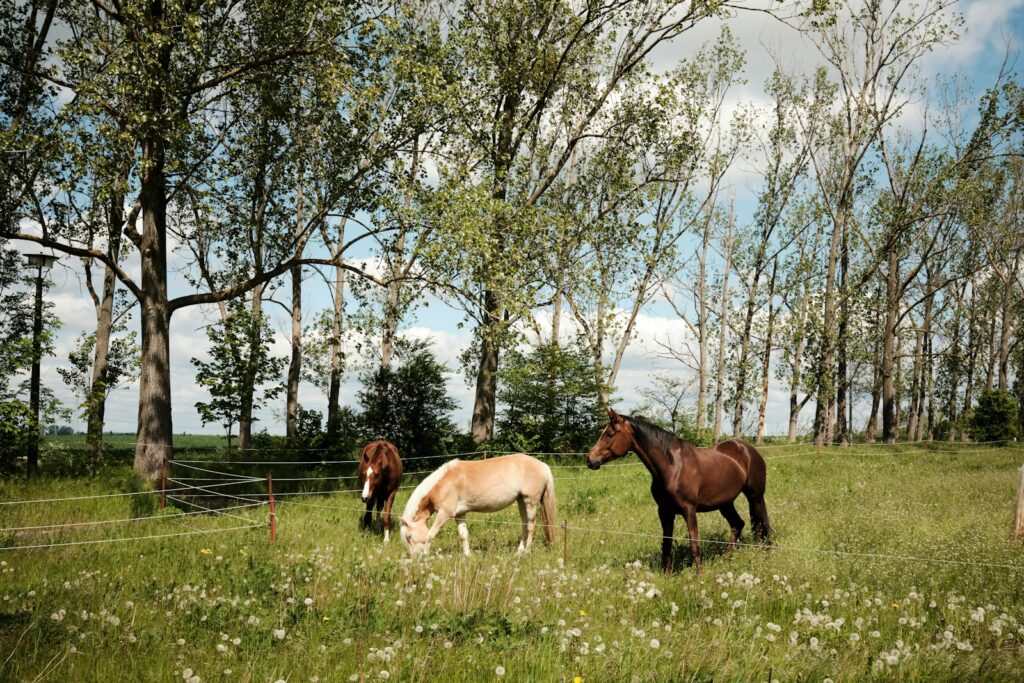
Ranch horses represent a cornerstone of American agricultural heritage, combining centuries of selective breeding with practical functionality. Unlike show horses or racehorses, these equine workers are valued primarily for their utility, intelligence, and versatility in handling livestock. For newcomers to ranch operations or those interested in working horses, understanding the unique attributes and requirements of these remarkable animals can mean the difference between a productive partnership and a frustrating experience. This guide aims to introduce beginners to the world of ranch horses, covering everything from selection criteria to training approaches and daily care considerations.
What Defines a Ranch Horse?
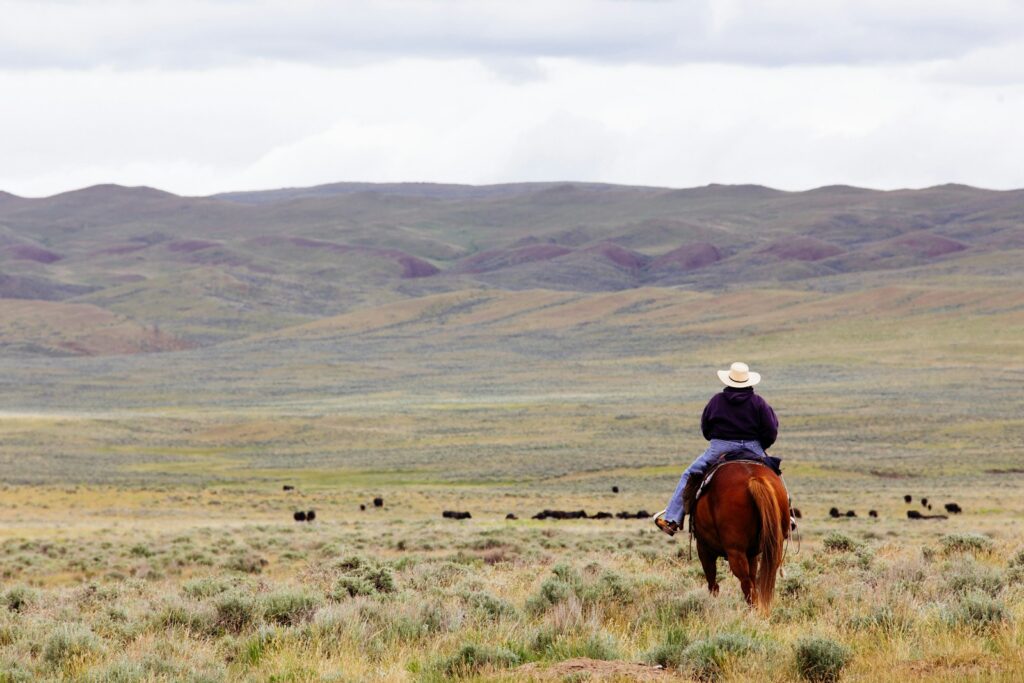
Ranch horses are working equines specifically bred and trained for cattle operations and other livestock-related tasks. Unlike horses bred for speed, jumping, or appearance, ranch horses are valued for their “cow sense” – an innate ability to understand and predict cattle behavior. These horses typically possess a calm temperament that allows them to remain steady during chaotic situations involving livestock. A true ranch horse demonstrates versatility, being able to perform various tasks including cutting (separating specific cattle from the herd), roping, sorting, and covering long distances across rough terrain. Their value lies not in flashy movements or striking appearance but in their reliability, intelligence, and ability to perform practical work day after day.
Common Ranch Horse Breeds
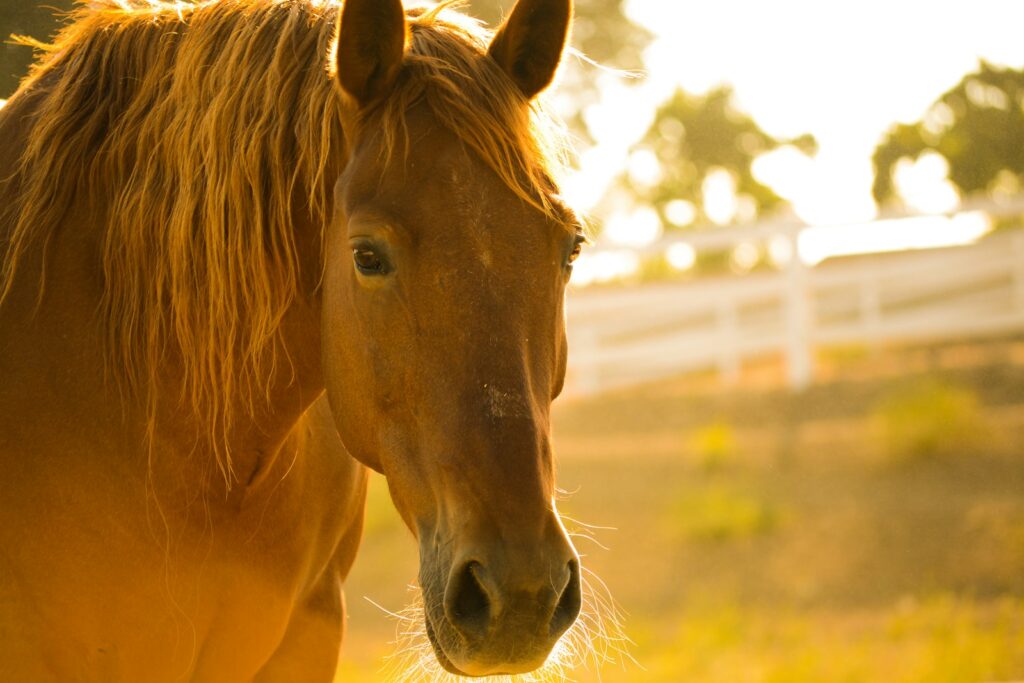
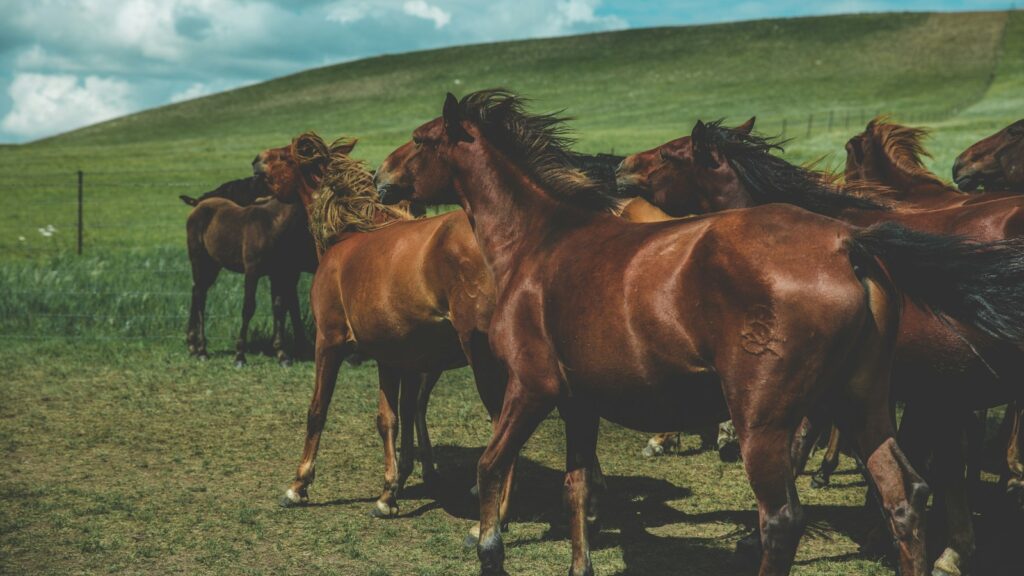
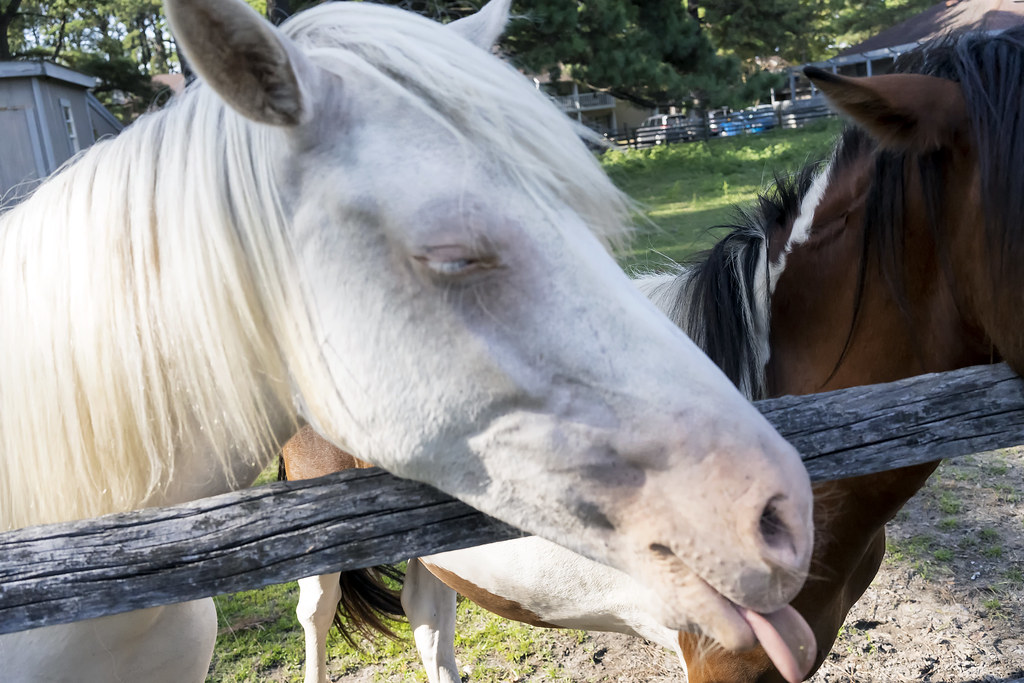
While many breeds can be trained as ranch horses, certain bloodlines have proven particularly well-suited to the demands of ranch work. Quarter Horses dominate the field due to their muscular build, agility, and natural cow sense, making them ideal for quick starts, stops, and turns necessary when working cattle. American Paint Horses, closely related to Quarter Horses but with distinctive color patterns, share many of the same working qualities while adding visual distinction. Appaloosas, with their spotted coats and sturdy conformation, have long histories as versatile working horses with Native American tribes and ranchers alike. Some ranches also utilize Mustangs, whose hardiness and survival instincts translate well to challenging environments, or crossbreeds that combine desirable traits from multiple bloodlines.
Essential Temperament Traits
The ideal ranch horse possesses a temperament that balances responsiveness with level-headedness. These horses must remain calm during high-pressure situations involving unpredictable livestock yet react quickly to subtle cues from their riders. A good ranch horse demonstrates intelligence without being overly sensitive or prone to spooking. Willingness to work independently is another crucial trait, as these horses often need to maintain position or perform tasks with minimal guidance while the rider focuses on cattle or other aspects of the operation. Curiosity balanced with respect for boundaries serves ranch horses well, allowing them to approach new situations confidently without becoming dangerous or unmanageable. Perhaps most importantly, ranch horses need mental stamina to maintain focus throughout long workdays that might involve diverse challenges and changing conditions.
Physical Attributes for Success
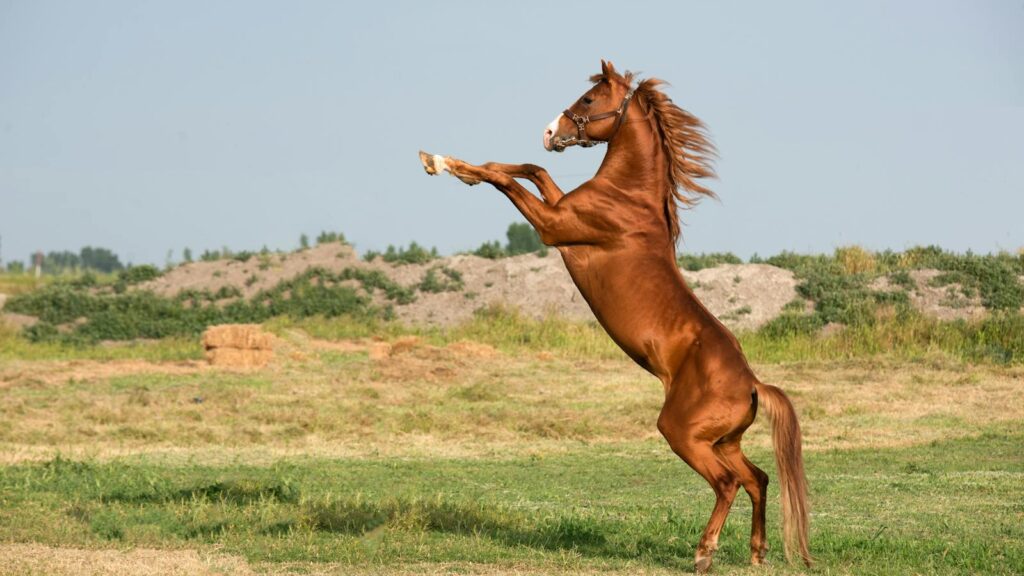
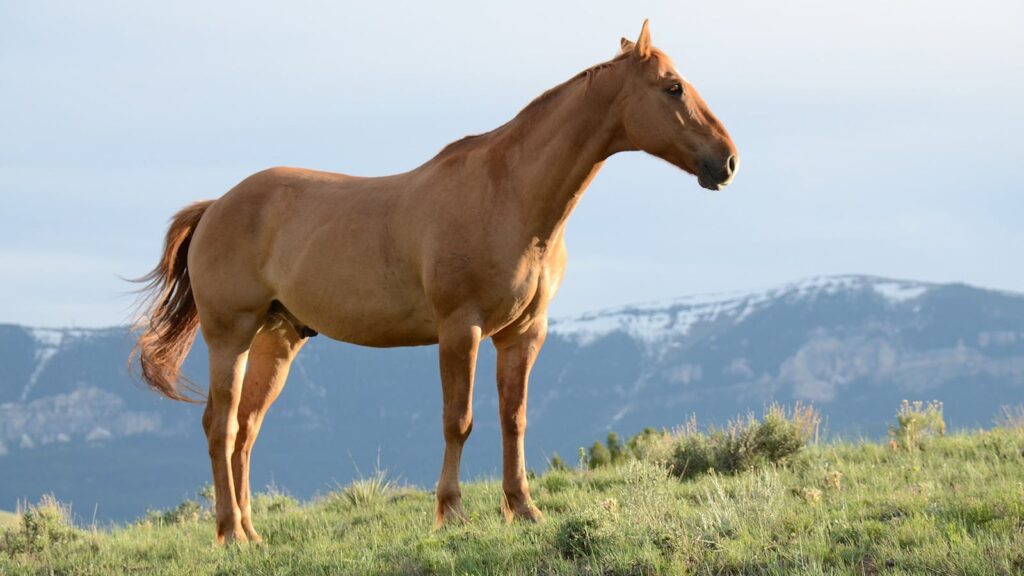
The physical demands of ranch work require horses with specific conformational advantages. Strong, well-angled hindquarters provide the power needed for quick stops, turns, and maintaining balance on varied terrain. Sound feet with good hoof structure are essential, as ranch horses often work on rocky, uneven ground without the luxury of regular farrier attention. A deep heart girth and well-developed respiratory system support endurance during long working days. Medium-sized horses, typically between 14.2 and 15.2 hands high, often prove most practical for ranch work—tall enough to handle adult cattle but not so large that they become cumbersome in tight spaces or difficult to mount and dismount frequently. Good withers that hold a saddle in place during quick maneuvers and a strong, short back that can support weight efficiently complete the physical profile of an ideal ranch horse.
Selecting Your First Ranch Horse
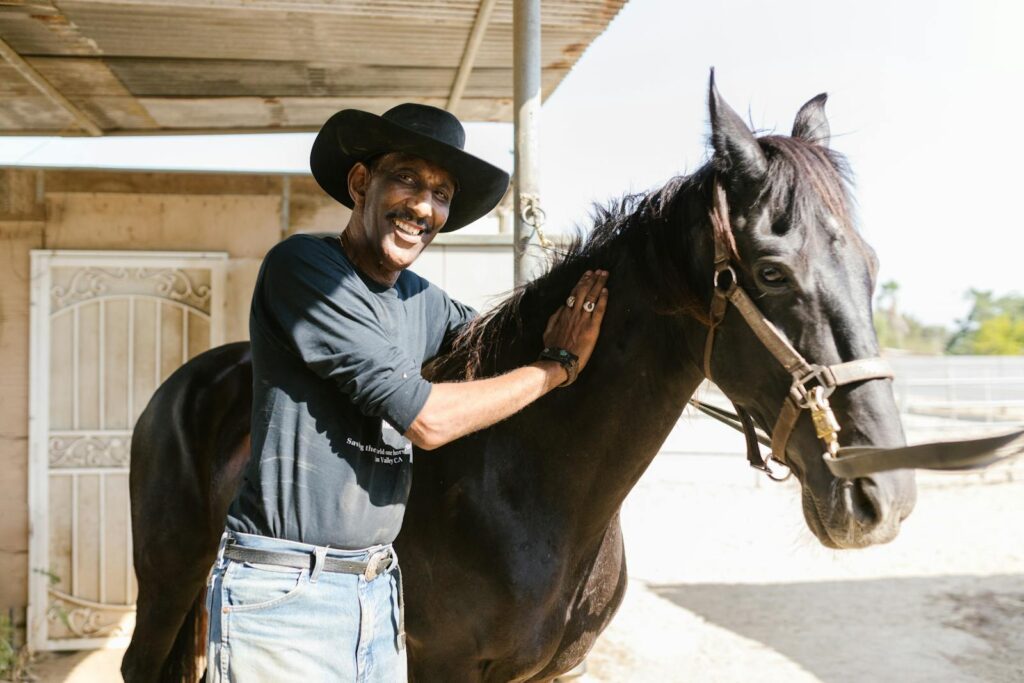
For beginners, choosing the right ranch horse requires prioritizing temperament and experience over youth or physical perfection. An older, well-trained ranch horse with established skills will provide invaluable education to a novice rider, even if the horse is past its prime working years. When evaluating prospects, observe how the horse behaves around cattle, responds to basic commands, and handles unexpected stimuli. Request a detailed history of the horse’s working experience, including specific tasks it has performed and any limitations or quirks. Always arrange for a comprehensive veterinary examination before purchase, paying special attention to soundness issues that might affect working ability. Consider bringing an experienced rancher or trainer to help evaluate potential purchases, as they can identify subtle qualities or concerns that beginners might miss.
Basic Training Foundations
Effective ranch horses build their specialized skills upon solid foundational training. Before introducing cattle work, ensure your horse responds reliably to basic cues including stopping, backing, lateral movements, and collection. Developing these skills in controlled environments creates the communication system you’ll rely on during more complex tasks. Desensitization training proves essential, as ranch horses must remain calm around flapping ropes, unexpected movements, and various equipment. Ground work establishes respect and trust that transfers to mounted work, making it an indispensable part of early training. For beginners, working with a professional trainer during these fundamental stages can prevent problems that become difficult to correct later, while providing education for both horse and handler about proper progression through training milestones.
Introducing Cattle Work
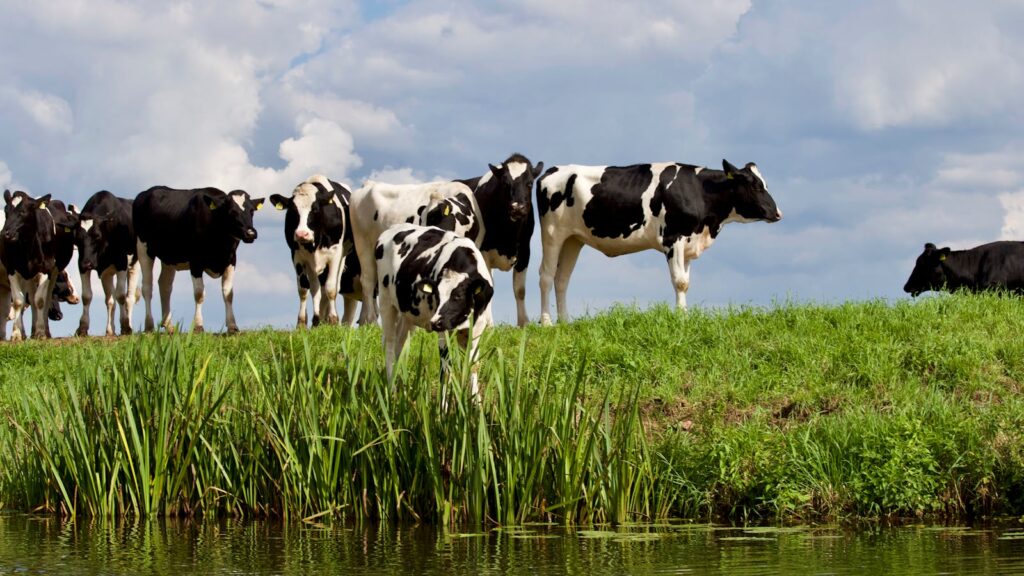
Exposing your horse to livestock follows a methodical progression that builds confidence while leveraging natural instincts. Begin with calm exposure, allowing your horse to observe cattle from a distance without pressure to interact or perform. Once comfortable, practice approaching and retreating from the herd while maintaining the horse’s focus on your cues rather than becoming fixated on the cattle. Working with a single cow in a controlled environment helps develop tracking skills before attempting more complex maneuvers. Some horses display natural cow sense immediately, while others require patient development of these abilities through consistent exposure and reward. Throughout this process, remain aware of your horse’s stress levels, as pushing too quickly can create lasting negative associations with cattle work.
Essential Ranch Horse Equipment
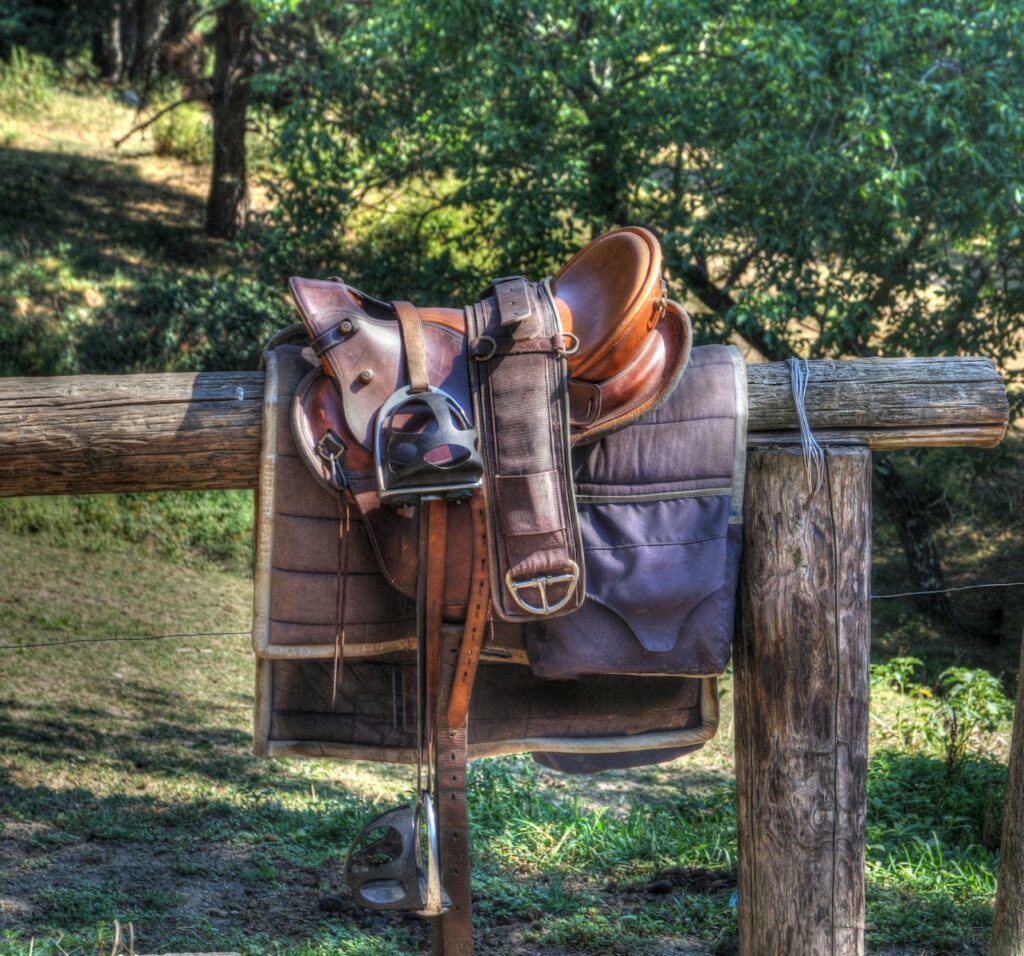
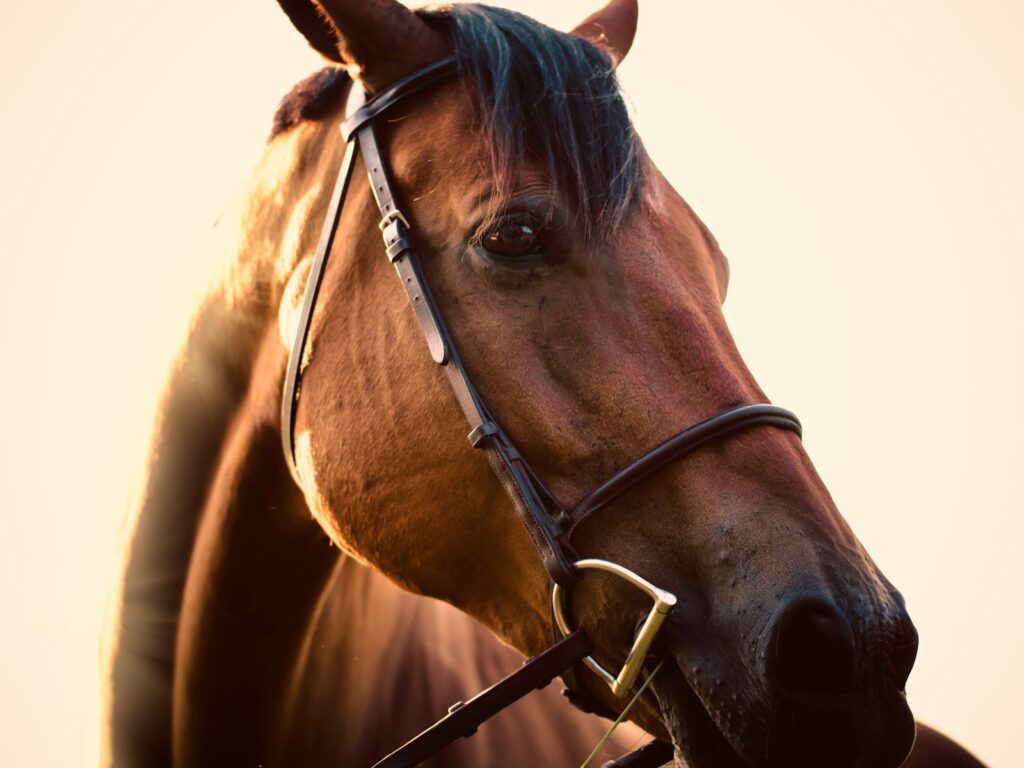
Appropriate tack for ranch horses prioritizes functionality, durability, and comfort during long working days. Western saddles designed specifically for ranch work feature substantial trees that distribute weight evenly, deep seats for security during quick movements, and sturdy horns for occasional roping tasks. Breast collars prevent saddles from sliding back during hill climbs, while back cinches provide stability during downhill work. Bit selection depends on individual horses, but many ranch horses work effectively in simple snaffle bits that allow clear communication without severity. Protective boots may be necessary for horses prone to interference or working in rocky terrain. Quality materials matter tremendously in ranch work, as equipment failures in remote locations can create dangerous situations—invest in well-made gear that can withstand daily use in challenging conditions.
Daily Maintenance and Care
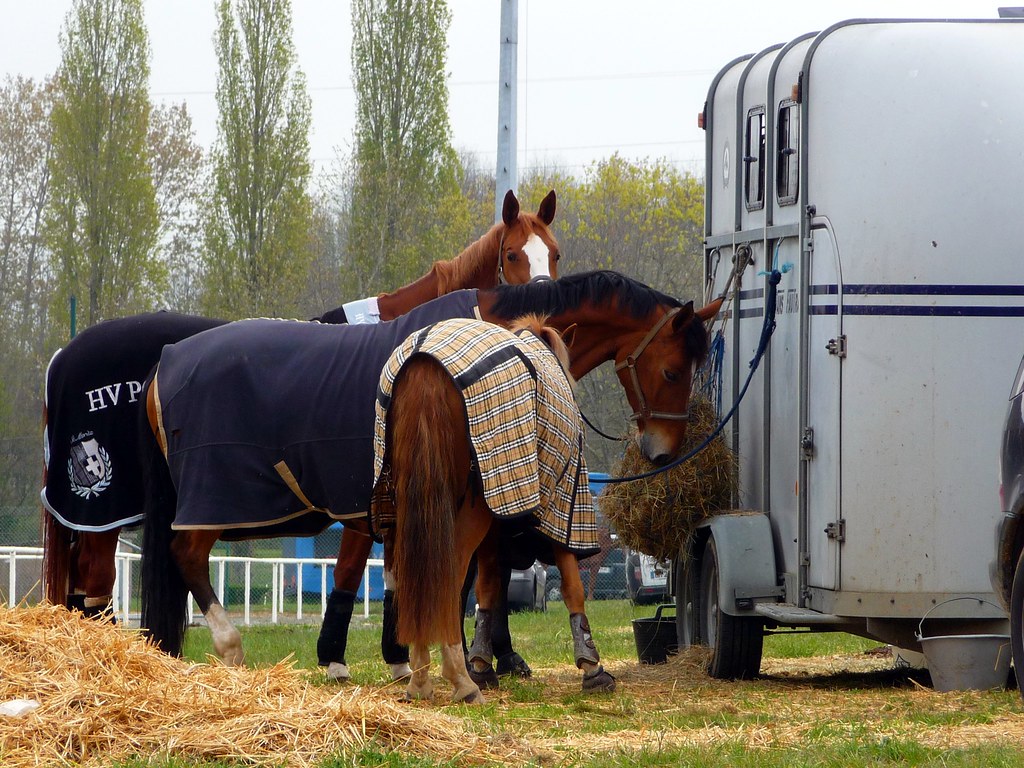
Ranch horses require consistent care to maintain their working condition and longevity. Regular hoof maintenance prevents lameness issues, with trimming schedules based on individual growth rates and working conditions. Nutritional needs vary seasonally, with increased caloric requirements during intense work periods or cold weather, making regular body condition assessments essential. Grooming serves both health and diagnostic purposes, as daily handling allows detection of injuries, skin issues, or soreness before they develop into serious problems. Implement a consistent healthcare program including appropriate vaccinations, parasite control, and dental care, consulting with a veterinarian familiar with working horses to develop protocols suited to your specific environment and working demands.
Conditioning for Stamina and Strength
Proper conditioning ensures your ranch horse can perform effectively while minimizing injury risk. Develop a progressive fitness program that gradually increases duration and intensity of work, allowing cardiovascular and musculoskeletal systems to adapt appropriately. Varied terrain work strengthens different muscle groups and improves surefootedness, making hills, uneven ground, and occasional soft footing valuable training environments. Interval training, alternating between periods of increased effort and recovery, builds cardiovascular capacity more effectively than constant moderate work. Remember that mental stamina requires conditioning alongside physical stamina—practice maintaining focus during longer work sessions by incorporating short breaks rather than ending sessions when concentration begins to wane.
Common Health Challenges
Ranch horses face specific health challenges related to their working environments and demands. Lameness issues frequently develop from work on hard or uneven surfaces, making regular evaluation of movement patterns crucial for early intervention. Skin conditions including saddle sores, rain rot, and fungal infections require vigilant monitoring, especially in humid climates or when horses sweat heavily under tack. Digestive problems such as colic risk increase with irregular feeding schedules common during busy working periods, necessitating careful attention to hydration and forage access. Respiratory health deserves special consideration, as ranch horses often work in dusty conditions that can exacerbate underlying issues like heaves or recurrent airway obstruction.
Building Partnership Through Communication
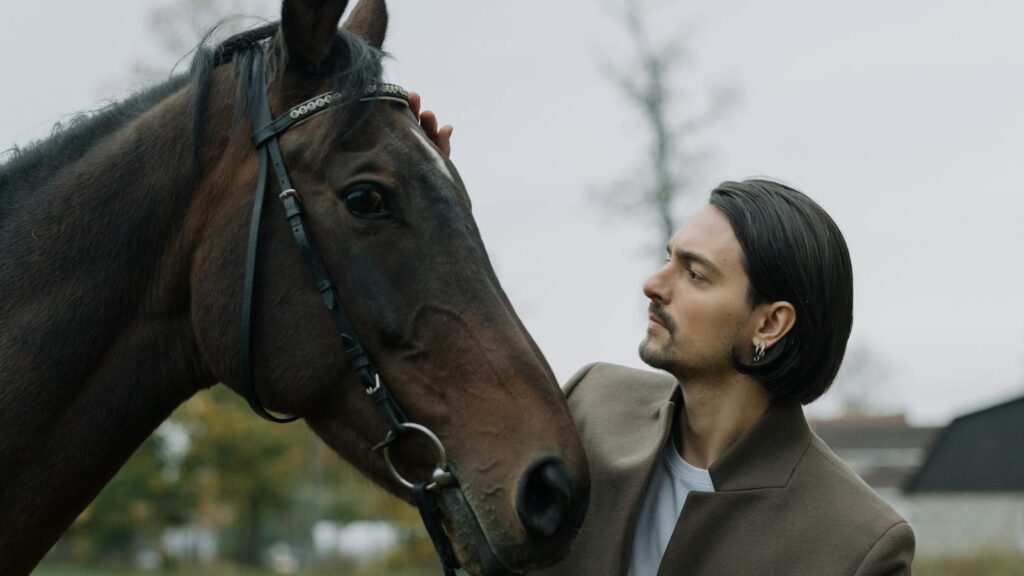
The relationship between rider and ranch horse transcends basic training to become a working partnership based on mutual trust and clear communication. Consistent cues using minimal pressure reward the horse’s attentiveness and create efficient communication systems that function even during high-stress situations. Recognizing and respecting your horse’s communication signals—from ear position to subtle body tension—allows you to address concerns before they escalate into resistance or dangerous behaviors. Quality time outside work contexts strengthens bonds and builds trust reserves that prove invaluable during challenging situations. The most effective ranch horse partnerships develop through balanced leadership that provides clear boundaries while acknowledging each horse’s individual personality and learning style.
Advancing Your Ranch Horse Skills
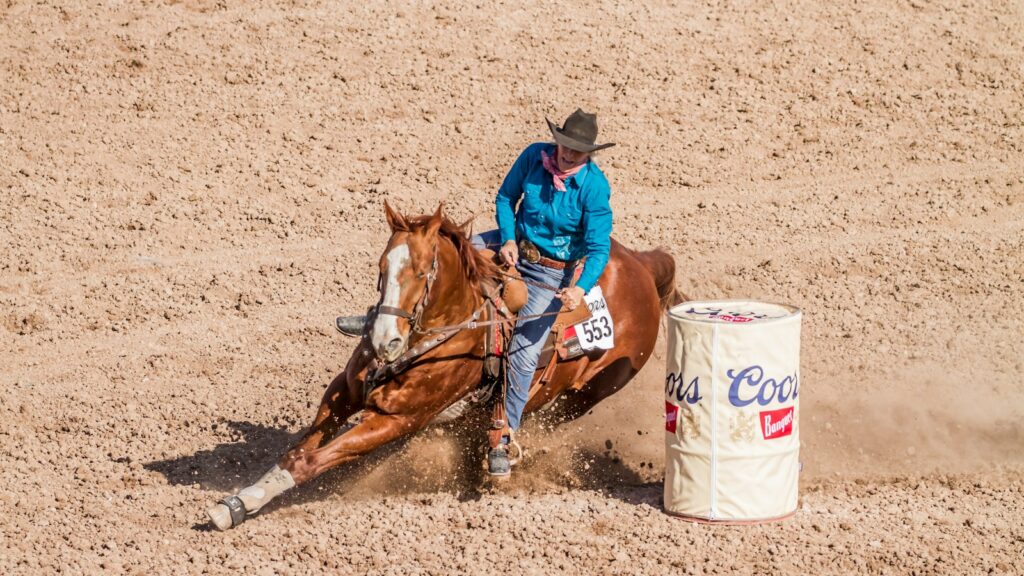
As your confidence and abilities grow, systematically expand your horse’s skill set to increase versatility and value. Roping from horseback requires specific preparation, including desensitization to rope movement and developing the strength and balance to maintain position during the catch. Trailer loading and hauling skills prove essential for ranch horses who must travel between work locations. Working in groups of riders presents unique challenges as horses must remain focused on their riders while operating near other horses. Some ranch owners eventually train their horses for specialized skills such as cutting, team penning, or ranch versatility competitions that showcase working abilities in structured formats.
conclusion
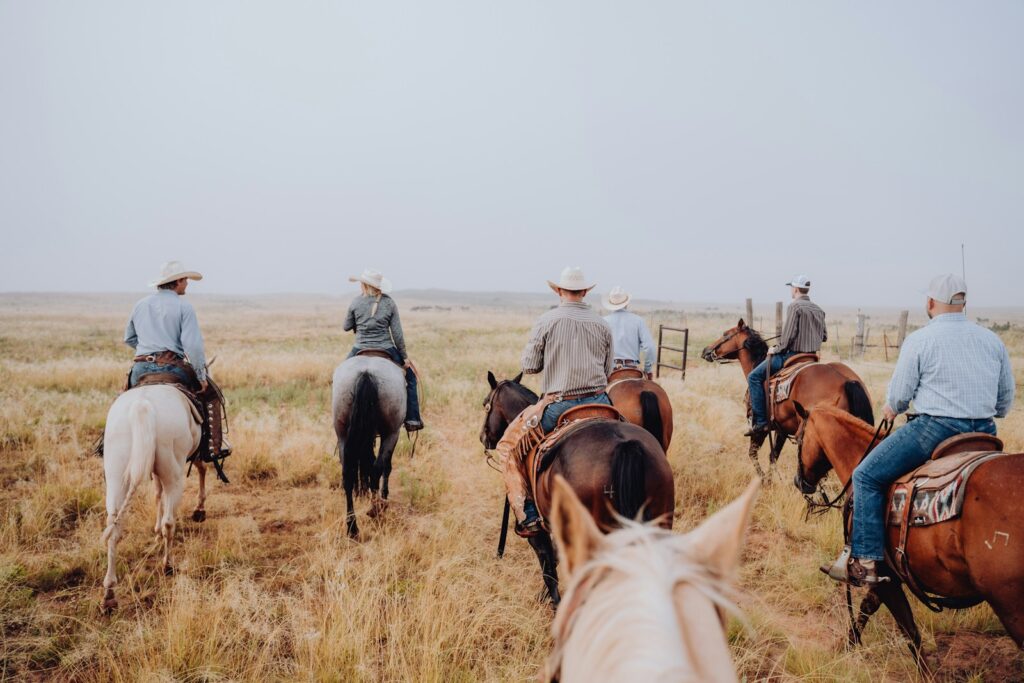
Ranch horses represent a perfect blend of functional ability and partnership that has supported American agriculture for generations. For beginners entering this world, the learning curve may seem steep, but the rewards of developing a skilled, reliable working partner are immeasurable. By understanding the unique requirements of ranch horses and approaching their selection, training, and care methodically, newcomers can develop productive and satisfying relationships with these remarkable animals. Whether your goal involves professional ranch work or simply developing a horse with useful, practical skills, the journey with ranch horses connects you to an authentic equestrian tradition that values substance, intelligence, and genuine partnership above all else.