
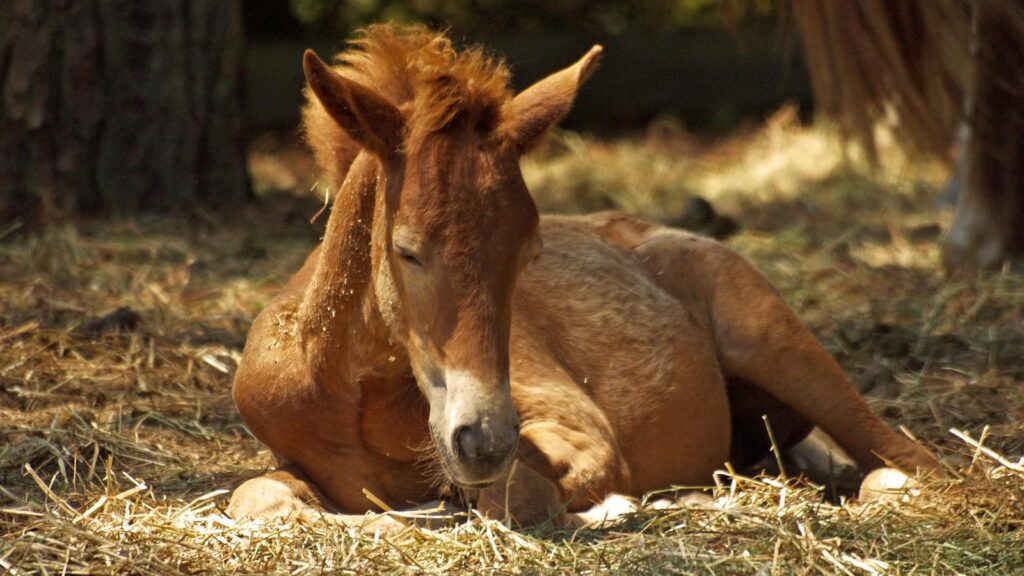
Horses are intelligent, capable animals who thrive when given purpose and mental stimulation. Beyond their traditional roles as companions and riding partners, horses can be trained to assist with various barn chores, creating a unique partnership that benefits both horse and handler. Teaching your equine friend to help around the stable isn’t just a novelty—it represents a profound opportunity to deepen your bond, enhance your horse’s cognitive abilities, and potentially save you time and effort in your daily routine. This comprehensive guide explores the numerous benefits and practical applications of training your horse to participate in barn chores, along with expert guidance on how to begin this rewarding journey.
Building a Stronger Bond Through Collaborative Work

When you train your horse to participate in barn chores, you create opportunities for meaningful interaction beyond standard riding sessions. This collaborative approach transforms your relationship from one of simple command and response to genuine partnership. Daily chore activities establish consistent, positive interactions that help nervous or hesitant horses develop greater trust in their handlers. Many equestrians report that horses who help with chores demonstrate improved ground manners and heightened attentiveness during other training activities. The mutual respect that develops through working together creates a foundation for advanced training in all disciplines, making your horse more responsive and engaged across all interactions.
Enhancing Mental Stimulation and Preventing Boredom
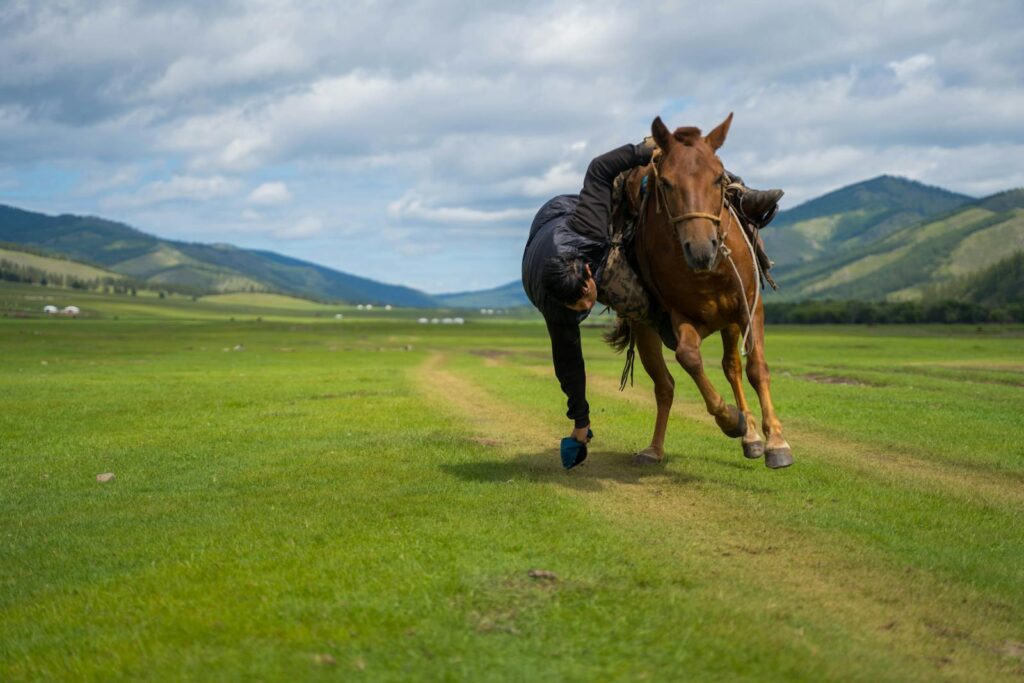
Horses are intelligent creatures who require mental challenges to prevent the development of stable vices and behavioral issues. Teaching barn chores provides complex cognitive stimulation that keeps their minds active and engaged. Unlike repetitive riding drills, chore training involves problem-solving and adaptive thinking that exercises different neural pathways in the equine brain. Studies suggest that horses with varied mental activities show fewer signs of stress, stereotypical behaviors, and anxiety than those with limited mental engagement. For horses on stall rest or with physical limitations that prevent regular riding, chore training offers a constructive alternative that maintains mental fitness without requiring strenuous physical activity.
Practical Benefits for Barn Management
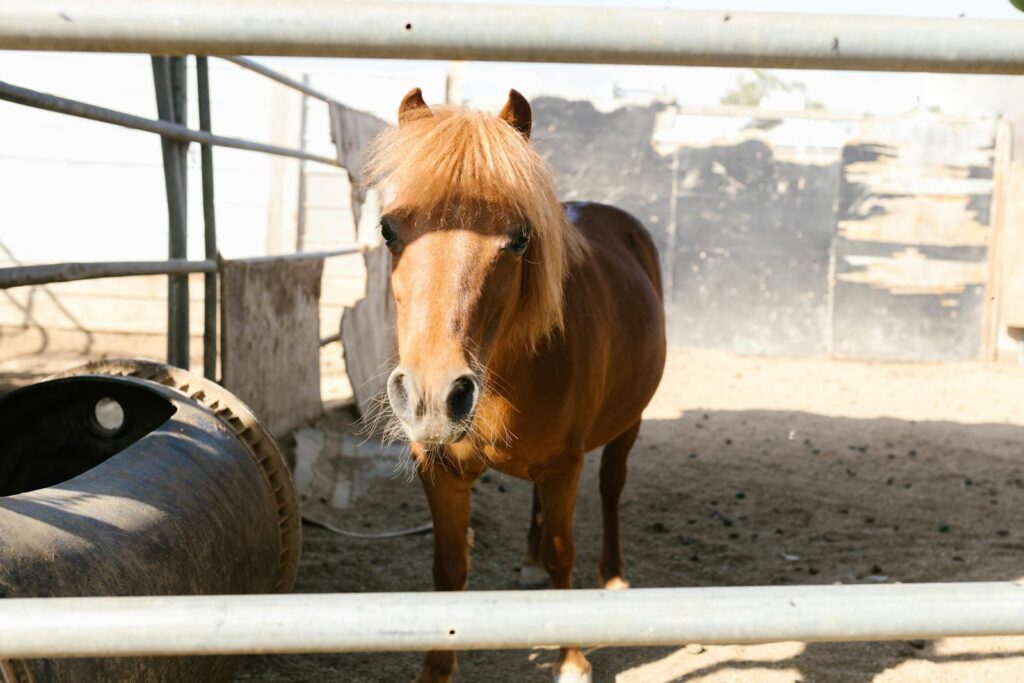
Beyond the psychological advantages, training horses to assist with chores can significantly streamline your stable management routine. A well-trained horse can help carry feed buckets, move lightweight equipment, or even hold items while you work on other tasks. For those with physical limitations or injuries, having equine assistance can make barn work more accessible and less physically demanding. Professional trainers have documented time savings of up to 30% on daily routines when working with horses trained to participate in basic chore activities. Additionally, horses who understand barn routines often become calmer during potentially stressful situations like veterinary visits or farrier appointments, as they’ve learned to cooperate in work environments.
Starting with Simple Tasks: The Foundation

Beginning your chore training journey requires focusing on straightforward, achievable tasks that build confidence in both horse and handler. Tasks like carrying a lightweight bucket, opening and closing gates, or standing quietly while you clean stalls provide excellent starting points. Consistent, short training sessions of 10-15 minutes yield better results than occasional lengthy sessions, preventing mental fatigue and maintaining enthusiasm. Use clear, consistent cues that distinguish chore behaviors from other trained responses to avoid confusion. Reward-based training with appropriate treats, verbal praise, and physical affection establishes positive associations with chore activities, making your horse eager to participate in these new challenges.
Teaching Horses to Carry and Retrieve Items

One of the most practical chore skills involves teaching your horse to carry or retrieve items around the barn. Begin with lightweight objects like small buckets, lead ropes, or grooming tools before progressing to heavier items as your horse’s confidence grows. Use target training to help your horse understand how to grasp objects gently without damaging them or injuring their mouth. Establish clear “pick up” and “release” commands through consistent verbal and physical cues that remain the same across all carrying activities. Advanced carrying training can eventually allow your horse to transport hay flakes, water buckets, or even equipment to specific locations around your property, significantly reducing your workload during daily chores.
Gate Management: A Time-Saving Skill

Teaching your horse to open and close gates represents one of the most valuable chore skills for daily farm management. Begin with simple pressure-release training where the horse learns to push gates with their nose or chest in response to gentle guidance. Always prioritize safety by ensuring your horse understands to wait for commands and never rushes through gates regardless of who or what is on the other side. This skill proves particularly valuable on larger properties where handlers frequently transition between paddocks or pastures throughout the day. Advanced gate training can include different types of latches and mechanisms, though always under supervision to prevent escape or injury.
Groundwork and Positioning for Cleaning Tasks
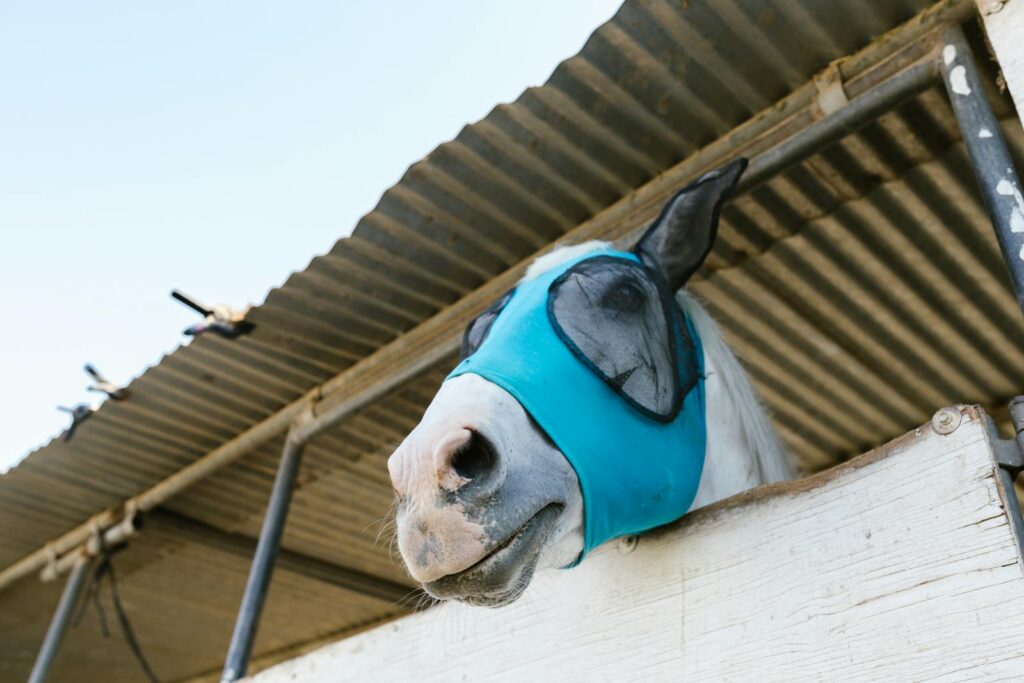
Efficient barn cleaning becomes significantly easier when your horse understands proper positioning and patience during maintenance tasks. Train your horse to stand quietly in specific positions while you clean around them, reducing the need to constantly move them between stalls or holding areas. Using target training, teach your horse to move to designated spots in their stall or paddock while you work in other areas. Some advanced horses can learn to move in choreographed patterns that allow handlers to clean entire stalls without removing the horse, particularly useful during inclement weather or for horses that become anxious when separated from their home environment. These positioning skills transfer well to other situations like veterinary exams or farrier visits, making those experiences less stressful for everyone involved.
Socialization Benefits: Creating a Well-Adjusted Horse
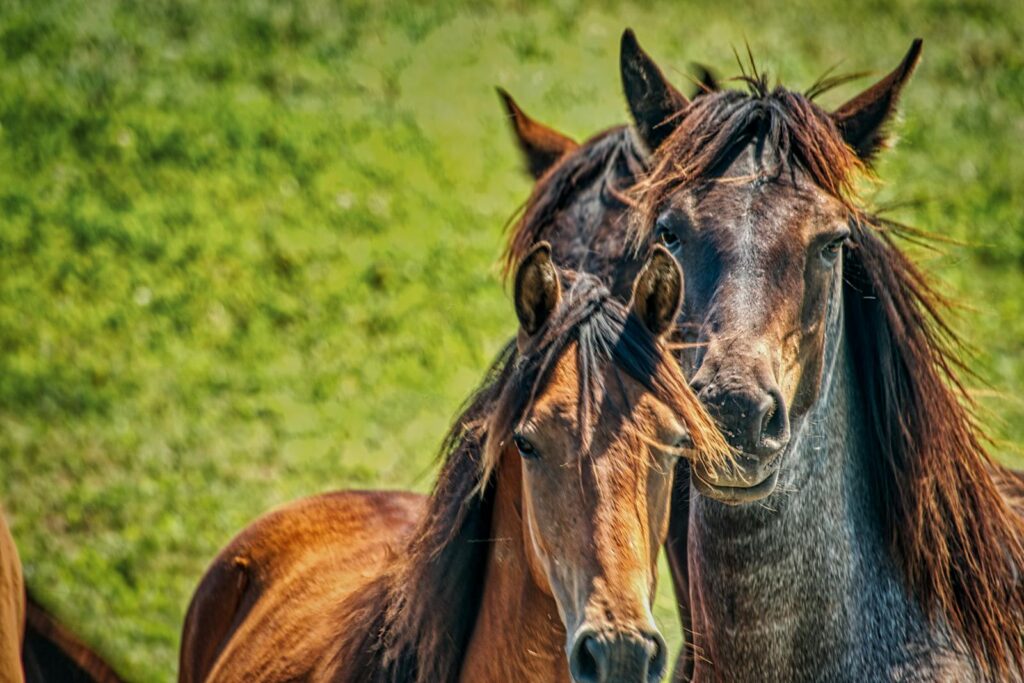
Horses trained to participate in barn chores tend to develop superior socialization skills compared to those with more limited interactions. The diverse situations encountered during chore training expose horses to novel objects, sounds, and scenarios in a controlled, positive context. This exposure builds confidence and reduces spooking or anxiety when faced with new situations in other contexts. Working alongside humans in collaborative tasks helps horses develop more nuanced communication skills and better understanding of human body language. Professional trainers observe that “chore-trained” horses typically adapt more quickly to new handlers, environments, and routines, making them more versatile and adaptable companions for various equestrian activities.
Addressing Safety Considerations
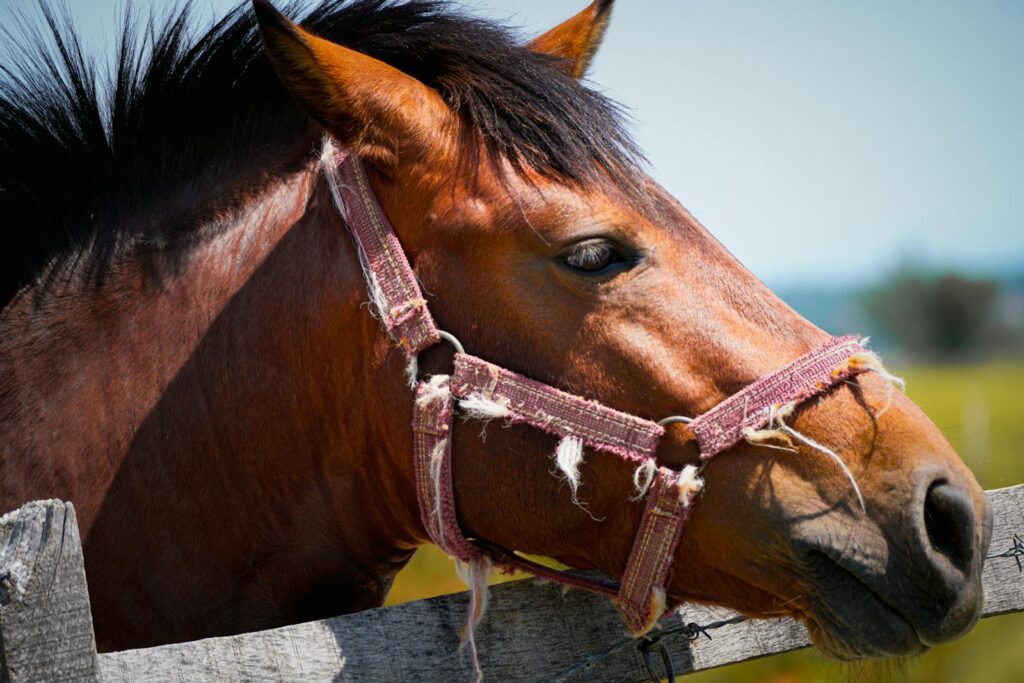
While training horses for barn chores offers numerous benefits, maintaining strict safety protocols remains paramount throughout the process. Always begin training in controlled environments free from distractions, hazards, or other animals that might cause startling reactions. Never ask horses to perform tasks that could risk injury, such as carrying sharp objects or manipulating heavy machinery regardless of their training level. Establish clear boundaries regarding food-related chores to prevent resource guarding or aggressive behaviors around feed. Implement a consistent “emergency stop” command that immediately halts any activity if safety concerns arise, ensuring you maintain control in all situations regardless of the complexity of the task being performed.
Advanced Chore Training for Experienced Horses
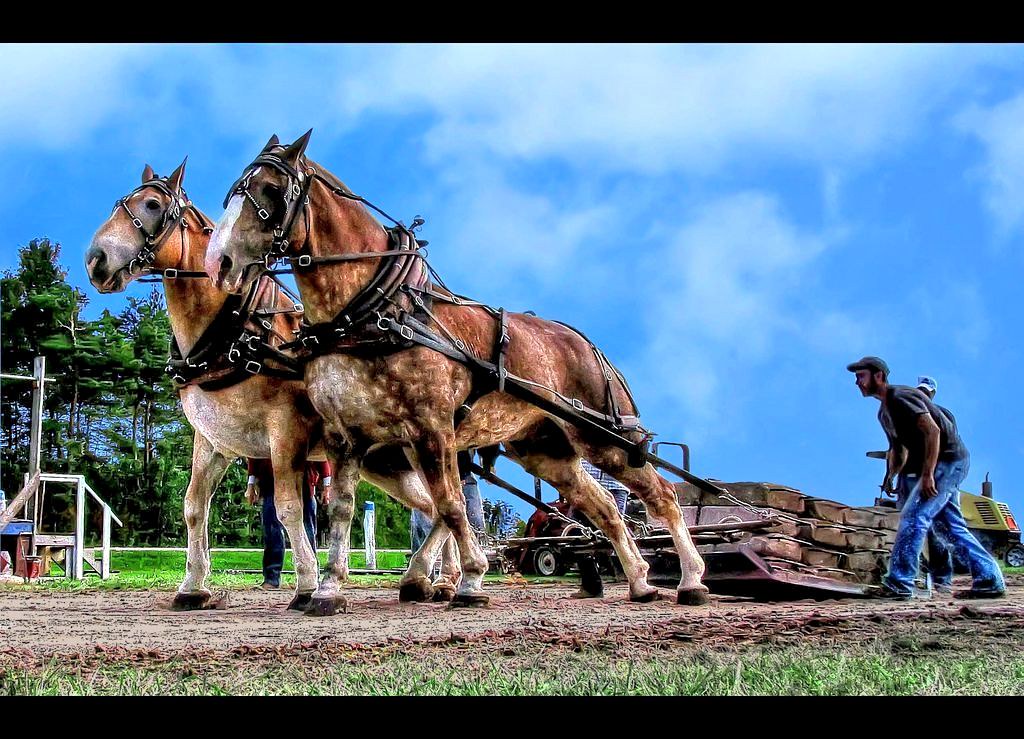
For horses who have mastered basic chore skills, advanced training opens up remarkable possibilities for genuine assistance around the farm. Some exceptionally trained horses can learn to drag lightweight rakes or brushes across even surfaces, helping with basic ground maintenance under close supervision. Target training can be expanded to teach horses to retrieve specific labeled items from organized tack rooms, distinguishing between similar objects based on verbal commands. Liberty-based chore training allows horses to perform sequences of helpful behaviors without physical guidance, operating on verbal cues alone. These advanced skills represent the pinnacle of the human-equine partnership, demonstrating the remarkable cognitive abilities of well-trained horses when given appropriate challenges and consistent guidance.
Integrating Chore Training with Traditional Horsemanship

The principles of chore training complement rather than replace traditional horsemanship practices, creating a more holistic approach to equine education. Many of the skills developed during chore training—such as responsiveness to subtle cues, patience, and problem-solving—directly enhance performance in riding disciplines from dressage to trail riding. Chore training sessions can serve as effective warm-ups before riding, engaging the horse’s mind and establishing focused attention before more physically demanding work. Cross-training between chores and riding keeps horses mentally fresh and prevents the boredom that can develop from excessive repetition of any single type of training. The varied movements involved in chore activities can also improve physical flexibility and body awareness in ways that complement athletic development for performance horses.
Overcoming Common Challenges in Chore Training
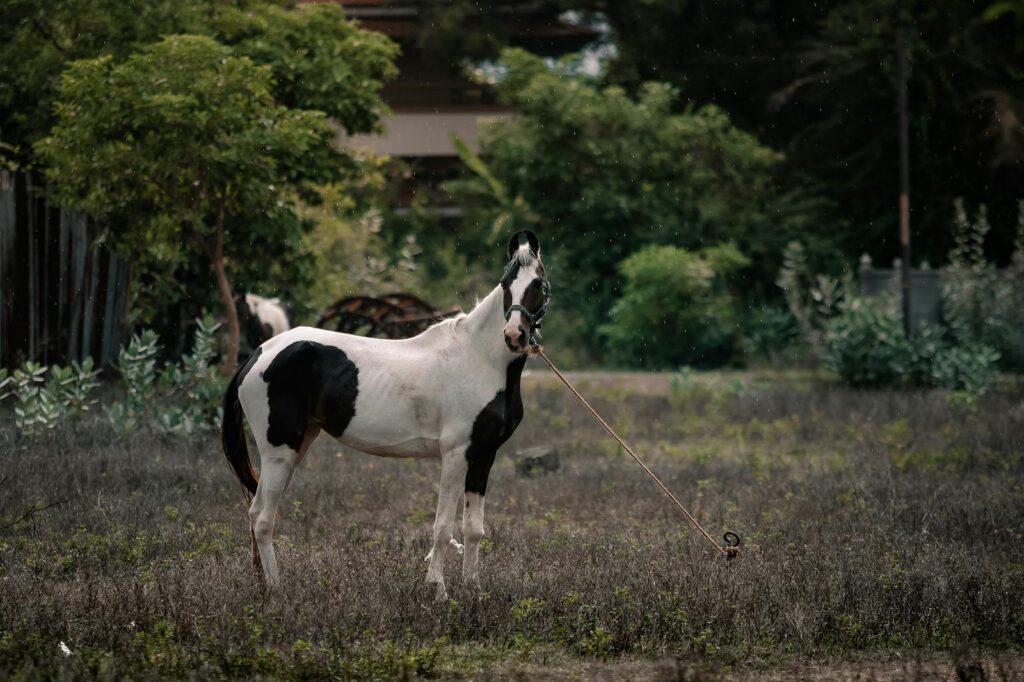
Even the most willing horses may encounter challenges during the chore training process that require patience and creative problem-solving from handlers. For horses showing fear of specific objects or tasks, implement systematic desensitization by gradually introducing the concerning stimulus at a distance and rewarding calm responses. Address motivation issues by identifying rewards that genuinely appeal to your particular horse, recognizing that preferences vary significantly between individuals. When progress plateaus, breaking complex tasks into smaller components often resolves confusion and restores confidence in both horse and handler. For horses that become overly excited during chore activities, implement calming exercises before and during training sessions, such as lowering the head, deep breathing cues, or groundwork patterns that encourage focus.
Celebrating and Sharing Your Horse’s New Skills

Documenting your horse’s development in chore training provides both satisfaction and valuable training references for future skill development. Consider keeping a training journal that tracks progress, successful techniques, and breakthrough moments to inform your ongoing educational approach. Many equestrians find that sharing videos of their horses performing chores on social media not only celebrates these achievements but also inspires and educates other horse owners about these possibilities. Horse expos and demonstrations at local barns can showcase these practical skills while educating the broader community about equine intelligence and trainability. The pride that comes from developing a genuinely helpful equine partner adds another meaningful dimension to horse ownership that extends well beyond traditional riding accomplishments.
conclusion
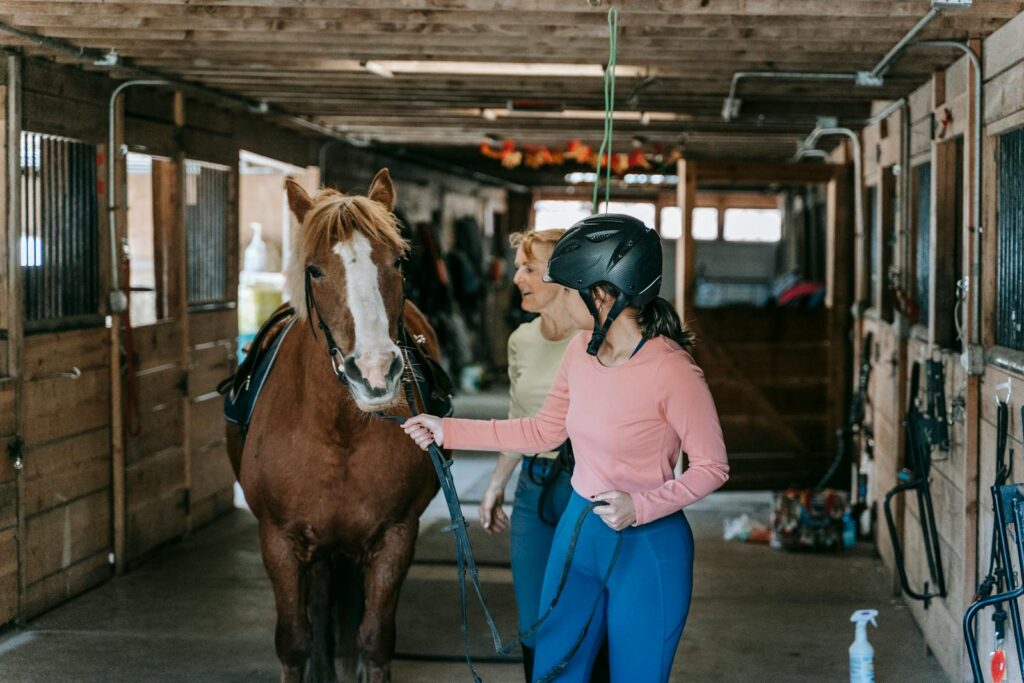
Training your horse to participate in barn chores represents one of the most rewarding and practical extensions of the human-equine relationship. Beyond the obvious time and effort savings these skills can provide, the mental stimulation, enhanced trust, and deeper partnership that develop through collaborative work transform the entire horse ownership experience. With patience, consistency, and a focus on positive reinforcement, nearly any horse can learn to become a helpful partner in daily barn activities. Whether you’re seeking practical assistance, enhanced mental stimulation for your equine friend, or simply a new dimension to your horsemanship journey, chore training offers benefits that extend far beyond the barn aisle, creating a more capable, confident, and connected horse in all aspects of your shared experiences.