Groundwork forms the essential foundation of horsemanship, creating the bridge of communication between horse and human before you ever climb into the saddle. These exercises not only build trust and respect but also establish clear boundaries and expectations that translate directly to improved ridden work. For many experienced equestrians, groundwork isn’t just preliminary training—it’s a lifelong practice that deepens the partnership with their equine companions. Whether you’re working with a young, green horse or refining your relationship with a seasoned mount, mastering these seven fundamental groundwork exercises will transform your horsemanship journey and create a safer, more responsive partner both on the ground and under saddle.
Leading with Respect and Boundaries
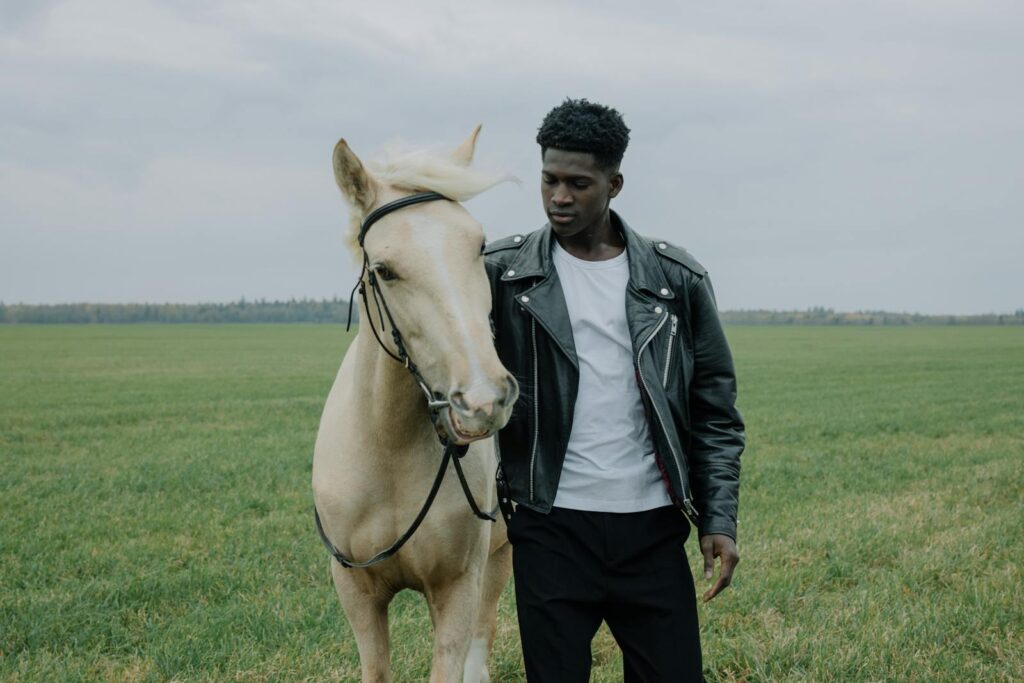
Proper leading techniques establish you as the leader in your horse-human relationship, setting the tone for all other interactions. A well-mannered horse should walk beside you with their shoulder aligned with yours, maintaining a respectful distance without crowding, pulling ahead, or lagging behind. This seemingly simple exercise teaches your horse to respect your personal space while responding to subtle cues like changes in your walking pace, direction, and body language. When a horse learns to match your energy and movements during leading exercises, they’re demonstrating their willingness to follow your leadership—a fundamental aspect of groundwork that directly translates to ridden work. Consistent practice with proper leading techniques builds a foundation of respect that makes all other training more effective and establishes clear boundaries that create a safer horse.
Yielding to Pressure
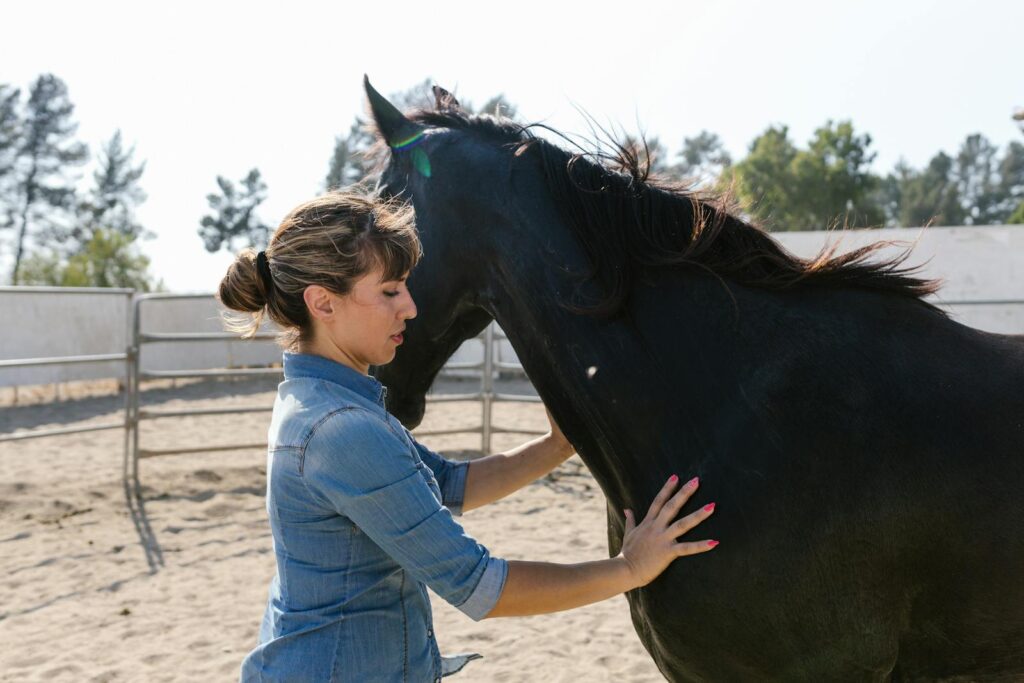
Teaching a horse to yield to pressure is perhaps the most versatile and essential groundwork concept, applicable to almost every interaction you’ll have with your equine partner. This fundamental principle involves applying light pressure to different parts of your horse’s body—shoulder, hindquarters, poll, or mouth—and releasing that pressure the moment they respond correctly by moving away from it. Through this simple cause-and-effect relationship, horses learn to respond to increasingly subtle cues, which becomes the foundation for everything from basic handling to advanced maneuvers under saddle. A horse that understands the concept of yielding will move their hindquarters away when you apply pressure near their flank, step sideways when you press on their shoulder, lower their head when you apply downward pressure on the halter, and generally become more responsive to all handling. This training creates a horse that’s not only easier to manage on the ground but also more receptive to leg, seat, and rein aids when riding.
Lunging for Focus and Response
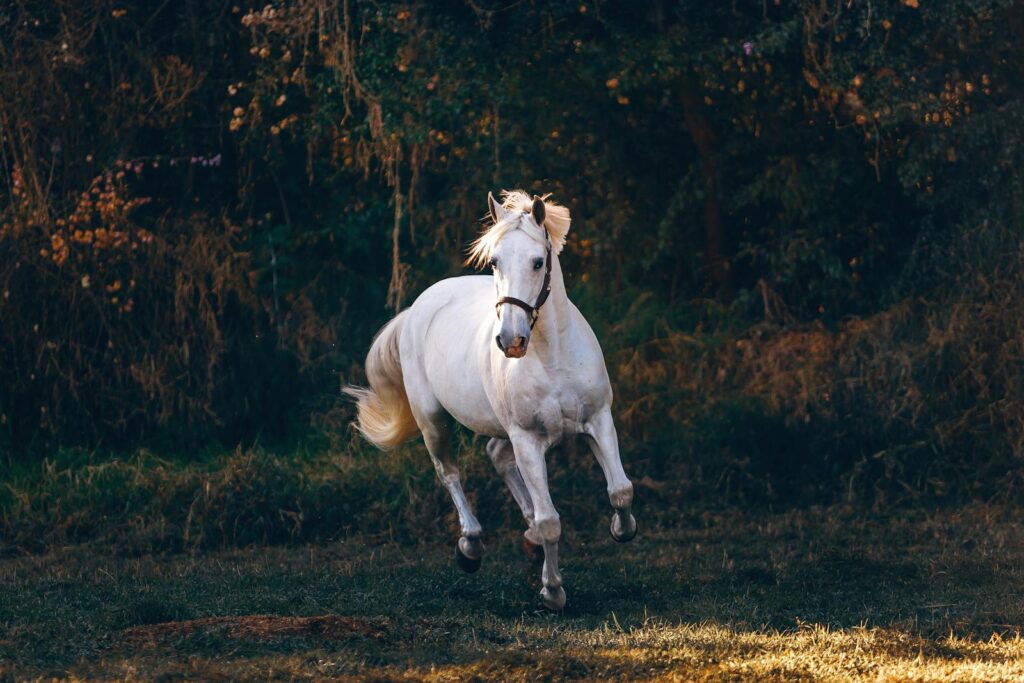
Lunging is far more than just a way to exercise or “get the bucks out” before riding—it’s a sophisticated communication system that teaches horses to respond to your body language, voice commands, and directional cues. Proper lunging establishes you at the center of the horse’s attention, asking them to maintain a consistent gait, rhythm, and distance while remaining responsive to your signals for transitions and direction changes. Through this work, horses learn to balance themselves without rider support while developing greater body awareness and control. The benefits extend beyond physical conditioning to include mental focus, with horses learning to pay attention to their handler despite distractions—a skill that transfers directly to under-saddle work. When done correctly with proper equipment and technique, lunging becomes a cornerstone of groundwork that improves everything from a horse’s responsiveness to their overall athletic development.
Desensitization Training

Systematic desensitization helps horses overcome their natural flight response to unfamiliar objects, sounds, and situations, creating a safer and more confident equine partner. This groundwork involves gradually introducing potentially frightening stimuli in a controlled, progressive manner that allows the horse to learn that these “scary” things are actually harmless. From flags and tarps to clippers and trailers, desensitization training teaches horses to approach new experiences with curiosity rather than fear. The process requires patience and consistency, with the handler introducing stimuli at a level the horse can tolerate, then slowly increasing intensity as the horse shows signs of relaxation and acceptance. Beyond the practical safety benefits, desensitization develops a horse’s problem-solving abilities and builds trust in their handler as someone who won’t put them in genuinely dangerous situations. A well-desensitized horse becomes a more reliable partner in varied environments, from trail rides with unexpected wildlife to busy show grounds with flapping tents and loudspeakers.
Ground Tying and Patience Work

Ground tying—training a horse to remain stationary without being physically secured to a fixed object—cultivates mental discipline and self-control that extends to all aspects of horsemanship. This valuable skill begins with teaching the horse to stand quietly while you hold the lead rope, gradually progressing to dropping the rope entirely while the horse maintains position. A properly ground-tied horse will remain in place even as you walk around them, move away, or perform various activities nearby, demonstrating remarkable self-discipline and trust in your leadership. The practice builds what trainers often call “patience muscles,” helping horses overcome their instinctive need for constant movement and teaching them to manage their own anxiety. The benefits of ground tying extend far beyond the convenience factor—horses that master this skill typically show improved focus during riding, stand better for mounting, and display greater overall mental composure in challenging situations.
Backing Exercises for Respect and Collection
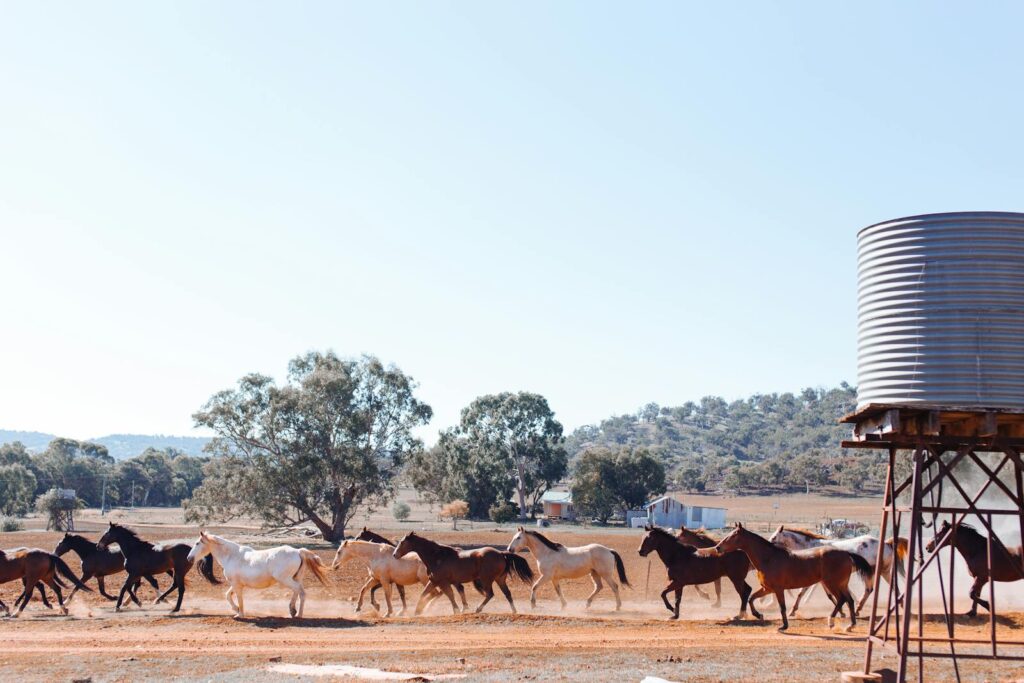
Backing exercises provide some of the most valuable groundwork for developing respect, responsiveness, and proper body mechanics in horses of all disciplines. When a horse learns to step backward with rhythmic, balanced steps in response to light pressure cues, they’re developing muscles that support collection under saddle while also reinforcing their respect for the handler’s personal space. Proper backing involves the horse moving backward with their head slightly lowered, neck rounded, and hind legs stepping well underneath their body—the very position that facilitates collection during ridden work. These exercises can be performed with increasingly subtle cues, progressing from physical pressure on the chest or halter to response from a simple hand gesture or body position. Advanced backing variations include backing in circles, backing through obstacles, or backing with precision between ground poles, all of which develop greater body awareness and responsiveness. Beyond the physical benefits, backing exercises remind horses that moving away from the handler is sometimes the correct response, reinforcing the concept of yielding to pressure in a practical application.
Liberty Work for Communication and Partnership
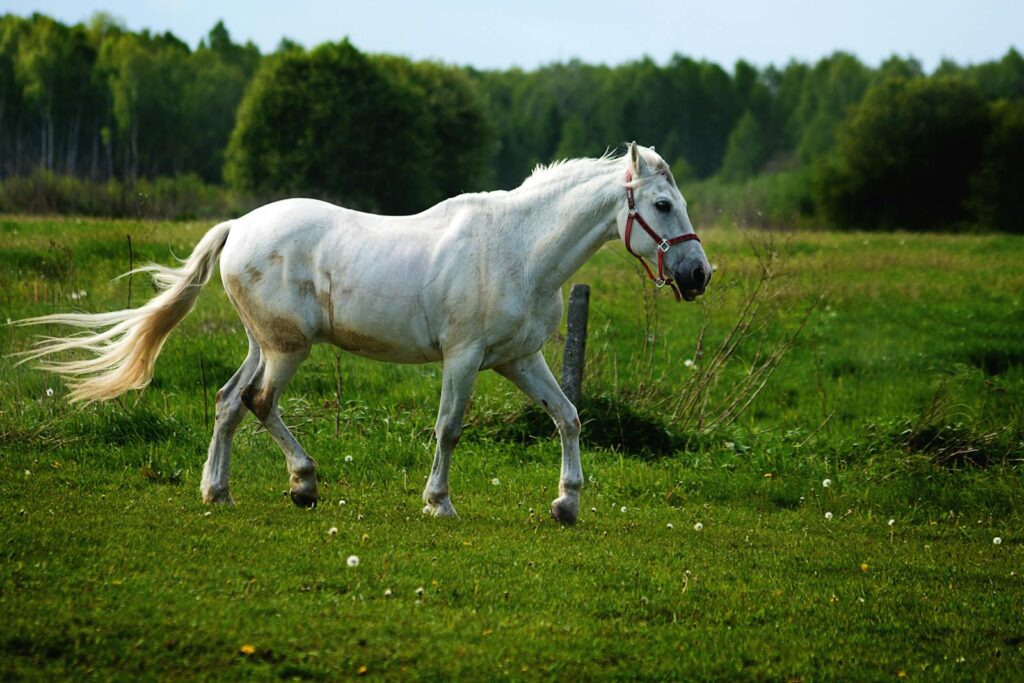
Liberty work—training without ropes, halters, or physical restraints—represents the ultimate refinement of groundwork, where horse and handler communicate through body language alone. This advanced form of groundwork requires establishing such clear communication and mutual trust that your horse chooses to follow your directions without physical connection. Beginning with simple exercises like having your horse follow you around an arena at various gaits, liberty work can progress to complex maneuvers including transitions, changes of direction, and even jumping or lateral movements, all performed without physical aids. The freedom of liberty work often reveals the true nature of your relationship with your horse—whether they genuinely understand and respect your leadership or simply comply when physically constrained. For many horses, these sessions become profoundly engaging, as they tap into the natural herd dynamics that govern equine social structures and communication. Besides strengthening your bond, liberty work heightens your awareness of subtle body language cues, making you a more effective communicator both on the ground and in the saddle.
The Importance of Consistency in Groundwork

Consistency forms the bedrock of effective groundwork, creating clear expectations that allow horses to understand and anticipate appropriate responses. Horses thrive on routine and predictability, learning fastest when the same cues consistently produce the same results, regardless of the handler’s mood, the environment, or the day’s particular challenges. This consistency extends beyond cues to include boundaries—allowing a horse to invade your space occasionally sends mixed messages that undermine all your careful training. Even experienced handlers must remain vigilant about maintaining consistent standards, as horses quickly detect and exploit inconsistencies in handling. The benefits of consistency become particularly evident when multiple people handle the same horse, as uniformity in approach prevents confusion and frustration for the animal. With groundwork especially, establishing firm, fair, and consistent expectations creates a horse that feels secure in understanding exactly what constitutes acceptable behavior, leading to confidence and willing cooperation rather than anxiety about changing rules.
Reading Your Horse’s Body Language During Groundwork
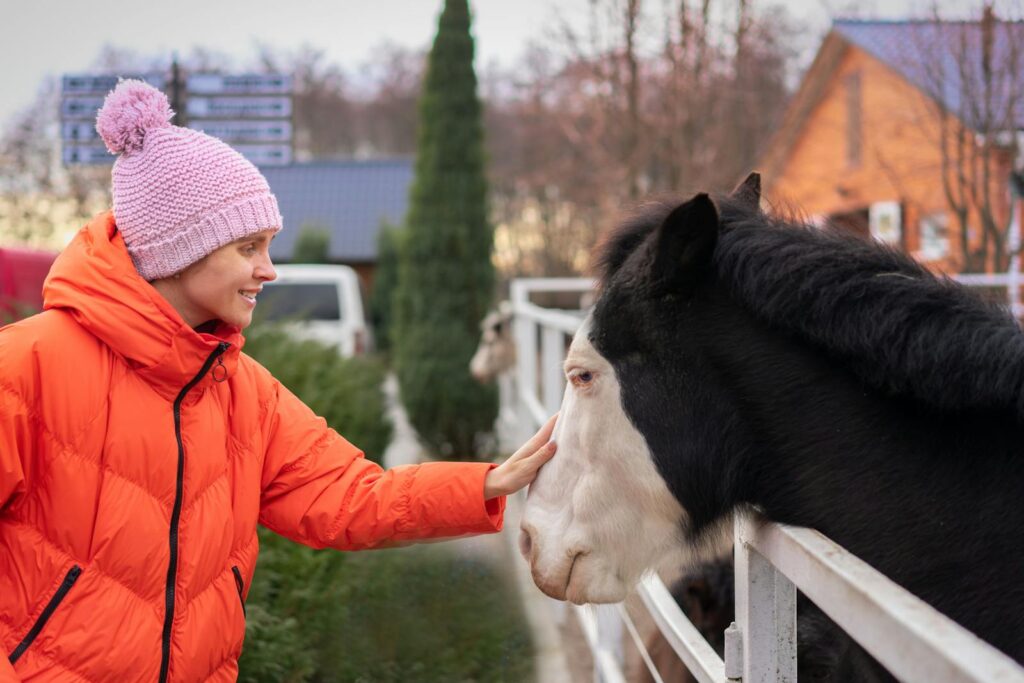
Interpreting your horse’s subtle body language signals during groundwork provides invaluable feedback about their mental state, level of understanding, and physical comfort with the exercises. An attentive ear, relaxed jaw, soft eye, and rhythmic breathing typically indicate a horse that’s mentally engaged and comfortable with the work, while pinned ears, a swishing tail, or braced posture might signal tension, confusion, or discomfort that needs addressing. Learning to recognize the earliest signs of resistance or stress—perhaps a slight tension around the eye or a momentary hesitation—allows you to adjust your approach before the horse becomes overwhelmed. Equally important is recognizing the subtle signs of a horse processing new information, such as licking and chewing, blinking, or lowering the head, which often indicate they’re mentally assimilating what you’re teaching. By developing this two-way communication system through body language, you create a feedback loop that allows you to pace your training appropriately and respond to your horse’s needs rather than simply imposing your agenda.
Incorporating Groundwork into Your Regular Routine

Integrating groundwork into your regular horse care routine transforms these exercises from occasional training sessions to an ongoing conversation that strengthens your partnership daily. Even brief five-minute sessions incorporated into your grooming routine—perhaps asking for yielding of the hindquarters before entering the stall, or practicing standing quietly during tacking up—reinforce expectations and maintain progress without requiring dedicated training time. Many experienced horsemen begin every interaction with groundwork fundamentals, checking their horse’s responsiveness and mental focus before proceeding to riding or other activities. For horses in full training, alternating days of ridden work with groundwork-only sessions provides mental variety and physical recovery while still advancing their education. The consistency of regular groundwork becomes particularly valuable during layups or rehabilitation periods, maintaining the horse’s training and mental engagement when riding isn’t possible. By viewing groundwork as an integral part of horsemanship rather than merely preparation for riding, you develop a more resilient, well-rounded relationship that enhances all aspects of your horse’s performance and behavior.
Problem-Solving Through Groundwork

Groundwork provides the ideal platform for addressing behavioral issues and training challenges before they escalate or become dangerous under saddle. When a horse develops problematic behaviors like rushing, balking, or crowding, returning to fundamental groundwork exercises often resolves these issues more effectively than confronting them directly while mounted. This problem-solving approach works because groundwork allows you to isolate specific responses and address them in a controlled environment where both horse and handler remain safer. For instance, a horse that rushes through transitions under saddle might benefit from careful transition work on the lunge line, while one that resists leg pressure might need more yielding exercises from the ground. Skilled trainers recognize that resistance or behavioral problems typically indicate gaps in understanding or confidence rather than deliberate disobedience, and groundwork provides the communication tools to address these gaps. By systematically identifying and addressing problem areas through targeted groundwork, you build a more solid foundation that prevents issues from recurring, rather than simply managing symptoms once they appear.
Advancing Your Groundwork Skills
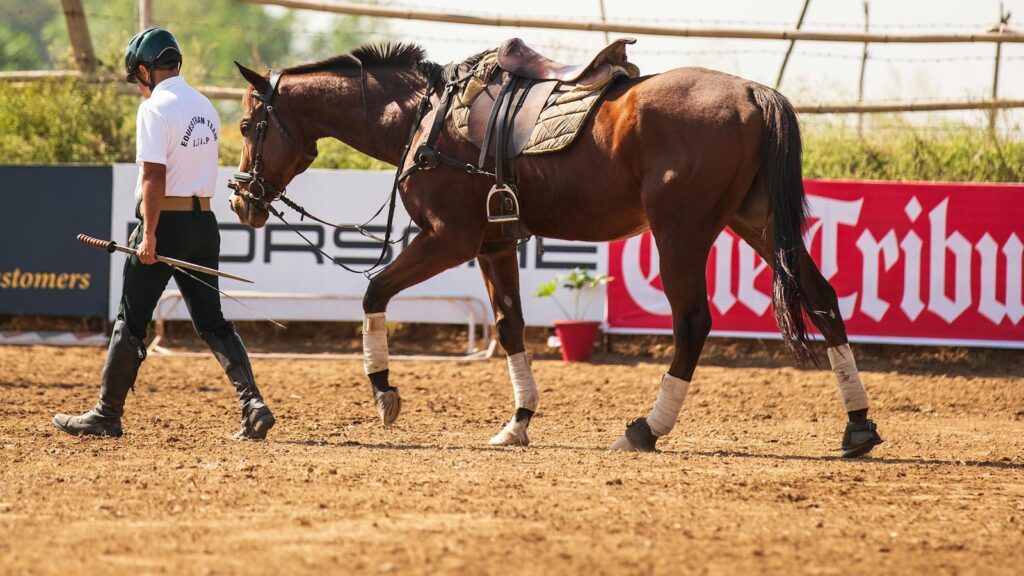
As your horsemanship journey progresses, groundwork can evolve from basic handling to sophisticated communication that rivals the complexity and precision of advanced riding. Techniques like long-lining (ground-driving) introduce many of the concepts of ridden work without the rider’s weight, allowing horses to develop balance and responsiveness to rein aids while handlers perfect their timing and feel. Advanced liberty work might incorporate Spanish walk, piaffe, passage, or other classical movements performed through the subtle influence of body position and energy rather than physical contact. For those interested in natural horsemanship, techniques like working at liberty in round pens or practicing join-up methods develop remarkable partnership and communication. Even traditional disciplines benefit from advanced groundwork, with in-hand work being integral to classical dressage training and showmanship patterns requiring precise control and presentation from the ground. As with any skill, the journey of groundwork mastery never truly ends—there are always refinements to make, subtleties to discover, and deeper levels of communication to explore with your equine partner.
conclusion
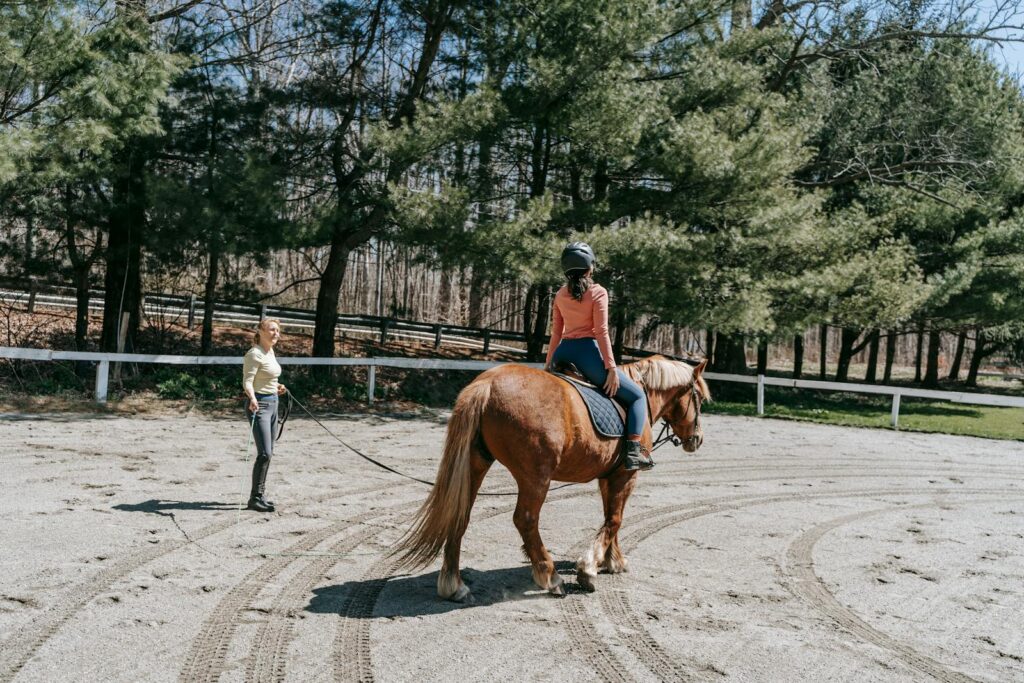
Mastering these seven fundamental groundwork exercises creates the foundation for a lifetime of successful horsemanship. The time invested on the ground pays tremendous dividends once you’re in the saddle, developing a horse that’s respectful, responsive, and mentally engaged in their work. More than just training techniques, these groundwork principles establish a language between horse and human that transcends the mechanical aspects of riding to create true partnership. Whether you’re starting a young horse, rehabilitating one with behavioral issues, or simply deepening your connection with a trusted mount, consistent, thoughtful groundwork remains the cornerstone of equestrian success. By making these exercises a regular part of your routine, you’ll develop not only a better-trained horse but also the handling skills, timing, and feel that distinguish exceptional horsemen and horsewomen.