
Whether you’re a track and field athlete struggling with hurdles, a basketball player whose vertical leap has plateaued, or a fitness enthusiast trying to master box jumps, few athletic challenges are as frustrating as when your jumping technique suddenly refuses to cooperate. That magical combination of power, timing, and body control that once seemed effortless can mysteriously vanish, leaving athletes confused and discouraged. This phenomenon isn’t just physical—it’s a complex interplay of biomechanics, psychology, and training methodology that affects athletes at all levels. In this comprehensive guide, we’ll explore the reasons behind jumping technique breakdowns, solutions to overcome them, and strategies to rebuild your confidence and capabilities when your body seems to have forgotten how to leave the ground.
Recognizing When Your Jumping Technique Is Failing

Before you can fix a problem, you need to accurately identify when your jumping technique is truly malfunctioning rather than experiencing normal performance fluctuations. The most obvious sign is a measurable decrease in jump height or distance that persists across multiple training sessions or competitions. You might also notice changes in your takeoff mechanics, such as inconsistent foot placement, premature weight shifts, or improper arm positioning during the jumping motion. Athletes often report feeling “disconnected” from their bodies during the movement or experiencing a mental block when approaching jumps they previously completed with ease. These technical breakdowns typically go beyond simple fatigue and represent a fundamental disruption in the motor patterns that control efficient jumping mechanics.
The Psychological Impact of Jumping Regression
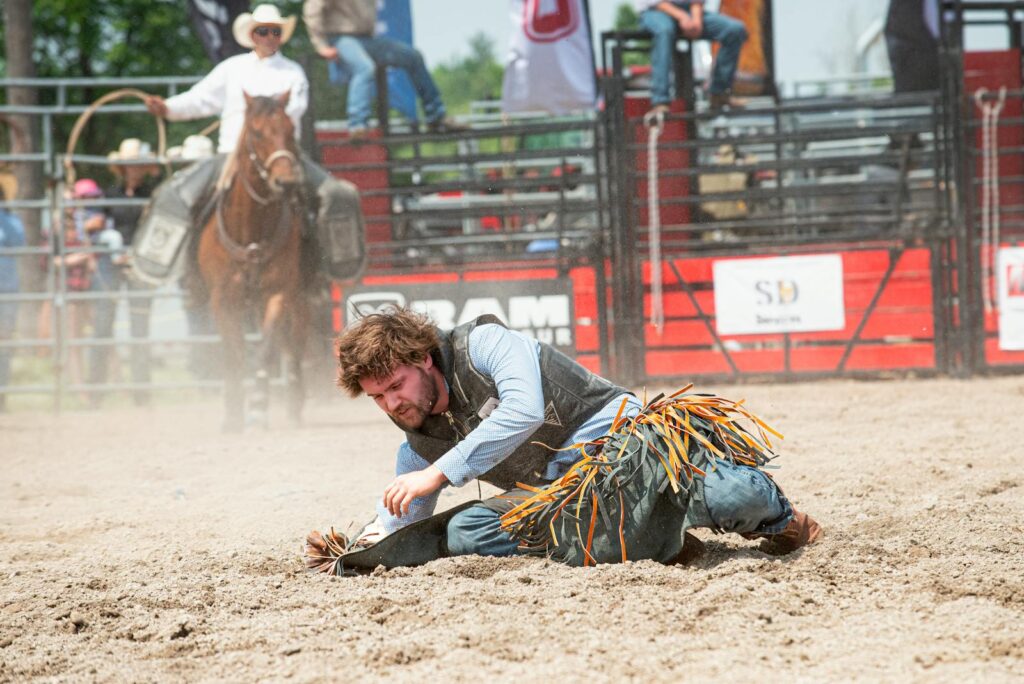
When your jumping ability deteriorates, the psychological consequences can be as debilitating as the physical limitations. Athletes often experience a crisis of confidence that creates a destructive cycle: poor performance leads to anxiety, which further impairs technique and reinforces negative expectations. This phenomenon, sometimes called “the yips” in sports psychology, can transform a previously automatic movement into an overthought, self-conscious action fraught with hesitation. The frustration can be particularly acute because jumping is such a fundamental athletic movement that seems like it should be simple. Left unchecked, these psychological barriers can lead to performance anxiety that spreads to other aspects of your sport or training regimen, making the technical breakdown even more difficult to isolate and address.
Common Biomechanical Causes of Jumping Problems

Many jumping technique failures stem from underlying biomechanical issues that disrupt the kinetic chain responsible for generating and transferring force from the ground through your body. Ankle mobility restrictions can prevent proper dorsiflexion during the loading phase, compromising your ability to store and release elastic energy. Hip function is equally critical, as limitations in hip extension can reduce your ability to generate power through the posterior chain. Asymmetries between right and left sides often go unnoticed until they manifest as technique problems, with one side compensating for weaknesses in the other. Even subtle changes in core stability can dramatically alter your jumping mechanics by preventing efficient force transfer between the lower and upper body during the explosive movement.
Overtraining and Its Effect on Jumping Performance

Excessive training volume without adequate recovery is a silent killer of jumping performance that athletes frequently overlook. The plyometric nature of jumping places tremendous stress on your neuromuscular system, requiring significant recovery time between intense sessions. Central nervous system fatigue can appear as technique deterioration even when muscles don’t feel particularly tired, creating confusion about the root cause. The accumulation of micro-trauma in tendons, particularly in the Achilles, patellar, and hip flexor regions, can alter your movement patterns as your body subconsciously attempts to avoid pain or discomfort. Most critically, the elastic qualities of muscles and tendons that enable efficient jumping depend on proper recovery, with overtraining potentially reducing their capacity to store and release energy during the stretch-shortening cycle that powers explosive movements.
Technical Flaws That Develop Over Time
Even experienced athletes can develop technical flaws that gradually undermine jumping performance. The most common issue is a shift toward quadriceps dominance at the expense of proper posterior chain engagement, resulting in a jumping pattern that relies too heavily on knee extension rather than the more powerful hip drive. Arm coordination problems frequently develop as athletes focus exclusively on leg power, forgetting that synchronized arm swing contributes significantly to vertical jump height. Improper gaze and head position can throw off your entire body alignment, particularly in running jumps where visual tracking is essential. These technical flaws often develop incrementally over months or years, making them difficult to self-diagnose until they reach a critical threshold where performance noticeably suffers.
Nutrition and Hydration Factors in Jump Performance

The relationship between nutrition and jumping ability extends far beyond general fueling strategies for athletics. Explosive power output depends heavily on adequate glycogen stores, making carbohydrate timing and intake particularly important for jump-intensive training sessions. Chronic mild dehydration can reduce the elasticity of connective tissues while compromising the nervous system’s ability to recruit muscle fibers efficiently during explosive movements. Electrolyte balance plays a crucial role in neuromuscular function, with imbalances potentially leading to subtle changes in muscle contraction timing that disrupt coordinated jumping mechanics. Athletes focused on weight management should be particularly cautious, as aggressive caloric restriction can deplete energy availability for explosive movements long before it affects endurance capacity, creating a situation where jumping technique deteriorates while other performance metrics remain stable.
Resetting Your Jump Mechanics Through Regression

When jumping technique breaks down completely, returning to foundational movements can rebuild proper motor patterns from the ground up. Start with simple vertical jumps from a static position, focusing exclusively on proper takeoff and landing mechanics without concerning yourself with height or distance. Progress to jumping and landing on slightly elevated surfaces where the reduced height requirement allows for greater attention to technical execution. Video analysis becomes especially valuable during this phase, providing objective feedback about movement patterns that might feel correct but contain subtle flaws. The regression process requires patience and humility, as athletes must temporarily accept reduced performance metrics while rebuilding the movement foundation that will ultimately allow them to surpass previous capabilities.
Strength Training Interventions for Jump Recovery

Strategic strength training can address specific weaknesses contributing to jumping technique breakdowns. Posterior chain development through exercises like Romanian deadlifts, hip thrusts, and Nordic hamstring curls can restore proper force production capabilities in athletes who have become quadriceps-dominant. Unilateral training becomes essential for identifying and correcting side-to-side asymmetries that may be compromising jump mechanics. Targeted ankle strengthening through exercises like tibialis raises and soleus work can improve the critical ankle stiffness required for efficient force transfer during takeoff. The timing of strength interventions requires careful planning, as heavy strength work can temporarily interfere with jump performance before ultimately enhancing it, creating confusion for athletes trying to monitor their technique recovery.
Mobility Work to Unlock Jumping Potential

Mobility restrictions frequently underlie jumping technique problems, particularly in athletes who have focused exclusively on strength development. Ankle dorsiflexion limitations prevent proper loading during the countermovement phase of jumping, essentially reducing the “spring” in your step regardless of raw power output. Hip flexor tightness restricts full hip extension, which is critical for maximum force production in the late phase of takeoff. Thoracic spine mobility impacts arm swing mechanics and overall postural alignment during the jump preparation and execution. Rather than general stretching, effective mobility interventions should focus on active ranges of motion that mirror the specific positions encountered during jumping movements, training the nervous system to allow greater freedom of movement under load and at speed.
Mental Techniques to Overcome Jumping Blocks

Psychological interventions can be as important as physical training when jumping technique refuses to cooperate. Visualization practices that mentally rehearse successful jumps help reinforce proper motor patterns and build confidence, particularly when performed from both internal (first-person) and external (observer) perspectives. Mindfulness techniques during training can combat the overthinking that frequently accompanies technique breakdowns, helping athletes return to the flow state where movements happen automatically. Implementing pre-jump routines creates consistency and reduces anxiety by providing familiar reference points before each attempt. For severe mental blocks, techniques like cognitive behavioral therapy specifically adapted for sports performance can help break the negative thought patterns that perpetuate technique problems.
The Role of Proper Equipment and Surfaces
Environmental factors can significantly influence jumping technique, sometimes creating problems that appear technique-related but actually stem from external conditions. Footwear selection dramatically impacts jump mechanics, with excessive cushioning potentially reducing proprioceptive feedback and force transmission while minimalist options may provide insufficient impact protection for high-volume training. Surface characteristics affect everything from takeoff strategy to landing mechanics, with harder surfaces requiring greater eccentric control and softer surfaces altering power transfer dynamics. Equipment degradation over time can create subtle changes in feedback that gradually alter technique—worn shoes lose their energy return properties, and training surfaces compress or harden with use. Athletes should systematically evaluate these external factors when troubleshooting persistent jumping technique issues, particularly when problems emerged following equipment or environment changes.
When to Seek Professional Intervention

While self-diagnosis and correction work for many jumping technique issues, certain situations warrant professional assistance. Persistent pain during or after jumping attempts suggests potential injury that requires medical evaluation before technique work can proceed effectively. Performance plateaus lasting more than 6-8 weeks despite consistent training indicate the need for expert movement assessment from a sports performance specialist or qualified coach. Psychological blocks that create fear or anxiety around jumping movements may benefit from sports psychology consultation, particularly when they begin affecting other aspects of training or competition. The ideal professional intervention often involves a multidisciplinary approach, with medical, coaching, and psychological support working together to address the interwoven physical and mental aspects of jumping technique dysfunction.
Creating a Progressive Return to Peak Jumping
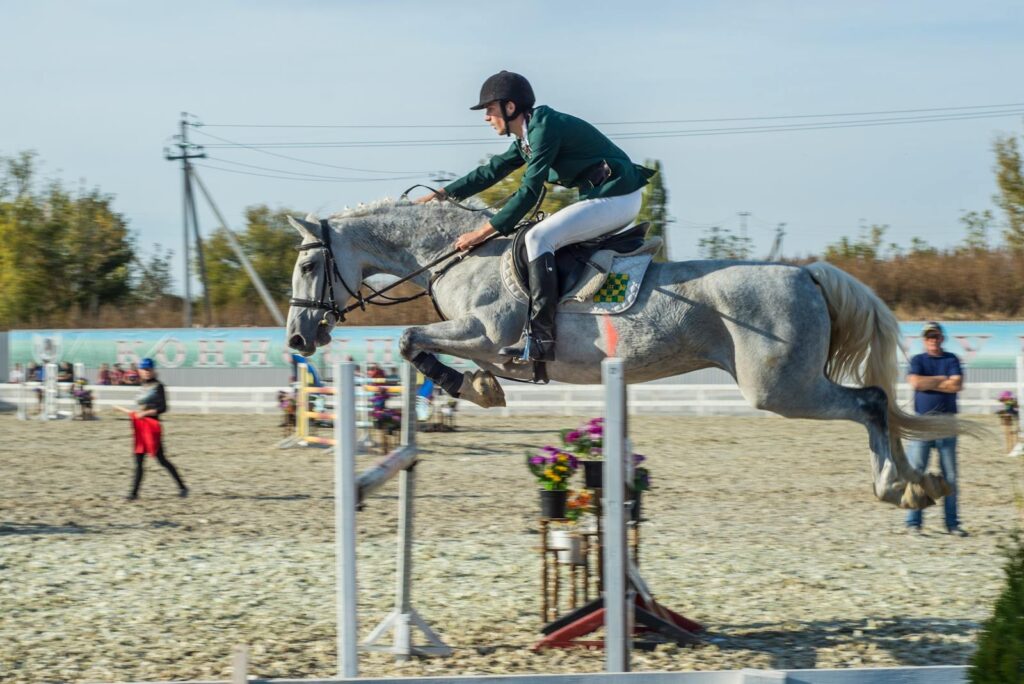
Recovering peak jumping performance requires a methodical progression that balances technical work with appropriate physical loading. Begin with movement quality focus in low-intensity, low-volume sessions that emphasize perfect execution over performance metrics. Gradually introduce variable practice conditions that challenge technique stability across different contexts, such as jumping from various approaches or over different obstacles. Implement objective testing protocols at regular intervals to measure progress while avoiding the trap of daily performance monitoring that can create discouraging fluctuations. The return to peak jumping should follow a wave-like progression rather than a linear path, with planned deload periods preventing the reemergence of technical breakdowns due to fatigue. Throughout this process, maintaining detailed training logs helps identify which interventions produce the most significant improvements in your specific situation.
conclusion
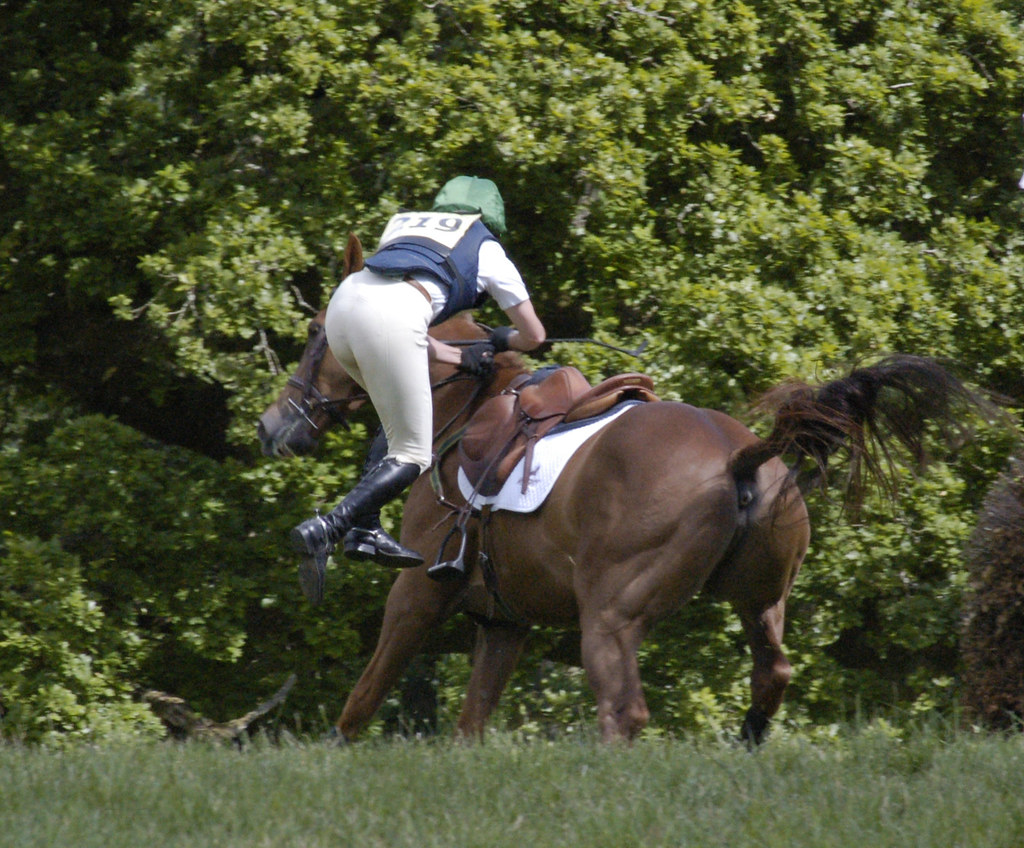
When your jumping technique refuses to cooperate, remember that the path back to peak performance rarely follows a straight line. The combination of physiological, biomechanical, and psychological factors that contribute to jumping ability requires a holistic approach to troubleshooting and recovery. By systematically addressing each potential limitation—from strength and mobility deficits to mental blocks and equipment issues—you can rebuild not just your jumping technique but a more resilient athletic foundation. The process demands patience and methodical work, but athletes who navigate this challenge successfully often discover insights about movement and performance that serve them well beyond resolving their immediate technique problems. With proper analysis, targeted interventions, and consistent practice, your jumping technique can not only return to its previous level but potentially reach new heights.