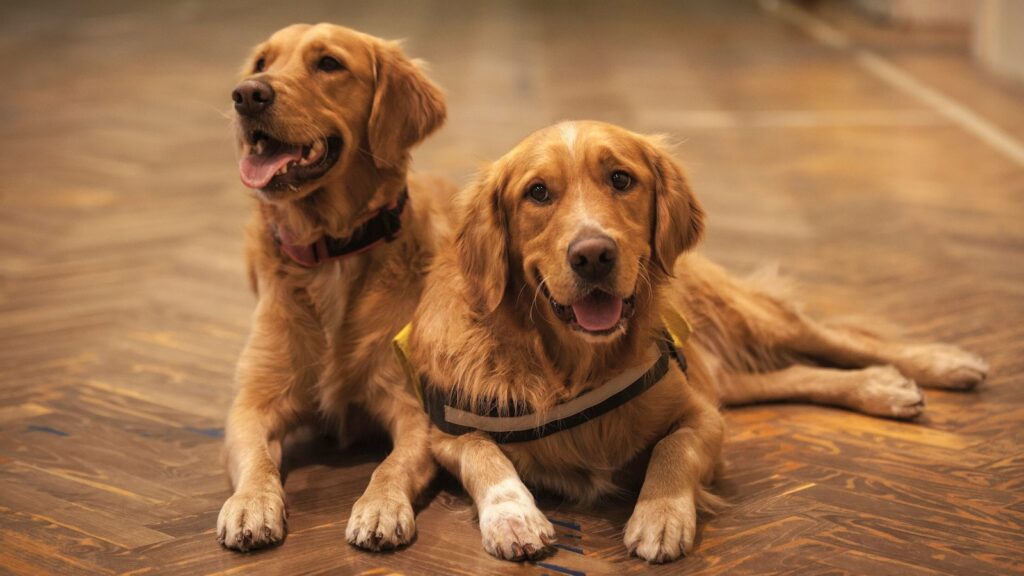
Most dog lovers are familiar with popular breeds like Golden Retrievers, German Shepherds, and Labrador Retrievers. However, the canine world is remarkably diverse, with hundreds of breeds that remain largely unknown to the general public. These rare breeds often carry fascinating histories, unique physical characteristics, and special temperaments that make them truly extraordinary companions. From ancient lineages that have served alongside humans for millennia to recently developed breeds with specialized skills, these lesser-known canines deserve recognition for their remarkable qualities. Let’s explore some of the world’s most unusual and uncommon dog breeds, uncovering hidden facts that might just inspire you to look beyond the familiar next time you’re considering a four-legged friend.
The Norwegian Lundehund: Six-Toed Puffin Hunter
The Norwegian Lundehund stands out as perhaps one of the most anatomically unique dogs in existence, with physical adaptations found in no other breed. Most remarkably, these dogs possess six fully functioning toes on each foot, providing exceptional grip when climbing the steep cliffs of northern Norway where they traditionally hunted puffin birds. Their extraordinary flexibility allows them to bend their head backward along their own spine and spread their front legs completely to the side at a 90-degree angle to their body—adaptations that helped them navigate narrow cliff crevices. Lundehunds can also close their ear canals at will, protecting them from dirt and moisture while squeezing into tight spaces. Unfortunately, this ancient breed nearly went extinct during World War II, with only six individuals remaining, making today’s population of several hundred worldwide all descendants of this tiny genetic pool.
The New Guinea Singing Dog: Wild Canine With Vocal Talents
New Guinea Singing Dogs possess one of the most unusual vocalizations in the canine world, producing a melodic howl that rises and falls in pitch like a whale song. Native to the highlands of Papua New Guinea, these dogs were once thought extinct in the wild until researchers confirmed wild populations still exist in remote regions. Their distinctive fox-like appearance is complemented by extraordinary physical capabilities, including the ability to rotate their heads almost 180 degrees and climb trees with cat-like agility. Unlike most domesticated dogs, Singing Dogs only breed once annually and maintain many wild behaviors, making them challenging companions rather than typical pets. Conservation efforts remain crucial for this living link to the earliest dog domestication, as pure specimens number only a few hundred worldwide.
The Catalburun: Split-Nosed Hunting Hound
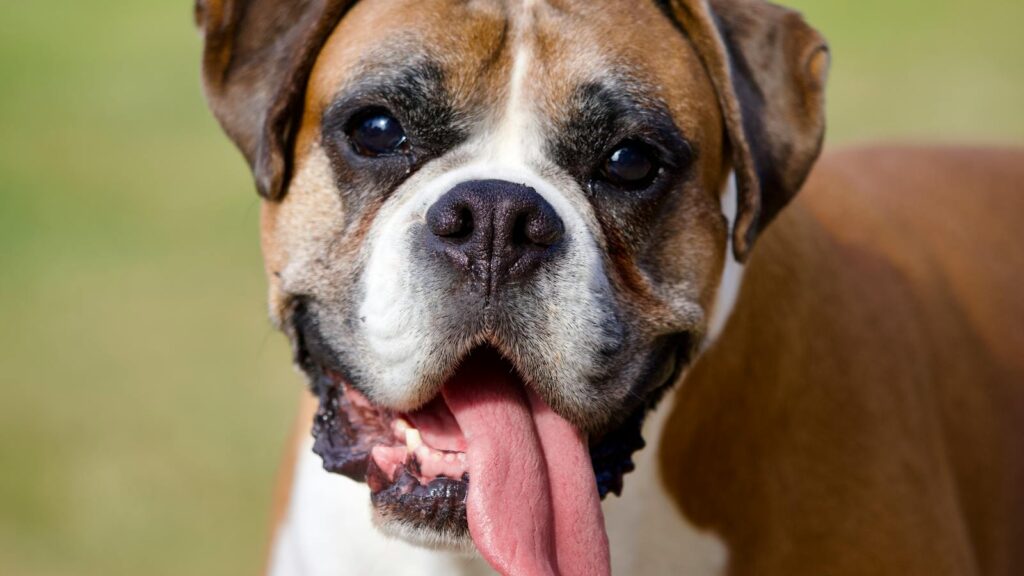
The Turkish Catalburun is immediately recognizable by its entirely unique split nose—the only dog breed in the world with this distinctive bifurcated nasal structure. This rare anatomical feature is believed to enhance their already exceptional scenting abilities, making them prized hunting dogs in their native Turkey. Historically used for hunting partridge and rabbits, the Catalburun’s unusual nose structure results from careful selective breeding rather than being a natural mutation. With fewer than 200 purebred specimens estimated to exist today, they remain virtually unknown outside their homeland where they’re treasured as living cultural heritage. The breed’s limited genetic pool has raised significant conservation concerns, with efforts underway to preserve this distinctive canine while avoiding the health issues associated with inbreeding.
The Azawakh: Desert Sighthound of the Sahel
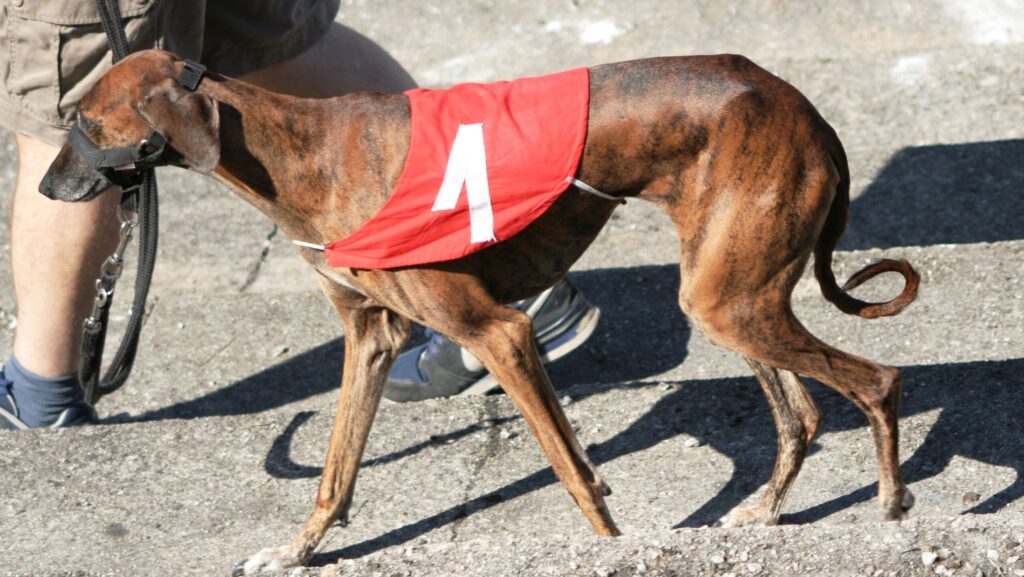
The Azawakh may appear severely underweight to the untrained eye, but this ancient sighthound’s ultra-lean physique represents perfect adaptation to the harsh Saharan environment. Originally bred by nomadic tribes in the Sahel region spanning Mali, Niger, and Burkina Faso, these dogs traditionally served as guardians and hunting companions capable of pursuing gazelle in blistering desert heat. Unlike most domestic dogs, Azawakhs have visible hip bones, pronounced vertebrae, and minimal body fat—features that maximize heat dissipation in their native climate where temperatures regularly exceed 105°F. Their cultural importance extends beyond utility, as the Tuareg and other nomadic peoples consider these dogs family members who sleep inside their tents and receive the same care as children. Despite their recent recognition by major kennel clubs, true Azawakhs remain exceedingly rare outside Africa, with enthusiasts working to preserve their remarkable desert adaptations.
The Thai Ridgeback: Ancient Breed With a Spinal Twist

The Thai Ridgeback belongs to the extremely small group of dogs that naturally develop a ridge of hair growing in the opposite direction along their spine, sharing this trait only with the Rhodesian and Cambodian Ridgebacks. Archaeological evidence suggests these dogs have remained largely unchanged for over 3,000 years, partially due to Thailand’s geographic isolation and limited transportation infrastructure until the mid-20th century. These athletic, primitive dogs historically served as all-purpose guardians, hunting companions, and even pulled carts in their native Thailand. Perhaps most remarkably, Thai Ridgebacks possess a nearly reptilian characteristic—many individuals have blue-black tongues and extra-elastic skin that doesn’t tear easily, traits that helped them survive confrontations with cobras, which they were often tasked with hunting. With only about 1,000 registered purebreds worldwide, encountering one outside Southeast Asia remains an exceptional rarity.
The Otterhound: Endangered Amphibious Trackers
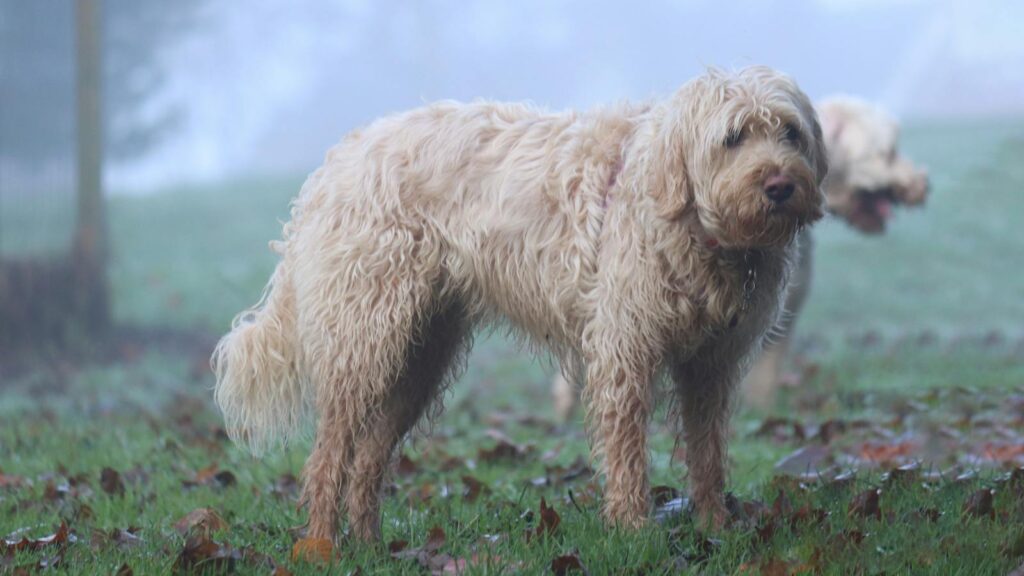
The shaggy Otterhound possesses a combination of traits found in no other breed—webbed feet for swimming, a rough double coat that repels water, and one of the strongest scenting abilities in the canine world. Originally developed in medieval England to hunt otters (a practice now banned), these dogs can track scent trails through water and mud for up to 72 hours, even following scents underwater. Their boisterous personality and resonant voice—described as a deep, melodious baying—made them favorites of several British monarchs throughout history. Despite this royal patronage, the Otterhound now faces extinction with fewer than 800 purebred dogs remaining globally, making them rarer than giant pandas and one of the most endangered native British breeds. Conservation efforts focus on expanding genetic diversity while preserving their remarkable amphibious abilities and good-natured temperament.
The Mudi: Hungarian Multi-Tasker
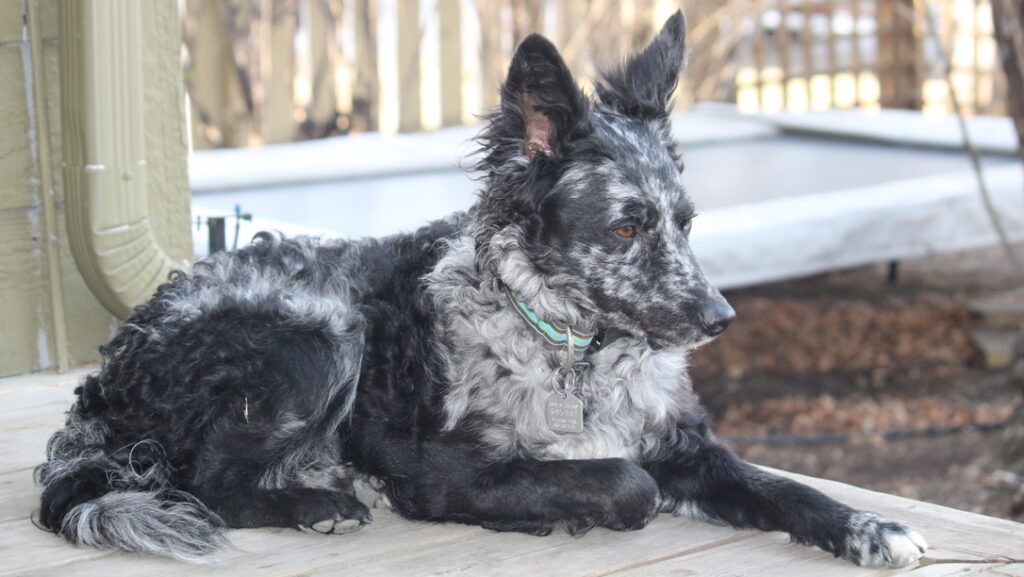
The Mudi represents one of Hungary’s best-kept canine secrets, a versatile herding dog capable of managing livestock ranging from the smallest poultry to stubborn cattle and pigs. These medium-sized, curly-coated dogs evolved naturally rather than through deliberate breeding programs, developing their remarkable intelligence and problem-solving abilities through generations of practical farm work. Perhaps most unusual is their method of controlling cattle, where they climb and run along the backs of livestock to maintain control of the herd—a technique no other herding breed employs. Mudik (the plural form) display extraordinary versatility beyond herding, excelling in disciplines from search and rescue to competitive dog sports and even truffle hunting thanks to their keen scenting abilities. Despite their remarkable talents, fewer than 10,000 exist worldwide, with most remaining in their native Hungary where they’re considered national treasures.
The Carolina Dog: America’s Indigenous Canine
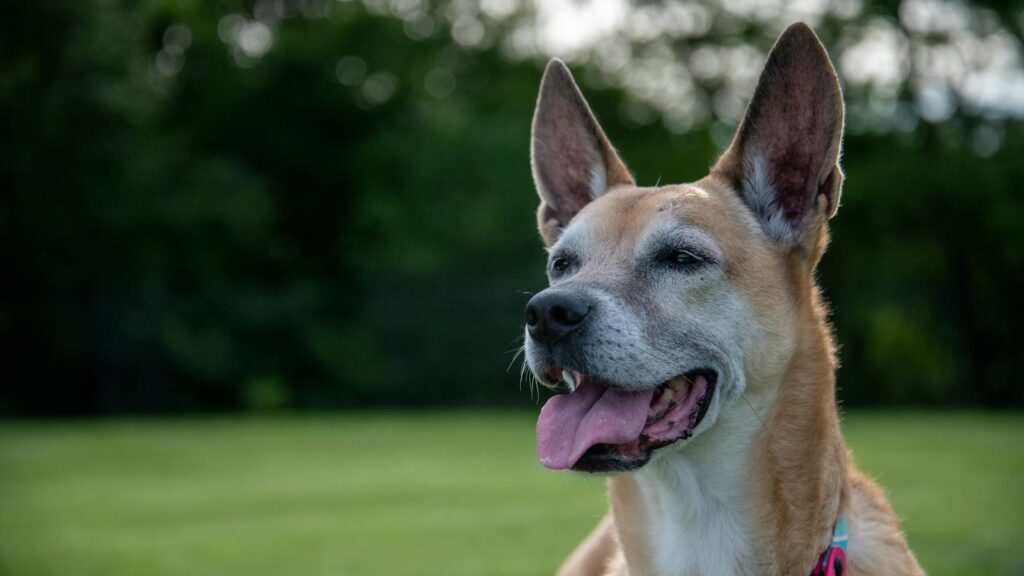
Carolina Dogs represent a zoological marvel—a primitive dog breed that developed independently in North America without human breeding intervention. Often called “American Dingoes,” these wild-living dogs were discovered in isolated southern swamps and forests in the 1970s, displaying physical characteristics and behaviors virtually identical to Australia’s wild dingoes and other primitive dogs from Asia. Genetic testing has revealed these dogs retain DNA markers connecting them to the earliest canine migrants that crossed the Bering land bridge with human settlers thousands of years ago. Perhaps their most unusual behavior is their unique hunting strategy—Carolina Dogs dig distinctive snout pits in specific patterns to trap small prey, a technique not observed in other domestic breeds. Though now kept as companions by some enthusiasts, many Carolina Dogs continue to live free in isolated southern regions, maintaining the same primitive traits that helped their ancestors survive for millennia.
The Lagotto Romagnolo: Truffle-Hunting Specialists
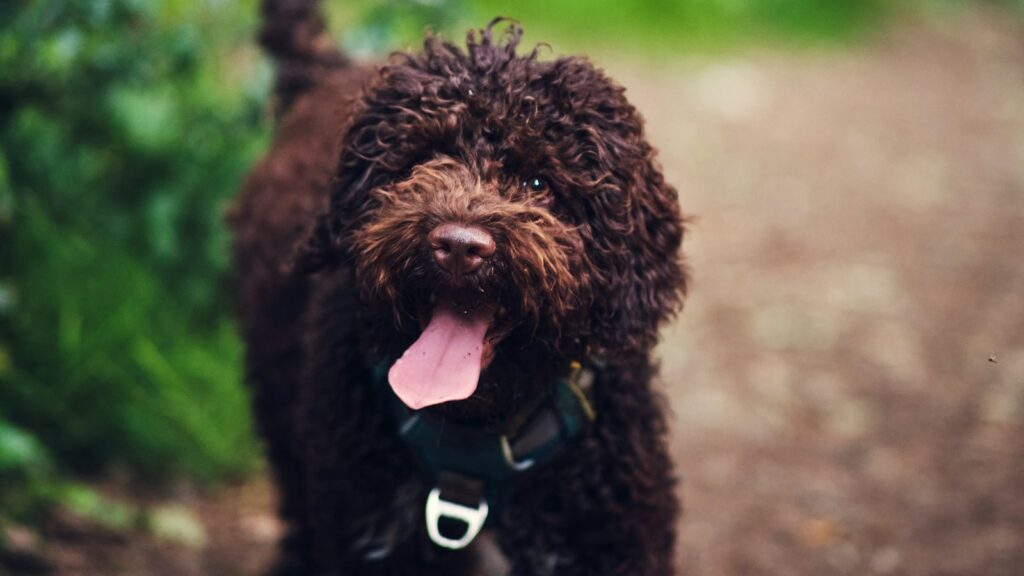
The curly-coated Lagotto Romagnolo is the world’s only dog breed specifically developed for truffle hunting, possessing an extraordinary nose that can detect the pungent fungus growing several feet underground. Originally water retrievers in the marshlands of Romagna, Italy, these dogs transitioned to truffle hunting when the wetlands were drained in the 19th century. Their unique ability to differentiate the scent of valuable truffles from other fungi has made them invaluable in an industry where premium specimens can sell for thousands of dollars per pound. Remarkably, studies have shown that Lagottos possess a genetic predisposition to ignore potential distractions like small game animals when pursuing truffles—a trait deliberately enhanced through centuries of selective breeding. Despite their growing popularity as companions, a properly trained Lagotto represents a significant investment, with skilled truffle dogs commanding prices up to €10,000 in their native Italy due to their earning potential.
The Pumi: Whiskered Hungarian Herder
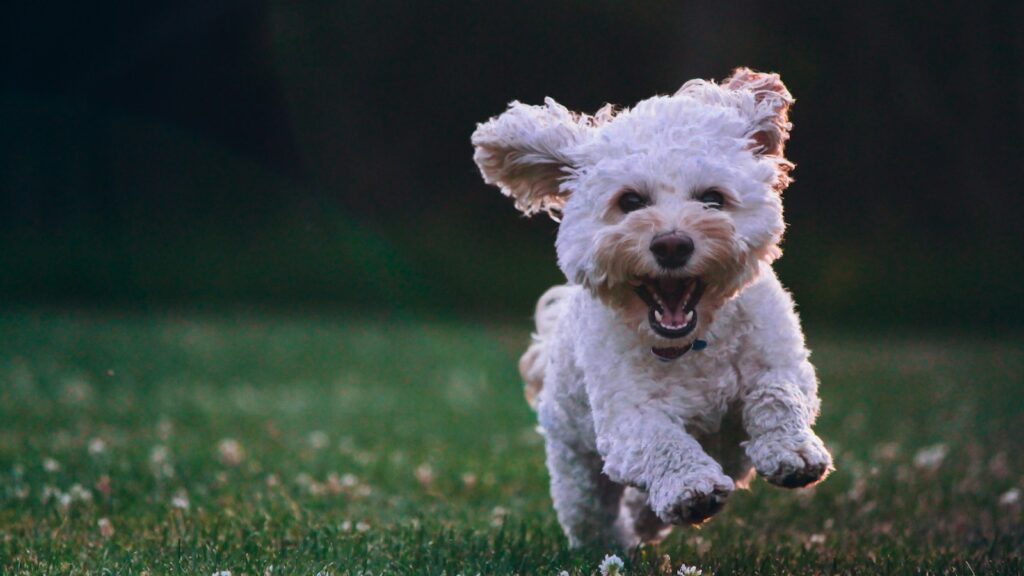
The Pumi’s most distinctive feature is its unique coat, which forms corkscrew-like curls creating a whimsical appearance accentuated by partly erect ears tipped with longer hair that give them an alert, expressive face. This Hungarian herding breed evolved to manage stubborn livestock by using a specialized technique of quick movements, short barks, and rapid direction changes that effectively control animals without aggression or nipping. Unlike most herding breeds, Pumik (the plural form) were developed specifically to work independently at great distances from their handlers, making complex decisions without guidance—a trait that translates to remarkable problem-solving abilities as companions. Their most unusual characteristic may be their extraordinary jumping ability, with Pumik capable of vertical leaps over six feet from a standing position, developed through generations of needing to monitor scattered livestock over tall vegetation. Despite recent recognition by major kennel clubs, fewer than 10,000 exist worldwide.
The Chinook: New Hampshire’s Sled Dog Legacy
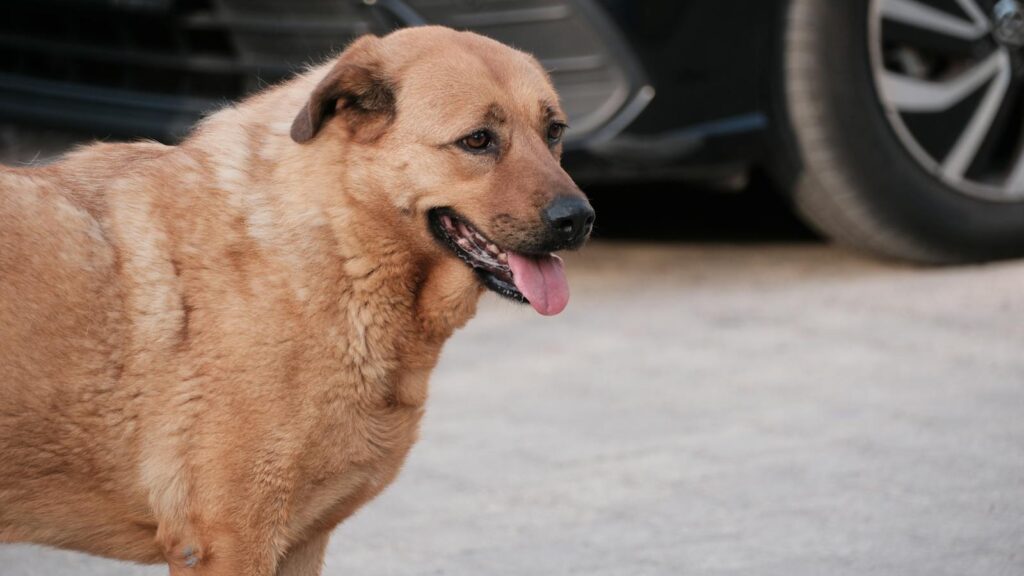
The Chinook holds the distinction of being the only dog breed developed in New Hampshire, created by polar explorer Arthur Walden who sought the perfect sled dog combining the strength of freighting breeds with the speed of racing huskies. These powerful dogs are distinguished by their uniquely expressive faces with upright ears that change position to communicate precise emotions—a trait rarely seen in working breeds. Most remarkably, Chinooks have a historical connection to polar exploration, as their foundation sire (also named Chinook) accompanied Admiral Byrd’s 1927 Antarctica expedition. The breed came perilously close to extinction in the 1980s when only 11 breeding dogs remained worldwide, earning them the dubious honor of being listed in the Guinness Book of World Records as the rarest dog breed. Through dedicated conservation efforts, their numbers have slowly increased, though they remain uncommon with fewer than 1,000 registered dogs worldwide.
The Stabyhoun: Versatile Dutch Rarity
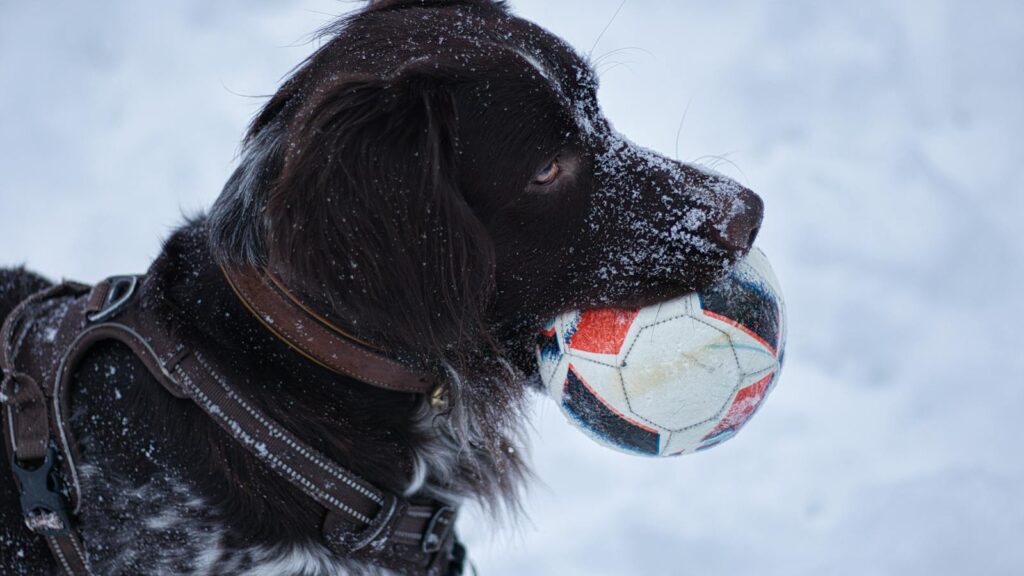
The Stabyhoun represents one of the Netherlands’ rarest national treasures, with a global population of fewer than 7,000 dogs, most still located in their native Friesland region. These versatile farm dogs were developed by Frisian farmers who needed a single breed that could hunt, guard, and eradicate vermin while being economical to maintain—creating what enthusiasts call a “do-it-all” breed with exceptional versatility. Unlike most hunting breeds, Stabyhouns have the remarkable ability to “point” at birds while remaining completely silent, a specialized trait that made them valuable to hunters with limited ammunition who needed precise targeting. Perhaps most unusual is their historical working relationship with another rare Dutch breed, the Wetterhoun, with the two breeds traditionally complementing each other’s skills on Frisian farms despite their vastly different temperaments. The breed’s name reflects their steadfast nature, as “Stabyhoun” translates to “stand by me dog,” referencing their unwavering loyalty and calm demeanor.
The Xoloitzcuintli: Ancient Hairless Healers
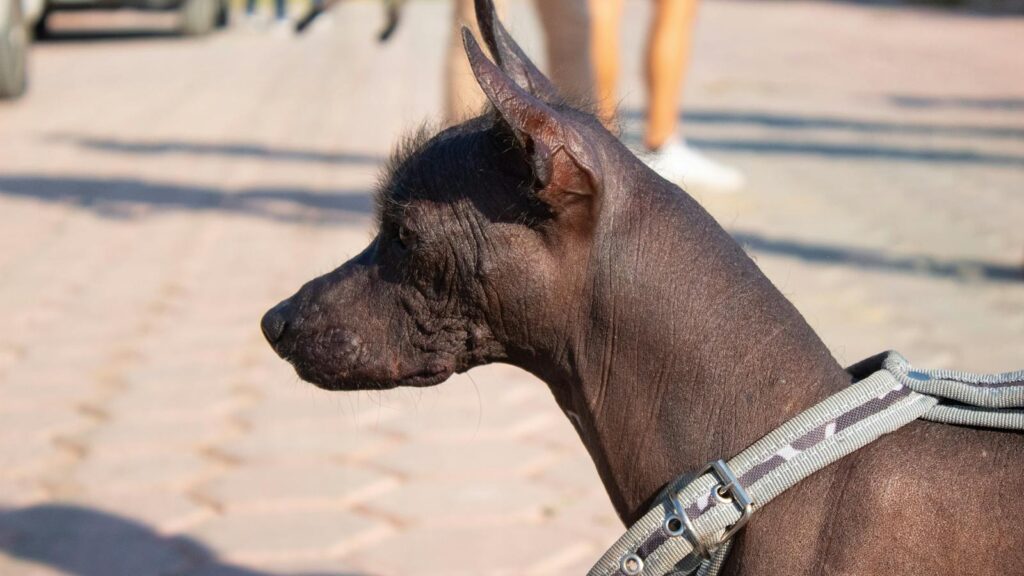
The Xoloitzcuintli (pronounced “show-low-eetz-QUEENT-lee”) stands as one of the world’s oldest and rarest dog breeds, with archaeological evidence confirming their existence in Mexico for over 3,000 years. These distinctive dogs, often simply called “Xolos,” were considered sacred by the Aztecs, who believed they guided souls through the underworld and named them after the Aztec god Xolotl. Most fascinating is their traditional use as living heating pads—their hairless bodies maintain a temperature of approximately 104°F, and for centuries they’ve been placed against suffering humans to alleviate everything from arthritis to asthma, a practice still employed in some remote Mexican villages. The breed’s hairlessness results from a genetic mutation that affects not just their coat but also their dentition, with most Xolos having incomplete sets of teeth—a characteristic that historically identified purebred specimens. Despite nearly facing extinction in the 20th century, dedicated conservation efforts have secured their future, though they remain uncommon outside Mexico.
Preserving Canine Diversity for Future Generations
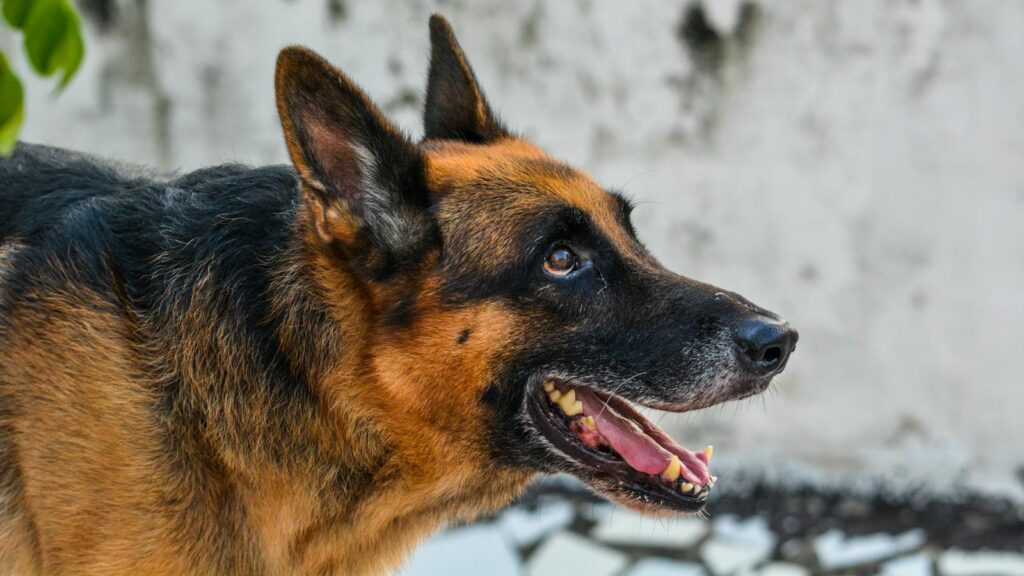
These extraordinary rare breeds represent just a fraction of the canine diversity that exists beyond familiar breeds. Each carries unique genetic traits, specialized abilities, and cultural significance worth preserving. Many face uncertain futures due to small population sizes, limited genetic diversity, or changing human needs that have rendered their traditional roles obsolete. Conservation efforts for these living cultural treasures extend beyond mere sentiment—they preserve genetic diversity crucial for the health of all dogs and maintain working abilities developed over centuries that may still prove valuable in unexpected ways. By learning about these exceptional breeds, we gain a deeper appreciation for the remarkable relationship between humans and dogs that spans cultures and millennia, reminding us that there’s much more to the canine world than what we commonly see in our neighborhoods and dog parks.