Horseback riding is often romanticized in movies and literature as an intuitive experience where a person simply hops on and gallops away into the sunset. This portrayal, however, couldn’t be further from reality. Riding without proper training is not only dangerous for the rider but can also be harmful to the horse. Whether you’re considering riding for the first time or contemplating skipping formal lessons, understanding the consequences of riding without training is essential for both human and equine safety.
The Physical Risks to Untrained Riders
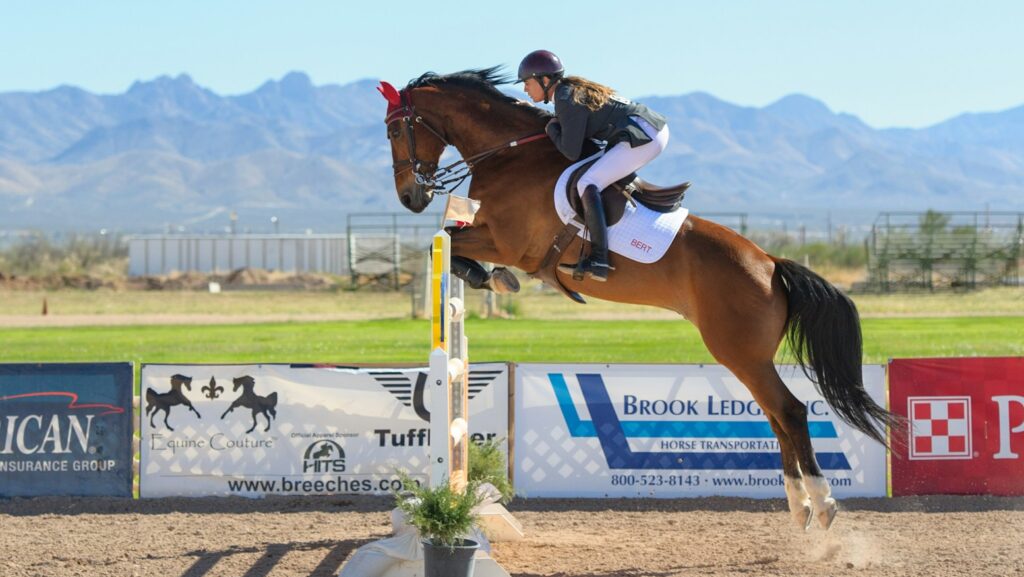
Riding a horse without training exposes the rider to significant physical risks. When untrained riders mount a horse, they lack the proper posture and balance techniques needed to stay secure in the saddle. Falls from horseback can occur from heights of 5-6 feet, potentially resulting in broken bones, concussions, or more severe injuries. According to the American Medical Equestrian Association, head injuries constitute about 20% of all horseback riding injuries, and they’re often the most serious. Without knowledge of how to properly position your body or react to a horse’s movements, even a gentle horse can become dangerous if startled or confused by a rider’s improper cues.
Impact on Horse Health and Wellbeing
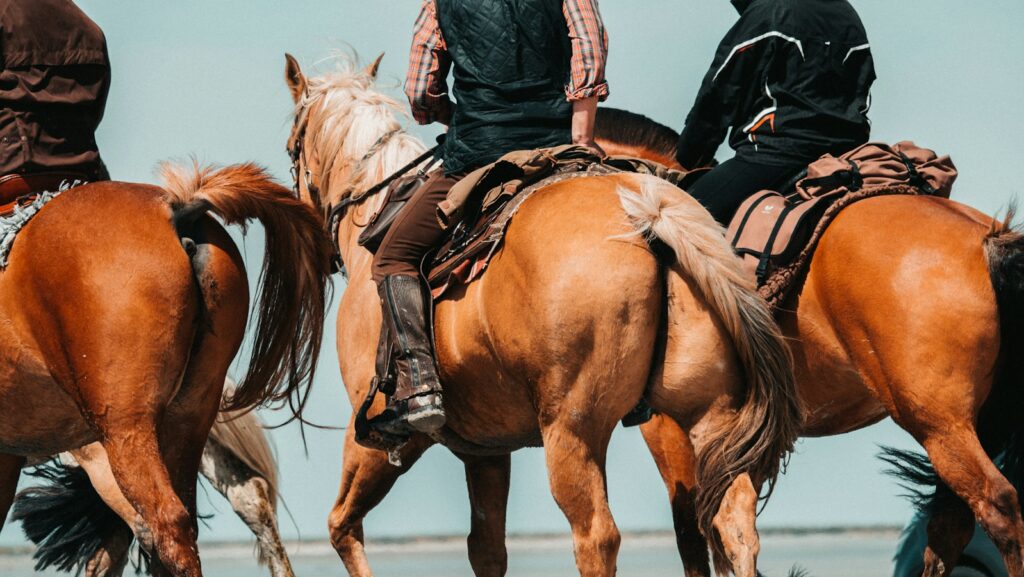
Horses suffer physical consequences when ridden by untrained individuals. Improper weight distribution from a rider who doesn’t know how to balance can cause back pain and muscle soreness in horses. Incorrect use of reins may damage a horse’s sensitive mouth, potentially causing lasting trauma to soft tissues. Poorly timed or confusing cues can lead to behavioral issues and stress in horses, sometimes resulting in lasting psychological harm. Many professional trainers report spending significant time rehabilitating horses that have developed defensive behaviors after experiences with untrained riders.
Communication Barriers and Misunderstandings
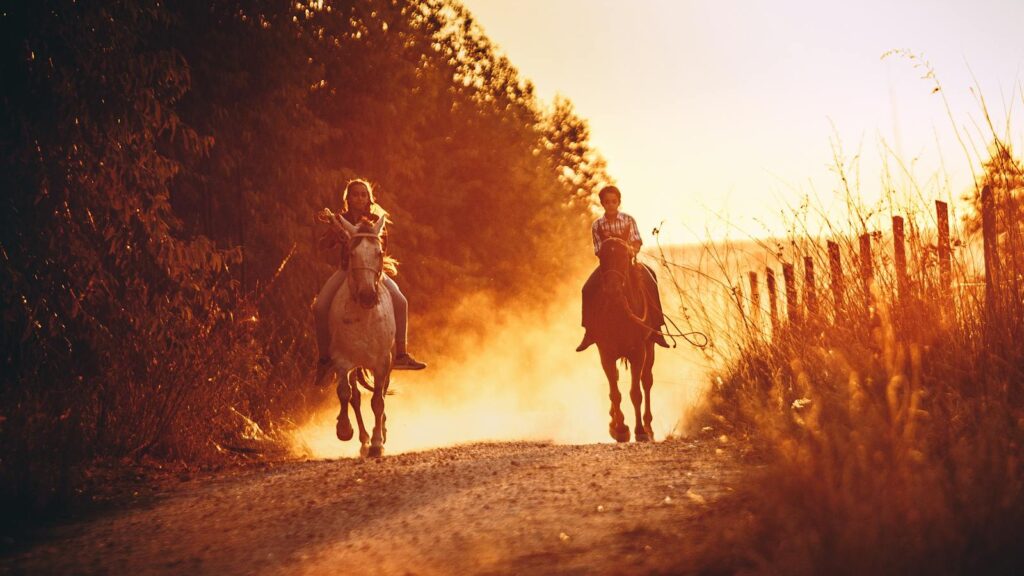
Horseback riding is fundamentally about communication between horse and rider. Without training, riders lack understanding of the subtle language used to communicate with horses. Trained riders learn specific techniques for using their legs, seat, hands, and voice to convey clear messages to their equine partners. Misunderstood signals can lead to confusion for the horse, potentially triggering unpredictable responses or resistance. This communication gap not only makes the ride unproductive but can also develop into a trust issue between horse and human, requiring extensive remedial training to correct.
Dangerous Escalation Scenarios
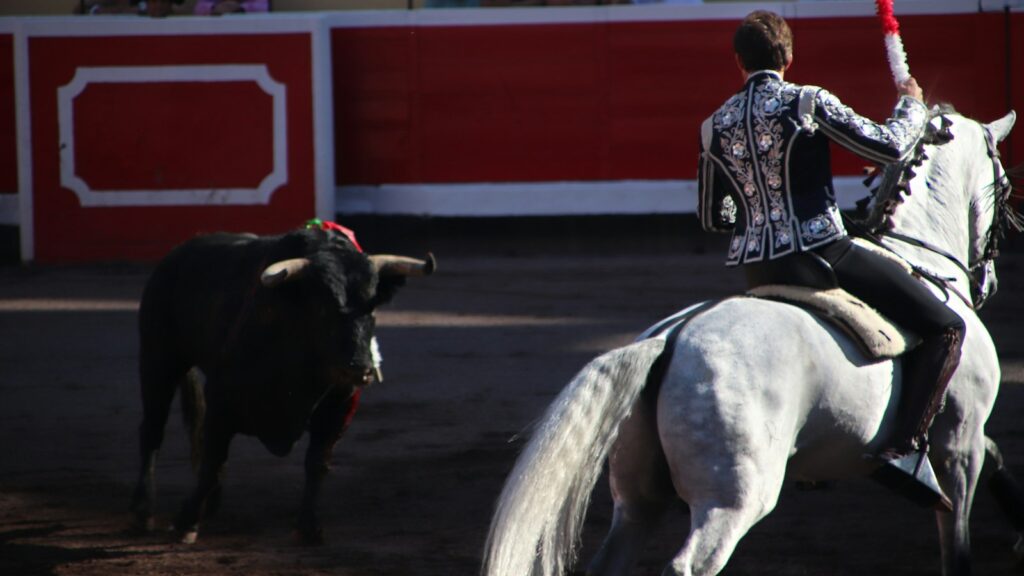
One of the most concerning aspects of untrained riding is the potential for situation escalation. Horses are prey animals with strong flight instincts, weighing an average of 1,000 pounds with considerable strength and speed. When frightened or confused, a horse might bolt, buck, rear, or make sudden movements that an untrained rider cannot anticipate or handle. What begins as a simple ride can quickly become an emergency situation, endangering not only the rider but also bystanders, other animals, and the horse itself. Experienced riders develop instinctive responses to potential problems, but novices lack these critical safety reflexes.
Legal and Liability Considerations
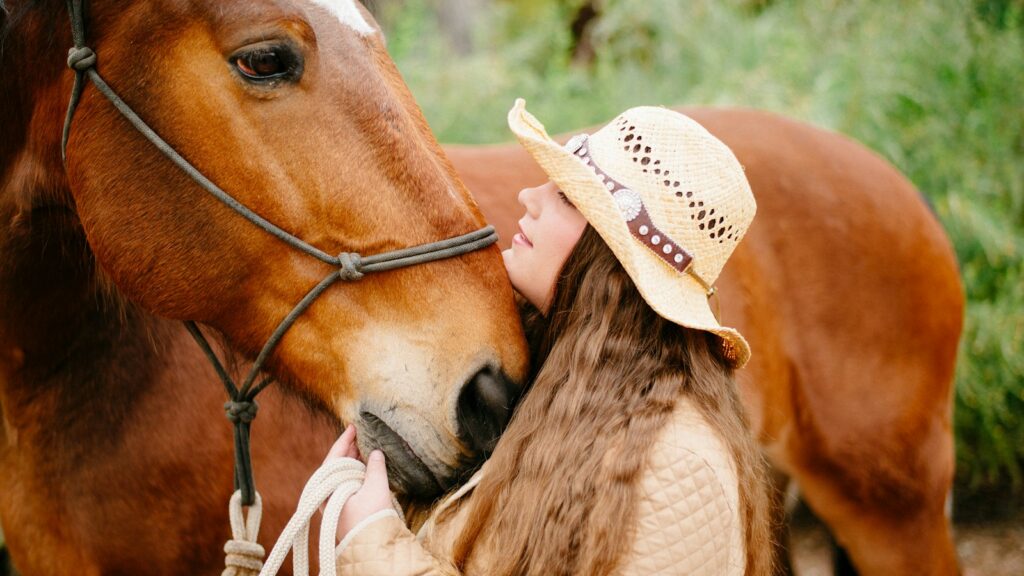
Riding without proper training often violates stable policies and insurance requirements at reputable equestrian facilities. Many stables require proof of riding ability or mandate lessons before allowing individuals to ride independently. In case of injury, insurance companies may deny claims if it’s determined the rider was operating beyond their demonstrated skill level. Additionally, in some jurisdictions, allowing an obviously untrained person to ride could constitute negligence, opening horse owners to liability claims. The legal ramifications extend beyond personal risk to potential financial and legal consequences for multiple parties.
Impact on Riding Progression
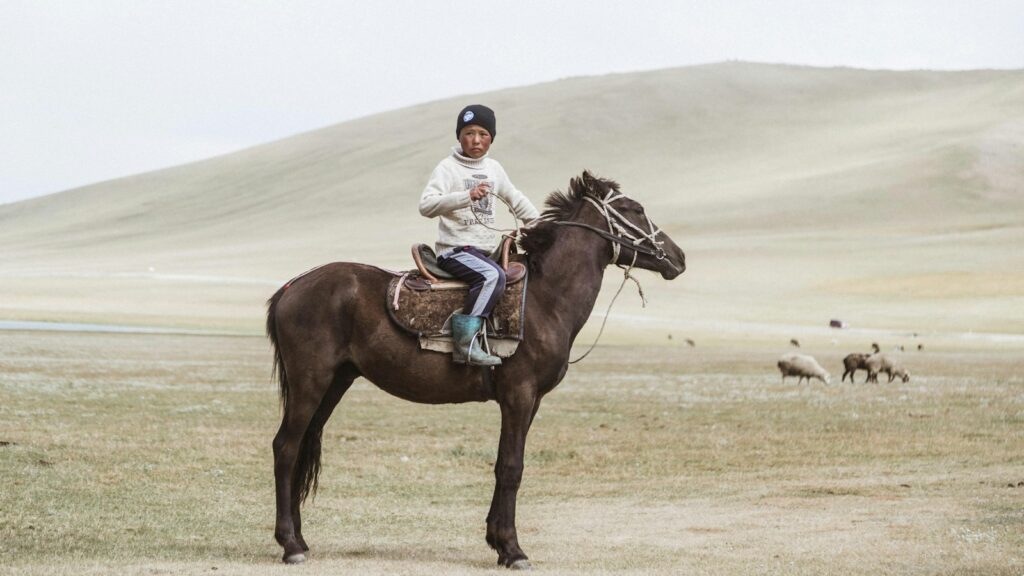
Attempting to ride without training typically hampers long-term riding progress rather than accelerating it. Self-taught riders frequently develop improper habits and techniques that become deeply ingrained and difficult to correct later. These bad habits can create plateaus in skill development that require extensive retraining to overcome. Professional instructors commonly note that correcting poor riding habits takes significantly longer than teaching proper technique from the beginning. What might seem like a shortcut actually creates a longer, more frustrating path to riding competence.
Misjudging Horse Behavior and Temperament
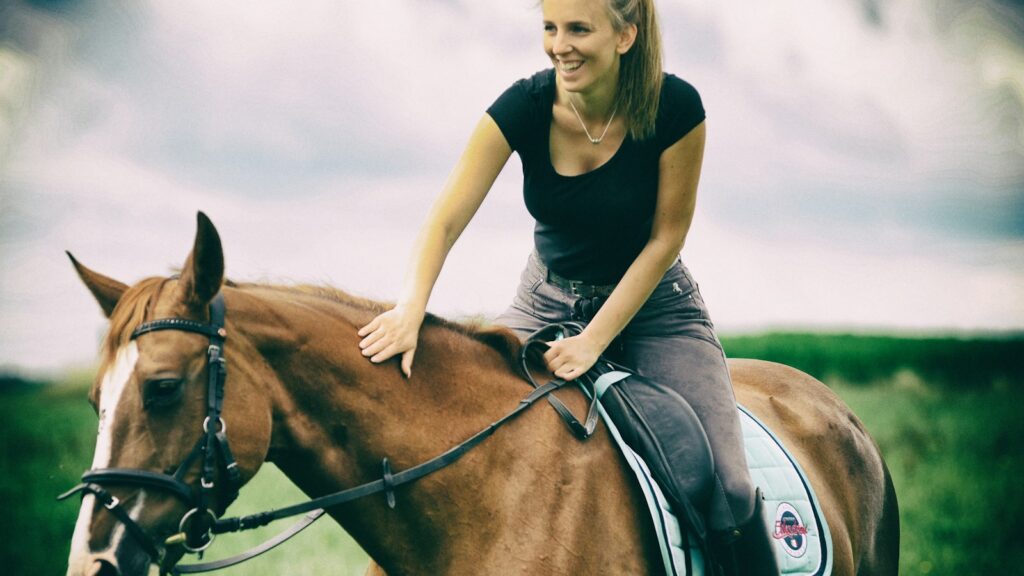
Untrained riders lack the knowledge to accurately assess a horse’s mood, temperament, or behavior signals. Horses communicate largely through body language, with subtle ear positions, tail movements, and muscle tension indicating their emotional state. Without training to recognize these signals, riders might miss warning signs of fear, pain, or agitation in their mount. This inability to “read” a horse creates dangerous situations where preventable incidents occur because warning signs went unnoticed. Even apparently “bombproof” horses have limits and boundaries that untrained riders may inadvertently cross.
Equipment Misuse and Safety Issues
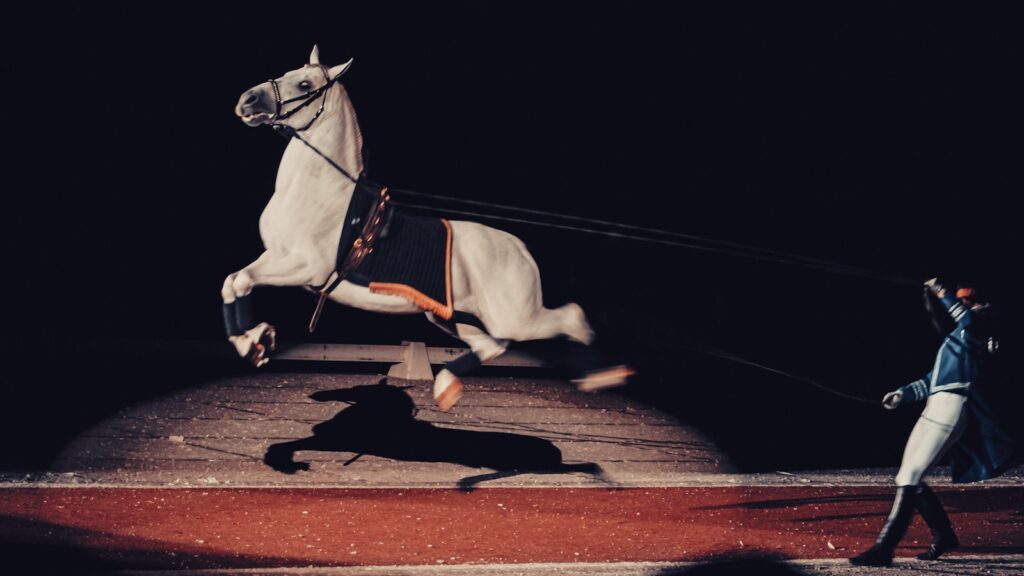
Proper tack fitting and usage requires specific knowledge that comes with training. Incorrectly fastened girths, improperly adjusted stirrups, or misused bits can cause discomfort or injury to both horse and rider. Safety equipment selection and proper use, including helmets, boots, and body protectors, require knowledge that comes with formal instruction. Equipment failures during riding can lead to serious accidents, particularly when the rider doesn’t know how to handle such emergencies. Training includes learning equipment inspection routines and problem-solving techniques that are essential safety components of horseback riding.
The False Economy of Skipping Lessons

Some individuals avoid training due to perceived cost savings, but this approach often proves more expensive in the long run. Medical bills from riding accidents can far exceed the cost of proper instruction, sometimes reaching tens of thousands of dollars for serious injuries. Damage to expensive tack or equipment due to improper use creates additional unexpected costs. The expense of rehabilitating a horse that develops behavioral issues from improper handling can greatly exceed the cost of initial training. When factoring in these potential expenses, proper training represents an investment rather than a cost.
Alternatives to Unsupervised Riding
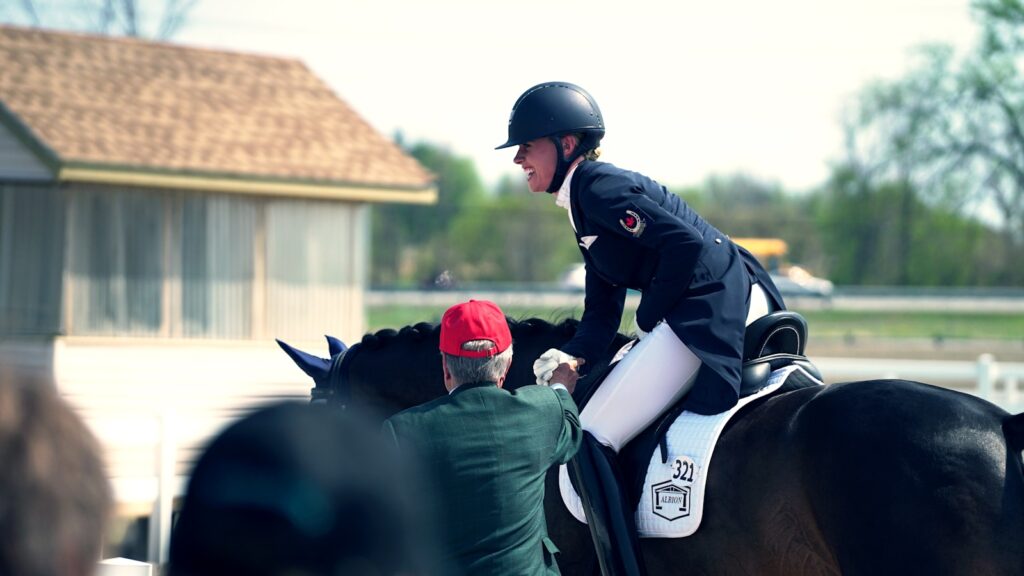
For those eager to interact with horses but not yet trained to ride independently, numerous safer alternatives exist. Supervised groundwork activities teach crucial horse handling skills and build the foundation for riding while maintaining safety. Guided trail rides with trained horses and professional supervision offer the experience of riding with minimized risk. Formal lessons provide structured progression that matches activities to skill level, ensuring safety while building competence. Apprenticeship or volunteering opportunities at stables can provide valuable experience and sometimes reduced-cost or free learning opportunities for those concerned about training expenses.
Building the Necessary Foundation
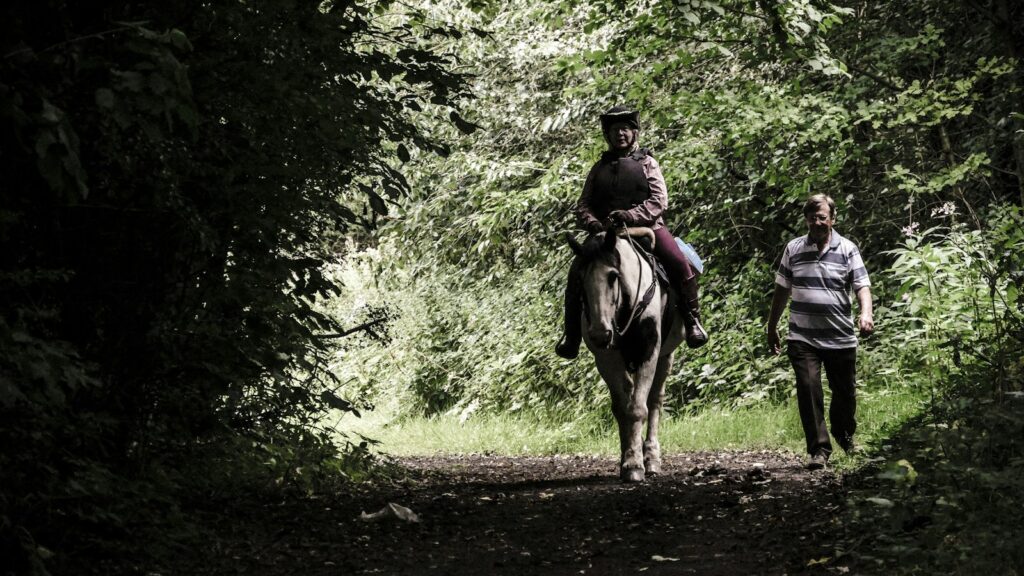
Proper riding training builds a foundation of essential skills that support safe and enjoyable equestrian activities. Beginning riders learn crucial basics like mounting and dismounting safely, emergency stopping, and maintaining basic balance before advancing to more complex skills. Training cultivates body awareness and muscle memory that becomes automatic with practice, allowing riders to respond appropriately to situations without conscious thought. Instructors tailor teaching progressions to individual learning styles and physical capabilities, ensuring appropriate skill development. This structured approach creates confident, capable riders who truly understand their interactions with horses.
The Path to Responsible Horsemanship
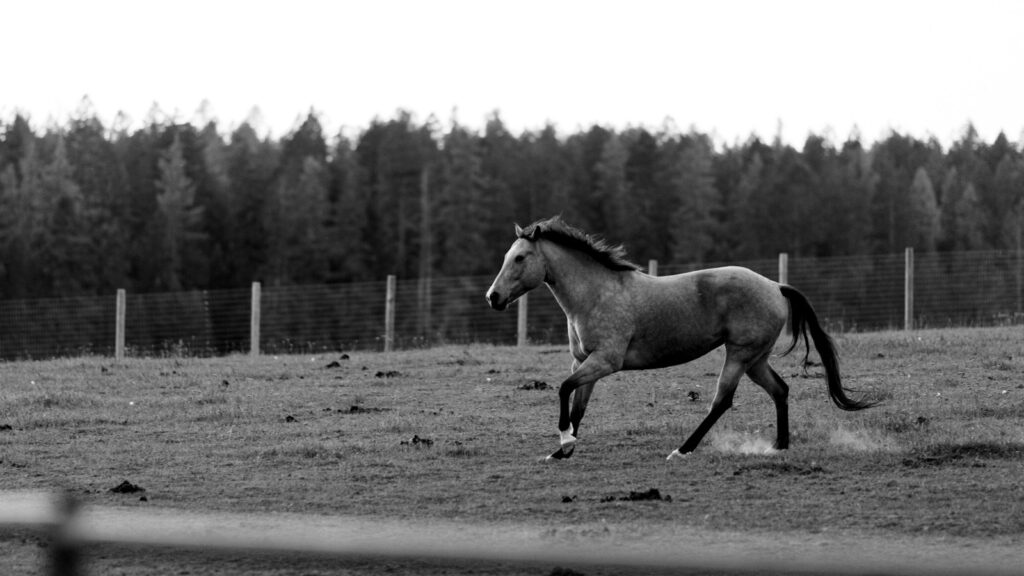
Beyond technical riding skills, proper training instills an ethic of responsible horsemanship. Trained riders learn to prioritize their horse’s physical and mental well-being above their personal goals or convenience. Understanding equine psychology, proper care practices, and ethical training methods becomes part of a rider’s education. This knowledge transforms the human-horse relationship from one of mere utility to a partnership based on mutual respect and understanding. Responsible horsemanship extends beyond riding to encompass all aspects of horse care, creating better outcomes for both horses and humans in the equestrian community.
Finding the Right Training Approach

For those convinced of the importance of proper training, selecting the right educational approach is the crucial next step. Different riding disciplines (Western, English, dressage, jumping) require specialized training approaches, so identifying personal goals helps narrow the options. Group lessons offer affordability and social learning, while private instruction provides more personalized attention and faster progress for many students. Prospective riders should observe lessons, interview instructors about their experience and teaching philosophy, and ensure the training environment prioritizes both safety and horse welfare. The right training match creates a positive learning experience that builds both skills and confidence.
conclusion
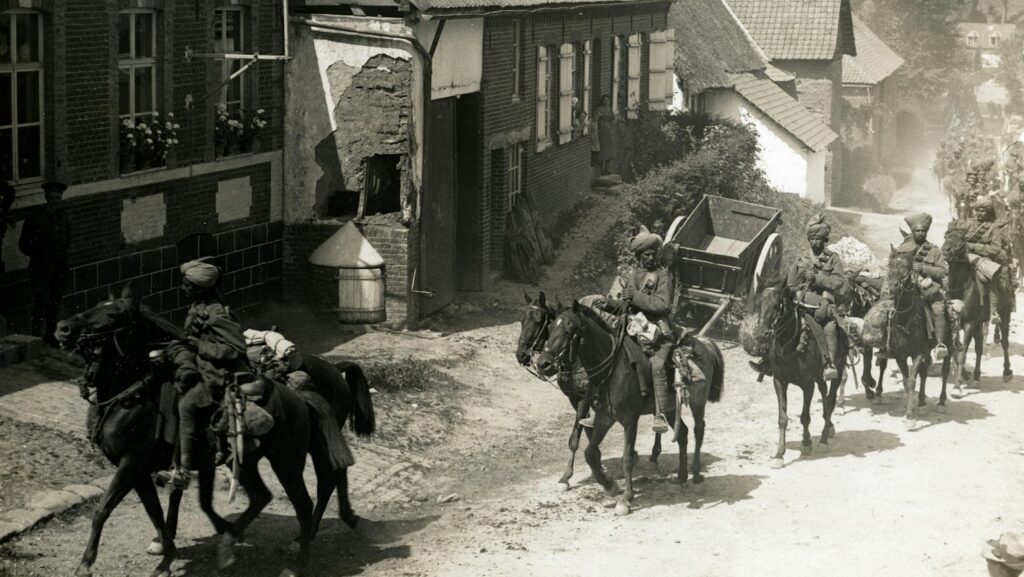
Horseback riding without proper training presents significant risks that extend far beyond simple falls or mistakes. The consequences affect not only rider safety but also horse welfare, legal liability, and long-term riding enjoyment. Rather than viewing training as an optional extra or unnecessary delay, it should be recognized as the essential foundation that makes horseback riding both safer and more rewarding. By investing in proper instruction, riders demonstrate respect for both themselves and the remarkable animals that make equestrian activities possible. The path to horsemanship begins not in the saddle, but in the humble position of a student willing to learn.