
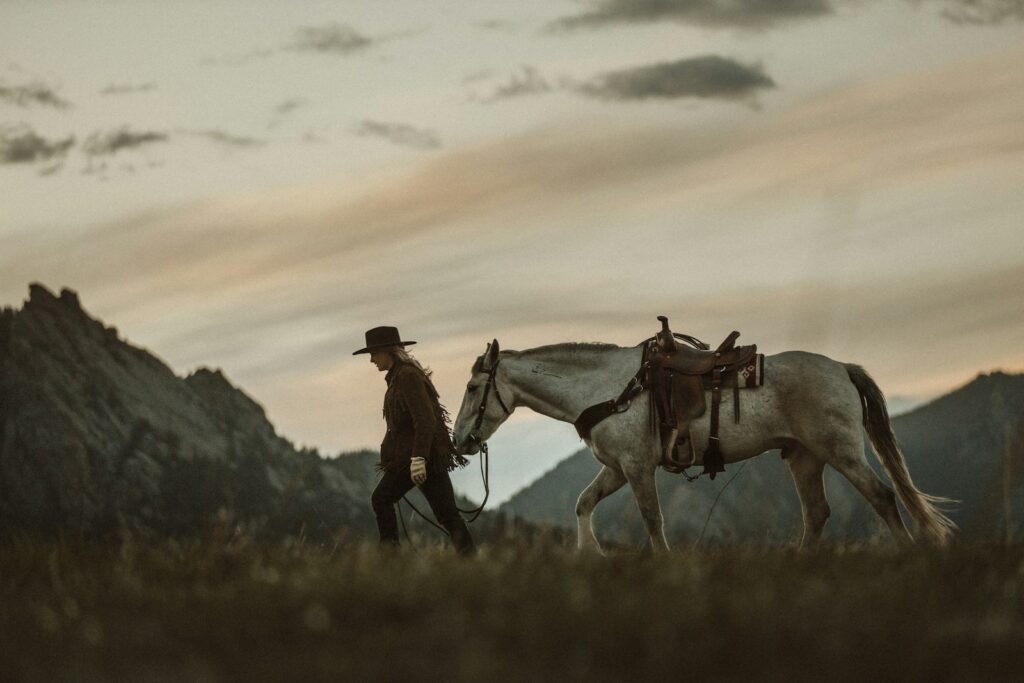
In the vast landscape of American cultural icons, few partnerships are as enduring and symbolic as that between the cowboy and his horse. This relationship, forged in the crucible of the American West, has transcended its practical origins to become a powerful emblem of freedom, self-reliance, and the pioneering spirit. For centuries, horses have been far more than mere transportation or working animals to cowboys—they represent trusted companions, essential partners, and living symbols of a distinctive way of life. The horse’s contribution to cowboy culture goes beyond utility; it has shaped customs, values, language, and even the cowboy’s self-identity. This deep connection continues to thrive today, even as technology has revolutionized many aspects of ranch work and cattle management. Understanding why horses remain central to cowboy culture offers insights into both historical necessity and profound cultural symbolism that continues to resonate in the American imagination.
The Historical Foundation of the Cowboy-Horse Partnership
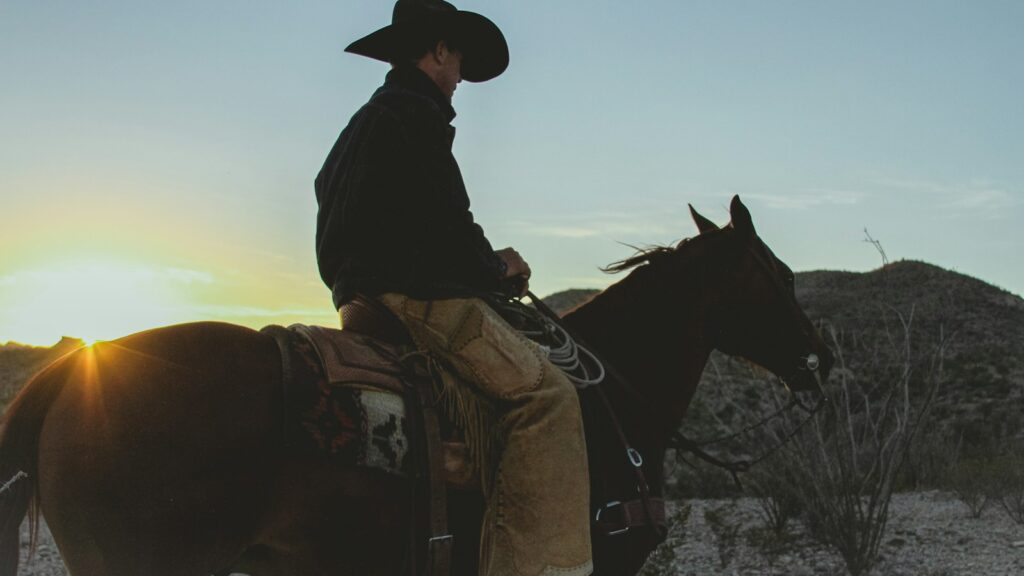
The cowboy tradition in America emerged primarily in the post-Civil War era when vast cattle drives became essential to the nation’s economy. Without horses, the management of cattle across the expansive and often hostile terrain of the American West would have been virtually impossible. These early cowboys, many of whom were former soldiers, freed slaves, or Mexican vaqueros, developed techniques for working cattle that relied entirely on horsemanship skills. The horse’s speed, agility, and instinctive understanding of cattle behavior made it irreplaceable for herding, cutting, and driving livestock. As ranching operations expanded throughout the 1800s, the interdependence between cowboys and their horses deepened, with specific breeding programs developing horses specifically for cattle work. This historical foundation established the horse not merely as a tool but as the enabling force behind the cowboy’s entire way of life and livelihood.
Horses as Essential Working Partners
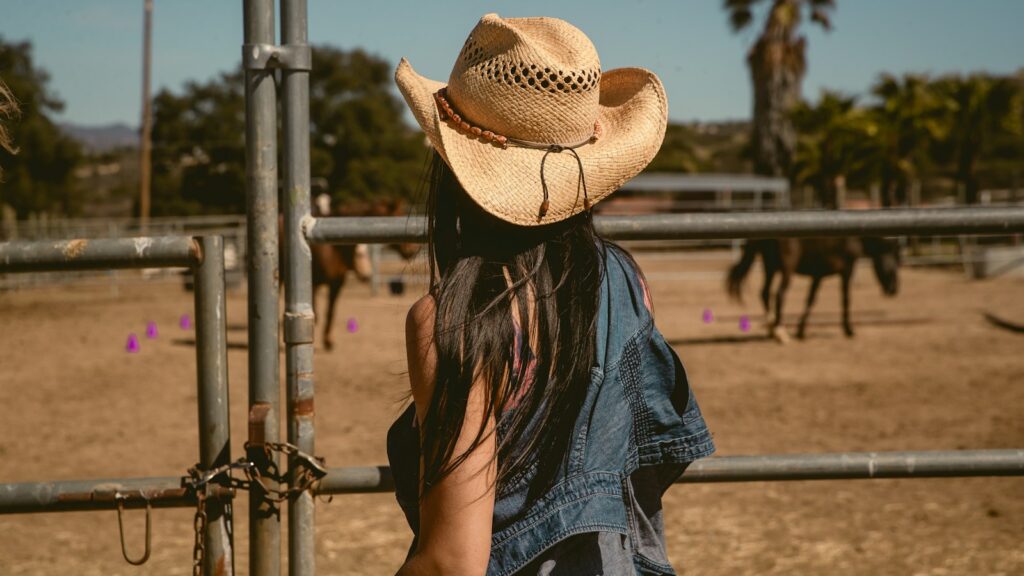
Even in today’s mechanized world, horses remain irreplaceable for many aspects of genuine ranch work. They can traverse rough terrain inaccessible to motorized vehicles, work effectively in mud, snow, and rocky landscapes, and move quietly enough to avoid spooking cattle. A skilled ranch horse anticipates the movement of cattle, responding sometimes before the rider issues a command. This working relationship creates an efficiency that ATVs and other machines simply cannot replicate in many ranching situations. The horse’s natural agility allows cowboys to separate individual animals from the herd, hold them in position, and guide them with precision—tasks that require the intelligence and responsive nature of an equine partner. For cattle operations in mountainous regions, dense brush country, or areas with extreme weather conditions, horses continue to prove their practical superiority over mechanical alternatives despite technological advances.
The Unique Bond Between Cowboy and Horse
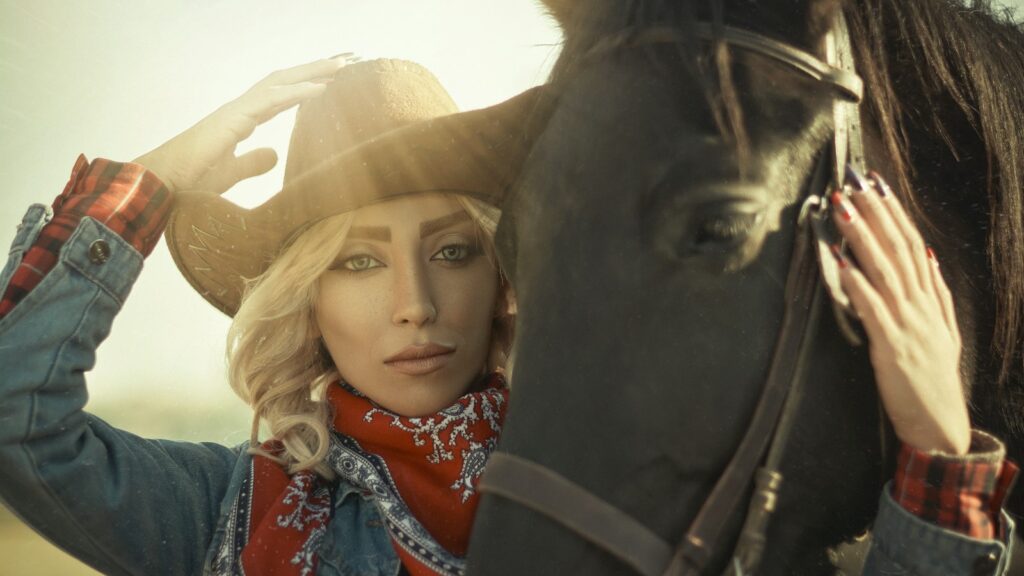
The relationship between a cowboy and his horse transcends the typical owner-animal dynamic to become something closer to a working partnership built on mutual trust and understanding. Cowboys spend countless hours in the saddle, often relying on their horses in life-threatening situations, which forges an unusually deep connection. Many ranch horses work with the same cowboy for a decade or more, developing an intuitive understanding of their rider’s intentions through subtle cues. This partnership requires the cowboy to develop exceptional awareness of his horse’s physical and emotional state, reading ears, body tension, and breathing patterns to ensure the animal’s wellbeing during challenging work. Cowboys frequently speak of their best horses as colleagues rather than possessions, acknowledging the intelligence, courage, and willing nature that make these animals extraordinary partners. This deep bond has become a defining element of authentic cowboy identity, celebrated in folklore, poetry, and song.
Horsemanship as a Defining Skill
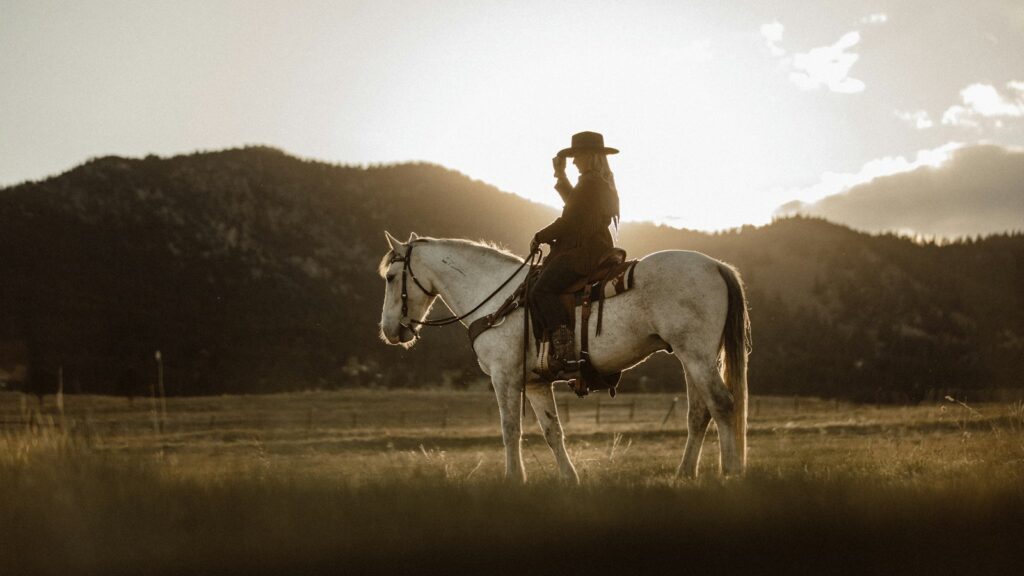
The mastery of horsemanship stands as perhaps the most fundamental skill distinguishing a true cowboy, regardless of the era. Learning to ride well requires years of practice, patience, and accumulated knowledge passed down through generations. Beyond mere riding ability, cowboys must develop expertise in horse psychology, health care, training techniques, and the subtle communication systems that allow horse and rider to work as one. Many traditional cowboys pride themselves on their ability to develop a “broke” horse that responds to the lightest touch of reins or shift in body weight. This emphasis on horsemanship creates a meritocracy within cowboy culture, where respect is earned through demonstrable skill with horses rather than external factors like wealth or background. For many working cowboys, excellence in horsemanship represents not just practical necessity but a connection to tradition and a source of personal pride that defines their professional identity.
The Cultural Symbolism of the Mounted Cowboy
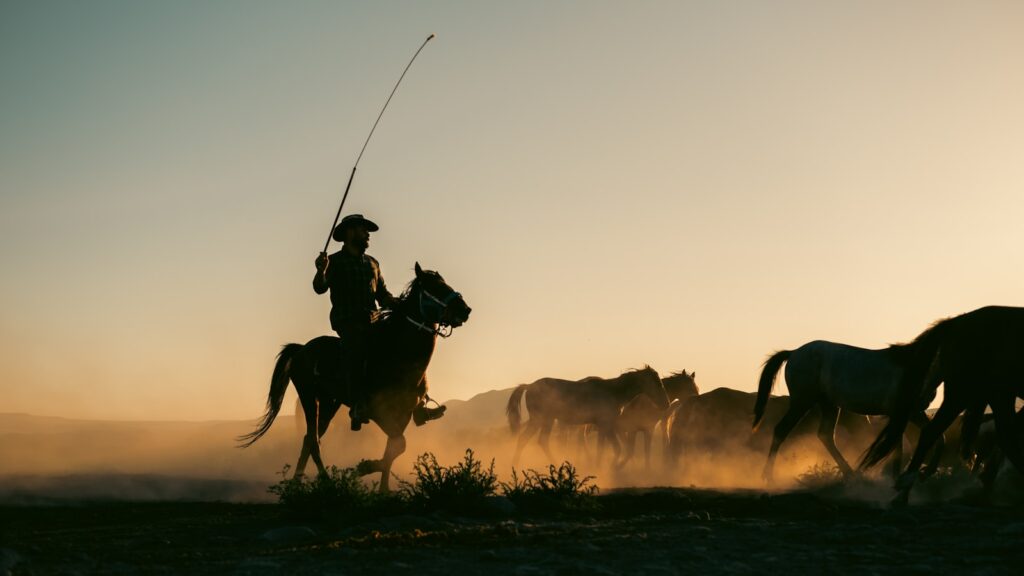
The iconic image of a cowboy astride his horse has embedded itself deeply in American cultural consciousness, representing ideals of freedom, self-reliance, and connection to the natural world. This powerful symbol emerged from practical reality but evolved to embody core American values and mythology about the nation’s frontier heritage. In countless films, advertisements, and artistic representations, the mounted cowboy serves as shorthand for independence, stoicism, and an uncomplicated approach to justice and honor. The elevated perspective of the rider—literally above common concerns—reinforces the near-mythological status of the cowboy figure in American culture. This symbolic power extends internationally, with the American cowboy on horseback recognized worldwide as an emblem of rugged individualism and natural nobility. The persistent potency of this image explains why, even as practical ranching evolves, the horse remains essential to authentic cowboy identity.
Horse Knowledge as Cultural Inheritance
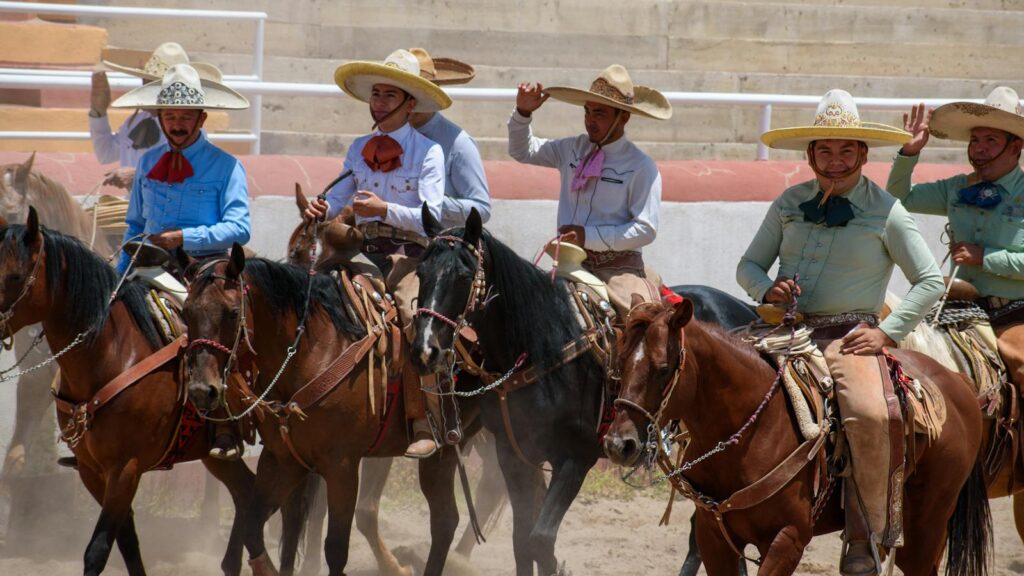
The specialized knowledge surrounding horses in cowboy culture represents a rich oral tradition passed down through generations of ranch families and working cowboys. This knowledge encompasses practical skills like saddle-fitting, hoof care, and rope work, alongside more intuitive abilities like reading a horse’s body language or predicting its behavior. Mentorship plays a crucial role in transmitting this wisdom, with experienced cowboys guiding younger ones through the complex process of starting colts, correcting behavioral issues, and developing a working partner. Much of this knowledge remains experiential rather than written, preserved through demonstration and guided practice. The language used to discuss horses in cowboy culture is remarkably precise and colorful, with specialized terms describing gaits, temperaments, and training stages that outsiders may find impenetrable. This shared knowledge creates a cultural continuity connecting modern cowboys to their predecessors while continuously adapting to contemporary conditions.
Rodeo: Celebrating the Horse-Cowboy Relationship
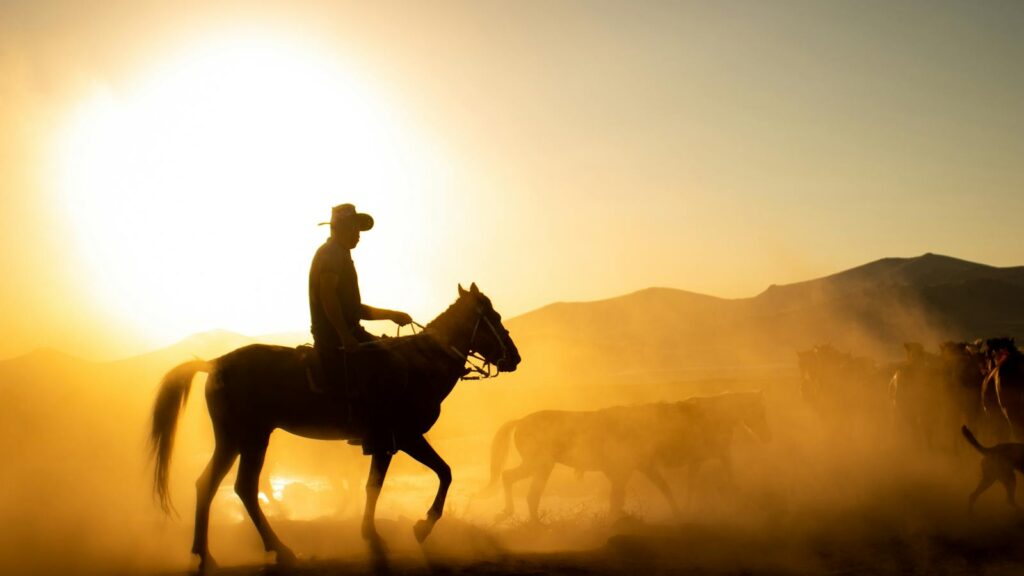
Rodeo emerged as a competitive celebration of working ranch skills, with most events directly showcasing the partnership between cowboys and their horses. Events like team roping, barrel racing, cutting, and reining specifically highlight the remarkable athletic abilities and precise training of horses developed for ranch work. These competitions allow cowboys and cowgirls to display generations of breeding and training expertise before appreciative audiences who understand the significance of these skills. Through rodeo, the practical working relationship between horse and rider has been elevated to performance art that preserves traditional techniques while allowing for technical innovation. Many professional rodeo competitors maintain deep connections to working ranches, seeing competition as an extension of daily work rather than a separate activity. The continued popularity of rodeo, especially in rural communities with ranching traditions, reinforces the central importance of horses to authentic cowboy identity even as fewer Americans work directly with livestock.
The Economic Dimension of Ranch Horses
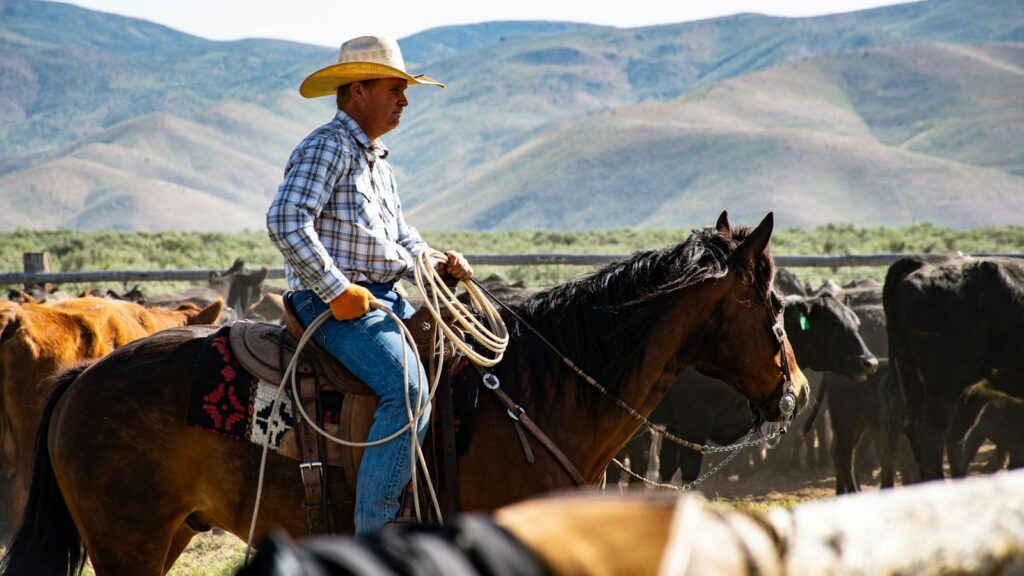
Despite technological advances, the economics of ranching continues to support the practical use of horses in many operations. While the initial investment in quality ranch horses is significant, their operational costs remain relatively low compared to mechanical alternatives that require fuel, maintenance, and regular replacement. A well-trained ranch horse can work effectively for 15-20 years, often maintaining or increasing in value as its training advances. Many ranchers maintain that horses provide cost-effective solutions for daily operations, particularly when terrain, weather conditions, and the nature of the work are considered. The specialized market for ranch horses has created its own economic ecosystem, with breeding programs, training operations, and competitions generating significant revenue within agricultural communities. For many ranching families, horse-related knowledge represents not just cultural capital but genuine economic value that can be leveraged throughout their careers and passed to the next generation.
Horses and Cattle: A Natural Working Relationship
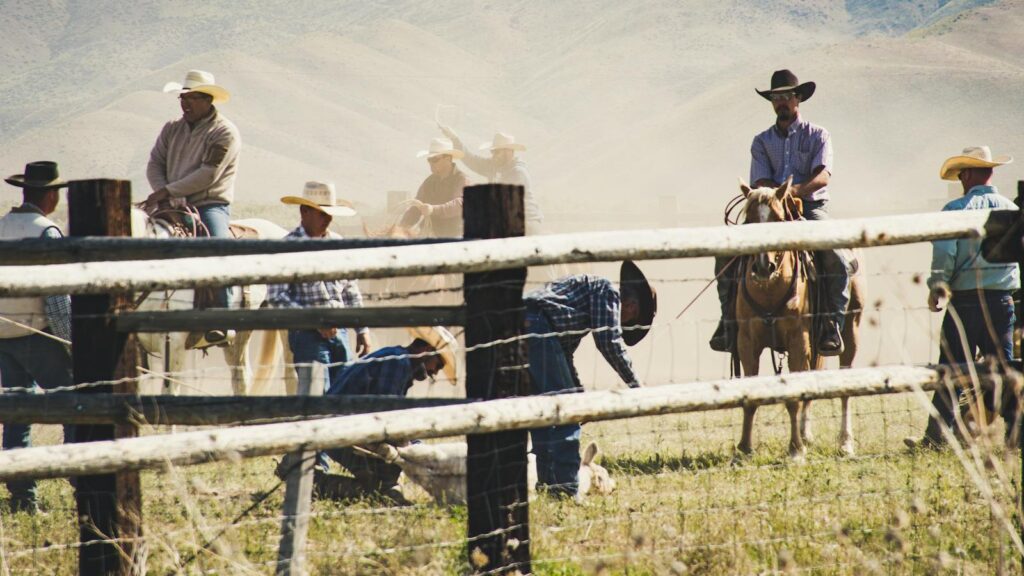
The effectiveness of horses in cattle work stems from the natural predator-prey relationship between equines and bovines, which skilled cowboys leverage to move livestock efficiently. Cattle instinctively recognize horses as potential threats and will typically move away from them in predictable patterns that experienced riders can anticipate and direct. This natural dynamic allows a competent rider on horseback to influence the movement of dozens or even hundreds of cattle with minimal stress to the livestock. Ranch horses develop an instinctive understanding of cattle behavior, often detecting subtle shifts in herd dynamics before their riders notice. This intuitive relationship between species creates working efficiencies that mechanical alternatives struggle to replicate, particularly in operations focused on low-stress livestock handling. The quiet approach of horses, unlike the engine noise of vehicles, prevents unnecessary excitement in cattle herds, which benefits both animal welfare and beef quality considerations in modern ranching operations.
Adapting Tradition: Modern Ranch Horses
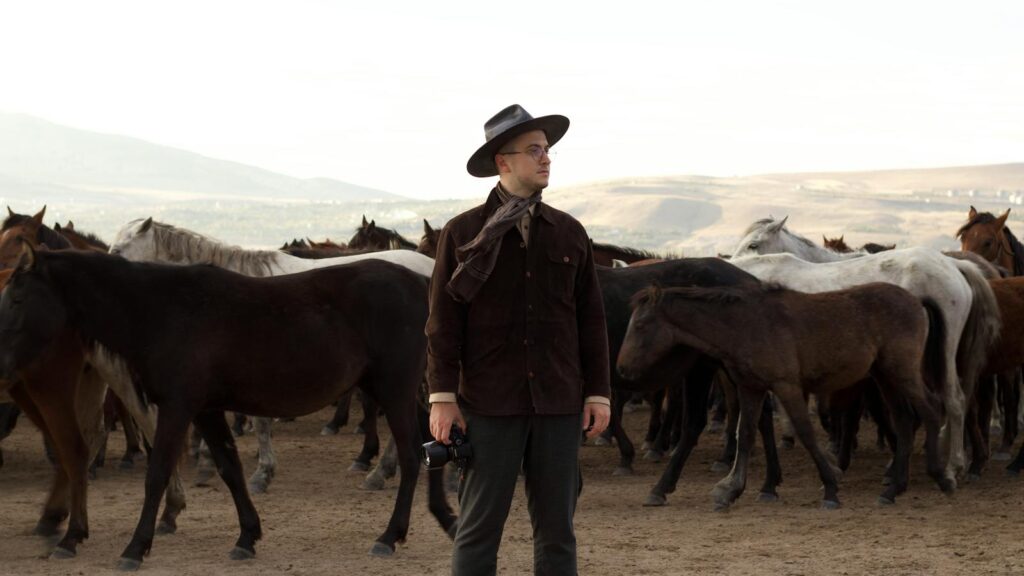
While the fundamental partnership between cowboys and horses continues, both the animals and how they’re used have evolved to meet contemporary ranching challenges. Today’s ranch horses benefit from advances in veterinary care, nutrition science, and training methodologies that make them more effective and durable working partners than their historical counterparts. Many modern ranches strategically combine traditional horsemanship with selected technological tools, using horses for work where they excel while employing ATVs, drones, or other equipment when appropriate. Breeding programs for ranch horses have become increasingly sophisticated, with careful selection for traits like cow sense, athletic ability, soundness, and trainability producing animals specifically suited to today’s working environments. Digital technologies have even entered this traditional space, with online platforms now connecting buyers and sellers of ranch horses across vast distances, though most cowboys still place greatest value on personally observing a horse’s working ability. This adaptive approach honors tradition while embracing practical innovation, ensuring horses remain relevant in contemporary ranch operations.
Environmental Stewardship and the Return to Horsepower
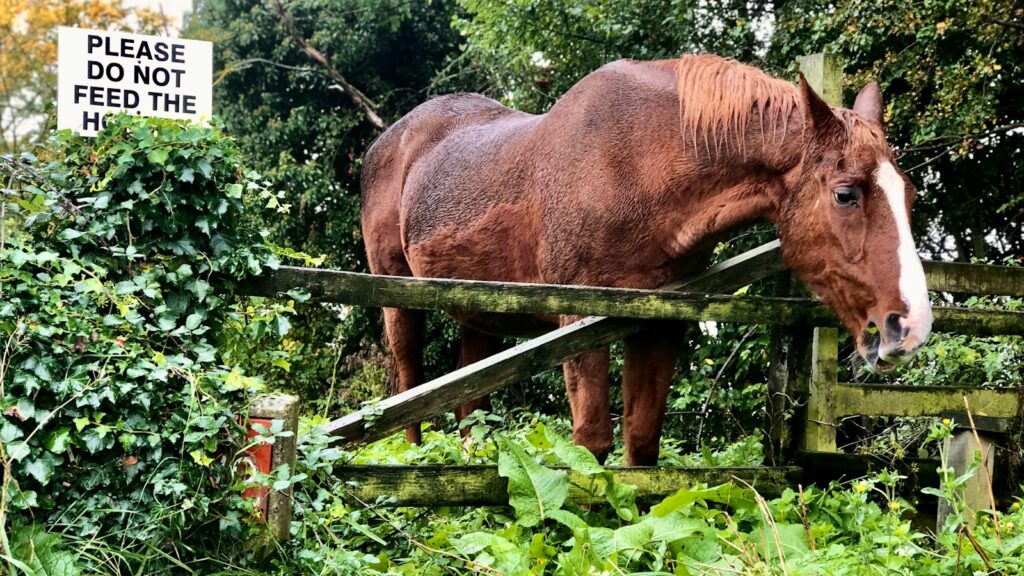
As environmental concerns become more prominent in agriculture, many ranching operations are rediscovering the ecological advantages of working with horses rather than fossil fuel-powered equipment. Horses create significantly lower environmental impacts than motorized vehicles, leaving minimal soil disruption and producing no carbon emissions beyond their natural biological processes. In environmentally sensitive areas or operations practicing holistic management, horses provide means to work cattle without damaging delicate ecosystems or contributing to erosion problems. Some conservation-minded ranchers have embraced horses as part of their regenerative agriculture approach, noting that properly managed grazing animals, including both cattle and horses, can contribute positively to rangeland health. The horse’s ability to travel across varied terrain with minimal impact makes it particularly valuable for ranches operating on public lands where environmental regulations may restrict mechanical access. This environmental dimension adds a contemporary relevance to the traditional horse-cowboy partnership, suggesting its continued vitality in sustainable ranching futures.
Training the Next Generation: Cowboys and Horsemanship
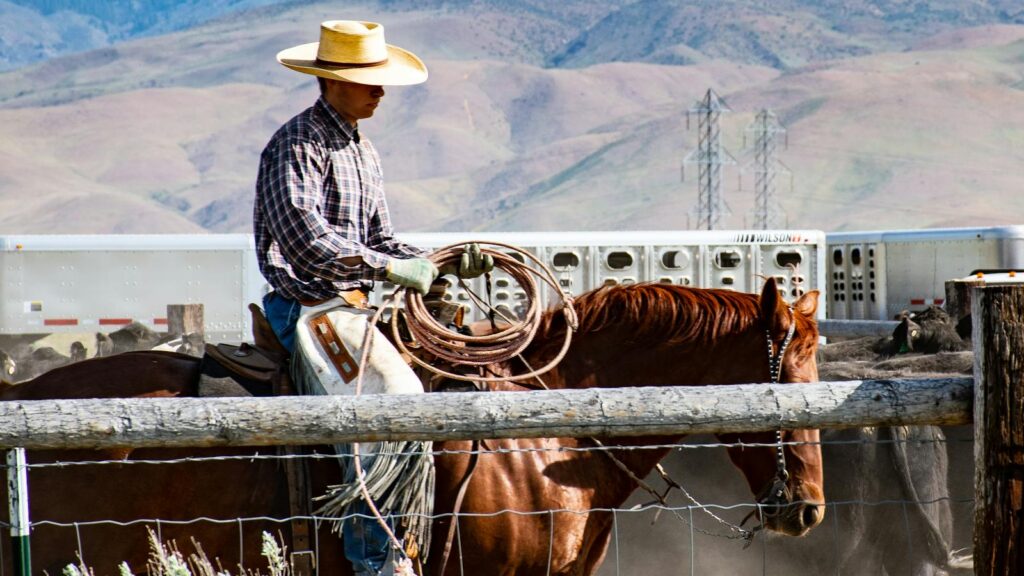
The transmission of horsemanship skills to younger generations remains fundamental to preserving authentic cowboy culture in a rapidly changing world. Organizations like 4-H, FFA, high school rodeo associations, and college rodeo programs provide structured environments where young people can develop riding skills and learn responsible horse care under experienced guidance. Many ranching families prioritize horsemanship education for their children, recognizing it builds character traits valued in their community: patience, responsibility, empathy, and problem-solving ability. Working ranch internship programs specifically designed to teach traditional horse-handling methods have gained popularity, attracting young people interested in agricultural careers or preserving historical skills. These educational pathways ensure that even as fewer Americans grow up with direct agricultural experience, the specialized knowledge surrounding horses in cowboy culture continues to find new practitioners. The mentorship model predominant in teaching these skills creates powerful intergenerational bonds within ranching communities, strengthening cultural continuity despite external pressures.
The Future of the Cowboy-Horse Partnership
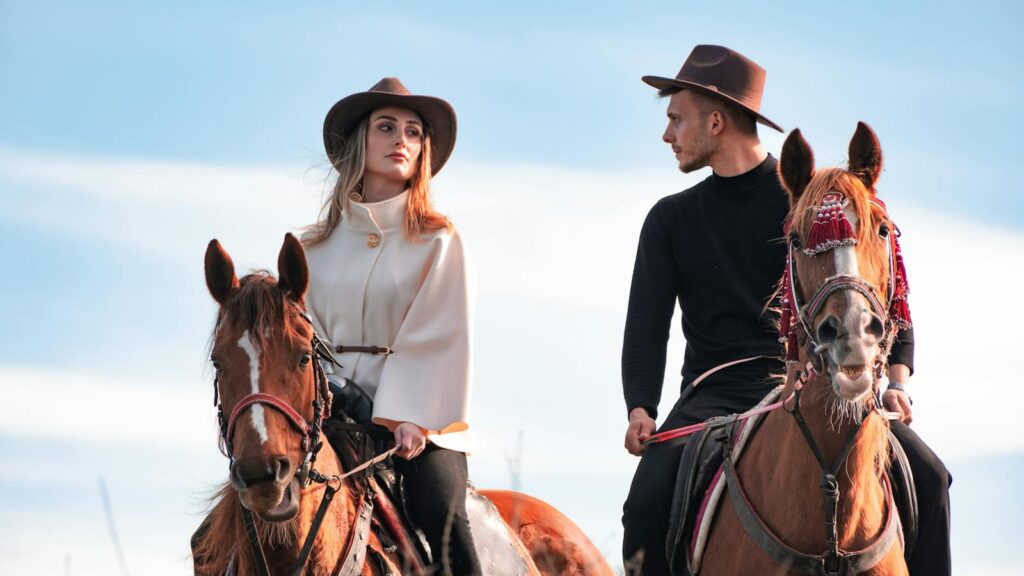
Looking forward, the relationship between cowboys and horses appears poised to continue evolving while maintaining its cultural significance. Economic pressures and technological advances will likely further refine when and how horses are used in commercial ranching, with operations making pragmatic decisions based on their specific circumstances and values. The growing interest in heritage skills, traditional craftsmanship, and authentic cultural experiences suggests that horsemanship knowledge will remain valuable even as its practical applications potentially narrow. Recreational pursuits based on working traditions—such as ranch horse competitions, cowboy mounted shooting, and working equitation—provide additional avenues for preserving horse-related skills beyond commercial necessity. Climate change considerations may actually strengthen the case for horse use in certain environments, particularly as fuel costs rise or access to remote areas becomes more challenging. Throughout these changes, the iconic power of the horse-cowboy partnership seems likely to endure as a potent cultural symbol that continues to resonate with fundamental American values of independence, resilience, and harmony with the natural world.
conclusion
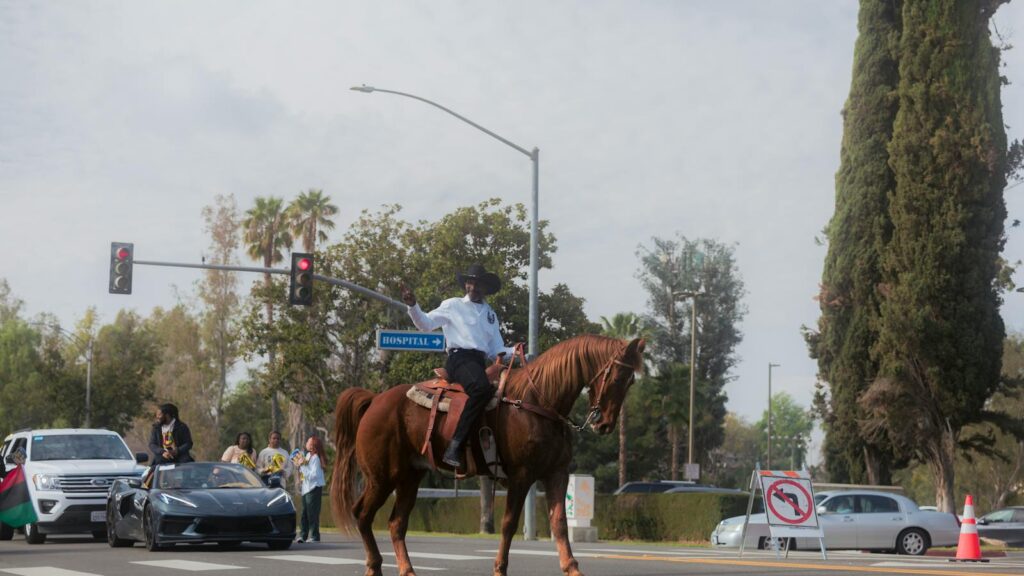
The enduring centrality of horses in cowboy culture reflects something deeper than mere tradition or practical utility. It speaks to a relationship forged through centuries of interdependence, where each partner’s capabilities complement the other’s limitations. Even as technology transforms many aspects of agricultural production, the horse remains irreplaceable in both the practical work of many ranching operations and the cultural identity of those who consider themselves cowboys. This partnership, constantly adapting while honoring its historical roots, demonstrates remarkable resilience in a rapidly changing world. The horse’s position at the heart of cowboy culture seems secure not simply because of nostalgia, but because this extraordinary interspecies relationship continues to offer meaningful advantages—practical, cultural, and spiritual—that no technological innovation has fully superseded.