
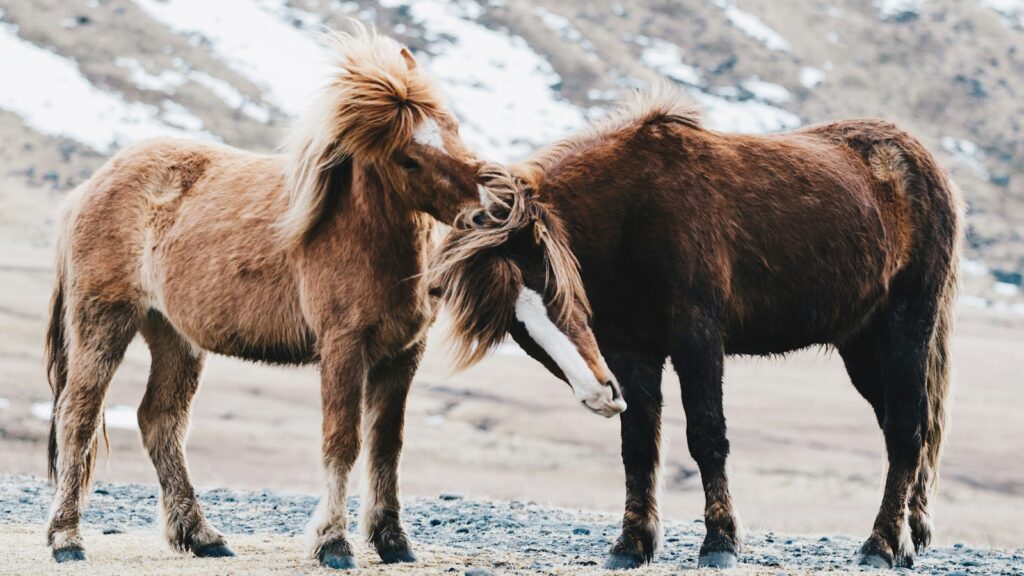
Horses are magnificent creatures with complex social structures and intricate communication methods that have evolved over millions of years. Understanding horse psychology isn’t merely an academic pursuit—it’s the foundation for building a genuine, trusting relationship with these sensitive animals. When we approach horses with knowledge of their natural behaviors, instincts, and thought processes, we unlock the potential for a deeper connection that transcends the traditional human-animal dynamic. This article explores how incorporating horse psychology into your interactions can transform your relationship with your equine companion, creating a partnership based on mutual respect, clear communication, and authentic trust.
Understanding Horses as Prey Animals
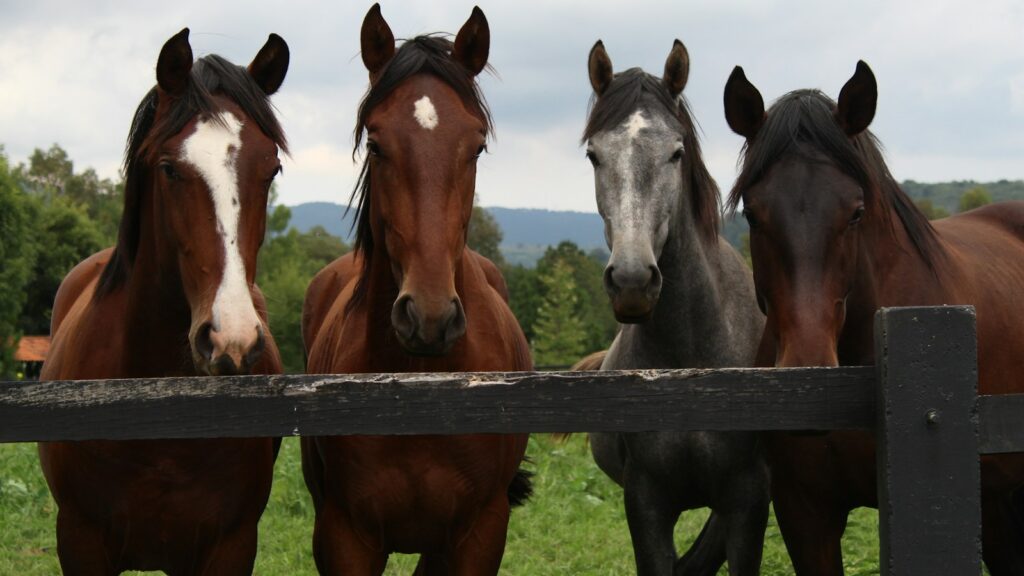
At the core of horse psychology is recognizing that horses are prey animals, which fundamentally shapes their perception of the world. Their survival instincts trigger fight-or-flight responses when they feel threatened, causing them to spook at seemingly minor stimuli that humans might overlook. This evolutionary programming means horses constantly scan their environment for potential predators, explaining their heightened sensitivity to sudden movements and unfamiliar objects. Understanding this prey mentality helps explain why horses might react dramatically to situations that seem harmless to us—they’re not being “difficult”; they’re simply responding to deeply ingrained survival mechanisms. When we approach horses with this knowledge, we can adjust our behavior to help them feel secure rather than threatened, building the foundation for trust.
The Power of Body Language
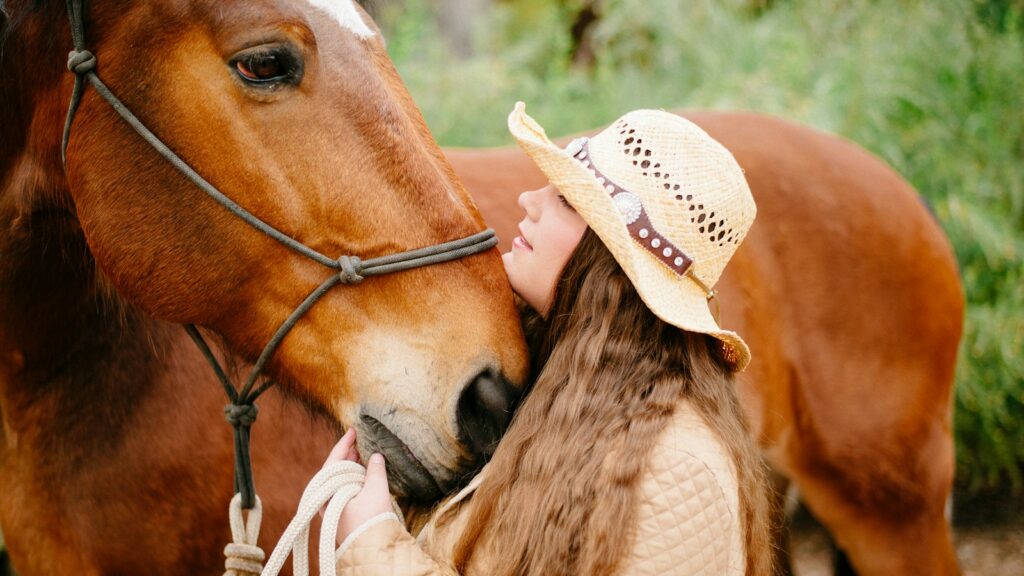
Horses communicate primarily through a sophisticated body language system that evolved long before they encountered humans. They notice subtle shifts in posture, energy, and intent that most people aren’t consciously aware of projecting. Every position of their ears, tail, head, and body communicates specific information to other herd members—and to us, if we’re observant enough to understand. Learning to read these signals allows you to understand your horse’s emotional state and respond appropriately before minor discomfort escalates to distress. Equally important is developing awareness of your own body language, as horses read human intentions with remarkable accuracy, often responding more to what we’re unconsciously communicating than to our verbal commands. This two-way non-verbal conversation forms the basis of clear communication between species with vastly different perspectives.
Establishing Leadership Without Dominance
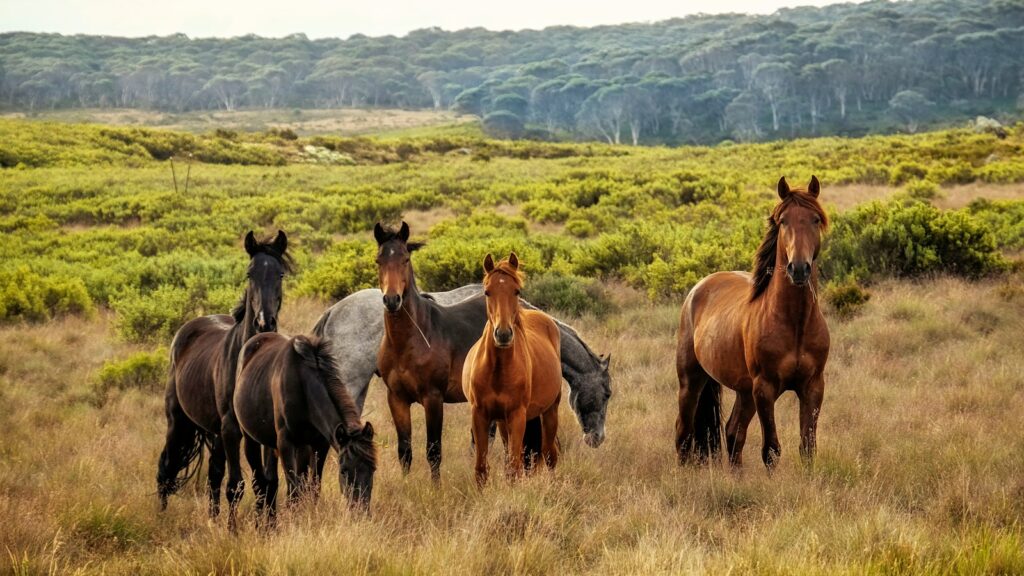
Horses naturally seek security within a well-established herd hierarchy, looking to leaders who provide consistent boundaries and protection. Many traditional training approaches misinterpreted this need as requiring forceful domination, but contemporary understanding recognizes that effective leadership with horses parallels healthy leadership in any relationship—it’s about earning respect through consistency, fairness, and clear communication. A good equine leader stays calm in challenging situations, sets clear boundaries, and provides direction without resorting to intimidation or aggression. When you consistently demonstrate these leadership qualities, your horse will naturally look to you for guidance rather than questioning your requests or making independent decisions that might compromise safety. This leadership dynamic creates psychological security for your horse, allowing them to relax and trust your judgment.
The Principle of Pressure and Release
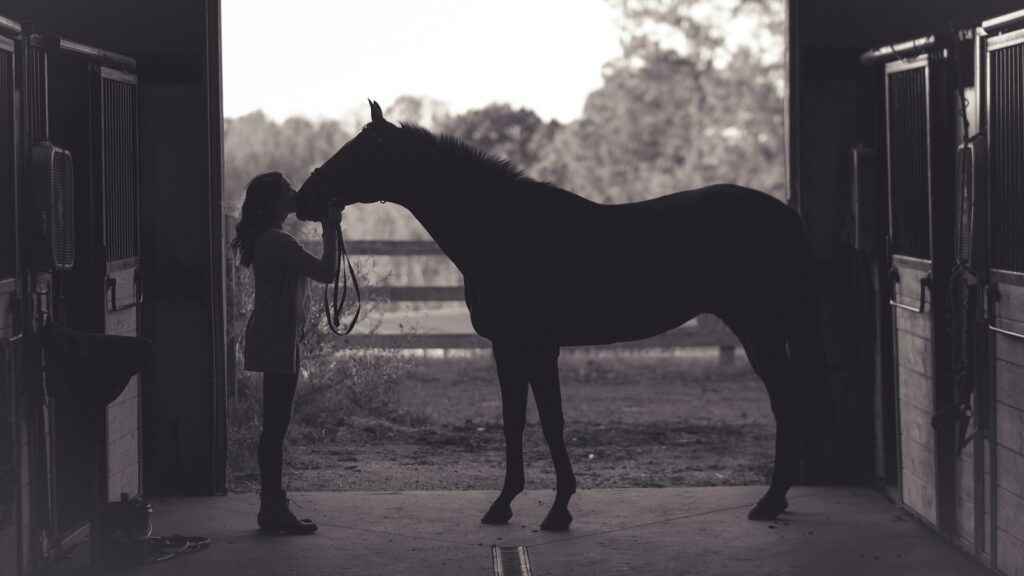
One of the most fundamental psychological concepts in horse training is the pressure-release method, which works with the horse’s natural desire to seek comfort. This principle involves applying a light pressure (physical, visual, or energetic) and immediately releasing it when the horse offers the desired response, creating a clear reward system that horses intuitively understand. The timing of the release is crucial—it must occur precisely when the horse makes even the smallest correct movement to effectively communicate which behavior is being rewarded. Skilled trainers develop the ability to use the minimum pressure needed and release at exactly the right moment, creating a subtle, sophisticated language between human and horse. This approach respects the horse’s intelligence and desire for comfort while establishing clear communication pathways that strengthen with each successful exchange.
Creating Psychological Safety
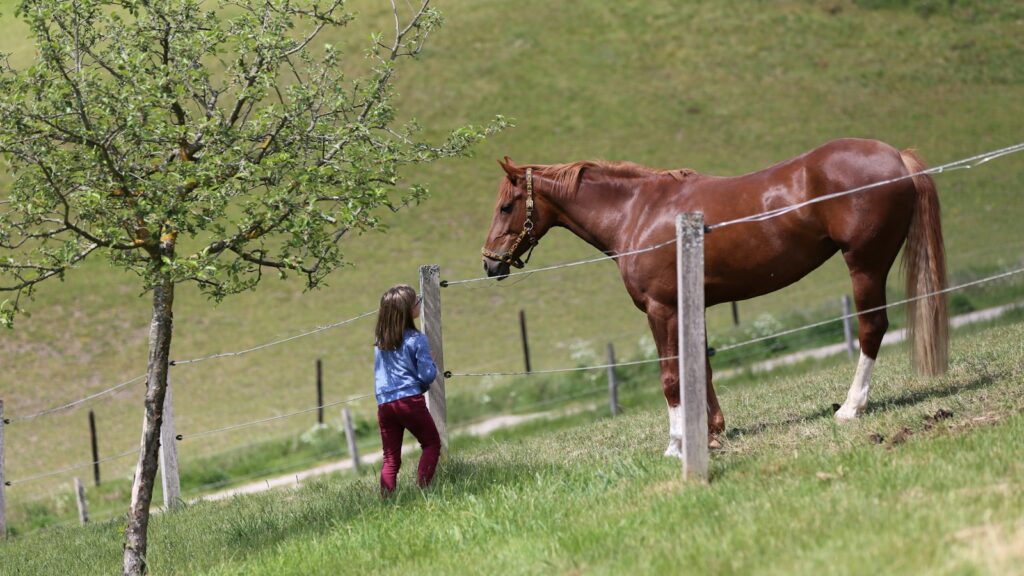
Horses can only form genuine connections with humans when they feel fundamentally safe in our presence. Psychological safety for horses means creating an environment where they can express concerns without punishment and where their natural responses are acknowledged rather than suppressed. This requires developing sensitivity to your horse’s thresholds—recognizing the point where productive challenge becomes counterproductive stress. A psychologically safe training environment gradually expands the horse’s comfort zone without triggering fight-or-flight responses that damage trust and create negative associations. When horses understand that you’ll listen to their concerns and won’t push them beyond their capacity to cope, they develop the confidence to try new things and face challenges with you as a partner. This safety foundation transforms training from compliance-based to cooperation-based, dramatically strengthening your bond.
Respecting Personal Space and Boundaries
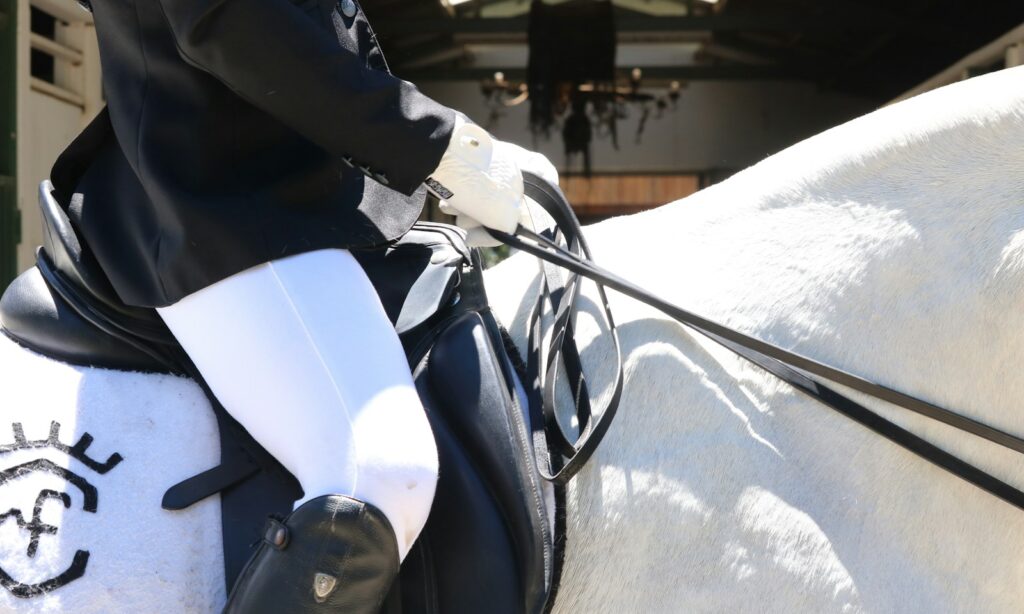
Horses naturally maintain personal space boundaries within their herds, communicating these boundaries through subtle body language that precedes more obvious warnings. Understanding and respecting your horse’s personal space requirements demonstrates that you speak their language and honor their communication attempts. This respect doesn’t mean allowing dangerous behaviors—rather, it means recognizing legitimate concerns and addressing them appropriately instead of simply punishing the resulting behavior. Establishing clear, consistent boundaries benefits horses by creating predictability in their interactions with you, while simultaneously teaching them to respect your personal space as well. This mutual space respect creates a foundation of physical safety that allows both human and horse to relax in each other’s presence, an essential prerequisite for deeper bonding.
The Role of Positive Reinforcement
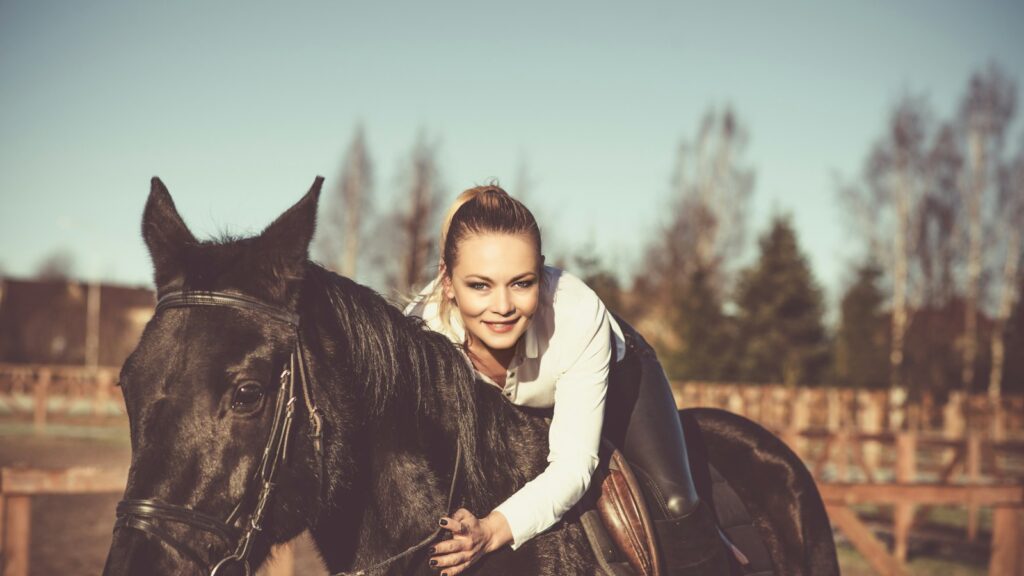
While horses naturally understand the pressure-release system, incorporating positive reinforcement adds another dimension to your communication toolkit. Positive reinforcement occurs when you add something pleasant (like a food reward, scratching a favorite spot, or verbal praise) immediately following a desired behavior, increasing the likelihood that behavior will be repeated. This training approach taps into the dopamine reward system in the horse’s brain, creating positive emotional associations with both the behavior and with you as the source of good experiences. Research shows that horses trained with combined pressure-release and positive reinforcement methods learn more efficiently and display more enthusiasm for their work compared to those trained solely with pressure-release techniques. The judicious use of rewards creates a training environment where horses actively seek to please rather than merely avoid discomfort.
Building Trust Through Consistency
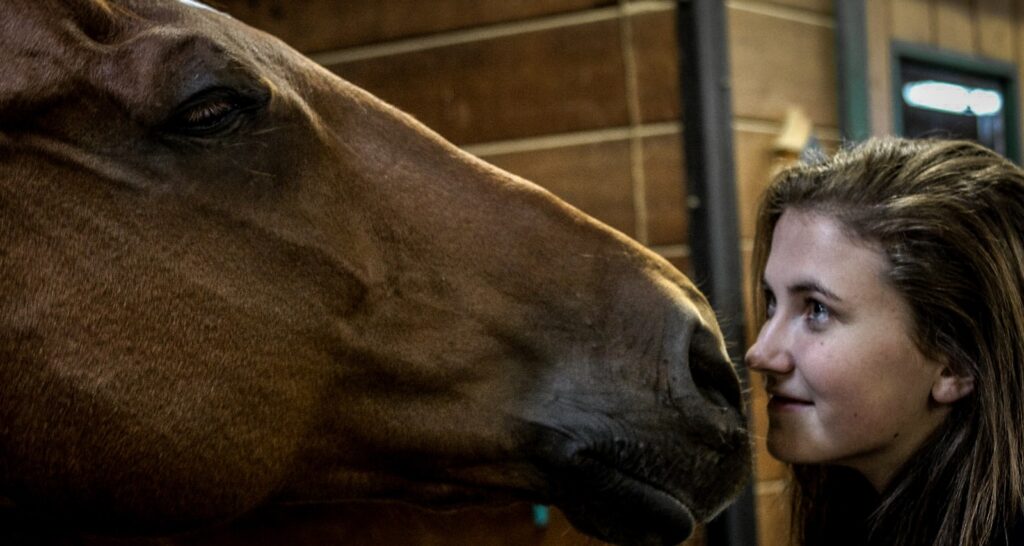
Horses thrive on predictability, seeking patterns that help them understand their world and anticipate what’s coming next. Consistency in your handling, training approaches, emotional state, and expectations creates the predictable environment that allows horses to relax and trust. When your reactions, rules, and rewards remain consistent, horses quickly learn what behaviors work and what behaviors don’t, eliminating the confusion that often leads to frustration for both parties. This consistency extends beyond training sessions to every interaction—how you lead, groom, feed, and simply be with your horse contributes to their overall impression of your reliability. When a horse can predict with reasonable accuracy how you’ll respond in various situations, they develop the confidence to try new things, knowing the rules won’t suddenly change without warning.
Reading Emotional States
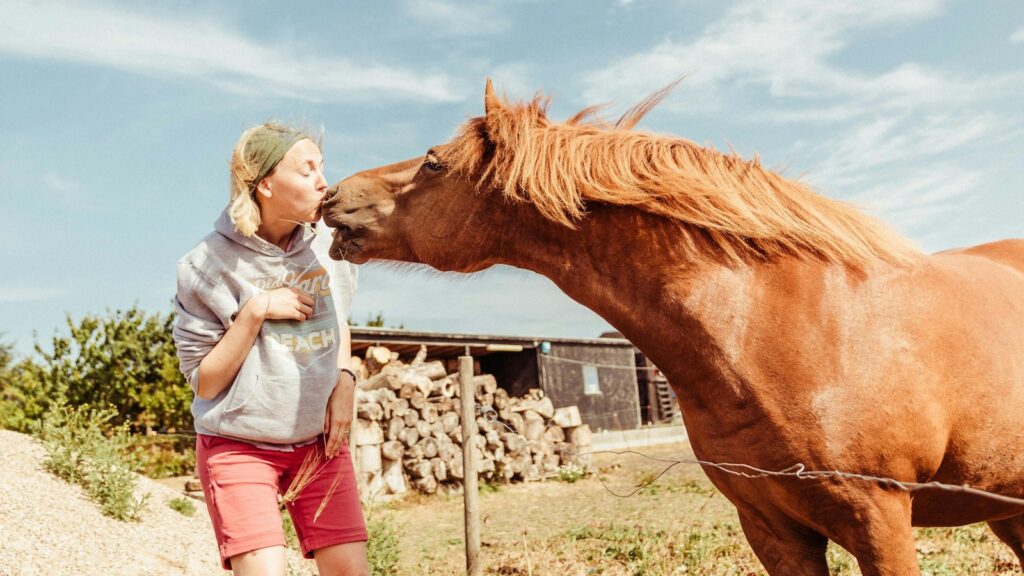
Horses experience a full range of emotions that sophisticated handlers learn to recognize through subtle physical cues. Signs of relaxation include a lowered head, relaxed lower lip, soft eyes, and quiet, rhythmic breathing—indications that your horse feels safe and comfortable in the current situation. Conversely, tension appears as elevated head position, tight facial muscles, rapid breathing, and reduced focus on you or their environment. Recognizing these emotional indicators allows you to adjust your approach before minor stress escalates into reactivity, addressing the cause of discomfort rather than merely responding to the resulting behavior. This emotional awareness creates opportunities to support your horse through challenging situations, building their confidence in your guidance and deepening their trust in your leadership. Horses remember how we make them feel far more vividly than what specific actions we take.
The Importance of Movement
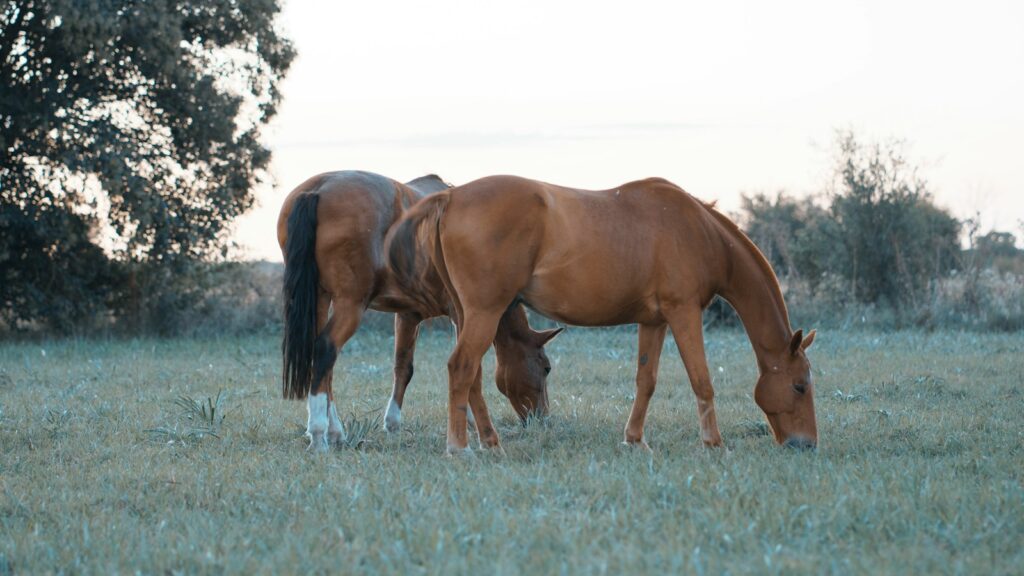
Horses are nomadic by nature, evolved to travel many miles daily while grazing, and this movement need remains deeply ingrained in domestic horses. Understanding this fundamental aspect of horse psychology helps explain why restriction of movement often leads to behavioral issues, health problems, and a disconnected mental state that inhibits learning and bonding. Incorporating movement into your interactions—whether through liberty work, groundwork patterns, or varied riding experiences—satisfies this innate need while simultaneously creating engagement opportunities. Movement also serves as a natural stress reliever for horses, helping them process and release tension that might otherwise manifest as resistance or reactivity. When you become the facilitator of positive, purposeful movement experiences, your horse begins to associate you with the physiological and psychological benefits that natural movement provides.
Developing Two-Way Communication
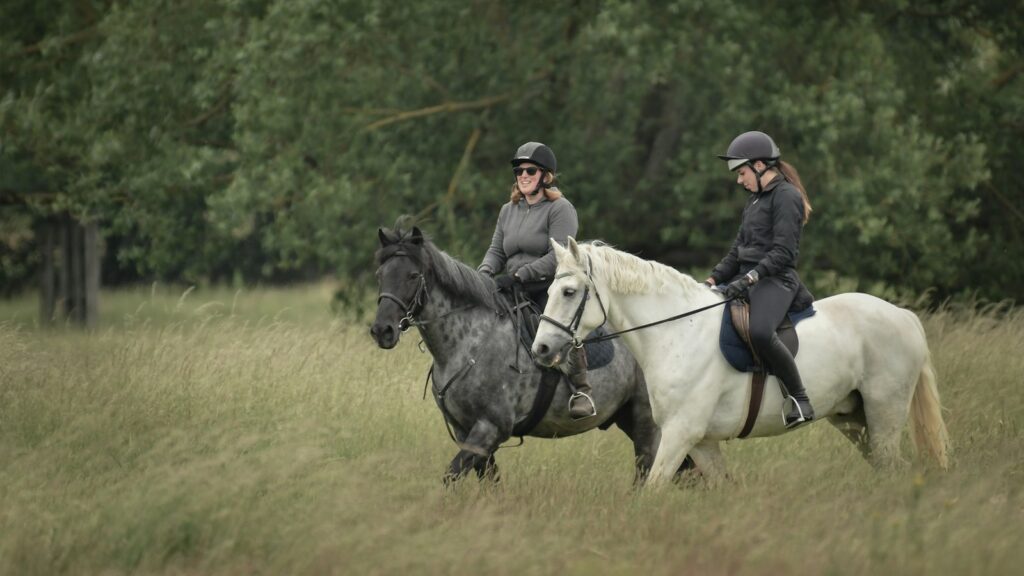
True partnership with horses transcends basic obedience, evolving into genuine two-way communication where both parties actively contribute to the relationship. This level of connection requires developing the humility to recognize when your horse is offering valuable feedback rather than simply “being difficult” or “disobedient.” Skilled horse people understand that resistance typically indicates a physical problem, a training gap, or legitimate concern that deserves investigation rather than punishment. Creating opportunities for your horse to express opinions—through liberty work, choice-based training exercises, or simply listening to subtle communications during handling—demonstrates respect for their intelligence and perspective. When horses realize their communication attempts receive thoughtful responses rather than dismissal, they develop the confidence to engage more fully in partnership, actively participating rather than merely complying.
The Power of Groundwork
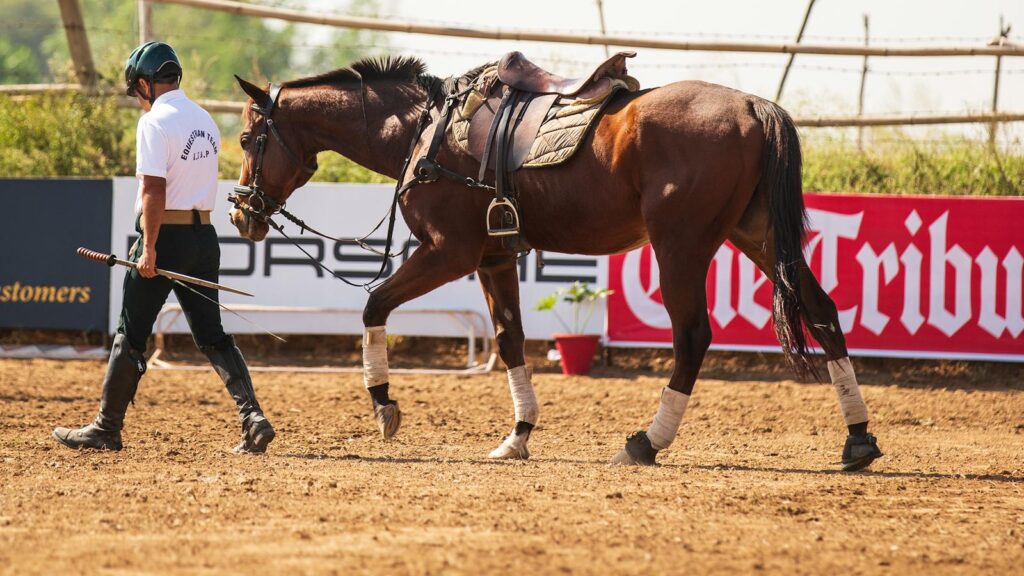
Groundwork provides an essential foundation for psychological connection, allowing horses to interact with humans in a way that aligns with their natural communication systems. These unmounted exercises establish leadership, communication protocols, and mutual understanding before adding the physical and mental challenges of riding. Effective groundwork isn’t mindless circling but purposeful interaction that develops the horse’s responsiveness to subtle cues, spatial awareness, and emotional self-regulation. Through properly executed groundwork patterns, horses learn to match your energy, coordinate their movements with yours, and maintain focus despite distractions—skills that transfer directly to mounted work. These foundations create a psychological framework where the horse understands what’s expected and has practiced the mental skills required for successful partnership, substantially reducing confusion and conflict when riding begins.
Creating Shared Experiences

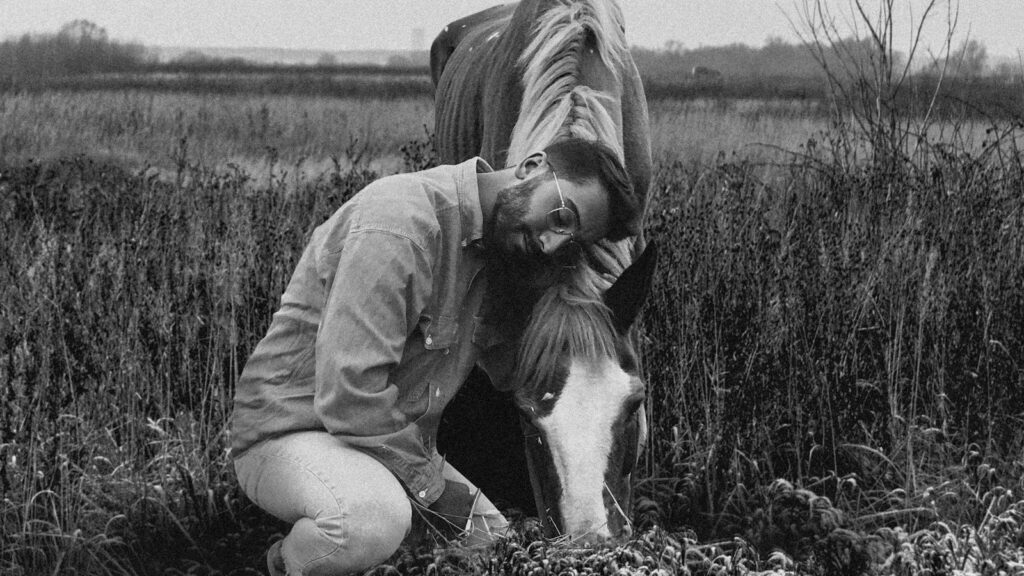
Beyond formal training, the emotional bond with horses strengthens through shared experiences that build mutual trust and positive associations. Activities like exploring new trails, overcoming challenges together, or simply sharing quiet time in each other’s company create relationship depth that transcends functional obedience. These shared experiences, especially those involving mutual vulnerability and successful navigation of novel situations, create powerful neural connections in both horse and human brains. During positive interactions, both species release oxytocin—the bonding hormone that creates feelings of connection and trust between individuals. Intentionally creating these positive shared experiences, rather than limiting interactions to work or training contexts, develops a relationship where your horse genuinely enjoys your company rather than merely tolerating your presence. This emotional foundation transforms the entire partnership from compliance-based to connection-based.
Applying Patience and Timing
Perhaps no skills are more crucial to applying horse psychology effectively than patience and timing. Rushing horses through their natural learning process creates confusion, anxiety, and deteriorating trust that compromises both performance and relationship quality. Accomplished horse people understand that allowing the horse time to process, consider, and integrate new information actually accelerates learning in the long term, even though it might appear slower initially. Equally important is developing precise timing—the ability to recognize and immediately reinforce the exact moment your horse offers the desired response, even in its smallest form. This timing precision requires focused attention and self-awareness that benefits the human partner as much as the horse, creating mindfulness that extends beyond the barn. When patience and timing work together, training progresses with minimal resistance, creating positive cycles that strengthen your connection with each interaction.
Conclusion
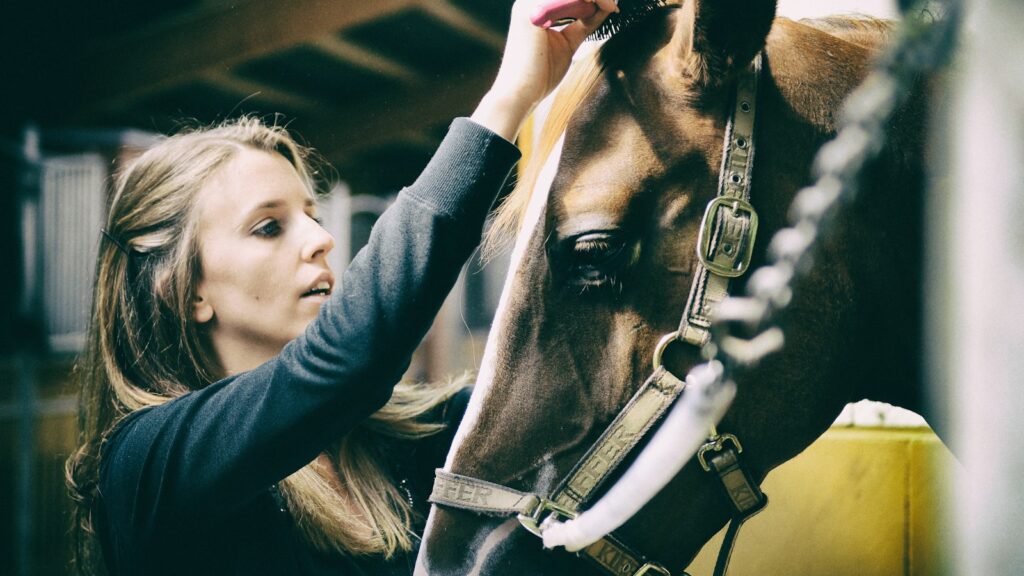
Understanding and applying horse psychology fundamentally changes our approach to these sensitive, intelligent animals. Rather than imposing our human perspectives and expectations, we learn to see the world through their eyes—acknowledging their evolutionary history, natural behavioral patterns, and unique perception systems. This perspective shift transforms our interactions from control-based to partnership-based, creating relationships founded on mutual understanding and respect. As we develop our knowledge of equine psychology, we simultaneously cultivate qualities within ourselves that make us better partners—patience, consistent leadership, clear communication, and emotional awareness. The resulting bond transcends traditional human-animal relationships, becoming instead a genuine connection between two species who have learned to navigate the world together despite their differences. This is the true gift of equine psychology—it creates pathways for authentic connection with these magnificent beings who have accompanied humanity throughout our shared history.