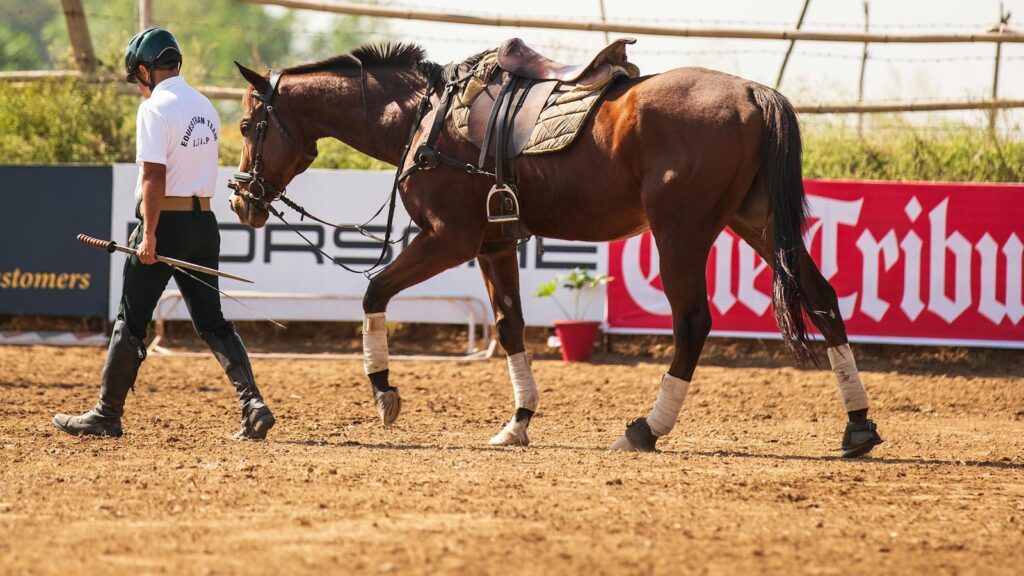
In the world of horsemanship, few topics generate as much passionate debate as groundwork. This foundation of training—where handlers work with horses from the ground rather than from the saddle—divides the equestrian community into enthusiastic advocates and reluctant participants. Some riders light up at the mention of groundwork, eagerly implementing lunging, leading exercises, and liberty work into their regular routines. Others sigh heavily, viewing these exercises as tedious preliminaries to what they consider the “real” work of riding. This division isn’t merely about preference but reflects deeper philosophies about the horse-human relationship, training methodologies, and even personal temperaments. Understanding the reasons behind these differing perspectives offers valuable insights into the diverse approaches that make up modern horsemanship.
The Foundation of Horse-Human Communication
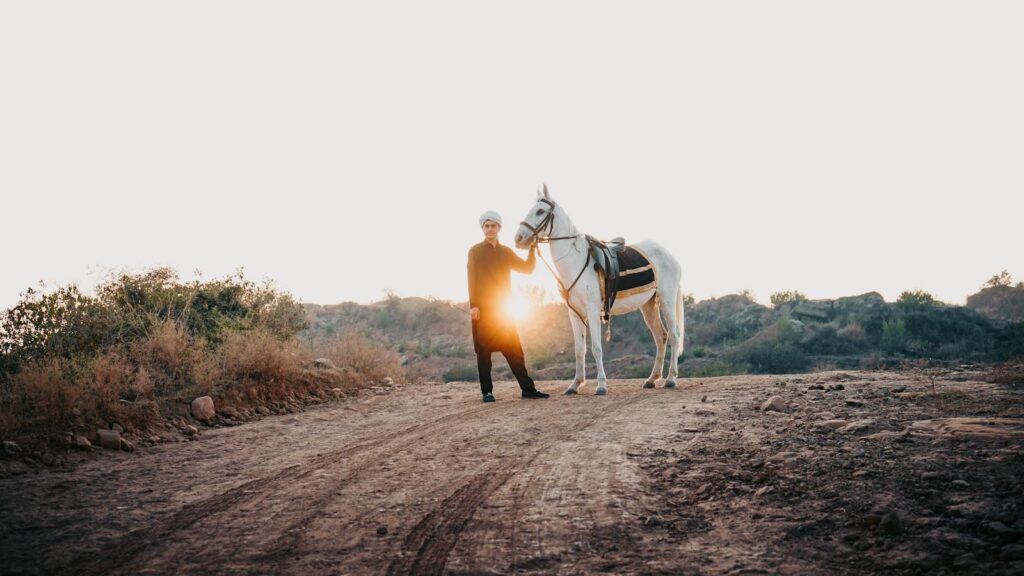
Groundwork enthusiasts often cite the unparalleled communication opportunities these exercises provide as their primary attraction. When working from the ground, handlers can observe their horse’s entire body language without the distraction of managing their own riding position and balance. This heightened awareness allows for more nuanced exchanges, where the slightest shift in equine posture or expression becomes meaningful feedback. Many experienced trainers insist that the subtleties of equine communication become most apparent during these ground-based interactions, offering learning opportunities that simply cannot be replicated while mounted. This focused connection creates a shared language between horse and human that extends beyond physical cues to mutual understanding and respect.
Building Trust Through Presence
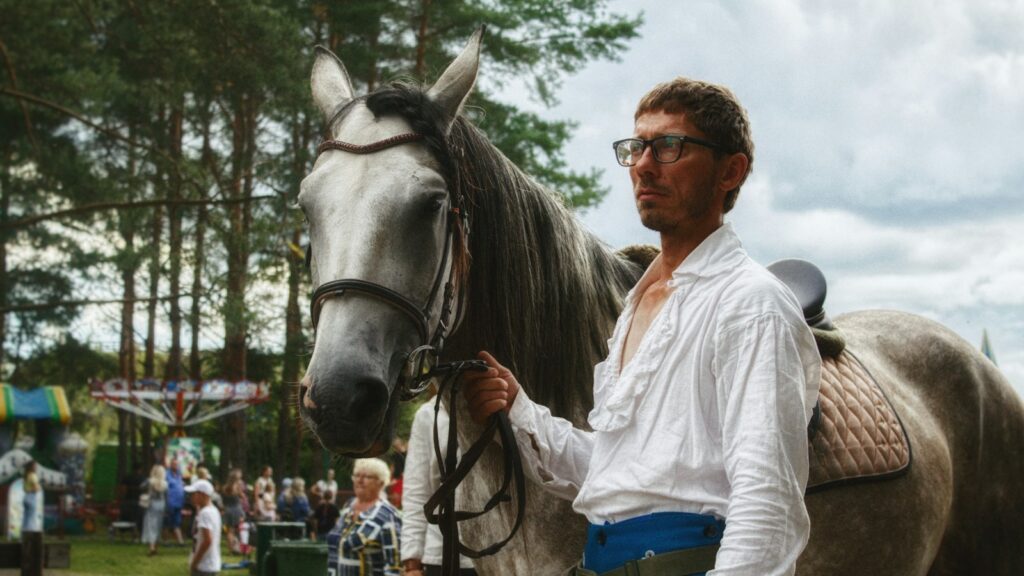
For groundwork devotees, these exercises represent the purest form of relationship building with their equine partners. Without the constraints of tack and the physical dominance implied by sitting above the horse, many find that groundwork fosters a more equal partnership based on willing cooperation rather than compliance. Trainers like Monty Roberts and Pat Parelli have built entire training philosophies around this principle, emphasizing how ground exercises establish trust through consistency, clear communication, and respect for the horse’s natural instincts. Those who appreciate this aspect often describe profound moments of connection during groundwork sessions when their horse chooses to engage with them despite having the freedom to walk away. This voluntary participation becomes a powerful endorsement of the relationship that transcends the traditional hierarchy of horse and rider.
The Safety Perspective
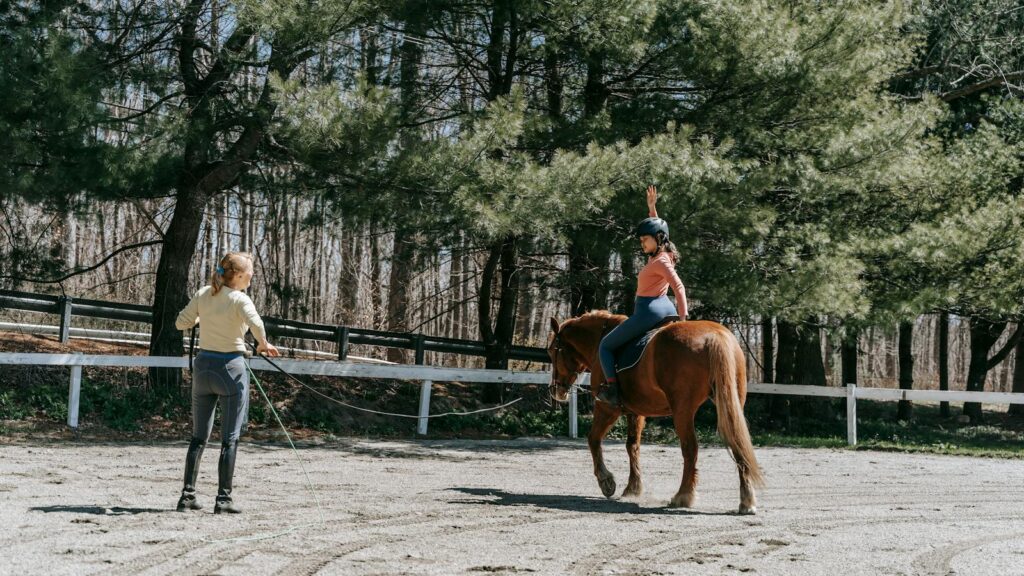
Practical-minded equestrians often value groundwork for its contributions to safety for both horse and human. Working through potentially challenging scenarios on the ground provides a safer environment for addressing issues like spookiness, resistance, or confusion before these behaviors become dangerous under saddle. Professional trainers frequently implement systematic groundwork programs with young or troubled horses, recognizing that establishing reliable responses to basic cues from the ground creates essential safety protocols. Statistics consistently show that handlers who regularly practice groundwork experience fewer handling accidents, as their horses become more predictable and responsive in various situations. For those who have experienced the consequences of inadequate ground training, the time invested in these exercises represents essential risk management rather than optional preparation.
The Fitness Factor
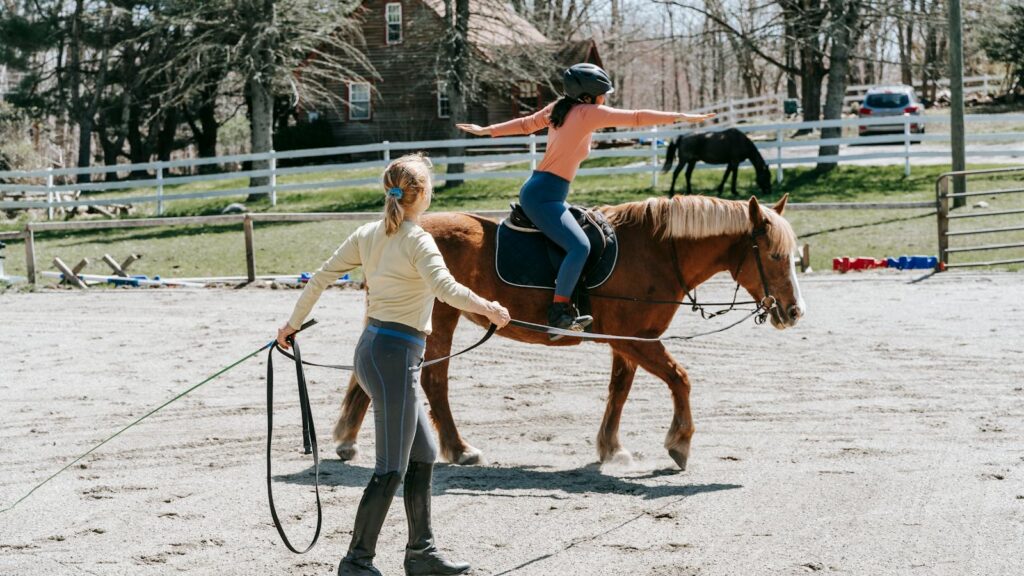
Physical development represents another compelling argument for groundwork enthusiasts, particularly those with performance horses. Properly executed lunging, long-lining, and liberty work develop core strength, balance, and coordination in ways that complement under-saddle training. Conditioning specialists point out that groundwork allows horses to move more naturally without the restriction of a rider’s weight, developing muscle symmetry that supports healthier movement when carrying a rider. Many dressage and jumping trainers incorporate specific ground exercises to target areas of weakness or asymmetry in their horses’ physical development. This approach recognizes that athletic horses, like human athletes, benefit from varied training modalities that develop different muscle groups and movement patterns.
The Time-Efficiency Argument

For those less enthusiastic about groundwork, the time investment often represents their primary objection. Riders with limited barn time frequently express frustration that extensive groundwork routines cut significantly into their already constrained riding opportunities. A busy amateur with just an hour at the barn might reasonably question whether spending half that time on groundwork exercises maximizes their enjoyment of their hobby. Professional trainers with multiple horses face similar time pressures, needing to balance thorough training with practical time management. This perspective doesn’t necessarily devalue groundwork’s benefits but weighs them against competing priorities and the realities of modern equestrian schedules.
The Results-Oriented Approach
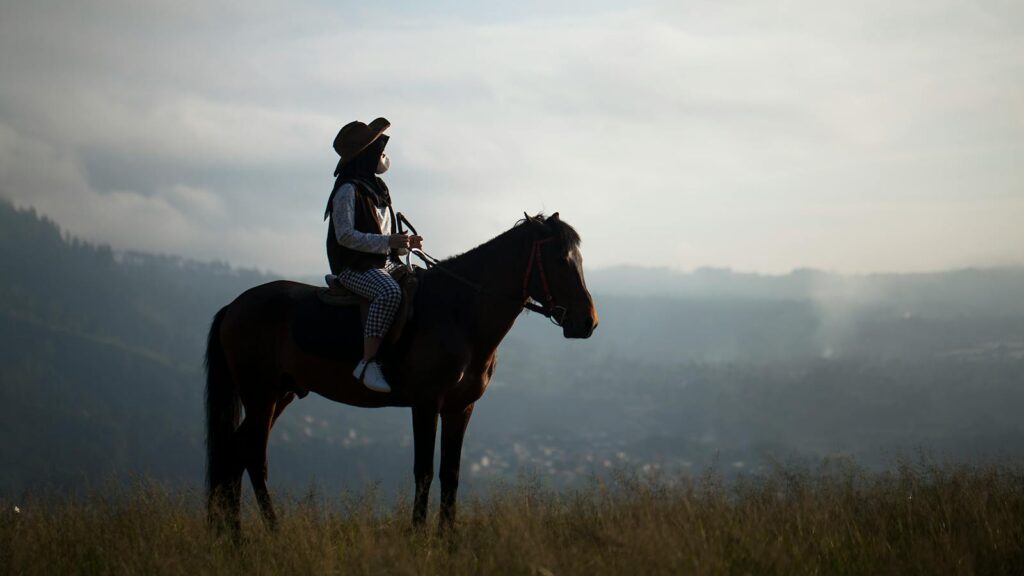
Some riders maintain skepticism about groundwork based on what they perceive as limited transferability to under-saddle performance. This perspective often emerges from experiences where extensive groundwork failed to produce corresponding improvements in riding issues or competition results. Performance-focused equestrians might question whether hours spent on liberty work translate meaningfully to dressage scores or jumping rounds. Several studies examining the correlation between ground training and riding outcomes have produced mixed results, fueling this debate within training circles. Those with competitive goals sometimes view groundwork as an indirect approach when more immediate, riding-based solutions might address their specific performance objectives.
Personality and Learning Preferences
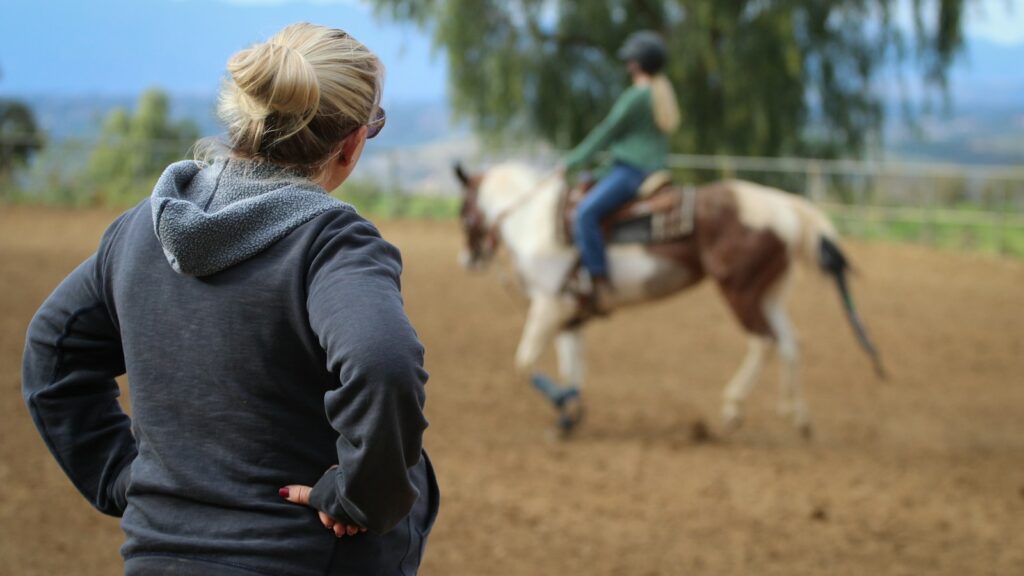
The groundwork divide often reflects fundamental differences in human learning and teaching styles more than disagreements about horsemanship philosophy. Kinesthetic learners typically embrace groundwork’s hands-on, experiential nature, finding meaningful connections through physical interaction and observation. Conversely, more goal-oriented individuals may become impatient with what they perceive as the indirect approach of groundwork, preferring the immediate feedback of riding. Personality research suggests that those with higher scores in conscientiousness and openness traits tend to appreciate the methodical progression of groundwork systems. Understanding these inherent differences in learning preferences helps explain why equally knowledgeable horsemen might hold opposing views on groundwork’s value.
Cultural and Traditional Influences
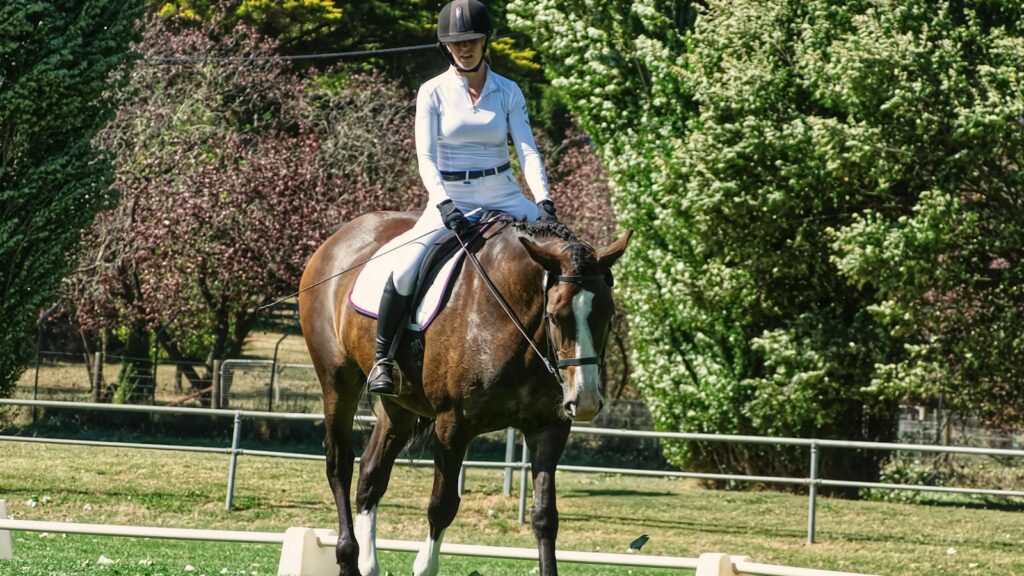
Historical and cultural contexts significantly shape attitudes toward groundwork across the equestrian world. Classical European traditions, particularly those emerging from the Spanish Riding School and French classical approaches, have long emphasized extensive groundwork as fundamental to proper horse development. In contrast, some Western riding traditions historically placed less emphasis on formal groundwork, focusing instead on practical handling skills and under-saddle training for working purposes. Modern English riding disciplines have varied in their adoption of systematic groundwork, with dressage embracing these methods more readily than jumping or eventing. These cultural differences persist in contemporary training approaches, influencing riders’ perspectives based on their equestrian “heritage.”
The Role of Early Experiences
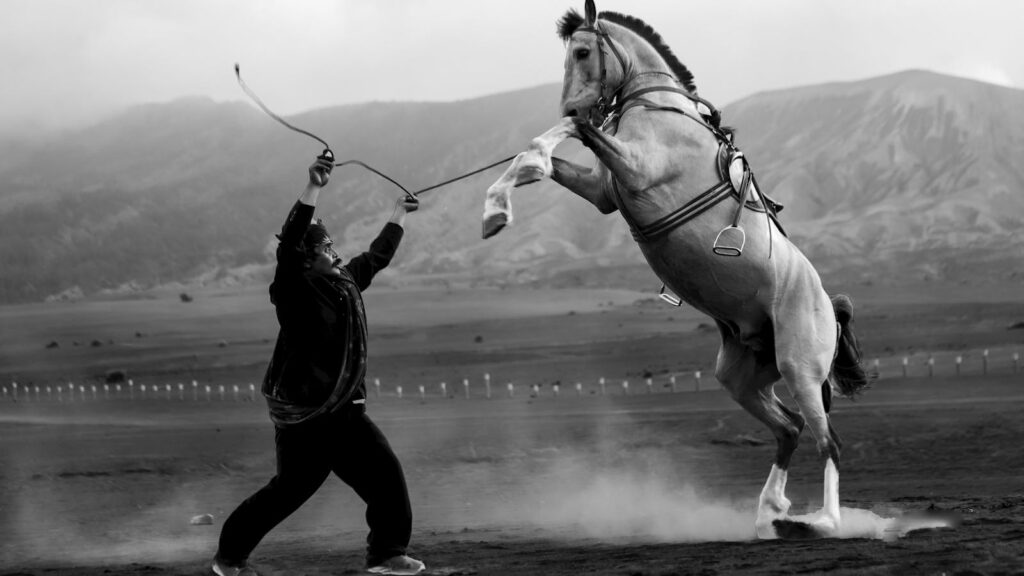
A rider’s introduction to groundwork often shapes their lifelong attitude toward these exercises. Those fortunate enough to learn from skilled mentors who effectively demonstrated groundwork’s connection to riding success typically develop appreciation for these methods. Unfortunately, many riders encounter groundwork through poorly executed programs or as punishment (“Go lunge that energy out of your horse”), creating negative associations that persist throughout their equestrian careers. Young riders in particular form strong impressions based on whether groundwork is presented as meaningful horsemanship or tedious obligation. These formative experiences explain why equally talented riders might hold dramatically different views on groundwork’s value despite similar education levels.
When Groundwork Becomes an Identity
For some equestrians, attitudes toward groundwork evolve beyond preference into aspects of personal identity within the horse community. Certain training methodologies elevate groundwork to nearly religious significance, with practitioners strongly identifying with these approaches as defining their horsemanship philosophy. This identity-based attachment explains the sometimes evangelical promotion of groundwork by its most dedicated advocates. Conversely, riders who build their equestrian identity around traditional riding achievements or competitive accomplishments may resist groundwork’s prominence as challenging their established values. The intensity of these positions reflects how deeply horsemen integrate their training approaches into their self-concept and community standing.
Finding Middle Ground in Methodology
Balanced approaches to groundwork continue gaining popularity as the equestrian community increasingly values evidence-based training. Modern integrated training systems typically incorporate targeted groundwork exercises that directly support riding objectives without becoming ends in themselves. Successful trainers often design individualized programs that consider each horse’s specific needs, temperament, and the rider’s goals rather than applying one-size-fits-all groundwork protocols. Research in equine learning theory supports this balanced approach, indicating that horses benefit most from consistent principles applied across both ground and mounted work. This integration acknowledges both perspectives – valuing groundwork’s foundation while recognizing riding’s primacy for most equestrians.
The Evolution of Groundwork in Modern Equestrian Education
The groundwork debate continues evolving as equestrian education becomes more systematized and professional. Certification programs for riding instructors increasingly include groundwork competencies as mandatory elements, reflecting the growing consensus about these skills’ importance. University equine programs now teach groundwork methodology alongside riding techniques, approaching both as complementary aspects of comprehensive horsemanship education. Professional organizations have developed standardized groundwork assessment criteria, elevating these skills beyond personal preference to established professional standards. This institutionalization suggests that despite the passionate debate, groundwork continues gaining recognition as an essential component of complete horsemanship rather than an optional approach.
conclusion

In understanding the divide between groundwork enthusiasts and skeptics, we gain insight into the beautiful complexity of the horse-human relationship. Rather than representing a simple right-versus-wrong debate, these differing perspectives reflect the diverse paths toward effective horsemanship. The most successful equestrians often find their own balance, incorporating groundwork elements that meaningfully contribute to their specific goals while remaining open to learning from both traditions. Perhaps the wisest approach lies not in declaring allegiance to either camp but in recognizing that horses themselves offer the most important feedback on which methods serve them best. In this ongoing conversation, the horses remain our most important teachers, guiding us toward the practices that best support their wellbeing and development regardless of our personal preferences.