
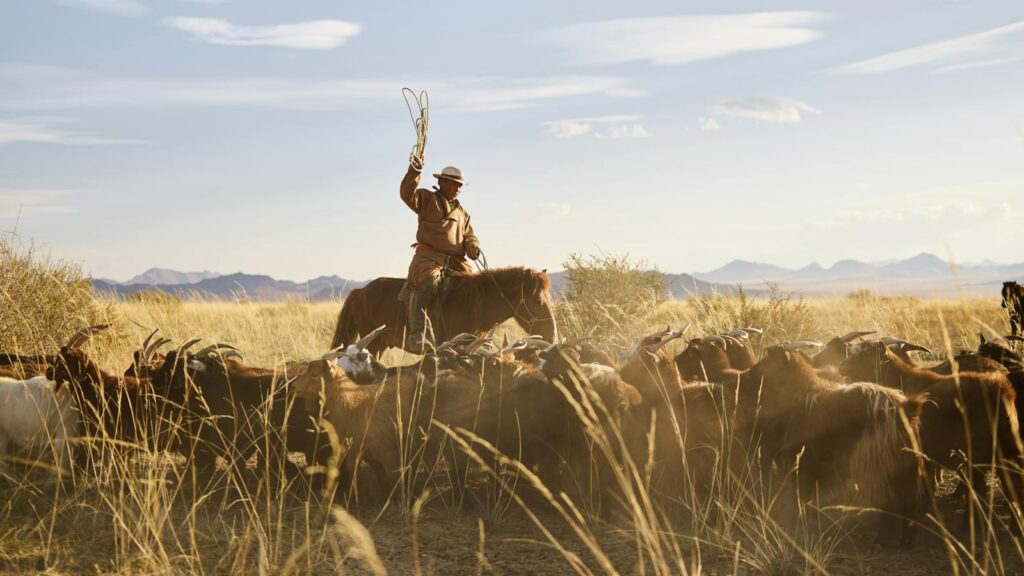
Endurance riding is one of the most demanding equestrian disciplines, requiring both horse and rider to maintain physical exertion over long distances ranging from 25 to 100 miles. Unlike casual trail riding, endurance events test the limits of equine and human partnership under challenging conditions. When riders attempt to participate in this sport without proper training, they risk serious consequences for themselves, their horses, and others around them. The decision to ride an endurance horse without adequate preparation can lead to a cascade of physical, emotional, and safety issues that extend far beyond simple discomfort.
Understanding Endurance Riding Fundamentals
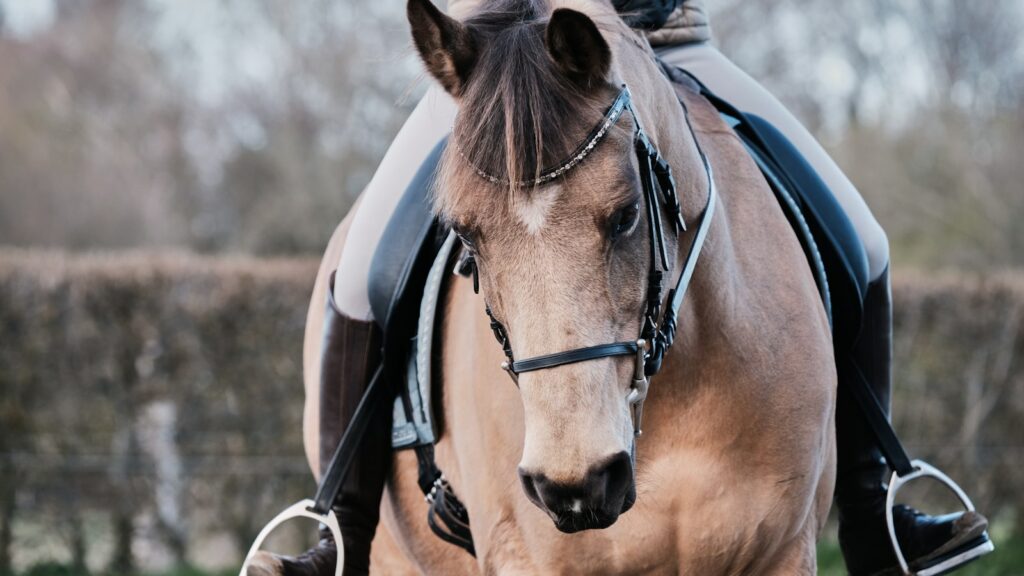
Endurance riding is a competitive equestrian sport that tests the stamina, fitness, and partnership between horse and rider over long distances. Unlike other equestrian disciplines focusing on speed or technical skill, endurance riding prioritizes the horse’s ability to maintain consistent performance while remaining metabolically sound throughout the journey. Events typically range from 25 miles for beginners to 100 miles for advanced competitors, with mandatory veterinary checks throughout to ensure the horse’s welfare. The sport requires specialized knowledge about pacing, terrain management, equine physiology, and strategic planning that only comes with dedicated training and experience. Without this foundation, both horse and rider enter a potentially dangerous situation ill-equipped for the challenges ahead.
Physical Consequences for the Rider
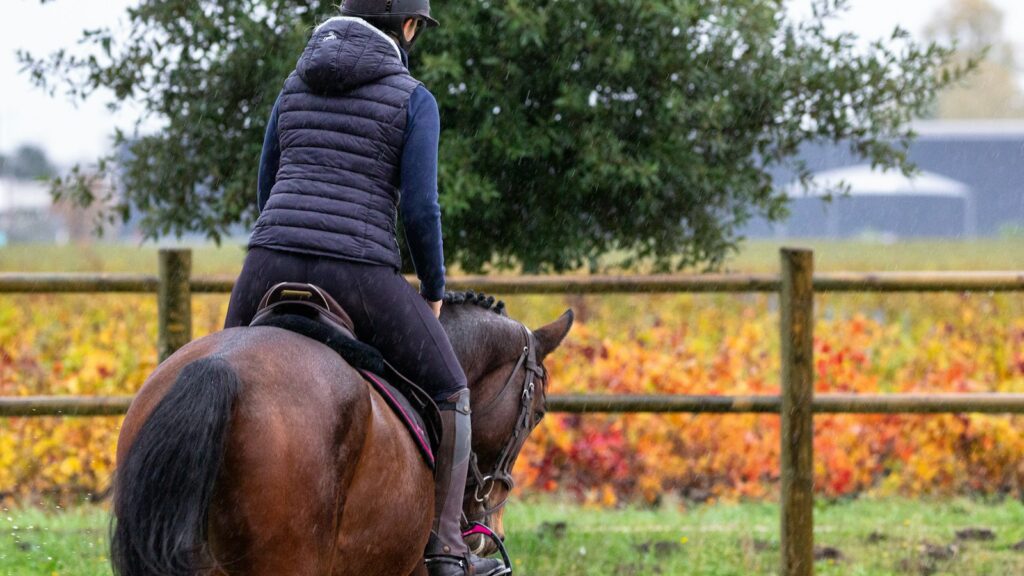
Attempting endurance riding without training subjects the rider’s body to extreme physical stress it hasn’t been prepared to handle. The most immediate consequence is severe muscle soreness and fatigue, particularly in the core, thighs, and lower back, which may last for days or even weeks after the ride. Without proper conditioning, riders often experience chafing and blisters in sensitive areas, dehydration from inadequate fluid management, and even serious conditions like rhabdomyolysis (breakdown of muscle tissue) in extreme cases. The physical toll extends beyond temporary discomfort, as improper riding posture maintained over many hours can lead to lasting musculoskeletal issues including back problems and hip imbalances. Additionally, the cognitive fatigue that accompanies physical exhaustion impairs decision-making abilities, creating a dangerous situation when navigating challenging terrain or responding to emergencies.
Risk of Falls and Injuries
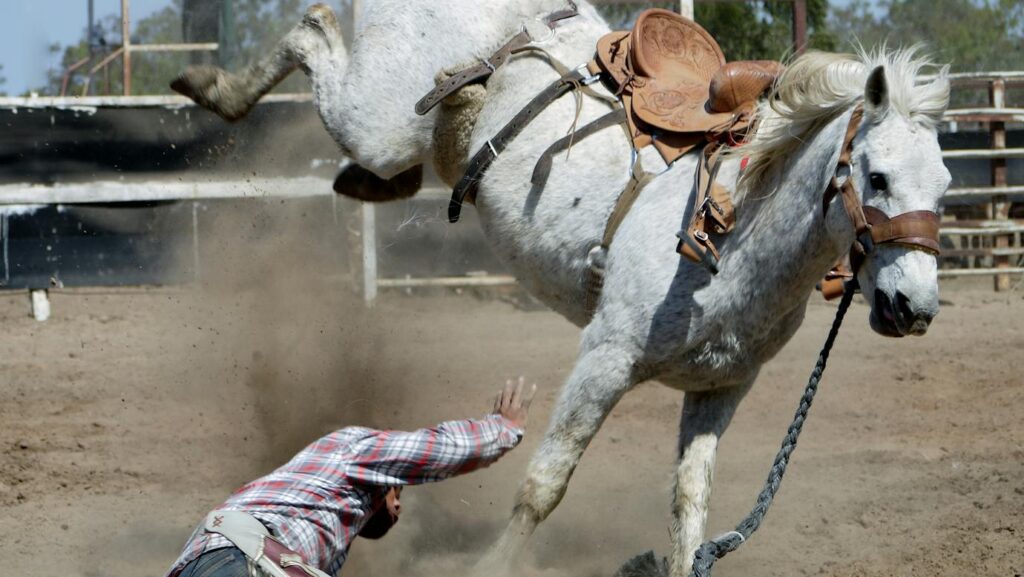
Untrained riders face significantly higher risks of falling from their mount during endurance rides due to compromised balance and coordination. As fatigue sets in, the rider’s ability to maintain proper position deteriorates, making it difficult to respond appropriately to sudden movements or spooks from the horse. Falls during endurance events are particularly dangerous because they often occur in remote locations far from immediate medical assistance, and on challenging terrain including rocky paths, steep inclines, or water crossings. The combination of speed, distance, and natural obstacles creates countless opportunities for accidents when rider skills are insufficient. Statistics from endurance riding organizations consistently show that inexperienced or undertrained riders account for a disproportionately high percentage of serious accidents requiring medical intervention during events.
Harm to the Horse’s Physical Wellbeing
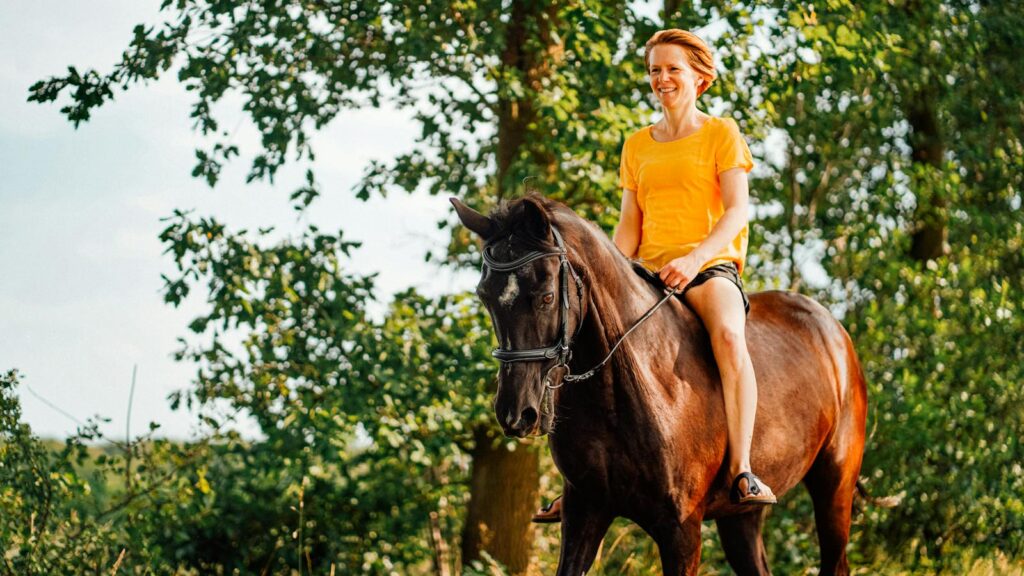
Perhaps the most significant concern when riding endurance without training is the potential harm to the horse. Untrained riders typically lack the skills to balance their weight properly, resulting in uneven pressure on the horse’s back that can cause pain, muscle damage, and even lasting spinal issues. An inexperienced rider’s inability to maintain consistent contact with the reins often leads to harsh, jerky movements that damage the horse’s sensitive mouth and can create lasting resistance to bit pressure. Metabolically, horses pushed beyond their conditioning level by riders who can’t recognize early fatigue signs risk severe consequences including tying-up syndrome, heat exhaustion, dehydration, and potentially fatal conditions like myopathy or colic. Even well-conditioned endurance horses require knowledgeable riders who understand when to push forward and when to slow down—knowledge that only comes through proper training.
Psychological Impact on the Horse
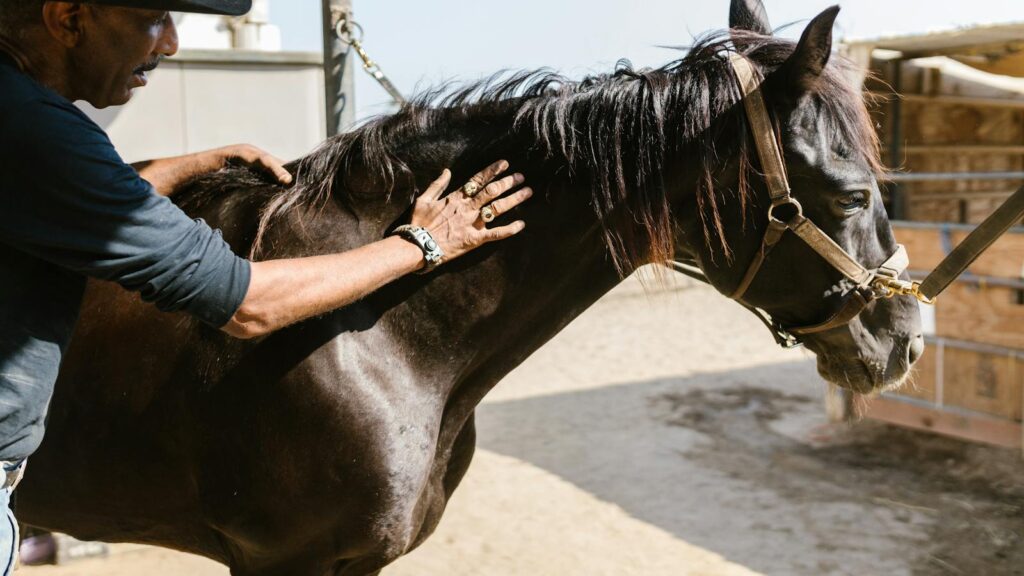
The psychological harm to horses ridden by untrained riders in endurance settings often goes unrecognized but can be equally damaging. Horses quickly develop anxiety and stress responses when paired with inconsistent riders who give contradictory signals or fail to provide clear leadership during challenging situations. This confusion creates a fundamental breakdown in the horse-rider relationship, potentially leading to dangerous behaviors like bolting, bucking, or freezing when confronted with obstacles. Endurance horses subjected to the insecurity of untrained riders may develop lasting behavioral issues including resistance to being caught, reluctance to load in trailers, or generalized nervousness under saddle. The psychological welfare of competition horses depends heavily on confident, consistent handling—qualities that untrained riders simply cannot provide during the stress of endurance conditions.
Navigation and Trail Safety Concerns

Endurance riding requires sophisticated navigation skills that untrained riders haven’t developed, creating serious safety hazards on the trail. Without proper training in map reading, trail marking systems, and GPS usage, riders may become lost in remote areas, potentially exposing themselves and their horses to dangerous weather conditions, wildlife encounters, or terrain hazards. The inability to accurately judge distances and travel times leads to poor pacing decisions, often resulting in pushing horses too hard early in the ride and running out of energy before reaching checkpoints. Trail etiquette knowledge is equally important, as untrained riders may unknowingly create dangerous situations when passing other competitors or navigating group situations at water crossings or narrow trails. These navigation errors not only jeopardize the individual rider but can trigger search and rescue operations that put additional people at risk.
Equipment and Tack Issues
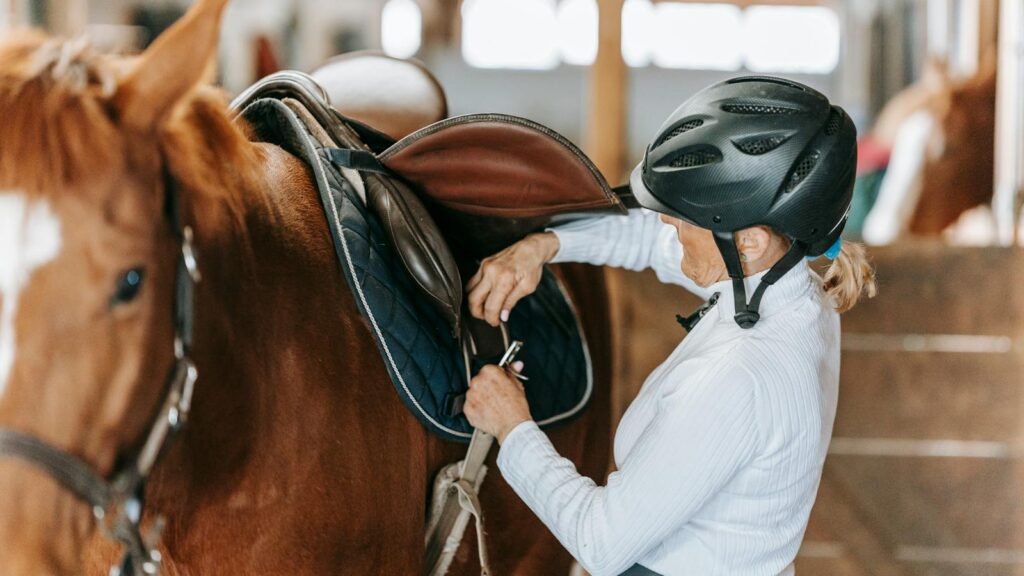
Proper equipment selection and fitting is a critical aspect of endurance riding that untrained riders typically haven’t mastered. Using inappropriate tack for long-distance riding—such as saddles designed for other disciplines—creates pressure points that become excruciating over many hours, potentially causing lasting tissue damage to the horse. Untrained riders often make critical errors in girth tension, pad placement, or bit selection that compromise their horse’s comfort and performance throughout the ride. The specialized equipment needs for endurance, including proper hydration systems, electrolyte administration tools, and emergency supplies, require knowledge and practice to use effectively. Even seemingly minor equipment issues like stirrup length or rein adjustment become magnified during an endurance ride, creating cumulative problems that untrained riders cannot anticipate or address effectively.
Metabolic Understanding and Management
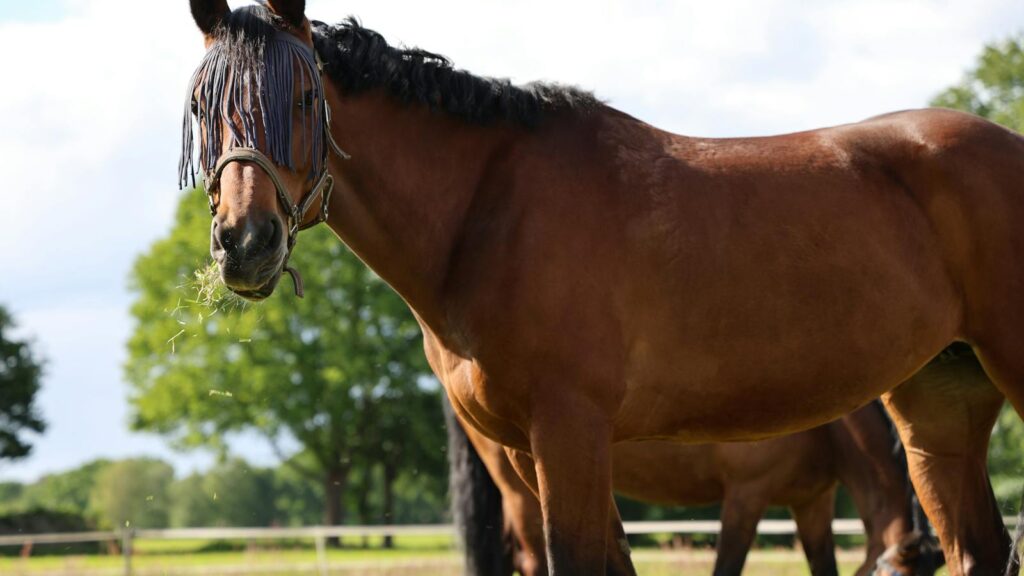
One of the most dangerous knowledge gaps for untrained endurance riders involves understanding equine metabolic processes during extended exertion. Endurance riding requires constant monitoring of the horse’s pulse, respiration, hydration status, and general attitude to prevent dangerous metabolic crashes. Untrained riders typically cannot recognize early warning signs of issues like impending tying-up, heart rate abnormalities, or subtle lameness that experienced riders would immediately address. The complex science of electrolyte balance and appropriate supplementation throughout long rides represents another critical knowledge area that cannot be improvised without training. Without this metabolic understanding, riders risk pushing their horses into serious medical emergencies including exhaustion, kidney damage, muscle breakdown, or even fatal metabolic collapse—all preventable with proper training and awareness.
Impact on Competitive Events
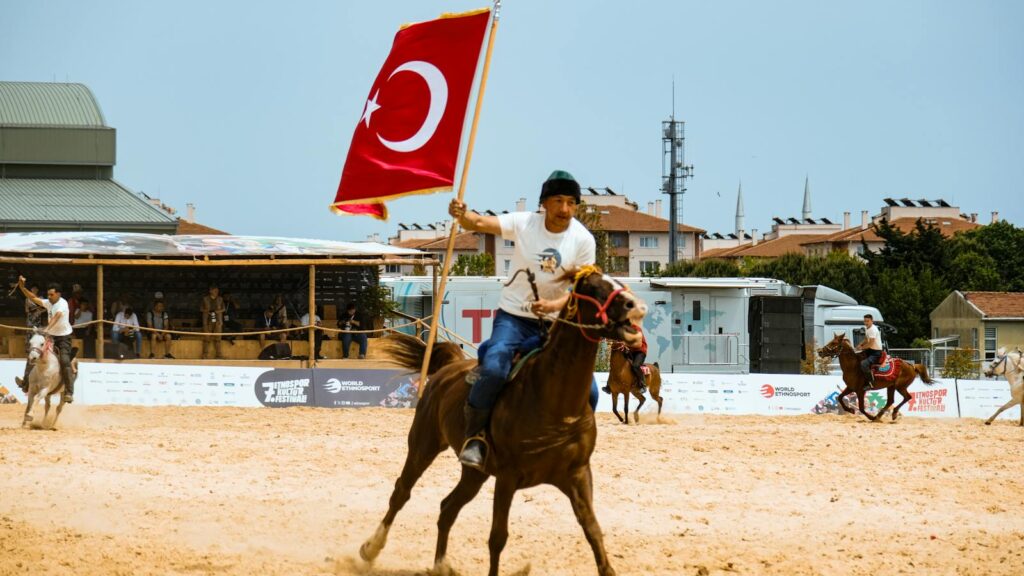
When untrained riders attempt to participate in organized endurance competitions, they create disruptions that affect the entire event. Competition officials must divert resources to address issues caused by unprepared participants, from search parties for lost riders to emergency veterinary intervention for compromised horses. The presence of untrained riders on course often creates bottlenecks at technical sections, water crossings, or checkpoints, disrupting the rhythm and pacing of properly prepared competitors. Many endurance events operate with limited volunteer resources that become strained when dealing with preventable situations caused by lack of preparation. This negative impact extends beyond the event itself, as riding organizations may implement stricter qualification requirements or higher entry fees to address problems caused by unprepared participants, potentially limiting accessibility to the sport for everyone.
Veterinary Checkpoint Failures
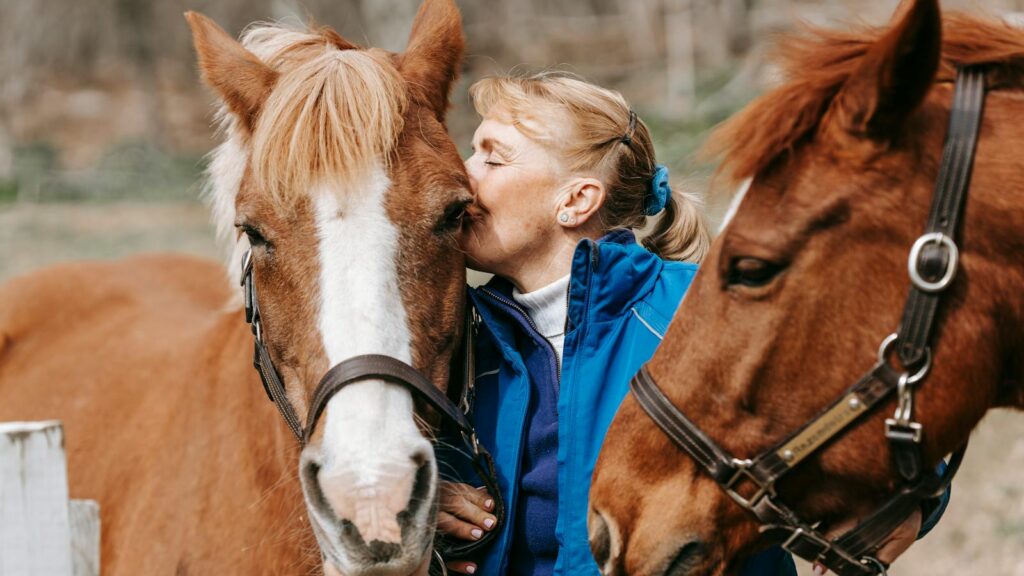
Endurance competitions include mandatory veterinary checkpoints where horses must demonstrate metabolic stability and soundness to continue. Untrained riders typically experience high rates of elimination at these checkpoints due to their inability to properly prepare and manage their horse’s condition throughout the ride. Horses ridden by inexperienced handlers frequently present with elevated heart rates that fail to recover within the required parameters, indicating dangerous levels of stress or early metabolic compromise. Lameness issues are also more common under untrained riders who haven’t developed the sensitivity to detect subtle gait changes before they become serious problems. These checkpoint eliminations aren’t merely disappointing—they represent the veterinary team identifying real welfare concerns that could progress to serious medical emergencies if the horse continued on course.
Building Proper Endurance Training
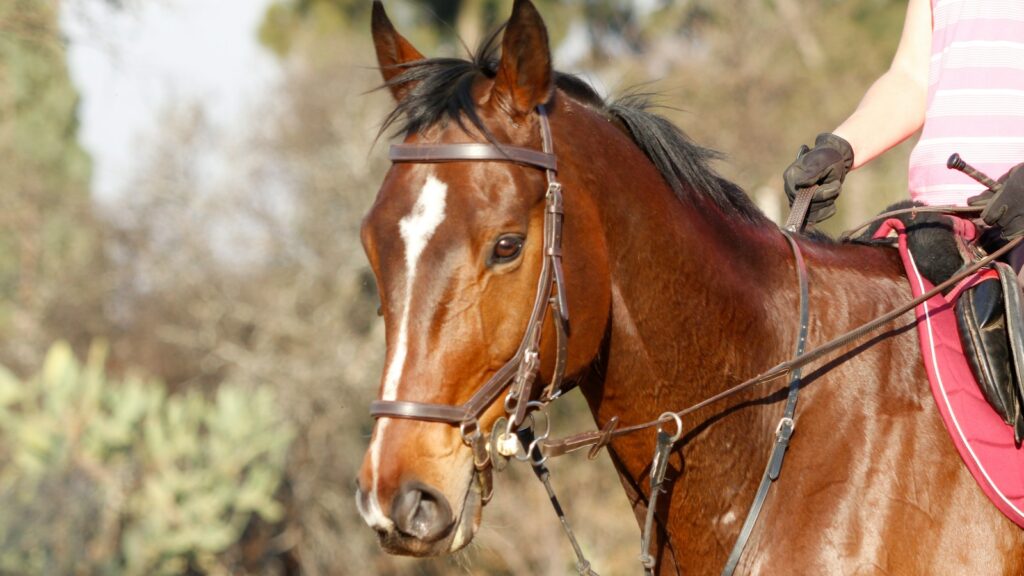
Developing appropriate endurance riding skills requires a methodical, progressive approach that cannot be skipped or rushed. Proper training begins with establishing fundamental equitation skills including balanced seat, independent hands, and effective communication with the horse through subtle aids. As basics solidify, distance can be gradually increased through structured conditioning programs that systematically build the cardiovascular and muscular endurance of both horse and rider over several months. Knowledge components must develop concurrently through education about equine physiology, nutrition, first aid, and the technical aspects of distance riding equipment. Most successful endurance riders apprentice with experienced mentors who can provide real-time feedback and guidance during training rides before attempting competitive events. This comprehensive preparation typically requires at least 6-12 months of dedicated training before attempting even entry-level endurance competitions.
Legal and Ethical Considerations
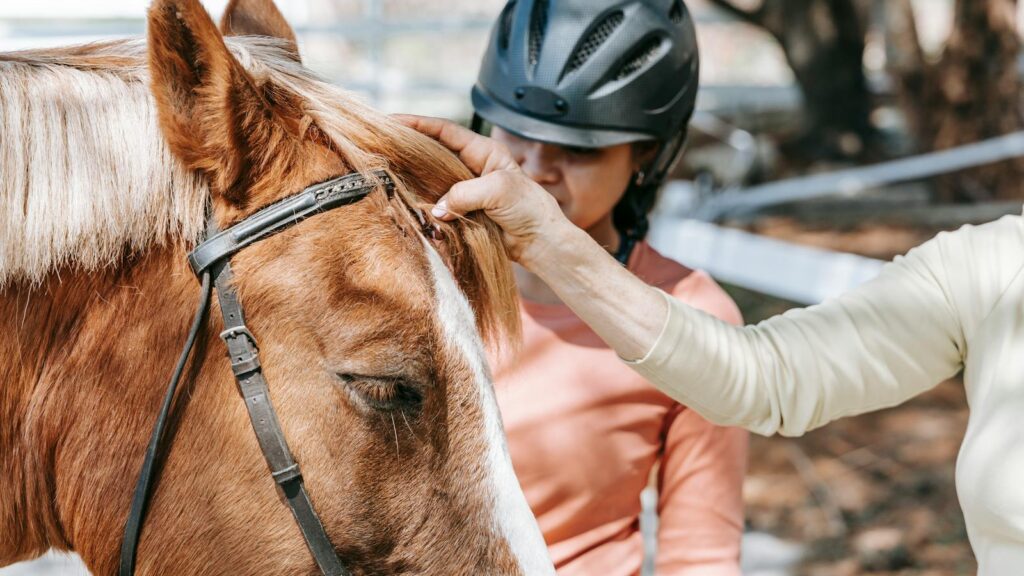
Beyond physical and practical concerns, riding endurance without training raises serious ethical and potentially legal questions around animal welfare. Many equestrian organizations have established codes of conduct that explicitly prohibit subjecting horses to activities beyond their training level or physical conditioning. Riders who knowingly enter horses in endurance events without proper preparation may face sanctions including competition bans or loss of membership privileges in riding associations. In more serious cases of horse welfare compromise, animal protection laws in many jurisdictions could potentially apply, particularly if veterinary evidence shows the horse suffered preventable distress or injury due to the rider’s negligence. The endurance community generally maintains strong self-policing standards around proper preparation, with social consequences for those who put horses at risk through inadequate training.
Alternative Approaches for Beginners
For those interested in endurance riding but lacking sufficient training, several safer alternative pathways exist to enter the sport responsibly. Many regions offer “intro” or “pleasure” ride divisions covering shorter distances (10-15 miles) with less stringent completion requirements, providing an ideal environment to gain experience with lower risk. Participating as a volunteer or crew member at established endurance events offers invaluable learning opportunities while contributing to the sport community without endangering a horse. Joining training rides with experienced endurance groups allows beginners to benefit from supervision and immediate feedback while gradually building their skills in a supported environment. Focusing on progressive conditioning through increasing distance and difficulty in training before attempting competitive events represents the most responsible approach to entering the sport safely and successfully.
Conclusion: The Necessity of Proper Preparation
Attempting endurance riding without adequate training creates an unnecessary and irresponsible risk situation with potential consequences ranging from minor discomfort to severe injury or worse for both horse and rider. The specialized nature of the sport requires dedicated preparation addressing physical conditioning, knowledge development, equipment familiarity, and horsemanship skills that cannot be bypassed. Responsible engagement with endurance riding means acknowledging one’s current limitations and pursuing appropriate education before attempting the activity. The joy and satisfaction of endurance riding come not just from covering distance, but from the partnership developed through proper training that allows both horse and rider to complete challenging journeys safely and successfully. By respecting the need for preparation, riders protect themselves, their equine partners, and the integrity of this demanding but rewarding equestrian discipline.