Equestrian sports showcase the majestic partnership between humans and horses, often capturing our imagination with images of graceful dressage performances, thrilling show jumping competitions, and high-speed events. Yet behind these impressive displays lies a foundation of consistent, often unglamorous work that rarely makes it into the spotlight – barn chores. These daily tasks form the backbone of proper equine care and management, creating the conditions necessary for horses to thrive as athletes and companions. While competitors accept trophies and ribbons in the arena, it’s the diligent execution of these fundamental responsibilities that truly makes equestrian pursuits possible. In this exploration of barn chores, we’ll uncover the reality behind the romanticized world of horse sports and reveal why these essential tasks deserve recognition as the true heart of horsemanship.
The Foundation of Equestrian Success
Barn chores constitute the invisible infrastructure supporting every equestrian achievement, regardless of discipline or competition level. From Olympic medalists to weekend trail riders, the same fundamental care practices ensure horses remain healthy, comfortable, and capable of performing. These tasks create a stable foundation upon which training can build, serving as prerequisites to any riding success. Professional riders often credit their early years of mucking stalls, hauling water buckets, and sweeping aisles with teaching them attention to detail and horse management fundamentals. The correlation between excellent barn management and competitive success is no coincidence; rather, it reflects the cumulative benefits of consistent, quality care on equine physical and mental wellbeing.
The Daily Cleaning Routine
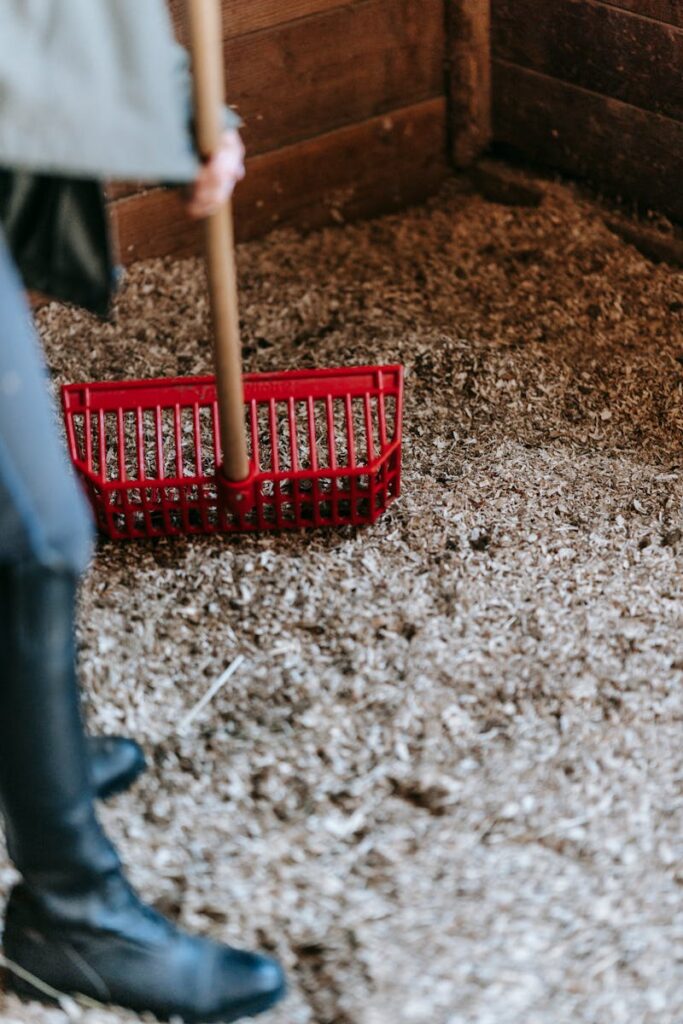
Stall cleaning stands as perhaps the most essential and time-consuming barn task, requiring attention multiple times daily to maintain healthy living conditions. This process involves removing soiled bedding, manure, and wet spots, replacing fresh bedding as needed, and ensuring proper air quality within the horse’s living space. Beyond the obvious sanitation benefits, thorough stall cleaning helps prevent respiratory issues, reduces parasite loads, and minimizes hoof problems like thrush that thrive in unclean conditions. Regular cleaning also provides an opportunity to observe changes in a horse’s manure, urination patterns, or behavior that might indicate health concerns requiring attention. Even in the most elite competitive barns, this fundamental task commands respect and attention, with some top riders insisting on handling their horses’ stall cleaning personally to maintain consistent standards.
Feeding Protocols and Nutritional Management
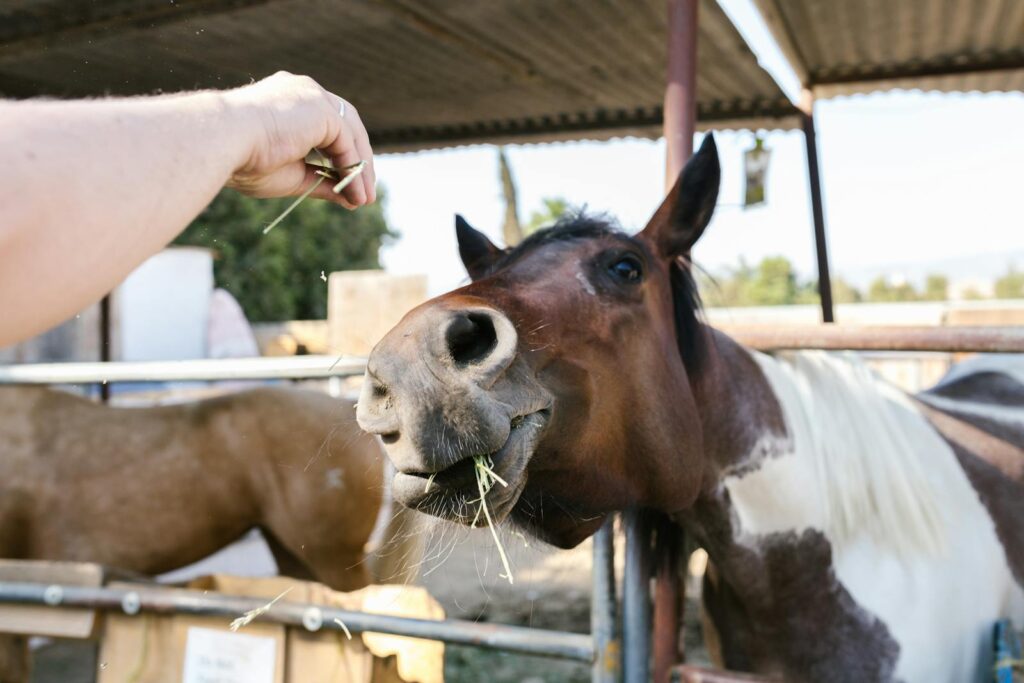
Feeding horses constitutes a science and art form requiring precise timing, consistent quantities, and careful observation of each animal’s condition and needs. This cornerstone barn chore typically occurs at least twice daily, with many facilities implementing three or four feeding times to better mimic horses’ natural grazing patterns. Beyond simply distributing hay and grain, proper feeding includes checking water sources, adding supplements as prescribed, and monitoring each horse’s appetite and consumption patterns for changes that might indicate health concerns. The feeding routine establishes a reliable schedule around which horses organize their day, providing both physical nourishment and psychological security. Competitive success depends significantly on appropriate nutritional management tailored to each horse’s workload, metabolism, and specific requirements during different training and competition phases.
Water Management Challenges
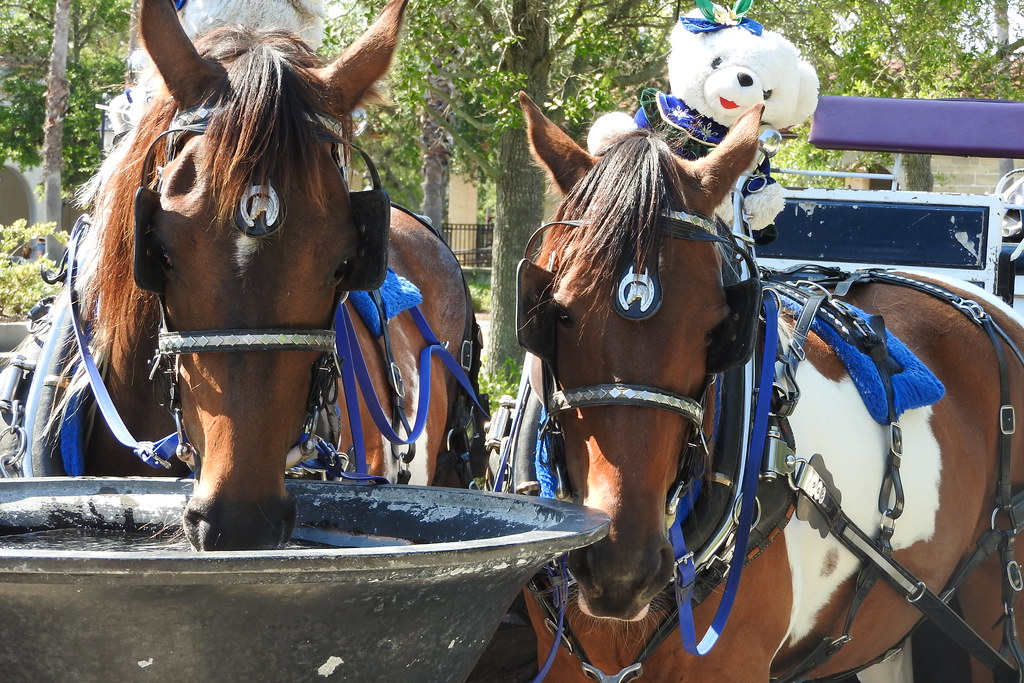
Providing clean, fresh water ranks among the most critical yet underappreciated barn responsibilities, requiring constant vigilance regardless of weather conditions or facility design. Horses consume between 5-15 gallons daily depending on temperature, workload, and individual needs, making water management a significant daily undertaking. In facilities lacking automatic waterers, this means hauling heavy buckets multiple times daily and scrubbing containers to prevent algae growth or contamination. Even with automatic systems, daily checking, cleaning, and maintenance prevents potentially dangerous malfunctions like freezing in winter or clogging that could leave horses without adequate hydration. Dehydration quickly impairs performance and can lead to serious health complications like colic, making consistent water management non-negotiable even when other barn tasks might occasionally be simplified. The physical demands of water management alone—carrying up to several hundred pounds of water daily in bucket barns—contributes significantly to the strength many equestrians develop through their daily chore routines.
Turnout Management and Field Care
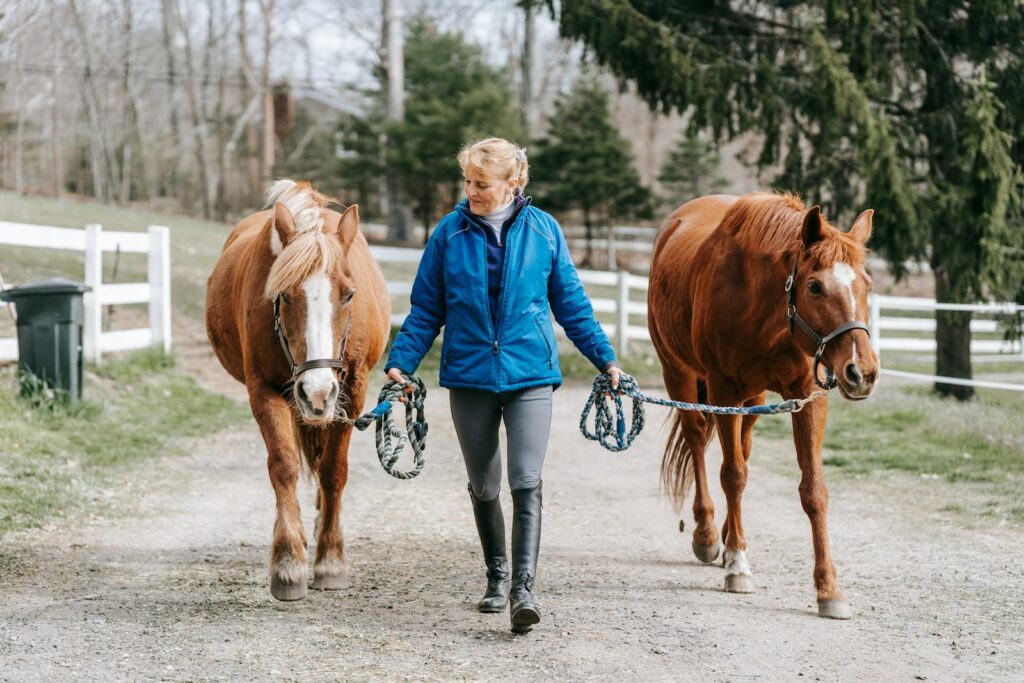
Facilitating appropriate turnout time represents an essential component of equine health management, balancing exercise needs, social interaction, and safety considerations. This daily task involves leading horses to and from paddocks or pastures, checking field conditions for hazards, and monitoring group dynamics when horses are turned out together. Beyond the physical movement involved, turnout management requires judgment about weather conditions, appropriate groupings of compatible horses, and timing to maintain consistent schedules. Field maintenance extends the responsibility further, with tasks like manure removal, fence checking, and rotational grazing practices ensuring sustainable use of available pasture. For competition horses, turnout decisions become even more nuanced, balancing the mental health benefits of outdoor time against injury risks that could derail training schedules or competitive seasons.
Grooming Beyond Aesthetics
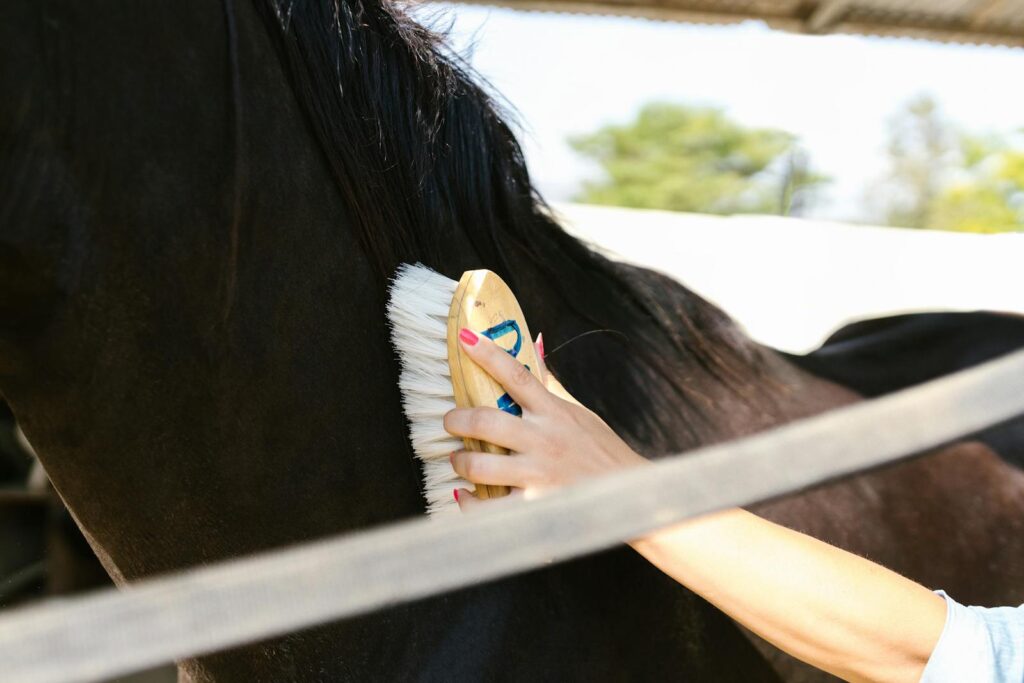
Regular grooming transcends mere appearance preparation, serving as a comprehensive health check and bonding opportunity between horse and caretaker. This daily routine includes thorough brushing to remove dirt, stimulate circulation, and distribute natural oils through the coat while simultaneously allowing handlers to detect subtle changes like swellings, heat, or sensitivity that might indicate developing issues. Hoof picking during grooming prevents potentially serious conditions by removing debris and checking for problems like thrush, loose shoes, or bruising that could develop into lameness if unaddressed. For competition horses, grooming expands to include specialized care like bathing, mane pulling or braiding, and quarter mark application, activities that can add hours to preparation time before events. The intimate knowledge of a horse’s body gained through consistent grooming often allows experienced caretakers to identify subtle issues before they manifest as performance problems or serious health concerns.
Tack Cleaning and Equipment Management
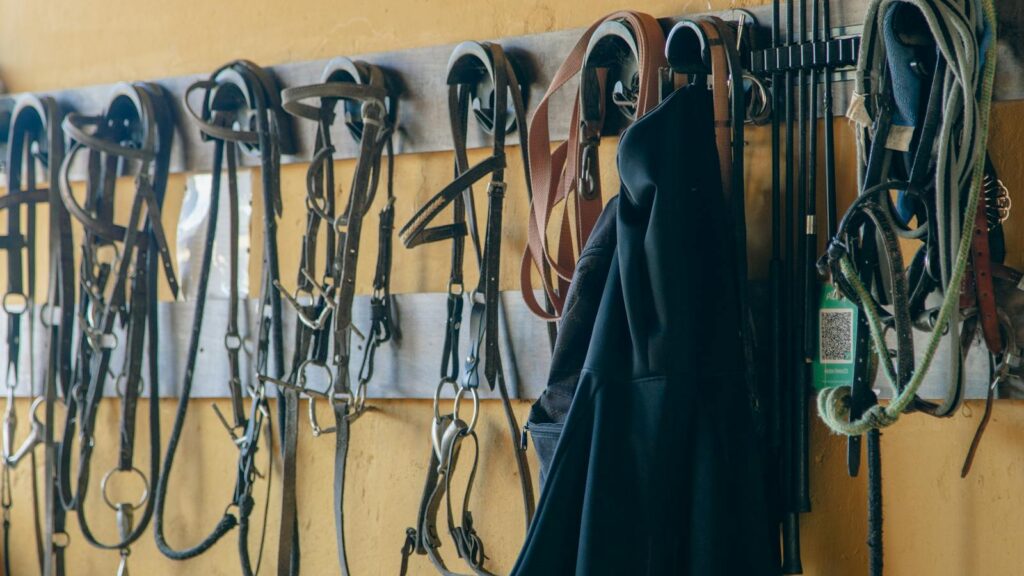
Proper maintenance of saddles, bridles, and auxiliary equipment represents both a safety requirement and a significant investment protection within the equestrian world. Regular cleaning removes harmful sweat and dirt that deteriorate leather, prevents uncomfortable rubs or pressure points for the horse, and allows early identification of worn areas that could fail during use. This meticulous task typically consumes several hours weekly, with competition tack often requiring daily attention to maintain optimal condition and appearance. Beyond cleaning, comprehensive tack management includes proper storage in climate-controlled conditions, regular professional reflocking of saddles, and thoughtful evaluation of each piece’s suitability for the horse’s changing physique throughout training seasons. Many riders develop deeply personal routines around tack cleaning, considering it meditative preparation for upcoming rides while simultaneously honoring the craftsmanship of quality equipment designed to last generations when properly maintained.
Facility Maintenance Requirements
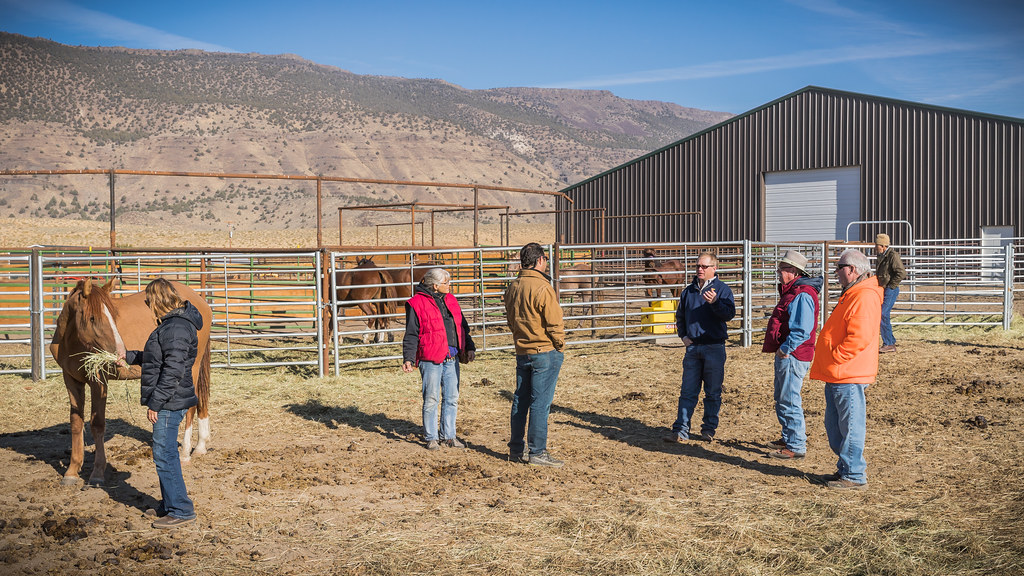
Maintaining functional, safe equestrian facilities demands ongoing attention to infrastructure beyond direct horse care tasks, creating an additional layer of responsibility. This includes regular sweeping of barn aisles, washing of communal areas, organization of storage spaces, and management of feed rooms to prevent pest problems. Seasonal maintenance extends to tasks like cleaning gutters, managing drainage systems, repairing fencing, and addressing footing conditions in riding areas. Facility upkeep also encompasses waste management protocols for manure disposal or composting, often involving daily spreading or removal procedures to maintain sanitary conditions. For competitive facilities, additional attention focuses on presentation elements like landscaping, signage, and spectator amenities that create professional environments for events while still prioritizing horse safety and comfort.
The Physical Demands on Caretakers

The physical reality of barn work challenges romanticized notions of equestrian lifestyle, demanding significant strength, endurance, and resilience from those who perform these duties daily. A typical morning routine might involve moving several hundred pounds of hay, carrying multiple 5-gallon water buckets weighing over 40 pounds each, and maneuvering wheelbarrows loaded with soiled bedding and manure through varied terrain. These tasks occur regardless of weather conditions, with winter adding frozen water sources and summer bringing dehydration risks during physically demanding work in high temperatures. The repetitive nature of many barn movements—lifting, bending, carrying, and twisting—creates particular physical stress patterns that experienced horse people learn to manage through proper technique and preventative exercises. Rather than diminishing the equestrian pursuit, this physical dimension connects modern horse keeping to its historical roots and develops practical strength that translates directly to improved handling and riding capabilities.
Time Management Realities

The comprehensive nature of proper horse care creates significant time commitments that prospective equestrians often underestimate when entering the sport. Basic daily care routines typically require a minimum of one to two hours per horse, with this timeline expanding considerably during competition preparation, injury rehabilitation, or extreme weather conditions. This temporal demand explains why many serious equestrians structure their entire daily schedules—and often career choices—around barn responsibilities that cannot be postponed or abbreviated without consequences to equine welfare. For competitive riders, the time allocation becomes even more demanding, with top professionals often beginning barn chores before dawn to accommodate training rides, lesson teaching, and administrative responsibilities while still ensuring thorough care for their animals. The discipline required to maintain these schedules develops valuable life skills transferable beyond the equestrian world, including consistency, responsibility, and the ability to prioritize essential tasks regardless of external pressures.
The Financial Equation

The labor-intensive nature of proper horse keeping contributes significantly to the overall expense of equestrian pursuits, with direct care costs often exceeding the initial purchase price of the horse within the first year of ownership. Professional barn management services typically charge $500-$1500 monthly for basic full care board, with premium facilities or specialized care requirements pushing this figure substantially higher. These costs primarily reflect the labor input required for quality care rather than simple material expenses like feed or bedding. Many equestrians reduce financial burdens through “working board” arrangements, exchanging barn labor for reduced boarding fees while simultaneously gaining valuable horse management experience. Even with self-care arrangements, the economic value of the time committed to daily chores represents a substantial hidden cost that serious participants accept as part of their equestrian commitment.
Educational Value and Skill Development

Experienced horsemen consistently emphasize that barn work provides irreplaceable foundational knowledge that directly influences riding success and overall horsemanship development. Through daily care routines, equestrians develop observational skills that help them recognize subtle changes in equine behavior, movement, and condition long before obvious problems develop. The problem-solving requirements of barn management—from addressing water freezing issues to managing difficult feeders—builds practical intelligence that translates directly to handling challenges under saddle. Many leading trainers require their students to participate in basic care regardless of financial status, recognizing that understanding a horse’s daily needs creates more empathetic, effective riders. Youth equestrian programs particularly emphasize chore responsibilities as character-building opportunities teaching work ethic, responsibility, and attention to detail through consistent hands-on experience.
The Psychological Component

Beyond their practical necessity, barn chores often provide meaningful psychological benefits for those who perform them regularly, creating rhythm and purpose that many equestrians find deeply satisfying. The predictable routines offer meditative qualities, allowing mental processing time while completing physical tasks that produce immediate visible results. Many riders report that barn time provides stress relief from other life demands, creating a transition space between professional obligations and riding enjoyment. The relationship-building aspect proves particularly significant, as daily care interactions develop trust and understanding between horses and handlers that transfers directly to riding partnerships. For many dedicated equestrians, these quiet moments of care ultimately provide as much fulfillment as competitive achievements, reflecting a holistic approach to horsemanship that values process alongside outcomes.
Evolution of Barn Management Technologies
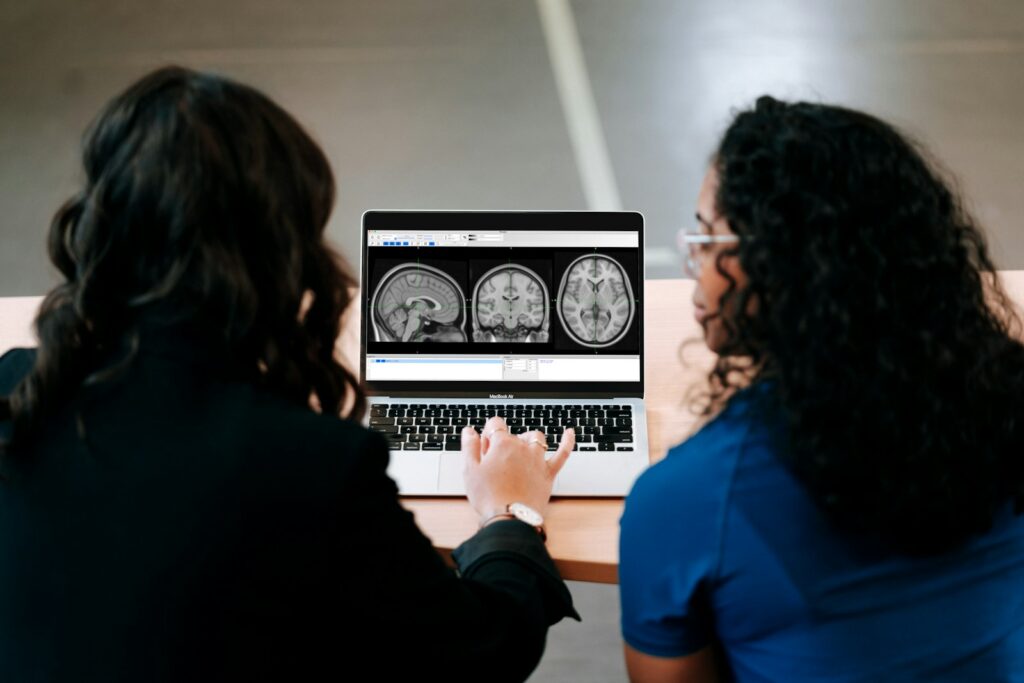
While core barn responsibilities remain constant, technological innovations continue to reshape how these tasks are accomplished, particularly in larger commercial operations. Automated feeding systems now allow precise portioning and timing while reducing labor requirements, with some advanced models adjusting quantities based on environmental conditions or training schedules. Stall cleaning has evolved through improved bedding products like specialized pellets that reduce volume and weight while increasing absorbency, alongside mechanical cleaning systems for large facilities. Monitoring technologies including stall cameras, automated temperature scanning, and movement tracking provide additional data points for horse management while potentially allowing earlier intervention for developing health concerns. Despite these advancements, the hands-on connection between caretaker and horse remains irreplaceable, with technology serving as enhancement rather than replacement for the observational skills developed through direct daily interaction.
The Heart of Horsemanship

The willingness to consistently perform necessary barn chores ultimately distinguishes dedicated horsemen from casual participants, revealing commitment levels more accurately than competitive achievements or equipment quality ever could. This daily dedication forms the foundation upon which all equestrian pursuits build, creating the conditions necessary for horses to thrive physically and mentally regardless of discipline. Top professionals across disciplines consistently emphasize that excellence in basic care directly correlates with performance success, with many maintaining personal involvement in daily routines despite having staff available. The most respected figures in equestrian sports often demonstrate particular attention to these fundamentals, understanding that shortcuts in management inevitably manifest as limitations in performance or welfare. Perhaps most importantly, the humility required to consistently perform these essential tasks grounds equestrians in the service-oriented reality of the human-horse partnership—a relationship built on caregiving responsibility as much as athletic collaboration.
conclusion
The truth about barn chores in equestrian sports reveals a dimension of horse involvement rarely showcased in media portrayals or competitive highlights. These daily responsibilities represent both the greatest commitment and the deepest reward of horsemanship, connecting modern participants to centuries of traditional horse care knowledge while developing practical skills that enhance every aspect of the equestrian experience. Far from mere drudgery, these tasks establish the essential foundation upon which meaningful human-horse relationships develop, creating the physical and psychological conditions necessary for horses to perform as willing athletic partners. Through consistent execution of these fundamental responsibilities, equestrians demonstrate their authentic commitment to horse welfare beyond the visible moments of competition or recreation. In embracing rather than avoiding these necessary labors, horse enthusiasts discover that the most meaningful aspects of the equestrian journey often occur not in the spotlight of the show ring, but in the quiet, consistent moments of daily care that truly define horsemanship.