

The first year of a foal’s life represents an extraordinary period of development and growth. From wobbly first steps to the beginnings of training, this crucial time lays the foundation for your horse’s physical and mental well-being for years to come. Understanding these milestones helps you provide appropriate care and support during this formative stage, fostering a healthy, well-adjusted equine companion. Whether you’re a first-time foal owner or an experienced breeder, recognizing these developmental markers ensures you’re prepared for each stage of your young horse’s journey through its first year of life.
Birth and First Hours: The Miraculous Beginning
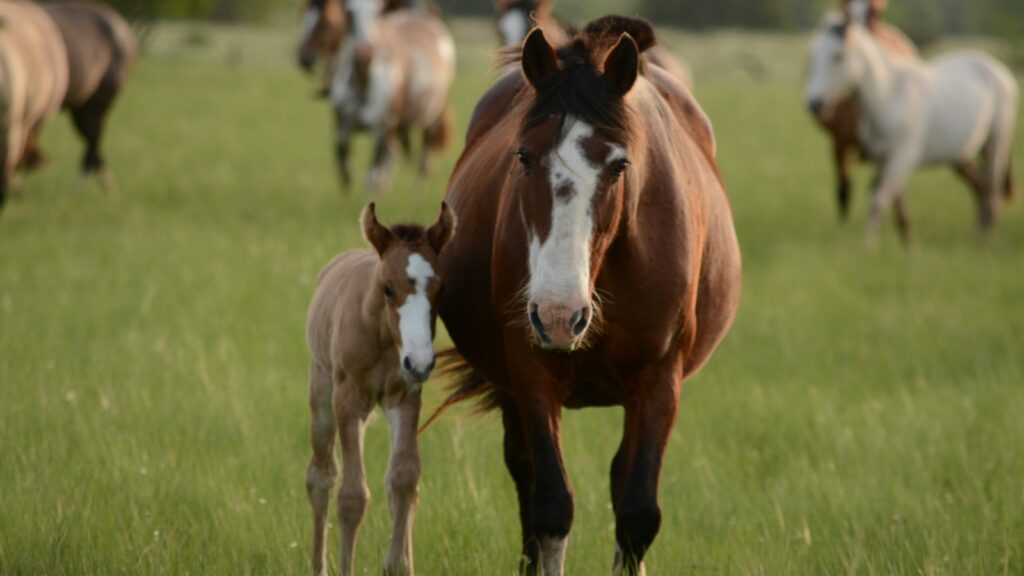
The journey begins with the birth of your foal, typically after an 11-month gestation period. Within the first hour, a healthy foal should stand up and begin nursing – a critical milestone that ensures it receives colostrum, the antibody-rich first milk that provides essential immunity. During these initial hours, the foal should also pass meconium, the first stool, which indicates proper digestive function. Careful observation during this period is crucial, as complications like failure of passive transfer (inadequate absorption of antibodies from colostrum) can have serious health implications, making these early milestones vital indicators of a good start to life.
First Week: Establishing Vital Functions
The first week of a foal’s life focuses on establishing normal bodily functions and bonding with the mare. Your foal should be nursing regularly every 30 minutes to an hour, with the umbilical stump drying up without signs of infection. Healthy foals become surprisingly active during this period, often engaging in short bursts of running and playing that help develop muscles and coordination. Watch for normal urination and defecation patterns, bright, alert behavior, and strong suckling reflexes as signs that your foal is thriving during this critical adjustment period.
Weeks 2-4: Growing Independence
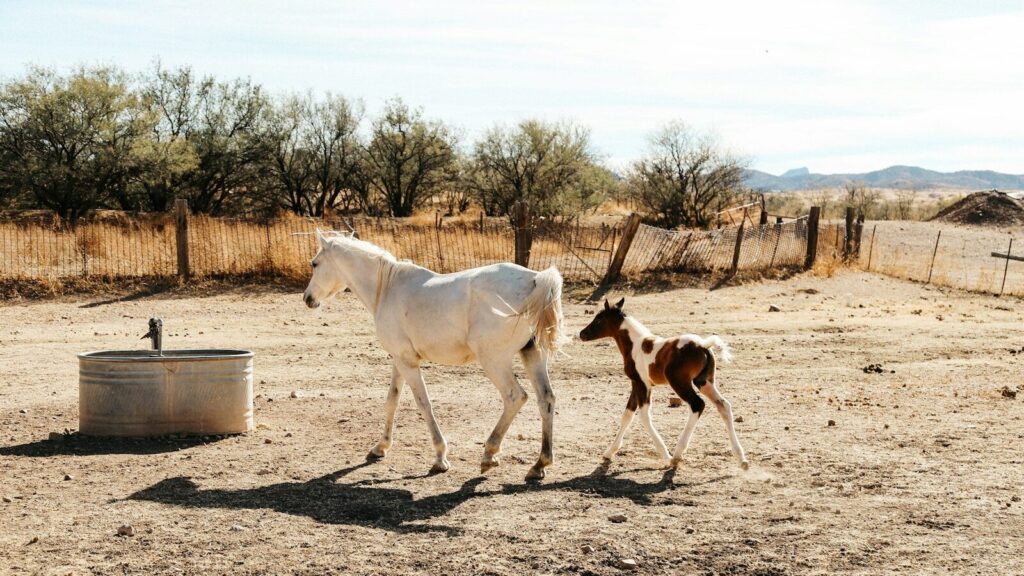
By the end of the first month, your foal begins showing signs of independence while maintaining a strong bond with its mother. You’ll notice increased exploration of the environment, including experimental nibbling at hay or grass and tentative social interactions with other horses if present. Physical growth accelerates dramatically during this period, with some foals gaining 2-3 pounds daily. This month is also when the foal’s immune system begins the transition from passive immunity (from colostrum) to developing its own immune responses, making it an important time to monitor for any signs of illness or vulnerability.
Imprint Training and Early Handling
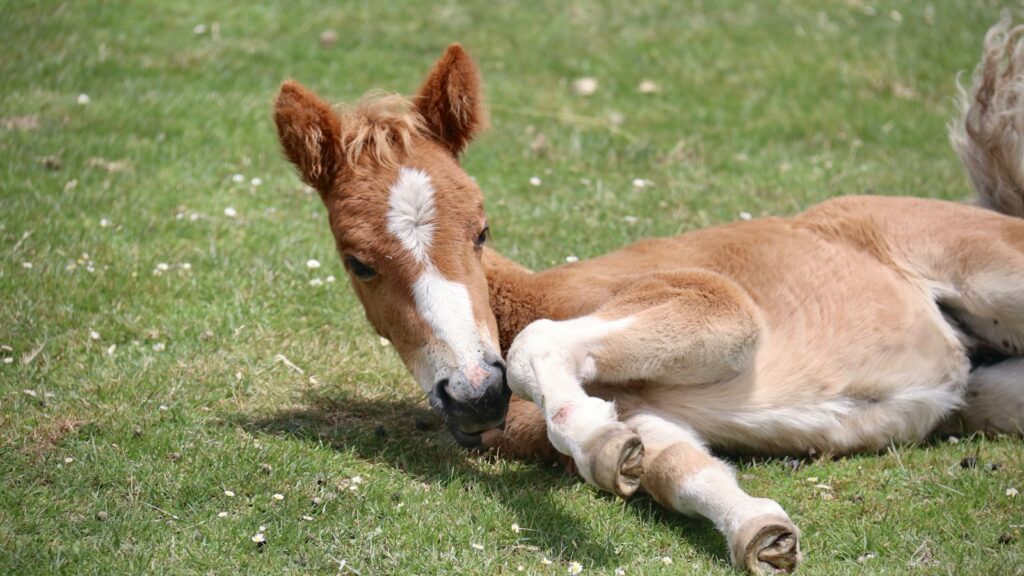
The first days and weeks offer a critical window for imprint training, which helps establish trust and respect between humans and foals. During this period, gentle handling of the foal’s feet, introducing halters, and teaching the foal to accept human touch lay the groundwork for future training success. These early interactions help create positive associations with human contact that will last throughout the horse’s life. Consistency is key during this phase, as foals quickly learn patterns of behavior and respond well to gentle, confident handling that respects their natural instincts while introducing necessary boundaries.
Months 2-3: Diet Diversification
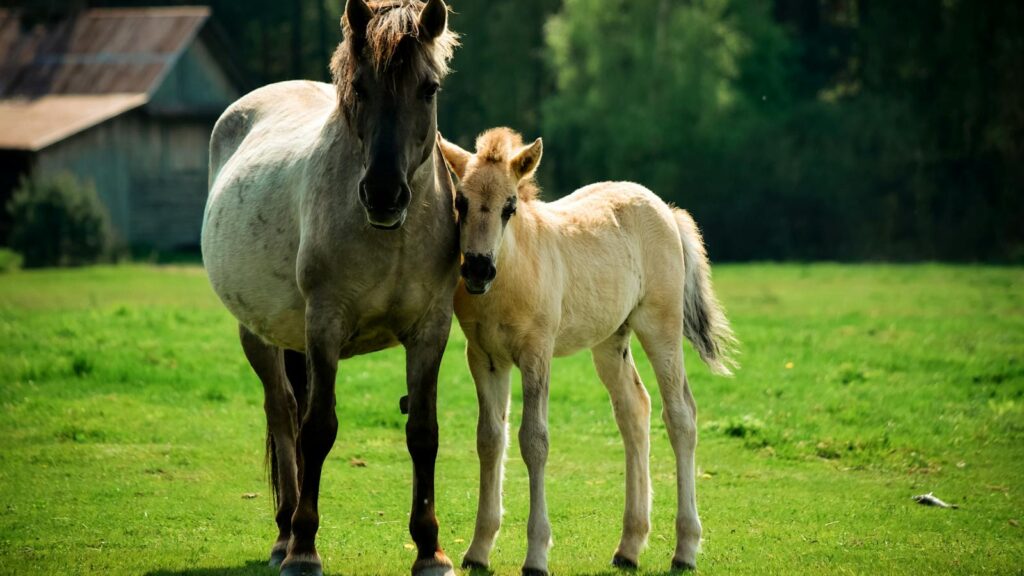
Around the second month, your foal will begin showing genuine interest in solid food, complementing the nutrition from the mare’s milk. This gradual transition to a mixed diet is a significant milestone, as the foal begins consuming small amounts of hay, grass, and possibly a specialized foal feed to support rapid bone and muscle development. Observation of proper chewing and digestion becomes important, as dental development plays a crucial role in this dietary expansion. The foal’s digestive system undergoes important changes during this period, with gut flora becoming established to help process plant material, setting the stage for eventual weaning.
First Veterinary Examination and Vaccinations

The first comprehensive veterinary examination typically occurs within the first few months, representing a critical healthcare milestone. During this visit, your veterinarian will assess overall development, check for congenital issues like heart murmurs or joint abnormalities, and establish a vaccination schedule appropriate for your region and circumstances. Initial core vaccinations usually begin around 3-4 months of age, protecting against diseases like tetanus, Eastern and Western encephalomyelitis, and West Nile virus. This visit also provides an opportunity to discuss deworming protocols, nutrition, and any specific concerns about your foal’s development or behavior.
Month 4: Social Development

By the fourth month, social development accelerates as foals begin engaging more meaningfully with other horses beyond their mothers. This period is marked by playful interactions that teach important herd dynamics, communication skills, and physical boundaries. You may observe play-fighting, mutual grooming attempts, and racing with other foals if available. These social experiences are crucial for developing appropriate equine behavior and preventing future behavioral problems. The nature and quality of these interactions help shape your horse’s temperament and social adaptability for years to come.
Months 5-6: Weaning Preparation

The fifth and sixth months often focus on preparation for weaning, one of the most significant transitions in a foal’s first year. During this period, foals should be consuming substantial amounts of solid food and developing increasing independence from the mare. Ensuring proper nutrition becomes especially crucial now, with many owners introducing concentrated feed formulated specifically for growing foals to support rapid skeletal development. This is also the time to reinforce ground training fundamentals like leading, standing tied, and accepting grooming, as these skills will become even more important after weaning. Careful monitoring of weight gain and overall condition helps ensure the foal is physically ready for the nutritional changes weaning will bring.
Weaning: The Major Transition
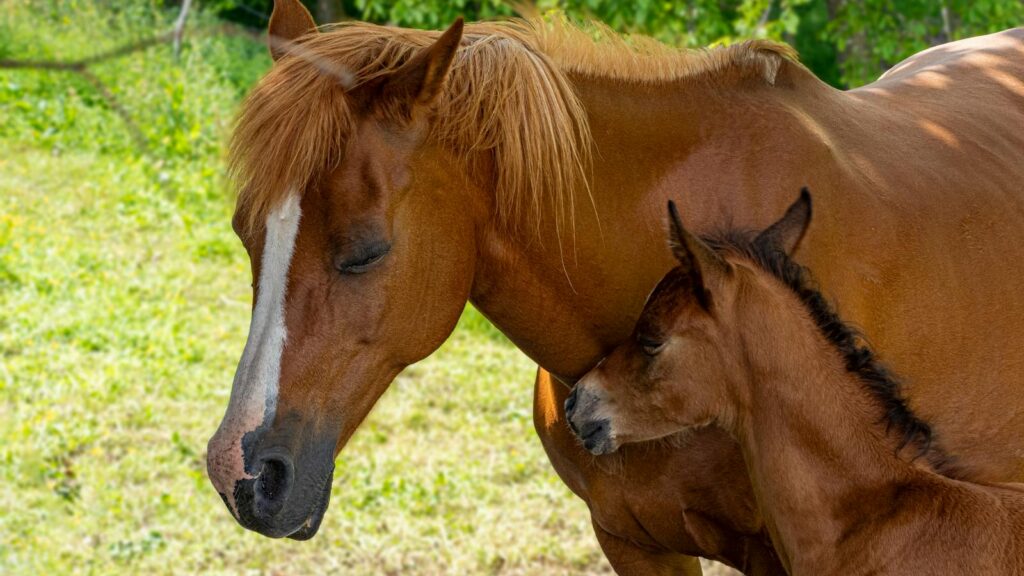
Weaning typically occurs between months 4-7, depending on the foal’s development, the mare’s condition, and management practices. This milestone represents the single most significant psychological and nutritional transition of the first year. Gradual weaning methods, such as removing one mare at a time from a group or separating mare and foal for increasingly longer periods, help reduce stress compared to abrupt separation. During weaning, foals often experience temporary weight loss and behavioral changes like increased vocalization, reduced appetite, or heightened nervousness. Providing companionship from other horses, maintaining familiar surroundings, and ensuring excellent nutrition helps minimize these effects and supports continued development during this challenging transition.
Months 7-8: Dental Development
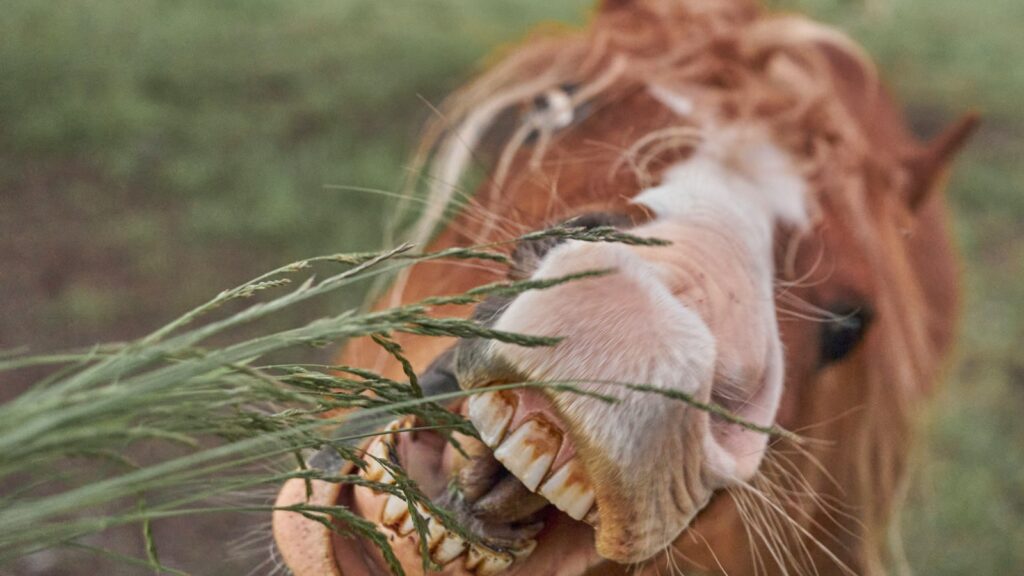
Around month 7, your foal begins experiencing significant dental changes that affect both behavior and nutrition. The eruption of permanent incisors begins, often causing some discomfort that might manifest as head-shaking, drooling, or temporary changes in eating habits. This dental development milestone requires attention to feed type and quality, potentially necessitating adjustments to accommodate sensitive gums. Regular dental checks become increasingly important during this period to identify any abnormalities like retained caps (deciduous teeth that don’t shed properly) or misalignment issues. Proper dental development during this stage impacts long-term ability to process food efficiently and maintain healthy weight.
Months 9-10: Training Progression

The ninth and tenth months mark an important milestone in handling and training progression. During this period, most youngsters are physically and mentally ready for more structured training sessions, including consistent work on leading manners, respecting personal space, and standing quietly for grooming and basic care procedures. Short, positive training sessions help build confidence and establish boundaries without overwhelming the young horse. This is an excellent time to introduce new experiences like walking over different surfaces, navigating obstacles, or encountering novel objects in a controlled environment. The training foundations established during these months significantly influence future trainability and handling ease.
Month 11: Physical Maturation

By the eleventh month, your young horse has achieved approximately 90% of its yearling height, representing a significant physical maturation milestone. Bone development becomes particularly critical during this period, with special attention needed to balanced nutrition that supports skeletal strength without excessive weight gain that could stress developing joints. You may notice the distinctive yearling appearance emerging, with longer legs, a more defined withers area, and changing body proportions. This is an important time to evaluate overall conformation development and address any concerns about growth patterns or potential future soundness issues with your veterinarian.
First Birthday: Assessing Development

The one-year mark provides an opportunity to comprehensively assess your horse’s physical, behavioral, and training progress throughout this crucial developmental year. Many owners document this milestone with measurements, photographs, and detailed notes about temperament and abilities. A thorough veterinary examination often accompanies this milestone to evaluate growth rates, joint development, and overall health status. By this age, your young horse should display confident but respectful behavior around humans, accept routine handling procedures with minimal resistance, and show appropriate social behaviors with other horses. This milestone assessment helps guide decisions about the second year’s management, including nutrition adjustments, training goals, and specialized care for any areas needing attention.
Preparing for the Future
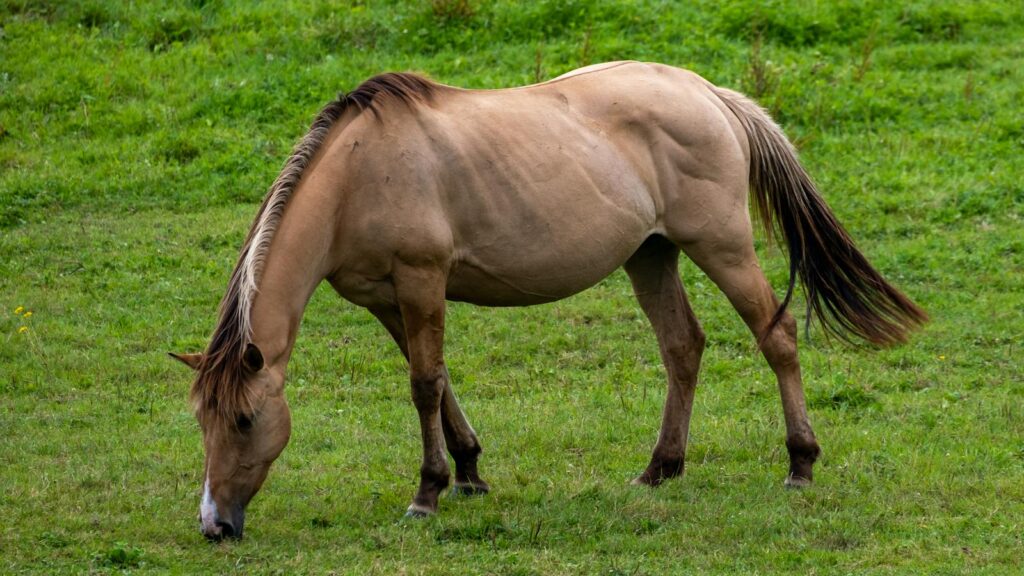
As your horse completes its first year, the focus shifts toward preparing for long-term development and eventual specialized training. This final milestone of the first year involves creating a customized plan based on your horse’s breed, intended use, and individual development patterns. Considerations include adjusting nutrition to support continued growth while preventing developmental orthopedic diseases, planning appropriate exercise to build fitness without stressing immature joints, and establishing progressive training goals. The investment made during this first formative year pays dividends throughout your horse’s life, with early experiences and care directly influencing future soundness, trainability, and temperament.
conclusion

The first year of a horse’s life represents an extraordinary journey from wobbly newborn to confident young horse with established foundations for future development. Each milestone serves as both a checkpoint and an opportunity—to celebrate normal development, address potential concerns early, and deepen the human-equine bond. By understanding and appropriately supporting these natural developmental stages, horse owners provide their young horses with the best possible start in life. The careful attention to physical, nutritional, social, and training needs during this critical first year creates resilient, well-adjusted horses ready to move forward into specialized training and long, healthy lives as riding or competition partners.