
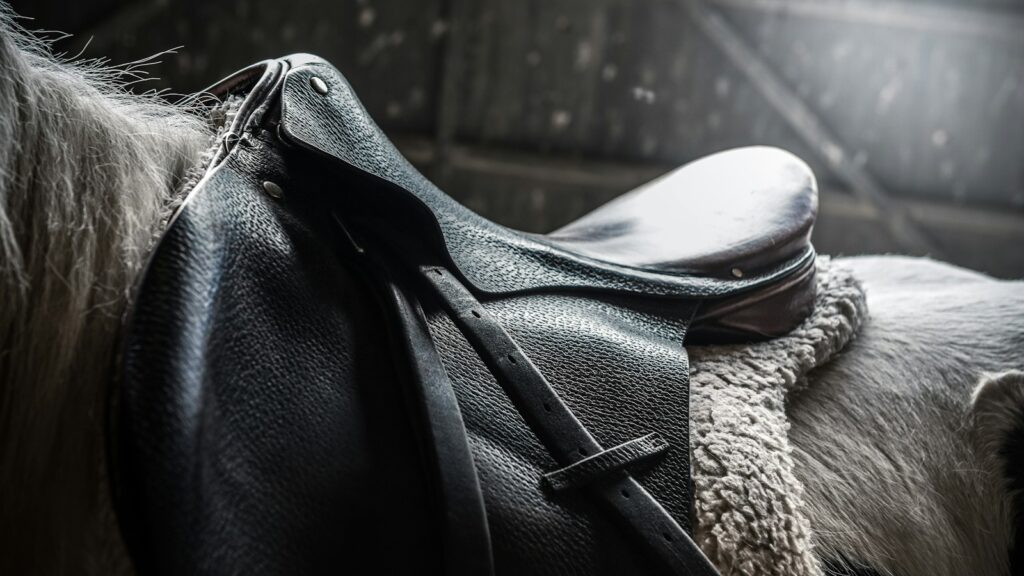
Leather tack and riding gear represent significant investments for equestrians and leather enthusiasts alike. From saddles and bridles to boots and belts, proper care of these items isn’t just about maintaining appearance—it’s about extending their functional lifespan for years or even decades. At the heart of leather care are two essential products: saddle soaps for cleaning and conditioners for nourishing. Finding the right products can mean the difference between gear that deteriorates prematurely and heirloom pieces that improve with age. This comprehensive guide explores the best saddle soaps and conditioners available today, offering insights into their unique properties, applications, and benefits for various leather types.
Understanding Leather Care Fundamentals
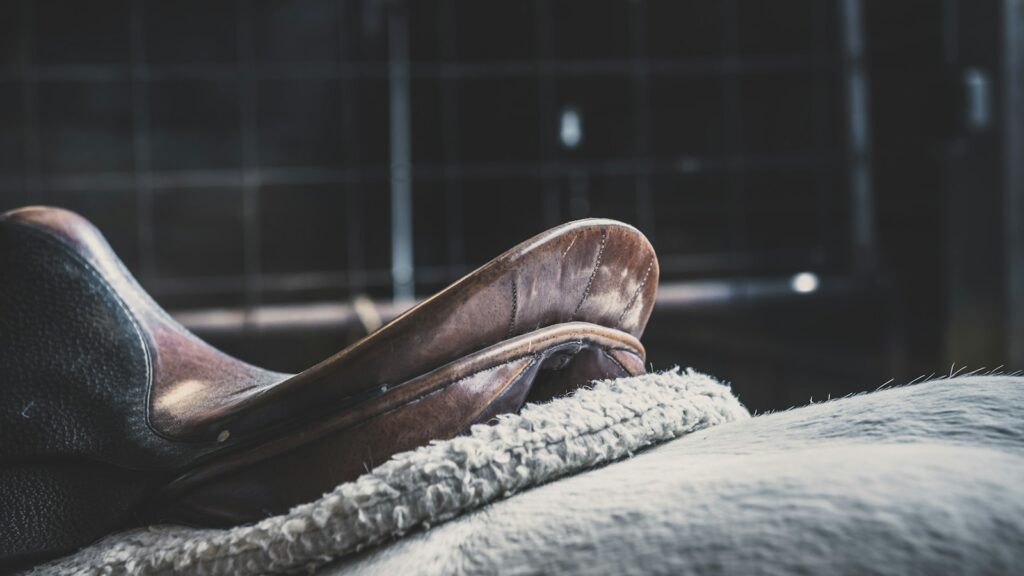
Leather is a natural material that requires regular maintenance to preserve its strength, flexibility, and appearance. Without proper care, leather becomes susceptible to drying, cracking, and deterioration from environmental factors like dirt, sweat, and moisture. The two-step process of cleaning with saddle soap followed by conditioning creates a protective maintenance routine that removes harmful contaminants while replenishing essential oils. This balance is crucial—overcleaning can strip natural oils, while under-conditioning leaves leather vulnerable to damage. Understanding that different leather types (full-grain, top-grain, suede, etc.) have specific care requirements is essential for selecting appropriate products that won’t damage your valuable gear through improper formulations or application methods.
The Science Behind Saddle Soaps
Saddle soaps are specialized cleaning products formulated specifically for leather care, containing mild soaps, often glycerin-based, that lift dirt and grime without harsh detergents that can damage leather fibers. Quality saddle soaps maintain a careful pH balance that closely matches leather’s natural acidity level (around 4.5-5.5), preventing the alkaline damage common with household soaps. The best formulations incorporate small amounts of conditioners like lanolin or neatsfoot oil that help prevent the cleaning process from completely stripping protective oils. Modern saddle soaps often include antimicrobial agents that help prevent mold and mildew growth, which is particularly important for equipment stored in humid environments or subject to horse sweat and outdoor conditions.
Top-Rated Traditional Saddle Soaps
Fiebing’s Yellow Saddle Soap stands as the industry standard with its century-old formula that’s beloved by professional leatherworkers, competitive riders, and everyday enthusiasts for its consistent performance and value. Carr & Day & Martin Belvoir Tack Cleaner offers a premium alternative with additional glycerin content that British cavalry officers have sworn by for generations, leaving leather exceptionally clean without excessive drying. Bickmore Saddle Soap provides excellent cleaning power with added conditioners that make it particularly suitable for vintage or antique leather that requires gentle care. Leather Therapy Saddle Soap has developed a following among competitive riders for its ability to clean deeply without leaving residue, making it ideal for show equipment that needs to look immaculate under scrutiny.
Eco-Friendly and Natural Saddle Soap Options
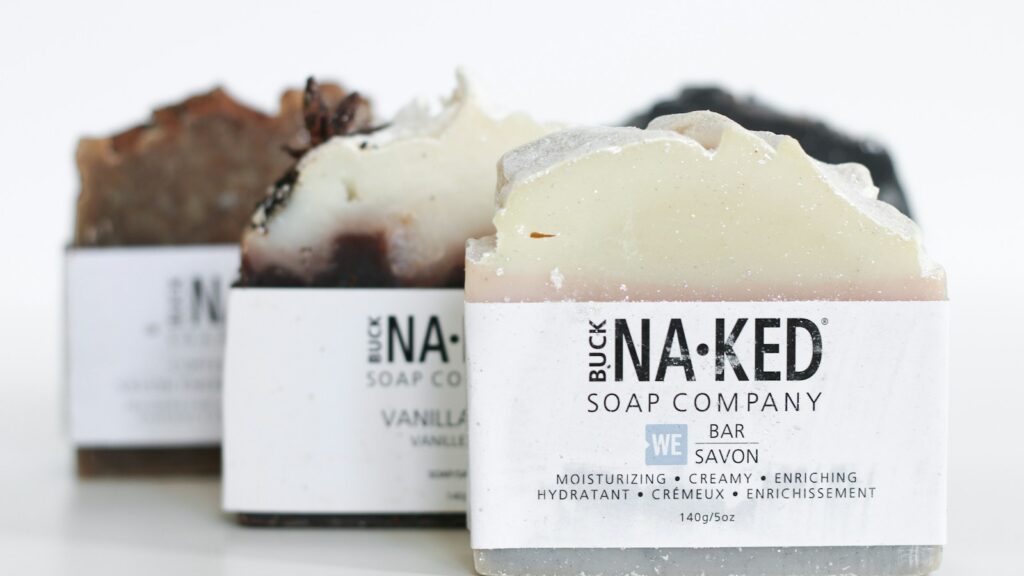
Higher Standards Leather Care Soap leads the natural category with its biodegradable formula derived from coconut and olive oils, appealing to environmentally conscious riders without sacrificing cleaning power. Effax Leather-Combi offers European-made ecological cleaning with plant-based ingredients that have earned certification from several environmental organizations while still effectively handling tough barn conditions. Otter Wax Saddle Soap provides a completely petroleum-free alternative with castile soap, vegetable oils, and beeswax that creates a distinctively rich lather safe for both rider and environment. The chemical-free approach of these products often results in formulas gentle enough for exotic or sensitive leathers that might react poorly to conventional products, making them versatile options for diverse collections.
Understanding Leather Conditioners
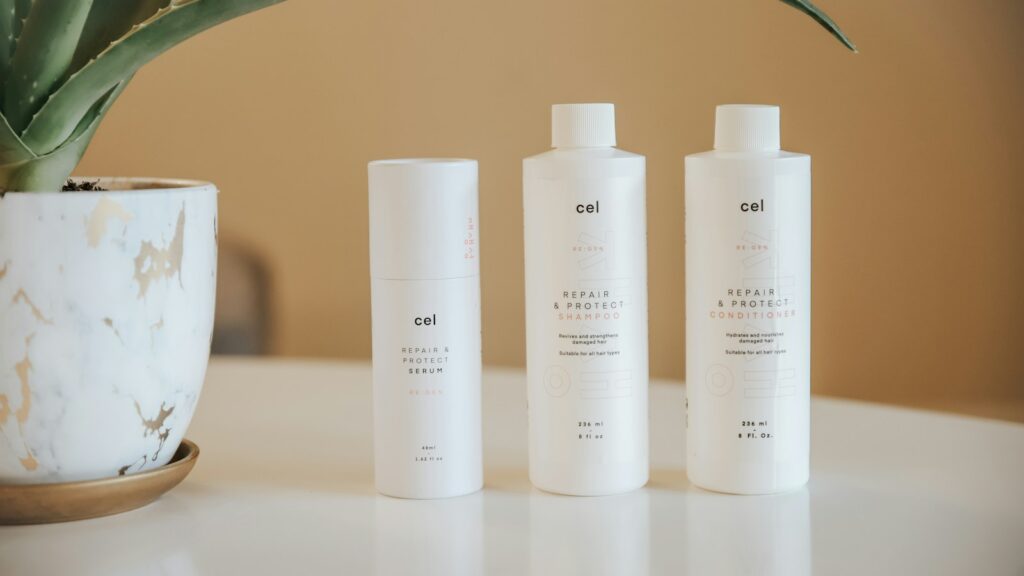
Leather conditioners serve as the vital second step in proper maintenance by replenishing oils that evaporate naturally over time or are removed during cleaning. Quality conditioners penetrate deep into leather fibers, restoring suppleness and preventing the brittleness that leads to cracking and structural damage. The best formulations create a moisture barrier that helps leather resist water, sweat, and environmental contaminants without leaving a greasy surface that attracts dirt. Different conditioning ingredients offer various benefits: neatsfoot oil provides deep conditioning but may darken leather, beeswax offers water resistance, lanolin mimics leather’s natural oils, and modern silicone-based products create long-lasting protection with minimal color change.
Premium Oil-Based Conditioners
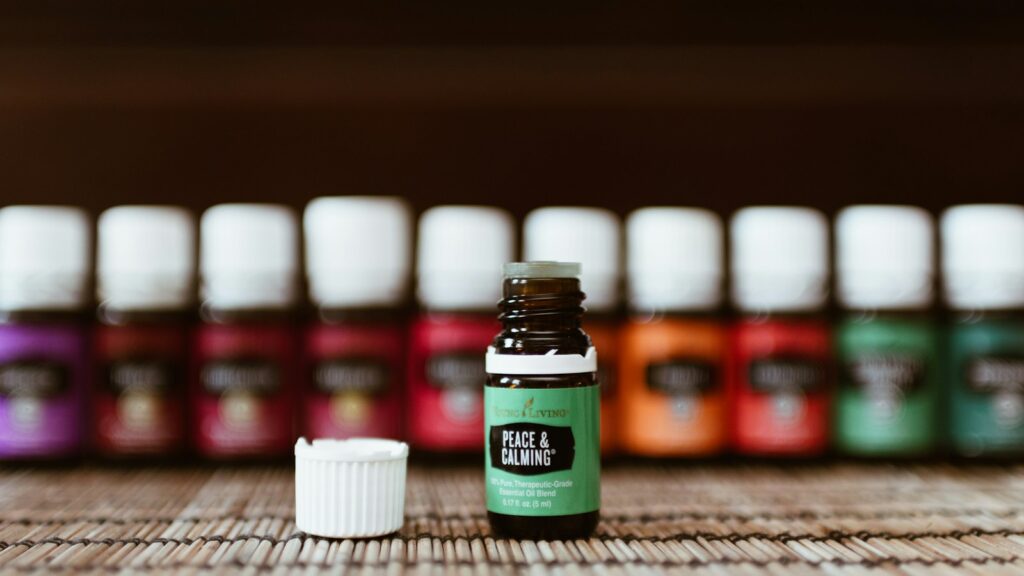
Lexol Leather Conditioner has maintained its reputation as the gold standard for decades with its neatsfoot oil formula that penetrates deeply without leaving residue, making it particularly suitable for daily-use items. Obenauf’s Leather Oil provides exceptional protection for working gear with its blend of natural oils and propolis that creates a breathable barrier against moisture while allowing leather to develop a rich patina. Bickmore Bick 4 offers a lighter conditioning approach that won’t darken even light-colored leathers, making it perfect for show equipment where maintaining original appearance is crucial. Skidmore’s Leather Cream combines conditioning oils with beeswax for saddles and tack exposed to extreme conditions, creating durable water resistance without the heaviness of traditional leather dressings.
Balms and Cream Conditioners
Leather Honey Conditioner provides exceptional longevity with its non-toxic formula that can protect leather for up to six months between applications, making it economical despite its premium price point. Fiebing’s Aussie Leather Conditioner contains lanolin derived from sheep wool that closely resembles leather’s natural lubricants, creating a natural-feeling result that doesn’t affect leather’s breathability. Chamberlain’s Leather Milk offers a handcrafted approach with different formulations for various leather types, from a light recipe for delicate leather to robust blends for outdoor gear. These cream-based products generally excel at controlling application precision compared to liquid oils, allowing users to work the product exactly where needed without oversaturation or waste.
All-in-One Products: Pros and Cons
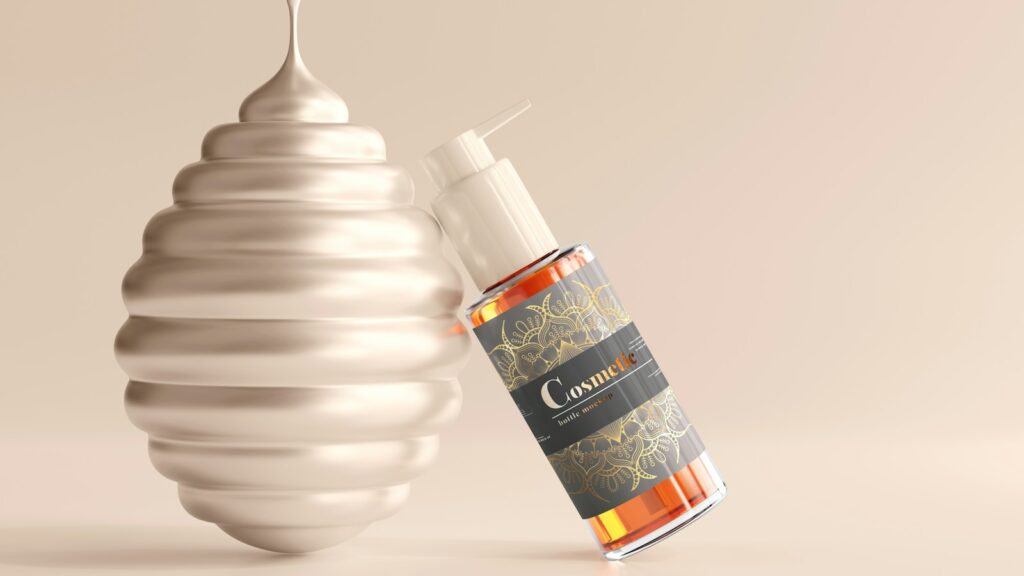
Combination products like Leather CPR and Leather Nova 2-in-1 offer convenience by merging cleaning and conditioning steps, saving time for riders with extensive collections or limited maintenance windows. The primary advantage is simplicity—users need to understand only one application technique and purchase a single product rather than building a complete care kit. However, these products inevitably compromise either cleaning effectiveness or conditioning depth since formulations must balance competing chemical properties rather than optimizing for a single function. All-in-one products generally work best for lightly soiled items in good condition rather than neglected leather requiring intensive restoration, making them more appropriate for regular maintenance than serious rehabilitation projects.
Specialty Products for Exotic and Delicate Leathers
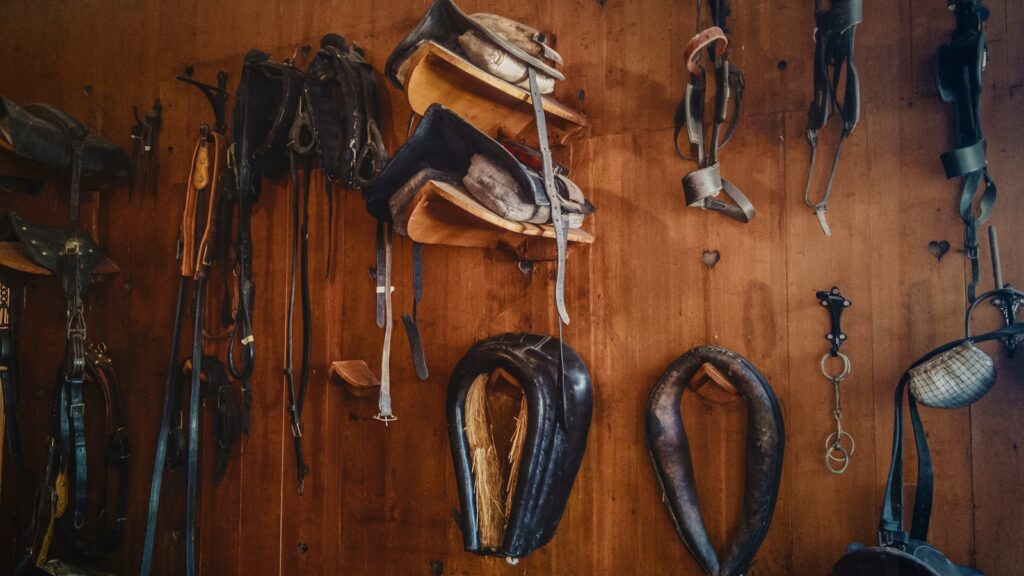
Exotic leather from ostrich, alligator, or snakeskin requires specialized care products like Saphir Reptan that respect the unique scale patterns and oil balance of these materials. English bridle leather benefits from traditional products like Passier Lederbalsam that complement the tanning methods used for these high-end European leathers. Vegetable-tanned leather, which develops a rich patina over time, responds well to Smith’s Leather Balm with its combination of cocoa butter and beeswax that enhances natural color development. These specialty products often come with premium price tags but prevent the costly damage that can occur when inappropriate general-purpose products are used on these expensive materials.
Application Tools and Techniques

The effectiveness of even the finest leather care products depends significantly on proper application techniques and tools. Soft, lint-free cloths like old cotton t-shirts or dedicated application sponges allow even distribution of product without scratching leather surfaces. Proper application involves working in small sections with circular motions, allowing products adequate absorption time before buffing excess away. Temperature considerations are crucial—warm leather (60-70°F) absorbs products more effectively than cold leather, while direct heat or sunlight can cause products to be absorbed too quickly or unevenly. For maximum effectiveness, most professionals recommend cleaning thoroughly first, allowing leather to completely dry, then applying conditioner in thin layers rather than a single heavy coat.
Maintaining Specific Equestrian Gear
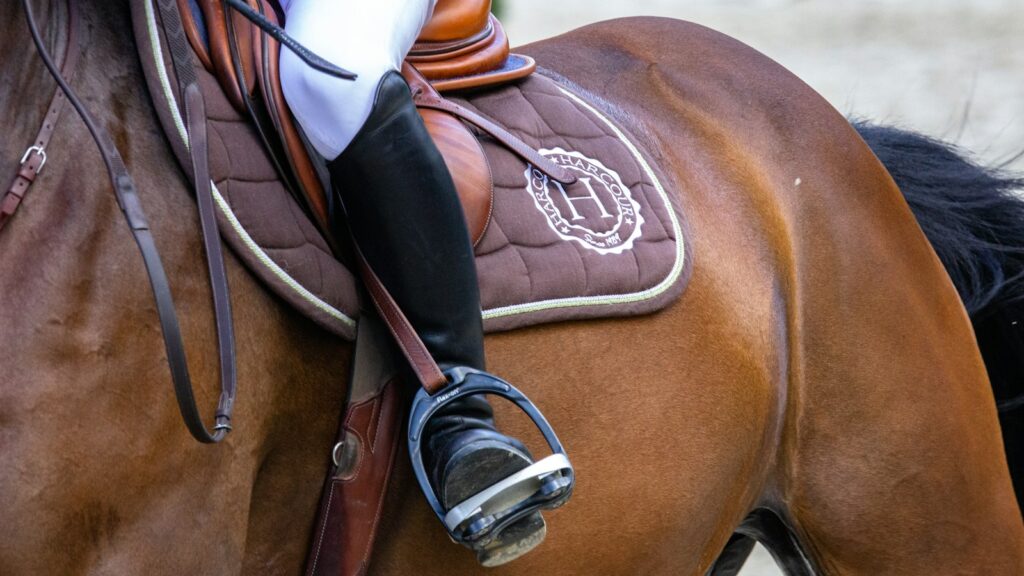
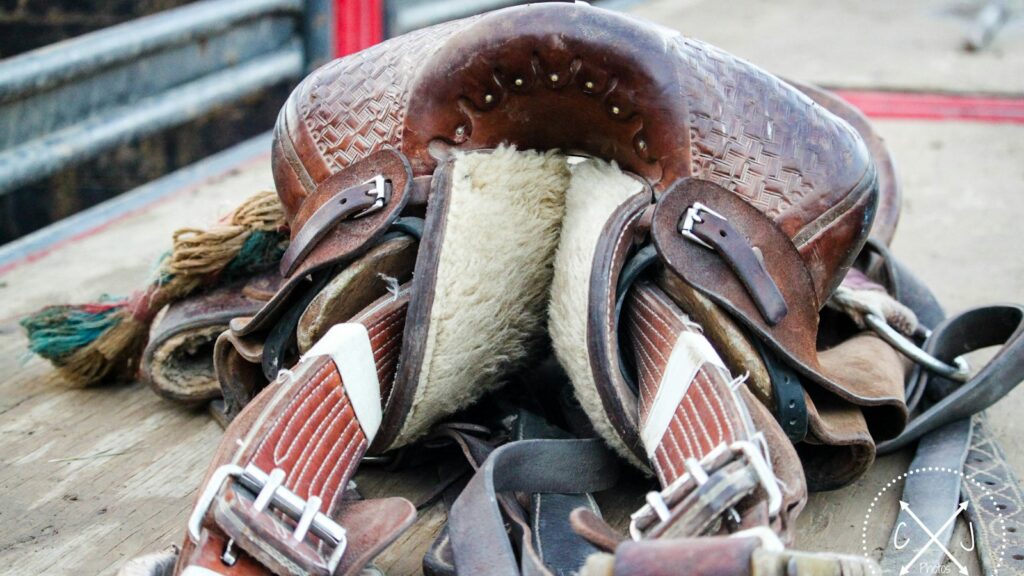
Saddles require special attention to stress points like the seat, flaps, and billets where sweat and pressure combine to accelerate wear if not properly maintained. Bridles and reins need frequent cleaning and conditioning due to constant contact with horse saliva and rider hands, with particular attention to buckles and holes where dirt accumulates and stress occurs. Riding boots benefit from regular cleaning followed by specialized boot conditioners that maintain suppleness while preserving the structured support needed for riding. Careful attention to stitching areas during both cleaning and conditioning extends the life of these critical structural elements that often fail before the leather itself shows significant wear.
Seasonal Care Considerations
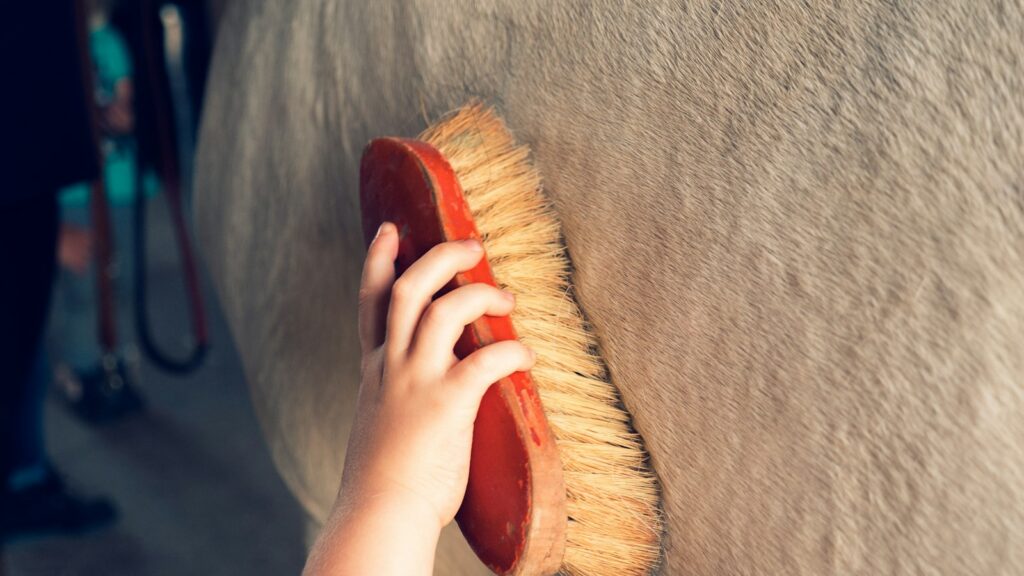
Winter storage requires thorough cleaning and heavy conditioning to protect against the drying effects of heated indoor environments, with particular attention to complete drying before storage to prevent mold growth. Summer riding season necessitates more frequent cleaning to remove sweat and dirt, with lighter conditioning to prevent oversaturation in humid conditions. Leather exposed to rain and snow benefits from additional water-repellent products like Aquaseal or pure beeswax on seams and vulnerable areas. Climate-specific considerations include humidifiers in dry environments, dehumidifiers or moisture-absorbing products in humid areas, and storage away from direct sunlight and heat sources that accelerate oil evaporation year-round.
Restoring Neglected Leather
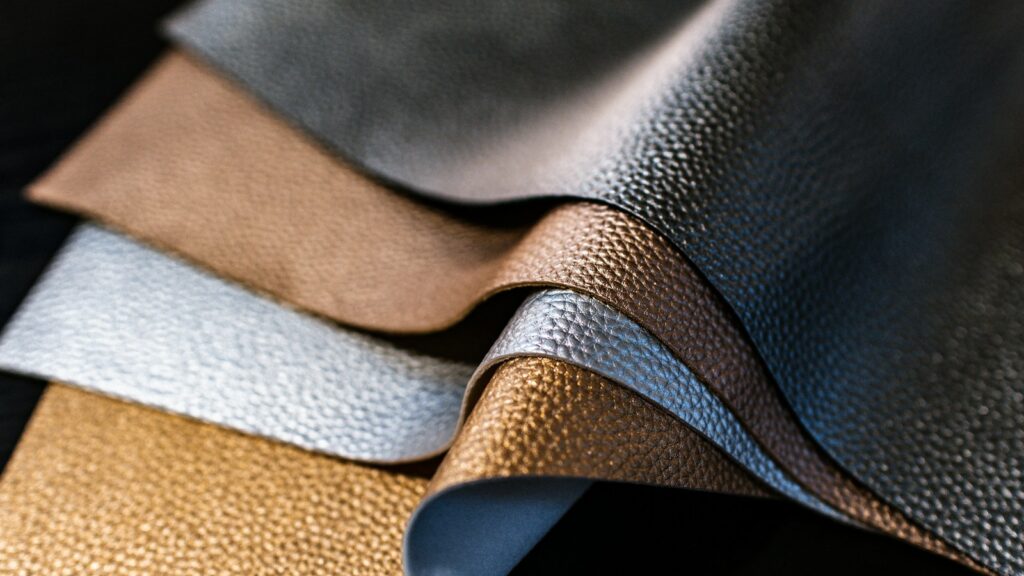
Severely neglected leather requires a methodical restoration approach beginning with gentle surface cleaning using diluted saddle soap to remove accumulated grime without further stressing the material. Deep conditioning follows with multiple light applications of oil-based products that slowly penetrate dried leather, allowing several days between applications for complete absorption. Leather with water damage often responds to careful reshaping while damp, followed by conditioning once dry, though severe cases may require professional restoration. The patience required for proper restoration is significant—rushed processes often cause more harm than good, but methodical care can transform seemingly hopeless items back to functional condition, though often with a more rustic appearance than original.
Building Your Complete Leather Care Kit
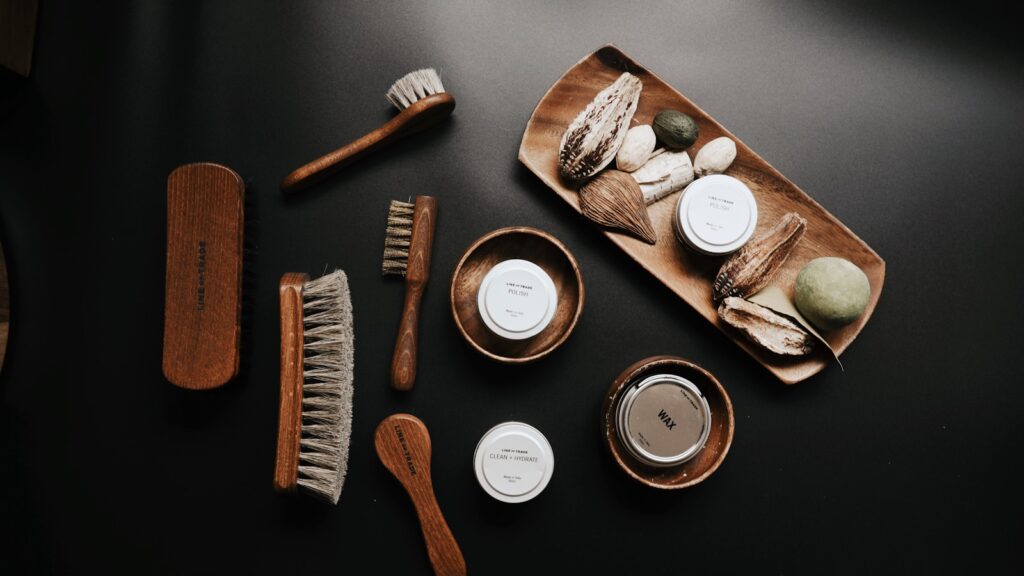
A comprehensive leather care kit should include a quality saddle soap, an everyday conditioner, a deep conditioner for occasional intensive treatment, and appropriate application tools for each product. Additional specialized items might include a leather cleaner for spot treatment between full cleanings, edge kote for maintaining sealed edges, and leather polish for show equipment. Proper storage of these products is essential—most should be kept in cool, dark locations with tightly sealed containers to prevent drying out or contamination. The investment in quality products pays dividends through extended gear life, with even expensive products providing excellent value when measured against the replacement cost of premium leather equipment.
conclusion
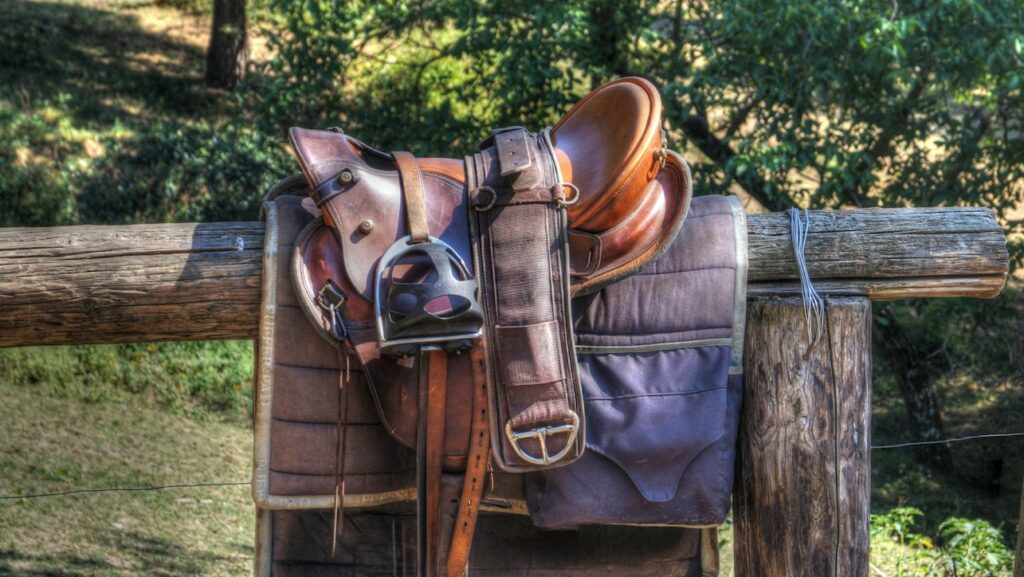
Leather care represents both science and art—understanding the technical aspects of keeping leather supple and strong while developing the hands-on skills to apply this knowledge effectively. By selecting appropriate saddle soaps and conditioners matched to your specific leather types and usage conditions, you create the foundation for gear that not only lasts longer but improves with age. Remember that consistency often matters more than product selection; regular maintenance with decent products typically yields better results than occasional treatment with premium formulations. Your leather gear represents both a financial investment and often an emotional one—the right care products and techniques honor both aspects by preserving your equipment for years of continued enjoyment and function.