
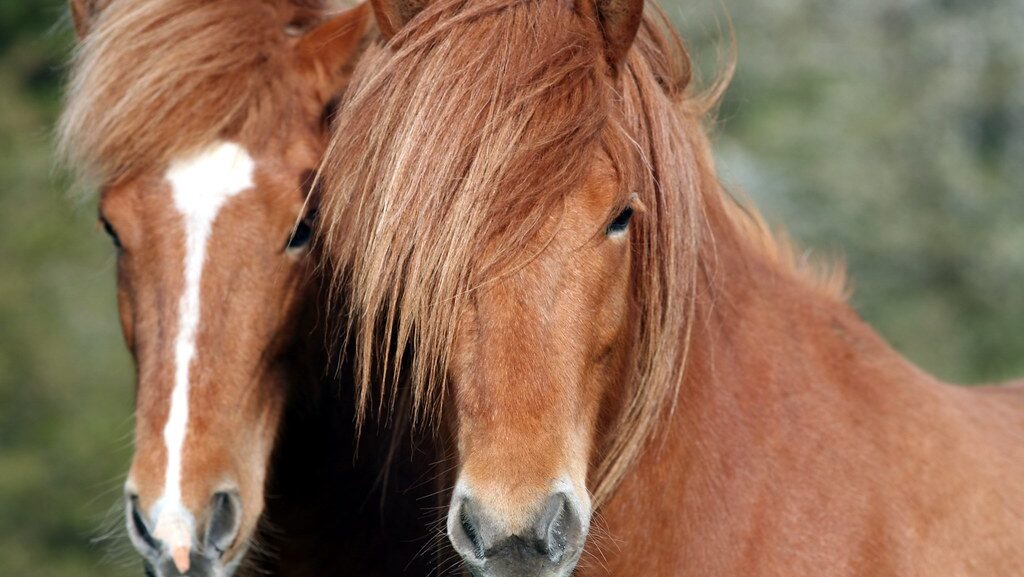
Eco-tourism represents a sustainable approach to exploring natural landscapes while minimizing environmental impact and supporting local communities. When it comes to eco-friendly travel experiences, horseback adventures offer a unique opportunity to connect with nature without the carbon footprint of motorized vehicles. The right horse breed can make all the difference in these adventures, ensuring both animal welfare and visitor satisfaction. Different terrains, climates, and tour purposes call for specific equine characteristics that certain breeds naturally possess. From mountain trails to desert expeditions, the ideal eco-tourism horse combines endurance, sure-footedness, calm temperament, and adaptability to local conditions. This comprehensive guide explores the most suitable horse breeds for various eco-tourism settings, helping tour operators, conservation organizations, and travelers make informed choices that benefit both the environment and the memorable experiences of participants.
Arabian Horses: Desert Specialists with Unmatched Endurance
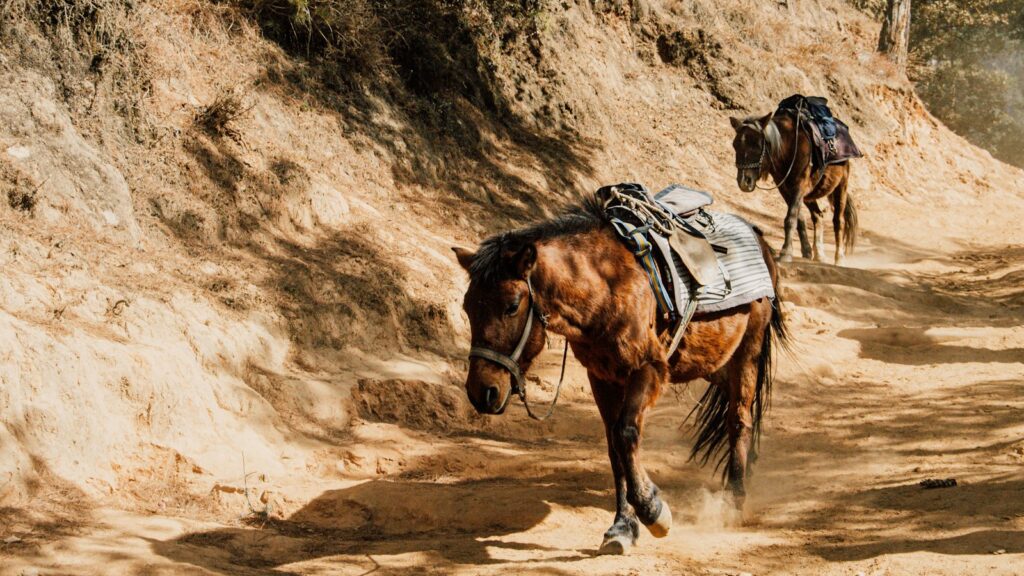
Arabian horses stand as the quintessential breed for eco-tourism adventures in warm, arid environments due to their legendary endurance and desert heritage. Developed in the harsh Arabian Peninsula, these elegant horses evolved with natural adaptations that make them exceptional for long-distance riding through challenging terrain with minimal environmental impact. Their efficient metabolism and ability to thrive on limited water make them a particularly sustainable choice for eco-tours in regions where resources are scarce. Beyond their physical capabilities, Arabians form strong bonds with humans, offering tourists a responsive and intelligent mount that enhances the connection between rider, horse, and landscape during eco-adventures.
Icelandic Horses: Sustainable Tourism Champions of the North

Icelandic horses represent one of the world’s most environmentally sustainable breeds for eco-tourism in rugged northern landscapes. These compact, sturdy horses have evolved in isolation on Iceland for over 1,000 years, developing unique adaptations to harsh weather and challenging terrain with minimal human intervention. Their renowned “tölt” gait—a smooth four-beat lateral movement—provides exceptional comfort for riders while being less impactful on fragile ground compared to the jarring trot of other breeds. Icelandic horses require less feed than larger breeds and are naturally adapted to foraging on sparse vegetation, reducing the ecological footprint of tourism operations that use them. Their remarkable hardiness means they can live outdoors year-round in appropriate northern climates, eliminating the need for resource-intensive stabling and further enhancing their eco-friendly profile.
Appaloosa: Heritage Horses for Mountain and Forest Trails
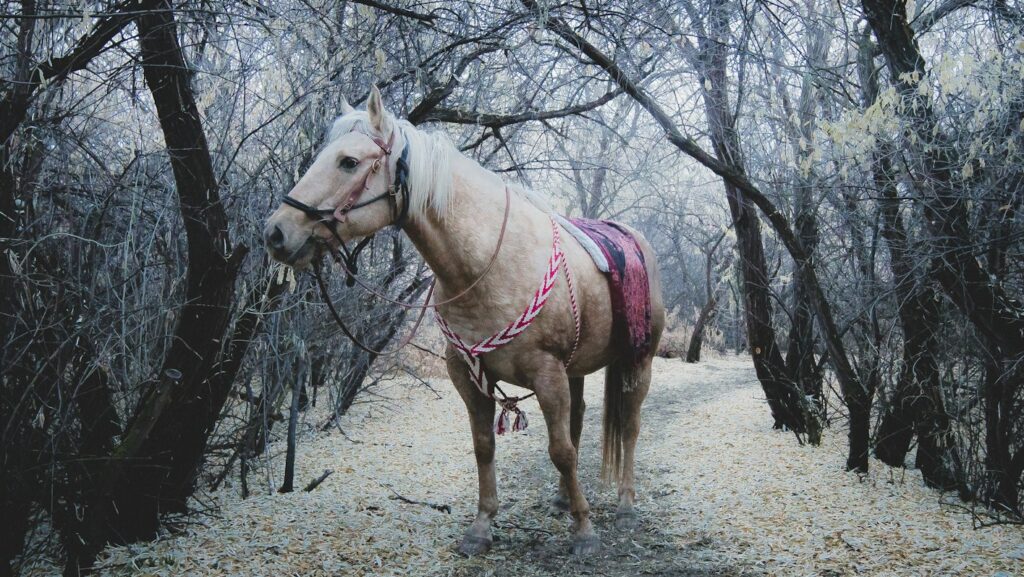
Appaloosas represent a perfect blend of history and functionality for eco-tourism adventures through diverse North American landscapes. Developed by the Nez Perce people of the Pacific Northwest, these distinctively spotted horses were selectively bred for intelligence, hardiness, and adaptability to mountainous terrain. Their naturally sure-footed nature and level-headed temperament make them excellent choices for guiding tourists through challenging trails while minimizing environmental disruption. Appaloosas possess remarkable stamina for day-long rides without showing signs of fatigue, ensuring consistent performance throughout eco-tourism seasons. Beyond their physical attributes, incorporating Appaloosas into eco-tourism operations offers an opportunity to educate visitors about indigenous horse culture and conservation, adding cultural depth to environmental experiences.
Criollo: South American Wilderness Specialists
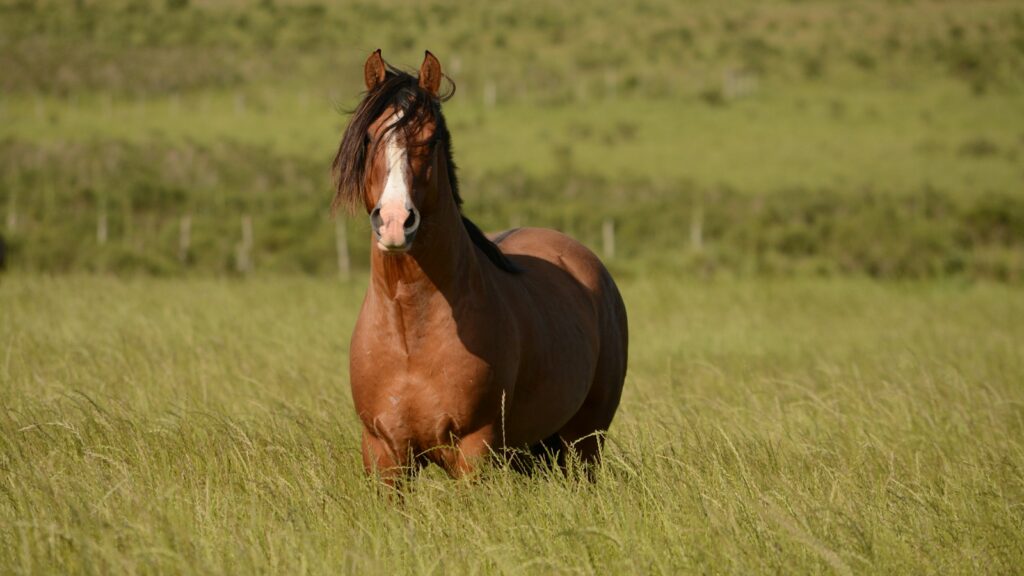
The Criollo horse represents the ultimate eco-tourism mount across the diverse and challenging landscapes of South America, from Patagonian steppes to Andean highlands. Descended from horses brought by Spanish conquistadors, Criollos have undergone over 500 years of natural selection that has honed their incredible hardiness, disease resistance, and ability to thrive on minimal forage—making them exceptionally low-impact on fragile ecosystems. Their medium-sized, muscular build provides the perfect combination of strength and agility for navigating varied terrains while carrying adult riders comfortably for extended periods. Criollos are renowned for their “survival instinct” that helps them navigate difficult passages safely, an invaluable trait when guiding tourists through remote wilderness areas where minimal environmental disturbance is crucial. Their use in eco-tourism also supports the conservation of this culturally significant breed while connecting visitors to authentic gaucho traditions and sustainable ranching practices that have shaped South American landscapes for centuries.
Fjord Horses: Gentle Giants for Family-Friendly Eco-Tours
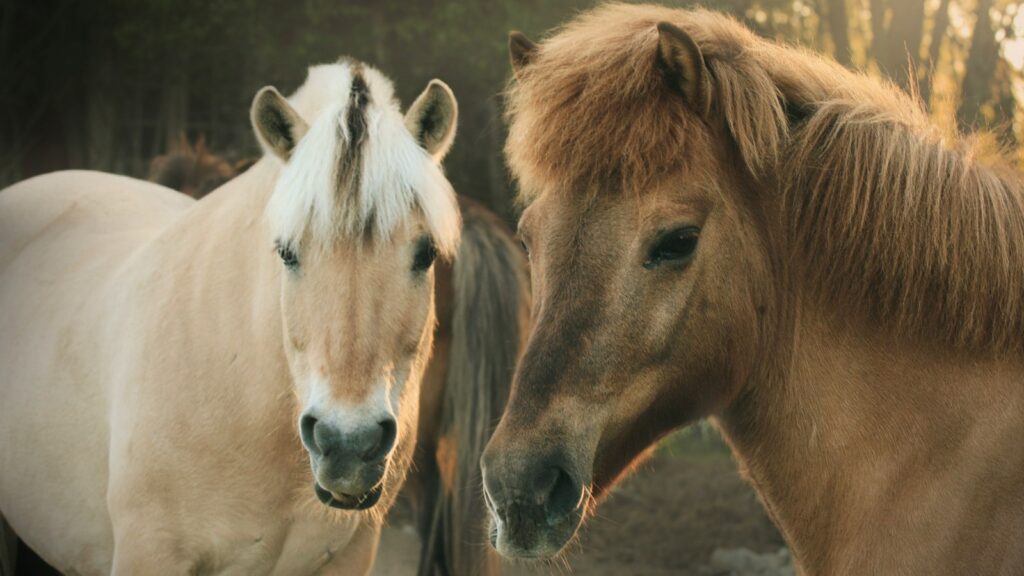
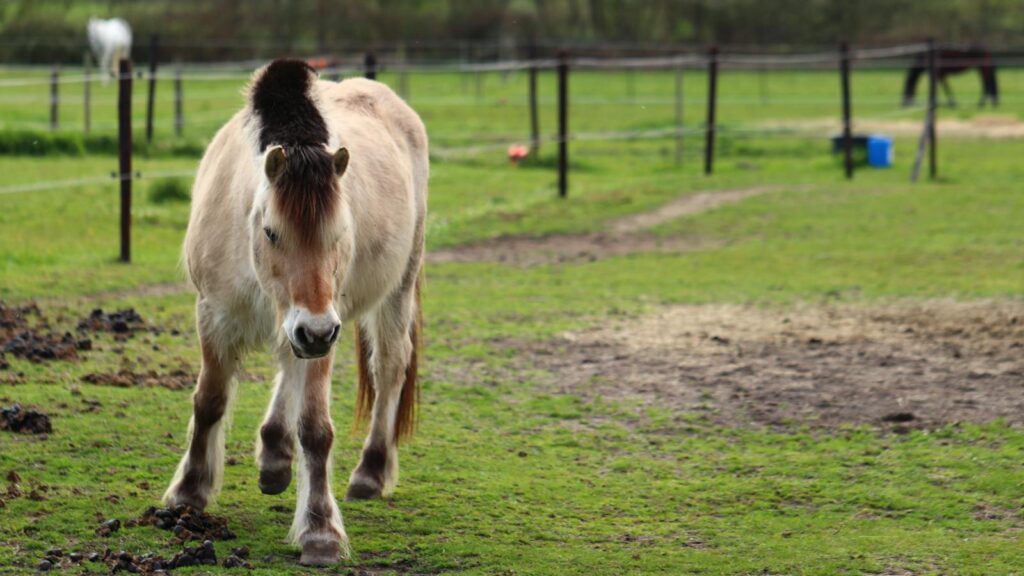
Norway’s Fjord horses offer exceptional qualities for accessible eco-tourism experiences that accommodate diverse participants while treading lightly on natural environments. These distinctive dun-colored horses with primitive markings combine a sturdy build with a notably gentle disposition, making them ideal for tours including children, seniors, or first-time riders exploring sensitive ecological areas. Their broad backs provide stable, comfortable seating, while their sure-footedness on varied terrain stems from centuries of adaptation to Norway’s challenging fjord landscapes. Fjord horses demonstrate remarkable patience and level-headedness even in unpredictable situations, reducing stress on both the animals and surrounding wildlife during tourism activities. Their efficient metabolism and ability to maintain a healthy weight on natural forage rather than supplemental feed further enhances their sustainability credentials for eco-tourism operations.
Peruvian Paso: Smooth-Gaited Specialists for Comfortable Travel
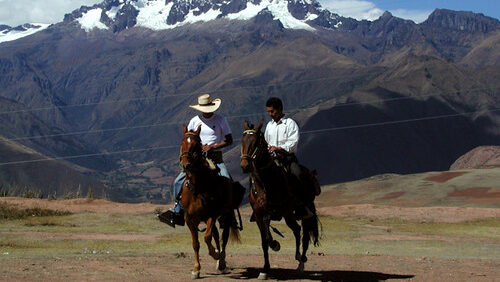
The Peruvian Paso offers unparalleled rider comfort for eco-tourism adventures through its natural four-beat lateral gait called the “paso llano,” which provides exceptionally smooth movement without the jarring impact of trotting. This distinctive movement, often described as “like riding a gentle wave,” allows tourists to experience longer journeys through beautiful landscapes without fatigue, enabling deeper environmental appreciation and education. Developed in Peru for traversing large agricultural estates, these horses combine elegance with practical functionality, including remarkable endurance across varied terrains from coastal deserts to mountain foothills. Their medium size creates a smaller ecological footprint than larger breeds while still comfortably carrying adult riders for extended explorations. The breed’s natural tendency toward willing partnership with humans rather than flight responses makes them steady companions for eco-tours focusing on wildlife observation, where minimal disturbance to natural behaviors is essential.
Quarter Horses: Versatile Partners for North American Eco-Adventures
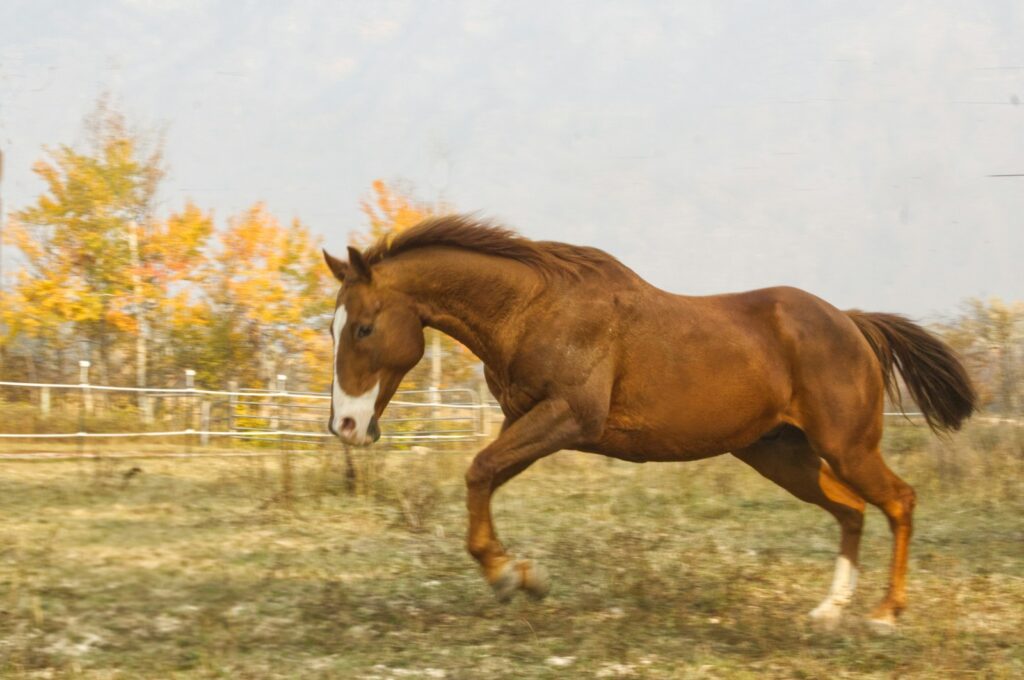
American Quarter Horses blend versatility, intelligence, and reliability that make them exceptional partners for eco-tourism operations across diverse North American landscapes. Their powerful hindquarters provide the strength and agility needed for navigating varied terrain from mountainous trails to prairie grasslands, while their calm, sensible temperament ensures safety for riders of different experience levels engaging with natural environments. Quarter Horses possess remarkable “cow sense” and intuitive responses that translate well to reading and navigating natural obstacles, reducing the need for aggressive handling or environmental modification to accommodate tourism activities. Their compact, muscular build combines the efficiency of movement with sufficient strength to carry adult riders comfortably through full-day expeditions with minimal fatigue, ensuring consistent performance throughout eco-tourism seasons. Additionally, their prevalence across North America makes them a sustainable choice for local eco-tourism operations seeking to reduce transportation impacts associated with importing specialized breeds.
Mustang: Living Heritage for Conservation-Focused Tourism

Mustangs represent living symbols of natural adaptation and resilience, making them powerful ambassadors for conservation-focused eco-tourism in western landscapes. These horses descend from domestic stock that returned to the wild, undergoing generations of natural selection that honed their environmental efficiency, sure-footedness, and ability to thrive in challenging conditions with minimal human intervention. Properly gentled mustangs retain their remarkable hardiness while developing strong bonds with handlers, creating unique opportunities for tourists to experience landscapes through the perspective of animals naturally adapted to those environments. Beyond their physical capabilities, incorporating adopted mustangs into eco-tourism programs directly supports wild horse conservation efforts by demonstrating their value and versatility while educating visitors about complex land management challenges. Their use in tourism creates powerful experiential learning about ecosystem health, habitat preservation, and sustainable relationships between humans, wildlife, and shared landscapes.
Marwari: Heritage Mounts for Desert Eco-Tourism in India
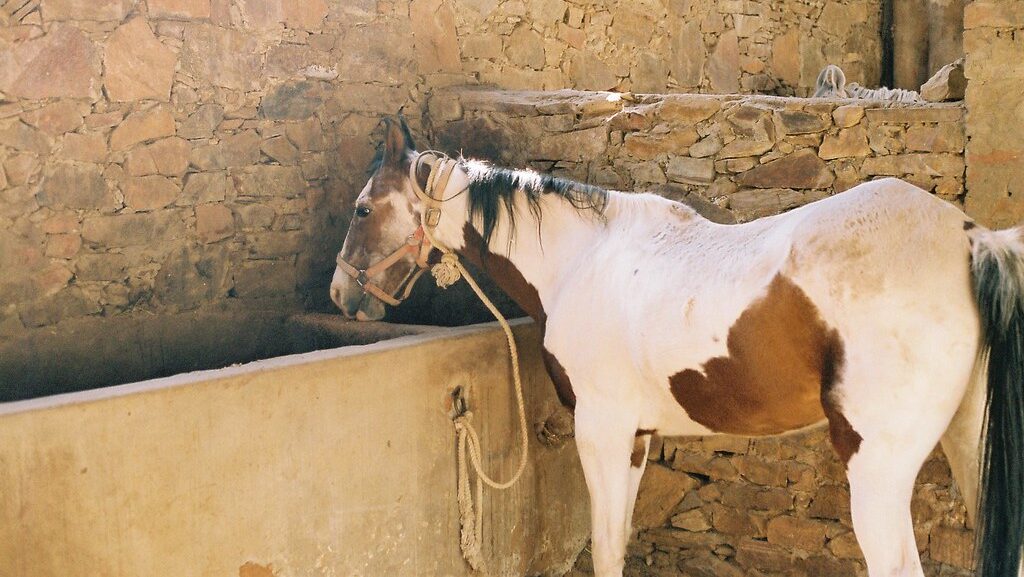
The distinctive Marwari horse of Rajasthan offers exceptional characteristics for sustainable tourism in India’s arid regions, combining cultural heritage with remarkable desert adaptations. Immediately recognizable by their unique inward-curving ears, Marwaris developed in the harsh Thar Desert environment, evolving natural heat tolerance, efficient metabolism, and the ability to thrive on minimal water—qualities that minimize resource demands in ecologically sensitive desert tourism operations. Their alert yet steady temperament stems from centuries of selective breeding by Rajput warriors who valued both courage and trainability, resulting in horses that remain calm during wildlife encounters while maintaining sufficient awareness to navigate safely through challenging terrain. Marwaris possess distinctive natural gaits that provide comfortable riding experience across sandy landscapes, allowing tourists to cover greater distances with less fatigue and deeper appreciation of desert ecosystems. Incorporating these indigenous horses into eco-tourism not only provides authentic cultural experiences but also supports conservation of this rare breed that numbers fewer than 10,000 worldwide, creating economic incentives for preservation of both natural and cultural heritage.
Rocky Mountain Horse: Sustainable Tourism in Forested Highlands
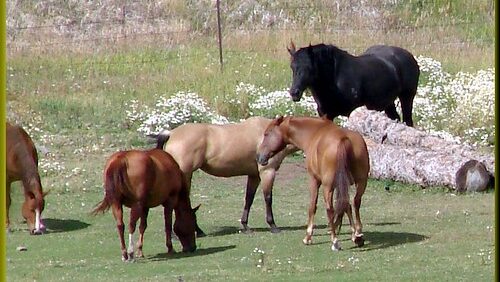
The Rocky Mountain Horse offers exceptional qualities for eco-tourism adventures through Appalachian forests and highlands, combining remarkable smoothness of gait with a gentle disposition perfectly suited to sensitive woodland environments. Developed in the isolated mountains of eastern Kentucky, these horses naturally possess an ambling four-beat gait called the “single-foot” that provides extraordinary comfort for riders while creating minimal impact on forest floors and subalpine meadows compared to the pounding hoofbeats of trotting horses. Their medium build strikes an ideal balance—substantial enough to navigate rugged terrain while remaining agile enough to maneuver through dense woodland trails without damaging surrounding vegetation. Rocky Mountain Horses demonstrate exceptional sensibility around wildlife, maintaining calm composure during unexpected encounters that might spook more reactive breeds, making them ideal partners for nature observation and photography excursions. Their chocolate coat, often enhanced by flaxen mane and tail, not only creates a striking appearance but also represents a genetic diversity worth preserving through sustainable use in heritage tourism.
Przewalski’s Horse: Conservation Tourism with the Last Truly Wild Horses
While not used as riding animals, Przewalski’s horses offer extraordinary opportunities for conservation-focused eco-tourism that directly supports the preservation of the world’s only truly wild horse species. These stocky, dun-colored horses with erect manes represent living evolutionary history, having never been domesticated and narrowly escaping extinction in the mid-20th century when they disappeared from their native Mongolian steppes. Reintroduction programs in protected areas like Mongolia’s Hustai National Park now provide carefully managed viewing experiences where tourists can observe these remarkable animals in their natural habitat while learning about the complex conservation challenges. The sustainable tourism model developed around Przewalski’s horses demonstrates how endangered species conservation can generate economic benefits for local communities while preserving traditional ecological knowledge and cultural connections to wildlife. Each visitor contributing to Przewalski’s horse tourism directly funds ongoing conservation efforts, habitat protection, and scientific research that ensures the survival of this unique species that once shared landscapes with Neanderthals and prehistoric humans.
Sustainable Management Practices for Eco-Tourism Horses
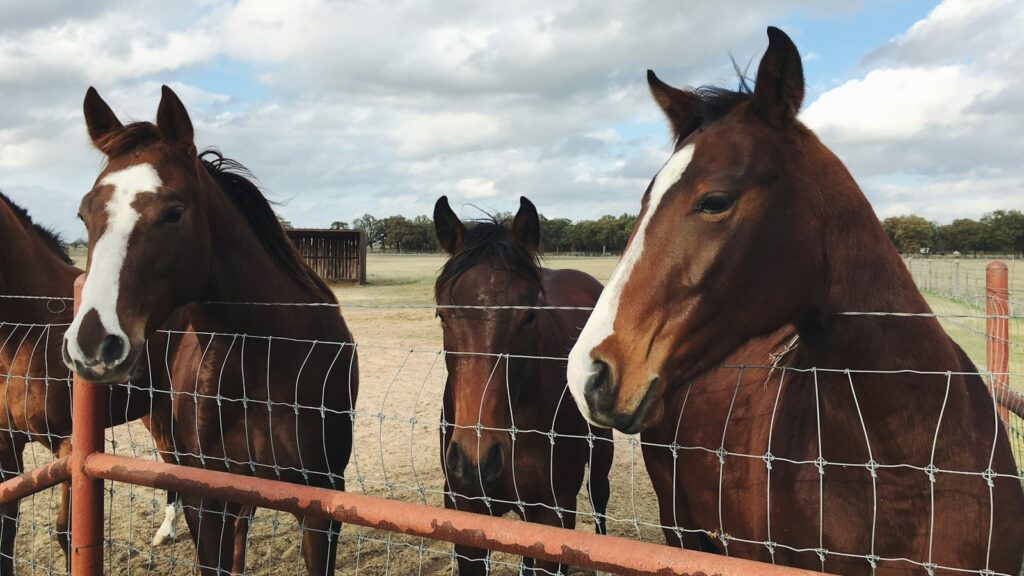
Regardless of breed selection, implementing sustainable management practices is essential for truly ecological horse-based tourism operations. Proper pasture rotation and managed grazing prevent overuse of sensitive landscapes, while thoughtful trail design with appropriate drainage and reinforcement minimizes erosion in heavily traveled areas. Regular health monitoring and appropriate veterinary care ensure the welfare of working horses while preventing the introduction of diseases or parasites into native wildlife populations through proper quarantine protocols. Locally sourced feed and bedding materials not only reduce carbon footprints but also eliminate the risk of introducing invasive plant species through imported hay. The most sustainable operations implement careful breeding management to maintain appropriate herd sizes matched to carrying capacity, using selective breeding to enhance desirable traits like soundness and temperament rather than purely aesthetic characteristics.
Cultural Heritage and Community Benefits of Horse-Based Eco-Tourism
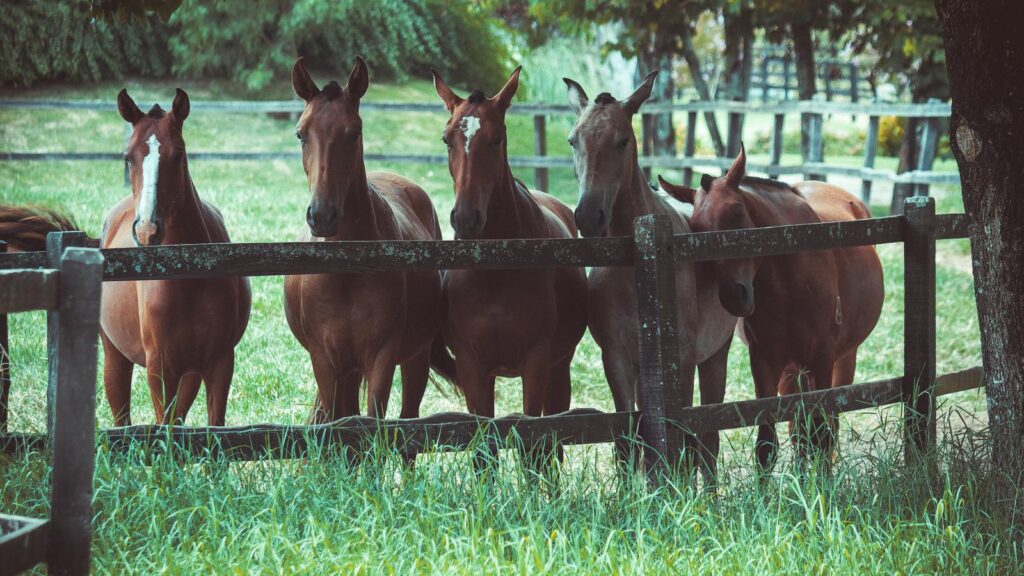
Horse-based eco-tourism creates unique opportunities to preserve cultural heritage while generating sustainable economic benefits for local communities connected to traditional equestrian practices. In regions like Mongolia’s steppe, Rajasthan’s deserts, or Argentina’s pampas, horse tourism provides income opportunities that incentivize the maintenance of traditional horsemanship skills that might otherwise disappear in the face of mechanization and urbanization. These living heritage experiences offer authentic connections between visitors and local culture that extend beyond superficial tourism encounters, creating mutual understanding and respect. Indigenous communities from North American plains to the Australian outback have developed specialized programs where traditional horse knowledge becomes a valuable asset rather than an obsolete skill, empowering cultural preservation through economic sustainability. The most successful horse-based eco-tourism initiatives incorporate meaningful participation from local stakeholders in both planning and operation, ensuring that benefits flow directly to communities while maintaining cultural authenticity and environmental integrity.
Conclusion
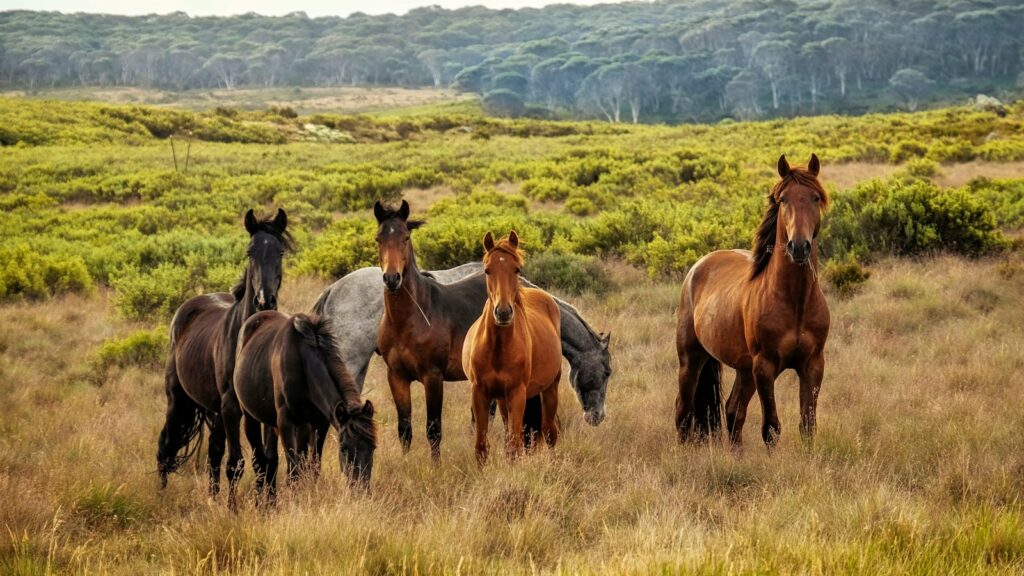
The ideal horse breeds for eco-tourism adventures combine physical adaptations to specific environments with temperaments suited to working with diverse visitors in natural settings. Whether navigating desert landscapes with Arabians, traversing mountainous terrain with Appaloosas, or experiencing smooth travel with Peruvian Pasos, choosing the right equine partners enhances both the sustainability and quality of nature-based tourism experiences. Beyond breed selection, successful eco-tourism operations implement holistic approaches to horse management, environmental stewardship, and community involvement. As travelers increasingly seek authentic connections with nature and culture through low-impact experiences, horse-based eco-tourism offers a compelling model that benefits local economies, preserves cultural heritage, and fosters greater appreciation for the natural world—all while creating unforgettable adventures for participants.