
Equestrian enthusiasts understand that a supple, relaxed horse performs better, experiences less discomfort, and remains healthier throughout its riding career. Just like human athletes, horses develop stiffness and tension from training, confinement, or natural physical tendencies. Recognizing and addressing this stiffness through targeted exercises not only improves performance but also strengthens your partnership with your equine companion. This comprehensive guide explores effective techniques to help your horse achieve greater flexibility, comfort, and freedom of movement, whether you’re working with a young horse just beginning its training journey or helping an older equine athlete maintain mobility.
Understanding Equine Stiffness: Causes and Signs
Stiffness in horses manifests through various physical and behavioral indicators that attentive riders can identify. Physical signs include uneven gait, difficulty bending in one or both directions, resistance to lateral movements, or hollowing the back when ridden. Behaviorally, a stiff horse might exhibit resistance to transitions, pinned ears during certain movements, tail swishing, or reluctance to move forward energetically. Common causes include insufficient warm-up, muscle imbalances, conformational issues, previous injuries, poor saddle fit, or tension from riding inconsistencies. Understanding these underlying factors helps establish an appropriate exercise program that addresses your horse’s specific needs rather than applying a one-size-fits-all approach that might exacerbate existing problems.
Essential Pre-Exercise Preparations

Before beginning any loosening exercises, ensure your horse has received a thorough health assessment from a veterinarian to rule out pain-causing conditions that require professional treatment. Proper equipment plays a crucial role—check that your saddle fits correctly, as an ill-fitting saddle can create or worsen stiffness through pressure points and restricted movement. Begin each session with at least 10-15 minutes of walking, allowing muscles to warm gradually before requesting more demanding movements. Consider incorporating carrot stretches or gentle manual stretching while your horse is still in the stable to prepare their muscles for work. These preliminary steps create a foundation for successful loosening exercises by ensuring your horse’s comfort and willingness to participate.
Walking Exercises for Initial Suppleness
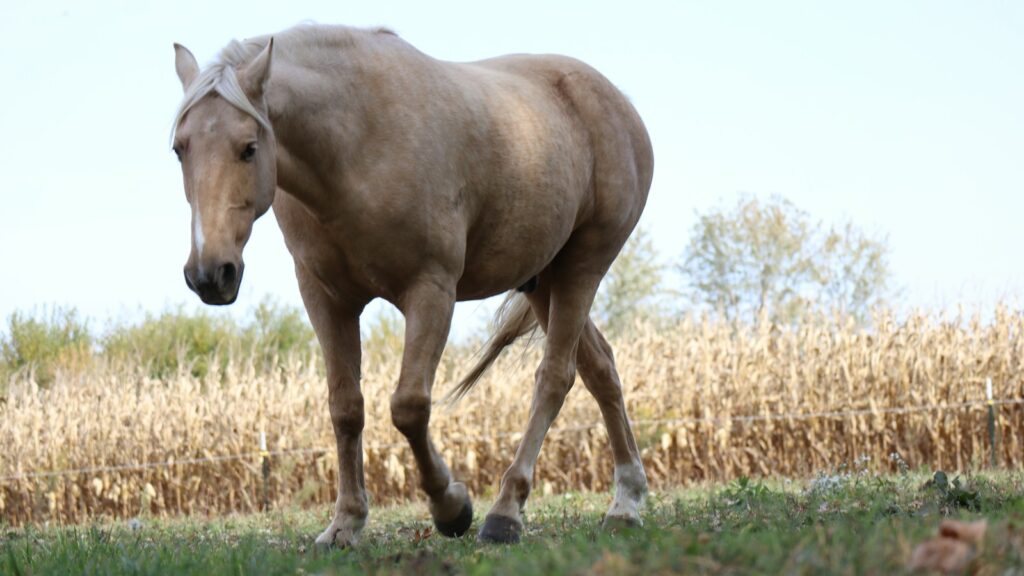
Walking exercises provide an excellent foundation for loosening a stiff horse without imposing undue strain on tight muscles. Incorporate large, sweeping serpentines across the arena, gradually decreasing the size as your horse becomes more supple. Practice spiral circles where you slowly spiral in toward the center of a circle and then gradually spiral out again, encouraging lateral flexibility. Walking over ground poles set at various angles helps your horse engage different muscle groups while improving proprioception. During these exercises, focus on maintaining a steady, rhythmic pace while encouraging your horse to stretch forward and downward with a relaxed topline, which facilitates back engagement and promotes release of tension through the neck and poll.
Lateral Work to Increase Flexibility
Lateral movements represent some of the most effective exercises for addressing stiffness because they require the horse to bend, cross over, and engage muscles along the entire body. Begin with leg-yielding, asking your horse to move simultaneously forward and sideways while maintaining a relatively straight body position—this serves as an accessible introduction to lateral work. Progress to shoulder-in, where the horse’s shoulders move off the track while maintaining bend through the body in the direction of travel, developing suppleness through the shoulders and ribcage. For more advanced horses, introduce haunches-in (travers) and haunches-out (renvers) to improve flexibility through the hindquarters. Always perform these exercises equally in both directions to develop balanced muscle development, and begin with just a few steps of quality movement rather than demanding lengthy repetitions that might cause fatigue.
Circle Work for Balanced Suppleness
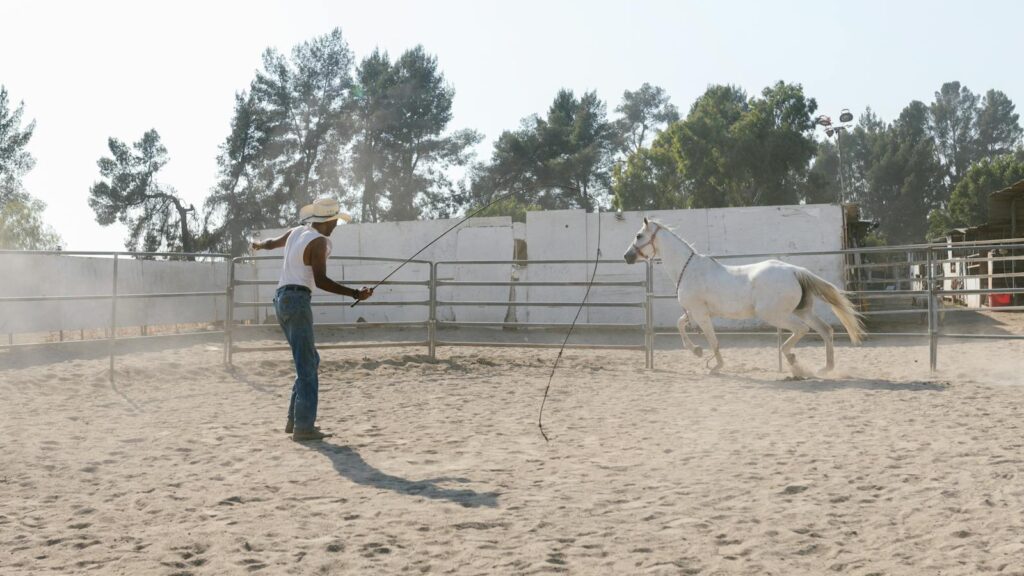
Thoughtfully planned circle work creates symmetrical development and improves overall flexibility in stiff horses. Start with large 20-meter circles to introduce the concept of bending without placing excessive demands on tight muscles. Gradually reduce the circle size to 15 meters as your horse becomes more comfortable, but avoid smaller circles initially as they can strain unprepared joints and muscles. Incorporate transitions within circles—moving between walk, trot, and canter—to enhance engagement and encourage your horse to carry weight on the hindquarters. Figure-eight patterns provide particularly effective suppling benefits by requiring your horse to change bend direction, which helps identify and address one-sided stiffness. Throughout all circle work, maintain an even contact on both reins while using your seat and legs to support the horse’s bend, rather than relying solely on rein pressure.
Transition Exercises for Back Engagement
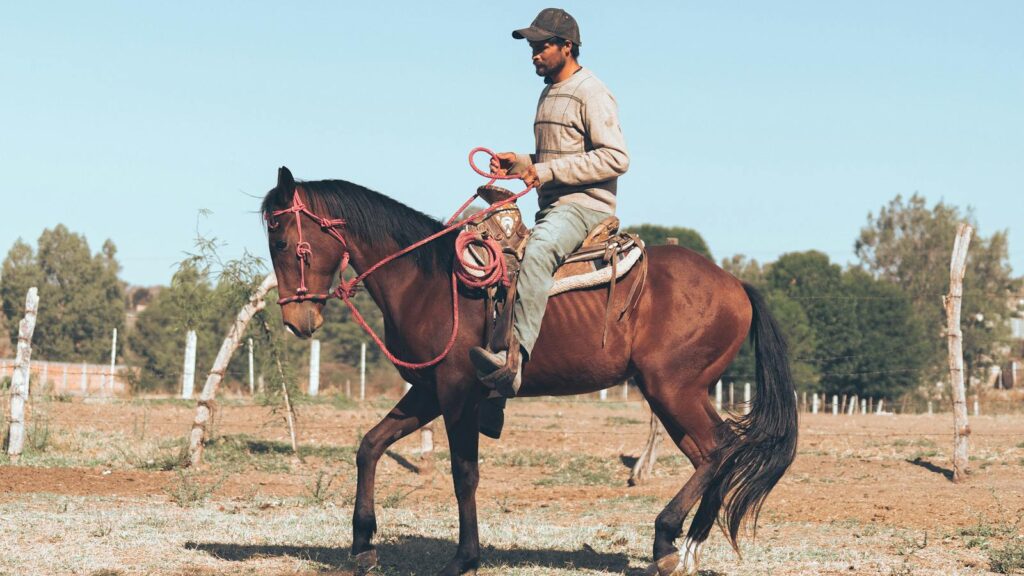
Thoughtfully executed transitions develop the muscles that help horses carry themselves correctly, directly addressing back stiffness. Incorporate frequent transitions between gaits—walk to trot, trot to canter, and their respective downward transitions—focusing on smoothness rather than abruptness. Within each gait, practice extending and collecting the stride, teaching your horse to adjust their frame and step length without losing balance or rhythm. For more advanced horses, introduce halt transitions from various gaits, asking for square, balanced halts that require the horse to engage their hindquarters. Rein-back exercises followed by immediate forward movement create powerful suppling effects on the back and promote hind-end engagement. Throughout all transition work, prioritize quality over quantity, rewarding even small improvements in responsiveness and execution.
Groundwork Techniques for Relaxation
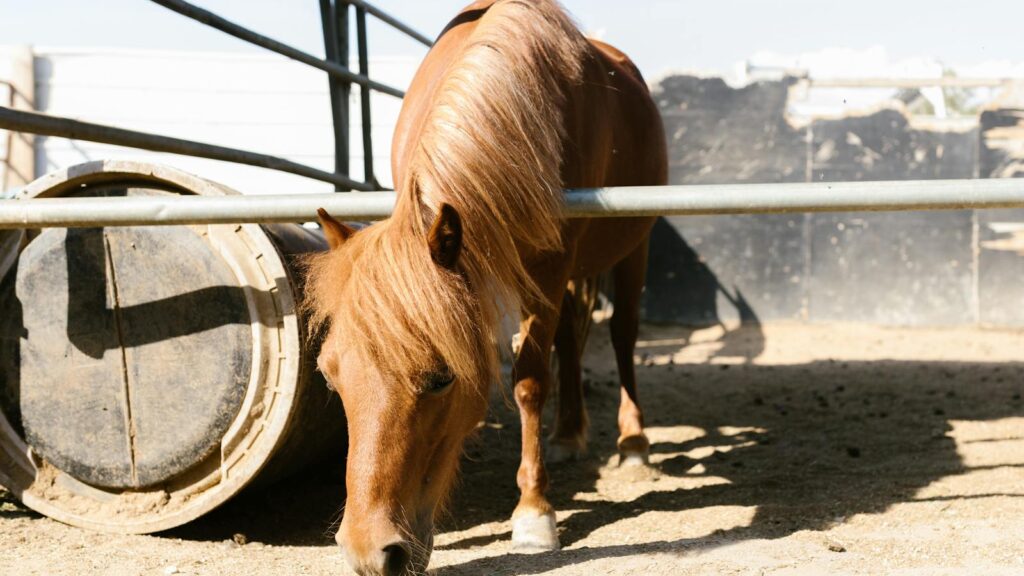
Unmounted work offers valuable opportunities to loosen a stiff horse without the complications of rider weight and balance. Lungeing with proper equipment (cavesson rather than bit attachment) allows the horse to stretch naturally through the topline, particularly when encouraged to work in a relaxed, slightly extended frame. Incorporate short sessions of in-hand work including turn on the forehand and turn on the haunches to improve mobility and responsiveness to leg aids. For horses that respond well to this approach, try long-reining to encourage correct bending while developing straight-line movement. Ground poles and small cavaletti arranged in various patterns create natural opportunities for the horse to lift their back and engage core muscles without rider intervention, making them excellent additions to groundwork sessions for particularly stiff horses.
Hill Work for Natural Strength Development

Utilizing natural terrain provides some of the most effective conditioning for loosening a stiff horse while building supportive musculature. Walking up gradual inclines encourages the horse to engage their hindquarters and lift through the withers, naturally strengthening the muscles that support proper carriage. Descending hills requires balance and controlled movement, developing proprioception and careful foot placement. Incorporate gentle side-hill work to engage the horse’s core muscles and improve lateral stability. For horses with appropriate fitness levels, trotting up gentle slopes creates powerful strengthening effects for the hindquarters and back muscles that support collection and extension. Always introduce hill work gradually, starting with walking on gentle slopes before progressing to steeper inclines or faster gaits, as the intensity of this exercise can surprise even seemingly fit horses.
Using Cavaletti and Poles for Coordination
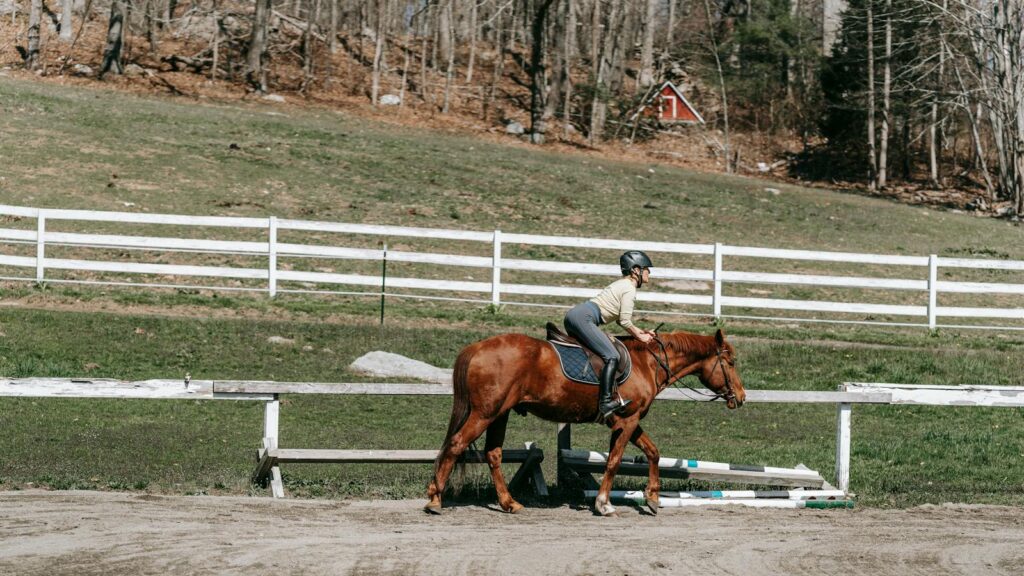
Cavaletti and pole exercises create dynamic suppling effects while improving coordination and body awareness in stiff horses. Start with poles on the ground spaced at walking distance (approximately 2.5 feet apart), asking your horse to walk over them with purpose and attention. Progress to trotting over evenly spaced poles (4.5 feet apart), which encourages the horse to lift their back and step with more elevation. For advanced horses, incorporate raised cavaletti (starting at just 6-8 inches) to increase the range of motion required. Create patterns with poles on curves, fans, or zigzags to introduce variety and engage different muscle groups. These exercises prove particularly effective for horses with tension in the shoulders or limited range of motion in their joints, as the deliberate stepping action promotes lifted movement without forcing or mechanical manipulation.
Stretching Routines for Enhanced Flexibility
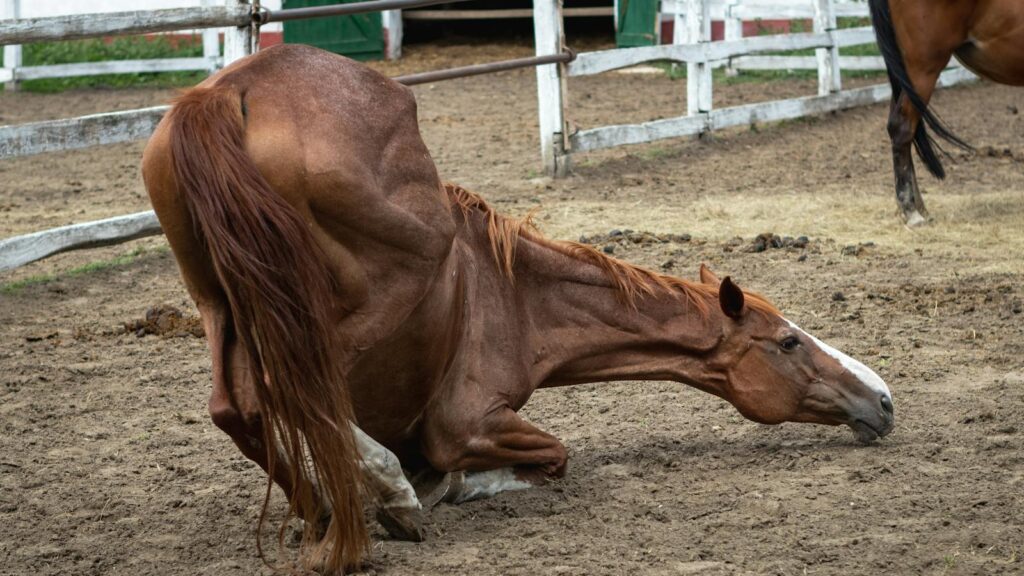
Strategic stretching routines complement active exercise by increasing range of motion and promoting muscle relaxation in stiff horses. Incorporate carrot stretches by enticing your horse to reach toward their shoulder, flank, and between their front legs using a treat, holding each position for several seconds. For horses comfortable with human touch, try gentle manual stretching of the neck, allowing natural release of poll tension. Practice mobilization exercises like gently rocking the pelvis by applying alternating pressure to the points of the hip. Tail stretches performed by carefully moving the tail in a circular motion can release tension in the sacroiliac region. Implement these stretches after warm-up and again after cool-down when muscles are most receptive to elongation, always respecting your horse’s comfort level and never forcing a stretch beyond their natural range.
Cross-Training for Mental and Physical Variety
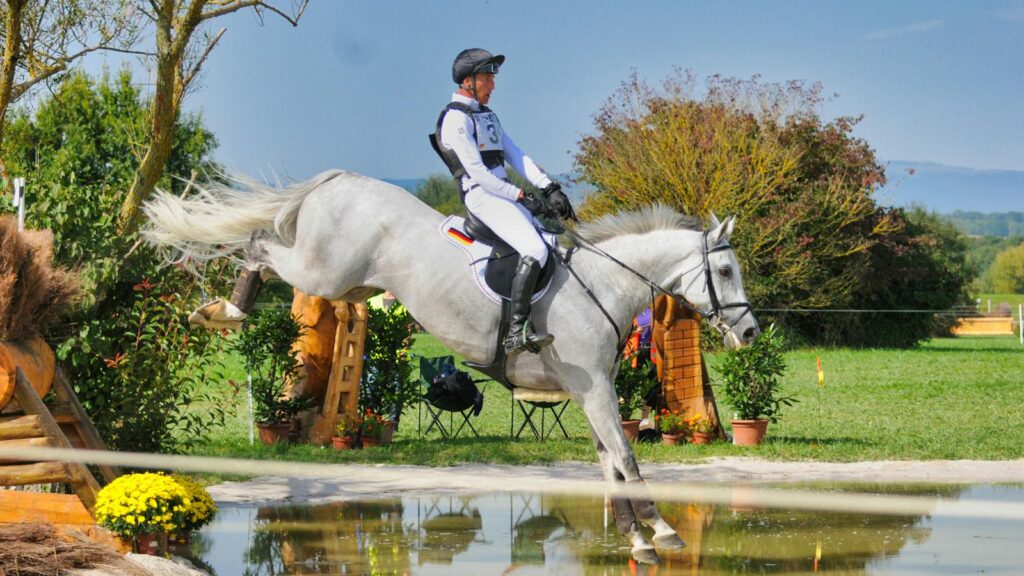
Introducing variety through cross-training prevents the physical and mental staleness that can contribute to stiffness in horses. Consider incorporating trail riding on varied terrain to naturally encourage different movement patterns than arena work provides. For appropriate horses, try introductory dressage exercises even if you primarily compete in jumping or western disciplines, as the precision movements develop balanced suppleness. Similarly, dressage horses benefit from occasional jumping sessions that encourage natural extension and elevation. Try working in different footing types—from arena surfaces to grass or packed dirt—which requires subtle adjustments in movement and balance. Even changing the routine within your preferred discipline, such as working without stirrups or practicing exercises from more advanced levels, creates beneficial variation that prevents repetitive strain and promotes adaptable, supple movement.
Cool-Down Protocols for Lasting Benefits
Proper cool-down procedures extend the benefits of your loosening exercises and prevent stiffness from returning immediately after work. Always include at least 10-15 minutes of relaxed walking following more intense work, allowing muscles to process lactic acid and gradually return to resting state. Encourage a long, low head and neck position during cool-down to promote stretch through the topline muscles. Remove tack as soon as feasible after work to allow full range of motion during natural behaviors like rolling, which provides self-directed stretching. In appropriate weather conditions, consider a brief cold hosing of legs after intense work to reduce inflammation in joints and tendons. Following appropriate cooling out, strategic application of massage, specialized wraps, or electromagnetic therapy may provide additional benefits for chronically stiff horses, though these should complement rather than replace proper exercise protocols.
Creating a Progressive Long-Term Plan

Sustainable improvement in equine flexibility requires thoughtful progression rather than sporadic intense sessions. Develop a structured weekly schedule that balances different types of loosening exercises—perhaps alternating between lateral work days, pole work days, and extended trail rides to provide both variety and consistency. Establish realistic timelines for improvement, understanding that significant changes in flexibility typically require at least 6-8 weeks of consistent work. Document your horse’s progress through video recordings or written notes to recognize subtle improvements that might otherwise go unnoticed. Periodically reassess your program’s effectiveness and be willing to modify exercises based on your horse’s response, increasing challenge when appropriate and backing off when signs of resistance appear. Remember that consistency yields better results than intensity—five 30-minute sessions weekly typically produce greater improvement than two exhaustive workouts.
Path to a Supple Horse
Addressing stiffness in horses requires patience, consistency, and a willingness to listen to your equine partner’s feedback. By implementing these targeted exercises while respecting your horse’s individual needs and limitations, you’ll develop a more supple, comfortable, and willing partner. Remember that physical flexibility often translates to mental relaxation as well—as your horse discovers greater ease of movement, you’ll likely notice improvements in attitude and willingness to work. While the journey to suppleness requires dedication, the rewards of a harmonious partnership with a comfortable, athletic horse make every careful step worthwhile.