

A well-designed barn is more than just a shelter for animals and equipment; it’s a carefully orchestrated environment that directly impacts animal health, worker efficiency, and overall farm productivity. Creating the optimal barn layout requires balancing multiple factors including species-specific needs, climate considerations, workflow efficiency, and safety protocols. Whether you’re planning a new construction or renovating an existing structure, thoughtful design choices regarding ventilation systems, stall arrangements, feeding areas, and waste management can significantly enhance the comfort, health, and safety of both animals and handlers. This comprehensive guide explores the key elements of superior barn design, providing practical insights for equine facilities, dairy operations, and multi-purpose agricultural structures.
Understanding the Fundamentals of Barn Design
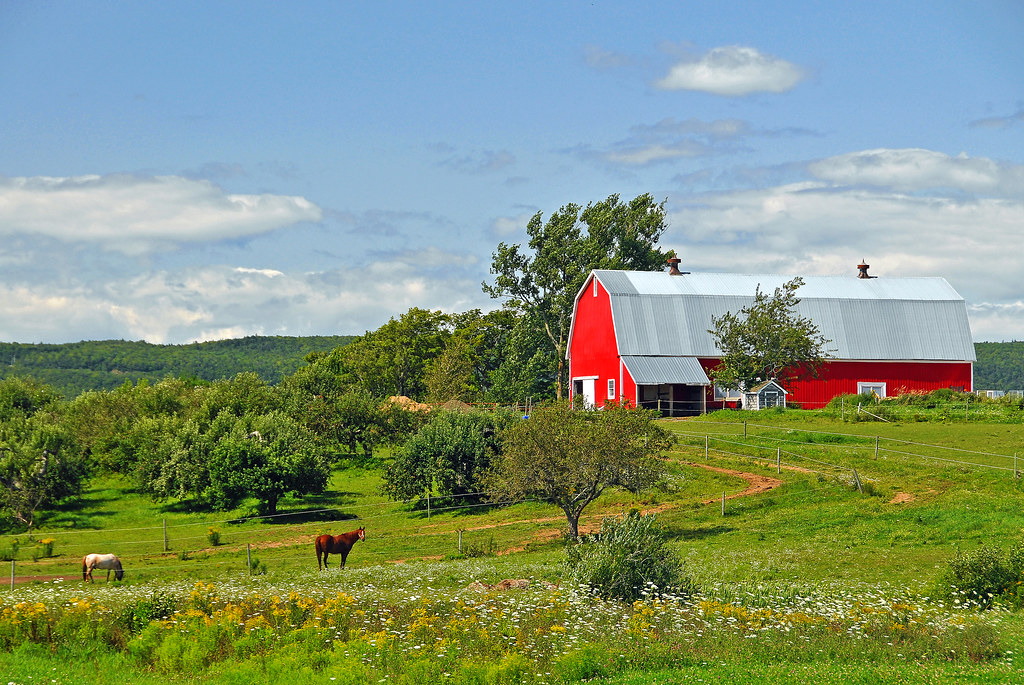
Before diving into specific layouts, it’s essential to understand the core principles that guide effective barn design decisions. A well-designed barn should prioritize animal comfort while facilitating efficient daily management routines and maintaining proper environmental conditions. Size requirements vary significantly based on the species housed—horses typically need more individual space than dairy cows, while sheep can be managed in more densely populated areas. Climate considerations must inform ventilation strategies, with hot, humid regions requiring different approaches than cold or arid environments. Perhaps most importantly, the layout should reflect the specific operations that will occur within the structure, whether that’s breeding, milking, training, or simply housing animals during inclement weather.
Site Selection and Orientation for Optimal Performance
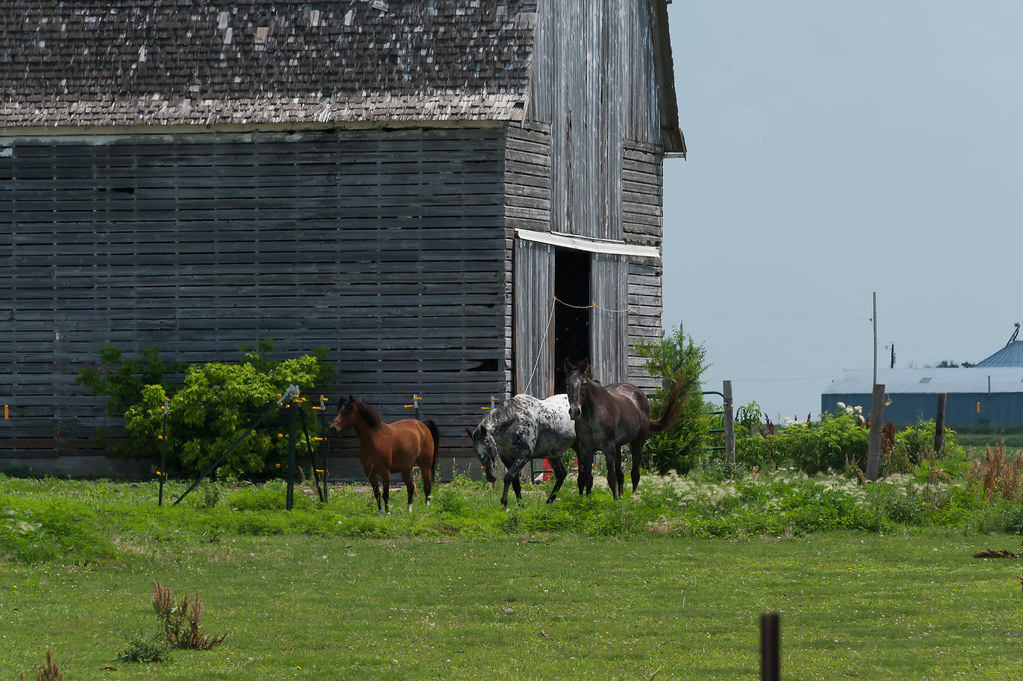
The location and orientation of your barn significantly impact its functionality and efficiency. Ideally, barns should be positioned on slightly elevated ground with good drainage to prevent moisture problems and flooding risks. In North America, an east-west orientation typically provides the best natural ventilation and light management, with prevailing winds helping to move air through the structure. Consider proximity to other farm infrastructure, ensuring convenient access to pastures, water sources, feed storage, and waste management areas. Natural windbreaks like tree lines can provide valuable protection in harsh climates, but shouldn’t impede airflow on hot summer days. Remember that future expansion possibilities should factor into your site selection process—the perfect location now might create limitations later if growth is anticipated.
Ventilation Systems: The Cornerstone of Healthy Barn Environments
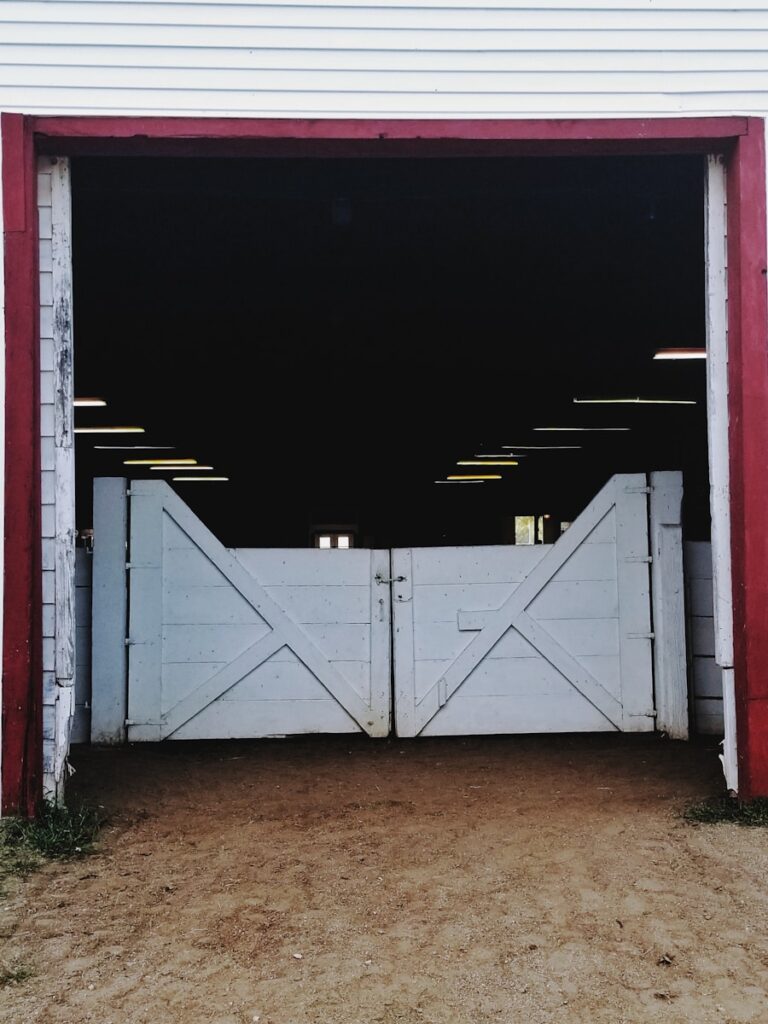
Proper ventilation represents the single most critical factor in maintaining animal health within enclosed structures. A well-ventilated barn removes moisture, reduces airborne pathogens, eliminates noxious gases from waste, and regulates temperature. Natural ventilation systems utilizing ridge vents, eave openings, and strategically placed windows can be highly effective when properly designed for your climate. Mechanical ventilation through fans, whether exhaust, circulation, or inlet types, provides more controlled airflow but requires electricity and regular maintenance. Many modern barns implement hybrid systems that leverage natural airflow patterns while supplementing with mechanical assistance during extreme weather conditions. For maximum effectiveness, ventilation design should account for seasonal variations, allowing for adjustable settings as conditions change throughout the year.
Horse Barn Layouts: Prioritizing Safety and Comfort
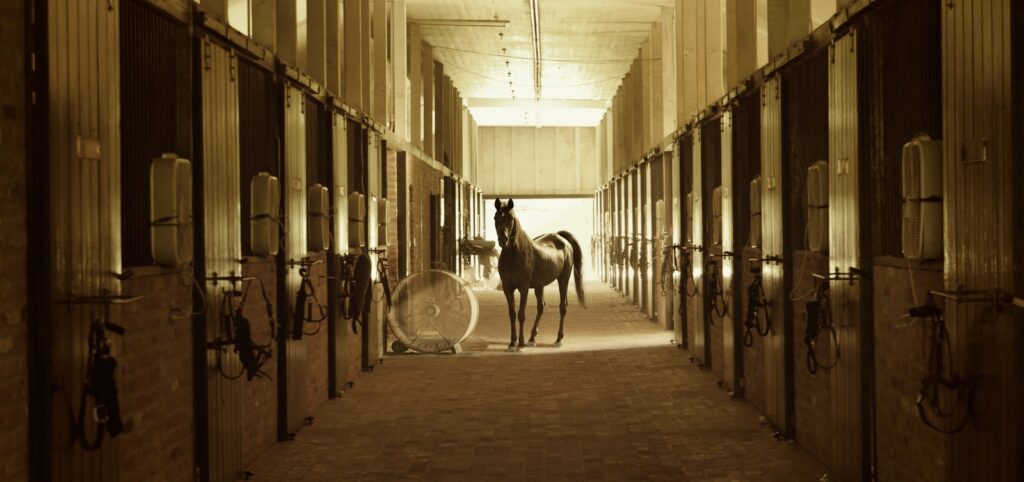
Horse barn designs typically center around individual stalls arranged along aisles wide enough for safe handling and easy cleaning. The traditional layout features a central aisle (at least 12 feet wide) with stalls on either side, though variations include L-shaped or U-shaped configurations that create protected courtyards. Standard stall sizes range from 10’×10′ for ponies to 14’×14′ for larger breeds, with Dutch doors allowing horses to look outside while remaining safely contained. Safety features should include rounded corners, recessed hardware, proper electrical protection, and non-slip flooring materials. Additional spaces like wash stalls, tack rooms, feed rooms, and isolation areas for sick animals are essential components of comprehensive equine facilities. For performance horses, consider incorporating indoor or attached arenas for year-round training regardless of weather conditions.
Dairy Barn Configurations for Production Efficiency
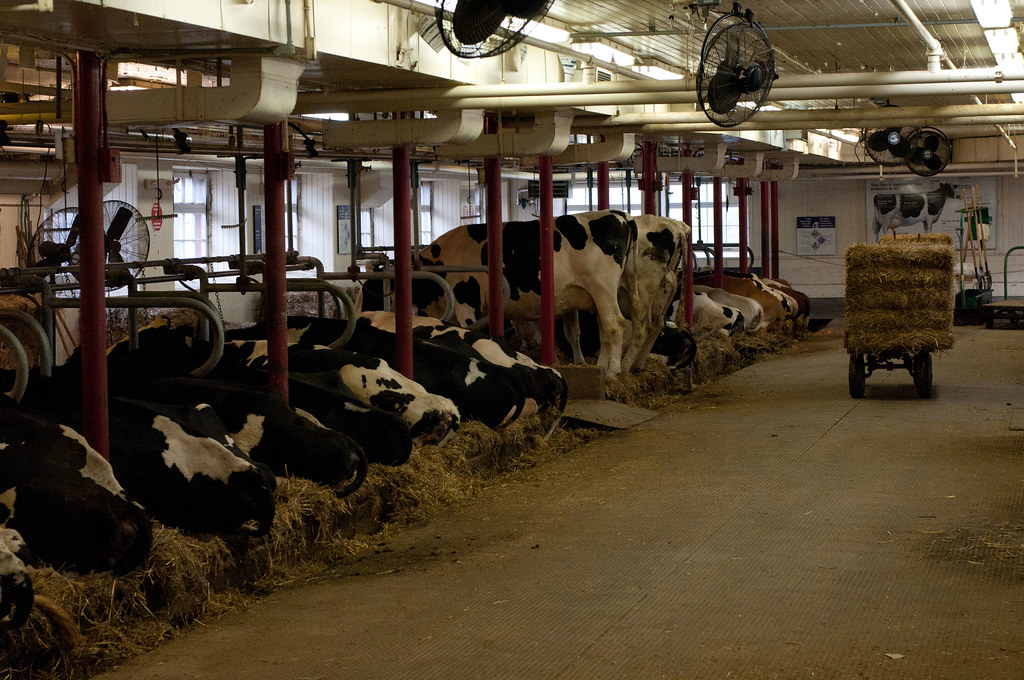
Modern dairy operations typically utilize one of three main barn styles: freestall barns, tie-stall barns, or compost bedded pack barns. Freestall systems provide cows with individual resting spaces while allowing free movement to feeding areas and milking parlors, maximizing both comfort and efficiency. Tie-stall configurations, though less common in new constructions, offer more controlled individual management but restrict natural movement and require more intensive labor. The innovative compost bedded pack design features large open areas with specialized bedding that composts actively, providing comfortable, joint-friendly surfaces for cows while naturally managing waste. Regardless of style, dairy barns must incorporate efficient feeding systems, reliable waste management solutions, and convenient access to milking facilities. Ventilation is particularly crucial in dairy operations due to the high moisture production from both animals and cleaning activities.
Multi-Purpose and Livestock Barn Designs
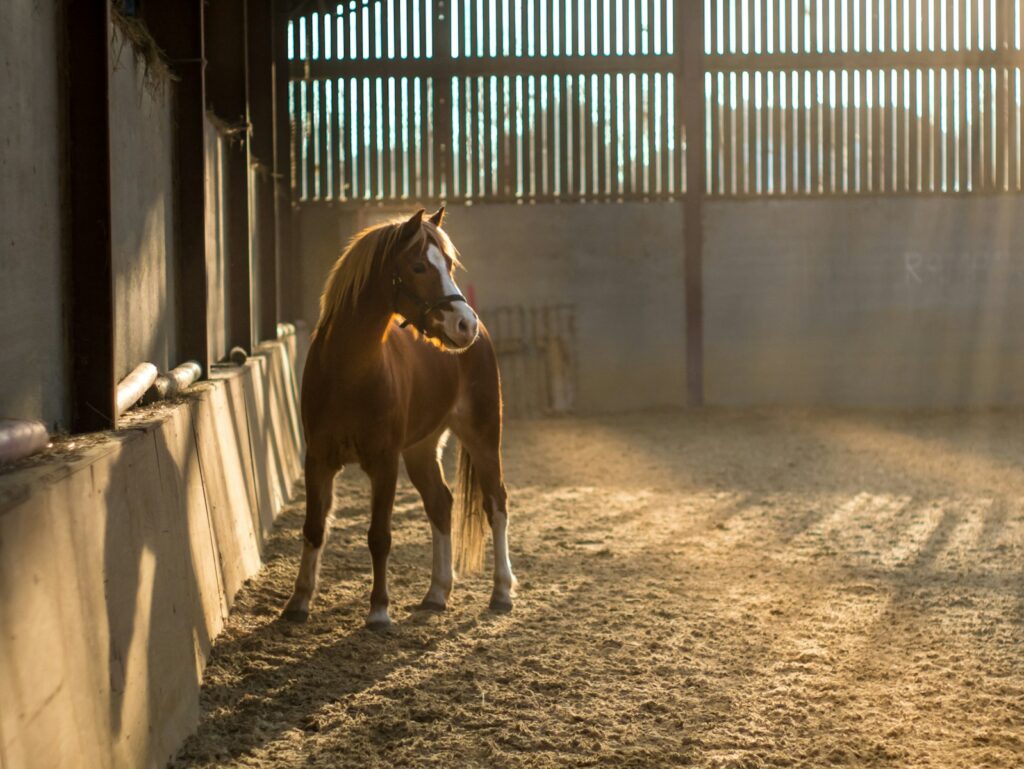
Farms housing multiple species or serving diverse functions benefit from adaptable barn layouts that accommodate various needs. These versatile structures typically feature a combination of enclosed stalls, open pens, storage areas, and work spaces that can be reconfigured as needed. Open-concept barns with removable panels allow for customization based on changing animal populations or seasonal requirements. When housing multiple species, consider their compatibility regarding temperature preferences, noise tolerance, and disease susceptibility. Sheep and goats often thrive in open pen arrangements with adjustable partitions for grouping during breeding or lambing/kidding seasons. For multi-purpose operations, creating distinct zones for different activities helps maintain biosecurity while improving workflow efficiency. Modular components like portable gates, movable feeders, and adjustable penning systems enhance flexibility while extending the useful lifespan of the structure.
Flooring Options for Safety, Durability, and Cleanliness
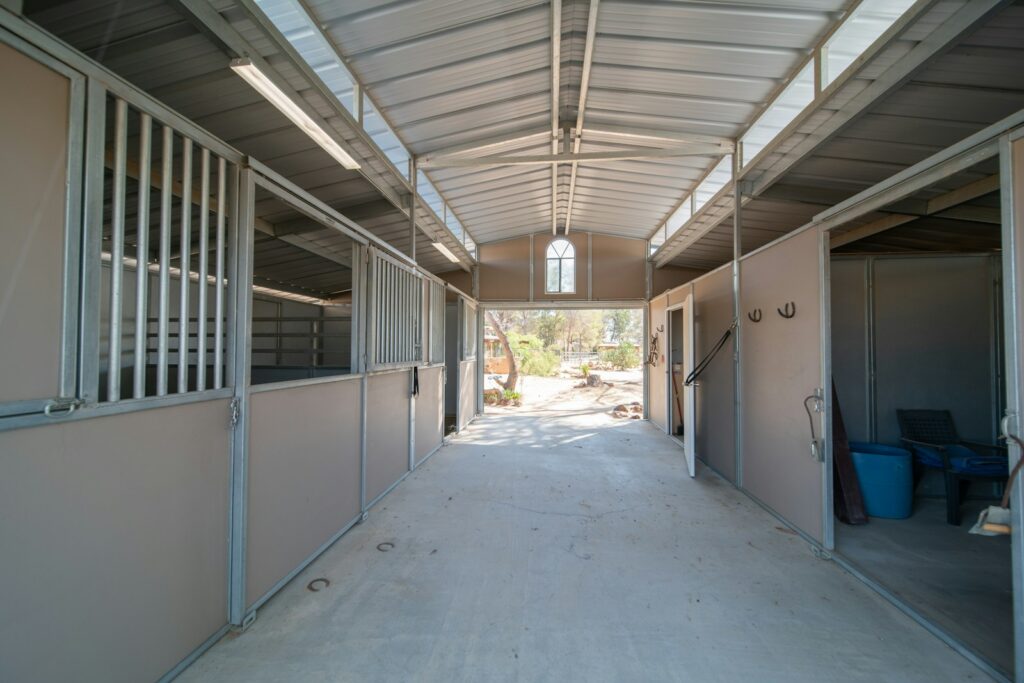
Barn flooring plays a crucial role in animal comfort, health maintenance, and facility longevity. Concrete provides durability and easy cleaning but requires appropriate texturing to prevent slipping and adequate bedding to prevent joint issues in animals. Rubber mats over concrete offer improved cushioning and insulation while maintaining most cleaning benefits, making them popular choices for horse stalls and high-traffic areas. Some operators prefer clay or compacted earth floors for their natural drainage and joint-friendly qualities, though these require more frequent maintenance and bedding replacement. In dairy operations, grooved concrete with proper slope facilitates waste removal while providing secure footing. The flooring system should also incorporate appropriate drainage solutions—typically a slight slope toward gutters or collection systems that channel waste away from animal areas. Whatever material you choose, ensure it supports your cleaning protocols while promoting animal comfort and safety.
Feed Storage and Distribution Systems
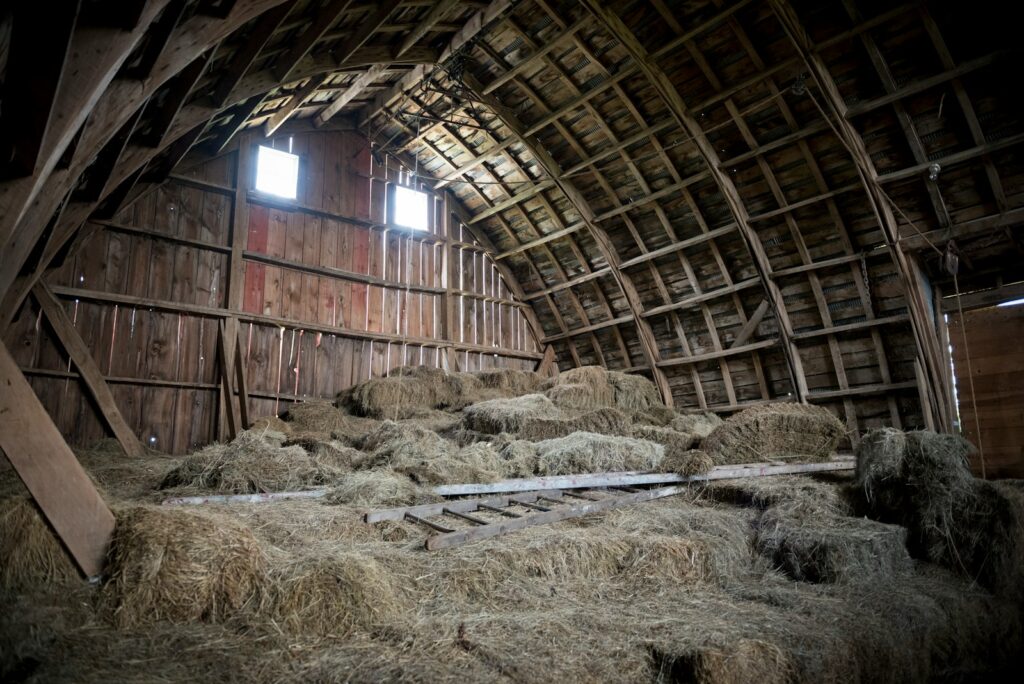
Efficient feed management starts with properly designed storage areas that protect nutritional quality while facilitating easy access. Feed rooms should be secure from pests, protected from moisture, and conveniently located to minimize carrying distances during daily chores. For hay storage, consider second-story lofts with drop-down chutes or adjacent storage buildings that reduce fire risks and dust contamination in animal areas. Grain storage requires sealed containers that prevent rodent access and moisture penetration, preferably with measuring systems for accurate feeding. Modern barn designs increasingly incorporate mechanized feeding systems like automated grain dispensers or conveyor systems for hay distribution, which can significantly reduce labor requirements and improve feeding consistency. Regardless of sophistication level, all feed areas should prioritize cleanliness, organization, and protection from weather elements to maintain feed quality.
Waste Management Solutions for Environmental Compliance
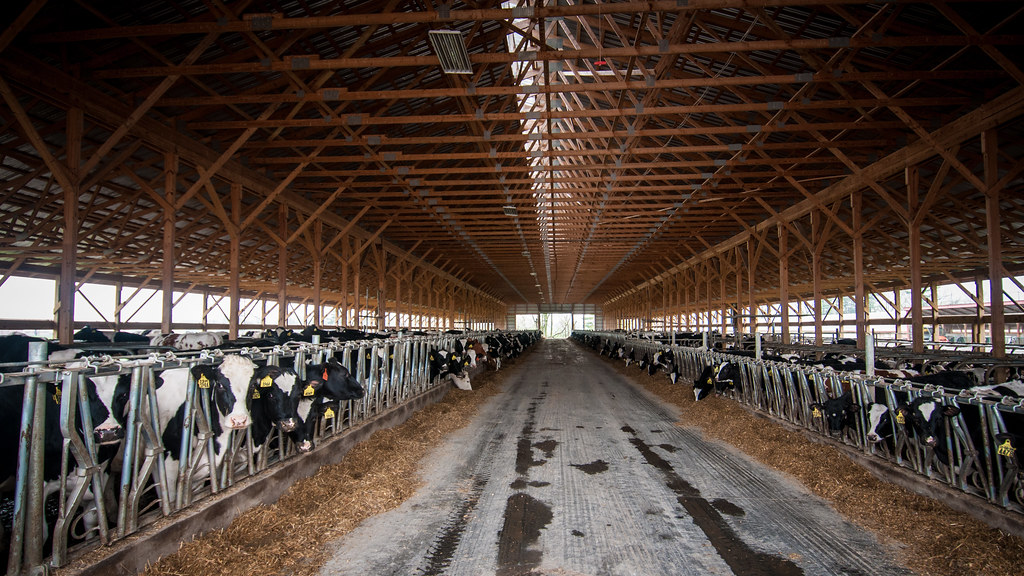
Effective waste handling systems protect both animal health and environmental integrity while simplifying daily maintenance routines. The ideal system varies based on animal type, bedding materials, local regulations, and available equipment. For horse barns, traditional bedding materials like straw or shavings paired with daily stall cleaning and manure storage in designated areas with proper containment remains common practice. Dairy operations typically utilize flush systems, alley scrapers, or slotted floors that channel waste to underground storage or treatment facilities. Increasingly popular are composting systems that transform waste into valuable soil amendments while reducing volume and potential pollutants. Whatever approach you choose, ensure it complies with local environmental regulations regarding runoff prevention, groundwater protection, and nutrient management planning. Remember that proper waste management not only satisfies regulatory requirements but also reduces odors, pest problems, and disease transmission risks.
Water Systems: Ensuring Reliable Access and Quality
Reliable water systems are fundamental to animal health and facility maintenance. Automatic waterers with thermostatic heaters prevent freezing in cold climates while ensuring continuous access to fresh water. These systems should be installed at appropriate heights for the species housed and protected from damage by curious or restless animals. Main supply lines should be accessible for maintenance but protected from traffic and freezing temperatures, typically buried below frost lines with accessible shutoff valves. Incorporate backup systems for emergency situations, such as generator hookups for electric pumps or gravity-fed reserve tanks. Water quality must be regularly tested, particularly in systems serving both animals and washing facilities. Strategic placement of water sources throughout the barn minimizes competition between animals while facilitating cleaning operations and fire safety protocols.
Lighting and Electrical Planning for Safety and Productivity
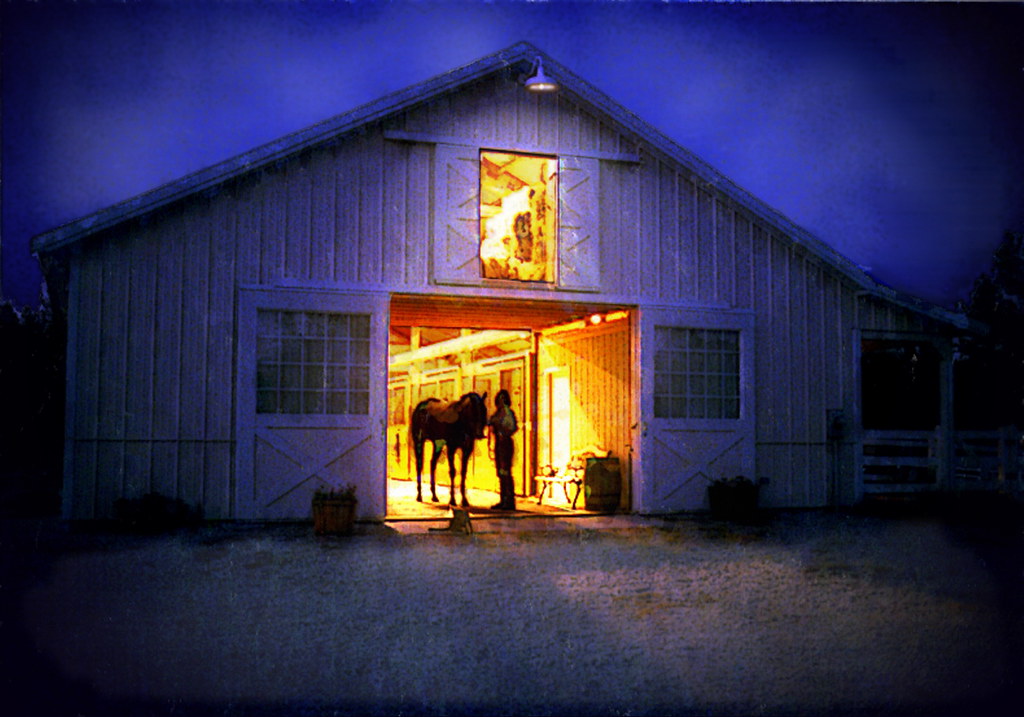
Proper lighting significantly impacts animal behavior, worker safety, and operational efficiency throughout a barn facility. Natural light provided through windows, clear panels, or ridge lights reduces energy costs while promoting healthier biological rhythms in animals. Supplemental artificial lighting should provide adequate illumination for safe work without creating harsh shadows or glare that might frighten animals. LED fixtures offer energy efficiency and longevity advantages over traditional options, with specialized fixtures available for wet or dusty environments. All electrical systems must be properly rated for agricultural settings, with moisture-resistant outlets, appropriate conduit protection, and adherence to safety codes. Incorporating lighting zones with separate controls allows for customized illumination based on time of day and specific activities. Consider adding emergency lighting systems that activate automatically during power outages to maintain safety during critical situations.
Climate Control Considerations for Extreme Environments
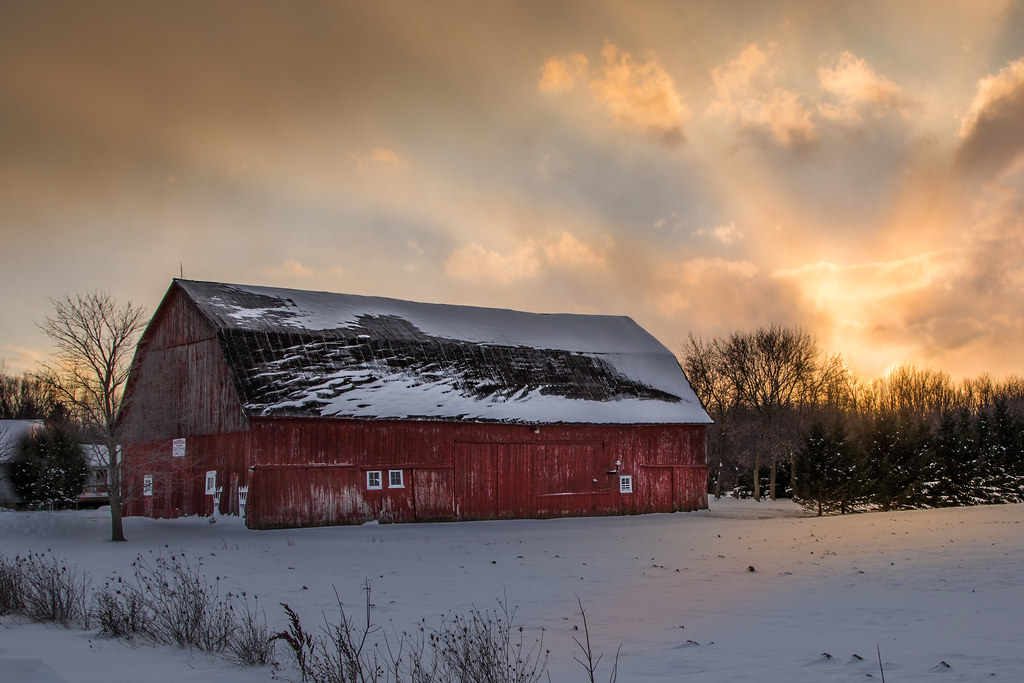
Barns in regions with extreme temperatures require specialized design elements to maintain animal comfort year-round. In cold climates, proper insulation in walls and ceilings helps retain heat while minimizing condensation issues that can damage structures and create unhealthy conditions. Strategically placed windbreaks, covered entrances, and draft prevention systems protect against winter winds while maintaining necessary ventilation. Hot climate adaptations include elevated roofs with significant overhangs, reflective roofing materials, cooling systems like misters or fans, and shade orientation that blocks intense afternoon sun. For operations in variable climates, incorporating adaptable features like adjustable side curtains, reversible fans, and seasonal ventilation settings provides flexibility throughout changing seasons. Regardless of climate, avoid completely sealing barns—even in extreme temperatures, some level of air exchange remains essential for removing moisture and maintaining air quality.
Future-Proofing Your Barn Design
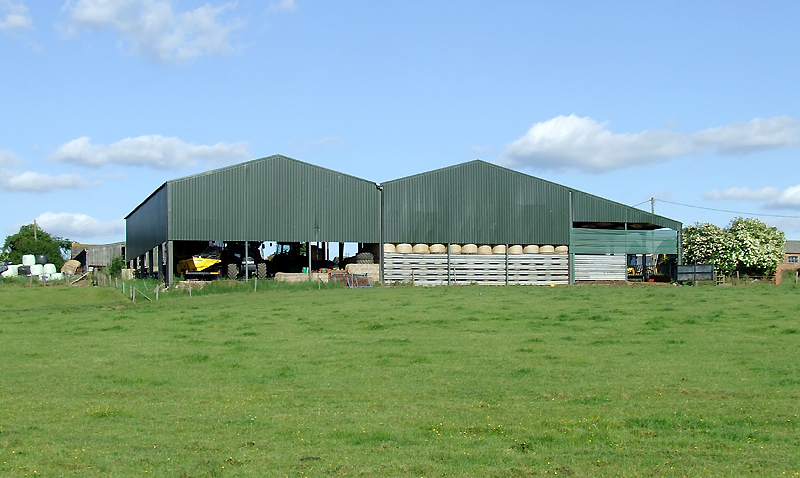
The most successful barn designs incorporate flexibility for evolving needs and technological advancements. When planning new construction, consider how the structure might accommodate changing animal populations, production methods, or regulatory requirements over its lifespan. Incorporating expansion zones with knockout walls or pre-engineered connection points simplifies future growth without compromising current functionality. Infrastructure elements like electrical service, water supply, and drainage systems should be sized with potential additions in mind to avoid costly upgrades later. Technology integration increasingly influences barn design, with provisions for automated feeding systems, environmental monitoring, security cameras, and internet connectivity becoming standard considerations. Perhaps most importantly, design choices should reflect sustainability principles—energy efficiency, renewable materials, and systems that reduce environmental impact not only decrease operating costs but also enhance long-term viability in an increasingly regulated agricultural landscape.
A thoughtfully designed barn creates a harmonious environment where animals thrive, workers operate efficiently, and operations run smoothly regardless of external conditions. The best layouts balance species-specific requirements with practical considerations like climate adaptations, workflow patterns, and maintenance demands. Whether you’re managing horses, dairy cattle, or multiple species, prioritizing ventilation, appropriate spacing, quality flooring, and reliable systems for feed, water, and waste management will yield dividends in animal health and productivity. Remember that no single design works universally—your ideal barn layout should reflect your specific animals, regional climate, management style, and long-term goals. By applying these principles while remaining flexible enough to accommodate future needs, you’ll create a facility that provides comfort, safety, and efficiency for years to come.