
Driving a horse, whether for pleasure or competition, is a rewarding experience that creates a unique bond between human and equine. Unlike riding, where you sit atop your horse, driving involves guiding your horse from behind while seated in a carriage or cart. This traditional skill requires precision, patience, and proper technique to ensure both safety and enjoyment. Many novice drivers make common mistakes that can compromise their horse’s welfare, damage equipment, or even lead to accidents. Understanding these pitfalls before you take up the reins can help you develop good habits from the start and avoid potentially dangerous situations. This comprehensive guide explores the most critical errors to avoid when driving your horse, offering practical advice for both beginners and those looking to refine their skills.
Neglecting Proper Training Foundations
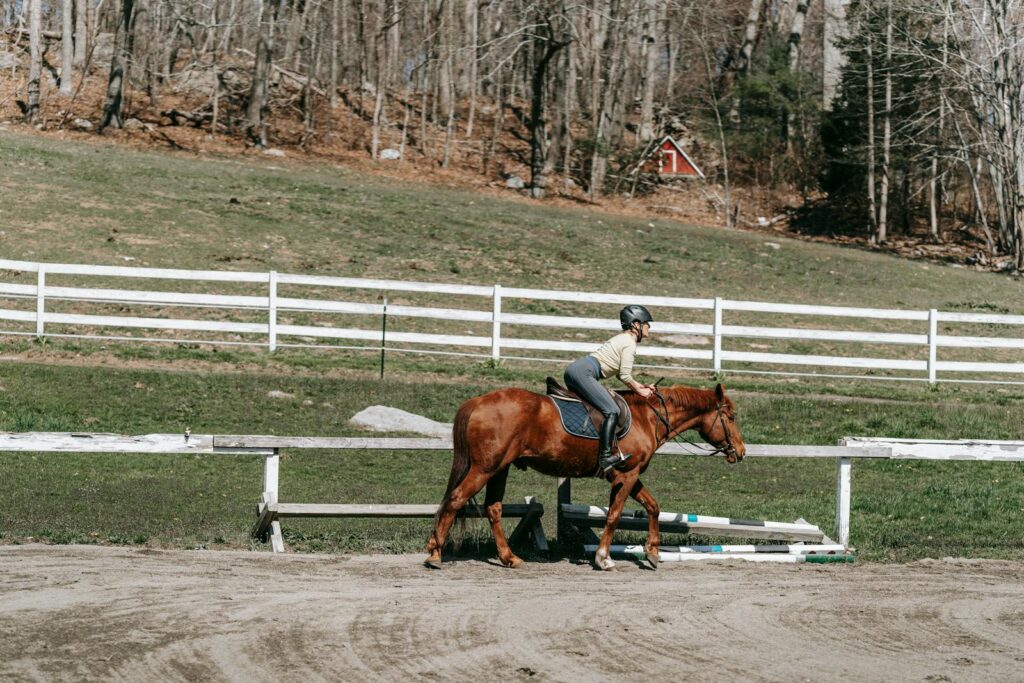
One of the most critical mistakes new drivers make is rushing the training process or skipping essential groundwork before hitching a horse to a vehicle. A properly trained driving horse needs to be comfortable with the harness, responsive to voice commands, and confident with the cart or carriage before any actual driving begins. Skipping these foundational steps can result in a frightened, unpredictable horse that may bolt or panic when hitched. Remember that a solid training program typically takes months, not days or weeks, and requires progressive steps that build upon each other. Professional guidance during this stage is invaluable, as an experienced trainer can identify potential issues before they become dangerous habits. Investing time in proper training will pay dividends in safety and enjoyment for years to come.
Using Ill-Fitting or Poor-Quality Harness Equipment
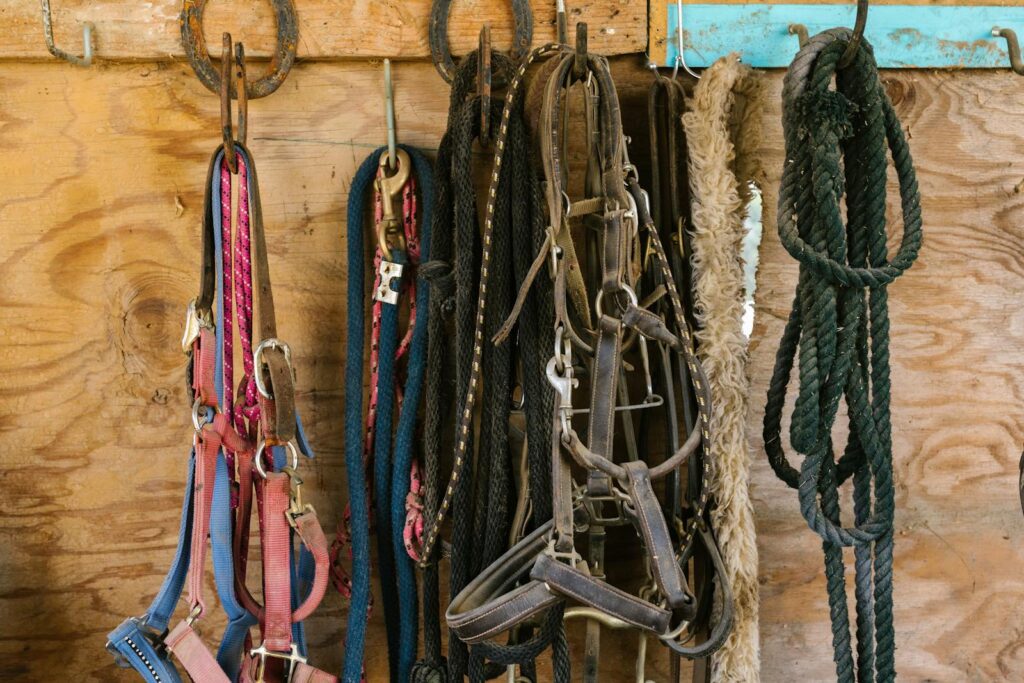
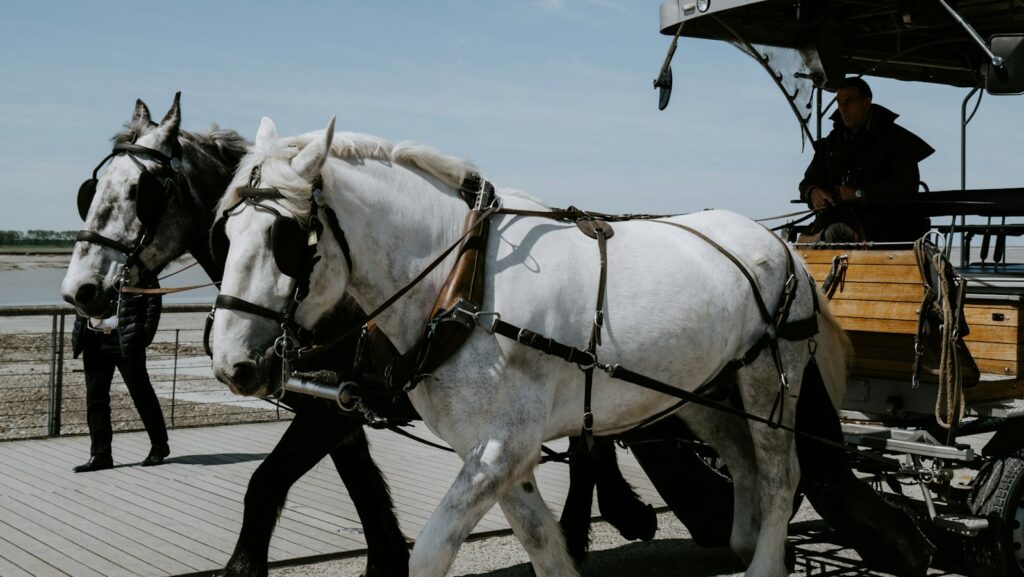
Using inappropriate harness equipment is a dangerous mistake that can lead to discomfort for your horse and potential accidents. A properly fitted harness distributes weight evenly across the horse’s body, allows freedom of movement, and prevents painful rubbing or pressure points. Many novice drivers inherit or purchase used equipment without verifying its condition or suitability for their particular horse. Leather harnesses require regular maintenance, including cleaning and conditioning to prevent cracking or weakening that could lead to equipment failure during driving. Take the time to have a harness professional check your equipment before use, and regularly inspect all components for signs of wear, particularly at stress points like terrets, buckles, and connection points. Remember that what might seem like a minor imperfection in a harness could become a major safety issue when your horse is in motion.
Holding the Reins Incorrectly

Improper rein handling is a common error that significantly impacts your communication with your horse during driving. Unlike riding reins, driving reins must be held differently to maintain constant, clear contact with the horse’s mouth while allowing for precise directional signals. Many beginners grip the reins too tightly, causing unnecessary pressure on the horse’s mouth, or hold them too loosely, resulting in delayed communication and confusion. The traditional method involves threading the reins between your fingers with your hands held in a comfortable position that allows both stability and subtle movements. Dropping a rein while driving can be catastrophic, as you’ll have limited ability to control or stop your horse. Developing proper rein-handling technique requires practice on the ground before actually driving, and regular reinforcement of these skills even as you gain experience.
Ignoring Weight Distribution and Balance
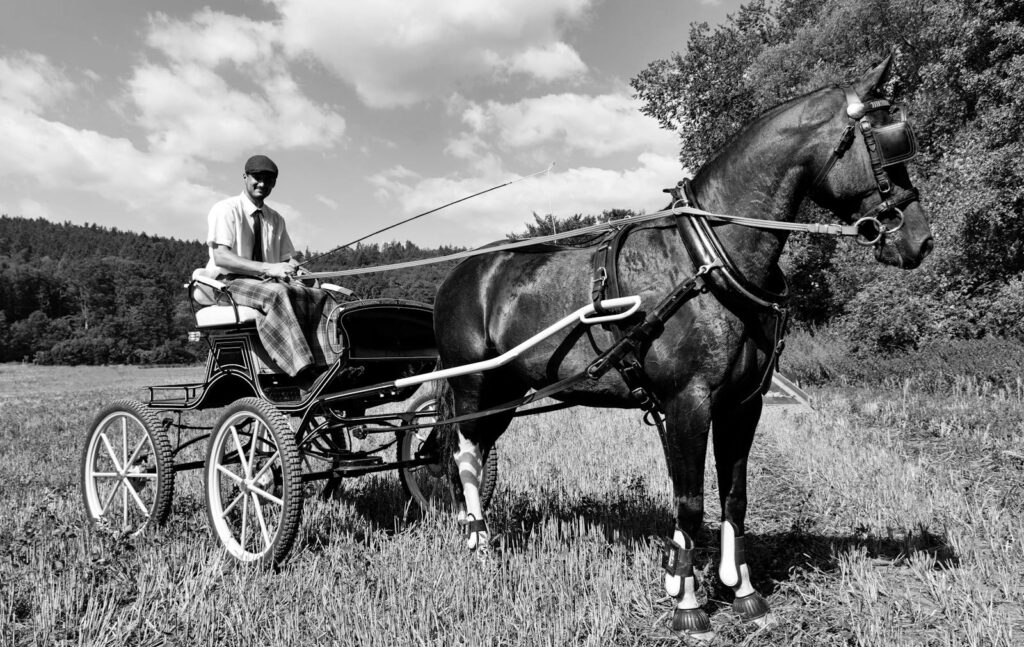
Failing to understand and manage the weight distribution of your vehicle places unnecessary strain on your horse and compromises safety. A properly balanced cart or carriage should have approximately 10-15% of its weight resting on the horse’s back through the harness, with the remainder supported by the vehicle’s wheels. Many novice drivers incorrectly load passengers or equipment, creating an imbalance that can make pulling difficult or cause the cart to tip in extreme cases. Vehicle balance changes when going uphill or downhill, requiring drivers to adjust their position and driving technique accordingly. Always consider your horse’s size, strength, and conditioning level when determining appropriate vehicle weight, and be particularly cautious when driving on uneven terrain where balance shifts can occur suddenly.
Failing to Master Proper Stopping Technique
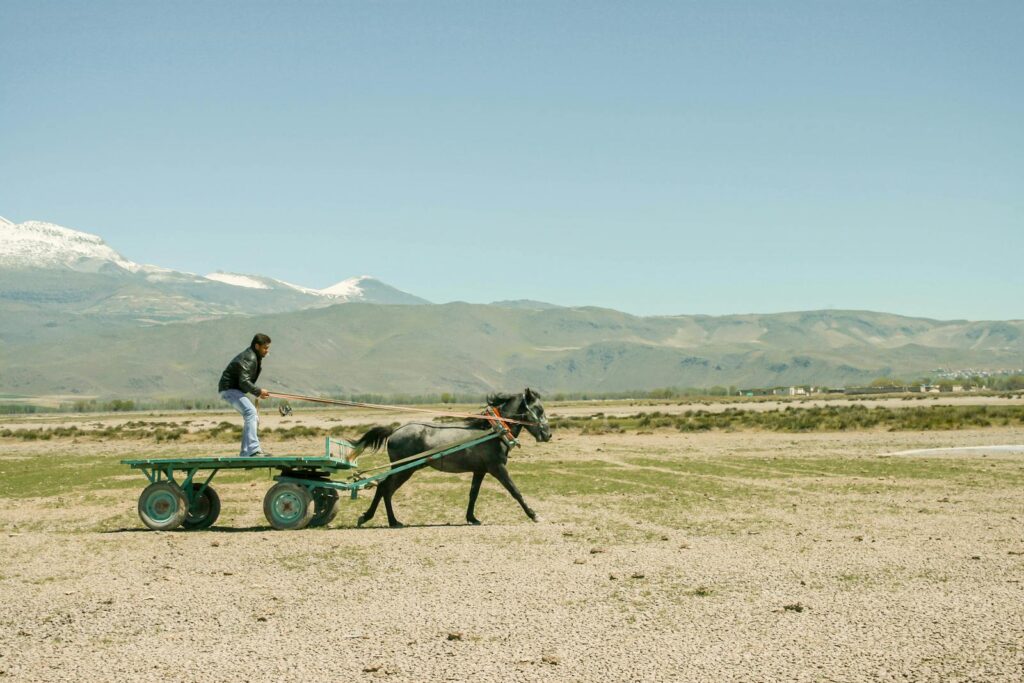
The inability to execute a proper stop is a dangerous shortcoming that puts both horse and driver at risk. Many beginners don’t realize that stopping a moving vehicle requires different timing and technique than stopping a ridden horse. A proper driving stop involves clear voice commands followed by steady, even pressure on both reins, giving the horse time to slow the momentum of the vehicle before coming to a complete halt. Jerking the reins or applying sudden, heavy pressure can confuse or frighten your horse, potentially causing them to fight against the pressure rather than respond appropriately. Practice emergency stops in a controlled environment so both you and your horse know how to react if a dangerous situation arises. Remember that a vehicle in motion carries momentum that requires more distance to stop than you might initially expect.
Neglecting Proper Turnout Procedures
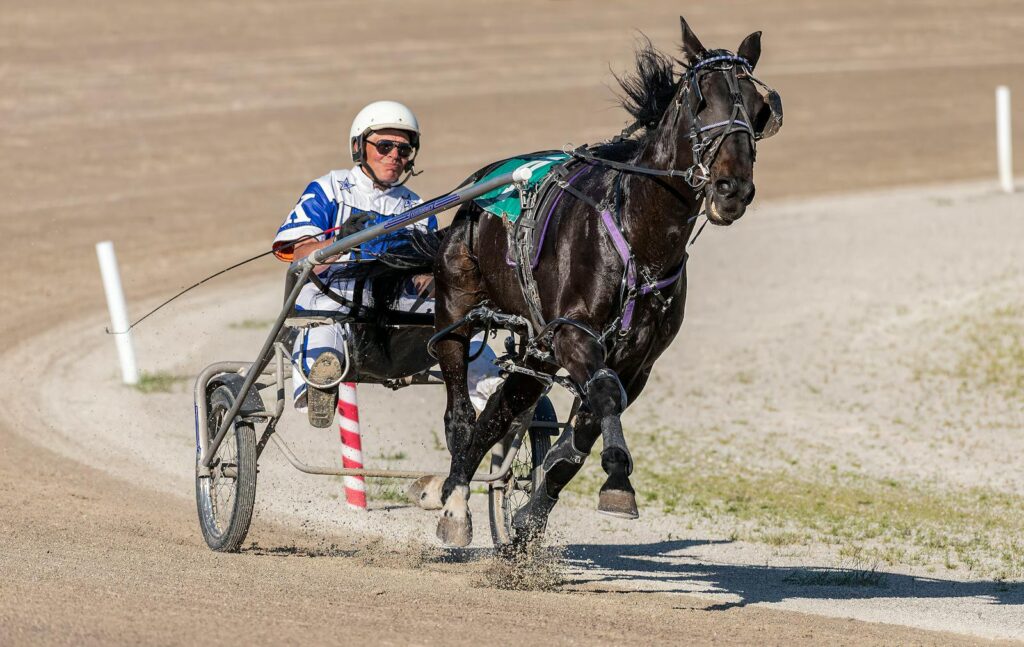
Skipping or rushing through proper turnout procedures puts everyone at risk during a driving session. Proper turnout involves the methodical process of preparing, harnessing, and hitching your horse to the vehicle in the correct sequence. Many accidents occur because drivers take shortcuts, such as hitching a horse to a vehicle before fully harnessing them, or failing to have an assistant hold the horse while making final adjustments. A complete safety check of all equipment before driving is essential, including examining the harness for any signs of wear, checking that all buckles are secured, and ensuring the vehicle itself is in good working condition. Developing a consistent routine for turnout helps ensure no critical steps are missed and gives your horse confidence through predictability.
Driving with Improper Hand Position
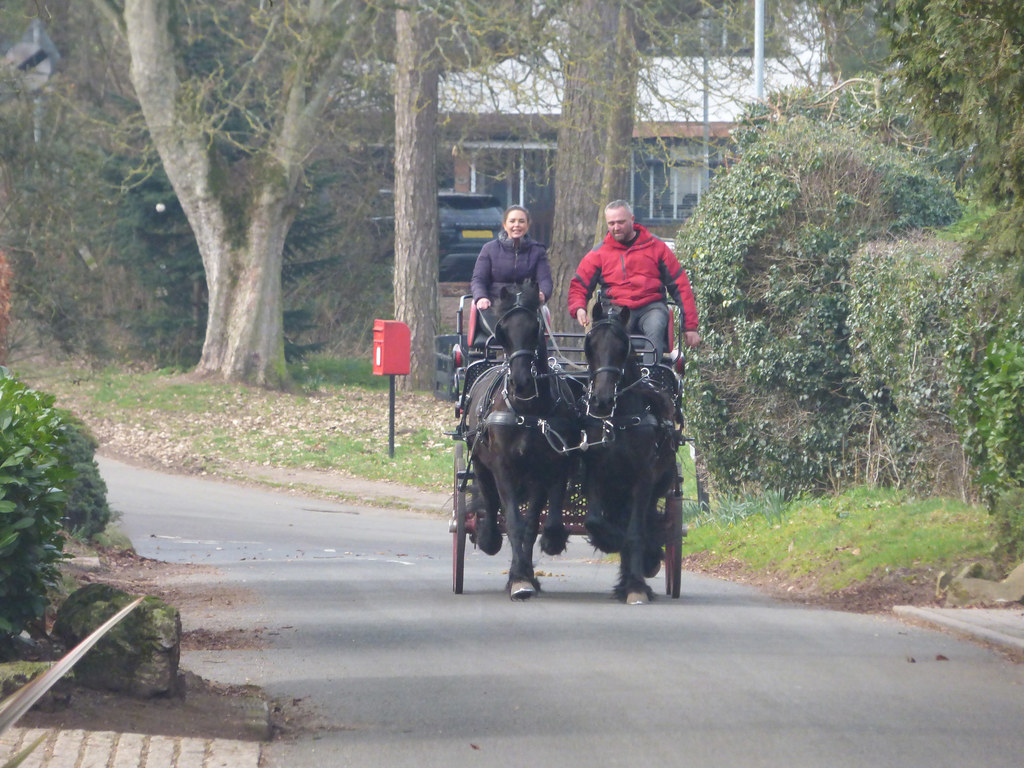
Maintaining improper hand position while driving leads to poor communication and potential loss of control. Unlike the low, close hand position often seen in riding, driving hands should be held higher, approximately at waist or mid-chest level, creating a straight line from the bit to your hands. Many beginners allow their hands to drift too low or hold them unevenly, creating confusing signals for the horse. Your elbows should be bent slightly and kept close to your body to maintain stability and allow for subtle adjustments. Consistency in hand position is critical for clear communication, especially when executing precise maneuvers or navigating challenging terrain. Remember that every slight movement of your hands translates to pressure on your horse’s mouth, so unnecessary movements or poor positioning can result in mixed signals that confuse your equine partner.
Overlooking Weather and Environmental Conditions
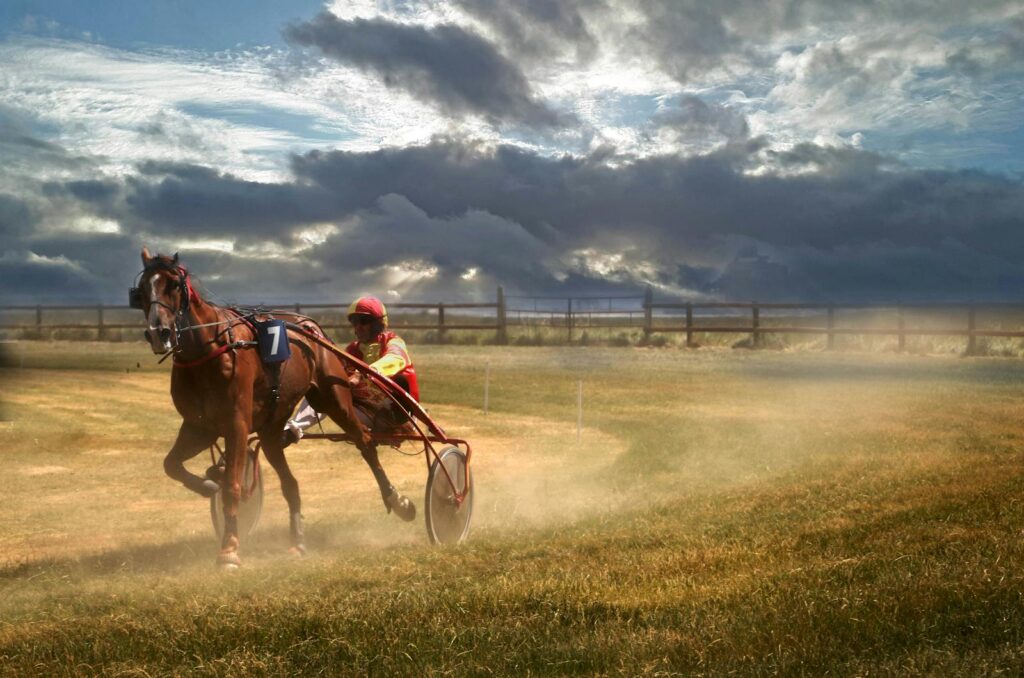
Failing to consider weather and environmental conditions before driving your horse can lead to dangerous situations that could have been avoided with proper planning. Extreme heat can cause your horse to overheat quickly when pulling a vehicle, while slippery conditions from rain or snow significantly increase the risk of falls or vehicle slides. Many drivers underestimate how dramatically different terrain affects a driving horse compared to a riding horse; hills that seem manageable under saddle can be challenging when pulling weight. Wind can be particularly problematic for driving horses, as it may catch the vehicle like a sail or blow debris that could startle your horse. Always assess the driving area beforehand, looking for potential hazards like low-hanging branches, unstable ground, or areas where your vehicle might become stuck.
Disregarding Proper Safety Equipment
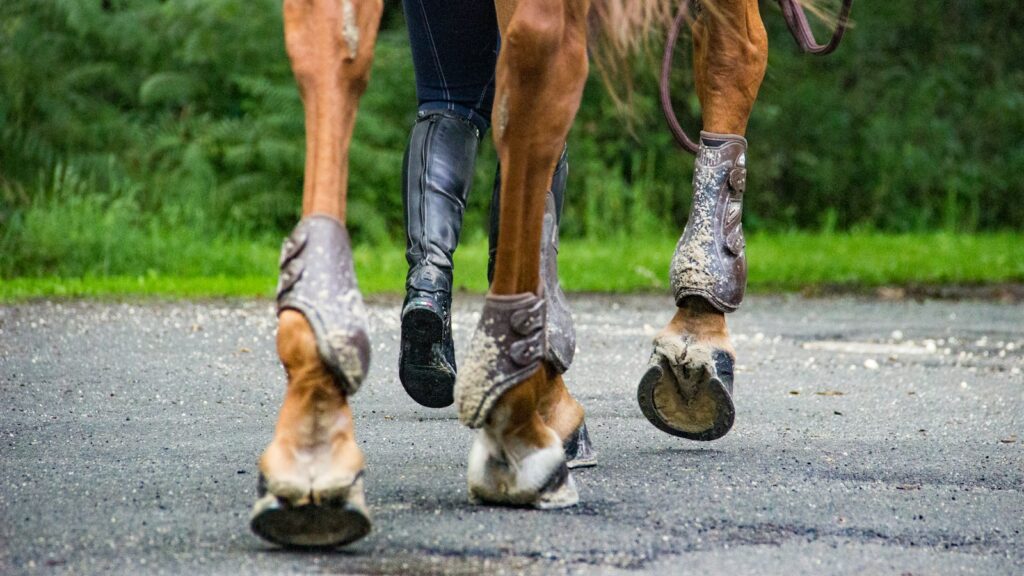
Neglecting to use appropriate safety equipment is a serious oversight that can turn minor incidents into major emergencies. Essential safety items include a properly fitted driving helmet, sturdy gloves for better rein grip, and a driving whip (which is considered a communication aid, not a punishment tool). Many beginners fail to carry a sharp knife or emergency release tool that could quickly free a horse from harness in case of a fall or entanglement. Reflective gear is crucial when driving near roadways, especially in low light conditions, as vehicles may not expect to encounter a horse-drawn carriage. For the horse, proper boots can prevent injuries from overreaching or interference, while a kicking strap can provide added protection against a horse that might try to kick at the vehicle.
Pushing Your Horse Beyond Its Training Level
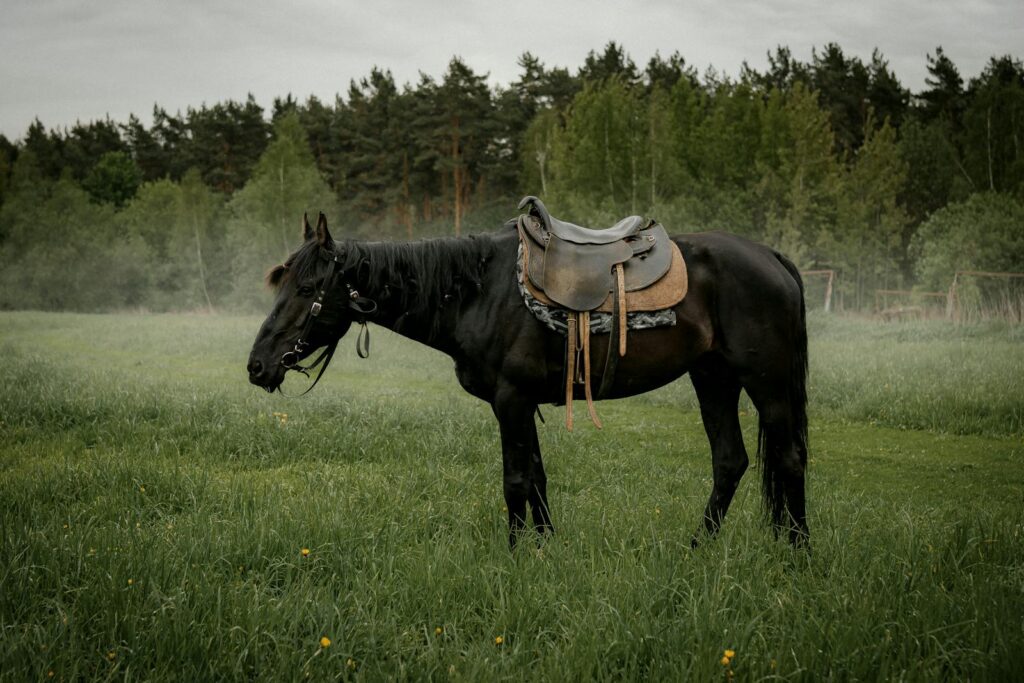
Expecting your horse to perform beyond its training level is a common mistake that can erode confidence and create behavioral issues. Many drivers, particularly those transitioning from riding, assume their horse will naturally understand driving commands or be comfortable in traffic situations without specific preparation. Rushing a horse’s driving education by introducing too many new elements simultaneously often results in confusion, anxiety, or dangerous resistance. Even experienced riding horses need methodical introduction to the sights, sounds, and sensations of pulling a vehicle. Always progress in small, manageable steps that build upon previous successes, and be willing to return to earlier training stages if your horse shows signs of stress or confusion. Remember that a solid foundation takes time to develop but creates a safer, more enjoyable driving horse in the long run.
Misusing the Driving Whip
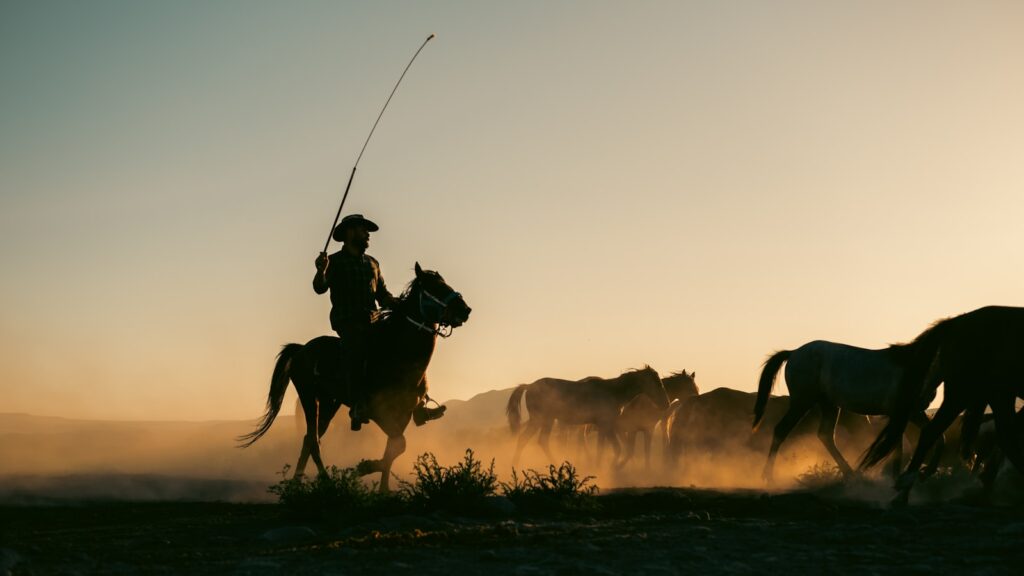
Improper use of the driving whip is a significant error that can damage your horse’s trust and response to cues. Many beginners misunderstand the purpose of a driving whip, seeing it as either unnecessary or as a punishment tool rather than its intended use as a refined communication extension. A properly used driving whip delivers light touches to specific areas of the horse’s body to reinforce leg aids that would be used while riding. Excessive or angry use of the whip creates fear and resentment rather than understanding. Similarly, failing to carry a whip at all limits your ability to provide clear directional cues, particularly when asking for increased impulsion or precise movements. Learn to hold the whip properly in your right hand while maintaining appropriate rein contact, and practice using it judiciously and consistently.
Driving Without an Experienced Observer
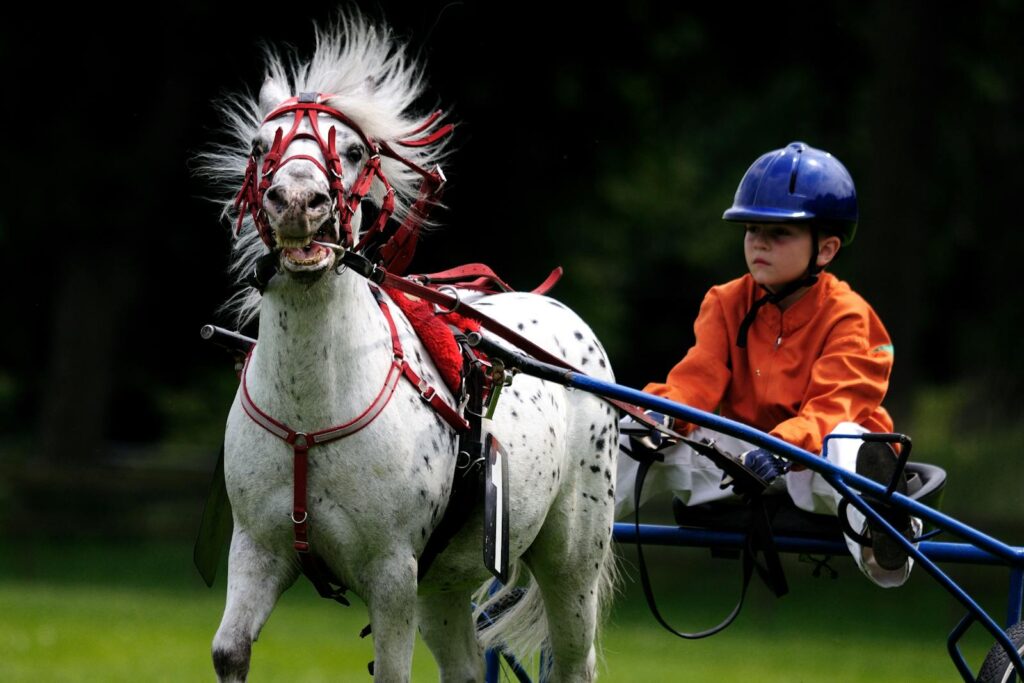
Attempting to drive independently before you’re truly prepared is a mistake that removes an important safety net. Having an experienced person observe your driving, especially in the early stages, provides valuable feedback about your technique and can identify potential problems before they become habits. Many beginners fail to recognize their own position faults or rein handling errors that are obvious to a knowledgeable observer. An experienced assistant can also help in emergency situations, such as a spooked horse or equipment failure, providing an extra set of hands when needed. Consider formal lessons with a driving instructor, even if you have extensive riding experience, as driving requires specific skills and knowledge that don’t necessarily transfer from other equestrian disciplines. Remember that even professional drivers benefit from having ground support during training sessions and competitions.
Ignoring Your Horse’s Physical Conditioning

Underestimating the physical demands of driving leads many to overlook their horse’s fitness level before expecting regular driving work. Pulling a vehicle requires different muscle development and cardiovascular conditioning than riding, even for horses that are otherwise in good shape. Many beginners fail to implement a progressive conditioning program that gradually builds the specific strength needed for driving tasks. Signs of inadequate conditioning include excessive sweating, labored breathing, unwillingness to maintain pace, or reluctance to work. A proper conditioning program should include regular ground driving before hitching, gradually increasing duration and difficulty of driving sessions, and appropriate cool-down periods after work. Remember that different driving disciplines place different physical demands on your horse – a pleasure driving horse needs different conditioning than one preparing for combined driving events or marathon phases.
conclusion
Becoming a skilled and responsible horse driver requires dedication, patience, and a commitment to ongoing education. By avoiding these common mistakes, you’ll create a safer, more enjoyable experience for both yourself and your equine partner. Remember that driving is a traditional skill with centuries of established best practices – there’s no need to reinvent the wheel or learn through dangerous trial and error. Seek mentorship from experienced drivers, invest in proper equipment, prioritize methodical training, and always put safety first. With the right approach, driving can become one of the most rewarding ways to partner with your horse, offering unique perspectives and experiences that riding alone cannot provide. Whether you’re interested in casual pleasure driving or competitive carriage sports, building a solid foundation free from these common mistakes will serve you well throughout your driving journey.