In the demanding world of equestrian sports, horses face not only physical challenges but significant mental pressures as well. Just like human athletes, sport horses can experience mental fatigue—a condition that often goes unrecognized until it manifests as performance issues or behavioral problems. Mental fatigue in horses represents the psychological exhaustion that occurs when a horse has been subjected to prolonged cognitive demands, stress, or insufficient mental recovery time. Recognizing the signs early allows owners, trainers, and riders to intervene appropriately, protecting both the horse’s welfare and athletic capabilities. This comprehensive guide explores how to identify mental fatigue in your equine athlete before it compromises their wellbeing and performance.
Understanding Mental Fatigue vs. Physical Tiredness
Mental fatigue in sport horses differs significantly from physical exhaustion, though the two can certainly occur simultaneously. While physical fatigue manifests as muscle soreness, increased respiration, or decreased physical capacity, mental fatigue presents through behavioral and psychological indicators. A physically tired horse might move sluggishly or show reduced power, but will generally maintain a willing attitude. In contrast, a mentally fatigued horse often displays resistant behaviors despite having physical energy to spare. This distinction is crucial as many riders mistakenly interpret signs of mental fatigue as disobedience or poor training, when in reality, the horse’s brain—not body—requires rest. Understanding this difference helps riders develop training schedules that account for both physical conditioning and mental wellbeing.
Changes in Attentiveness and Focus
One of the earliest indicators of mental fatigue in sport horses is a noticeable decline in attentiveness during training sessions. A mentally fresh horse maintains focus on the rider’s aids and remains engaged with the tasks at hand, responding promptly to subtle cues. When mental fatigue sets in, horses may become increasingly distracted, seem to “tune out” their riders, or take longer to process and respond to commands they previously understood well. You might notice your horse’s ears flicking about randomly rather than staying attentively positioned toward you or the work. This wandering attention isn’t willful disobedience but rather an indication that your horse’s mental resources are depleted. Many top trainers consider these attention shifts as early warning signs that require immediate adjustment to training intensity or focus.
Increased Resistance to Work
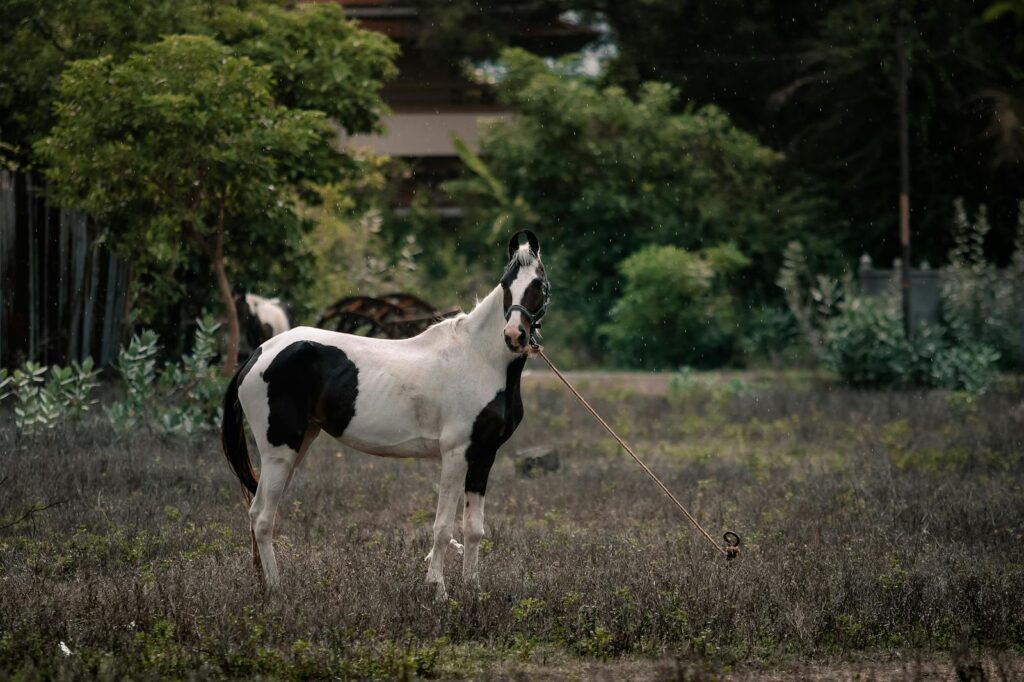
Mentally fatigued sport horses often demonstrate growing resistance to work they previously performed willingly. This resistance might manifest as reluctance to move forward, balking at certain exercises, or even refusing to enter arenas or work areas altogether. A horse that once eagerly approached jumps might suddenly hesitate or run out consistently. Dressage horses might become increasingly stiff, behind the leg, or resistant to collection work they previously mastered. These changes represent more than simple “bad days”—they signal that the horse’s psychological resources are overtaxed. When resistance patterns emerge consistently over multiple sessions, rather than escalating disciplinary measures, wise trainers recognize this as a call to evaluate mental workload and provide appropriate cognitive rest. Importantly, this resistance differs from pain-related avoidance, which requires veterinary attention.
Unusual Irritability or Aggression

Sport horses suffering from mental fatigue commonly display uncharacteristic irritability or aggression that deviates from their normal temperament. A typically patient horse might suddenly pin its ears back when approached with tack, swish its tail excessively during work, or demonstrate threatening behaviors like kicking out or biting. These behavioral changes often develop gradually, with handlers sometimes dismissing early signs as the horse “having an off day.” Context matters significantly in interpreting these behaviors – when irritability appears consistently during specific training scenarios or intensifies during competition seasons, mental fatigue becomes a likely culprit. Such behavioral shifts indicate that the horse has exceeded its psychological threshold for stress and requires mental reprieve. Experienced trainers recognize that punishing these behaviors only compounds the underlying mental exhaustion rather than resolving it.
Decreased Enthusiasm for Training
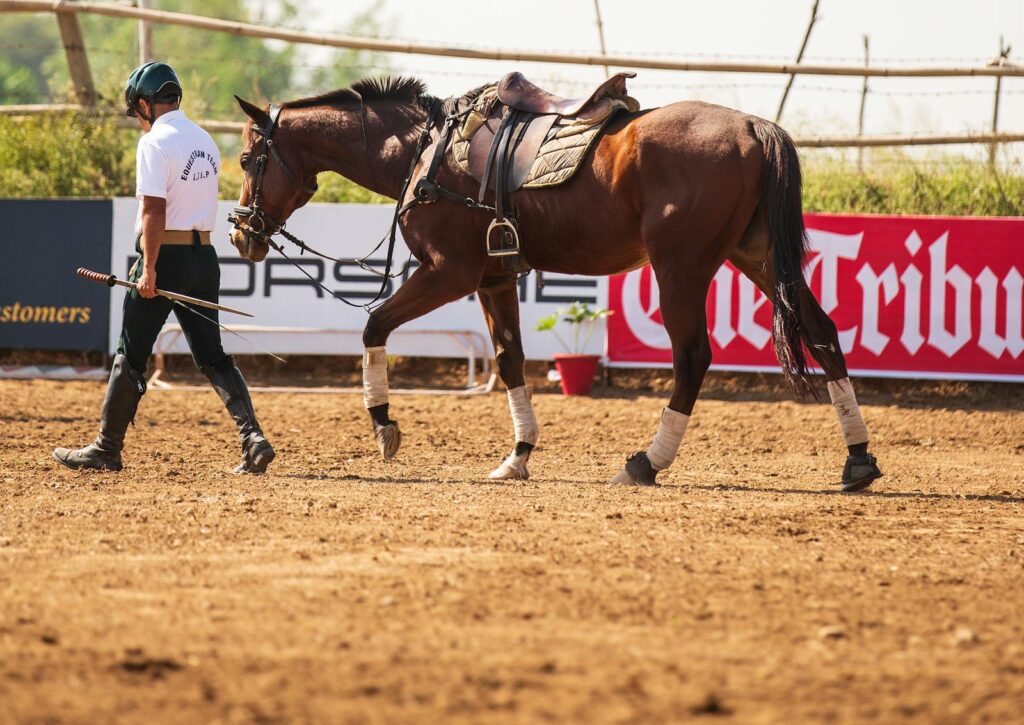
Mentally healthy sport horses typically display a certain eagerness for their work, showing enthusiasm when brought out for training sessions. When mental fatigue develops, this natural enthusiasm diminishes noticeably. You might observe your horse dragging its feet when being led to the arena, standing dejectedly at the mounting block, or lacking the animated expression and forward attitude that once characterized their approach to work. Some horses develop negative associations with equipment—becoming tense at the sight of their tack or specific training aids that signal work is about to begin. This declining enthusiasm represents an important psychological indicator that the horse’s mental reserves are depleted. Many professional riders monitor their horses’ enthusiasm levels carefully, considering diminished workplace eagerness as a critical sign to modify training approaches or incorporate mental breaks.
Changes in Eating or Drinking Patterns
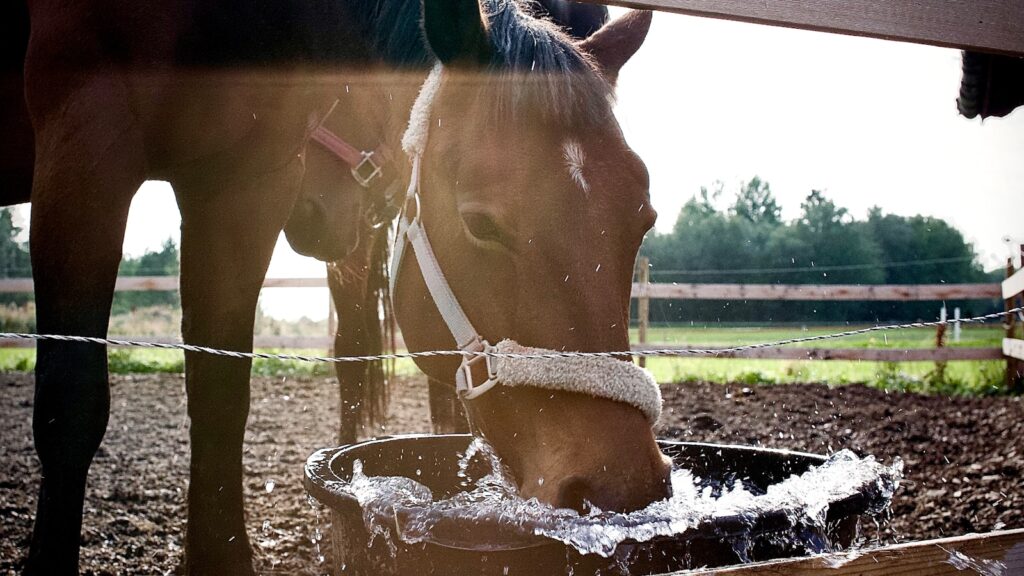
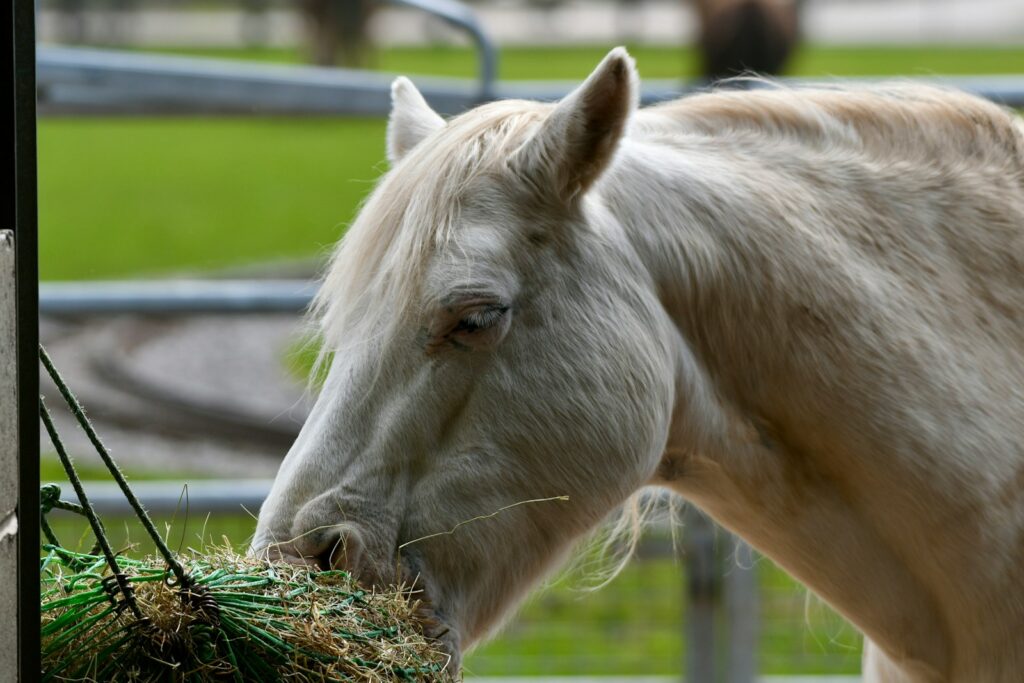
Mental fatigue often manifests in altered eating and drinking behaviors that can serve as important warning signs for attentive caretakers. A mentally exhausted horse might show reduced appetite, pick at food rather than consuming meals eagerly, or leave portions of feed uneaten—behaviors particularly concerning in high-performance athletes. Some horses develop unusual water consumption patterns, either drinking excessively due to stress-related behaviors or showing reduced interest in hydration. These changes frequently accompany competition schedules or intensified training periods when mental demands increase significantly. Because nutrition and hydration directly impact athletic performance, these alterations create a problematic cycle where mental fatigue leads to decreased consumption, which further impacts energy levels and recovery. Monitoring feed and water intake provides objective data that can help identify developing mental fatigue before more serious behavioral issues emerge.
Disrupted Rest Patterns

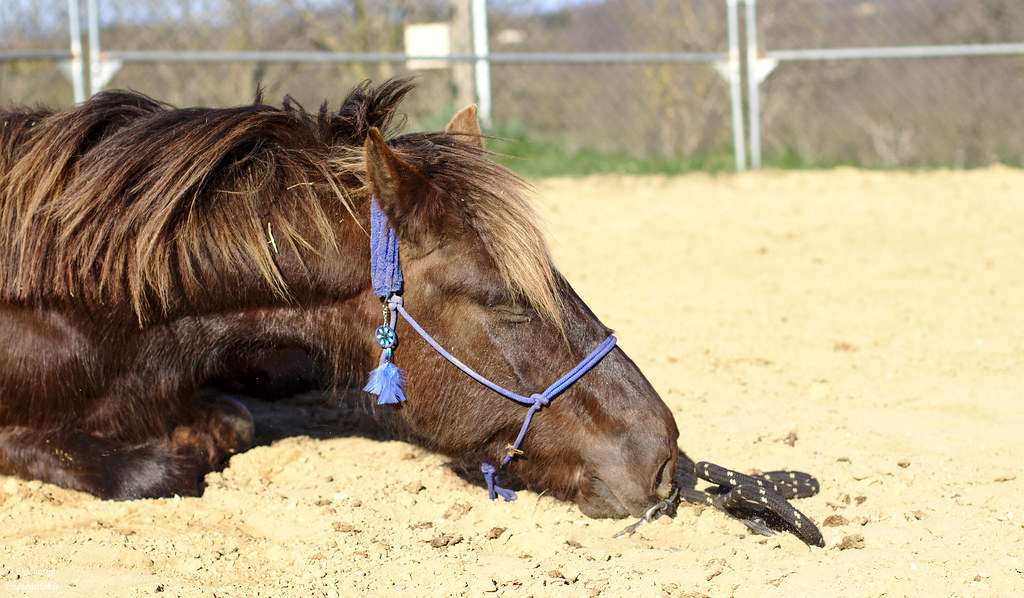
Quality rest proves essential for mental recovery in sport horses, and disruptions to normal sleep patterns often indicate developing mental fatigue. Horses suffering from mental exhaustion frequently show altered stall behaviors, including excessive pacing, stall walking, weaving, or an inability to settle during normal rest periods. Some horses may appear to spend less time in deep sleep positions, remaining standing for extended periods rather than lying down for necessary REM sleep. These disruptions create a damaging cycle where mental fatigue causes sleep disturbances, which in turn exacerbate the cognitive exhaustion. Astute caretakers monitor rest behaviors through night checks or stable cameras, considering sleep disruptions as significant indicators of compromised mental wellbeing. Research increasingly demonstrates that adequate rest—both physical and mental—represents a non-negotiable component of maintaining high-level equine athletes.
Regression in Training Progress
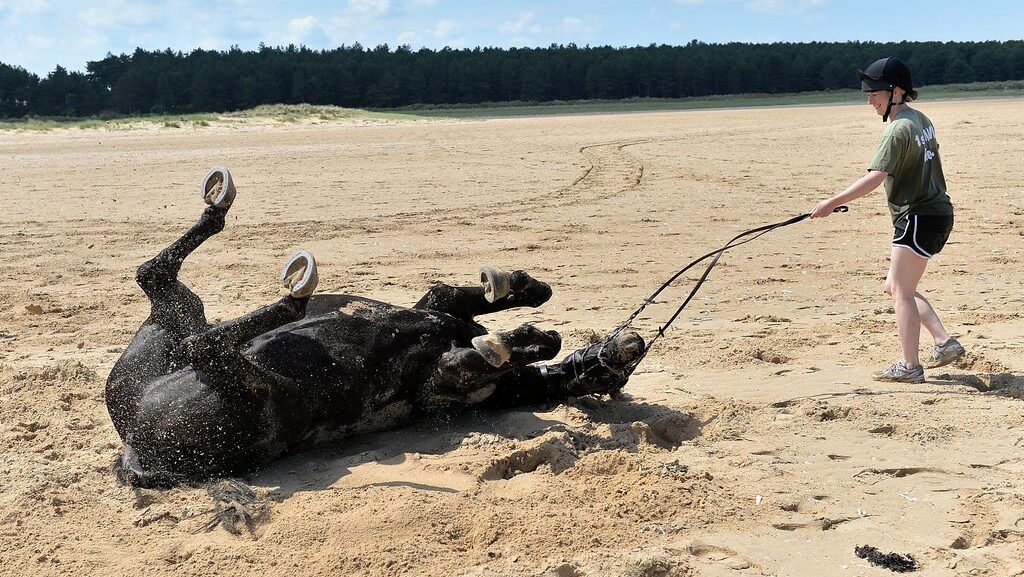
Mental fatigue frequently manifests as unexpected regression in previously established skills or training milestones. A horse that had mastered certain movements, jumps, or patterns may suddenly struggle with these same elements despite no apparent physical limitations. This regression often puzzles riders who might observe their horse performing advanced maneuvers inconsistently while simultaneously struggling with basic work they had previously mastered. Such inconsistency represents a classic indicator that the issue lies in mental processing rather than physical capability or training gaps. When training plateaus or regressions occur, thoughtful trainers resist the urge to drill the problematic elements repeatedly—an approach that typically worsens mental fatigue. Instead, recognizing these regressions as potential signs of cognitive overload allows for appropriate training adjustments that protect both performance and psychological wellbeing.
Hypersensitivity or Dullness to Aids
Mental fatigue can paradoxically manifest as either hypersensitivity or unusual dullness to rider aids, sometimes alternating between these extremes within the same session. A mentally exhausted horse might overreact dramatically to light leg pressure or rein contact, appearing “explosive” or unpredictable in responses. Alternatively, some horses develop an uncharacteristic dullness, seeming to ignore aids that previously elicited prompt responses, requiring increasingly stronger cues. This inconsistency in sensitivity often creates confusion for riders who struggle to find appropriate communication levels with their horses. These response variations reflect the horse’s diminished ability to process and appropriately categorize sensory input when mentally overloaded. Experienced trainers recognize these sensitivity fluctuations as important indicators that the horse’s cognitive processing systems are overwhelmed and require recalibration through mental rest.
Post-Work Recovery Changes
The period immediately following work sessions provides valuable insights into a horse’s mental state, with mentally fatigued horses showing distinctive post-exercise patterns. While physical recovery markers like heart rate and respiration eventually return to normal, mentally exhausted horses often remain in a heightened state of alertness or agitation long after work concludes. You might notice prolonged sweating despite moderate exertion, continued tension in body language, or an inability to relax when returned to the stall or paddock. Some horses display excessive drinking or disinterest in post-work feeds—behaviors that contrast with their normal routines. These delayed recovery indicators signal that the horse remains psychologically stimulated even after physical demands have ended. By monitoring post-work recovery patterns, handlers gain crucial information about whether their training approaches support mental wellbeing or contribute to cumulative psychological stress.
Altered Responses to Environmental Stimuli
Mental fatigue frequently alters how sport horses respond to familiar environmental elements and stimuli. A horse suffering from cognitive exhaustion may overreact to routine environmental factors—spooking at familiar objects, displaying heightened anxiety in previously comfortable settings, or developing new insecurities about specific locations within training areas. Conversely, some mentally fatigued horses show uncharacteristic dullness to their surroundings, appearing withdrawn or unresponsive to stimuli that would normally capture their attention. These altered environmental responses reflect the horse’s compromised ability to efficiently process and categorize sensory information when mentally overtaxed. Experienced handlers recognize that these changes indicate the horse’s mental resources are insufficient for both training demands and normal environmental processing. When a previously unflapppable horse begins reacting unpredictably to routine stimuli, mental fatigue warrants serious consideration as the underlying cause.
Competition-Specific Mental Fatigue

Competition environments create unique psychological demands that can produce distinctive patterns of mental fatigue in sport horses. Even well-trained equine athletes may develop specific competition-related signs of mental exhaustion, including increasing anxiety during trailer loading, elevated stress upon arriving at show grounds, or deteriorating performance as multi-day events progress. Some horses maintain composure during early competition phases but show progressive mental deterioration—becoming increasingly reactive, distracted, or resistant with each successive day or class. This competition-specific mental fatigue often appears in horses with extensive show schedules or those competing in particularly demanding disciplines. Recognizing these patterns allows trainers to develop appropriate competition schedules that incorporate sufficient mental recovery periods between shows. The most successful competitive programs balance performance goals with thoughtful attention to the horse’s psychological limits in high-pressure environments.
Implementing Mental Recovery Strategies

Addressing mental fatigue requires deliberate implementation of cognitive recovery strategies tailored to each horse’s individual needs and circumstances. Effective mental recovery often includes diversifying workout routines—introducing trail rides, groundwork variations, or low-pressure hacking to break training monotony. Many professional programs incorporate dedicated “mental health days” where horses enjoy relaxed, unstructured activity or simply have time off. Environmental enrichment provides another valuable recovery tool, with options including paddock time with compatible companions, varied turnout areas, or introducing novel-but-safe objects that stimulate curiosity. For competition horses, strategic scheduling becomes essential, ensuring adequate mental decompression time between shows and incorporating longer recovery periods after particularly demanding events. The most successful trainers recognize that mental recovery represents an active, intentional component of training rather than merely the absence of work.
When to Seek Professional Help
While many cases of mental fatigue respond well to appropriate rest and training adjustments, some situations require professional intervention to prevent development of serious behavioral issues or performance problems. When mental fatigue signs persist despite reasonable management changes, or when behavioral manifestations create safety concerns, consultation with equine behavior specialists becomes essential. Veterinary involvement may also be warranted to rule out physical conditions that might contribute to or mimic mental fatigue symptoms, such as pain, nutritional deficiencies, or hormonal imbalances. Professional trainers with experience in rehabilitation of mentally compromised horses can develop specialized retraining programs that gradually rebuild confidence and enthusiasm. The most successful interventions typically involve collaborative approaches where veterinarians, behavior specialists, and trainers work together to address both physical and psychological aspects of the horse’s wellbeing.
The mental wellbeing of sport horses deserves the same careful attention as their physical conditioning. Recognizing the subtle signs of mental fatigue allows riders and trainers to implement appropriate interventions before serious behavioral or performance problems develop. By understanding that horses have psychological limits just as they have physical ones, equestrians can develop training and competition schedules that support both aspects of their equine partners’ health. The most successful sport horse programs recognize that mental freshness contributes significantly to physical performance, competitive longevity, and the horse’s overall quality of life. Through attentive observation and responsive management, riders can ensure their horses remain not just physically capable but mentally eager partners in the demanding world of equestrian sport.