

Horses, like humans, can experience anxiety in unfamiliar or stressful situations—and veterinary visits often top the list of anxiety-inducing events for our equine companions. Whether it’s the strange environment, unfamiliar people, or uncomfortable procedures, many horses display signs of nervousness during vet check-ups. As responsible horse owners, preparing our anxious equines for these necessary healthcare visits not only makes the experience less traumatic for them but also ensures safer, more productive examinations. This comprehensive guide offers practical strategies to help your nervous horse cope with veterinary visits, creating positive experiences that benefit everyone involved—your horse, your veterinarian, and you.
Understanding Equine Anxiety and Its Manifestations
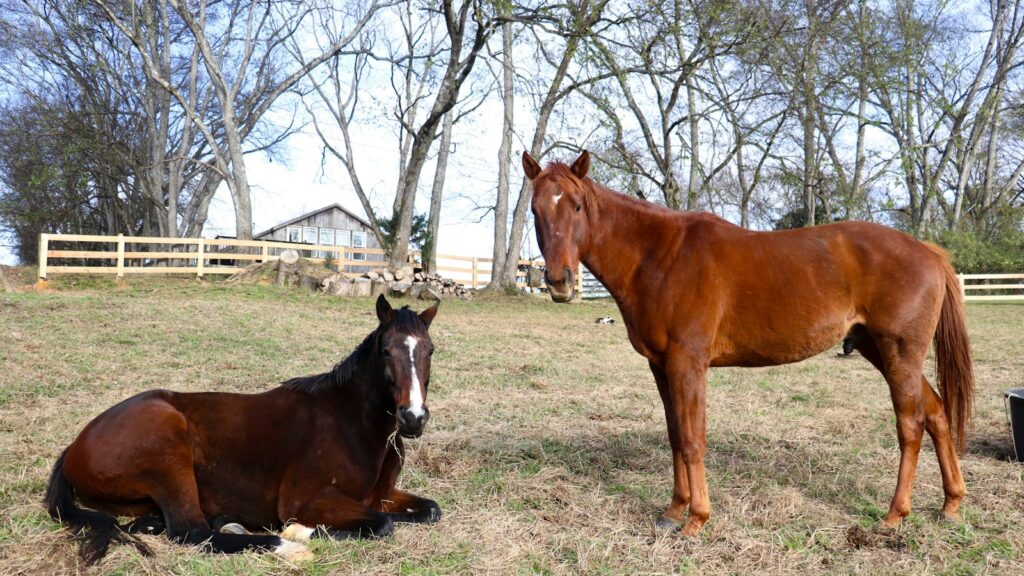
Before developing a preparation strategy, it’s essential to recognize the signs of anxiety in horses. Anxious horses may exhibit behaviors like pawing, sweating, trembling, tail swishing, or attempting to flee. Some horses become physically tense, raising their heads high and widening their eyes, while others might pin their ears back or even display aggressive behaviors like kicking or biting. Physiological indicators include elevated heart rate, rapid breathing, and digestive disturbances such as diarrhea. Understanding your individual horse’s anxiety expressions allows you to address their specific concerns and measure improvement over time as you implement calming techniques.
Identifying Your Horse’s Specific Triggers

Every anxious horse has unique triggers that spark their nervousness during veterinary visits. Some horses fear specific procedures like injections or blood draws, while others become anxious about loading into trailers for off-site appointments. Many equines develop apprehension about particular areas of their body being touched or manipulated, especially if they’ve experienced pain during previous examinations. Other triggers might include unfamiliar people approaching them, strange smells associated with medical facilities, or even the sight of certain equipment or tools. Take time to observe your horse during various interactions to pinpoint their specific anxiety triggers, as this knowledge forms the foundation of an effective preparation plan.
Establishing a Pre-Visit Training Routine
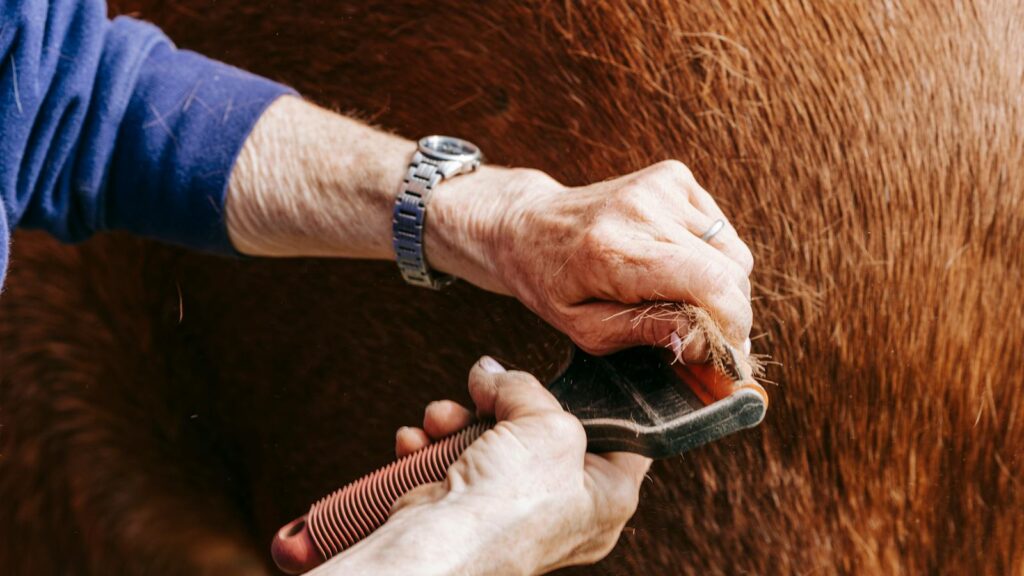
Developing a consistent training routine well before scheduled veterinary visits helps anxious horses build confidence and adaptability. Begin by simulating basic veterinary procedures like temperature taking, heart rate monitoring, or examining the eyes and mouth. Practice handling your horse in ways that mimic veterinary examinations, including touching sensitive areas, lifting feet, and applying gentle pressure to different body parts. Implement this routine at least several weeks before scheduled appointments, gradually increasing the complexity and duration of simulated examinations. Remember to end each session on a positive note, rewarding calm behavior with praise, treats, or relaxation time to create positive associations with these handling experiences.
Desensitization Techniques for Common Procedures
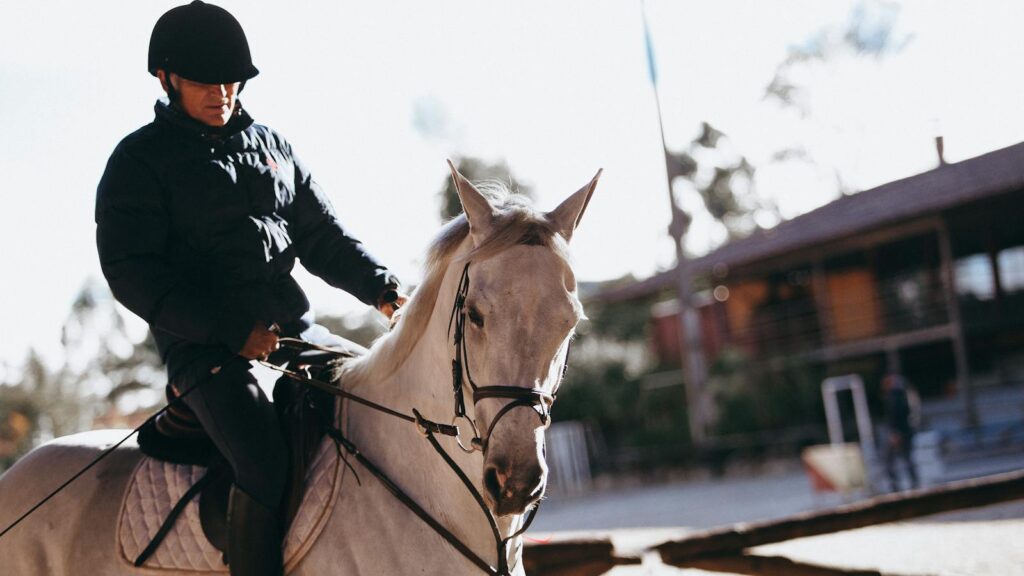
Systematic desensitization helps horses overcome fear of specific veterinary procedures through gradual, positive exposure. For needle-shy horses, begin by simply touching the injection site with your finger, rewarding calm acceptance before progressing to gentle pressure, then to touch with a capped syringe (without needle), and eventually to a light pinch that mimics injection sensation. For horses anxious about stethoscopes or other equipment, allow them to see and smell these tools first, then gradually introduce the sensation of these items touching their body. Remember that desensitization requires patience—rushing the process can increase anxiety rather than reduce it. Progress at your horse’s pace, moving forward only when they demonstrate comfort with each step.
Creating Positive Associations Through Reward-Based Training

Positive reinforcement training proves remarkably effective for anxious horses facing veterinary visits. Identify rewards that truly motivate your horse—whether it’s food treats, verbal praise, scratches in favorite spots, or brief liberty time. During practice sessions, immediately reward your horse for demonstrating calm behavior during simulated examinations or handling. Be consistent with your timing, ensuring the reward comes precisely when the horse displays the desired response. This approach helps reframe potentially stressful experiences as opportunities for positive outcomes in your horse’s mind. Over time, many horses begin to associate previously anxiety-inducing situations with pleasant experiences, fundamentally changing their emotional response to veterinary procedures.
Strategic Use of Familiarization Visits
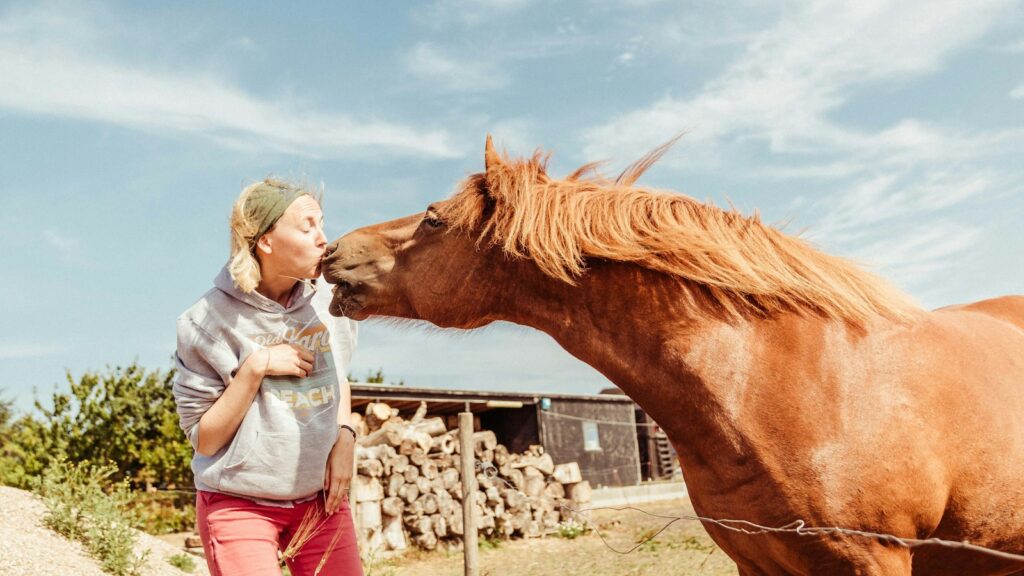
Arranging non-treatment visits to your veterinary provider can significantly reduce anxiety for horses who become nervous in medical environments. Schedule short visits where nothing uncomfortable happens—your horse simply enters the facility, receives treats and praise, and leaves without undergoing any procedures. These positive experiences help neutralize the negative associations many anxious horses develop with veterinary settings. If your veterinarian makes farm calls, consider occasional social visits where they simply greet your horse and provide treats without performing examinations. Many veterinary professionals willingly accommodate such familiarization visits, recognizing their value in creating cooperative patients for future care.
Environmental Management for Reduced Stress
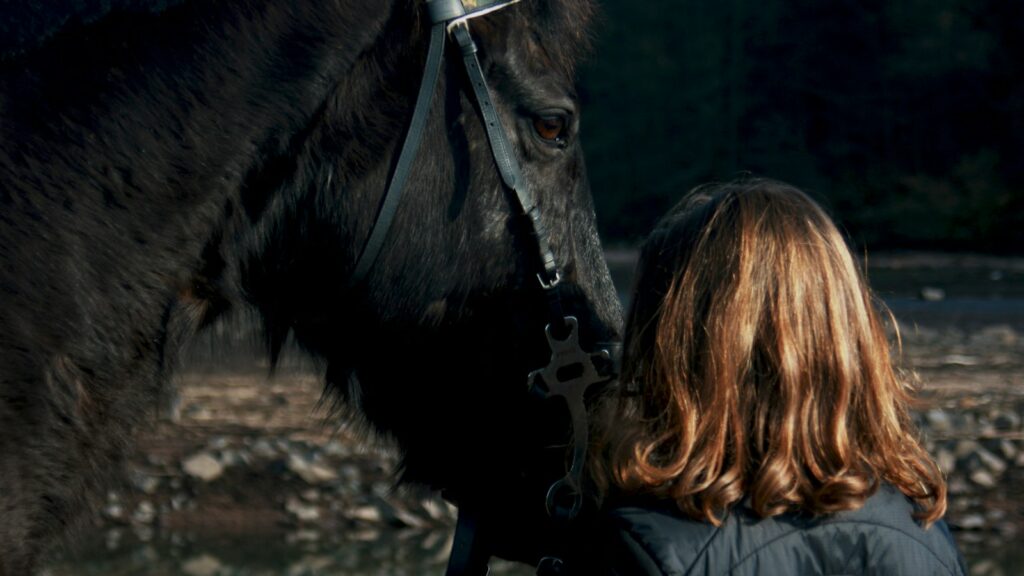
Thoughtful environmental management can significantly impact an anxious horse’s veterinary experience. For clinic visits, choose appointment times when the facility is quieter, typically early morning or late afternoon. Request an exam area away from loud equipment or busy walkways if possible. For farm visits, select a familiar, quiet location where your horse feels secure, removing other animals or distractions from the immediate area. Ensure adequate space for safe movement without feeling trapped. Consider bringing a calm companion horse nearby (though safely separated) if your anxious horse draws confidence from herd mates. Environmental modifications like these address external stressors that might otherwise amplify your horse’s underlying anxiety.
The Role of Appropriate Nutritional Support

Nutritional considerations play a surprising role in managing equine anxiety during veterinary visits. Avoid feeding high-energy, grain-rich meals before appointments, as these can increase excitability and stress responses. Instead, ensure access to quality forage, which encourages natural calming behaviors through chewing and digestion. Some horses benefit from specific calming supplements containing ingredients like magnesium, B-vitamins, or herbs like chamomile or valerian, though these should be introduced well before the appointment to assess effectiveness and rule out adverse reactions. Always consult with your veterinarian before adding any supplements to your horse’s regimen, especially if they take medications or have health conditions that might interact with these products.
When to Consider Professional Behavioral Help
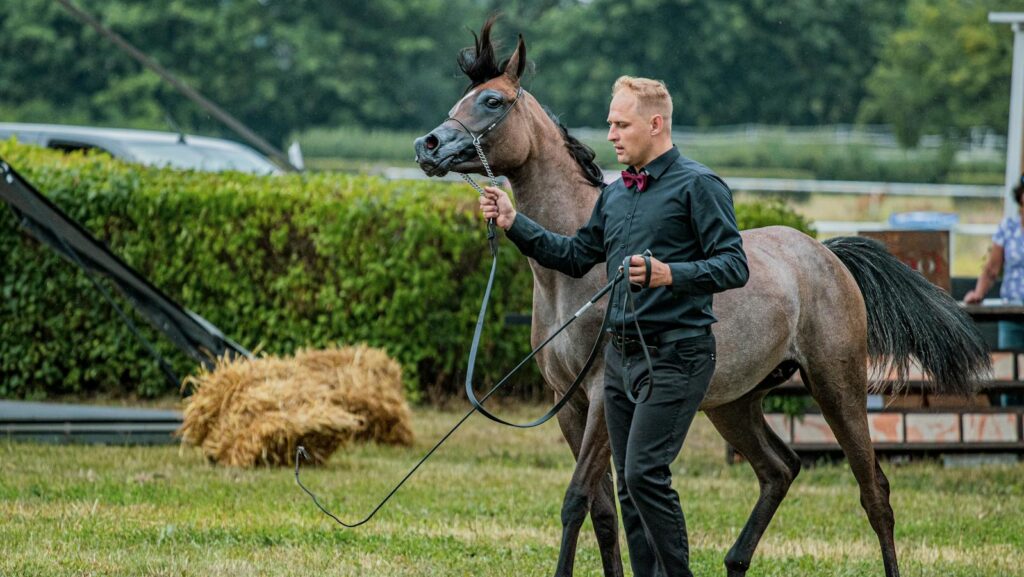
Some horses benefit from professional intervention when anxiety about veterinary visits persists despite consistent owner efforts. Equine behaviorists specialize in addressing complex fear-based behaviors through advanced training techniques tailored to individual horses. These professionals can identify subtle anxiety cues you might miss and develop comprehensive behavior modification programs specific to veterinary situations. Certified equine massage therapists or bodyworkers can sometimes help identify and address physical discomfort that may contribute to examination anxiety. For horses with severe veterinary anxiety, veterinary behaviorists can provide guidance on appropriate behavioral medication options that might be used in conjunction with training to make visits manageable.
Effective Communication With Your Veterinary Team
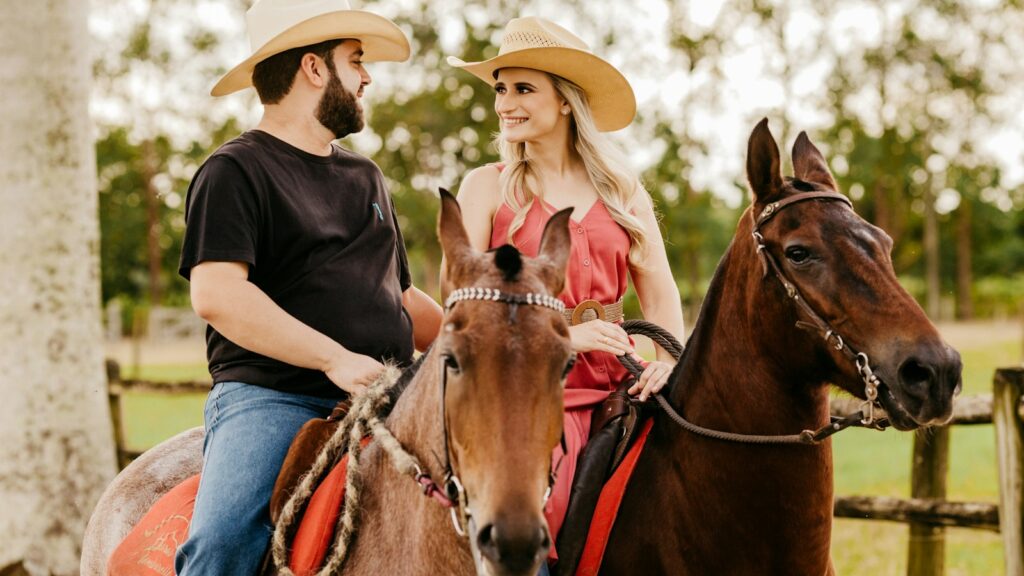
Open communication with your veterinary team about your horse’s anxiety creates the foundation for successful appointments. Before the visit, provide specific information about your horse’s triggers, previous difficult experiences, and the techniques that help them remain calm. Share any significant progress or setbacks in your preparation work. During the appointment, don’t hesitate to request a brief pause if you notice escalating anxiety signals. Many veterinarians appreciate owners who advocate appropriately for their anxious horses while remaining cooperative with necessary procedures. Remember that your veterinary team shares your goal of providing care with minimal stress, and collaboration creates the best outcomes for anxious equine patients.
The Day-Of Preparation Strategy
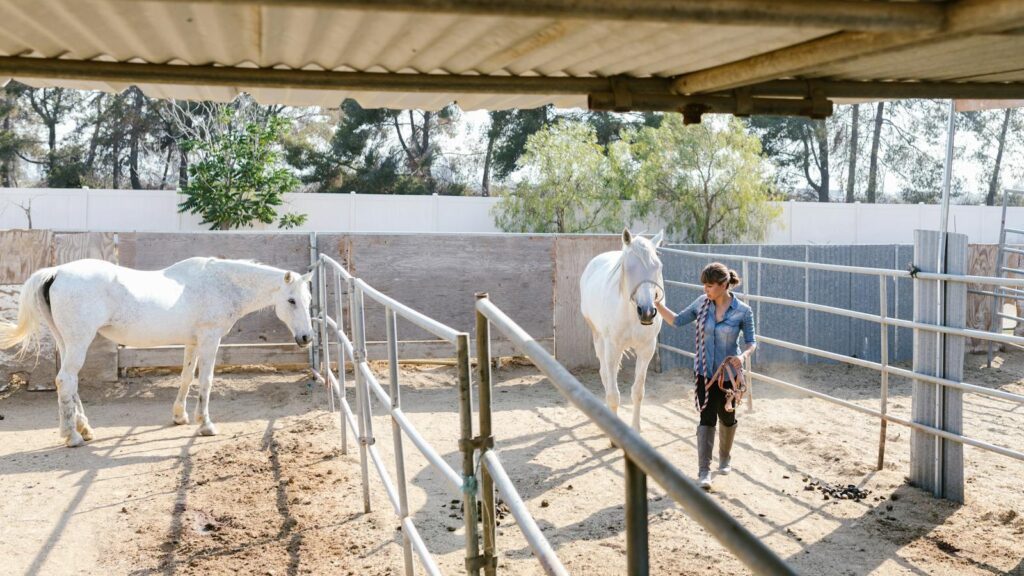
How you manage the day of the veterinary visit significantly impacts your anxious horse’s experience. Schedule ample preparation time to avoid rushing, which horses easily sense and respond to with increased tension. If traveling to a clinic, load well ahead of your appointment time to prevent transport stress from compounding examination anxiety. Arrive early enough for your horse to acclimate to the environment before the examination begins. Consider a light exercise session before the appointment to release excess energy, but avoid exhausting workouts that could mask important physical findings. Maintain your own calm demeanor throughout the day, as horses readily detect and mirror their handler’s emotional state—if you’re anxious, your horse will likely become more anxious too.
Safe Management Techniques During the Visit
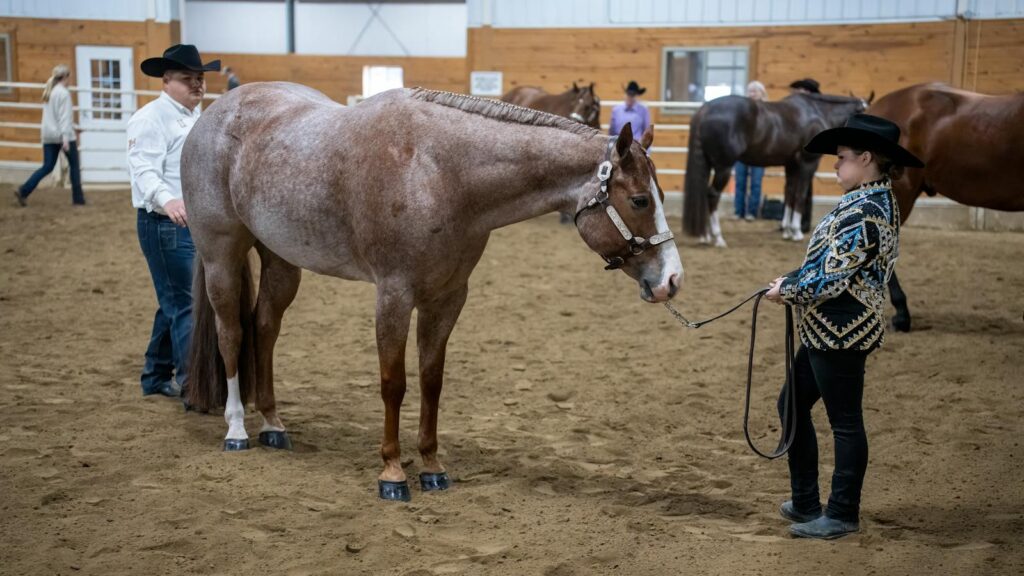
Safety remains paramount when handling anxious horses during veterinary examinations. Always use appropriate restraint methods that balance control with your horse’s comfort—options range from properly fitted halters with lead ropes to professional stocks for more reactive horses. Position yourself safely at your horse’s shoulder, avoiding dangerous areas near their chest or hind end where you could be injured if they startle. Practice mindful awareness of your horse’s escalating stress signals, intervening with calming techniques before minor anxiety escalates to panic. For extremely anxious horses, consider requesting an additional experienced handler to assist during the visit, allowing you to focus on comforting your horse while they maintain safe control.
Building on Success: Post-Visit Evaluation and Planning
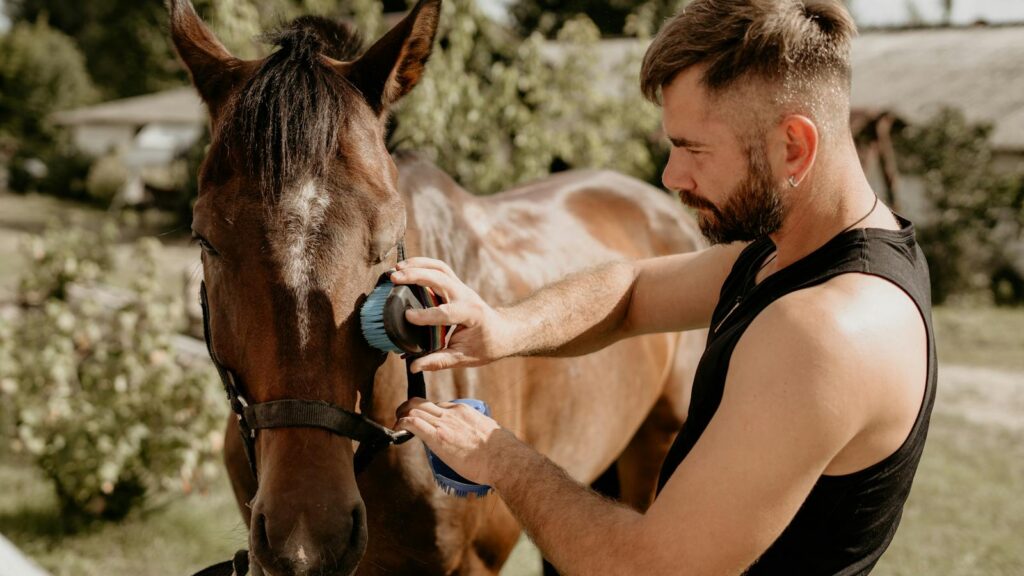
After each veterinary visit, take time to evaluate what worked well and what could be improved for future appointments. Note specific procedures or moments that triggered anxiety and those your horse handled confidently. Recognize and celebrate improvements, even small ones, as progress with anxious horses often occurs incrementally over multiple visits. Discuss the appointment with your veterinarian to gain their perspective on your horse’s behavior and suggestions for future visits. Use this information to refine your preparation strategy, addressing specific challenges while continuing successful techniques. Maintaining practice sessions between appointments prevents regression and builds on established progress, gradually creating a horse that approaches veterinary care with greater confidence.
conclusion
Veterinary care remains essential throughout your horse’s life, but anxiety need not make these experiences traumatic. With thoughtful preparation, consistent training, and collaboration with your veterinary team, even highly anxious horses can learn to tolerate examinations and treatments with significantly reduced stress. This investment in behavioral preparation not only improves your horse’s emotional wellbeing but also enhances the quality of medical care they receive—a worthwhile effort that strengthens the bond between you and your equine companion while ensuring they receive the healthcare they need to thrive.