
Horses are magnificent athletes with remarkable abilities, but their large muscle mass and unique physiological makeup make them particularly susceptible to heat stress during hot and humid conditions. As the mercury rises, these majestic animals face significant challenges in maintaining their core body temperature. Heat stress in horses isn’t just uncomfortable—it can be dangerous and potentially life-threatening if not promptly identified and properly managed. Whether you’re a competitive rider, recreational horse owner, or equine professional, understanding how to recognize the early warning signs of heat stress and implementing effective prevention strategies is essential for safeguarding your horse’s health and well-being during warm weather seasons.
Understanding Equine Thermoregulation
Horses are homeothermic animals, meaning they must maintain a consistent internal body temperature regardless of external conditions. The normal temperature range for a horse at rest is between 99.5°F and 101.5°F (37.5°C to 38.6°C), with variations based on individual factors, time of day, and recent activity. Unlike humans who can cool themselves primarily through sweating across their entire body surface, horses have a less efficient cooling system. They cool themselves through a combination of sweating, respiratory evaporation, and to a lesser extent, conduction and radiation. A horse’s sweat is highly concentrated with electrolytes—particularly sodium, potassium, and chloride—which means prolonged sweating can quickly lead to critical electrolyte imbalances affecting muscle function and cellular activities throughout the body.
Risk Factors for Equine Heat Stress
Several factors significantly increase a horse’s susceptibility to heat stress and should be carefully monitored by responsible owners. High ambient temperature combined with elevated humidity creates particularly dangerous conditions, as the humidity prevents sweat from evaporating effectively from the horse’s skin, severely compromising their primary cooling mechanism. Overweight or unfit horses struggle more with temperature regulation due to their additional insulation and lower cardiovascular efficiency. Dark-colored horses absorb more solar radiation than their lighter counterparts, potentially raising their body temperature more quickly in direct sunlight. Certain medical conditions, including Cushing’s disease, anhidrosis (inability to sweat properly), and respiratory issues, can severely impair a horse’s ability to thermoregulate and increase their risk during hot weather.
Early Warning Signs of Heat Stress
Recognizing the initial indicators of heat stress can make the difference between simple interventions and a medical emergency. The earliest signs typically include profuse or excessive sweating, followed by noticeably elevated respiratory rate (normal is 8-16 breaths per minute) and increased heart rate that doesn’t return to normal within 10-15 minutes after exercise has stopped. You may observe behavioral changes such as lethargy, reduced interest in food, or unusual restlessness. The horse may seek shade more persistently or stand with an extended neck and flared nostrils in an attempt to increase air intake. Pay particular attention to the pattern and distribution of sweating—horses experiencing heat stress may initially sweat heavily but then develop dry, hot skin as their sweat mechanisms become overwhelmed, signaling progression to a more serious condition.
Advanced Symptoms Requiring Immediate Action
As heat stress progresses, horses will display increasingly serious clinical signs that demand urgent veterinary intervention. Advanced symptoms include significantly elevated rectal temperature exceeding 103°F (39.4°C), particularly if it remains high despite initial cooling efforts. The horse’s mucous membranes (gums and inside of the lips) may appear brick red or develop a purplish hue with delayed capillary refill time when pressed. Muscle tremors, stumbling, incoordination, or an unusual stance with splayed legs indicate neurological effects of severe overheating. In critical cases, horses may exhibit signs of colic, become severely depressed, collapse, or lose consciousness. These advanced symptoms indicate the horse is experiencing dangerous hyperthermia that may lead to multiple organ failure if not addressed immediately, making this a true emergency requiring professional veterinary care.
Environmental Management Strategies
Creating an optimal environment for your horse during hot weather is fundamental to preventing heat stress. Design your turnout schedule to avoid the most intense heat of the day, allowing horses outside during cooler mornings and evenings while providing access to quality shelter during peak sun hours. Ensure that all shelters and stables have excellent ventilation—consider installing large fans, opening windows and doors on opposite sides to create cross-ventilation, or even investing in misting systems for particularly hot climates. For stabled horses, maintain clean bedding as wet or soiled bedding increases humidity within the stall. Strategic placement of trees for natural shade in paddocks can significantly reduce the radiant heat load, while shade cloths can provide artificial protection in areas lacking natural cover. Remember that even well-ventilated metal or dark-colored shelters can become heat traps, so monitor internal temperatures regularly.
Hydration Requirements and Water Management
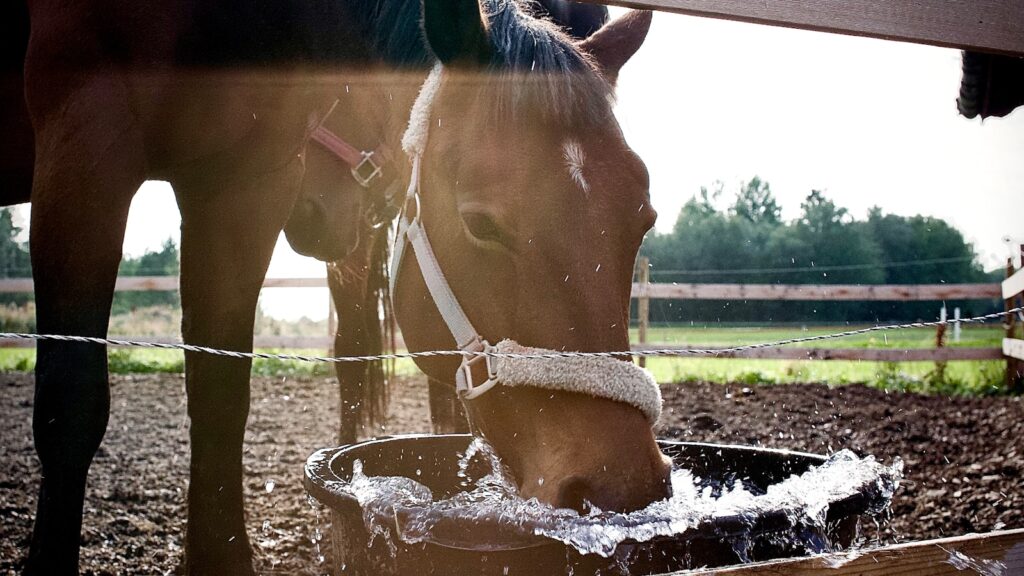
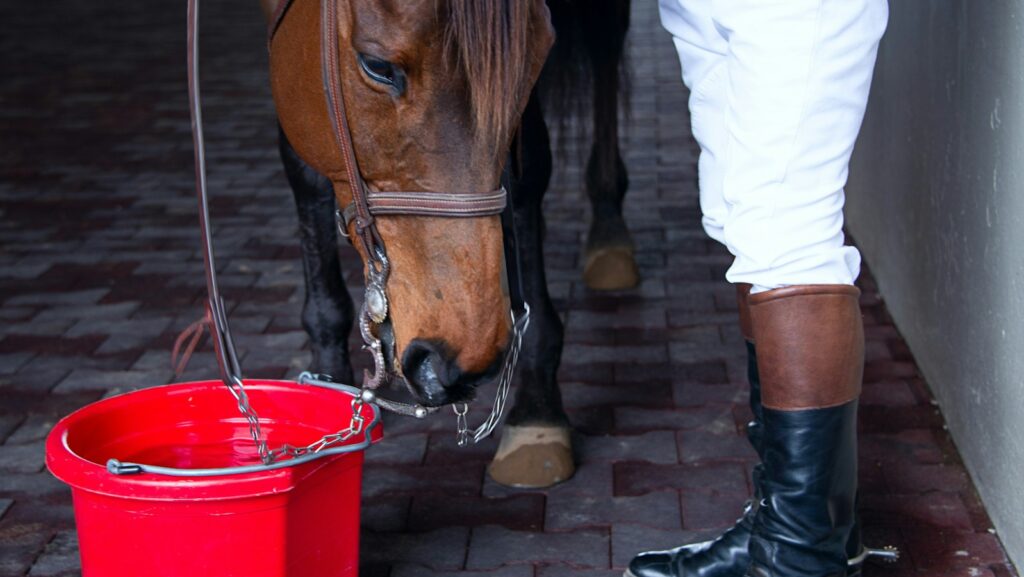
Adequate hydration forms the cornerstone of heat stress prevention, with horses potentially requiring 2-3 times their normal water intake during hot weather. An average 1,000-pound horse at rest needs approximately 5-10 gallons of water daily, but this can increase to 20-25 gallons during hot weather or with exercise. Always provide clean, fresh water at comfortable temperatures between 45-65°F (7-18°C), as horses typically avoid extremely cold water and may not drink adequately from very warm sources. Consider offering multiple water sources, including buckets and troughs, positioned in shade to prevent heating from direct sunlight. For horses reluctant to drink away from home, flavor the water with apple juice or electrolyte solutions to encourage consumption, or bring familiar water from home when traveling. Installing automatic waterers with flow indicators can help monitor consumption patterns and ensure continuous access.
Exercise Considerations During Hot Weather
Thoughtful exercise planning is essential when temperatures rise, requiring adaptations to both intensity and timing. Schedule riding sessions during cooler parts of the day, typically early morning or evening, avoiding the heat peak between 10 AM and 4 PM whenever possible. Adjust your training expectations by reducing intensity, duration, and overall workload—consider shorter sessions with more frequent breaks and less demanding activities that generate less metabolic heat. Always incorporate a proper warm-up and, more importantly, a gradual cool-down period with walking to allow heat dissipation. Be particularly cautious with high-intensity activities like jumping, galloping, or extended trotting sets during hot weather, especially if combined with high humidity. For competitive events, request early morning or late afternoon ride times, and be prepared to withdraw if conditions become dangerous regardless of competitive aspirations.
Essential Cooling Techniques
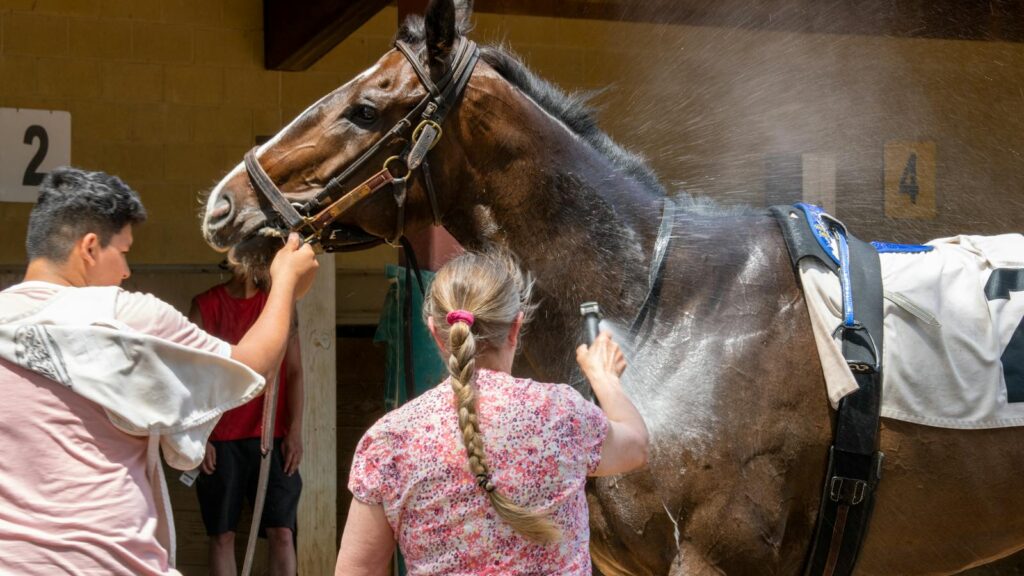
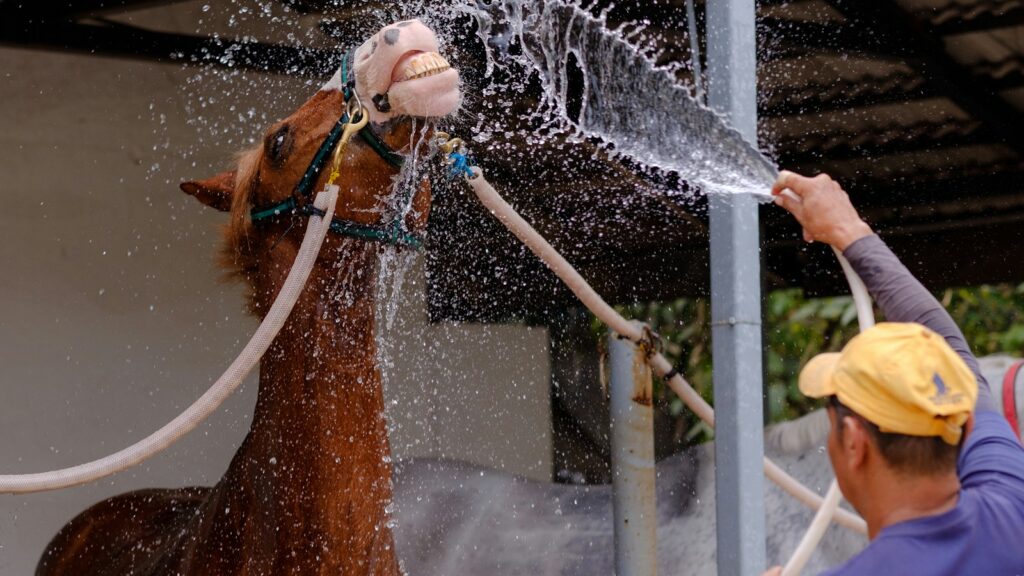
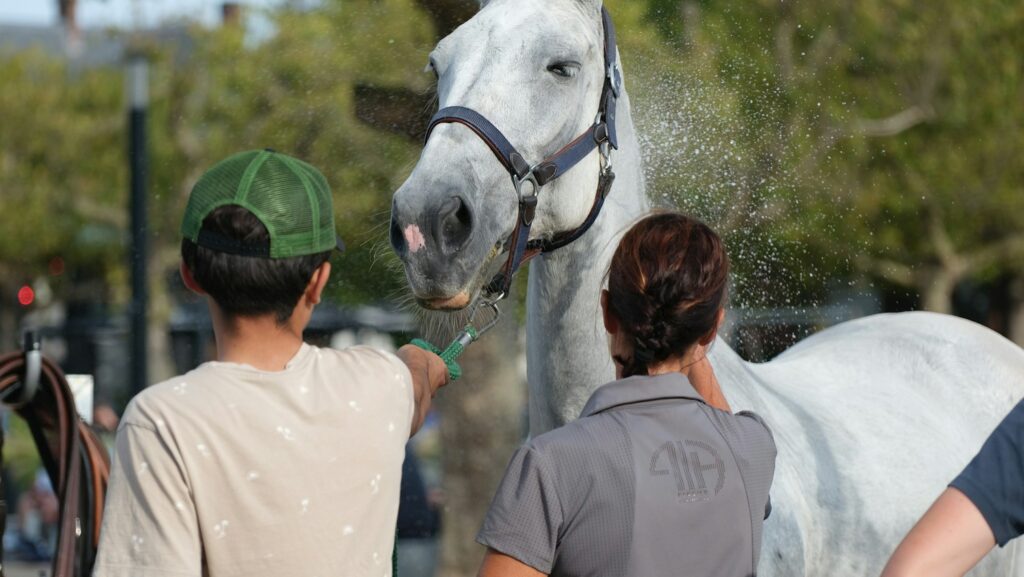
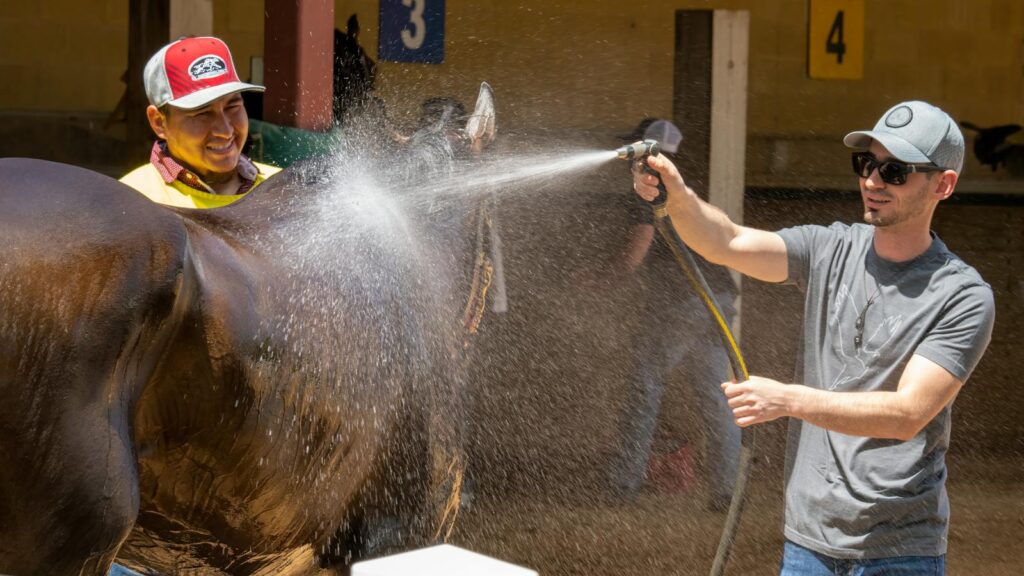
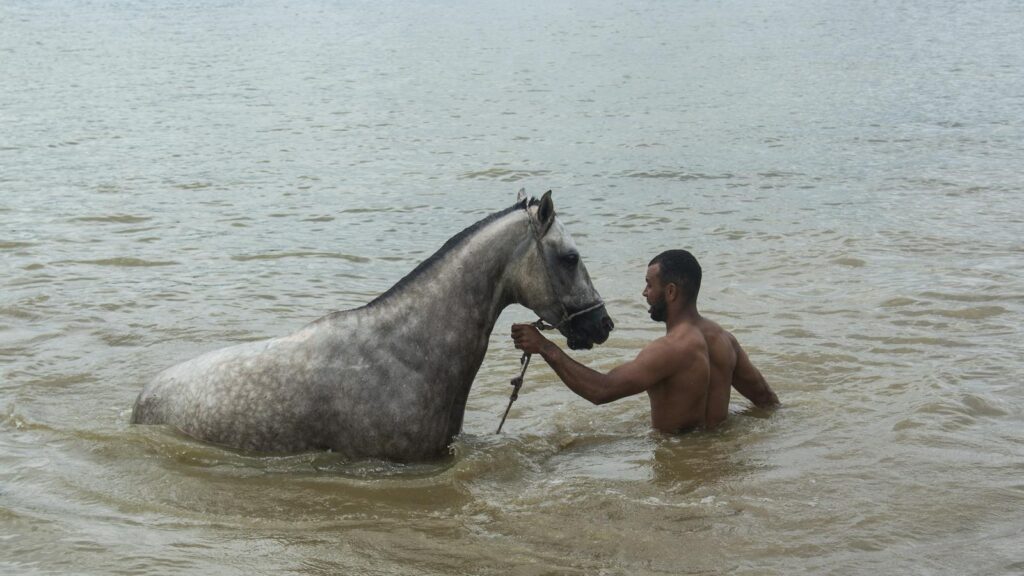
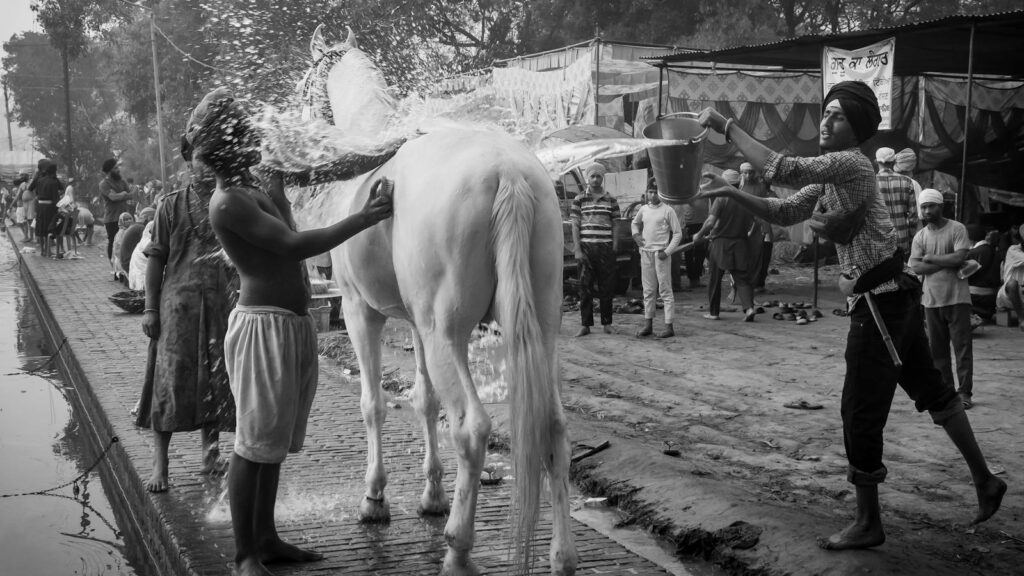
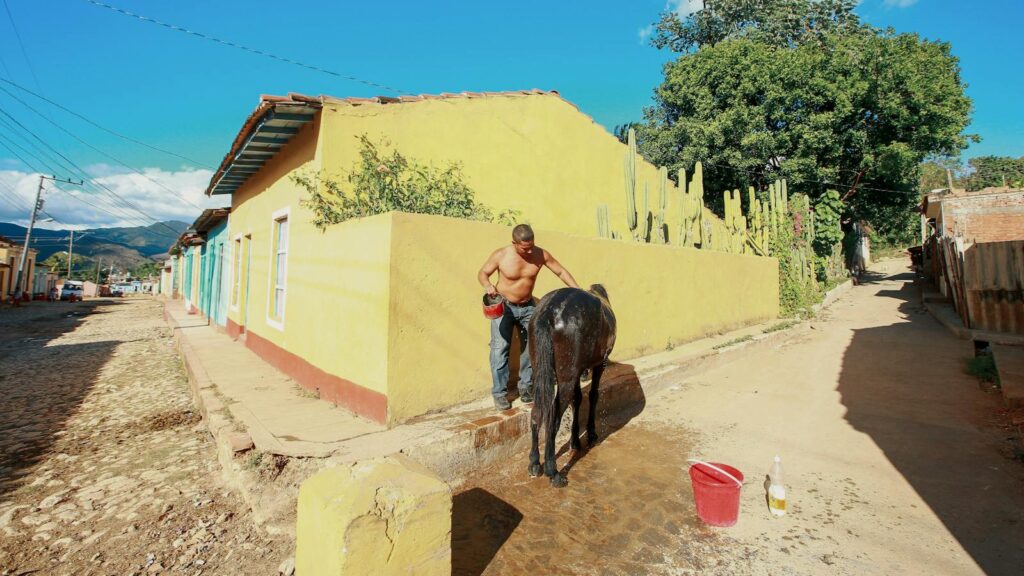
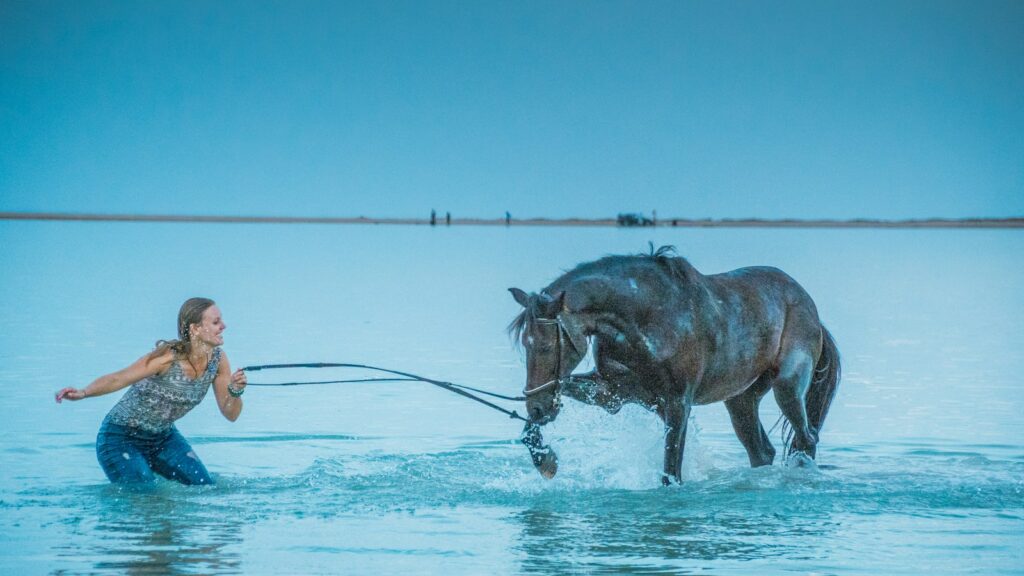
Effective cooling techniques can rapidly reduce a horse’s core temperature and prevent heat stress from escalating. Cold water application remains the gold standard for cooling overheated horses, with research showing that applying cold water over the entire body and immediately scraping it off before reapplying fresh cold water is most effective. Target areas with large blood vessels close to the skin surface—like the neck, chest, and inside of the legs—to maximize cooling efficiency. For particularly hot conditions or after intense exercise, alternate water application with walking to prevent blood vessels from constricting while promoting circulation and heat dissipation. Cooling fans positioned to create airflow across wet skin significantly enhance evaporative cooling. Specialized cooling products like ice boots for legs, cooling neck wraps, or commercial body cooling blankets can provide additional targeted relief for competition horses or those particularly sensitive to heat.
Electrolyte Supplementation Protocols
Strategic electrolyte supplementation is crucial for maintaining proper fluid balance and supporting muscle function in horses that sweat extensively. Commercial electrolyte supplements typically contain sodium, chloride, potassium, calcium, and magnesium—the primary minerals lost in equine sweat. For moderate work in hot conditions, adding electrolytes to the daily ration may be sufficient, while intense exercise or competition may require supplementation before, during, and after activity according to your veterinarian’s recommendations. Always ensure your horse has access to fresh water when providing electrolytes, as the salt content increases thirst and water requirements. Paste electrolytes can be useful for acute supplementation at competitions but should not replace daily supplementation when needed. Work with your veterinarian to develop a customized electrolyte program based on your horse’s individual needs, workload, and sweat patterns, as over-supplementation can be as problematic as deficiency.
Dietary Adjustments for Hot Weather
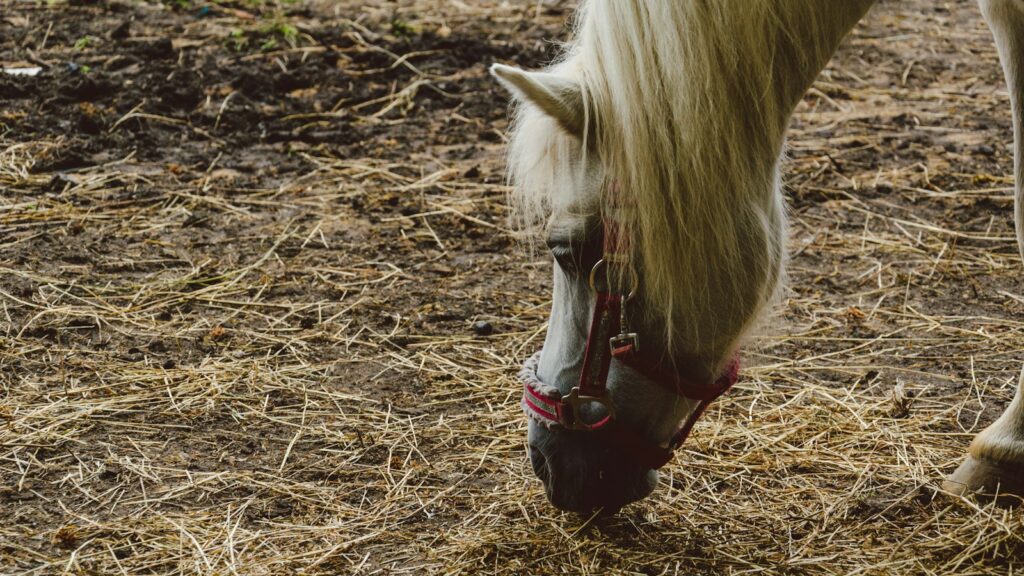
Strategic nutritional modifications can help horses maintain optimal health and reduce metabolic heat production during hot weather. Consider shifting feeding schedules to cooler times of day, offering smaller meals more frequently rather than large portions that increase digestive heat production. Reduce concentrated feeds high in carbohydrates and proteins which generate substantial metabolic heat during digestion, instead increasing the proportion of high-quality forage in the diet. Adding fat sources like vegetable oil provides energy without the heat increment associated with carbohydrate metabolism, making it an excellent summer energy source for working horses. Ensure salt is always available through a free-choice salt block or daily supplementation, as sodium is critical for maintaining hydration and proper nerve and muscle function. For horses in heavy work, consult with an equine nutritionist to develop a summer-specific feeding program that balances energy needs with heat considerations.
Special Considerations for At-Risk Horses
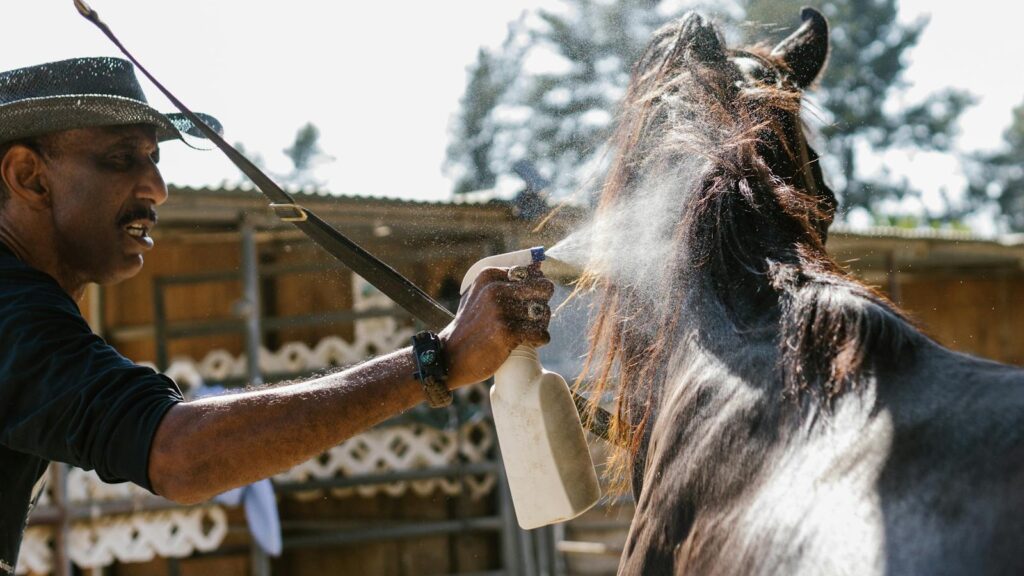
Certain horses require extra vigilance and customized management plans to prevent heat-related problems during hot weather. Senior horses often have compromised thermoregulatory mechanisms, reduced kidney function, and underlying health conditions that make them particularly vulnerable to heat stress. Horses with anhidrosis—a condition where they partially or completely lose the ability to sweat—need comprehensive management including constant access to shade, fans, misting systems, and possibly medication under veterinary supervision. Overweight horses carry additional insulation that impedes heat dissipation and generates more internal heat, necessitating stricter exercise restrictions and potential dietary modifications. Dark-colored horses, particularly blacks and dark bays, absorb substantially more solar radiation and may benefit from reflective sheets when turned out. Horses with respiratory conditions like asthma face additional challenges in hot, humid weather when air quality is often compromised, requiring medication adjustments and environmental modifications to support comfortable breathing.
Travel and Competition Safeguards
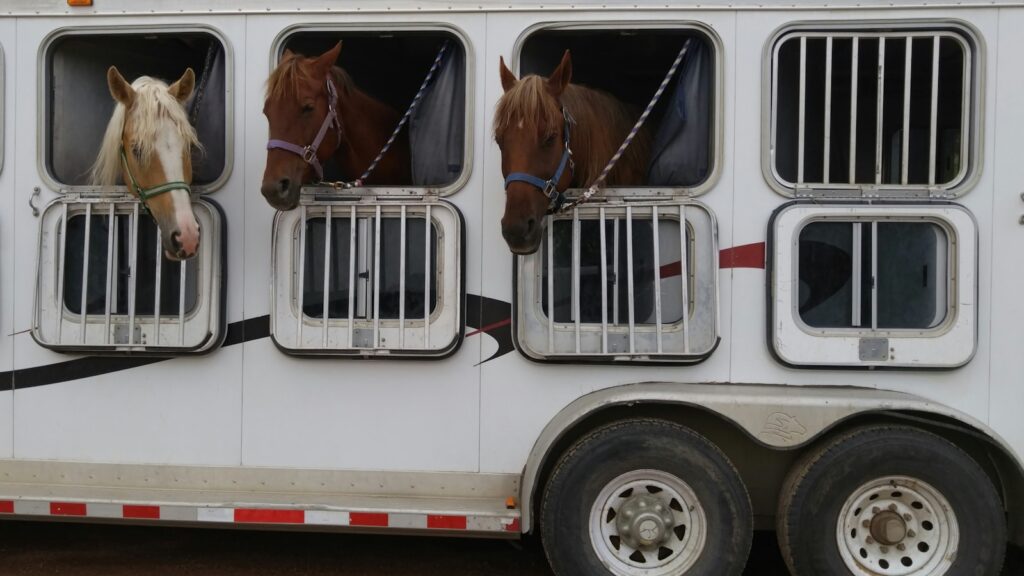
Transporting and competing with horses during hot weather presents unique challenges requiring careful planning and preparation. When trailering, schedule travel during the coolest parts of the day or overnight when possible, ensuring excellent ventilation through open windows and vents while avoiding direct drafts. Monitor the temperature inside the trailer regularly, as it can be significantly hotter than outside ambient temperatures. Take breaks every 2-3 hours during long journeys to offer water and assess your horse’s condition. For competitions, arrive early to allow acclimatization time before performance, and secure shaded parking areas for your trailer and horse. Prepare a cooling station near your competition area with buckets, scrapers, fans, and cold water readily available for immediate post-performance cooling. Develop clear criteria for when to withdraw from competition based on temperature, humidity, and your horse’s individual heat tolerance, prioritizing welfare over competitive aspirations.
Emergency Response Protocol
Having a well-rehearsed emergency response plan is essential when dealing with suspected heat stress in horses. At the first signs of heat stress, immediately move the horse to shade and begin active cooling by continuously applying cold water over the entire body, particularly the large muscle groups and areas with major blood vessels. Contact your veterinarian immediately while continuing cooling efforts—do not wait to see if the horse improves before seeking professional help. Monitor vital signs every 5-10 minutes, including rectal temperature, heart rate, respiratory rate, and gum color, documenting the readings to report to your veterinarian. If the horse appears severely affected with neurological symptoms, prevent self-injury by speaking calmly and avoiding sudden movements while waiting for veterinary assistance. Never administer medications without veterinary direction, as some commonly used drugs can complicate treatment of heat stress. Keep emergency supplies readily available during hot weather, including a rectal thermometer, electrolyte paste, cooling equipment, and your veterinarian’s contact information.
Seasonal Acclimatization Strategies
Proper acclimatization allows horses to gradually adapt to increasing temperatures, significantly improving their heat tolerance throughout the warm season. Begin the acclimatization process early in the spring by gradually introducing horses to controlled exercise during warmer parts of the day, increasing duration and intensity as they demonstrate improved heat tolerance. This physiological adaptation typically takes 10-14 days and results in earlier onset of sweating, increased sweat production, and more dilute sweat that conserves electrolytes. During the acclimatization period, be particularly vigilant for signs of heat stress, adjusting workload immediately if the horse shows any concerning symptoms. Monitor recovery parameters including heart rate return to normal, respiratory recovery, and temperature normalization following exercise to assess adaptation progress. Remember that acclimatization is somewhat reversible—horses kept in air-conditioned stables may partially lose their heat tolerance despite seasonal exposure, requiring careful management when transitioning between controlled and natural environments.
Conclusion
Effective management of equine heat stress requires a proactive, comprehensive approach combining careful observation, environmental modifications, and appropriate exercise adjustments. By understanding the unique challenges horses face in regulating their body temperature and implementing targeted prevention strategies, owners can significantly reduce the risk of heat-related illnesses. Remember that prevention is always preferable to treatment—monitoring weather conditions, recognizing individual risk factors, and adjusting management practices accordingly will help keep your equine partner comfortable and healthy throughout the hottest months. When in doubt about your horse’s condition or the appropriate response to concerning symptoms, never hesitate to contact your veterinarian. With proper knowledge and preparation, you can ensure your horse stays cool, comfortable, and safe even when temperatures soar.