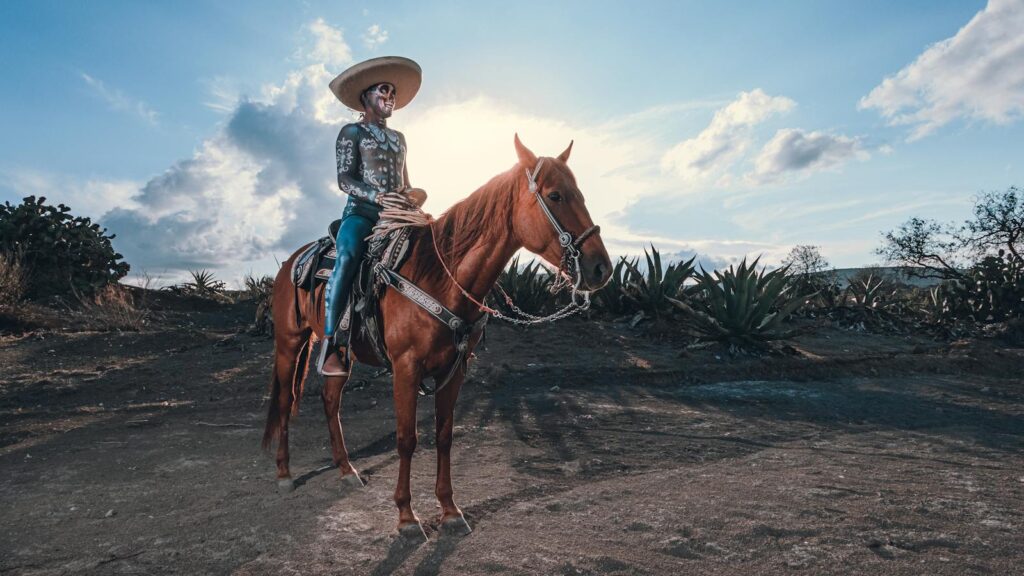
Finding the perfect riding discipline is a journey of self-discovery that impacts both you and your equine partner. The world of equestrian sports offers a diverse array of options—from the precision of dressage to the thrill of barrel racing, the elegance of hunt seat to the partnership of trail riding. Making the right choice isn’t simply about following trends or family traditions; it’s about matching your personality, physical abilities, and goals with your horse’s temperament, conformation, and natural talents. When horse and rider are well-matched to their discipline, the partnership flourishes, creating a harmonious and fulfilling equestrian experience for both. Let’s explore how to navigate the exciting process of finding your perfect riding path.
Assess Your Personal Riding Goals
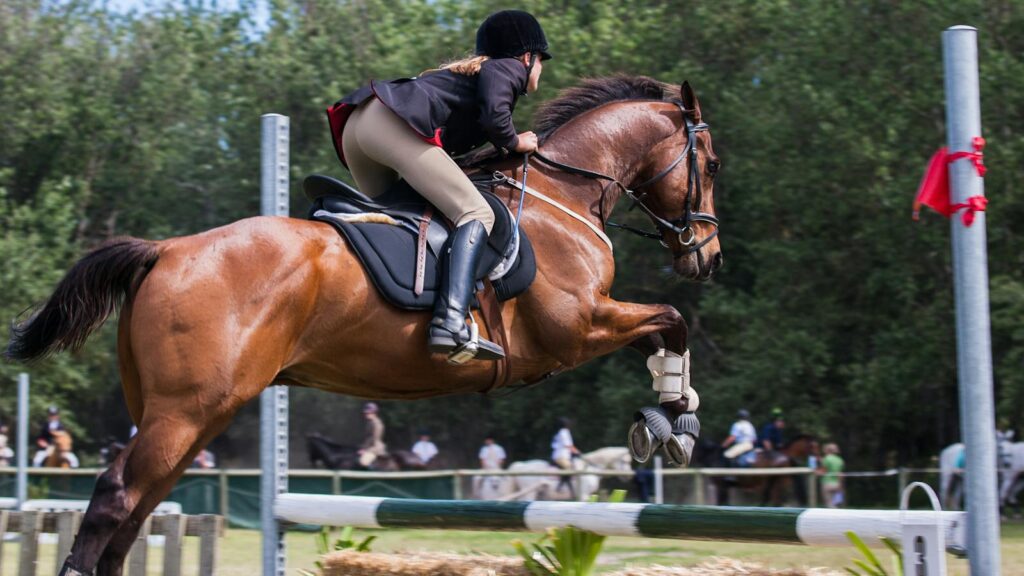
Before diving into specific disciplines, take time for honest self-reflection about what you want from your riding experience. Are you drawn to the competitive arena, seeking blue ribbons and championship titles? Perhaps you’re more interested in recreational riding, using equestrian activities as a way to connect with nature and escape the stresses of daily life. Some riders prioritize the social aspects of horse ownership, enjoying barn communities and group trail rides, while others prefer the solitary precision of working alone with their horse. Your goals might also include specific skills you want to develop, such as jumping capabilities, precise movements, or covering challenging terrain. Understanding your personal motivations creates the foundation for a satisfying riding experience that will sustain your interest and passion long-term.
Evaluate Your Physical Capabilities and Limitations
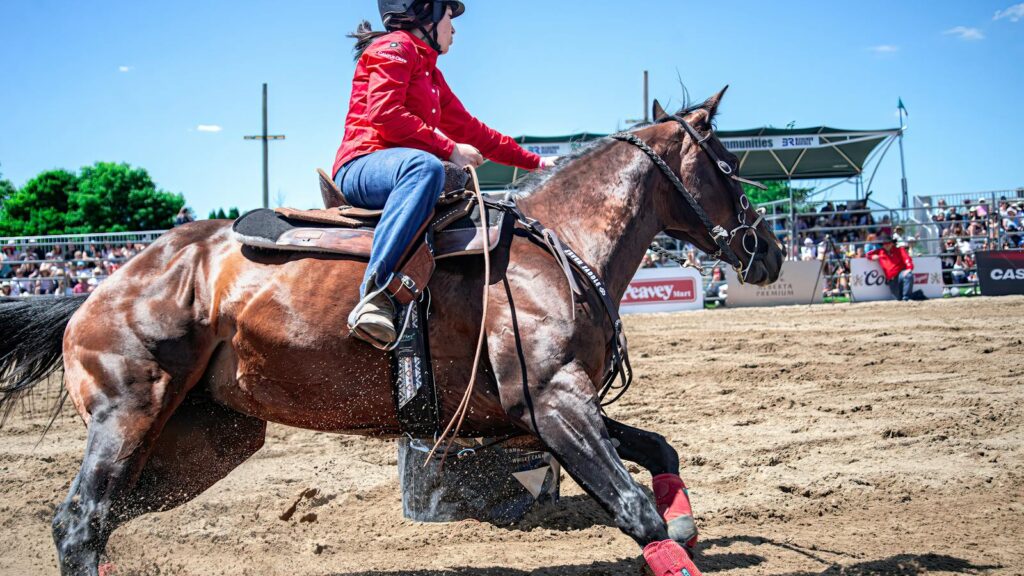
Different riding disciplines place varying physical demands on riders, making it important to honestly assess your own physical strengths and limitations. Western disciplines like reining require core strength and the ability to maintain a deep, secure seat through rapid movements, while jumping demands leg strength, balance, and quick reflexes. Dressage, often called “horse ballet,” requires exceptional body awareness, core control, and the ability to make nearly invisible aids appear effortless. Consider any past injuries or physical limitations that might make certain positions or movements uncomfortable or risky. Age can also be a factor—younger riders might have the fearlessness needed for eventing’s challenges, while mature riders might appreciate the precision and control of western pleasure or dressage. Choosing a discipline that works with your physical abilities rather than against them will lead to greater enjoyment and fewer injuries.
Consider Your Horse’s Natural Talents
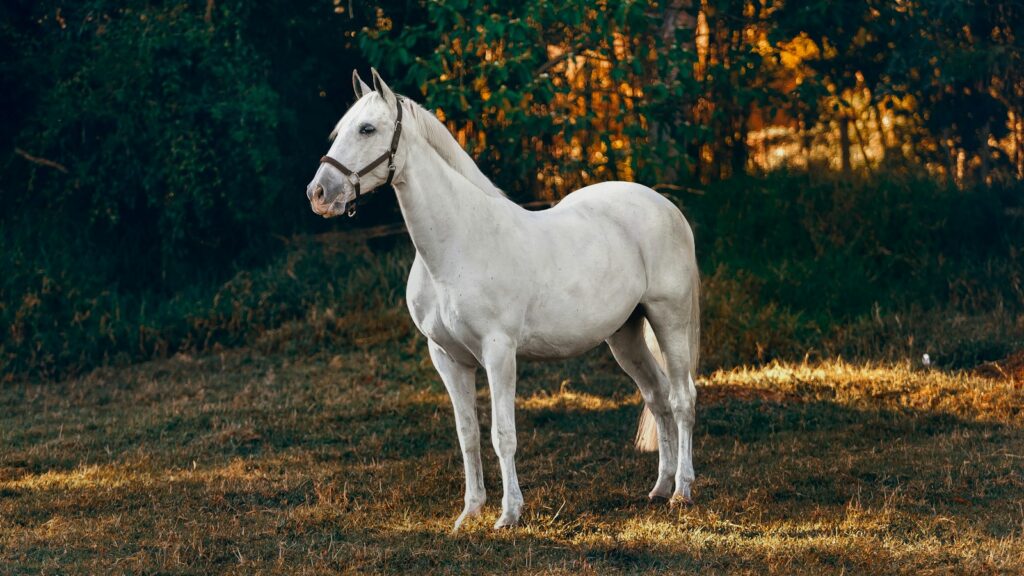
Every horse is born with certain natural tendencies and physical attributes that make them more suited to particular disciplines. Observe your horse moving freely in a pasture or round pen—does he naturally collect himself with an elevated front end and engaged hindquarters, suggesting dressage potential? Perhaps he demonstrates natural agility, changing directions easily and showing careful foot placement that would serve well in trail competitions or working equitation. Some horses have natural jumping ability, clearing obstacles in their pasture for fun, while others show the smooth, rocking-horse canter that excels in western pleasure classes. Pay attention to what movements your horse performs with ease versus what seems to cause tension or difficulty. Working with your horse’s natural talents rather than against them reduces training frustration and increases the likelihood of success and enjoyment for both of you.
Analyze Your Horse’s Conformation
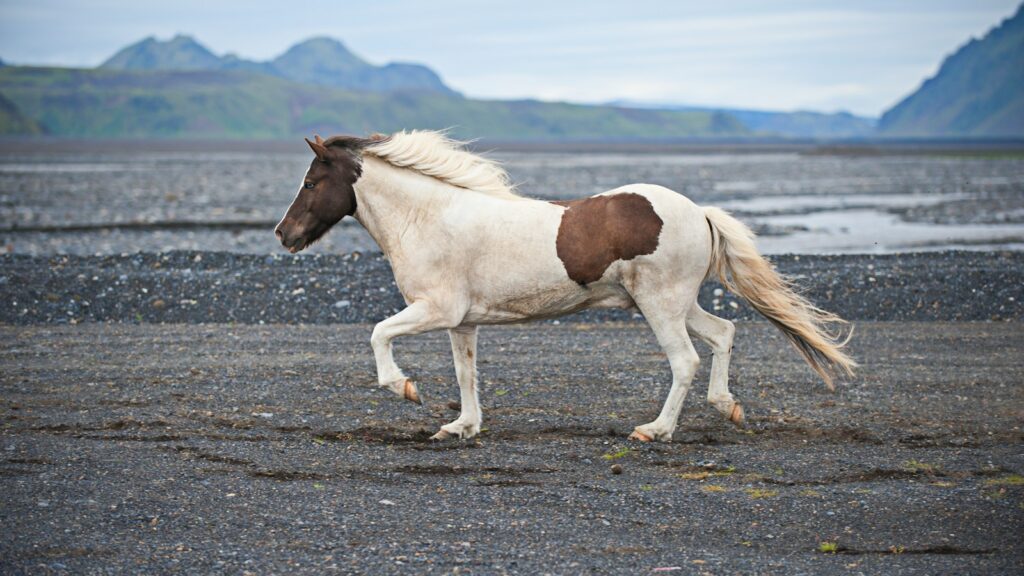
Your horse’s physical structure plays a significant role in determining which disciplines will be physically comfortable and sustainable. A horse with a long, sloping shoulder and good angulation in the hind end may excel at jumping, as these conformational traits allow for greater range of motion and shock absorption. Horses with longer backs might find the collection required in dressage more challenging but could excel in disciplines requiring extension or speed. Upright pasterns may lead to concussion issues in high-impact activities like jumping but might be less problematic in disciplines like western pleasure. Consider your horse’s natural balance point as well—those naturally balanced more toward the forehand might struggle with advanced dressage movements but could excel in speed events with proper conditioning. Having a veterinarian or experienced trainer evaluate your horse’s conformation can provide valuable insights about physical suitability for different disciplines, helping prevent soundness issues from mismatched activities.
Assess Your Horse’s Temperament
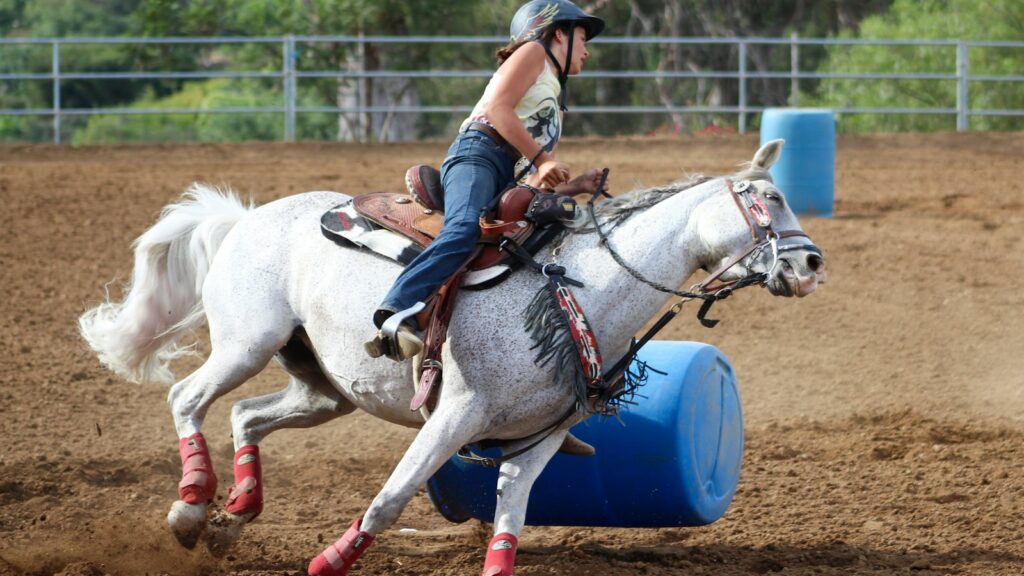
Your horse’s personality and mental characteristics are just as important as physical attributes when selecting an appropriate discipline. High-energy, sensitive horses often excel in disciplines requiring quick reactions and athleticism, such as jumping, eventing, or barrel racing, but may become frustrated with the precision and control of western pleasure. Steady, methodical horses might thrive in the structured environment of dressage or trail classes but become overwhelmed by the atmosphere of fast-paced gaming events. Some horses have natural confidence that serves well in cross-country jumping, while others possess the patient, unflappable nature perfect for working with cattle or navigating trail obstacles. Consider how your horse responds to new environments, recovers from excitement, and handles repetitive work. A discipline that complements your horse’s natural temperament will reduce stress and resistance during training, creating a more positive experience for both of you.
Research Available Disciplines
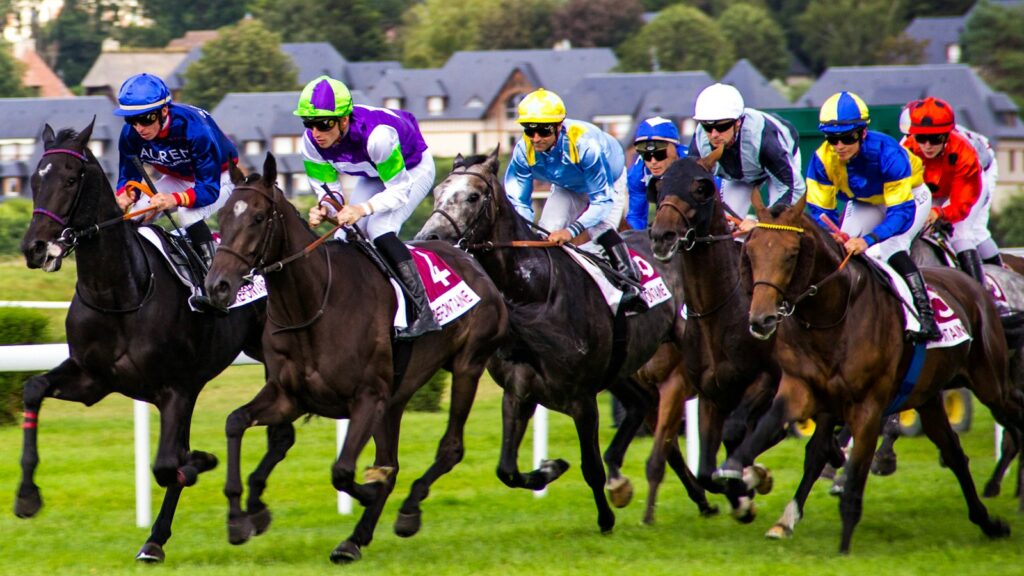
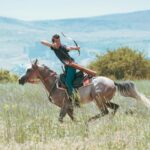
The equestrian world offers a remarkable variety of disciplines, each with its own unique demands, rewards, and community culture. Traditional English disciplines include dressage, show jumping, eventing, and hunt seat equitation, each emphasizing different aspects of riding from precise control to athletic ability. Western disciplines range from reining and cutting to western pleasure, horsemanship, and barrel racing, with varying emphasis on cattle work, speed, or style. Beyond these mainstream categories lie fascinating specialty disciplines like working equitation, competitive trail, endurance riding, mounted archery, and various cultural traditions from different countries. Take time to watch videos, attend local shows as a spectator, and read about the history and requirements of various disciplines. Understanding the specific demands, competition formats, and judging criteria helps narrow your focus to disciplines that resonate with your interests and your horse’s capabilities.
Consider Facility and Equipment Requirements
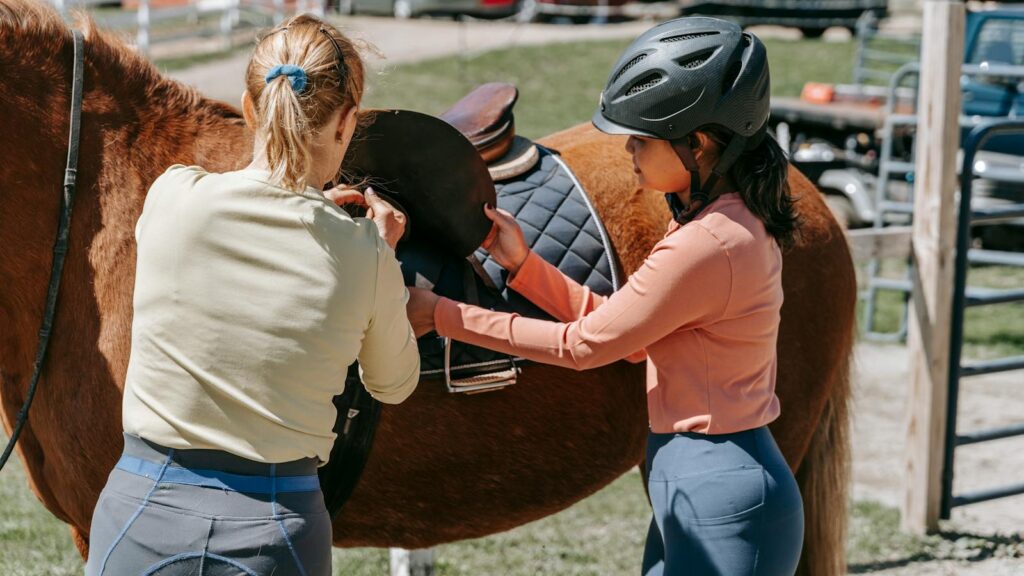
Different disciplines require varying levels of specialized equipment and facility access, factors that can significantly impact your experience and budget. Jumping and dressage typically require access to arenas with appropriate footing, while trail riding needs suitable natural terrain or dedicated trail systems. Disciplines like reining or cutting may require specialized arena footing and, in some cases, access to cattle. Equipment needs vary widely—western disciplines require western saddles, often with specific features for particular events, while English disciplines need appropriate English saddles, which differ significantly between dressage, jumping, and eventing. Some disciplines involve considerable investment in specialized tack, attire, and training equipment, while others can be pursued with minimal specialized gear. Honestly assessing your budget constraints and facility access before committing to a discipline can prevent frustration and financial strain later.
Evaluate Available Training Resources

Access to appropriate instruction and training resources is crucial for success in any riding discipline. Different disciplines require specialized knowledge and techniques that general riding instructors may not possess. Before committing to a particular path, research what qualified instructors are available in your area for the disciplines you’re considering. Some rural areas might have excellent western trainers but limited resources for classical dressage, while urban centers might offer the opposite scenario. Consider the availability of clinics, workshops, and educational resources that support your continued learning. In today’s digital age, online coaching and video review services can supplement local training, but hands-on instruction remains invaluable, particularly for beginners. The right instructor doesn’t just teach techniques; they should understand your goals, communicate effectively at your level, and demonstrate respect for both horse and rider welfare.
Explore Multiple Disciplines Through Lessons
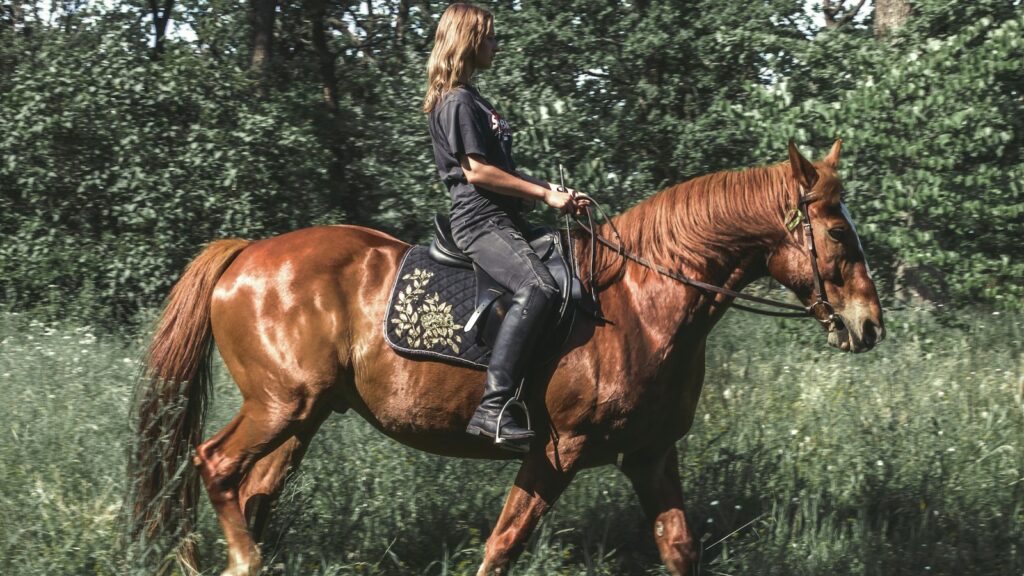
One of the most effective ways to discover your riding niche is through firsthand experience with different disciplines. Many training facilities offer introductory lessons in various riding styles, allowing you to sample different approaches before making a commitment. These exploratory lessons provide valuable insight into not just the activities themselves, but also the teaching styles, barn culture, and community surrounding each discipline. Consider arranging a few lessons on school horses trained in disciplines you’re curious about, which allows you to experience the feel of proper execution without the added variable of training your own horse. Pay attention to which activities naturally excite you, which movements feel comfortable in your body, and which teaching approaches resonate with your learning style. This hands-on exploration often reveals attractions or aversions that weren’t apparent from merely watching or reading about a discipline.
Talk to Experienced Riders and Trainers
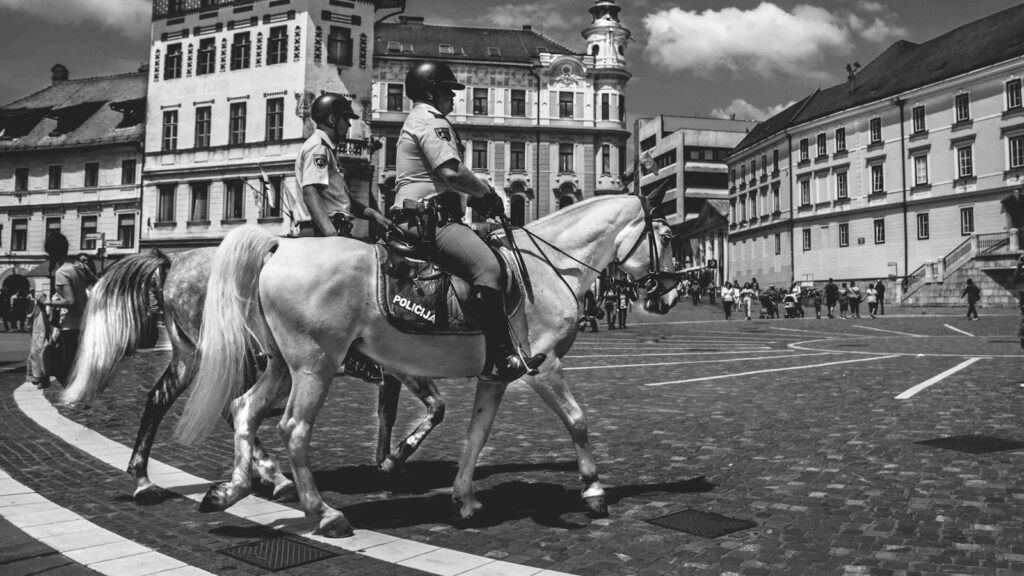
The equestrian community represents a wealth of firsthand knowledge that can guide your discipline selection process. Seek conversations with riders and trainers experienced in disciplines you’re considering, asking about the daily realities, challenges, and rewards beyond what you might see at competitions or in promotional materials. Experienced equestrians can provide practical insights about time commitments, common training plateaus, and the less glamorous aspects of their disciplines. They can share perspective on how different horse types typically perform and adapt to specific activities, potentially helping you assess your own horse’s suitability more accurately. These conversations also provide glimpses into the social culture surrounding different disciplines—some emphasize individual achievement while others foster strong community bonds and teamwork. Building these connections early can also create a support network for when you begin your journey in a new discipline.
Consider Starting with Foundation Disciplines
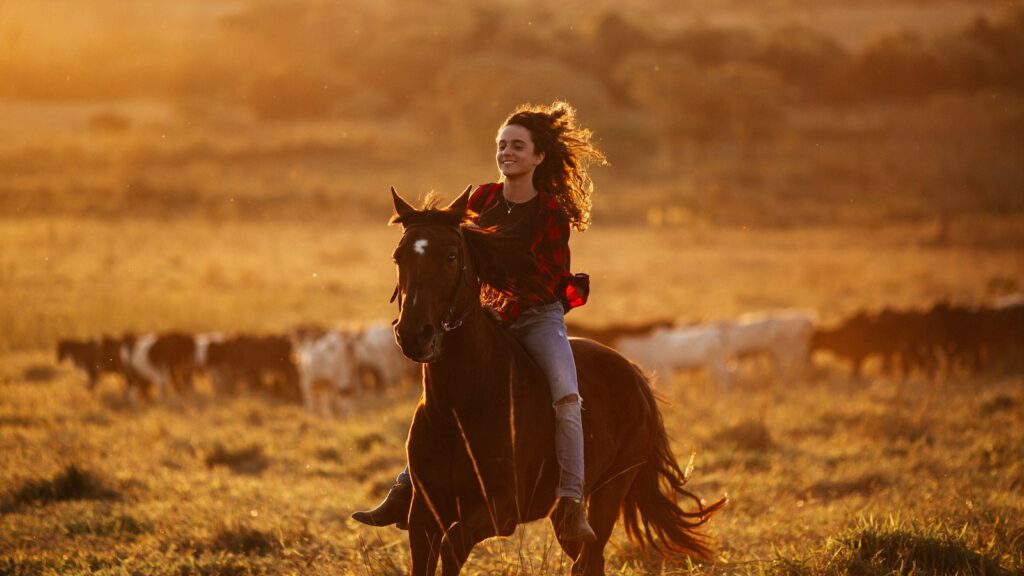
Certain riding disciplines provide excellent foundations that transfer well to multiple specialties later on, making them ideal starting points for riders uncertain about their ultimate direction. Dressage fundamentals benefit virtually all riding disciplines by developing balance, straightness, and responsive communication between horse and rider. Hunt seat equitation builds balanced position and effective aids that transfer well to jumping, eventing, and even western disciplines. Basic western horsemanship develops a secure seat and clear cuing systems valuable across western specialties. Starting with these foundation disciplines allows both horse and rider to develop core skills while keeping options open for later specialization. Many successful competitors maintain involvement in complementary disciplines throughout their careers—jumpers who use dressage for suppleness, reiners who incorporate trail obstacles for mental variety, or dressage riders who enjoy occasional hunter paces for cardiovascular conditioning and mental refreshment.
Be Willing to Pivot When Necessary
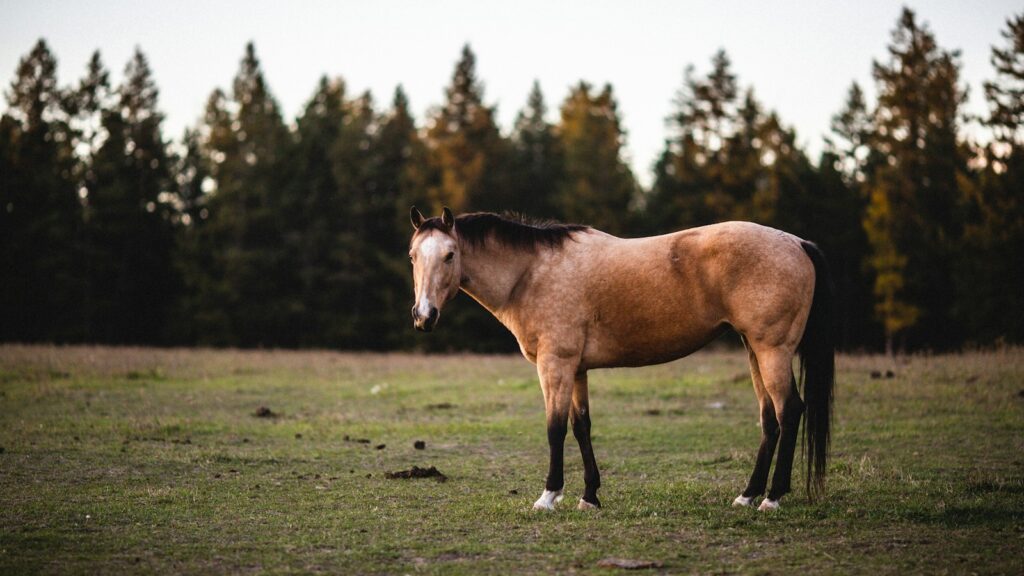
Even with careful consideration and planning, sometimes your initial discipline choice doesn’t work out as expected. Your horse might show unexpected anxiety in certain environments or physical discomfort with particular movements despite appropriate conditioning. Your own interests might evolve as you gain experience and exposure to different aspects of horsemanship. Being willing to reassess and change direction when necessary demonstrates wisdom rather than failure. Watch for signs that your current path isn’t serving you or your horse well—persistent resistance, declining enthusiasm, plateaued progress despite consistent effort, or physical issues that don’t resolve with appropriate veterinary care and conditioning. Many accomplished equestrians have stories of discipline changes that ultimately led to greater fulfillment and success than their original paths. The willingness to adapt based on experience demonstrates the horsemanship quality of putting the partnership above ego or predetermined plans.
Balance Ambition with Realistic Expectations
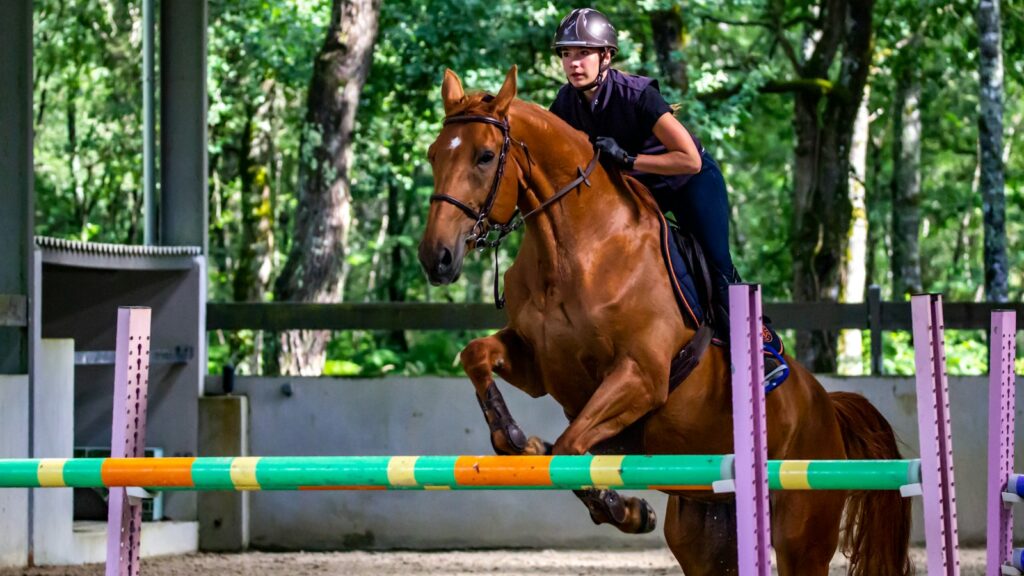
Finding the right balance between challenging yourself and setting realistic goals is crucial for long-term satisfaction in any riding discipline. While it’s admirable to have ambitious goals, it’s equally important to acknowledge the realities of your starting point, available resources, and the natural capabilities of your equine partner. A middle-aged rider beginning jumping for the first time might wisely focus on developing a secure position and clean execution over modest heights rather than immediately aspiring to grand prix levels. Similarly, a horse with average movement but exceptional temperament might find greater success in equitation or horsemanship classes than open movement-focused divisions. This realistic approach doesn’t mean limiting your dreams, but rather creating an achievable pathway of progressive goals that build confidence and competence over time. Success defined by improvement relative to your own starting point often brings more lasting satisfaction than comparisons to others who may have different advantages or starting circumstances.
Finding Your Ideal Riding Discipline
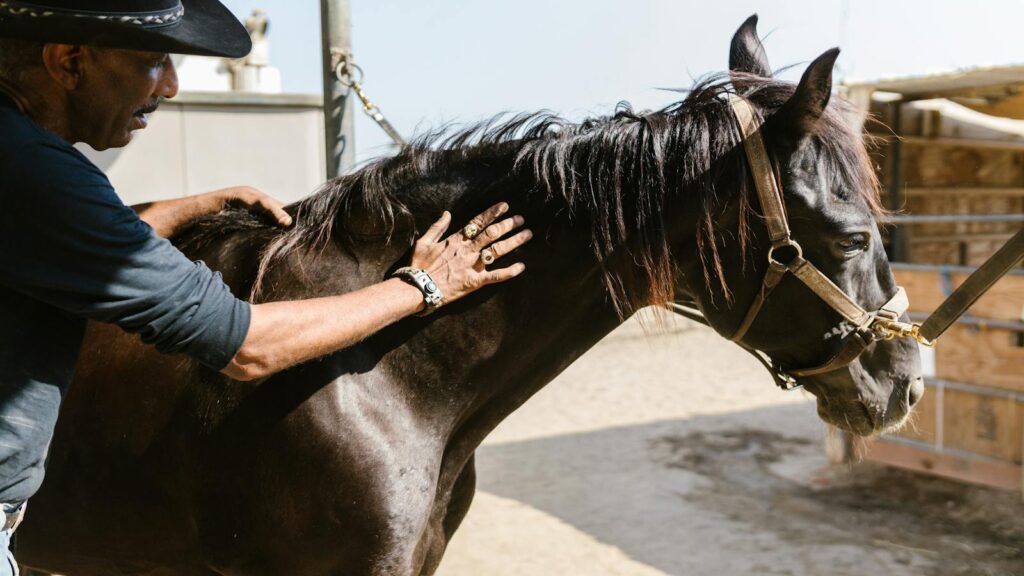
The journey to finding your perfect riding discipline is ultimately about creating a fulfilling partnership with your horse. The right discipline creates harmony between your aspirations and your horse’s talents, resulting in mutual enjoyment and progress. Remember that this choice isn’t necessarily permanent—many riders explore multiple disciplines throughout their equestrian journey, finding that different activities serve them well at different life stages or with different equine partners. By thoughtfully considering your goals, honestly assessing capabilities, and remaining open to unexpected discoveries, you’ll find the riding path that brings out the best in both you and your horse. The perfect discipline ultimately feels less like work and more like a conversation between two willing partners speaking the same language.