
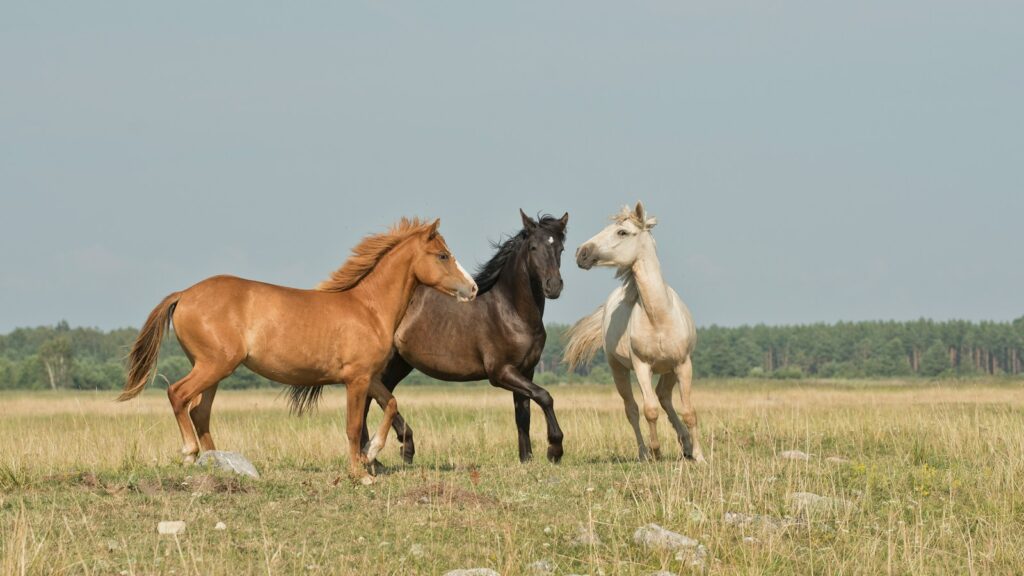
The story of the American West is inseparable from the thundering hooves of horses that carried pioneers, Native Americans, cowboys, and cavalry across its vast landscapes. These magnificent animals weren’t merely transportation—they were catalysts for cultural transformation, economic development, and territorial expansion. From the Spanish conquistadors who first introduced horses to North America to the iconic cowboys who became symbols of American identity, horses played an instrumental role in shaping the frontier. Their strength, speed, and adaptability made possible the settlement of lands that would have remained inaccessible, while their integration into various cultures fundamentally altered lifeways and power dynamics across the region. This exploration delves into the profound and multifaceted impact horses had on the development of the American West—a partnership between human and animal that literally changed the course of American history.
The Spanish Introduction: Horses Return to North America
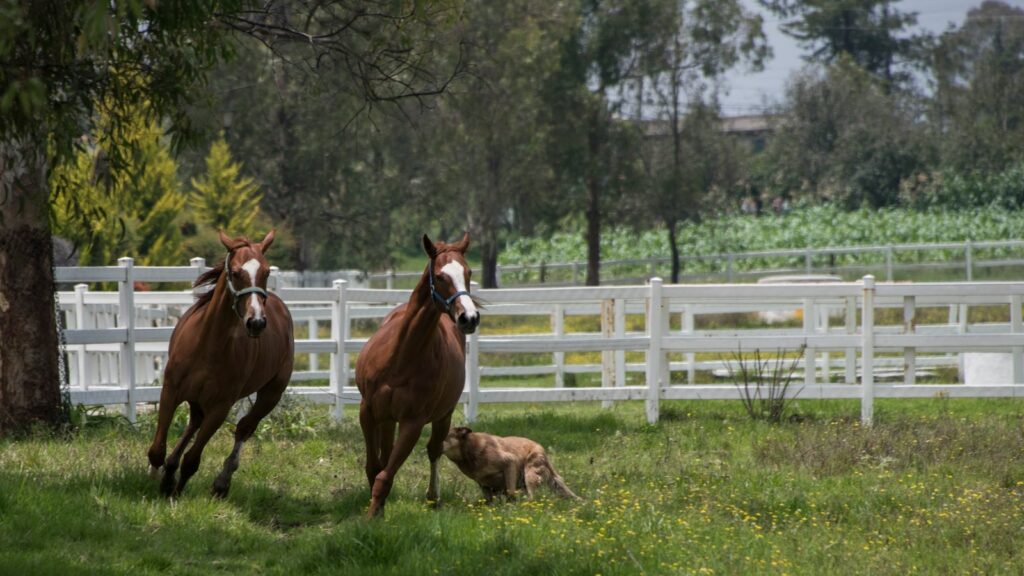
Though horses evolved originally in North America, they became extinct on the continent approximately 10,000 years ago, only to be reintroduced by Spanish explorers in the 16th century. When Hernán Cortés landed in Mexico in 1519, he brought sixteen horses whose descendants would eventually transform the continent. These animals, primarily Andalusians and Barbs, were well-suited to the harsh conditions of the American West with their hardy constitutions and remarkable endurance. The Spanish initially maintained strict control over their horses, recognizing their immense military advantage, but inevitably some escaped or were captured by indigenous peoples. This reintroduction of horses to their ancient homeland would trigger one of the most dramatic cultural and ecological transformations in North American history.
Native American Horse Revolution

The acquisition of horses by Native American tribes constituted nothing short of a revolution, dramatically reshaping indigenous cultures, especially on the Great Plains. Beginning with the Pueblo Revolt of 1680, when tribes seized thousands of horses from Spanish settlements, indigenous communities rapidly integrated horses into their societies and spread equestrian expertise northward through trade and warfare. For tribes like the Comanche, Sioux, and Blackfeet, horses transformed hunting practices, allowing them to pursue buffalo with unprecedented efficiency and range. Horses also revolutionized warfare, creating powerful mounted warriors who could control vast territories and resist colonial encroachment for generations. The cultural significance of horses extended beyond practical uses—they became integral to spiritual practices, social status indicators, and wealth measurements in many tribal societies. This equestrian revolution allowed some Plains tribes to experience a period of unprecedented prosperity and cultural flowering before the ultimate advance of American settlement.
Equine Transportation Networks
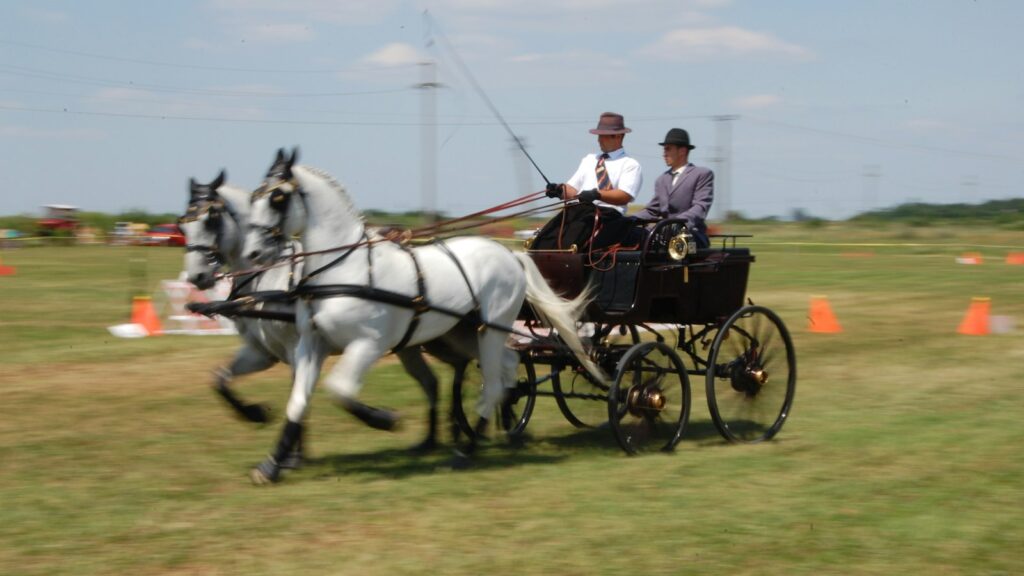
Horses made possible the first reliable transportation networks that connected the expanding American frontier with established eastern regions. The Pony Express, though short-lived (operating only from April 1860 to October 1861), demonstrated the revolutionary potential of horse-based communication systems by delivering mail between Missouri and California in just ten days. Stagecoach lines like Wells Fargo established regular transport corridors through otherwise forbidding terrain, with relay stations providing fresh horses every 10-15 miles to maintain remarkable speeds across difficult landscapes. These horse-powered transportation networks facilitated commerce, communication, and migration that would have been otherwise impossible given the technological limitations of the era. While these systems were eventually supplanted by railroads, they provided the crucial initial infrastructure that made western settlement viable before the iron horse arrived.
Military Applications: The Cavalry’s Role
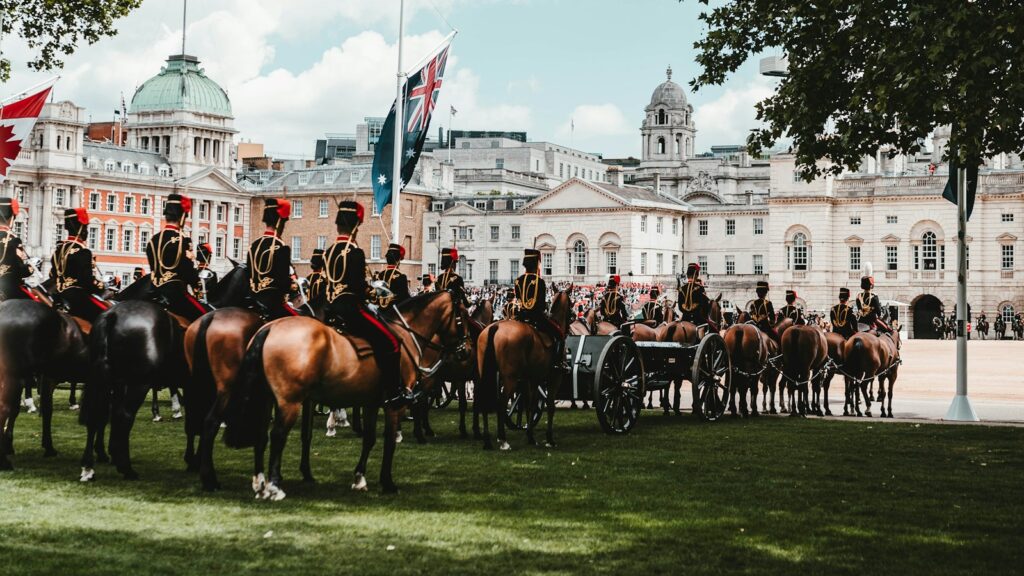
The United States Cavalry represents one of the most significant applications of horse power in western expansion, serving as both a military force and an instrument of government policy. Mounted soldiers possessed mobility and speed that gave them distinct advantages in the vast western landscapes, allowing them to patrol borders, protect settlers, and engage in conflicts with indigenous peoples. The U.S. Army established numerous cavalry forts throughout the West, creating islands of federal authority that anchored American territorial claims. Horse-mounted troops were instrumental in controversial government policies aimed at controlling Native American populations, including enforcement of reservation systems and response to resistance movements. The military’s constant demand for quality horses also stimulated breeding programs and horse trading economies throughout the developing West, creating another economic ripple effect from equestrian military needs.
The Working Cow Horse: Backbone of Ranching
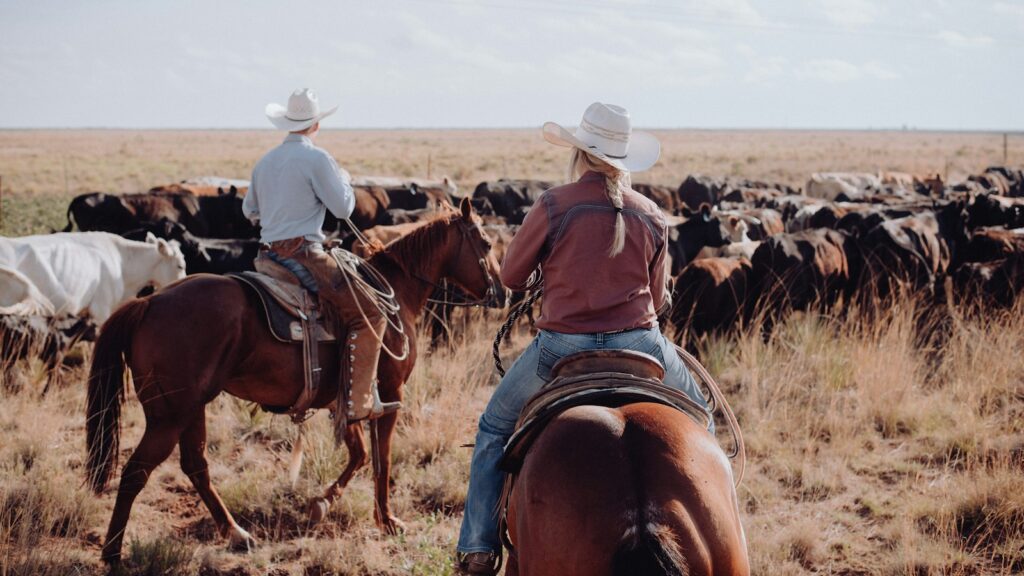
The development of western cattle industries would have been unthinkable without specialized working horses bred and trained specifically for managing livestock. Quarter Horses, with their exceptional agility, explosive speed over short distances, and “cow sense,” became the preferred breed for the demanding work of cattle ranching. These horses made possible the management of vast herds across enormous unfenced ranges, with a skilled cowboy and horse team able to control hundreds of cattle. The seasonal cattle drives that defined the post-Civil War ranching era depended entirely on mounted cowboys who could keep herds moving along established trails to railheads like Abilene, Kansas, or Cheyenne, Wyoming. Beyond their practical functions, these working relationships between cowboys and their horses generated a rich cultural tradition of horsemanship that remains an important element of western heritage today. The economic impact of the ranching industry, utterly dependent on horses, helped shape the development pattern of numerous western states.
Horse-Drawn Agriculture
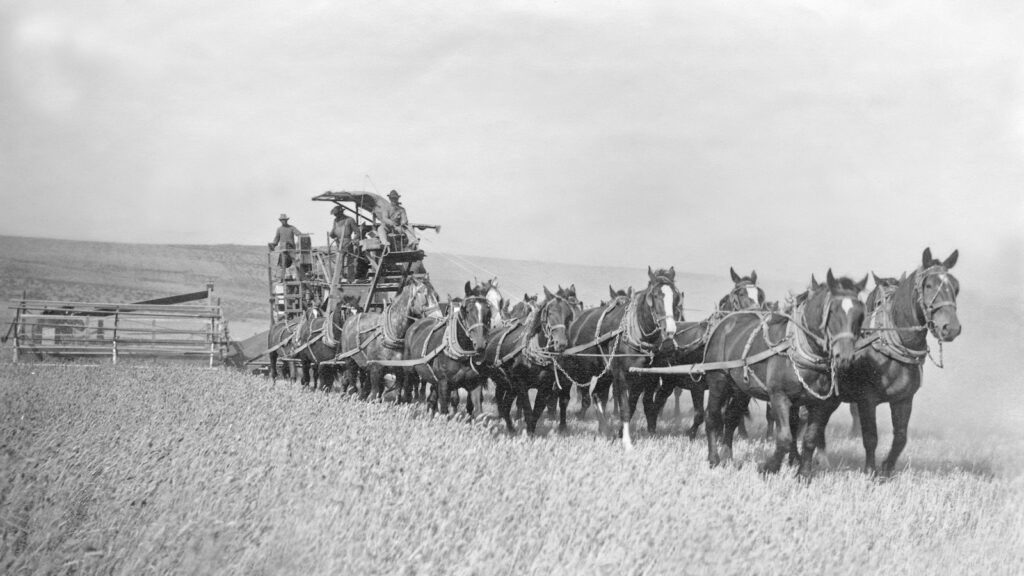
The transformation of western landscapes from natural ecosystems to agricultural production was powered largely by horse traction before the advent of mechanized farming. Draft breeds like Percherons, Belgians, and Clydesdales provided the muscle to break virgin prairie sod, pull harvesting equipment, and transport agricultural products to market. A team of horses could plow two to three acres daily, enabling homesteaders to meet the cultivation requirements necessary to claim land under the Homestead Act of 1862. Even after initial land breaking, horses remained essential for all aspects of farm work, from planting and cultivating to harvesting and hauling. The need for horse-powered equipment stimulated manufacturing industries that produced specialized implements like gang plows, reapers, and threshers designed specifically for western agricultural conditions. This horse-dependent agricultural system persisted well into the 20th century in many parts of the West, only gradually yielding to tractors and other mechanized equipment.
Horses and Mining Development
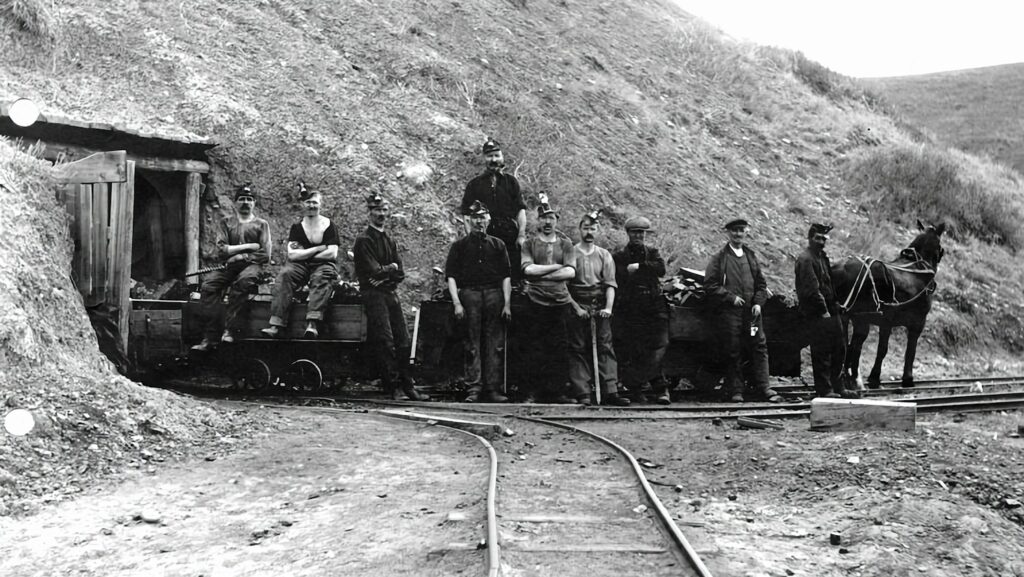
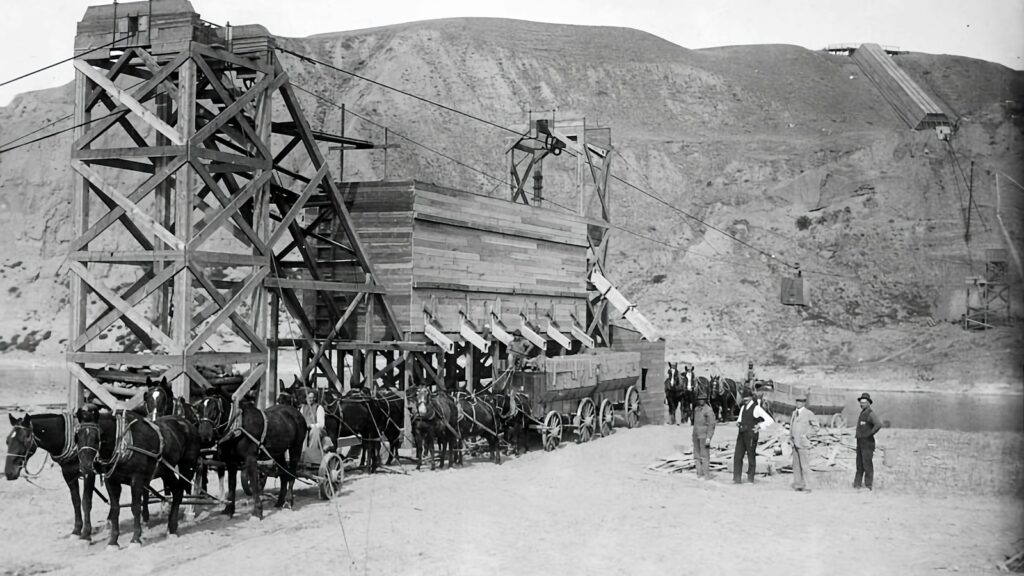
The numerous mining booms that punctuated western development relied heavily on horse power at every stage of the extraction process. In initial prospecting phases, horses carried miners and their equipment into remote mountain regions that would have been otherwise inaccessible. Once productive claims were established, horses provided crucial power for operating equipment like whims (horse-powered hoisting mechanisms) and arrastra (primitive ore-crushing devices) before steam power became widely available. The transportation of ore from mines to processing facilities depended on horse-drawn wagons navigating perilous mountain roads, while massive freight wagons pulled by multiple-horse teams delivered mining equipment and supplies to isolated camps. Mining communities themselves required constant horse transportation for daily operations, creating demand for livery stables, blacksmiths, and hay producers in even the most rudimentary boom towns. This horse-dependent infrastructure made possible the mineral extraction that drove much of the West’s early economic development.
Urban Development and Horse Transportation
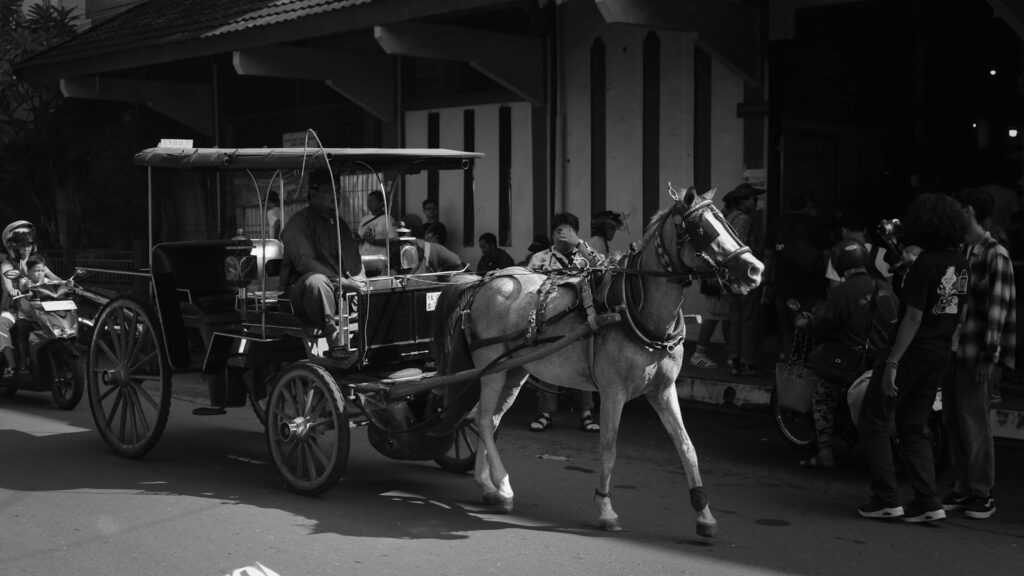
The growing western cities of the 19th century were fundamentally shaped by equine transportation needs and limitations. Urban design had to accommodate horses through features like wide streets, watering troughs, hitching posts, and livery stables that occupied prime downtown real estate. Horse-drawn streetcar systems provided the first public transportation networks in cities like Denver, San Francisco, and Portland, determining development patterns by making certain corridors more accessible. The significant infrastructure required to maintain urban horse populations—including hay storage, stables, blacksmith shops, and carriage makers—created specialized economic sectors that employed thousands. Even as railroads connected western cities to national markets, the internal functioning of these urban areas remained horse-dependent well into the early 20th century, when automobiles began to replace equine transportation.
The Horse Trade Economy
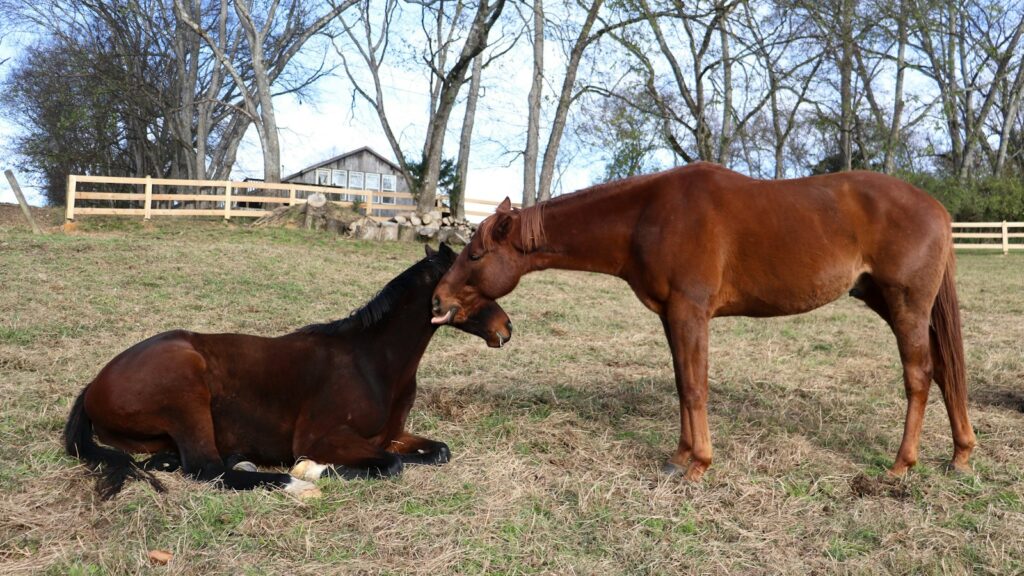
A vibrant economic sector developed around breeding, training, and trading horses to meet the West’s insatiable demand for equine power. Specialized horse ranches emerged throughout western territories, focusing on producing animals suited to various needs from cavalry remounts to coach horses. Horse trading became a significant commercial activity with dedicated markets in major western cities, where buyers could acquire animals for specific purposes. Government contracts for military horses were particularly lucrative, with the U.S. Army maintaining exacting standards for cavalry mounts that stimulated quality breeding programs. Native American tribes also participated actively in horse trading networks, with some groups becoming renowned for their horse breeding and trading expertise. This horse-based economy created numerous ancillary businesses in equipment production, veterinary services, and feed supply that contributed substantially to regional economic development.
Mustangs: The Wild West’s Living Legacy
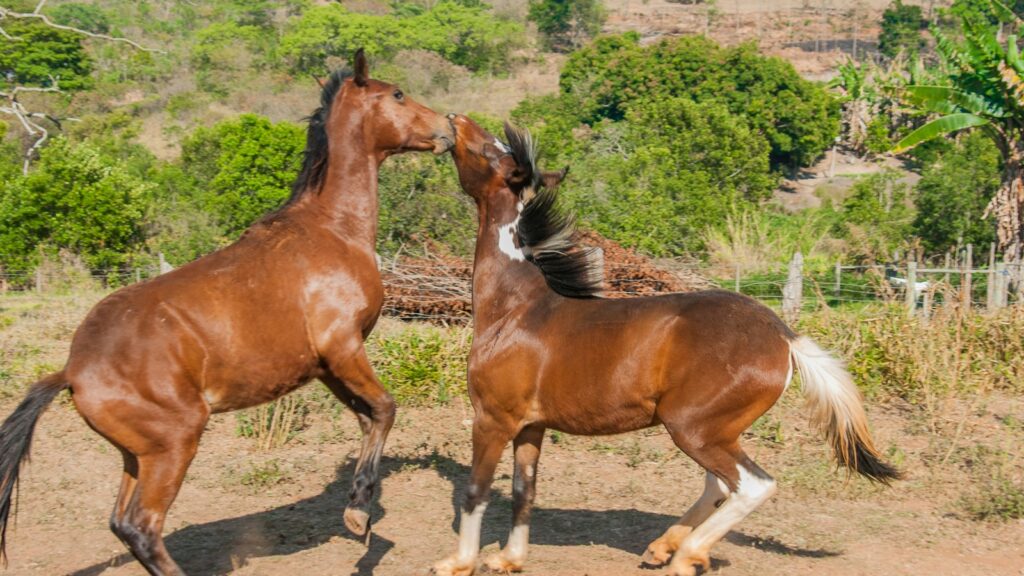
The wild horses of the American West—descendants of escaped or released domestic horses—became both a resource and a symbol of the frontier’s untamed nature. These feral populations, known as mustangs, adapted remarkably well to western environments, developing hardiness and sure-footedness that made them highly sought after when captured and broken for domestic use. Mustang hunting evolved into a specialized occupation, with skilled “mustangers” capturing wild horses for sale to ranchers, cavalry units, and eastern markets. These wild herds influenced the development of distinctly American horse breeds like the Quarter Horse, which incorporated mustang bloodlines to enhance their toughness and cow-working ability. Beyond their practical value, mustangs acquired cultural significance as living symbols of western freedom and resilience, a symbolism that persists in contemporary debates about their management and protection. The 1971 Wild Free-Roaming Horses and Burros Act formally recognized their historical and cultural importance by providing federal protection for remaining herds.
Cultural Icon: The Horse in Western Identity
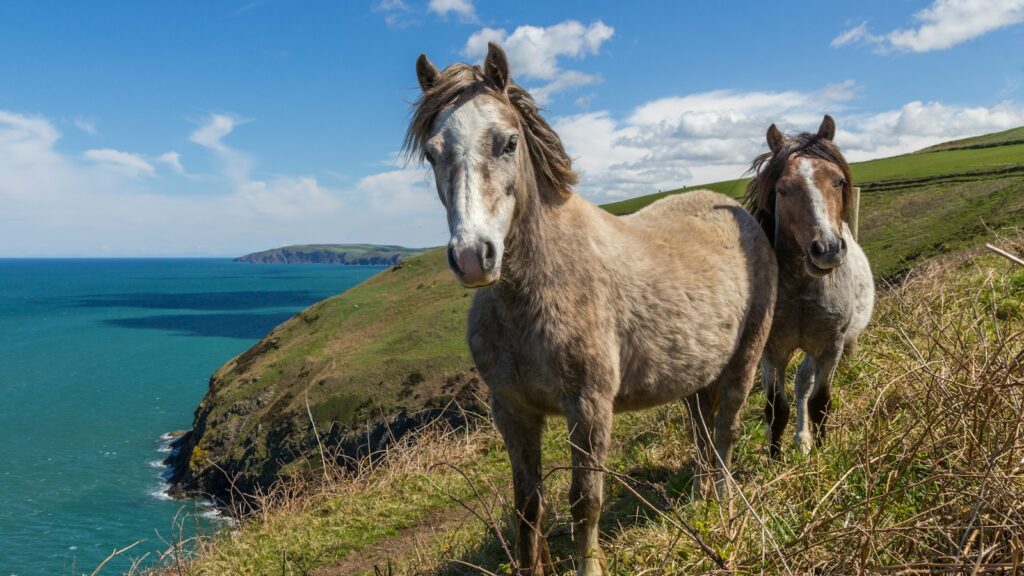
The horse transcended its practical functions to become a defining cultural symbol of the American West, deeply embedded in regional identity and national mythology. Literature, art, and later film consistently portrayed the relationship between westerners and their horses as emblematic of the frontier character—representing freedom, self-reliance, and harmony with the natural environment. Artists like Frederic Remington and Charles Russell immortalized the mounted cowboy, Native American warrior, and cavalry soldier in works that shaped public perceptions of the West. Horse-centered events like rodeos emerged as celebrations of western skills and values, preserving equestrian traditions even as the working need for such skills diminished. Even in contemporary western culture, horsemanship remains an important marker of authentic regional identity, with riding skills and horse ownership continuing to carry social significance in many western communities. This cultural elevation of the horse-human relationship reflects its genuinely transformative impact on western development.
The Decline: Mechanization Replaces Horse Power
The era of horse dominance in the West began its gradual decline in the late 19th century with the expansion of railroads, accelerating dramatically in the early 20th century with the introduction of automobiles and tractors. The transition from horse power to mechanical power occurred unevenly across different sectors and regions, with urban transportation generally mechanizing first while rural areas maintained horse usage longer. Agricultural mechanization delivered the most significant blow to horse populations, as a single tractor could replace multiple draft teams while requiring less maintenance and no feeding during non-working periods. The U.S. horse population peaked around 1915 at approximately 26 million animals, declining precipitously thereafter as mechanization advanced. This transition fundamentally altered western landscapes, economies, and daily life, eliminating the infrastructure that had supported equine transportation and labor for generations. Despite this functional decline, however, the horse maintained its cultural significance even as its practical role diminished.
Contemporary Legacy: Horses in Today’s West
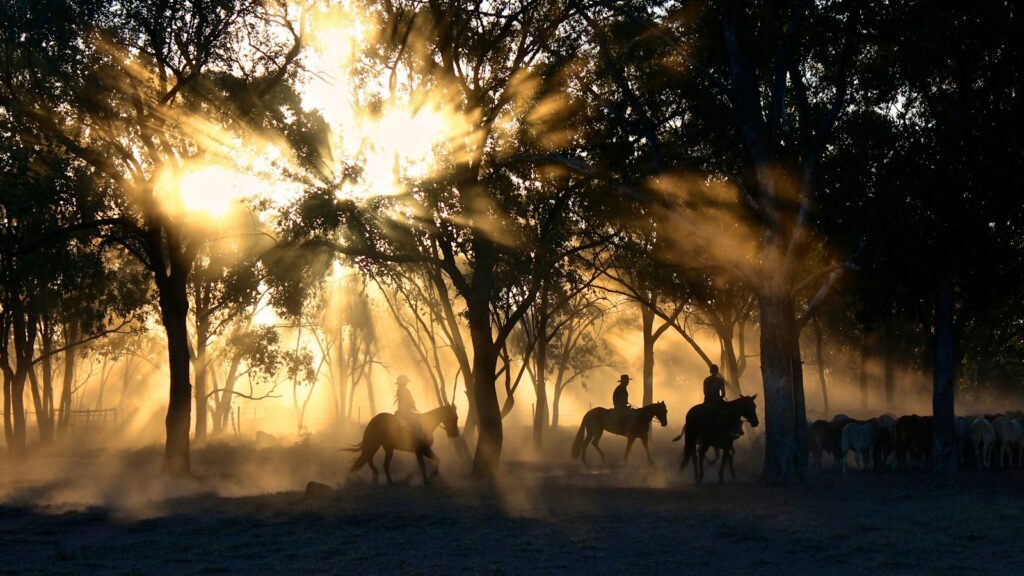
While no longer the essential power source they once were, horses continue to influence western economics, land use, and cultural identity in significant ways. The recreational and sport horse industry contributes billions to western state economies through breeding operations, training facilities, competitions, and tourism. Working ranches still utilize horses for cattle operations in terrain where mechanical vehicles prove impractical, maintaining traditional horsemanship skills that connect to historical practices. Public lands management throughout the West must contend with the complex issues surrounding wild horse herds protected under federal law but existing in contested landscapes with multiple use demands. Educational programs focused on western horsemanship traditions help maintain cultural continuity while adapting historical practices to contemporary needs and values. Though transformed from necessity to choice, the human-horse relationship remains a defining element of western American identity and landscape.
Conclusion
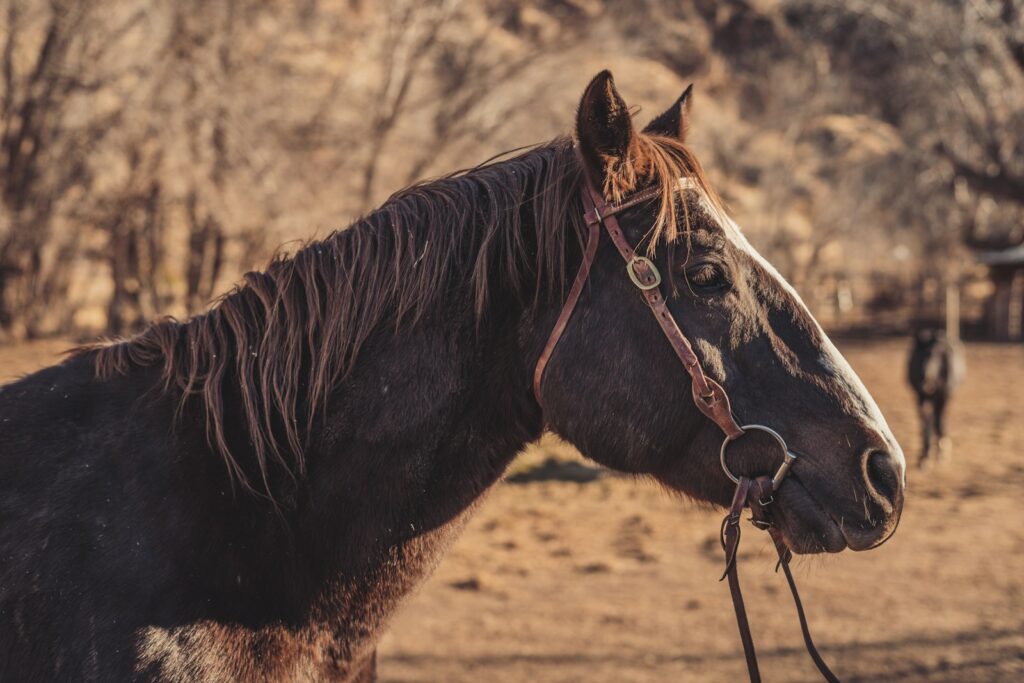
The horse’s role in shaping the American West represents one of history’s most profound examples of how animals can transform human societies and environments. From Native American adoption that revolutionized Plains cultures to the complex transportation networks that made settlement possible, horses provided the essential mobility and power that conquered distance—the West’s greatest geographical challenge. Their strength pulled plows that transformed ecosystems, carried miners into remote mountains, and built the infrastructure of emerging cities. Beyond these practical contributions, horses galloped into the American imagination, becoming powerful symbols of the frontier spirit that continues to influence national identity. While mechanical technologies eventually replaced their physical power, the legacy of the horse-human partnership remains embedded in western landscapes, economies, and cultural expressions. The American West as we know it would be unimaginable without the contributions of horses—partners in an epic historical transformation that continues to fascinate and inspire.